

Tool Boxes



























About Tool Boxes - Walmart.com
Tool boxes help you keep hand tools, fasteners, and power tool accessories organized from the garage to the jobsite. You can compare material, size, mobility, and interior layout to match your daily tasks.
If you're replacing a cracked case or upgrading loose storage, you can narrow choices faster with practical buying guidance. You’ll notice this category covers small tool boxes, rolling units, and lockable formats for different setups.
Choosing the right tool boxes for your work
When you compare tool boxes, you should start with what you carry and where you use it. You can avoid wasted space by matching interior dimensions to your longest tools.
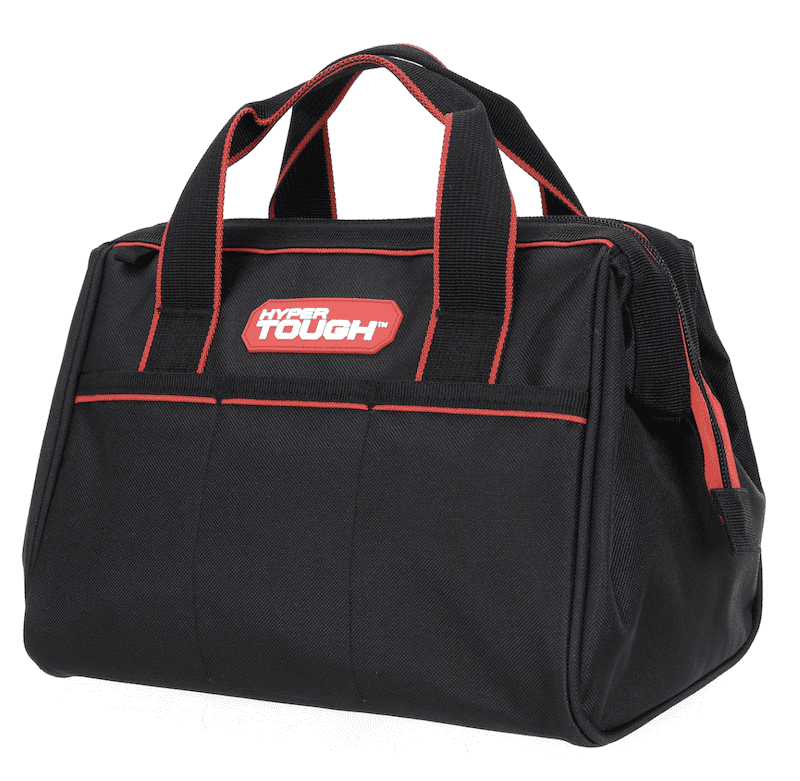
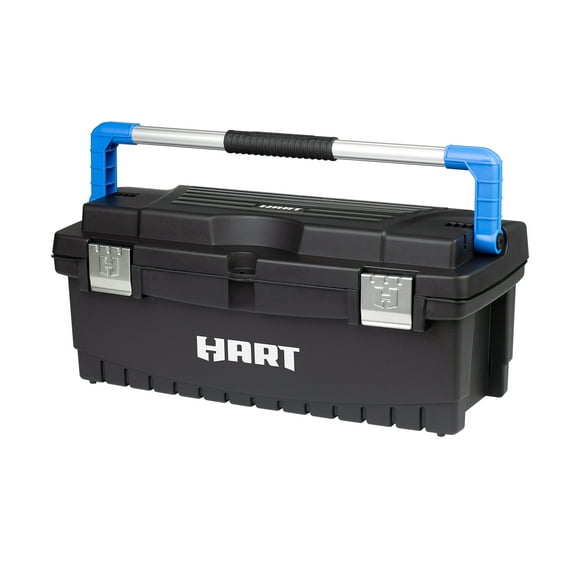
For home projects, you may prefer portable tool boxes that lift easily and fit on a shelf. For trade work, you may need heavy duty tool boxes with stronger walls and reinforced corners.
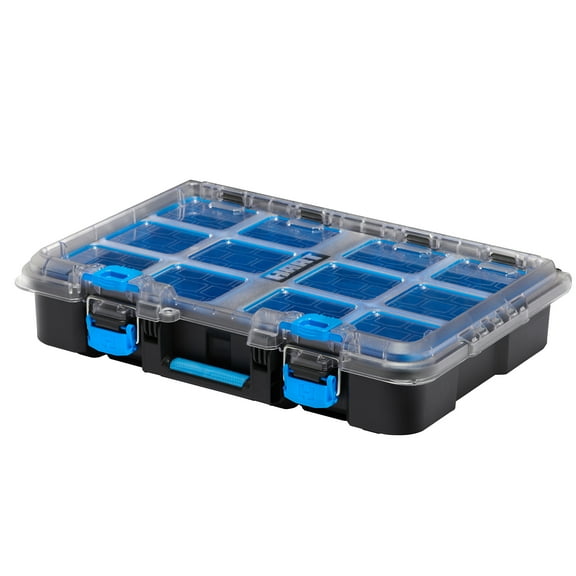
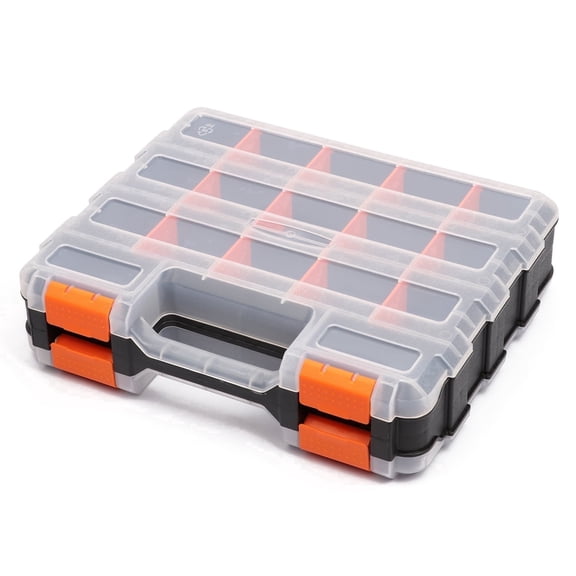
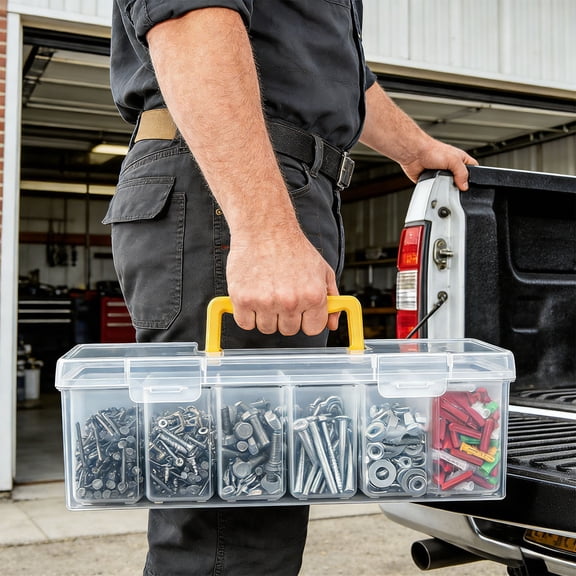
- You can keep sockets, bits, and screws separated with removable trays or multi-compartment interiors.
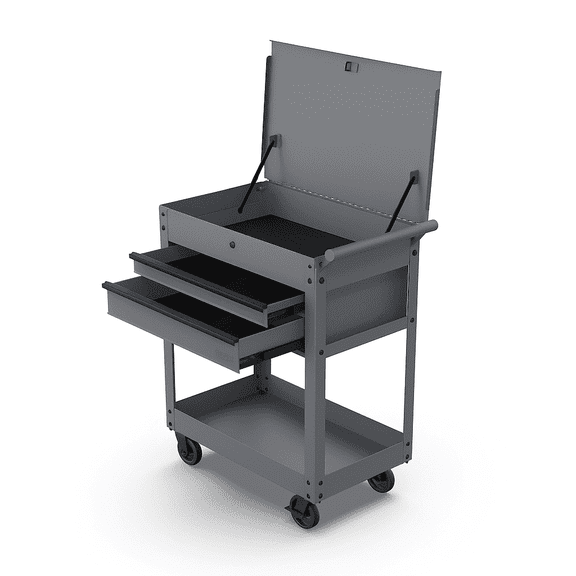
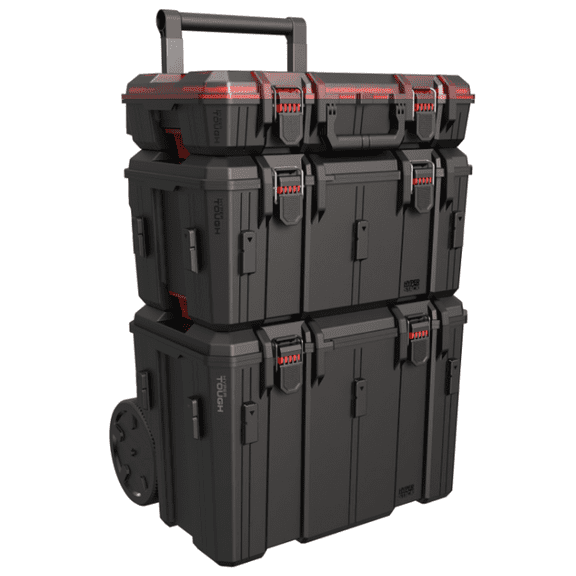
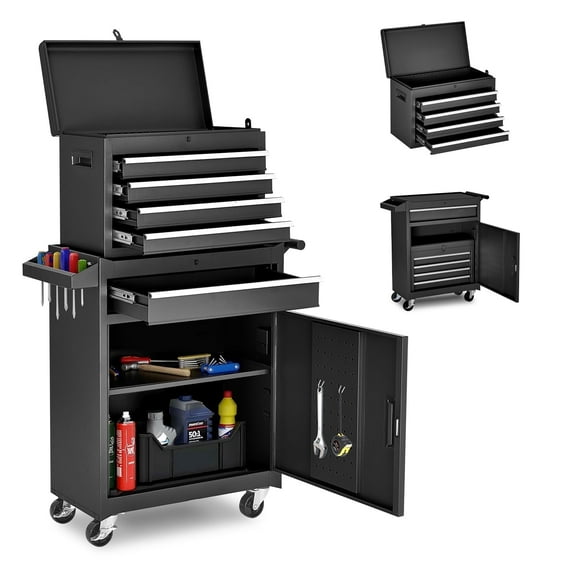
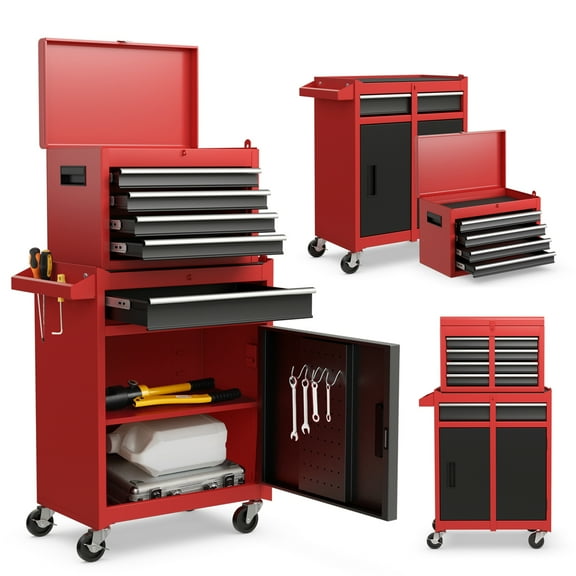
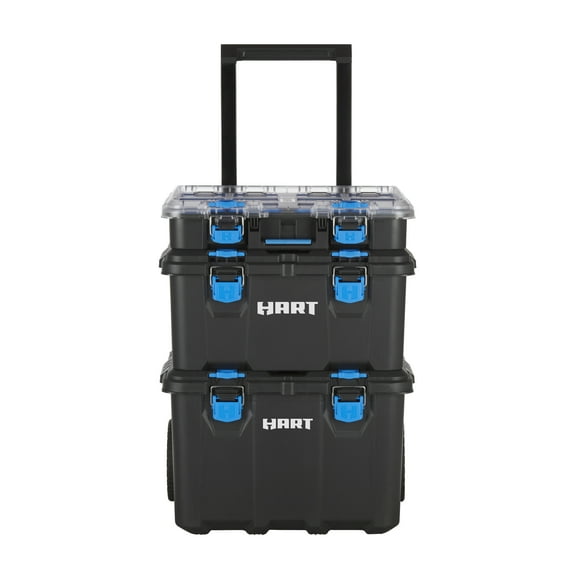
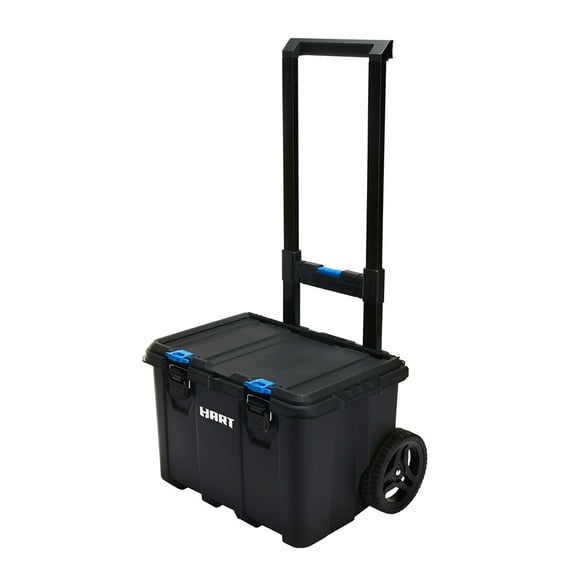
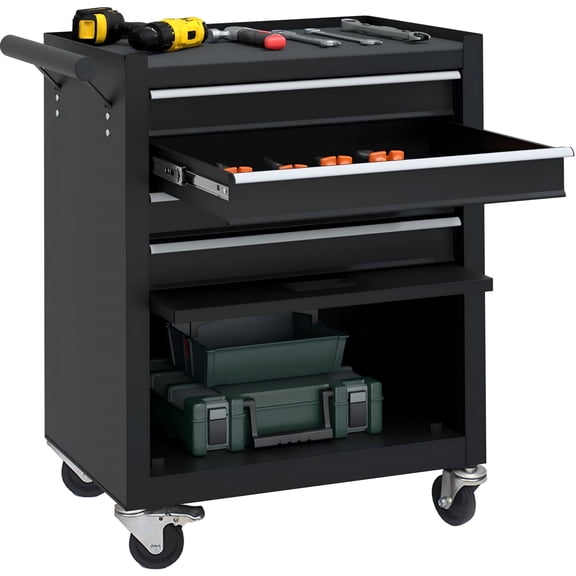
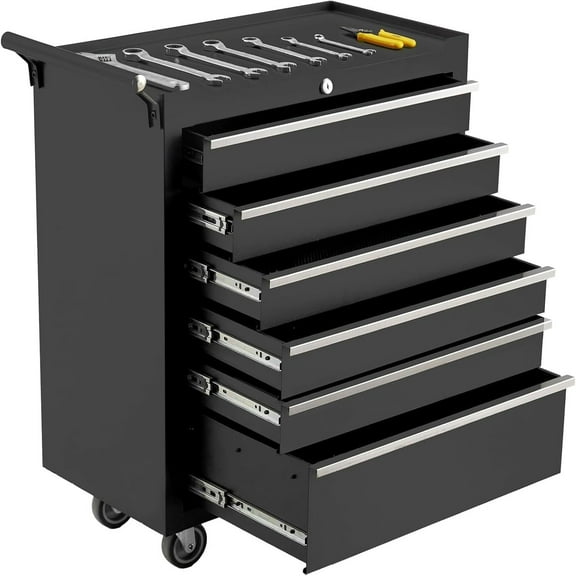
- You can move heavier loads more comfortably with rolling tool boxes and extended pull handles.
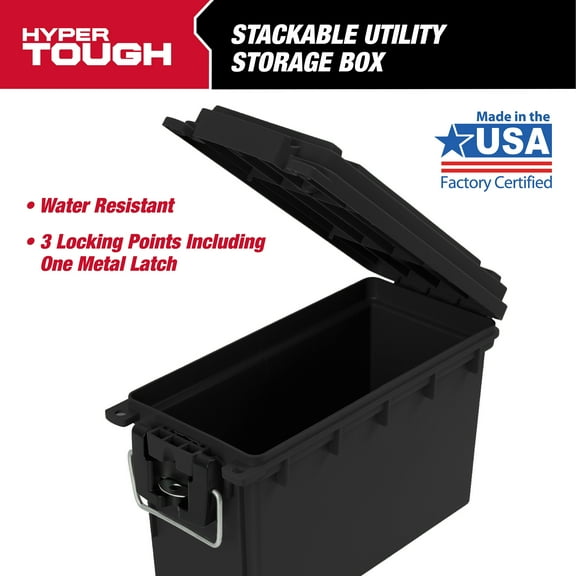
- You can protect frequently used tools with metal tool boxes or thick plastic shells.
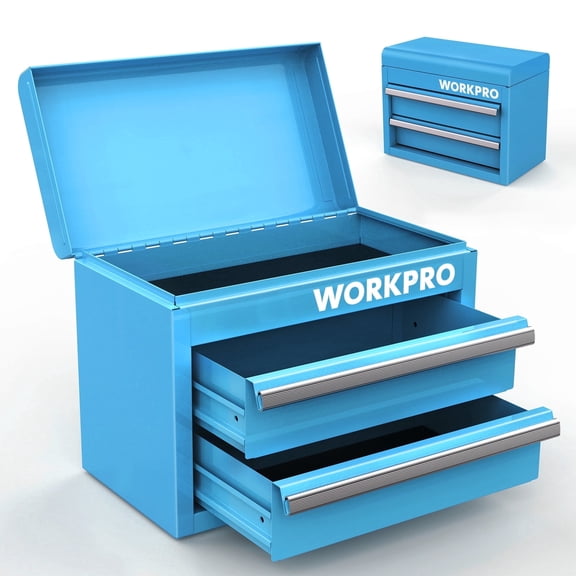
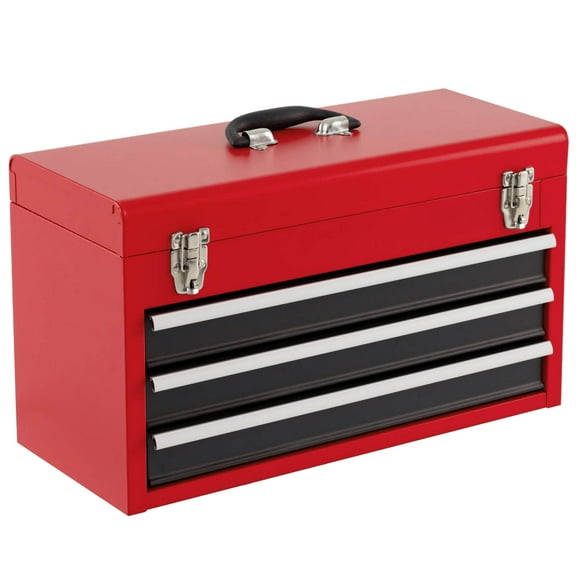
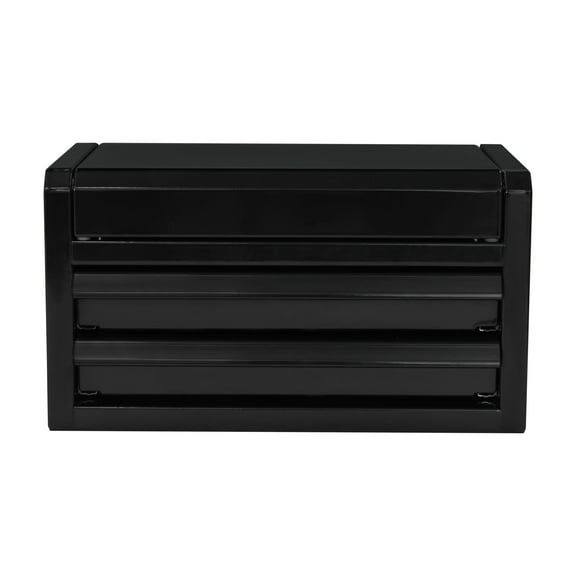
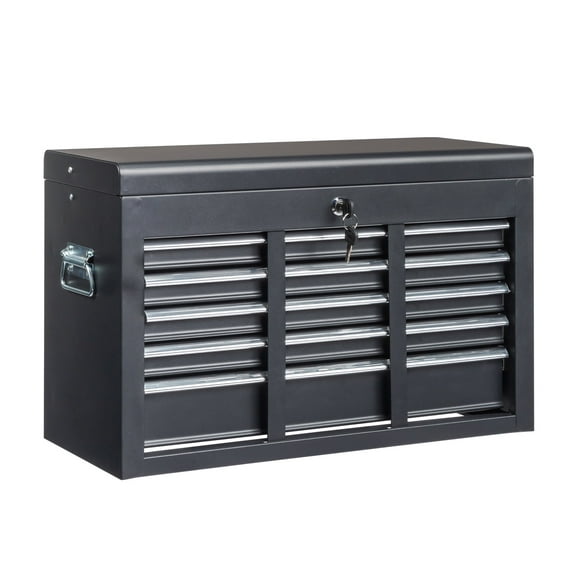
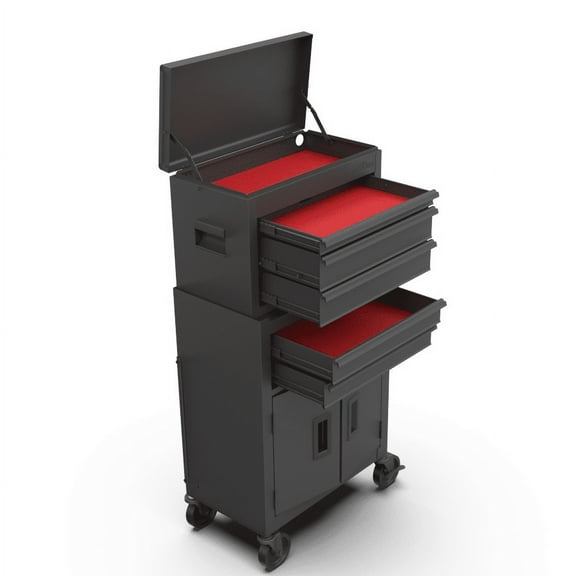
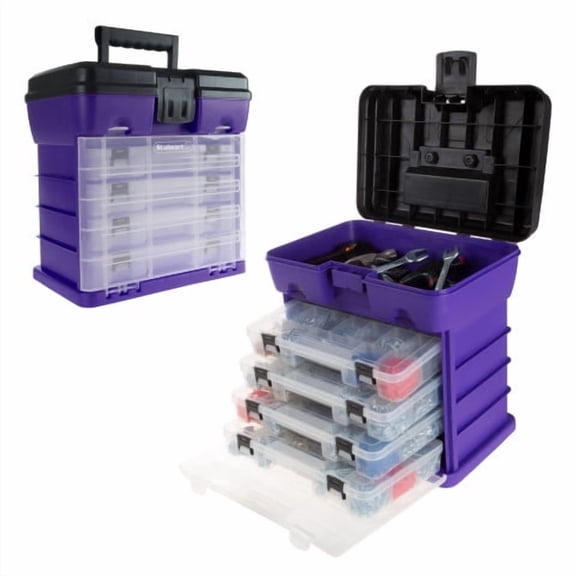
- You can choose tool boxes with drawers when you want layered access instead of one deep main compartment.
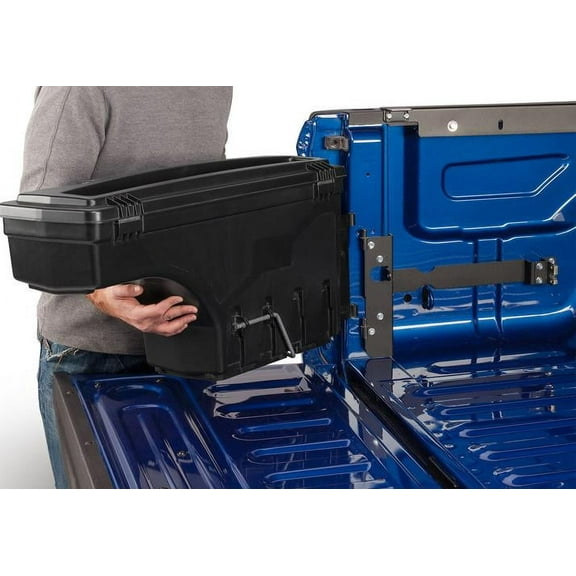
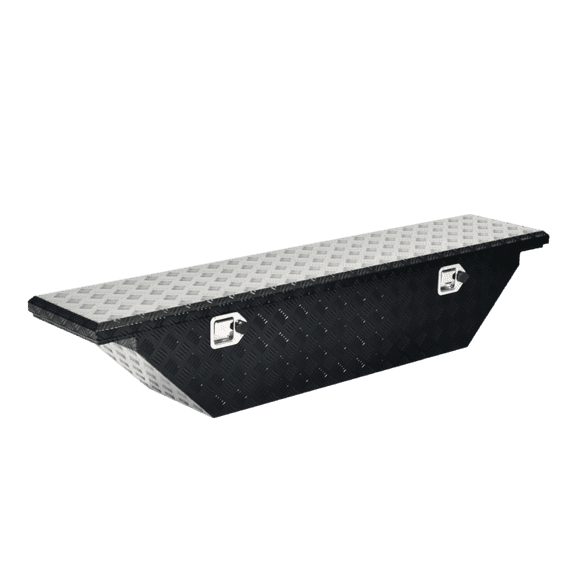
If you carry your box up stairs, you should check the empty weight before you choose a larger size. If you work from a truck bed, you may want stackable shapes that load neatly.
Comparing material: metal tool boxes and plastic tool boxes
Material affects how your box feels, how much it weighs, and how it handles daily wear. You can compare steel, aluminum, and heavy-duty plastic based on your routine.
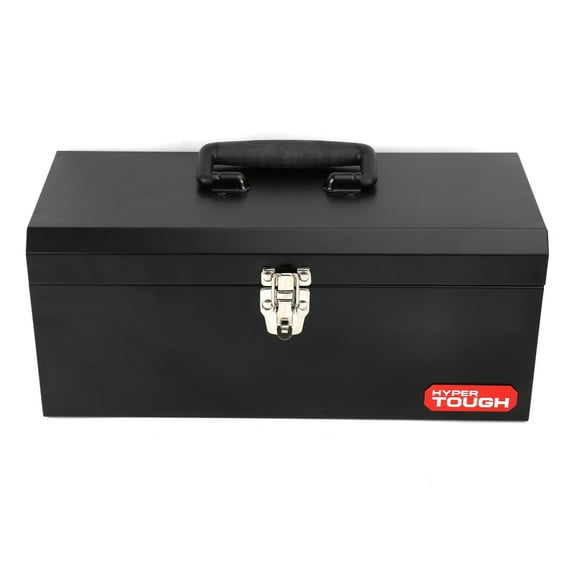
If you need a rigid body for dense hand tools, you may lean toward metal tool boxes. You’ll usually get stronger panels that help the box hold shape under heavier loads.
Steel gauge matters when you expect frequent lifting and packed compartments. You can use thicker steel as a sign of sturdier construction and more confidence with higher load ratings.
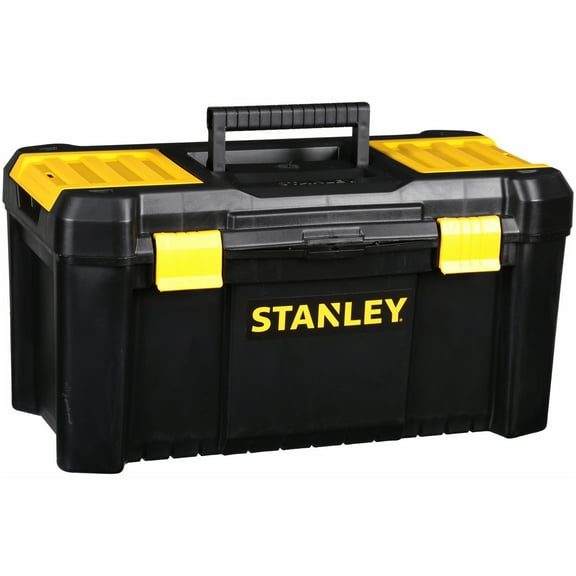
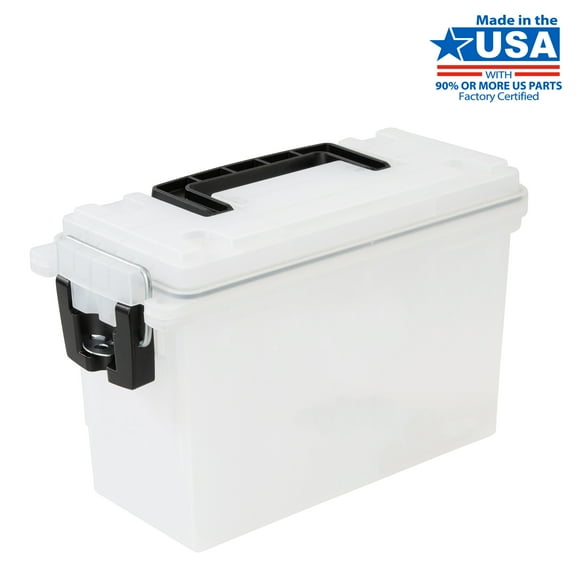
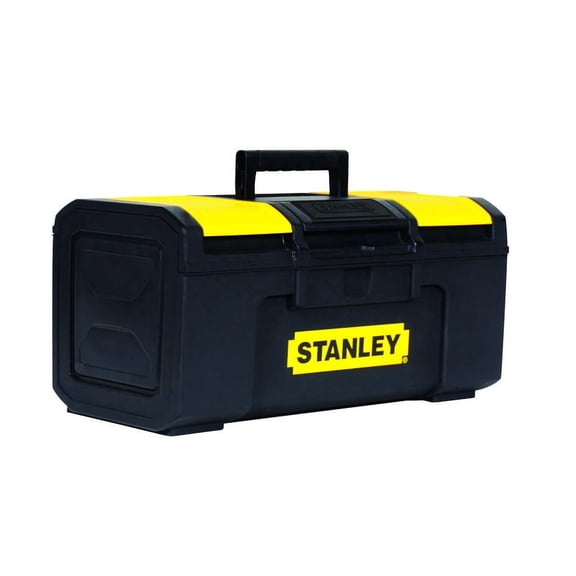
If you want a lighter carry, you may prefer plastic tool boxes or heavy-duty plastic designs. You can get easier handling for mixed supplies, smaller tools, and everyday home maintenance.
Aluminum can give you a lighter metal option when you still want a solid frame. You should compare latch style, corner construction, and handle hardware before you decide.
For damp garages or outdoor transport, you may also check whether surfaces wipe clean easily. You’ll appreciate smooth interiors when you need to remove sawdust, dirt, or loose hardware.
Choosing rolling tool boxes or portable tool boxes
Mobility changes how quickly you can move tools between rooms, vehicles, and work zones. You should compare wheels, handle grip, and overall balance before picking a style.
Rolling tool boxes work well when you carry heavier kits, power tools, or bulk fasteners. You can reduce repeated lifting by using wheels across driveways, hallways, and larger sites.
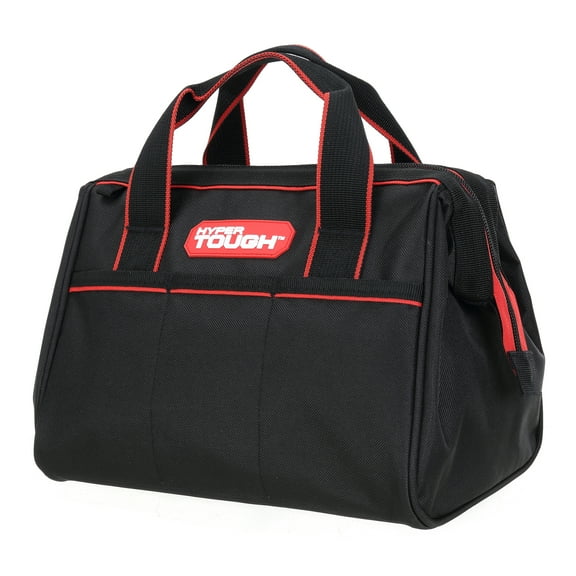
Portable tool boxes fit shoppers who need a simple grab-and-go option for quick tasks. You can lift them into closets, trunks, and utility shelves without needing much floor space.
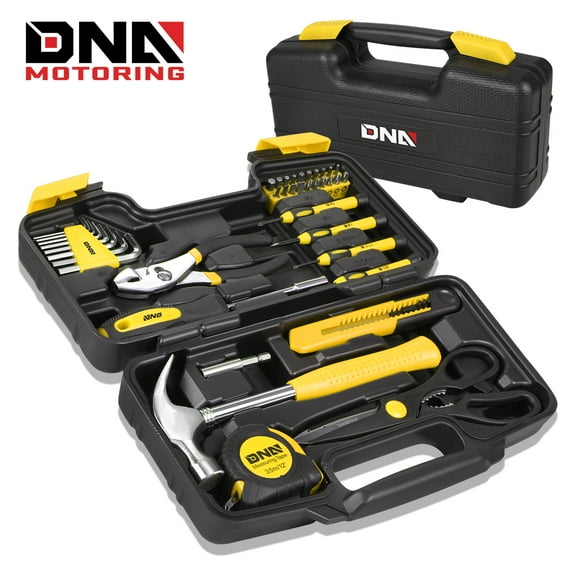
Handheld designs suit smaller tool collections and occasional repairs around the house. You may prefer a compact body when you only need pliers, a tape measure, and a drill bit set.
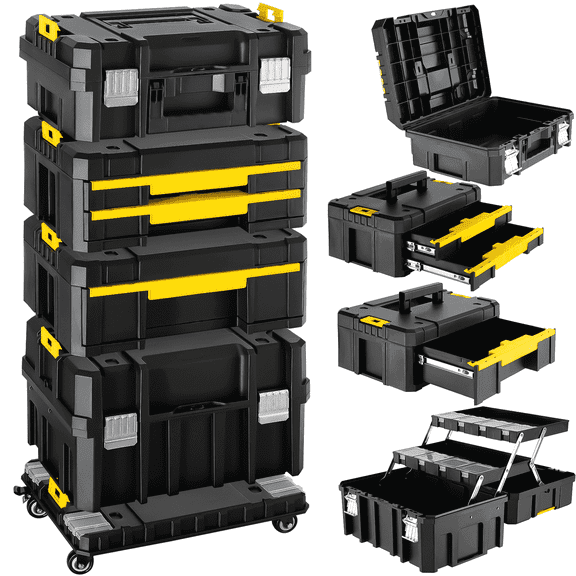
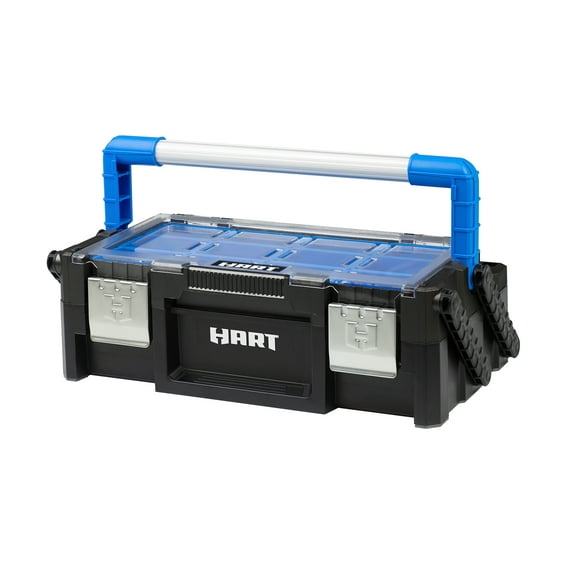
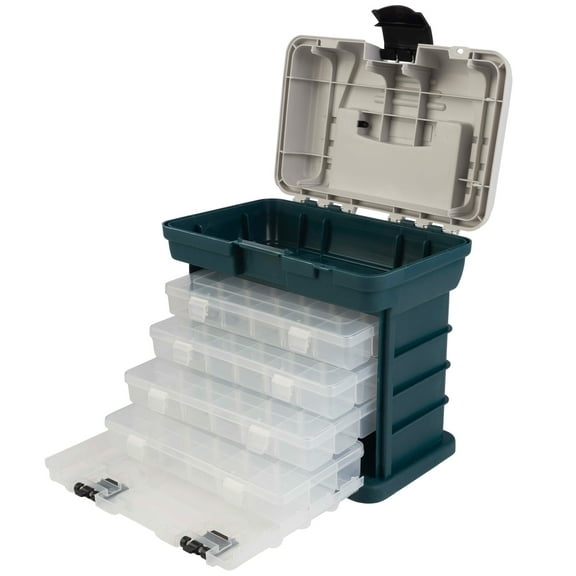
Cantilever styles help you spread out small parts where you can see them at once. You can open layered sections for faster access to screws, anchors, and electrical connectors.
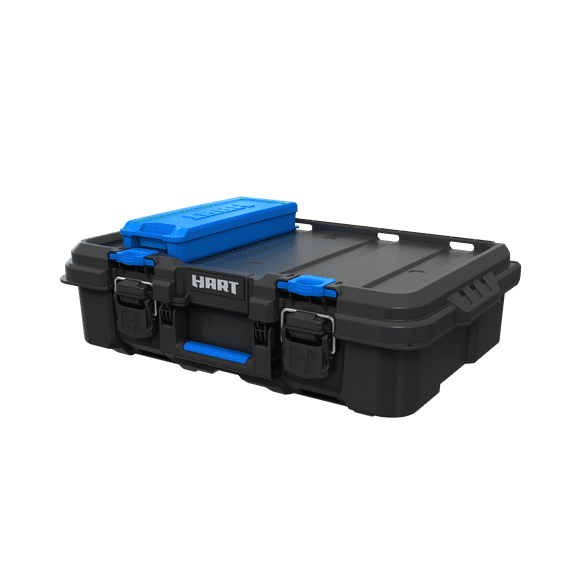
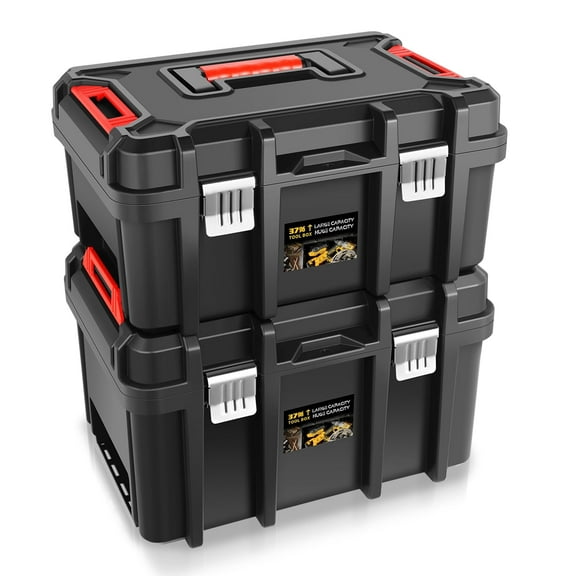
Stackable systems make sense when your tool collection grows over time. You can separate hand tools, drill accessories, and specialty items while keeping pieces easier to transport.
Checking drawers, compartments, size, and locks
Interior organization affects how fast you find what you need during a project. You should compare drawers, trays, and compartment layouts based on the tools you reach for most.
Tool boxes with drawers can help you separate drivers, wrenches, blades, and measuring tools. You can access smaller items without digging through one large compartment.
A removable tray works well when you want quick access to the parts you use most often. You can lift out common items and keep larger tools stored underneath.
Single-compartment boxes make sense when you carry bulky gear like drills or longer hand saws. You should check interior length and depth so your tools fit without crowding.
Small tool boxes work well for apartments, cars, and basic household kits. Medium and large sizes suit broader collections, while 16-inch and 20-inch options help you compare footprint clearly.
If security matters, you should compare dual-latch closures and key-lock designs. You can choose lockable tool boxes when you want more controlled access in shared spaces or work vehicles.
Latch design also affects daily convenience when you open and close the box often. You’ll want handles and closures that feel secure without slowing down your workflow.
When you match material, mobility, size, and lock style to your routine, you can build a cleaner setup that wastes less time. You’ll get tool storage that supports faster starts and easier cleanup.