

Tile Paint for Kitchen & Bathroom

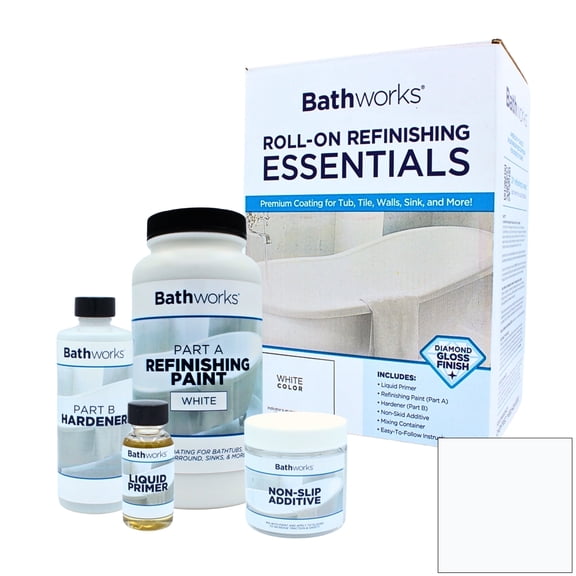
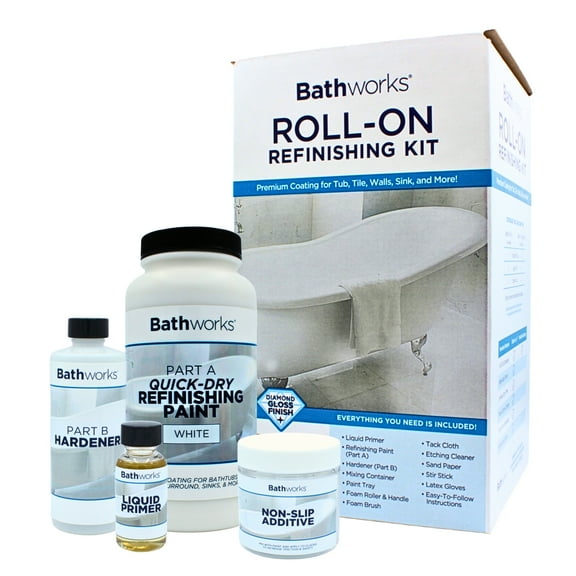


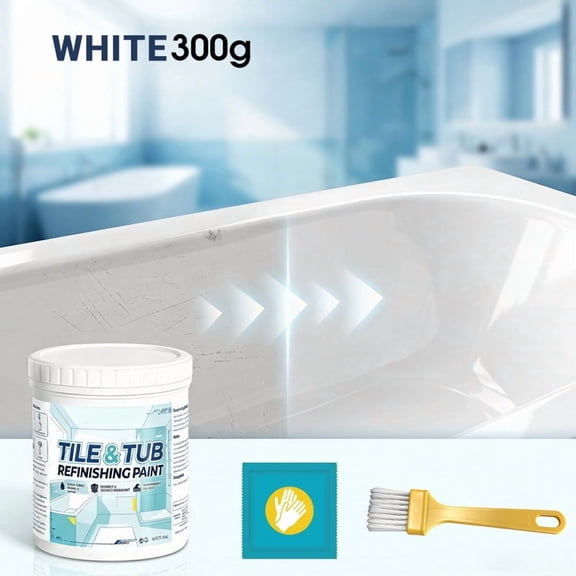

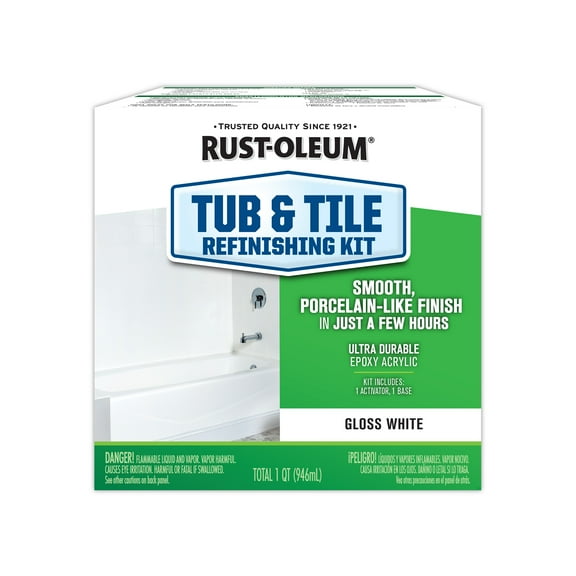























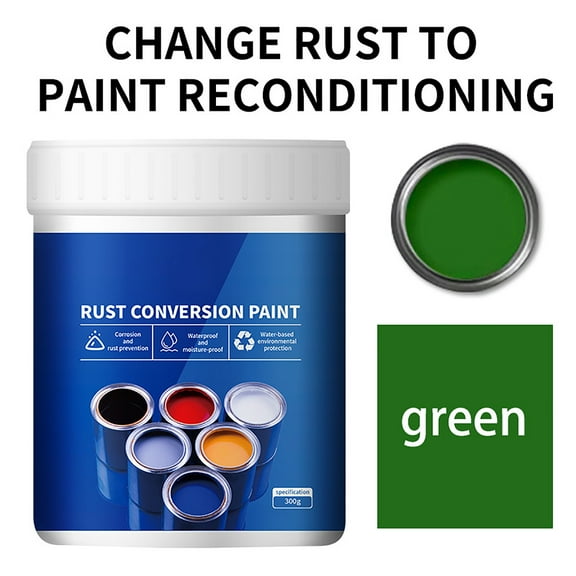


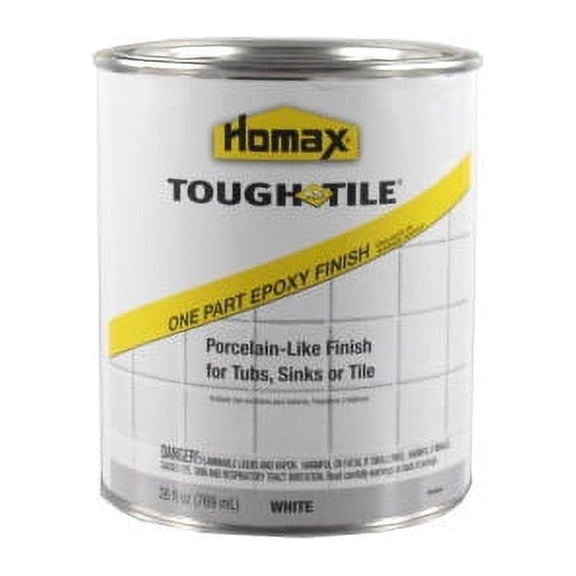
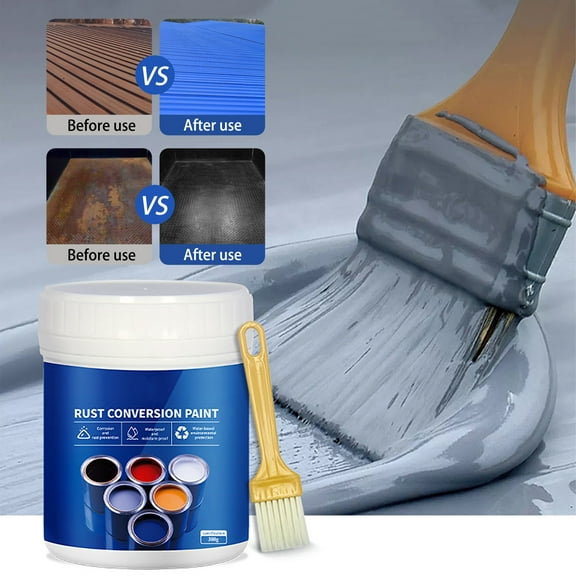


About Tile Paint for Kitchen & Bathroom - Walmart.com
Tile paint helps you refresh worn surfaces without removing installed tile. You can compare formulas, finishes, and prep needs for bathrooms, kitchens, laundry rooms, and other update projects.
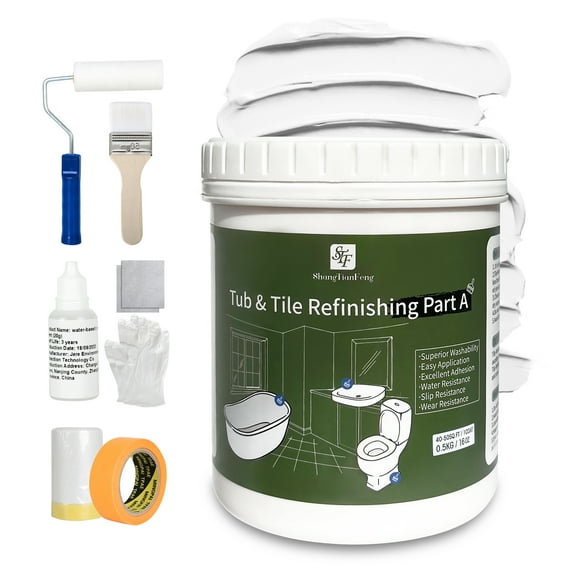
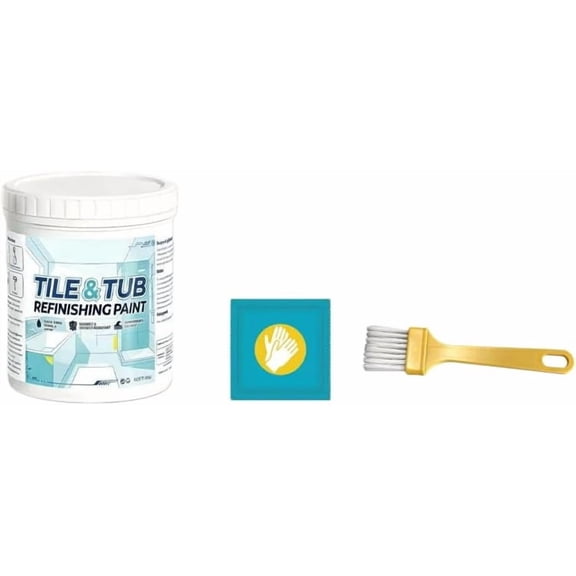
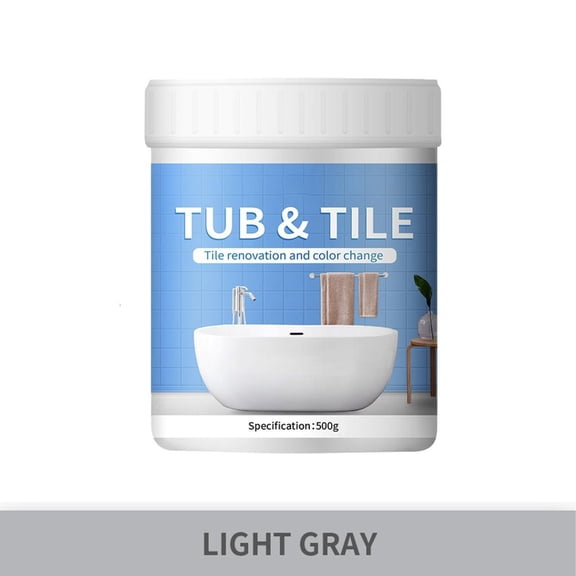
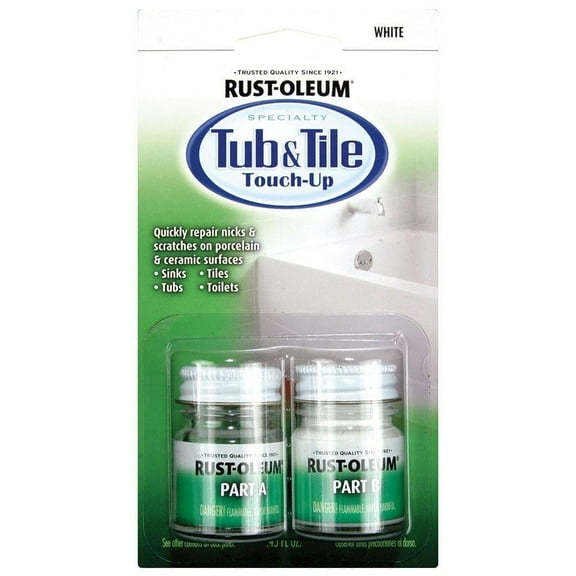
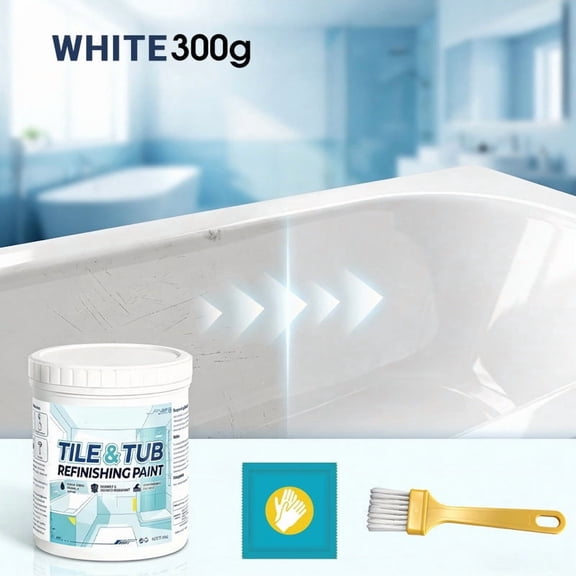
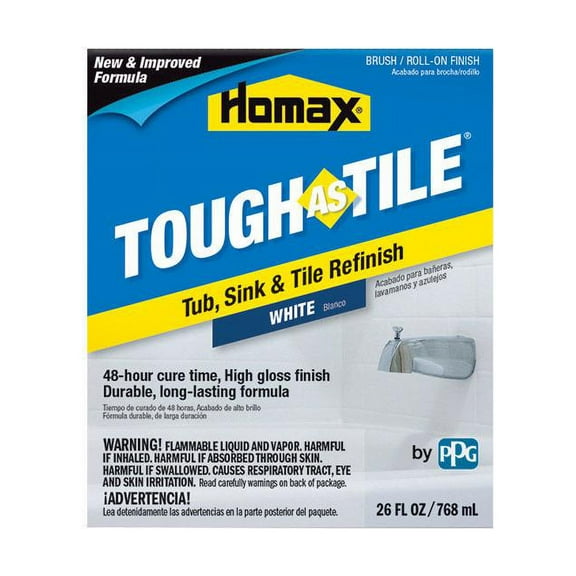
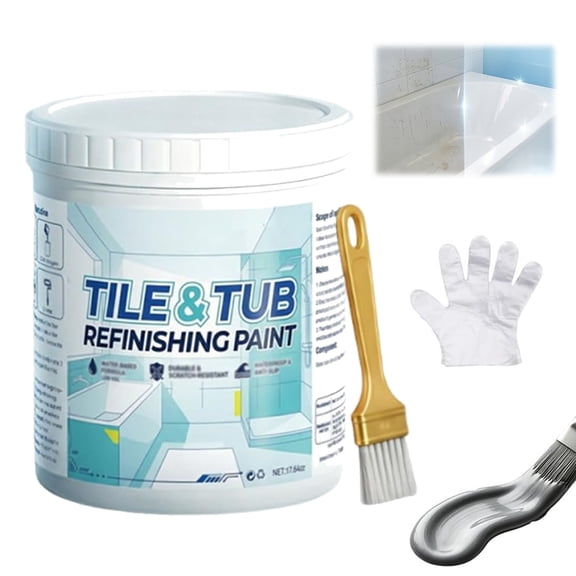
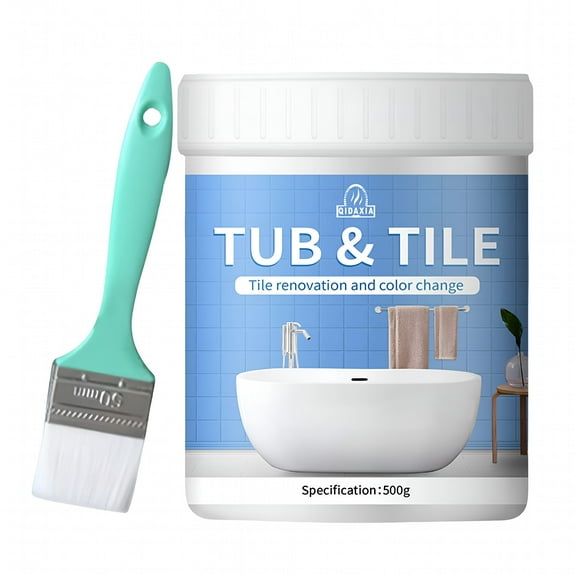
If you want a practical refinishing path, tile paint gives you a clear starting point. You can use this category to compare ceramic tile paint, tub and tile paint, and tile refinishing kit options.
Choosing the right tile paint for your surface
When you choose tile paint, you should first match the formula to your surface. You’ll want to check whether you’re painting ceramic, porcelain, fiberglass, or acrylic before gathering supplies.
Ceramic tile paint usually needs thorough cleaning and a dulled surface before application. You can improve adhesion when you remove residue and create a slightly less glossy finish.
Porcelain often needs careful sanding or etching, so your coating can grip evenly. You should check whether your label calls for extra prep on dense, nonporous tile.
For fiberglass and acrylic surrounds, you should compare label guidance for slick surfaces. You’ll also want to check whether the manufacturer recommends a bonding primer for stronger adhesion.
Your project goals can help you narrow finish choices quickly. You can choose high gloss for more shine, satin for balanced sheen, or matte for a softer look.
What to look for in tub and tile paint
You should compare base types because they affect application, odor, and cure expectations. Epoxy tile paint and two-part epoxy options usually suit heavy-use wet areas.
If you want easier cleanup, you may prefer water-based acrylic formulas for lighter-use spaces. You’ll often notice lower odor during application, which can help in smaller rooms.
Dry time and cure time aren’t the same, and you should plan around both. Your surface may feel dry sooner, but you often need about three days before water exposure.
That timing is especially critical when you’re coating a bathroom tub or shower tile. You’ll want a fully cured surface before regular splashes, steam, or standing water return.
- You can compare ceramic, porcelain, fiberglass, and acrylic compatibility before you start.
- You can choose between epoxy acrylic, water-based acrylic, and two-part epoxy formulas.
- You can match high gloss, satin, or matte finishes to your room’s look.
- You can plan around dry time, cure time, ventilation, and moisture exposure.
Comparing bathroom tile paint by application area
Bathroom tile paint needs different performance than paint used on a backsplash. You should look for stronger moisture handling when your surface sees daily steam or direct water.
For a shower tile project, you’ll want to focus on prep and curing discipline. Your results depend on a clean surface, light abrasion, and enough time before use.
If you’re updating a backsplash, you may prioritize appearance and easy wipe-clean care. Your surface usually faces splashes and cooking moisture instead of regular standing water.
Floor tile projects call for extra attention to traffic and scuffing. You should verify whether the product is intended for floors, because not every formula is.
How to compare prep steps for tile refinishing
You can improve tile refinishing results by treating prep as part of the coating system. Your cleaner, sanding pad, bonding primer, and tape all shape the final finish.
Before painting, you should remove soap film, grease, and residue that block adhesion. You’ll also want to repair loose caulk lines and mask nearby fixtures for neater edges.
Light sanding or etching can help smooth, glossy tile accept paint more evenly. You should follow label directions closely, because prep steps vary by surface and formula.
Ventilation matters during application, especially with stronger epoxy systems. You may prefer a lower-odor acrylic option if your project space has limited airflow.
Matching finish and formula to your project
You can use high gloss when you want a bright, reflective bathroom look. Satin can give you a softer sheen, while matte can reduce shine in modern spaces.
Two-part epoxy often suits projects where you want a harder cured surface. You should mix and apply it carefully, because working time can be shorter after activation.
Epoxy acrylic options can offer a balance between durability and simpler use. You may like them for shower walls, surrounds, and other areas that need a durable finish.
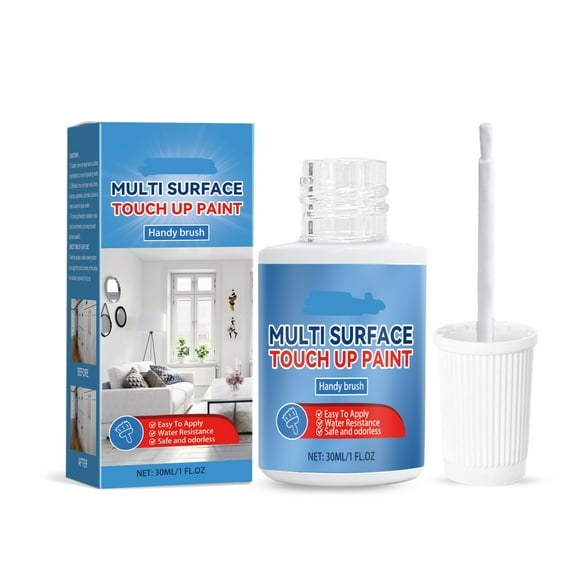
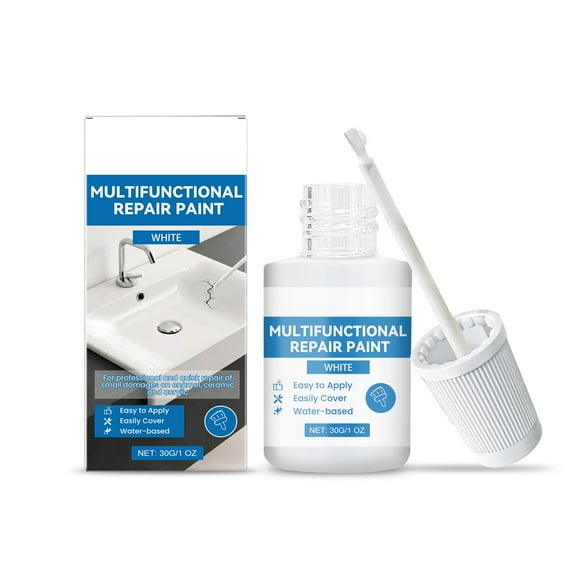
Water-based acrylic formulas can fit lighter-use spaces and touch-up projects. You’ll usually get easier cleanup, and you may find them helpful for backsplash updates.
Using tile paint with confidence
You can narrow your choice faster by comparing surface compatibility, finish, base type, and application area together. Your project will feel easier to plan when those details line up early.
With the right prep, formula, and cure time, tile paint can give your room a refreshed look. You’ll get a finish that suits your surface, moisture level, and daily routine.