

Tile by Application in Tile

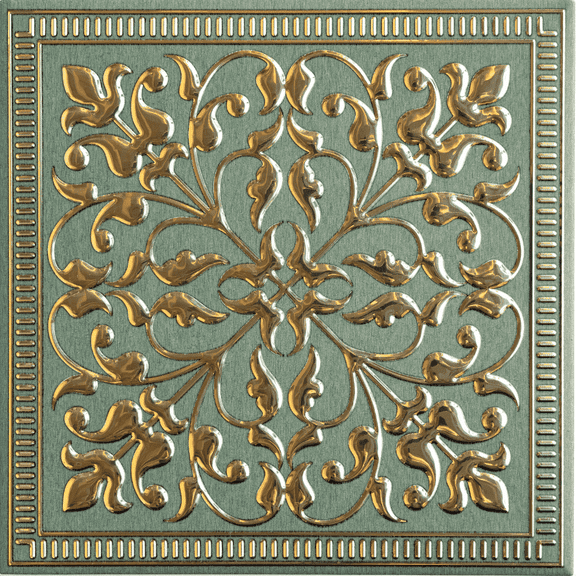





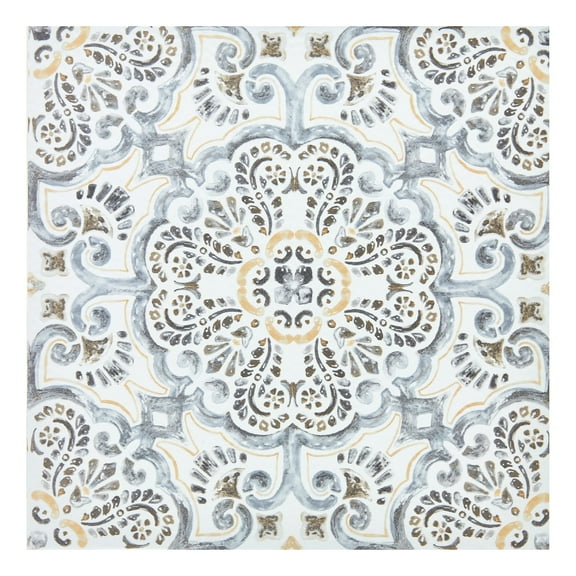


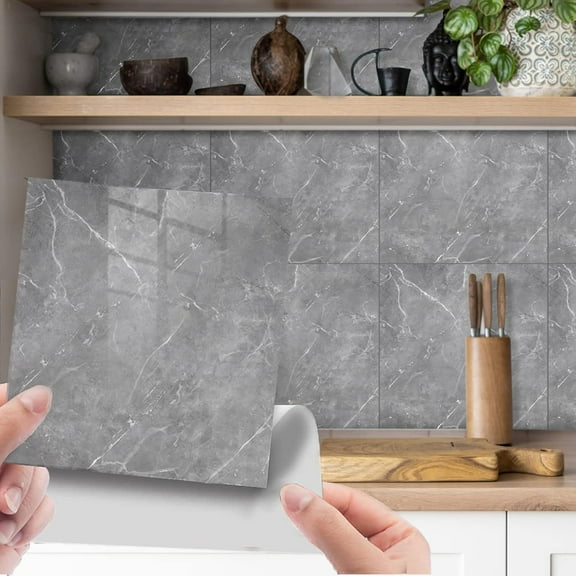


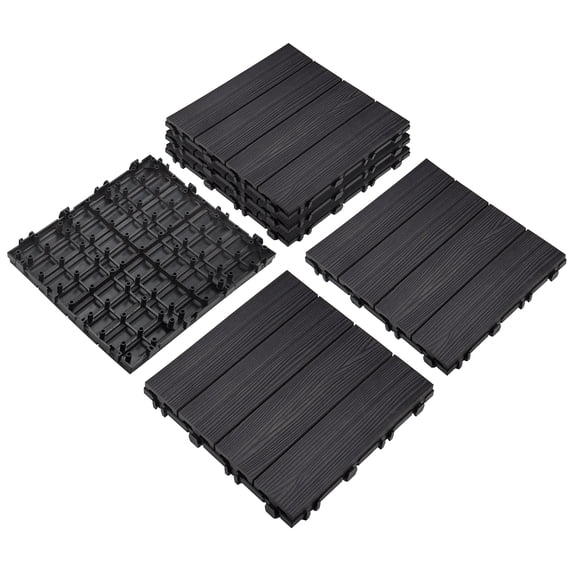























About Tile by Application in Tile - Walmart.com
With tile by application, you can narrow your choice by room, surface, and daily wear before you compare colors or shapes. You’ll make quick decisions when you match floor tile, wall tile, backsplash tile, and shower tile to the job.
You may be planning a kitchen update, a bathroom refresh, or a full-room renovation with different surfaces in one space. Your results usually look highly polished when you choose tile for traffic, moisture, finish, and maintenance needs.
How to choose tile by application
You should start with the installation area because wall and floor needs aren’t the same. You’ll want a floor tile that handles foot traffic, while your wall tile can focus on style and easier vertical installation.
When you compare application areas, you should also check moisture exposure and cleaning habits. You’ll usually need different surface traits for a kitchen backsplash, a bathroom tile layout, or a shower tile surround.
- You can use floor tile to handle daily traffic, rolling chairs, and repeated cleaning.
- You can use wall tile to add pattern, height, and easier-to-coordinate finishes.
- You can use backsplash tile to cover small spaces where splashes and wipe-downs happen often.
- You can use shower tile in wet zones where water absorption ratings matter.
Choosing floor tile for traffic and grip
You should pay close attention to PEI wear rating when you shop for floor tile. You’ll often see Class 3 for medium residential floors and Class 4 for heavier traffic areas.
If you’re updating an entry, kitchen, or hallway, you should compare wear ratings before shape or color. You’ll get a surface that fits daily movement instead of one meant mainly for light wall use.
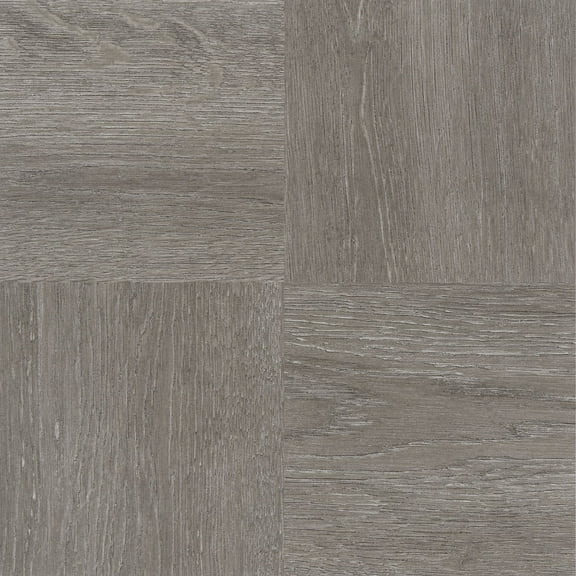
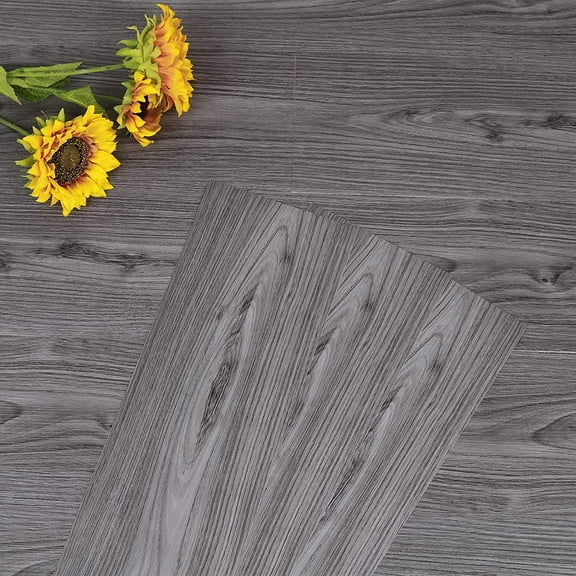
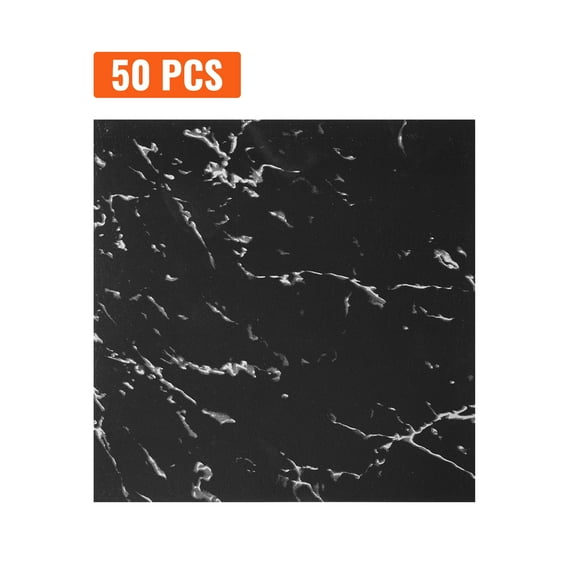
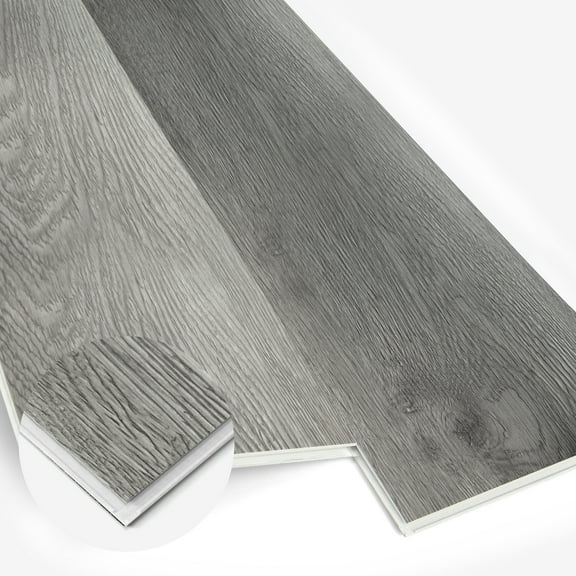
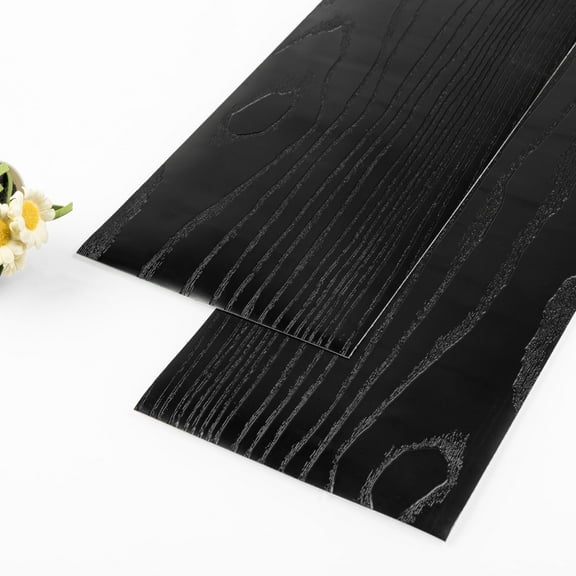
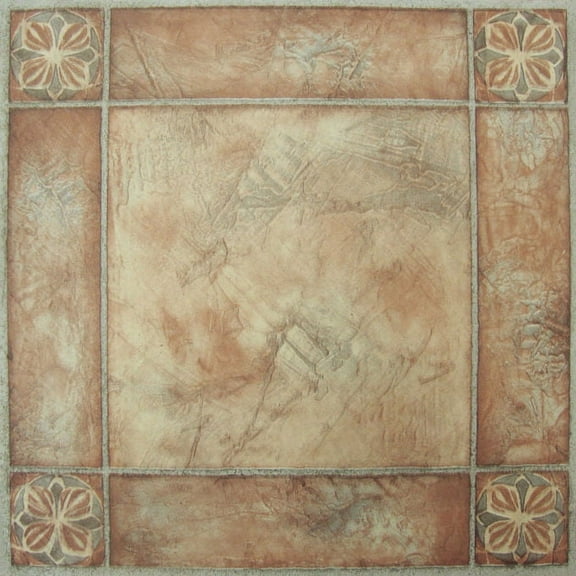
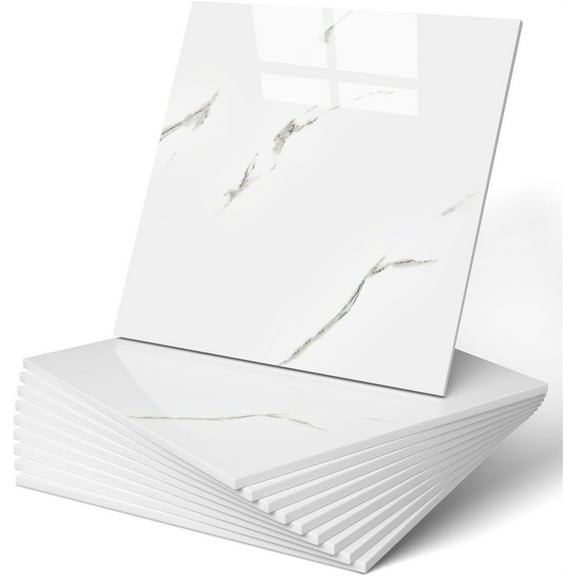
You should also compare finish because matte and textured surfaces can feel highly practical underfoot. You may prefer polished looks in some spaces, but your floor tile choice should match how the room gets used.
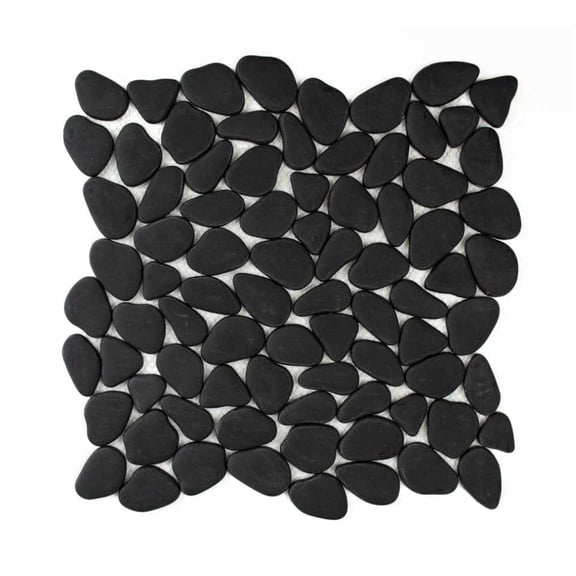
For active rooms, you can look for square or hexagon formats that create clean layouts and steady grout spacing. You’ll often find mosaic sheets useful when you want additional grout lines and visual detail.
Choosing wall tile and backsplash tile
You can approach wall tile differently because vertical surfaces don’t handle the same wear as floors. You’ll have plenty of freedom to focus on pattern, gloss level, and decorative shape.
Subway wall tile works well when you want a classic grid or offset layout in kitchens and baths. Hexagon and mosaic options can help you create an accent tile section behind a vanity or cooktop.
For a backsplash tile project, you should think about wipeability, grout visibility, and light reflection. You’ll often notice glossy finishes brighten smaller kitchens, while matte finishes can create a softer look.
If you’re choosing bathroom tile for walls, you should match the finish to your cleaning routine and overall design. You can combine simple field tile with a mosaic strip when you want contrast without changing the whole layout.
Comparing materials for moisture and maintenance
You should compare ceramic tile, porcelain, glass, and natural stone by how each material fits your space. You’ll usually find ceramic tile easy to coordinate, while porcelain often suits rooms with heavier wear.
When you’re planning a shower tile installation, you should check whether the tile is suited for wet areas. You’ll want to compare water absorption terms like vitreous or impervious in plain product details.
Glass can help you reflect light across a backsplash tile wall or accent area. Natural stone can give your room a distinct surface look, but you should check whether your selection needs sealing.
If you want lower-maintenance care, you may lean toward ceramic or porcelain in busy rooms. You’ll want to read care guidance closely when your material choice includes stone or polished finishes.
Matching finish, shape, and rating to your room
You should treat finish and shape as functional decisions, not only style choices. You’ll notice textured surfaces, subway formats, and mosaics each change how a room looks and how the tile performs.
In a kitchen, you may choose backsplash tile with a glossy finish to bounce light across counters. In a bathroom, you might prefer matte bathroom tile for a softer look on larger wall sections.
For shower tile floors, you should often compare smaller formats like mosaic sheets. You’ll get more grout joints, which can suit curved areas and detailed layouts.
If you’re mixing floor tile and wall tile in one renovation, you should keep the application separate in your planning. You’ll reduce guesswork when your floor choice covers wear and your wall choice covers visual impact.
Using tile by application in real projects
You can use floor tile in kitchens, mudrooms, laundry rooms, and hallways where steady foot traffic shapes your decision. You’ll want PEI guidance, finish details, and material notes before you settle on a look.
You can use wall tile in bathrooms, fireplaces, and statement walls where pattern and layout are key. You’ll often compare subway, square, and hexagon shapes when you want a specific design direction.
For backsplash tile, you may focus on narrow spaces behind sinks and ranges where cleanup happens often. You’ll likely compare ceramic tile, glass, and mosaic options for color, shine, and grout pattern.
In shower tile projects, you should review wet-area suitability, finish, and maintenance before installation planning begins. You’ll feel confident when your tile by application choice matches water exposure, traffic, and care needs.
You can simplify a renovation when you choose tile by application instead of guessing from color alone. You’ll end with surfaces that fit your room, your routine, and your installation plan.