



How Much Is a Teeter Inversion Table? | Walmart








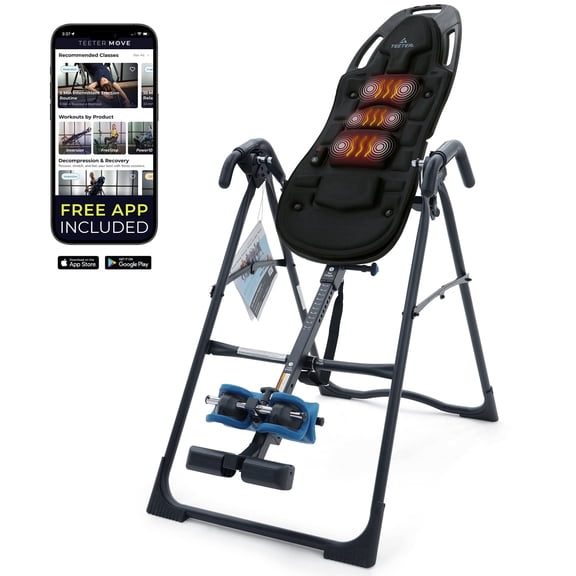


About How Much Is a Teeter Inversion Table? | Walmart - Walmart.com
How much is a teeter inversion table depends on frame design, comfort details, and adjustability. This category helps you compare inversion equipment by product type, storage needs, and user fit.
How to compare a teeter inversion table by product type
Start by checking whether an inversion table, inversion chair, or inversion bench matches your routine. Each format changes how you mount, recline, and store the equipment.
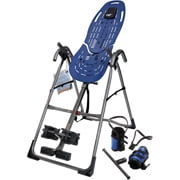
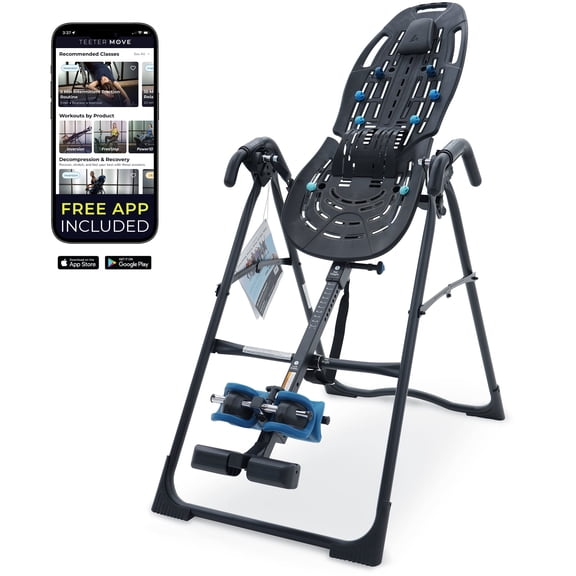
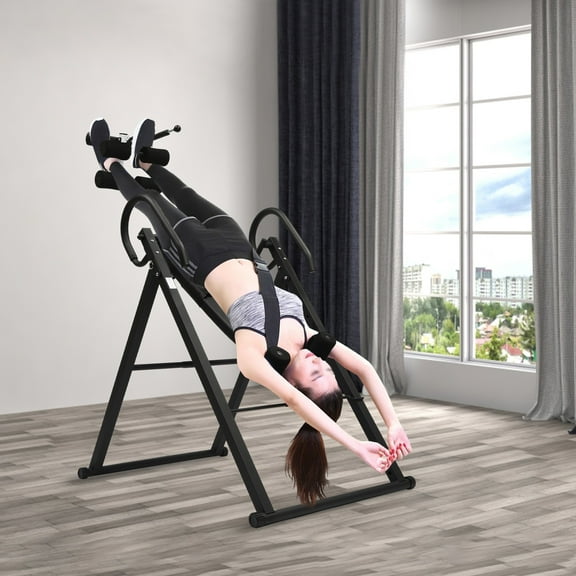
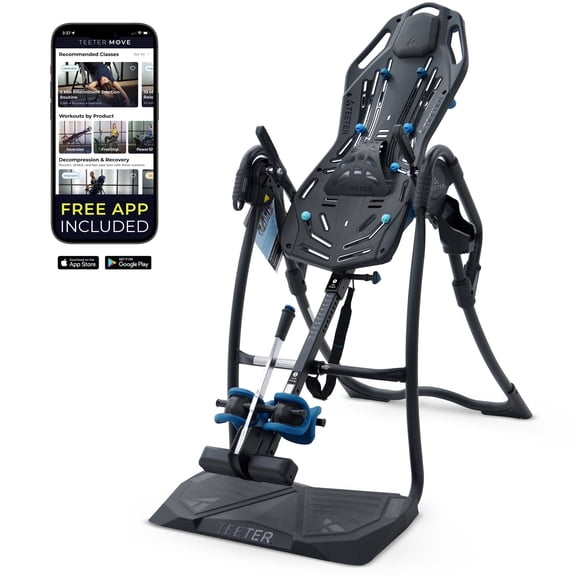
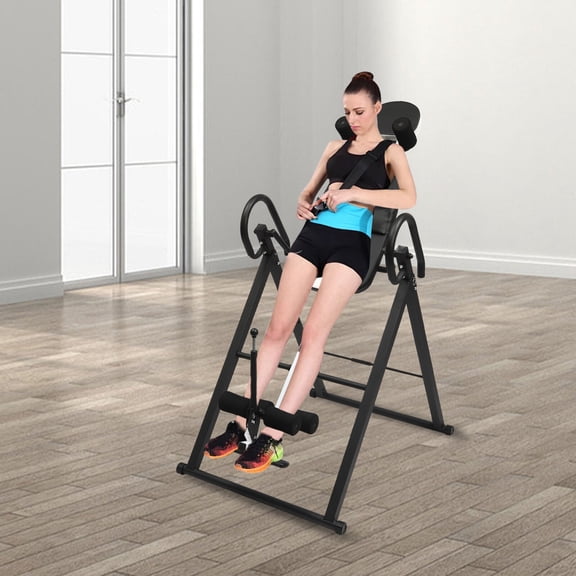
An inversion table uses a long backrest and pivoting frame for full-body positioning. An inversion chair keeps you more upright, while an inversion bench offers a simpler support surface.
You may search for a teeter chair, teeter machine, or teeter inverter table. Those terms often point to the same goal, but the frame style changes comfort and control.
- Inversion tables support full recline and angle-based positioning.
- Inversion chairs suit shoppers who want a more upright entry point.
- Inversion benches focus on a simpler setup and compact profile.
- Different formats affect storage, assembly footprint, and body positioning.
Choosing teeter inversion tables by price consideration
Price usually moves with materials, control features, and comfort components. Entry-level models cover core inversion needs, while feature-rich options add more adjustment points.
When shoppers ask how much does a teeter cost, they’re often comparing frame strength, ankle locking systems, and backrest design. Foldability and accessory compatibility can also influence the range.
Look for the balance between daily use expectations and the features you’ll actually use. A simpler frame may fit occasional stretching, while frequent routines may call for more control.
Compare the platform, not just the listed amount. An extended height range, thicker backrest padding, and finer angle settings can change long-term satisfaction.
What to look for in frame and storage design
Frame style matters because inversion equipment takes floor space and needs stable positioning. Foldable designs help when you want easier storage between sessions.
A fixed frame can feel more permanent in a home gym layout. Compact storage options work well when the equipment shares space with benches, mats, or strength gear.
Check how the unit locks when opened and how it rests when folded. Those details shape setup time, room flow, and day-to-day convenience.
Teeter tables often suit you if you want home fitness equipment with a smaller footprint than many cardio machines. That makes storage design a practical decision, not a minor extra.
Comparing user fit, capacity, and adjustability
User fit is a key comparison point in this category. Height range, weight capacity, and adjustment markings affect how securely the table positions your body.
Measure carefully before choosing a model. A table that matches your height range can feel easier to set up and more consistent to use.
Capacity ratings also matter because they guide frame selection and stability expectations. Adjustable settings help different users share one unit without constant guesswork.
For households with more than one user, clear calibration points make a real difference. They help you switch between users faster and keep positioning repeatable.
How comfort and control features shape use
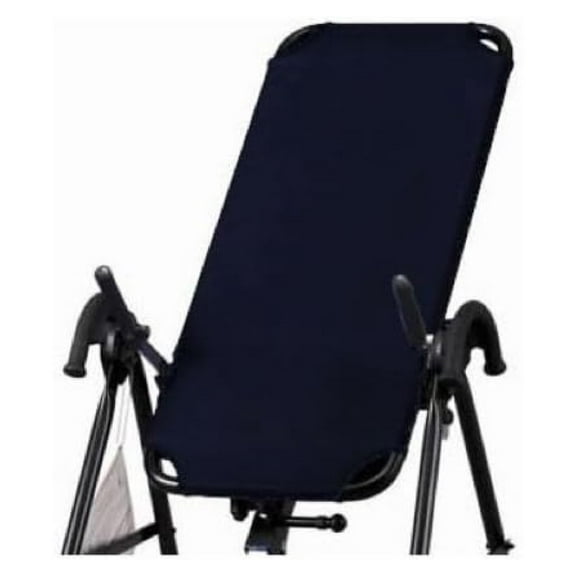
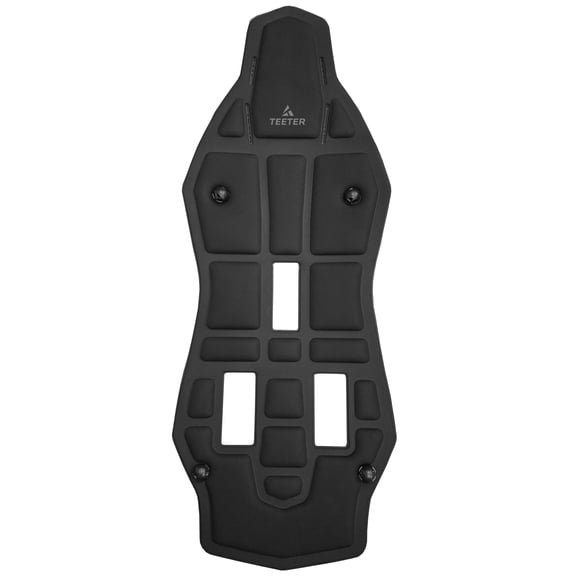
Comfort features influence how long and how often you use inversion equipment. Backrest padding, ankle support, and handle placement all affect the overall experience.
Inversion angle control is another key decision point. Some shoppers want quick movement, while others prefer smaller angle changes for a more gradual setup.
Teeter spine decompression and teeter decompression searches often reflect interest in controlled positioning. In product terms, that usually means comparing angle settings, support points, and frame stability.
Check whether the ankle system looks padded, secure, and easy to adjust. Also compare hand grips and reach points, since they help you guide movement smoothly.
How to match use cases with the right setup
Use case should guide the combination of product type, frame style, and control features. Shoppers focused on stretching may prefer a straightforward setup with simple angle control.
For back relief support or spinal decompression support, compare models with clear adjustment options and supportive backrest design. That helps you choose equipment built for repeatable positioning.
Some shoppers search for stores that sell inversion benches for spinal decompression because they want quick availability. On Walmart.com, pickup and delivery options help you compare access and timing.
If space is limited, consider a foldable frame with compact storage. If the unit stays in a dedicated workout room, a fixed frame may suit the layout.
For shared household use, focus on wider fit ranges and easier adjustability. For occasional sessions, a simpler bench or chair may cover the basics without extra complexity.
Teeter inversion table and teeter inversion tables searches often signal comparison intent, not just brand recognition. Shoppers usually want clear differences in fit, storage, and comfort before choosing a model.
What a confident teeter inversion table comparison includes
A strong comparison starts with product type, then moves to frame design, user fit, and angle control. That approach keeps the decision focused on how the equipment works in your space and routine.
When those details line up, the result is easier setup, steadier positioning, and a more practical match for regular home use.