

Durable Camping Tarps and Tent Accessories























About Durable Camping Tarps and Tent Accessories - Walmart.com
You can use tarps for campsites, woodpiles, trailers, and yard projects. You can also compare material, thickness, and finished size, because those are key considerations for outdoor covers.
How to choose tarps for your setup
You should start with the job, because different tarps fit different conditions and loads. You can compare material, duty level, water resistance, size, and color before you narrow your options.
When you choose carefully, you can get steadier coverage over tents, woodpiles, trailers, and equipment. You can also reduce shifting corners, loose tie-downs, and extra overhang during setup.
- You can use polyethylene for lighter weight coverage and easier handling.
- You may prefer canvas tarps when your stored items need airflow.
- You can choose vinyl or pvc when your setup needs a tougher shell and reinforced edges.
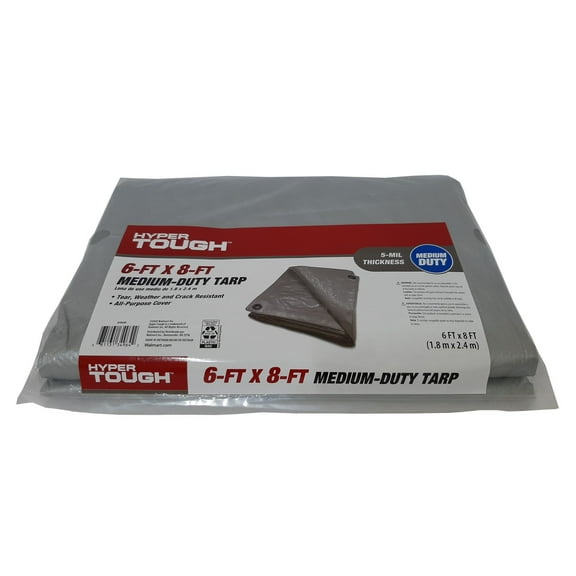
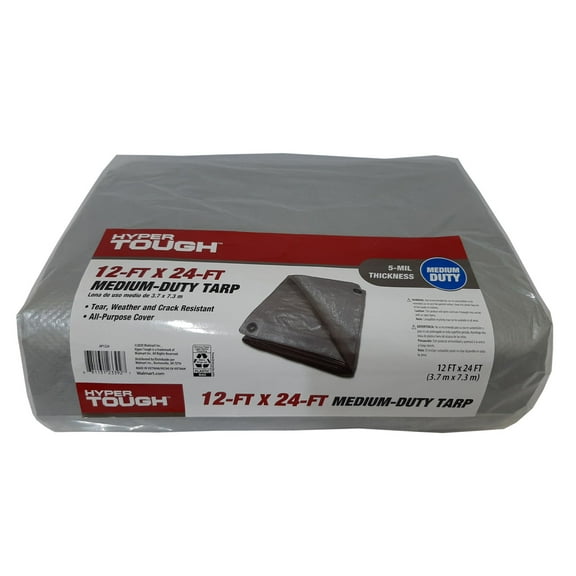
- You should compare light duty, medium duty, heavy duty tarps, and super heavy duty options by the job's demands.
- You can check waterproof tarps, water-resistant covers, and breathable options based on exposure and airflow needs.
- You should measure finished size, not just cut size, before you choose.
Choosing between heavy duty tarps and lighter materials
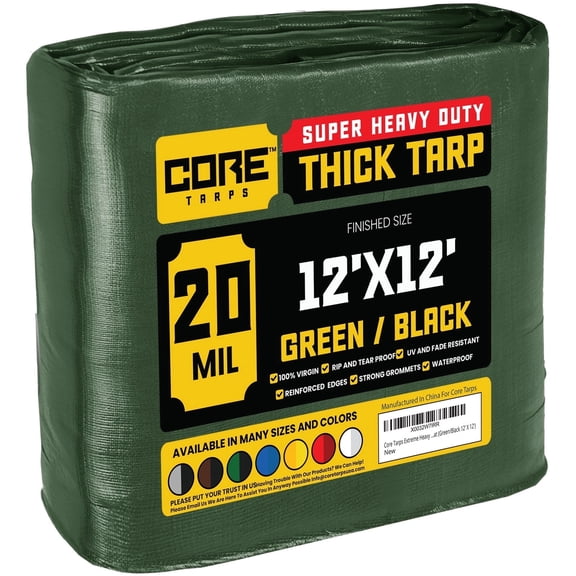
You should compare weight and durability together, because thicker covers can take more effort to fold. You can use mil thickness and denier count as helpful guides when you compare strength.
When you see higher mil numbers, you can expect a thicker sheet for rougher surfaces. When you see higher denier counts, you can compare stronger woven fibers for repeated outdoor use.
You may choose polyethylene when you want poly tarps or plastic tarps that stay lighter for frequent setup. You may choose canvas tarps when your cover needs breathability for tools, wood, or stored items.
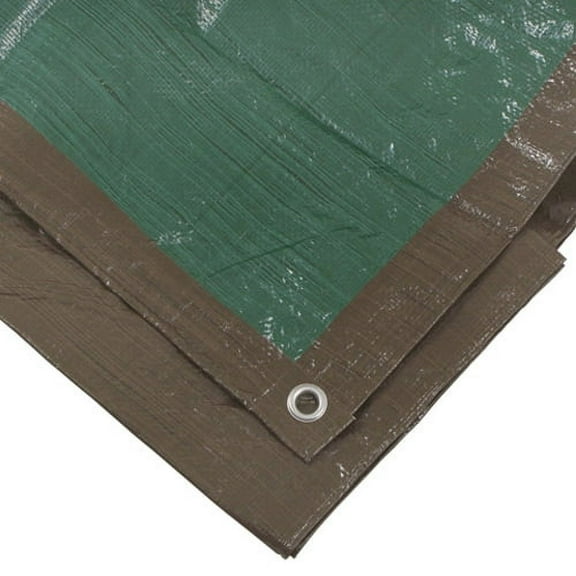
If you need rugged corners and repeated tie-down points, you should look for reinforced hems and layered edging. You can also look for grommet tarps with closer spacing for a steadier hold.
Choosing waterproof tarps and weather coverage
You should match water resistance to your conditions, because not every project needs the same coverage. You can choose waterproof tarps for direct exposure or breathable covers for airflow-sensitive storage.
For open trailers, campsite shelters, and uncovered equipment, you may want a coating that sheds water consistently. For stacked firewood or stored supplies, you may want coverage that balances protection and ventilation.
You should also check UV resistance when your tarp stays outside for longer stretches. You can reduce fading and surface wear by choosing outdoor tarps built for steady sun exposure.
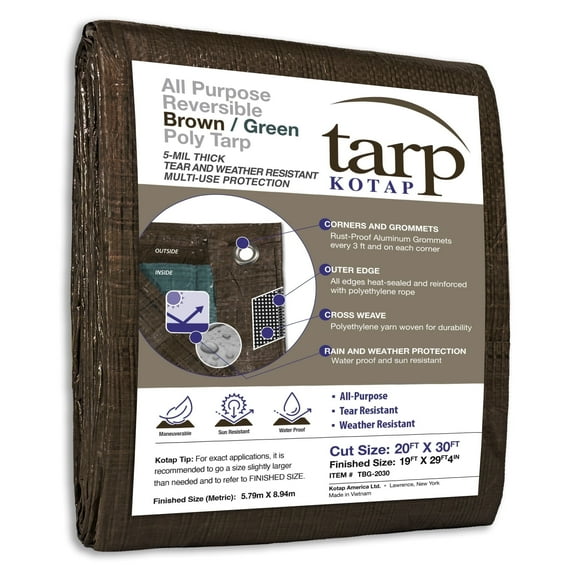
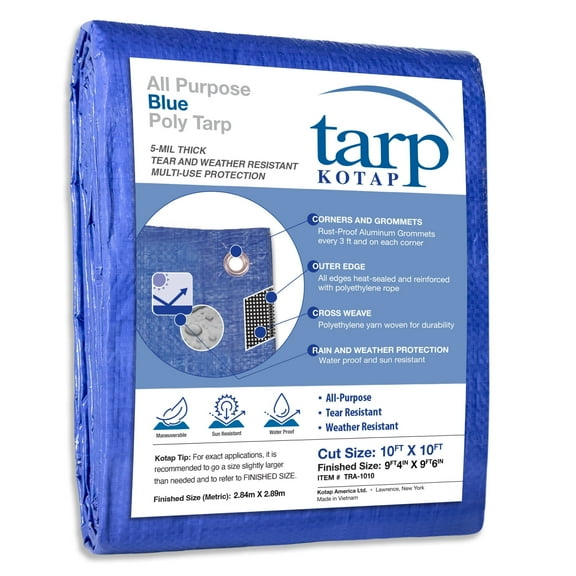
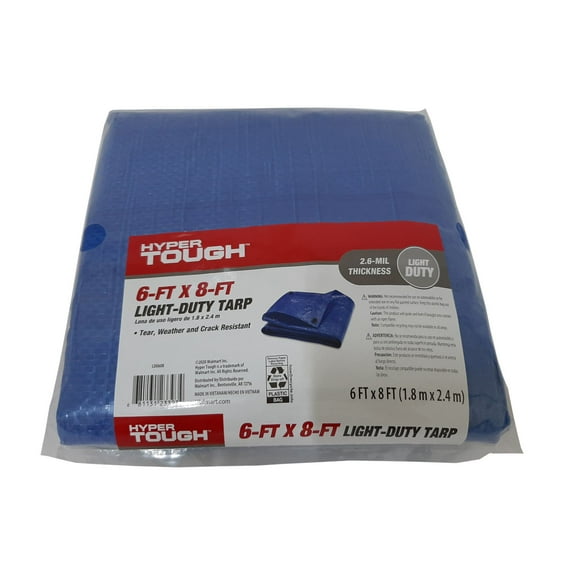
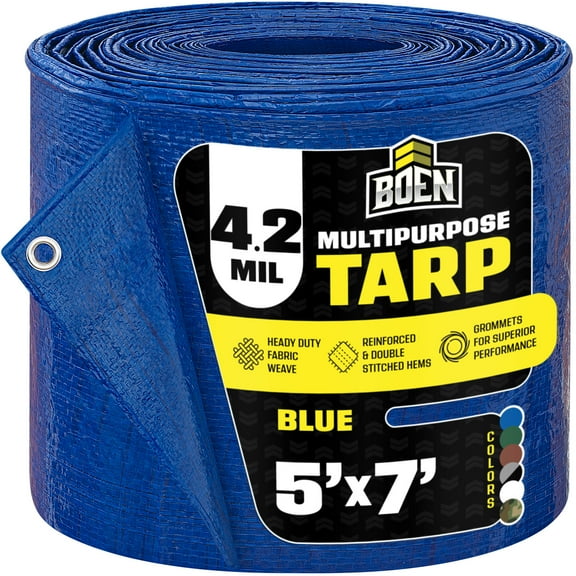
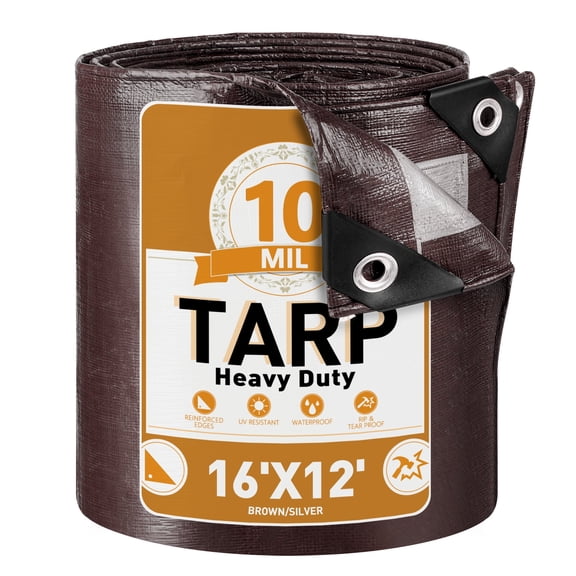
Color can help you match the setting and the task, too. You may pick blue tarps for general coverage, green or brown for outdoor settings, silver for reflective surfaces, or clear for visible contents.
How to measure tarp size and compare finished dimensions
You should measure the full area you need to cover before you choose an 8x10, 10x12, or 20x30 size. You can add extra length for tie-downs, drape, and edge wrap when your load has height.
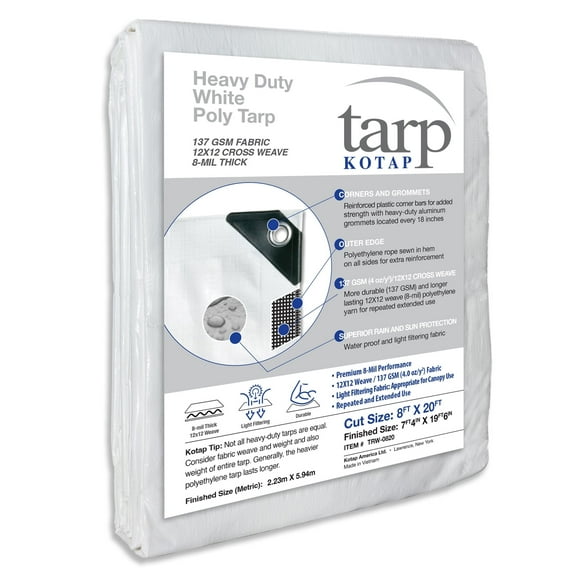
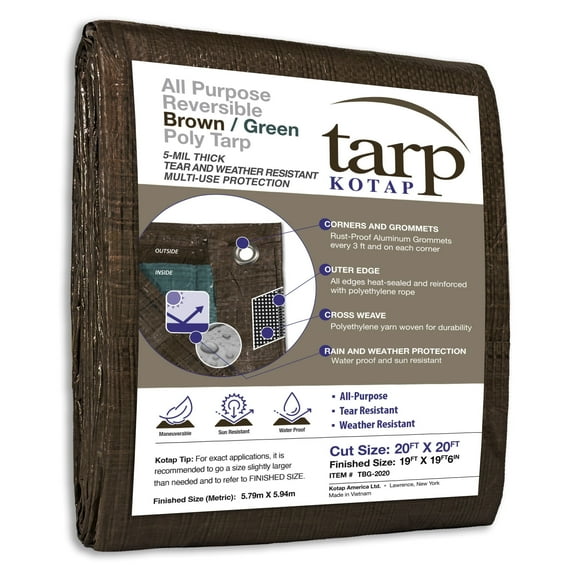
Many shoppers compare cut size first, but you should verify the finished size before you decide. You may notice finished dimensions run slightly smaller after hems and seams are completed.
If you’re covering a tent footprint or creating a rain fly, you should allow enough overhang without excess pooling. If you’re covering a woodpile, you may want side coverage with room for air movement.
You can also compare custom sizing when standard dimensions leave too much extra material. You can get a neater fit when your cover matches the shape and length of your equipment.
Using canvas tarps, poly tarps, and outdoor tarps by project
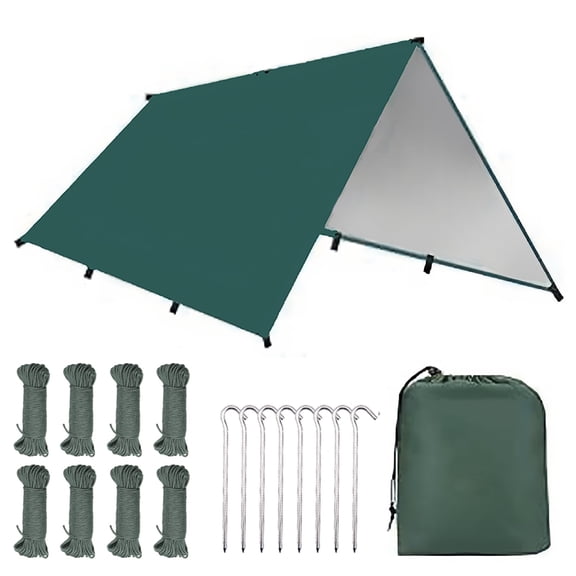
You can use camping tarps to create a ground cover, shade wall, or gear shelter around your site. You may want lighter material for packing ease and secure grommets for quick rigging.
For woodpile covers, you may choose a shape that protects the top while allowing side airflow. You can pair breathable material with measured overhang to keep stacks more manageable through changing seasons.
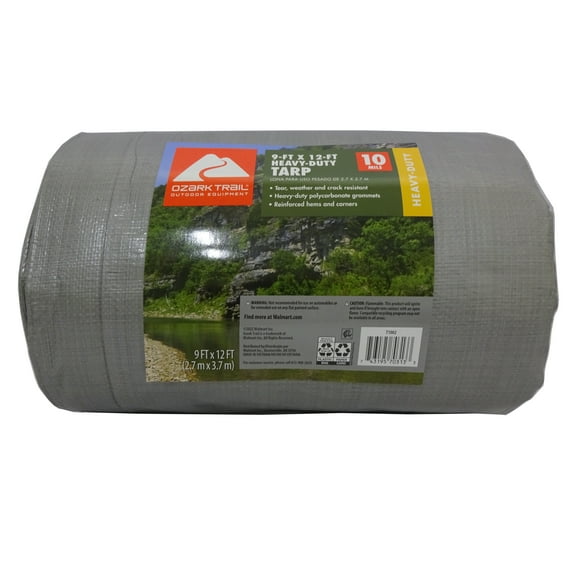
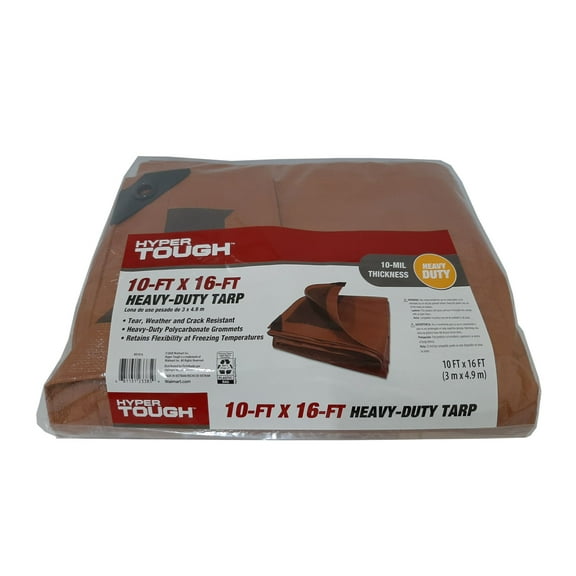
You may use heavy duty tarps for trailers, lawn equipment, boats, or jobsite supplies that need stronger hold points. You can benefit from reinforced corners and tighter grommet spacing when wind and movement are factors.
When you need broad area coverage, large tarps can span wider loads, open spaces, or grouped equipment. You should confirm thickness, edge reinforcement, and tie-down layout before you choose a larger format.
You can make a smarter choice when you compare material, mil thickness, denier count, grommet spacing, and finished size together. You can end up with tarps that fit your project cleanly and stay more secure outdoors.