






Tape in Office Supplies














About Tape in Office Supplies - Walmart.com
Tape helps you handle shipping, repairs, labeling, and everyday projects with the right hold for each surface. You can compare tape type, strength, width, material, and color to match boxes, walls, wires, or craft supplies.
If you're packing orders, hanging decor, or sealing bins, you need tape that fits the job instead of forcing a workaround. You can use this guide to sort through packing tape, duct tape, masking tape, double sided tape, and electrical tape.
Choosing tape by type
You should start with tape type because each adhesive works for a different task. You can narrow your options fast when you match the tape to shipping, mounting, masking, or wiring work.
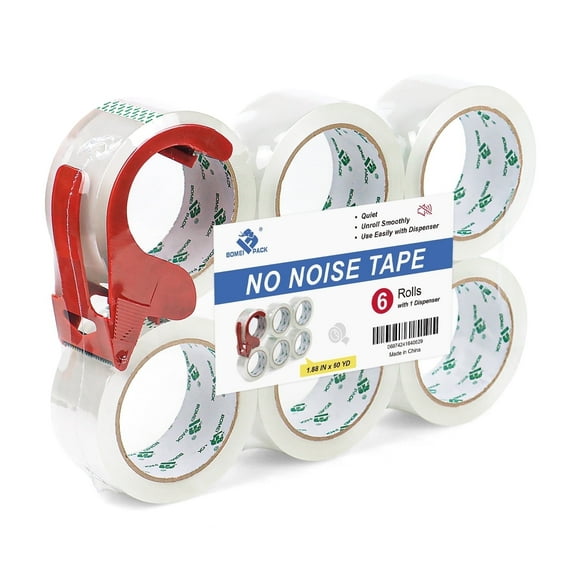
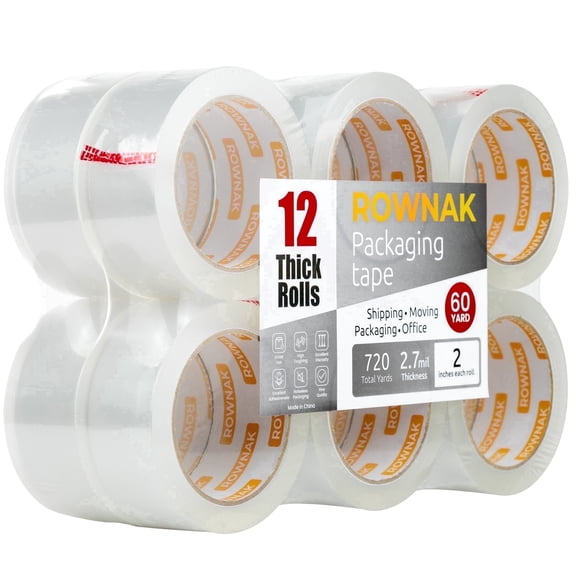
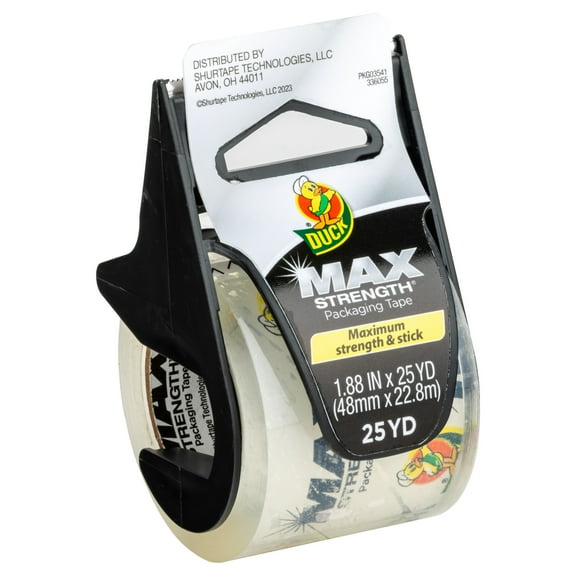
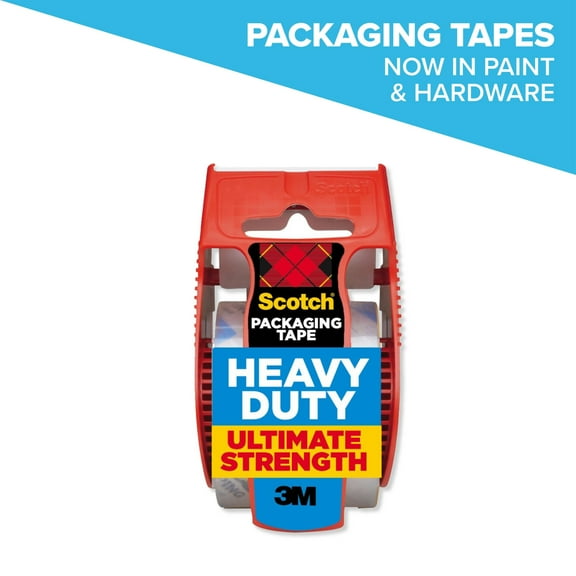
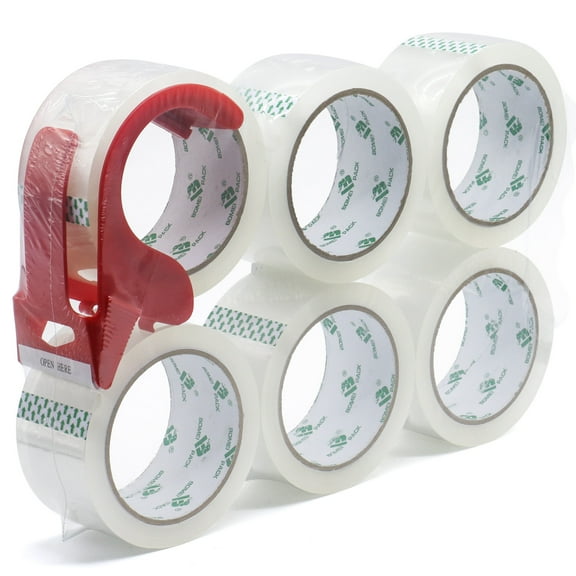
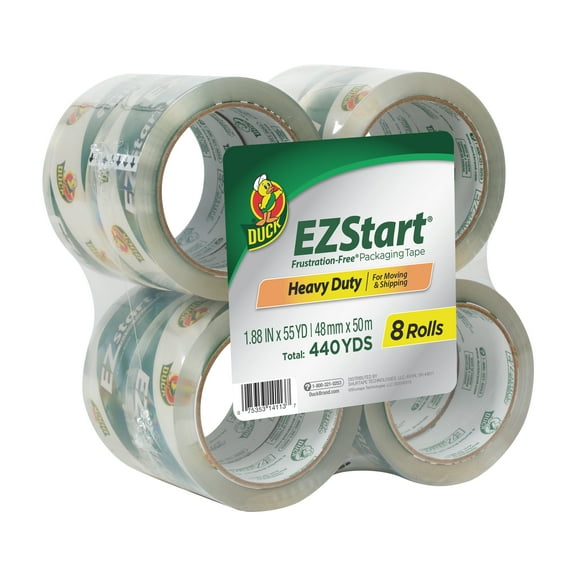
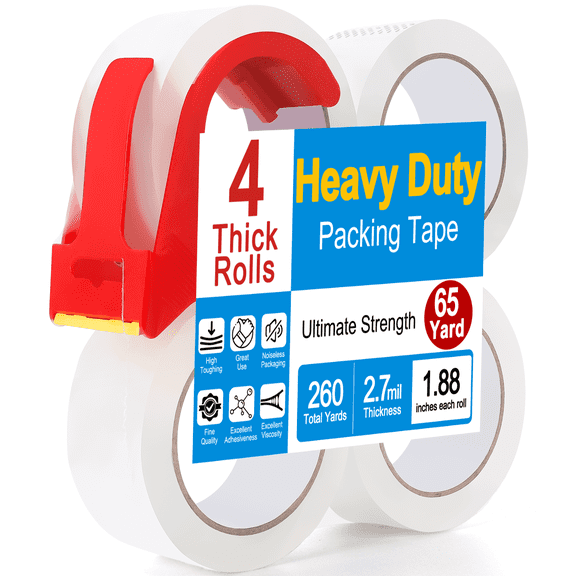
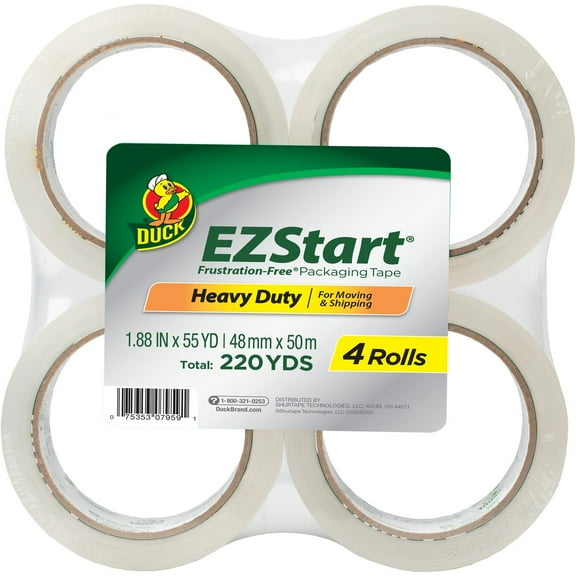
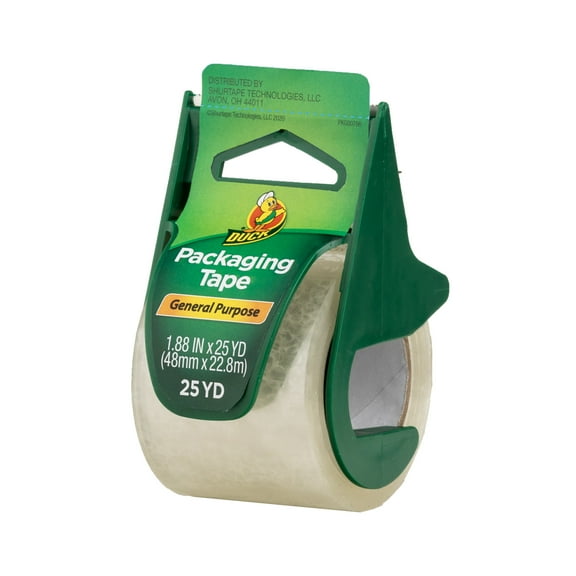
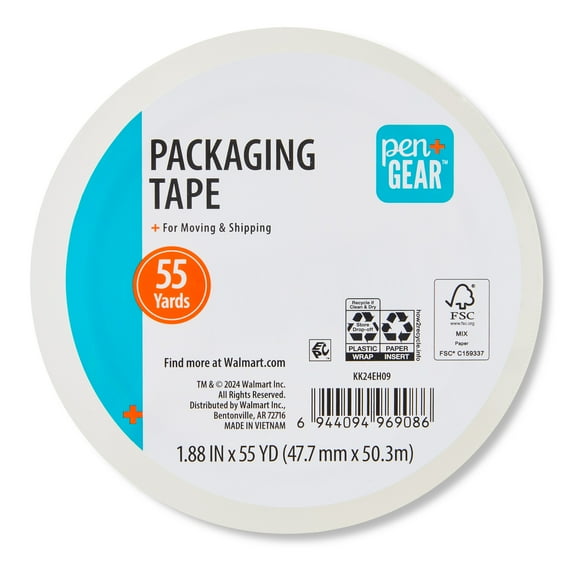
- You can use packing tape to seal moving boxes, shipping cartons, and storage containers.
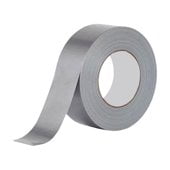
- You can use duct tape for quick fixes on tarps, plastic, fabric, and rough household surfaces.
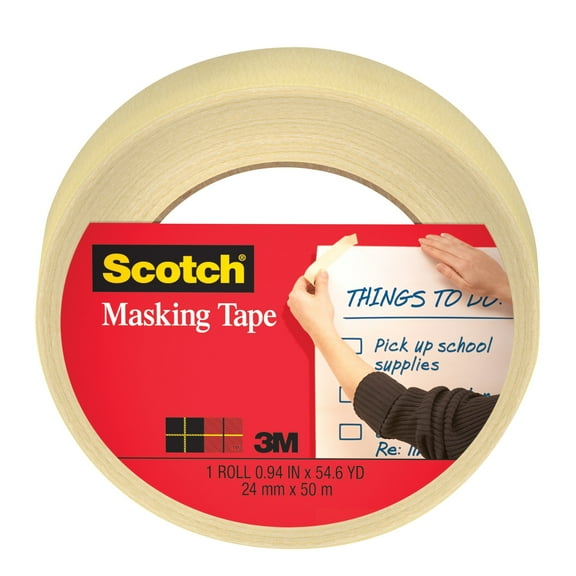
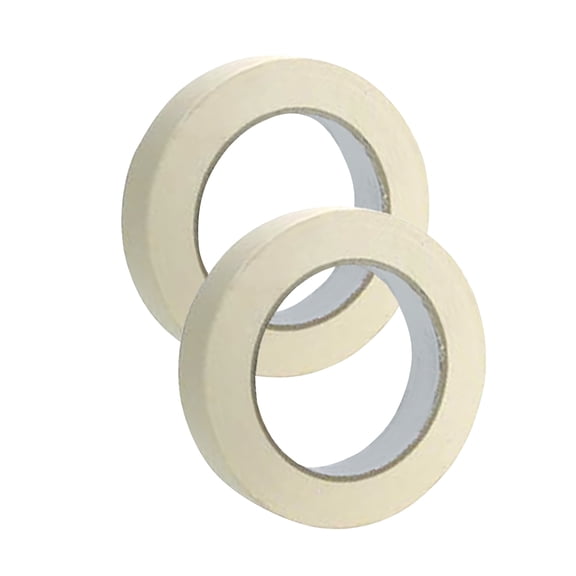
- You can use masking tape when you want clean paint lines and simpler removal afterward.
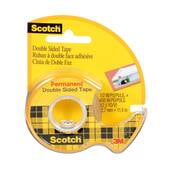
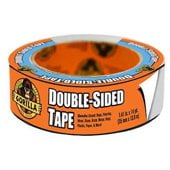
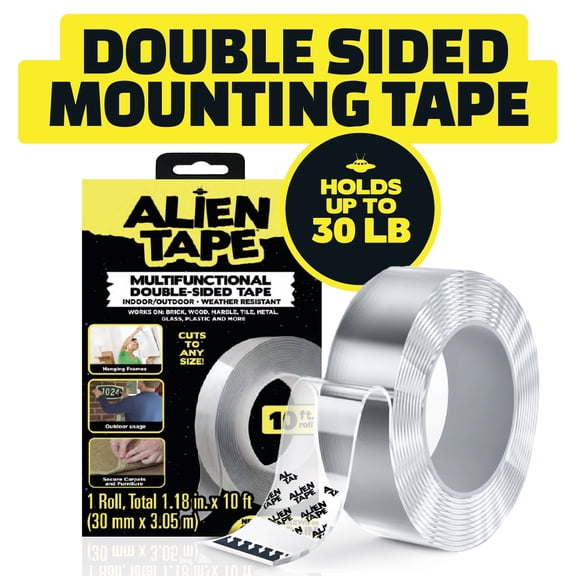
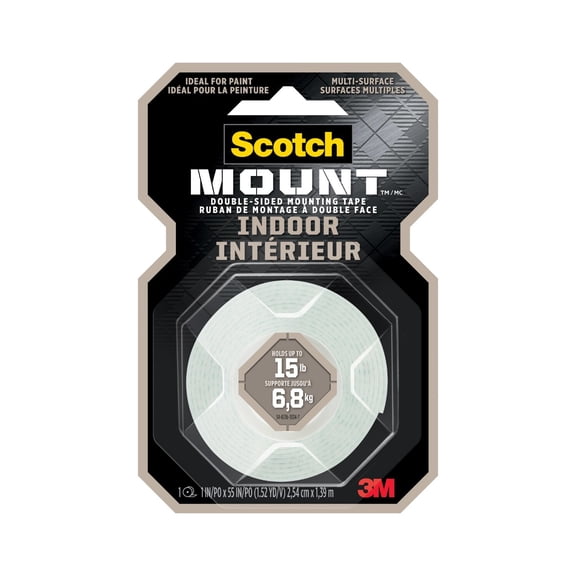
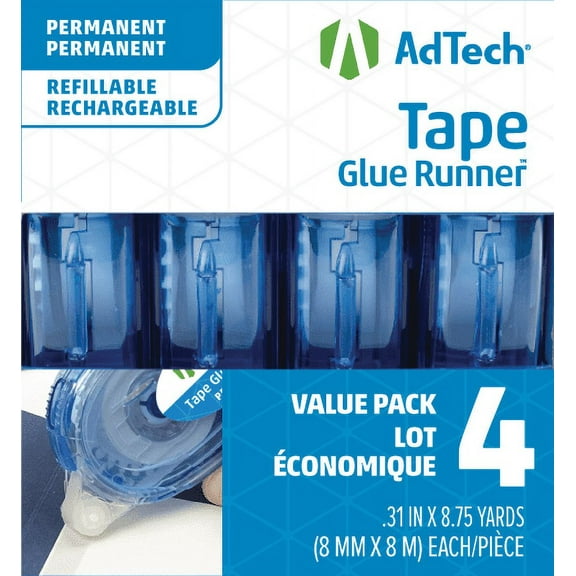
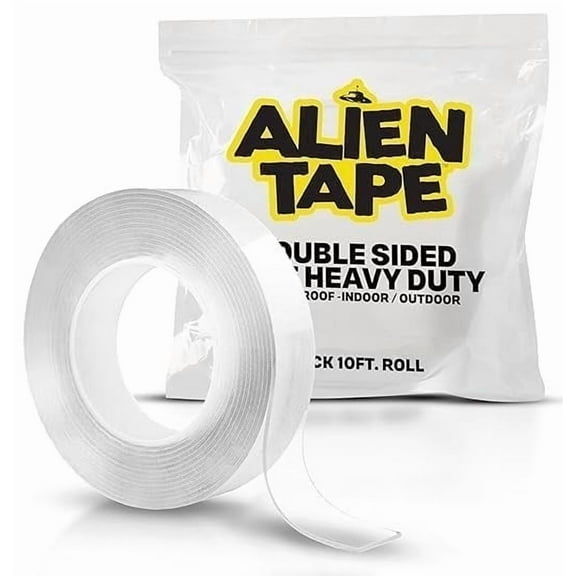
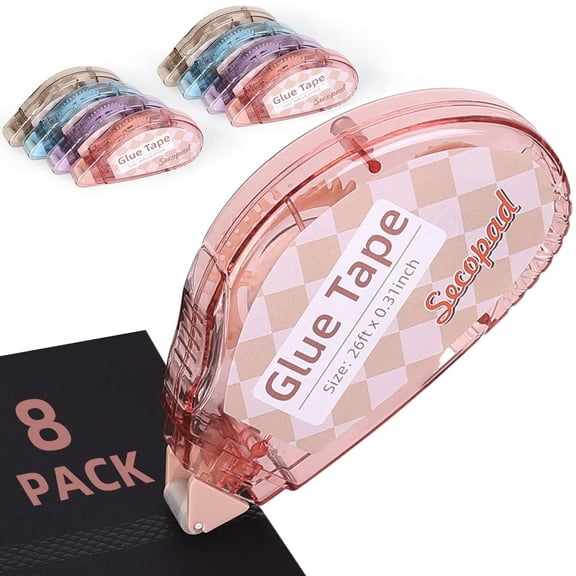
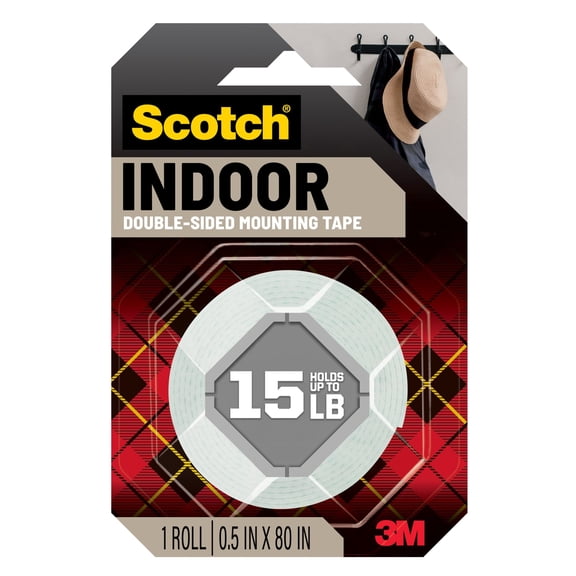
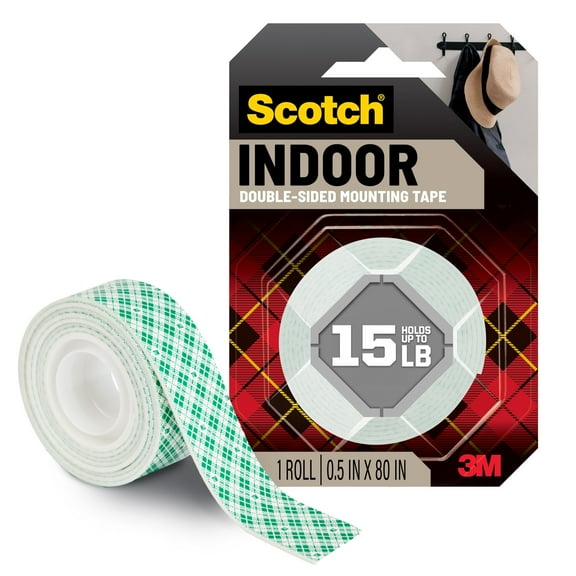
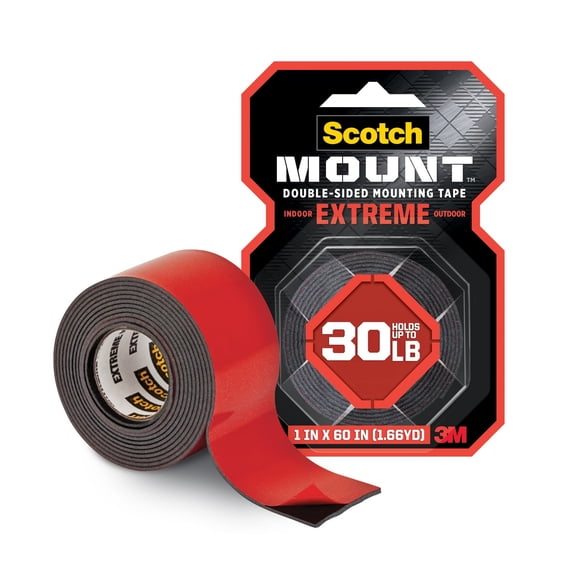
- You can use double sided tape for mounting, crafting, scrapbooking, and low-profile attachment.
- You can use electrical tape to wrap wires, bundle cords, and create color-coded organization.
When you compare these options, you should think about the surface and how long the bond needs to last. You should also consider whether you want clear coverage, hand-tear use, or a tape that works with a dispenser.
How to compare heavy duty tape and adhesive strength
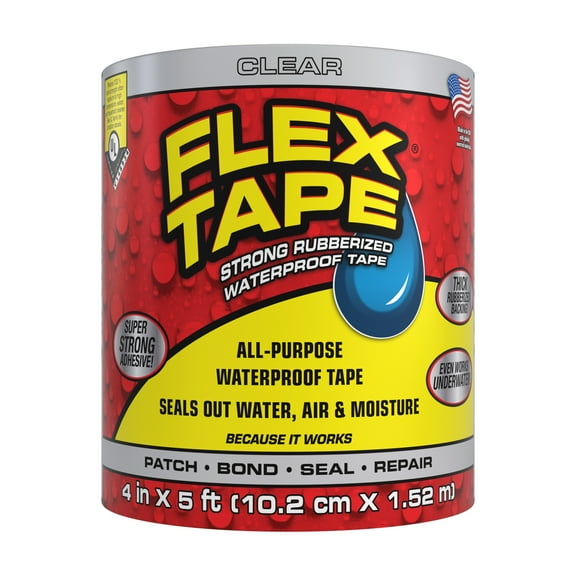
You can choose adhesive strength based on weight, surface texture, and exposure to heat or outdoor conditions. If you're sealing heavy cartons or patching rough materials, heavy duty tape gives you a stronger hold.
Light duty options work well when you want easier removal or temporary placement. Medium duty choices fit many indoor tasks, while industrial strength options suit demanding applications and repeated handling.
If you're shipping heavier boxes, you should check mil thickness and tensile strength before you decide. Thicker tape can feel sturdier, and higher tensile strength helps you resist splitting during lifting.
You should also measure box width before choosing roll width for shipping jobs. Wider tape covers seams faster, while narrower rolls can help you handle labels, small packages, and detail work.
Choosing packing tape for shipping and storage
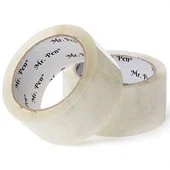
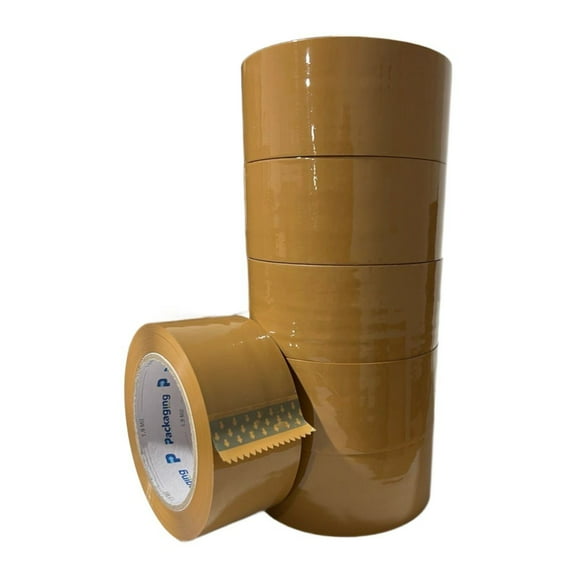
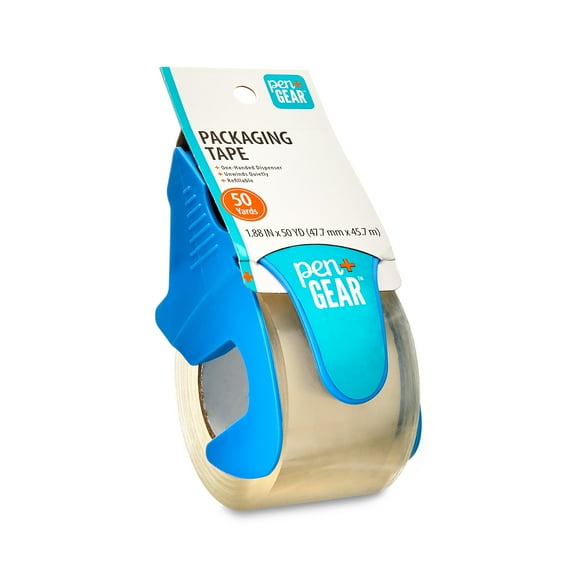
Packing tape works well when you need a secure seal on corrugated cardboard and moving boxes. You should look for strong adhesion, smooth unwind, and a width that covers center seams cleanly.
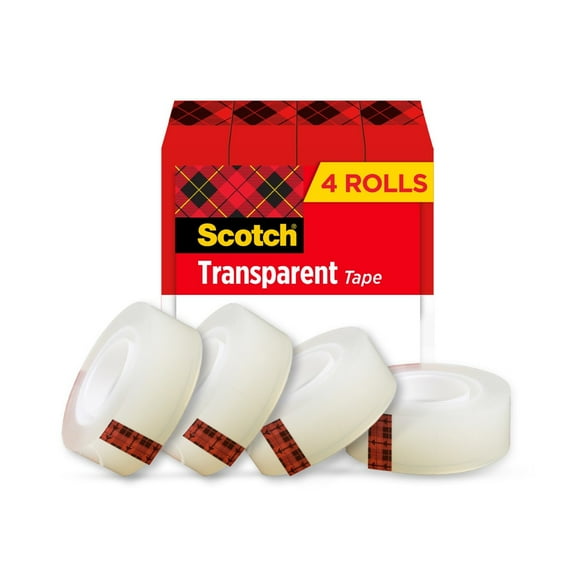
If you're taping boxes for storage, clear and brown or tan rolls can both make sense depending on your labeling style. Clear tape lets you keep printed details visible, while brown or tan blends into standard cartons.
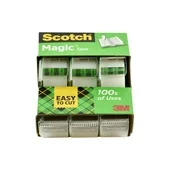
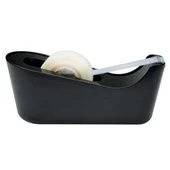
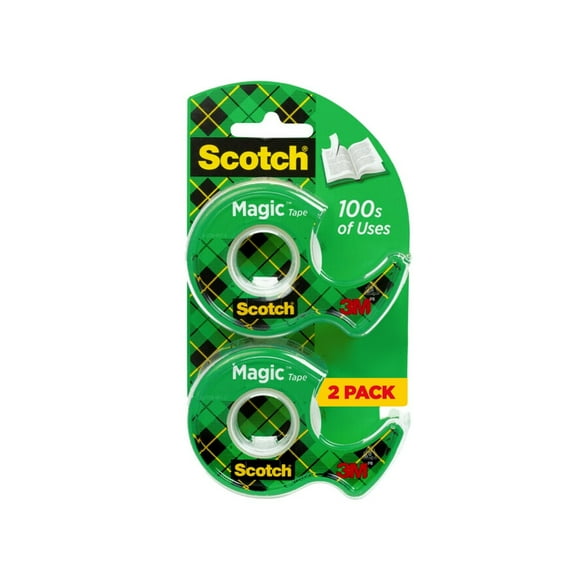
You may also want to consider whether you'll use a hand dispenser or tear by hand. A dispenser can help you move faster on multiple boxes, while hand-tear options can feel easier for quick jobs.
For heavier shipments, you should compare thickness and backing material before checkout. Plastic or vinyl backings can give you added stretch resistance, which helps when cartons shift during transit.
What backing material means for your project
You can learn a lot from backing material because it affects flexibility, tear style, and surface grip. Paper tape often suits labeling and paint prep, while plastic or vinyl tape supports sealing and moisture exposure.
Cloth or fabric backing matters when you want hand-tear convenience and a flexible wrap around uneven surfaces. Foil tape can make sense when you need a smooth metallic finish and a tape shaped for specialty sealing tasks.
If you're comparing duct tape, you should pay attention to the cloth construction under the surface layer. That build helps you conform around corners, patch temporary covers, and tear strips without scissors.
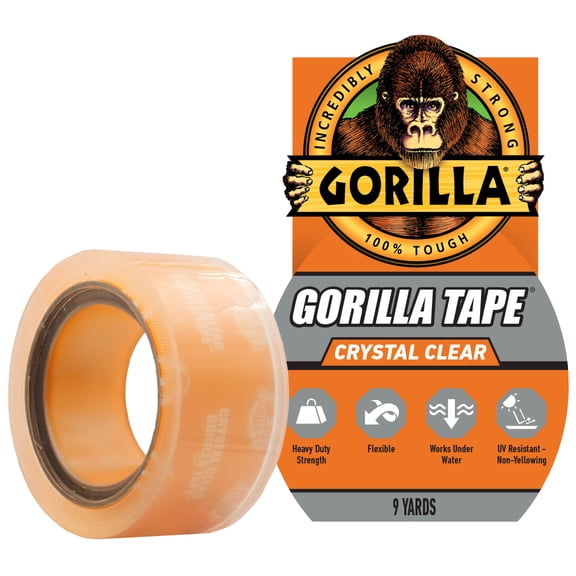
You should also think about finish and visibility when material meets color choice. Black and white rolls can stand out for coding, while clear rolls blend into packaging and display work.
How color and surface compatibility affect results
You can use color as more than a style choice because it changes visibility and organization. Clear tape keeps labels readable, black tape hides marks, and white tape can stand out on darker bins or cables.
If you're applying tape to painted walls or finished surfaces, you should check whether the product offers cleaner removal. Masking and some mounting options can suit lighter-duty indoor use where appearance matters.
You should also think about residue and surface texture before choosing an adhesive. Smooth walls, glass, cardboard, and plastic can all respond differently, so matching the tape to the surface helps you get cleaner results.
When you're using double sided tape, you should compare intended weight support and indoor placement guidance. That helps you mount lightweight decor, secure crafts, or attach signs with a less visible finish.
Using tape in real projects
You can match tape choices to the job by combining type, strength, and material instead of focusing on one feature. For a move, you may want packing tape with a wider roll and stronger film backing.
If you're handling quick household fixes, duct tape can help you wrap handles, patch temporary covers, or bundle loose items. When you're painting trim, masking tape helps you create edges that look neater.
You can use electrical tape when you want color-coded cord management in workspaces, garages, or entertainment areas. If you're making displays or crafts, double sided tape helps you attach paper, photos, and lightweight accents.
For outdoor or temperature-sensitive tasks, you should review the package details for weather resistance and intended conditions. That step helps you choose tape that fits heat, cold, or changing environments.
What to look for before you decide on tape
You can make a smarter pick when you compare tape by type, adhesive strength, backing material, width, and color together. That approach helps you find a roll that fits your surface, your tools, and your project pace.
When you choose tape with the right thickness, hold, and finish, you get cleaner application and fewer do-overs. You can move from shipping boxes to wall projects with more control and a more reliable seal.