



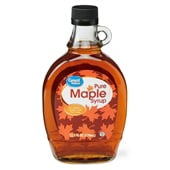
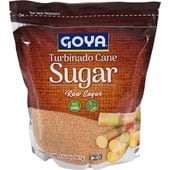
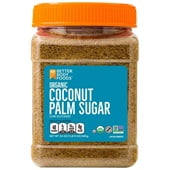
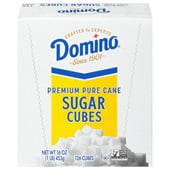
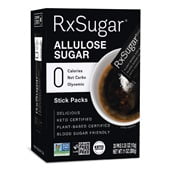
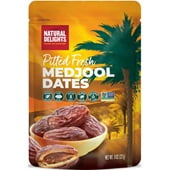
All Sugars in Sugar
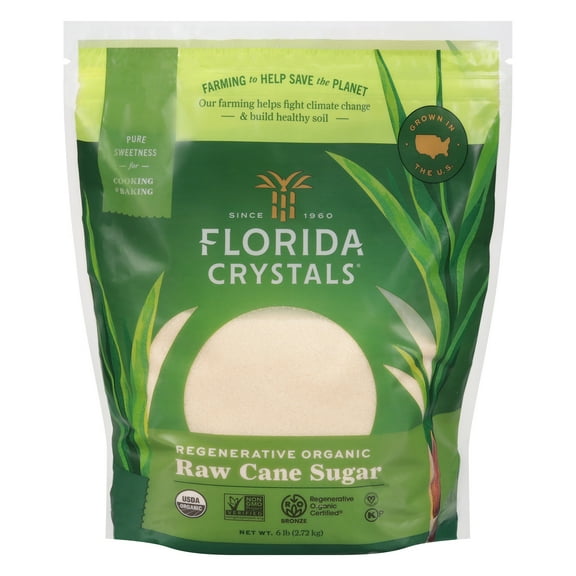








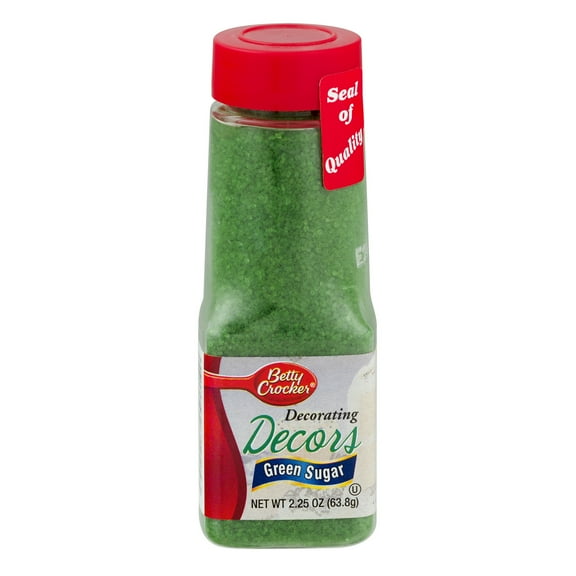
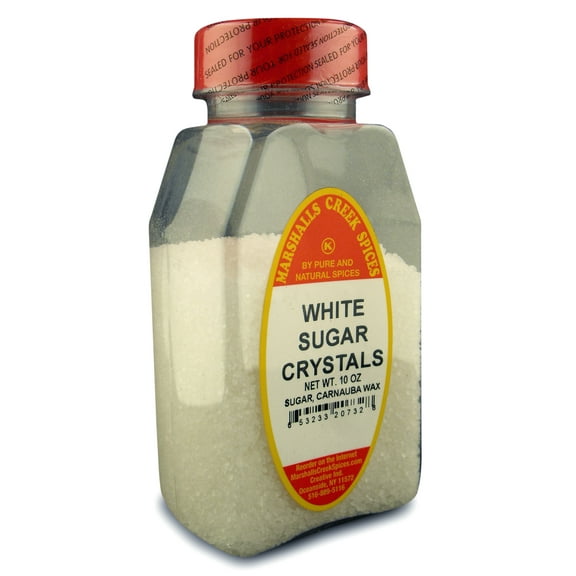
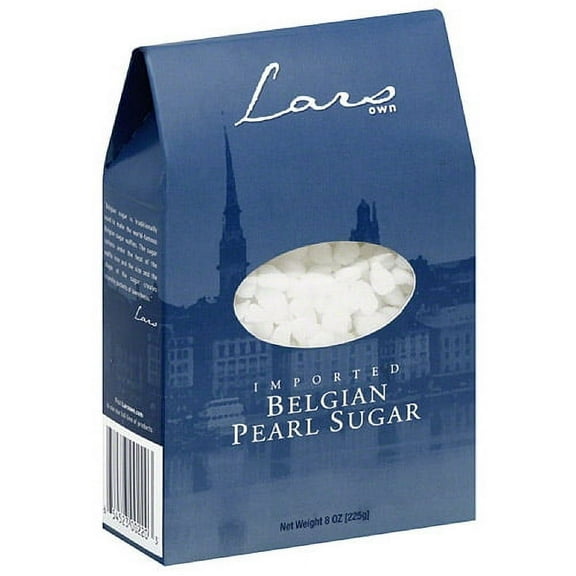


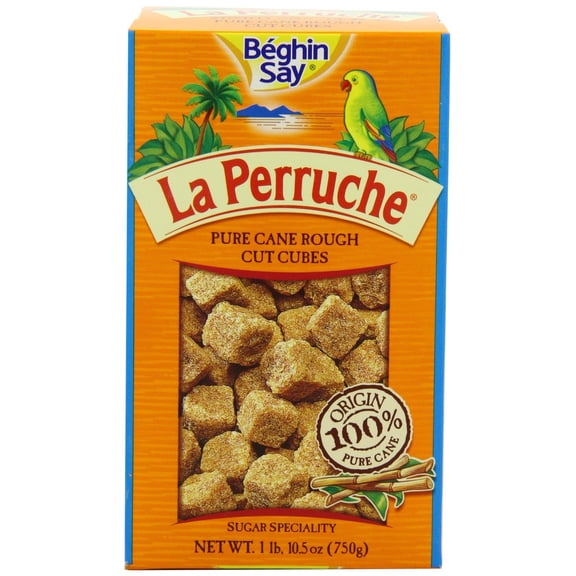


About All Sugars in Sugar - Walmart.com
You can compare sugar options more easily when you understand how each type works in baking, drinks, and everyday pantry use. You’ll notice this category covers granulated sugar, brown sugar, powdered sugar, and specialty choices that suit different recipes.
When you stock the right sweetener, you can measure with confidence and match texture, moisture, and finish to what you’re making. You can also compare package sizes, forms, and dietary labels before you pick the sugar that fits your kitchen routine.
How to choose sugar for your pantry
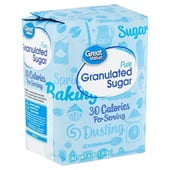
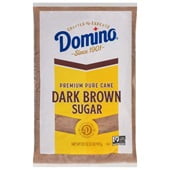
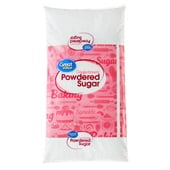
You’ll usually start with sugar type because each option behaves differently in mixing bowls, coffee cups, and dessert toppings. You can use granulated sugar for clean sweetness, brown sugar for moisture, and powdered sugar for smooth icing.
If you bake often, you may want baking sugar in larger bags for cookies, cakes, and holiday batches. If you sweeten drinks or oatmeal more often, you may prefer standard pantry sizes or easy-pour forms.
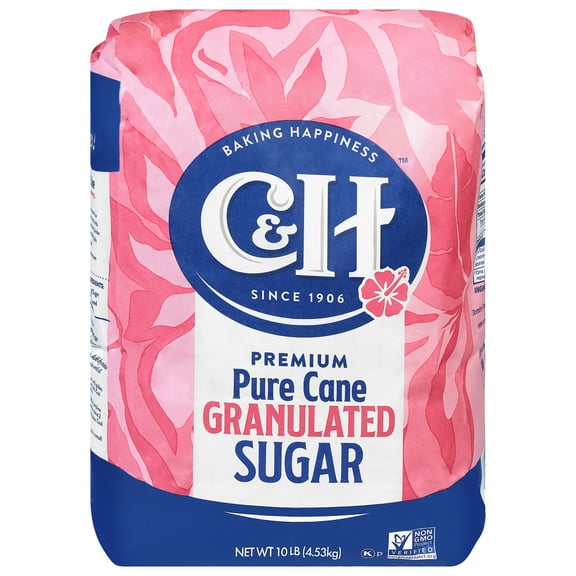
- You can use granulated sugar when you want even measuring and reliable structure in cakes, muffins, and cookies.
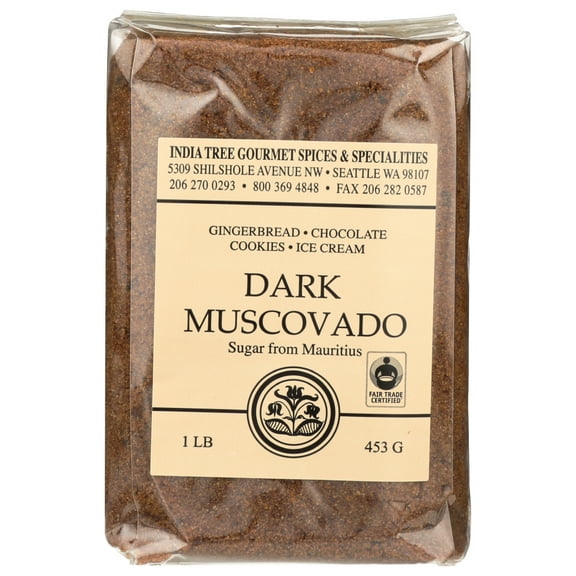
- You can choose brown sugar when you want a softer texture and a deeper molasses-like flavor in bars and breads.
- You can reach for powdered sugar when you want smooth frosting, glaze, or a light dusting on baked treats.
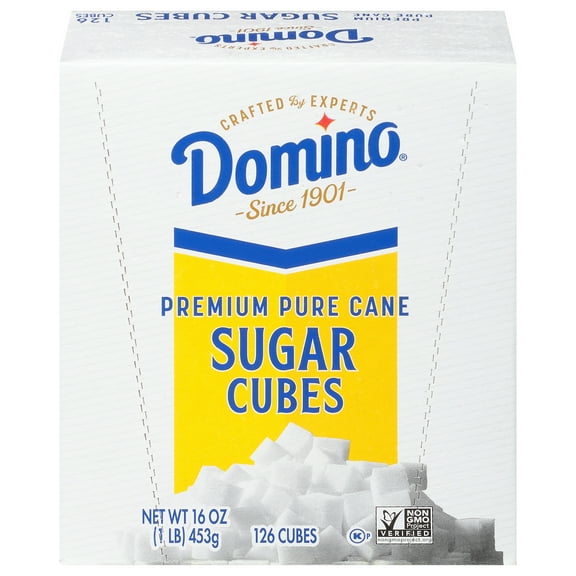
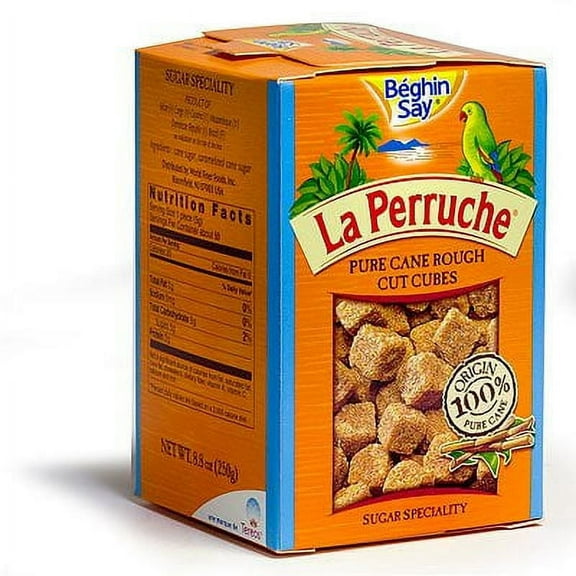
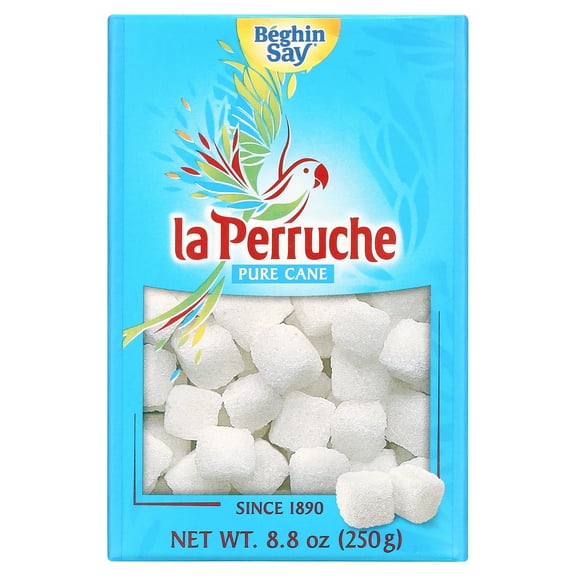
- You can keep sugar cubes on hand when you want quick portioning for tea service, coffee stations, or tabletop sweetening.
Choosing between granulated sugar, brown sugar, and powdered sugar
You should compare crystal size and moisture level first because those details affect texture in a very noticeable way. You’ll find granulated sugar dissolves steadily and helps batters hold shape during baking.
Brown sugar includes molasses, so you’ll often get extra moisture and a softer bite in cookies and snack cakes. Powdered sugar is finely ground, so you can blend it into frostings and glazes without a gritty finish.
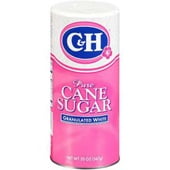
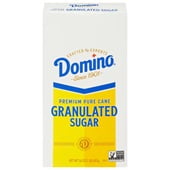
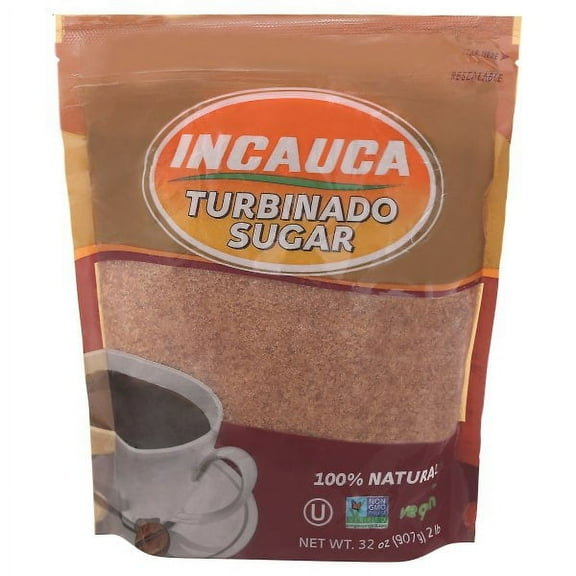
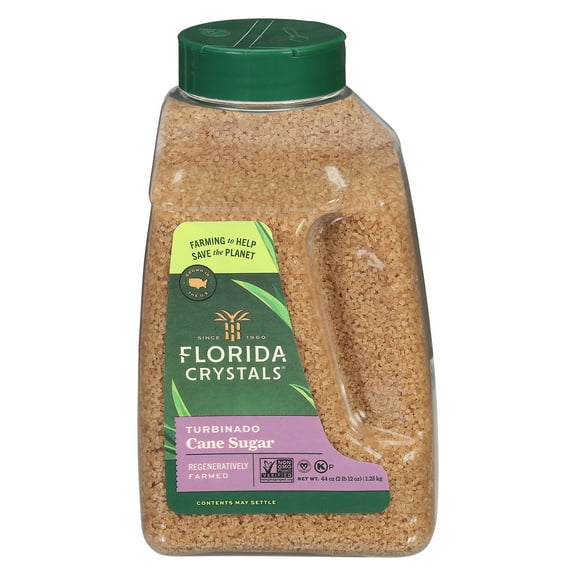
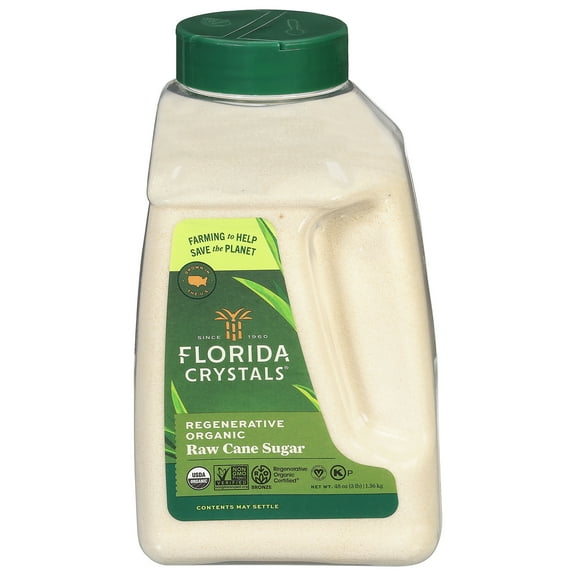
If you’re deciding between raw, cane, and standard white options, you should think about taste and recipe fit. You may notice raw sugar has larger crystals, while cane sugar often appeals when you want a familiar pantry staple.
When you compare cane sugar and beet sugar, you’ll usually focus on source rather than everyday kitchen handling. You can use either in many recipes, but you may prefer cane-based options for specific pantry preferences.
What to look for in organic cane sugar and specialty labels
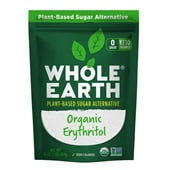
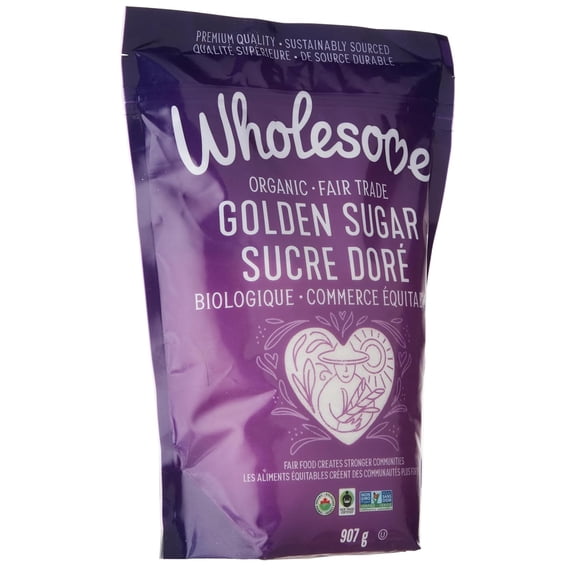
You should check dietary specialty labels when you want a product that aligns with your household preferences. You may look for organic cane sugar, non-gmo choices, kosher options, or gluten-free labeling before you decide.
Those labels can help you narrow the shelf faster when you bake for gatherings or stock ingredients for shared kitchens. You can compare the package front and product details to confirm the format that fits your pantry needs.
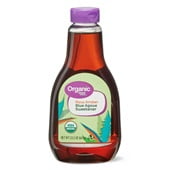
Form matters too, especially when you switch between recipes and tabletop use. You can choose granules for measuring, powder for icing, liquid for quick blending, or cubes for neat serving.
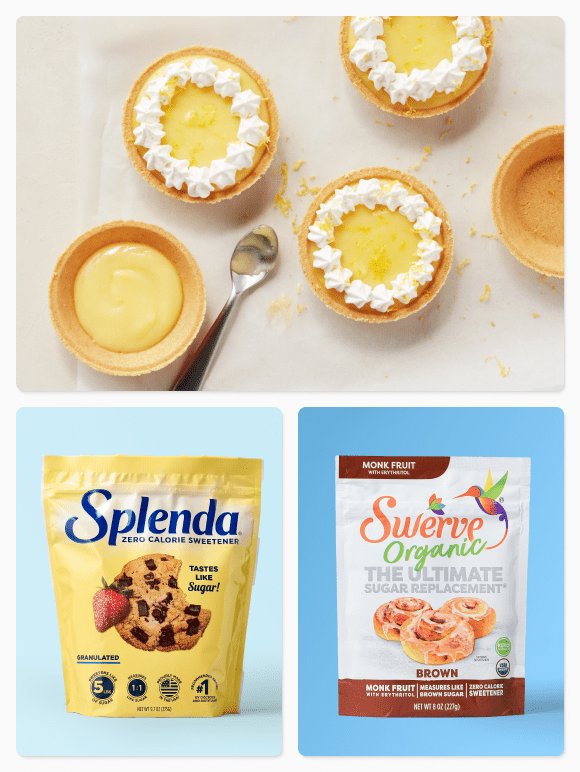
If you want to substitute coconut sugar or raw sugar in recipes, you should start with a one-to-one comparison. You may need small recipe adjustments because texture, moisture, and crystal size can change the final result.
Choosing package size and baking sugar quantity
You should match package size to how often you bake and how much storage space you have at home. You can pick a one pound bag for occasional use, or move to four pound and 10 pound sizes for regular baking.
If you bake in batches for holidays, parties, or frequent family meals, you may want bulk baking sugar to reduce mid-recipe shortages. If you use sugar more lightly, you may prefer smaller packs that fit neatly in pantry bins.
You can also compare resealable packaging, canisters, and bag formats when convenience matters during busy prep. You’ll appreciate the right package when you scoop often, refill containers, or organize a baking station.
For everyday drinks, cereal, fruit, and simple cooking, you may not need a large bulk size at all. For cookie swaps, cake decorating, and candy making, you’ll likely want extra quantity ready to measure.
Using sugar for baking, beverages, and finishing touches
You can choose granulated sugar for classic cookie dough, cake batters, pie fillings, and homemade syrups. You’ll also find it useful for coffee, tea, lemonade, and everyday sweetening at breakfast.
Brown sugar works well when you want chewiness in cookies or richer flavor in quick breads and crumb toppings. You can also use it in sauces, glazes, and marinades where deeper sweetness fits the dish.
Powdered sugar fits recipes where you want a smooth finish instead of visible crystals. You can whisk it into frosting, mix it into glaze, or dust it over brownies, doughnuts, and pastries.
If you like experimenting, you can compare coconut, raw, and cane options for different baking styles and pantry preferences. You should measure carefully during substitutions so your recipe keeps the texture and sweetness you expect.
You can build a more useful pantry when you choose sugar by type, form, label, and package size instead of guessing at the shelf. You’ll feel more prepared for baking, beverage sweetening, and finishing desserts with the right option ready.