


Find auto parts that fit
Let’s search for parts that fit your vehicle.Strut Spacers in Suspension Components




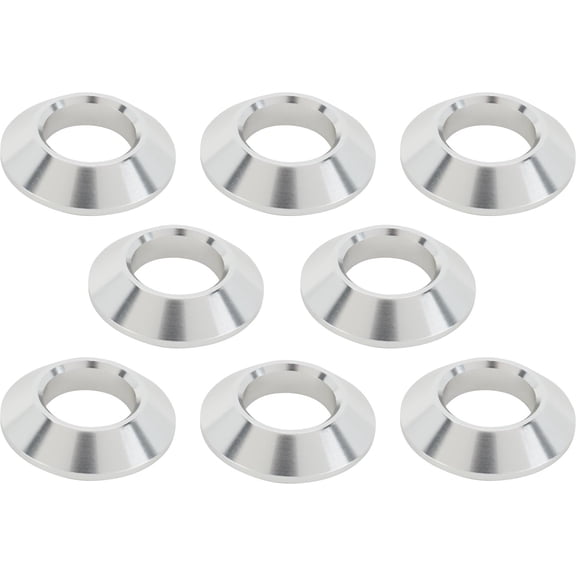
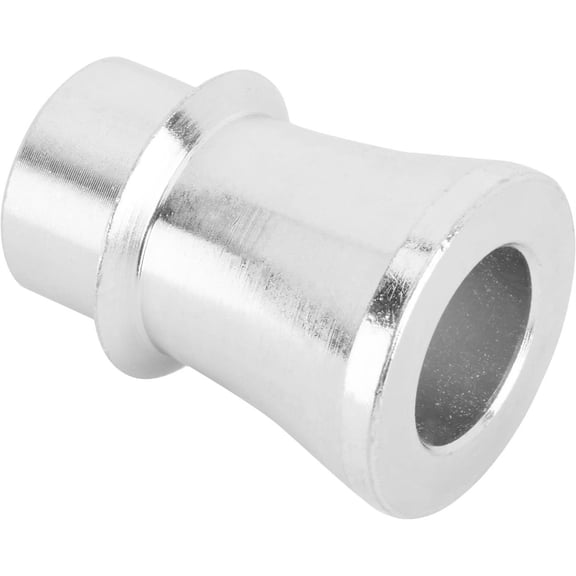

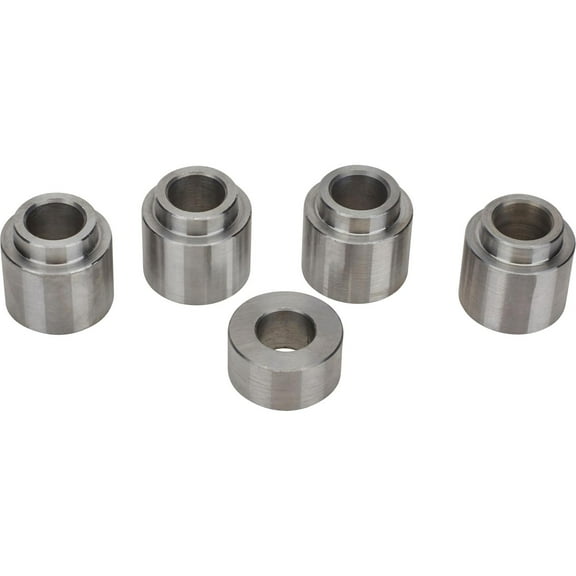
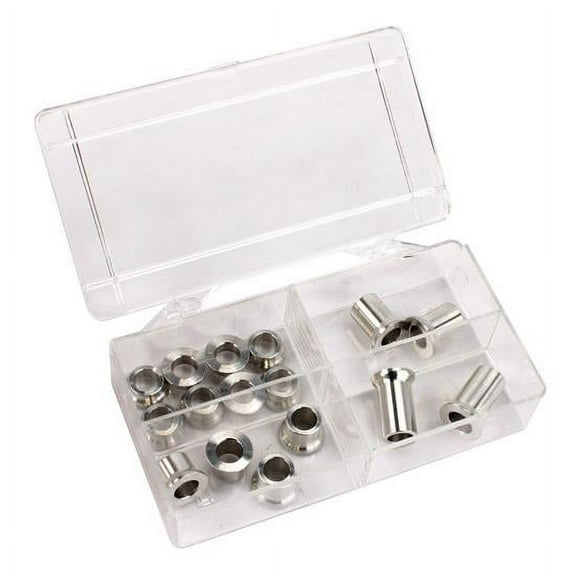
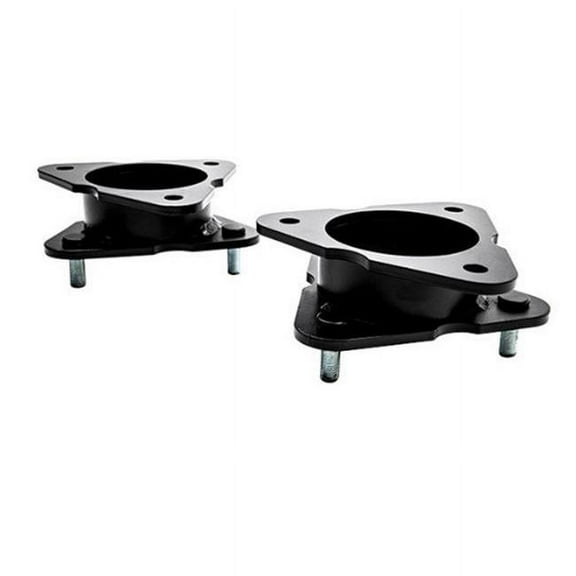

![[34938]BT Leveling Spacer.Belltech 19-20 Ford Ranger 2WD/4WD 2.5in Front Leveling Strut Spacer Kit](https://i5.walmartimages.com/seo/34938-BT-Leveling-Spacer-Belltech-19-20-Ford-Ranger-2WD-4WD-2-5in-Front-Leveling-Strut-Spacer-Kit_233016fd-a0f6-4127-b70b-8c57ea09335d.92d4c18ba5290e6894871c121c710efc.jpeg?odnHeight=576&odnWidth=576&odnBg=FFFFFF)




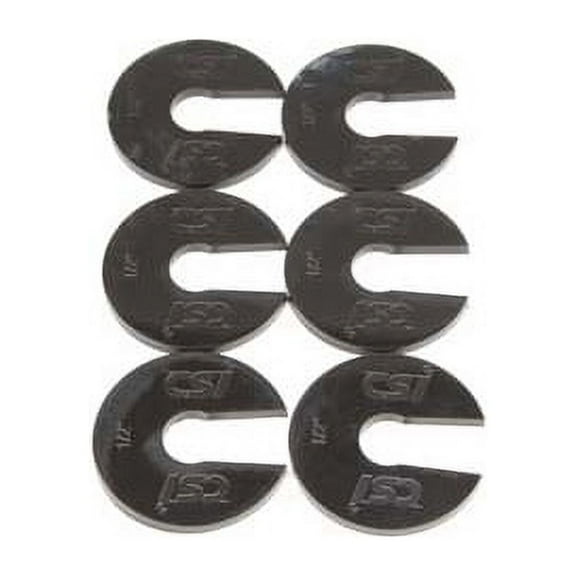

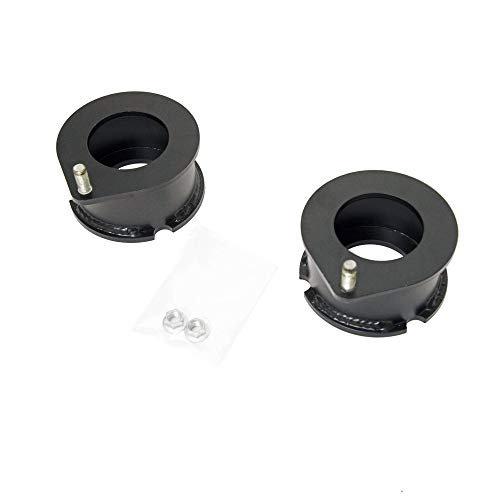
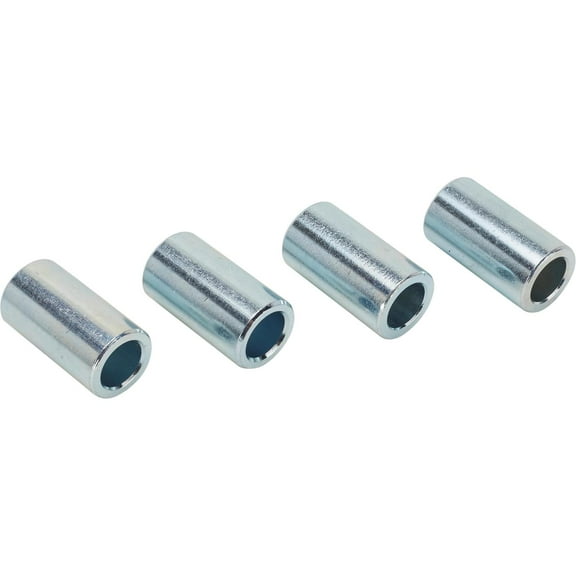
About Strut Spacers in Suspension Components - Walmart.com
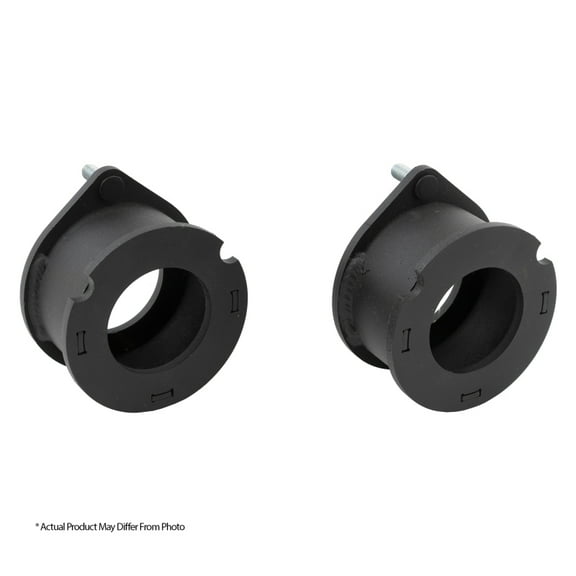
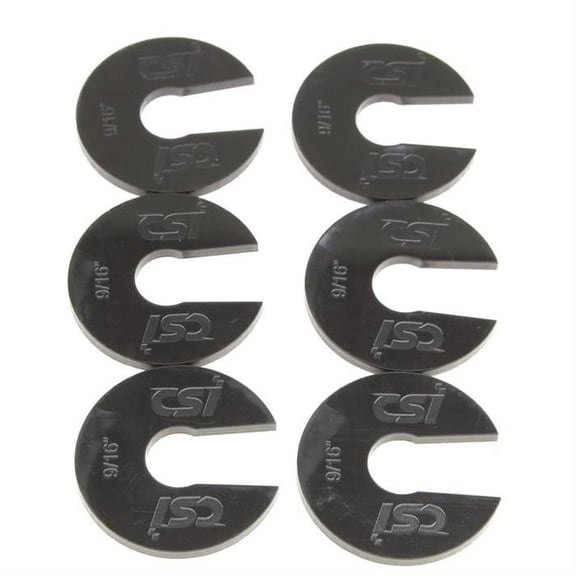
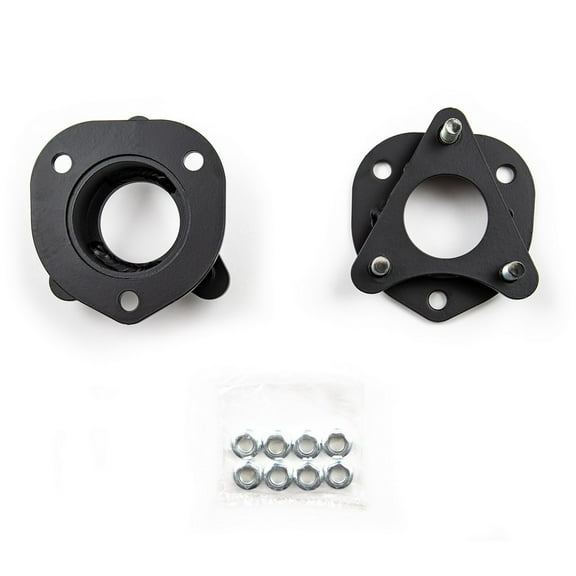
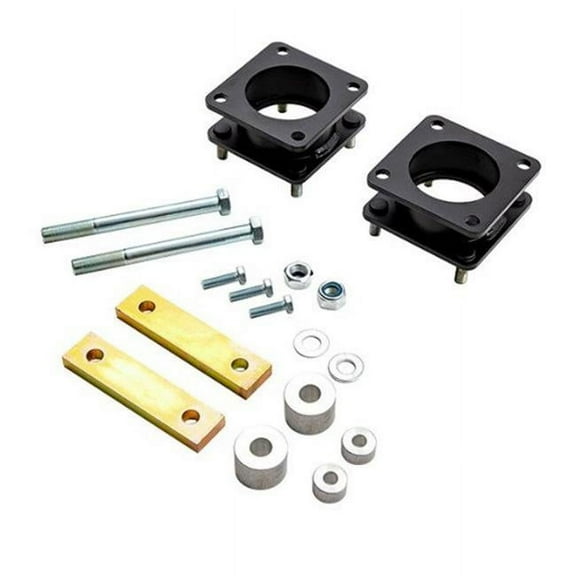
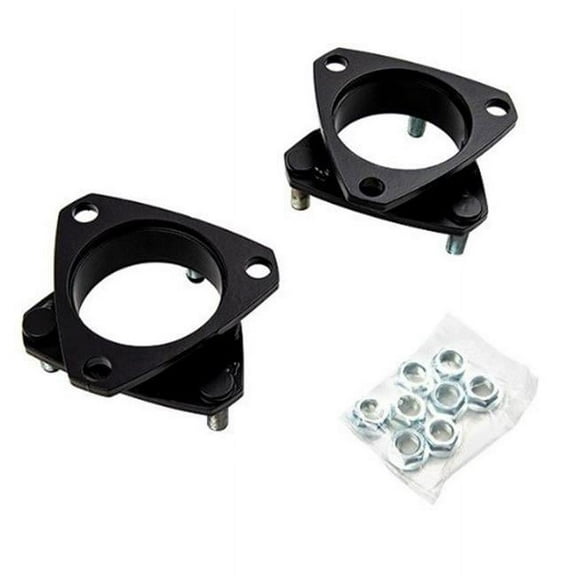
Strut spacers help you change your vehicle’s stance with targeted fitment choices and clear lift planning. You can compare material, placement, and lift height before you match parts to your exact suspension setup.
Choosing the right strut spacers for your vehicle
When you compare strut spacers, you should start with your year, make, and model. You can also confirm whether your setup needs front, rear, or paired placement.
Your fitment check matters because mounting patterns vary across trucks, SUVs, and passenger cars. You can avoid ordering guesswork when your application details match the listed suspension design.
You should also compare spacer thickness with achieved lift height before you choose a size. You may see a different final lift because suspension geometry ratio changes the result.
As you review options, you should measure your current stance and your target stance together. You can make a precise decision when your lift goal matches your vehicle’s factory rake.
- You can level a nose-down truck stance with front-mounted spacers.
- You can create room for larger tires when your wheel and tire specs allow it.
- You can refine your vehicle’s look with front or rear lift changes.
- You can narrow options quickly by checking year, make, model, and placement first.
Comparing material options for strut spacers
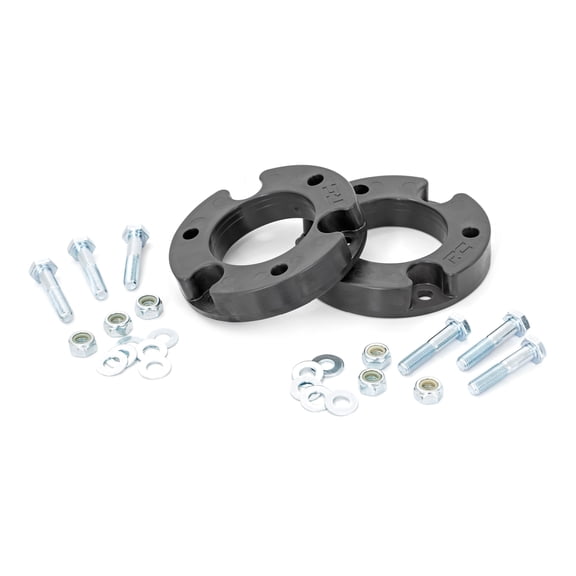
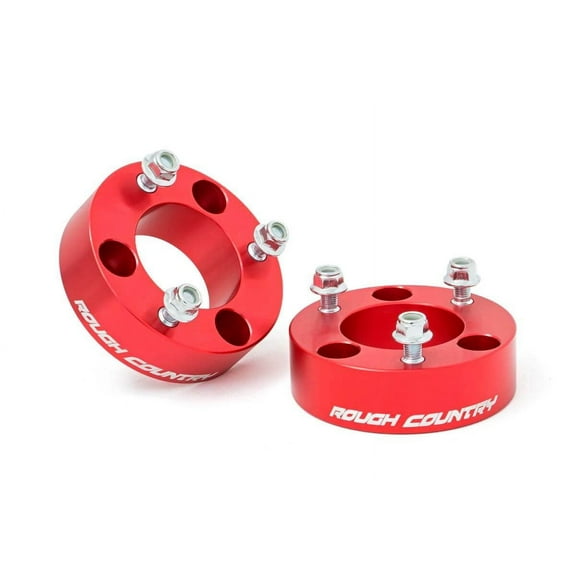
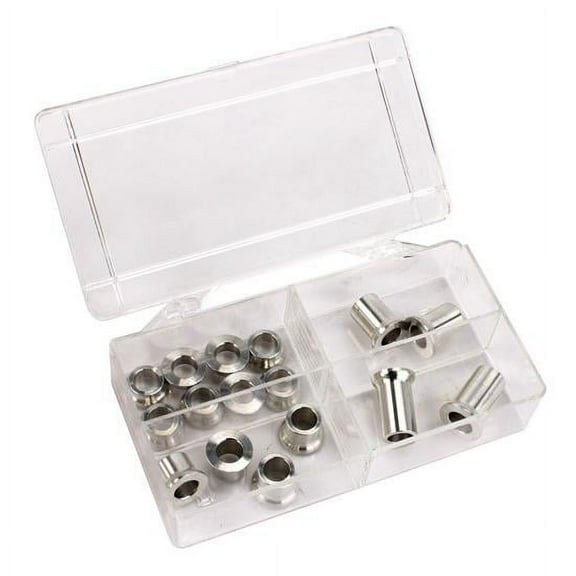
When you compare materials, you should focus on how each one fits your driving style and installation goals. You may choose aluminum strut spacers, polyurethane strut spacers, or heavy-duty steel options.
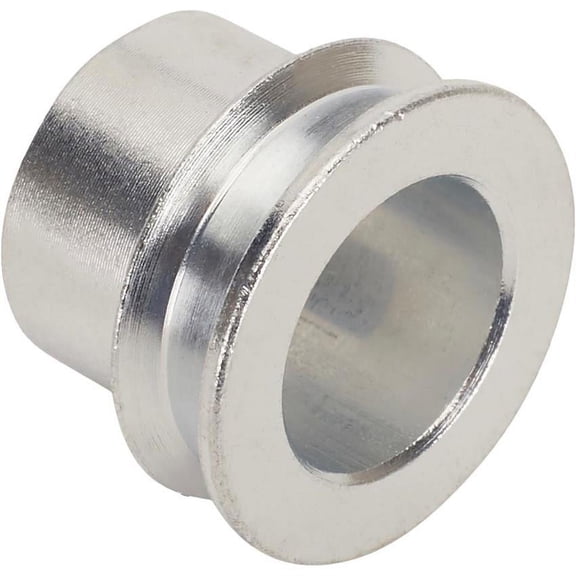
If you want a rigid construction, you may look at billet aluminum first. You may often notice machined shapes and a solid feel that suit many leveling kit strut spacers.
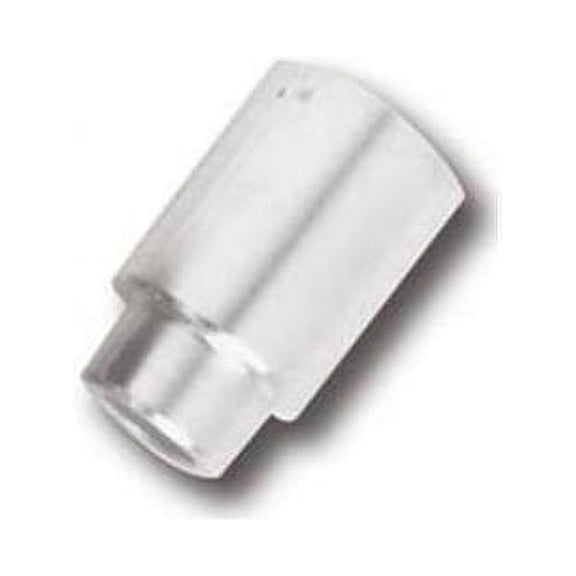
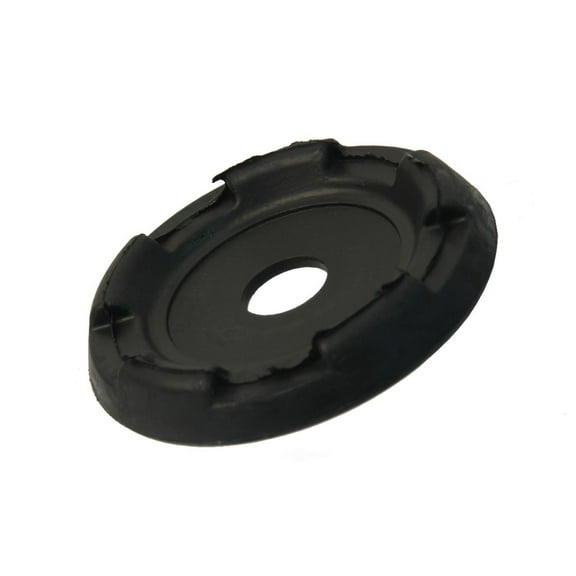
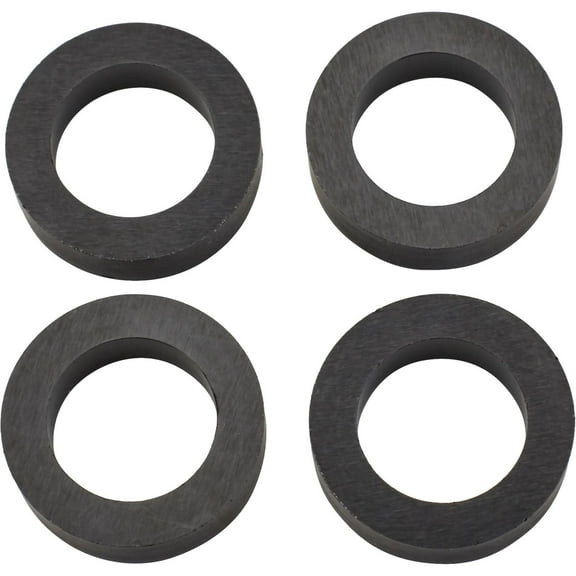
If you want a different installation profile, you may consider polyurethane. You can use that material when your application calls for a lighter spacer style with a different feel.
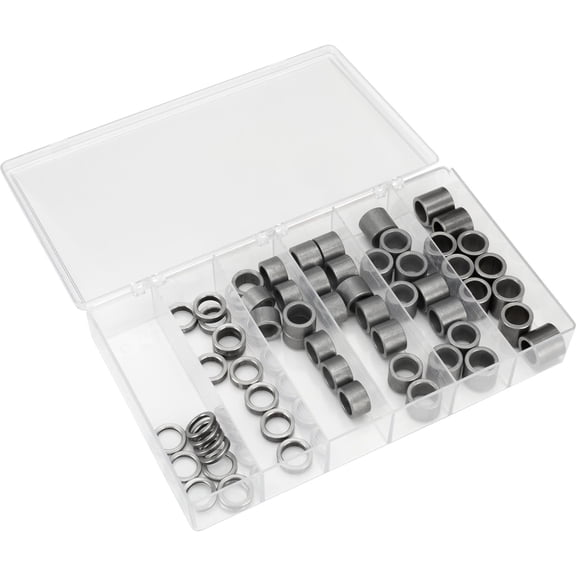
If you’re reviewing heavy-duty steel, you should check finish, hardware, and application notes closely. You can ensure each material choice aligns with your vehicle’s listed suspension layout.
Understanding lift height and spacer thickness
You should compare 1 inch, 2 inch, 2.5 inch, and 3 inch options with care. You may not always get the same amount of lift as the spacer’s physical thickness.
That difference happens because suspension geometry ratio affects how spacer position changes ride height. You should read product notes carefully so your planned stance matches the expected result.
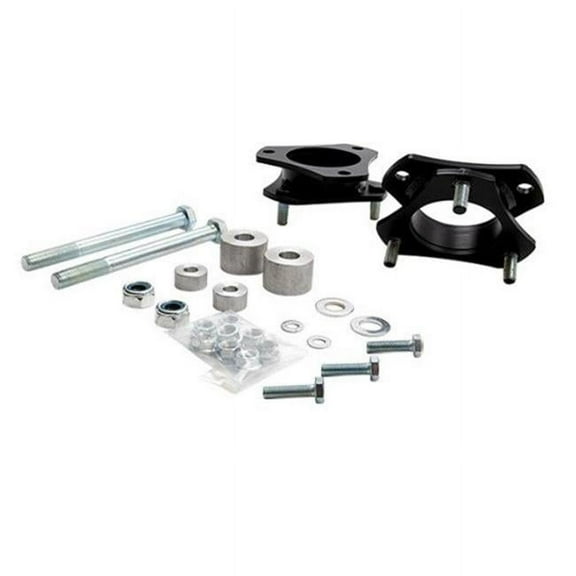
If you’re aiming for a level profile, you may focus on front strut spacers first. You can often reduce factory rake without replacing your full suspension assembly.
For a taller stance, you should compare wheel gap, tire clearance, and intended driving use together. You can choose accurately when your lift target fits your daily setup.
Checking placement and vehicle compatibility
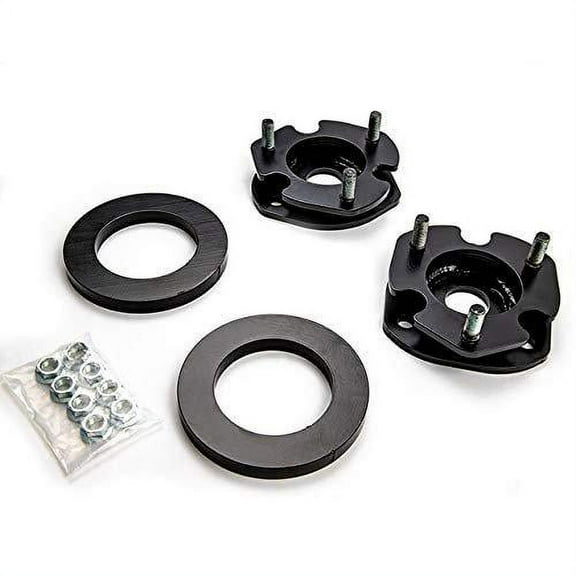
You should decide whether your vehicle needs front strut spacers, rear spacers, or a matched set. You may find that each position uses a different shape, bolt pattern, or mounting style.
Front placement often supports leveling goals on many trucks and SUVs. You may choose rear placement when your project needs a balanced stance with other suspension changes.
Compatibility deserves close attention because suspension strut spacers are vehicle-specific parts. You should match the part to your exact year, make, model, and listed trim details.
When you compare options for trucks, SUVs, or passenger cars, you should review fitment notes line by line. You can get a direct install path when your spacer matches the spring seat and top mount layout.
Using front strut spacers and leveling kit strut spacers
You may use front strut spacers when your truck sits lower in front from the factory. You can create a more even profile that suits everyday driving and weekend trail access.
If you drive an SUV, you may want extra clearance for a larger tire setup. You should still compare wheel offset and tire size so your application stays within listed fitment notes.
For passenger cars, you may focus more on exact placement and measured stance changes. You can use vehicle-specific spacers when you want a targeted adjustment without a full suspension swap.
Some shoppers search by application, such as F150 strut spacers or other model-specific setups. You can find the right fit quickly when you filter by exact vehicle information first.
Before you choose, you should consider installation complexity and alignment requirements. You may prefer professional installation when your project involves strut assembly disassembly and hardware checks.
What to look for before you choose strut spacers
You should compare material, lift height, placement, and fitment as one decision. Your ideal match is the spacer that fits your vehicle correctly and supports your planned stance change.
With the right strut spacers, you can support tire clearance goals and build a more level appearance. You can move forward with clear fitment expectations and an accurate suspension plan.