

Strike King in Shop Fishing Brands

































About Strike King in Shop Fishing Brands - Walmart.com
Strike King helps you compare proven bass fishing lures, crankbaits, spinnerbaits, and jigs in one focused tackle destination. You can use this guide to sort lure types, target species, water conditions, and color patterns with less guesswork.
How to choose strike king lures
When you compare lure type first, you can narrow your options faster and match your presentation to the water column. You should look at crankbaits, spinnerbaits, soft plastics, and jigs as distinct tools for different retrieves.
If you want to cover water quickly, you may start with strike king crankbaits and spinnerbaits for active fish. If you want slower presentations, you can turn to strike king soft plastics and jigs around cover.
- You can use crankbaits when you want a set diving depth and a steady wobble.
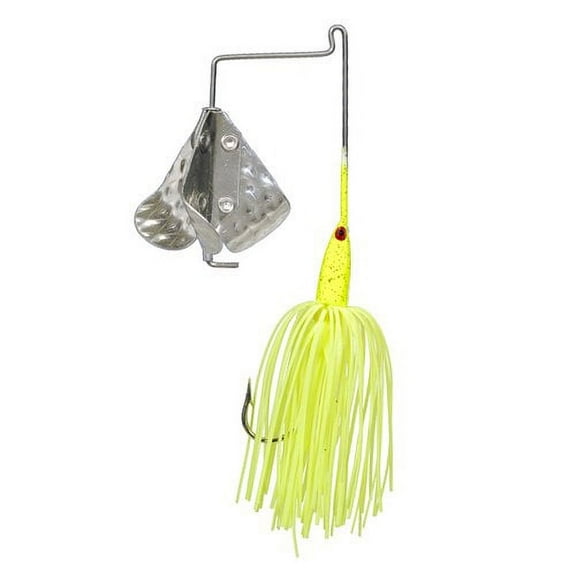
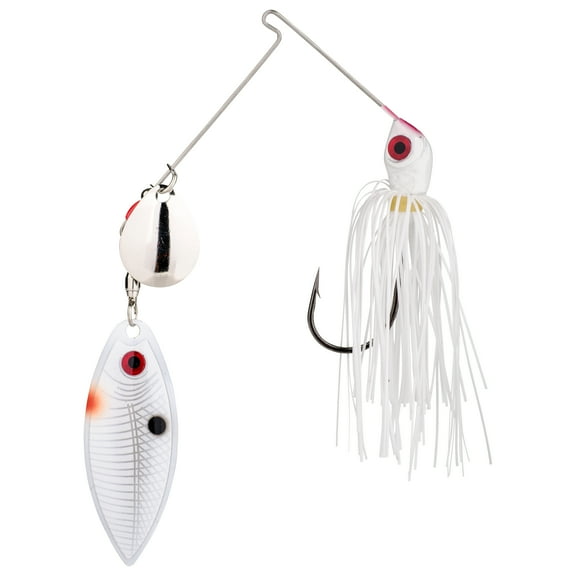
- You can choose spinnerbaits when you need flash and vibration around grass, wood, or stained water.
- You can pick soft plastics when you want versatile rigging options and a slower fall.
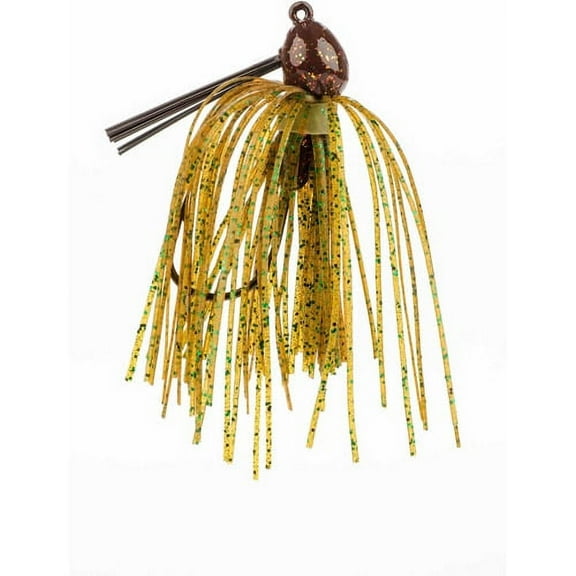
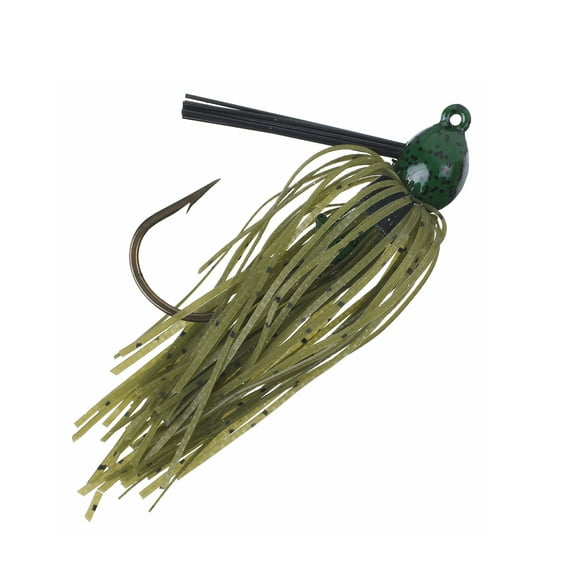
- You can tie on jigs when you want a compact profile for docks, rock, or bottom contact.
As you compare lure families, you should also think about where fish are holding during the season. You can often match deeper structure with diving plugs and shallow cover with blades, plastics, or jigs.
Choosing lure type, depth, and action
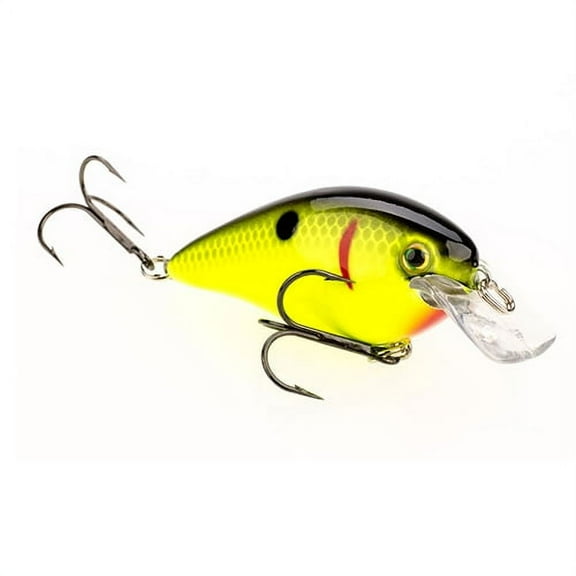
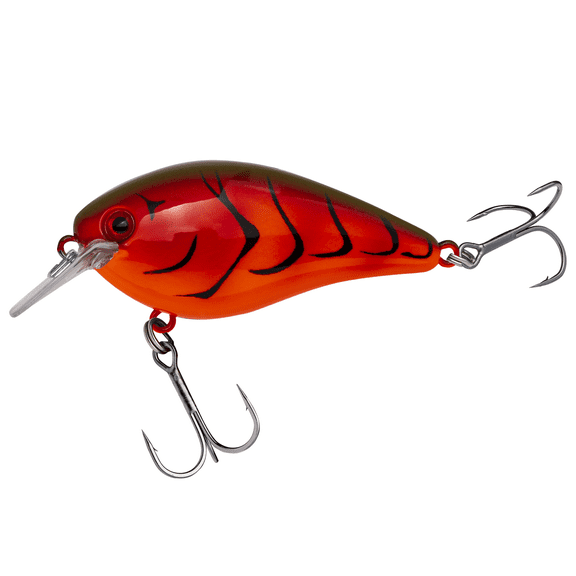
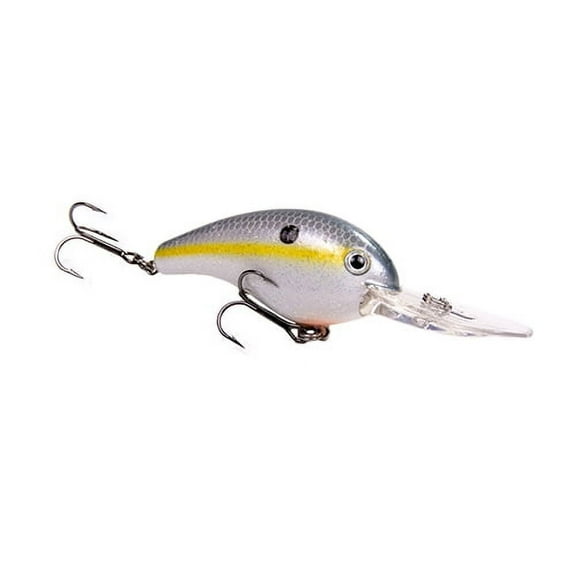
Crankbaits become easier to compare when you check diving depth and wobble speed together. You can use a tighter wobble in cooler water and a wider wobble when you want more thump.
If you fish points, ledges, or riprap, you may prefer hard baits that track at a consistent running depth. You should compare lip shape and body size because they influence how your bait hunts and deflects.
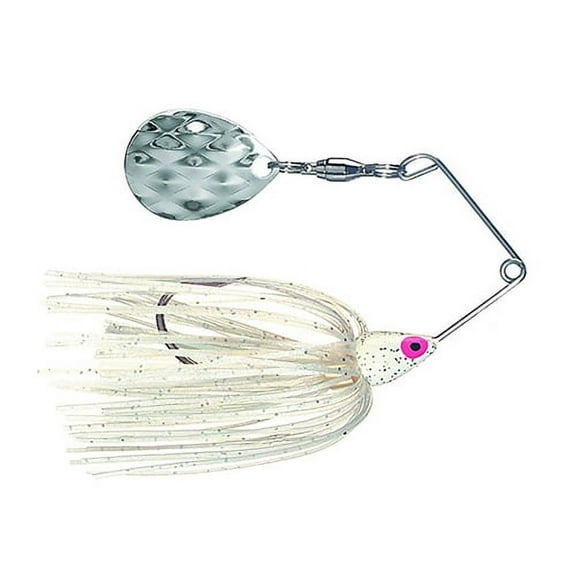
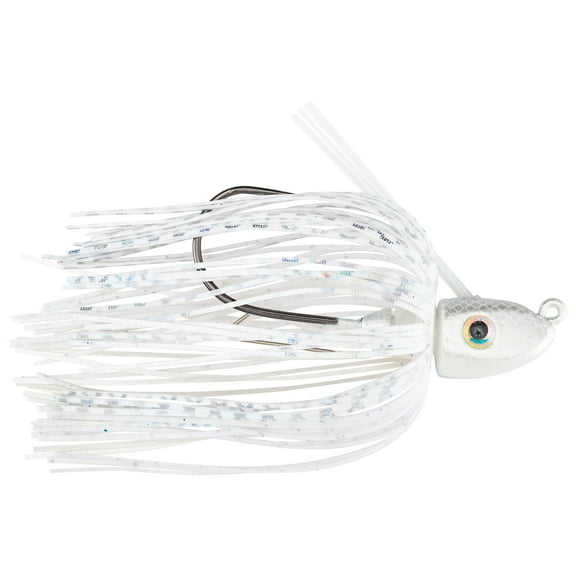
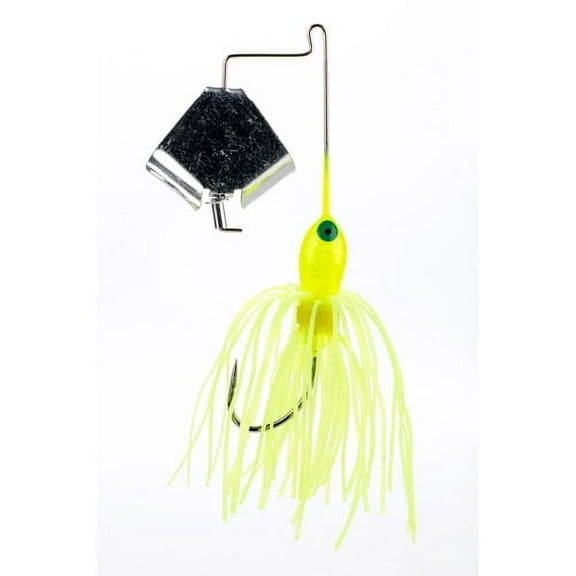
Spinnerbaits help you fish through cover with less interruption during moving retrieves. You can compare blade shape for lift, flash, and vibration, especially when water clarity changes through the day.
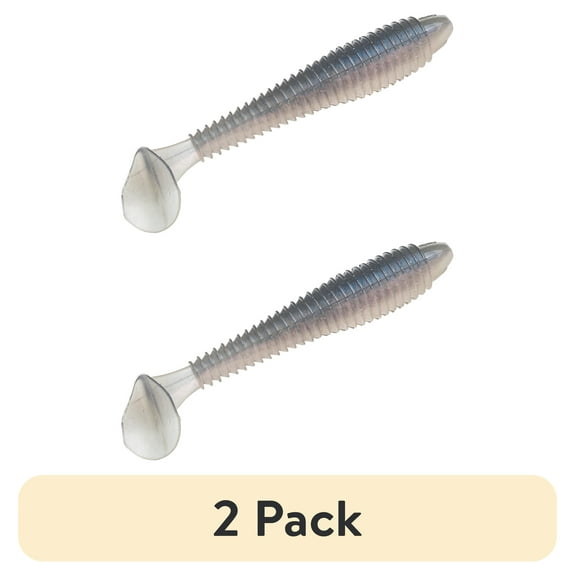
Soft plastics give you flexible rigging choices when fish want a slower look. You can rig them Texas style for weed cover or Carolina style when you want to drag structure cleanly.
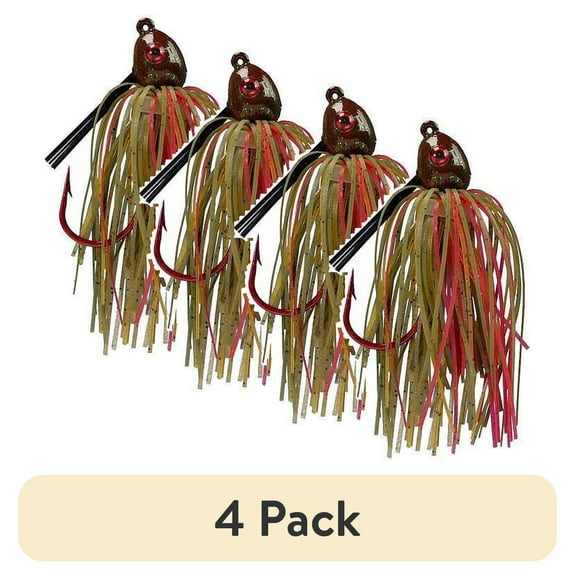
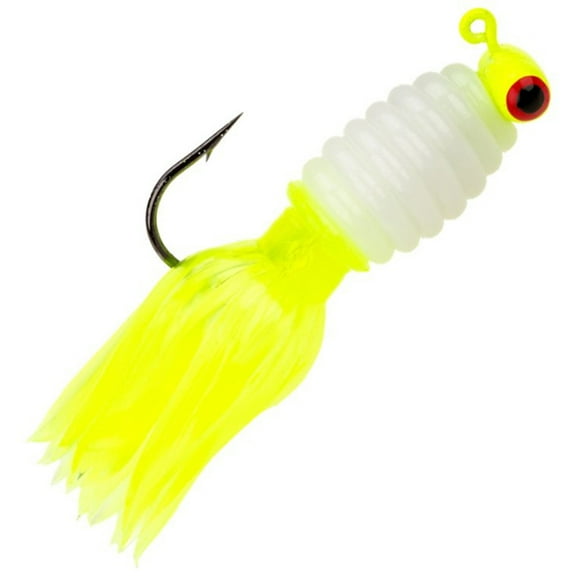
Jigs reward a slower presentation when you want contact with bottom, rock, or dock posts. You should compare head shape and trailer profile because they affect fall rate and how your bait comes through cover.
Choosing strike king spinnerbaits and strike king crankbaits by species
You should match lure style to the fish you want to target and how they feed. You can use bass fishing lures with stronger vibration, profile changes, and bottom contact when largemouth hold near grass or wood.
For bass, you may lean toward strike king spinnerbaits around shallow cover and windy banks. You can also throw strike king crankbaits when fish relate to rock, points, or depth changes.
If you target crappie, you may want smaller profiles and lighter presentations that stay in the strike zone longer. You can sort by lure size and action so your retrieve fits suspended fish.
If you chase walleye, you may look for options that track cleanly along breaks and current seams. You can compare depth control and vibration because those details shape how your bait stays productive.
When you compare by species, you should also think about season and forage. You can match shad imitators during baitfish patterns and crawfish tones when fish feed tight to bottom.
Choosing water type and color patterns
Water clarity changes how your lure looks, so color choice deserves as much attention as lure shape. You can use natural patterns in clearer water and brighter colors when visibility drops.
If you fish freshwater lakes and ponds, you may compare shad, crawfish, chartreuse, and natural finishes by forage and light conditions. You should check whether your pattern stands out enough without looking out of place.
In clearer water, you can start with natural or shad finishes that resemble local baitfish. In stained water, you may switch to chartreuse or bolder contrast so fish can track your lure sooner.
If clouds roll in or light fades, you should reassess flash, contrast, and blade shine. You can often keep the same lure family and simply adjust pattern or blade style.
When you sort for freshwater tackle, you should consider cover density and retrieve speed with color selection. You can pair brighter patterns with moving baits and natural colors with slower bottom presentations.
How to match rigging and real fishing situations
You can narrow your options quickly when you match lure setup to the place you fish most. You should compare grass flats, docks, rocky banks, and open water as separate situations.
On grass lines, you may choose spinnerbaits for steady retrieves that move cleanly through stems. You can also use Texas-rigged strike king soft plastics when you want a weed-friendly presentation.
Around docks and wood, you may turn to jigs for controlled skips and bottom contact. You can pitch plastics beside posts when fish hold tight and want a slower fall.
Along rocky banks or offshore breaks, you may prefer crankbaits that reach a repeatable running depth. You can compare bill design and wobble so your bait matches water temperature and fish mood.
During summer, you may also consider strike king frogs when fish feed over mats or shallow vegetation. You can use that surface option when topwater action matters and thick cover limits other retrieves.
When you want a cleaner decision, you should start with species, then depth, then cover, then color. You can build a tackle plan that fits your lake and keeps your lure choice purposeful.
Strike King gives you a focused way to compare lure action, depth, rigging, and color without losing sight of real fishing conditions. You can make sharper tackle decisions and spend more time presenting the right bait.