




STEM Toys and Learning Resources for Kids















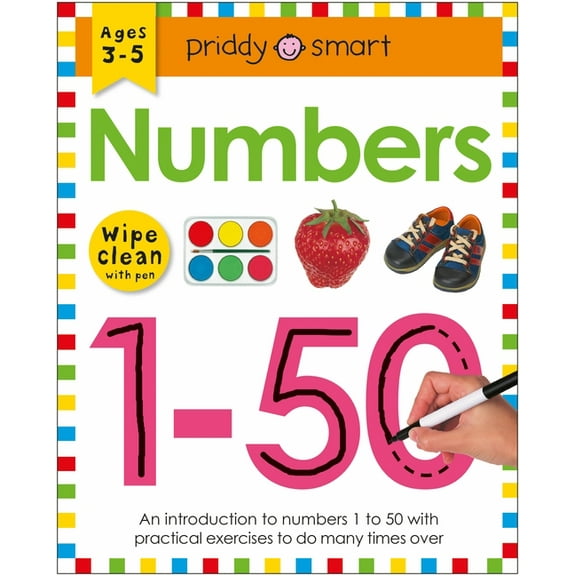
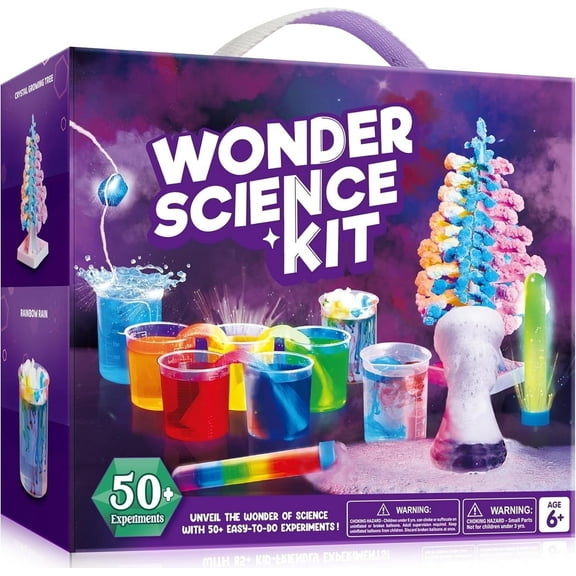
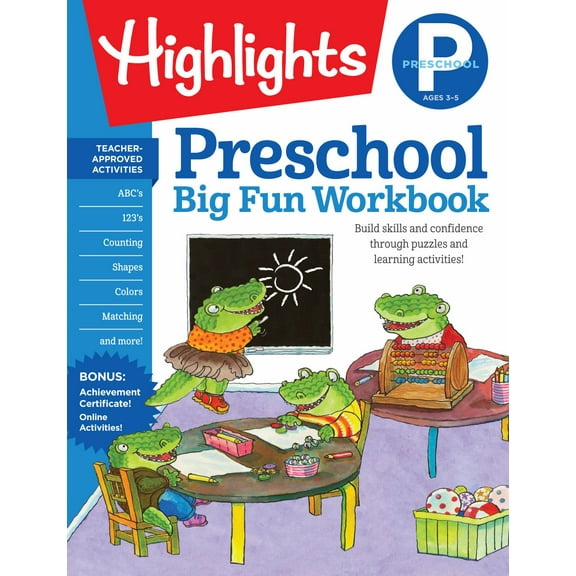
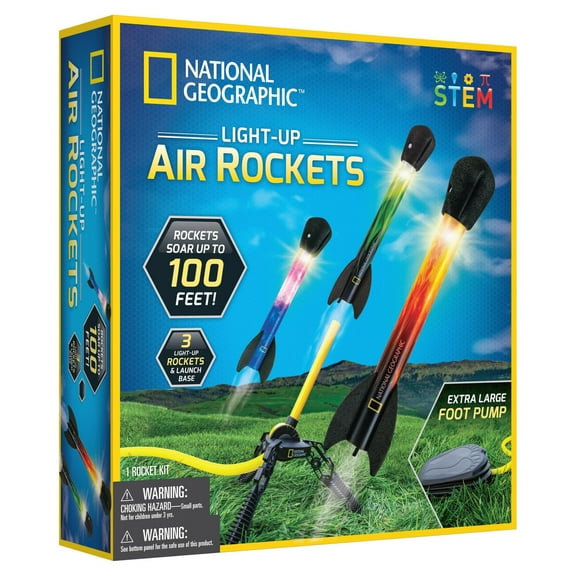







About STEM Toys and Learning Resources for Kids - Walmart.com
STEM toys help you turn playtime into hands-on discovery across science, technology, engineering, math, and coding. You can compare age ranges, subject areas, and activity styles to match your child’s curiosity and attention span.
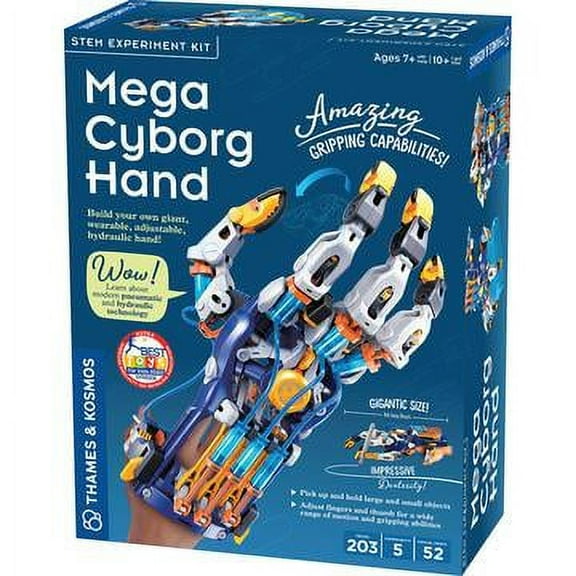
When you shop this category, you’ll notice choices that go far beyond ordinary play patterns. You can pick chemistry sets, robotics kits, engineering building sets, and math games that encourage active problem solving.
How to choose STEM toys by subject area
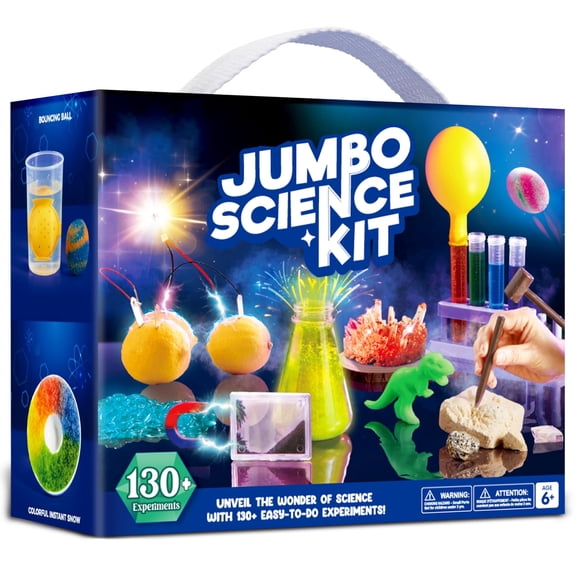
You’ll want to start with the subject your child already enjoys or wants to explore next. You can choose science kits for kids, coding toys, engineering building sets, or math-focused activities.
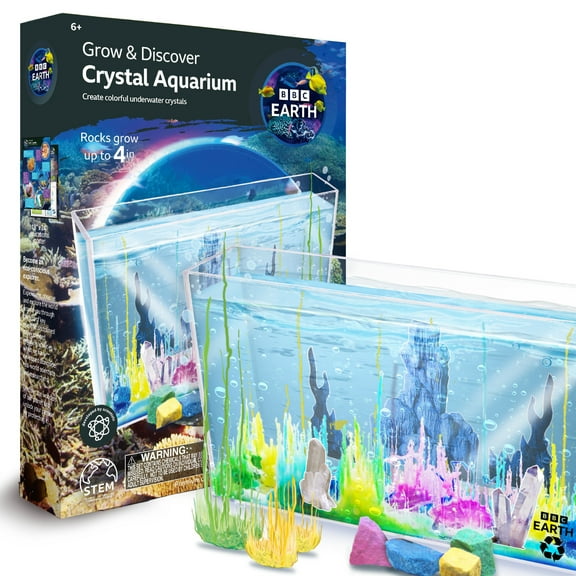
If your child likes experiments, you may lean toward science and chemistry projects with visible reactions and step-by-step tasks. If your child likes screens and logic, you may prefer coding games or robotics kits.
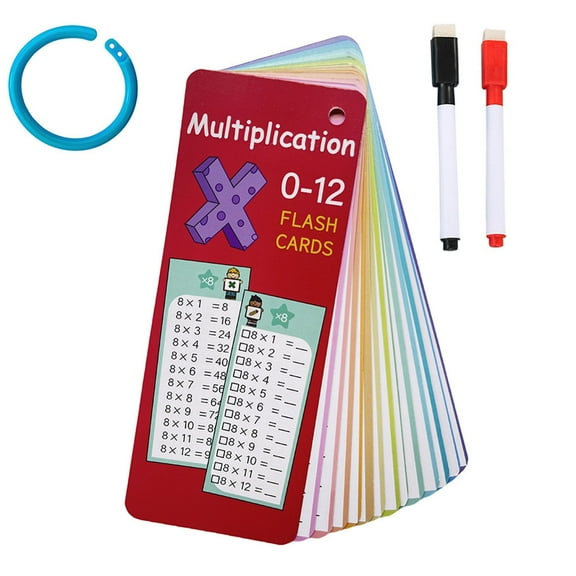
For open-ended building, you can compare engineering sets with gears, bridges, towers, and moving parts. For number practice, you can choose math games that turn counting, patterns, and strategy into play.
- You can use science kits to encourage observation, measuring, and experiment steps.
- You can use coding toys to introduce logic, sequencing, and simple programming ideas.
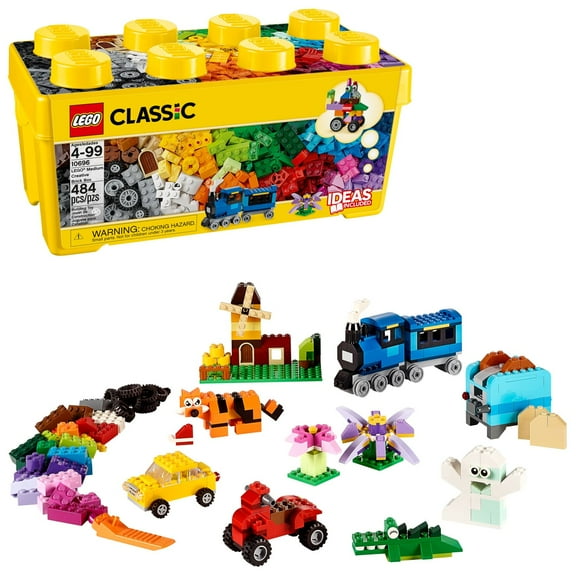
- You can use engineering building sets to support designing, testing, and rebuilding.
- You can use math games to reinforce counting, patterns, and problem-solving practice.
Choosing STEM toys by age group and complexity
You should match the project length and challenge level to your child’s age and patience. You can keep younger kids engaged with larger pieces, simple directions, and quick results.
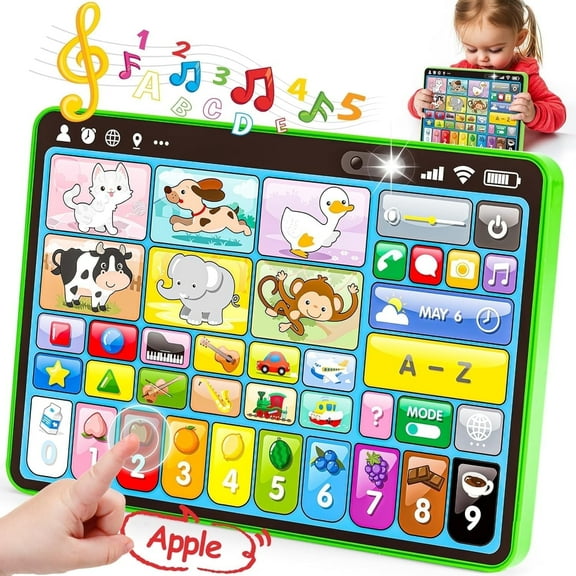
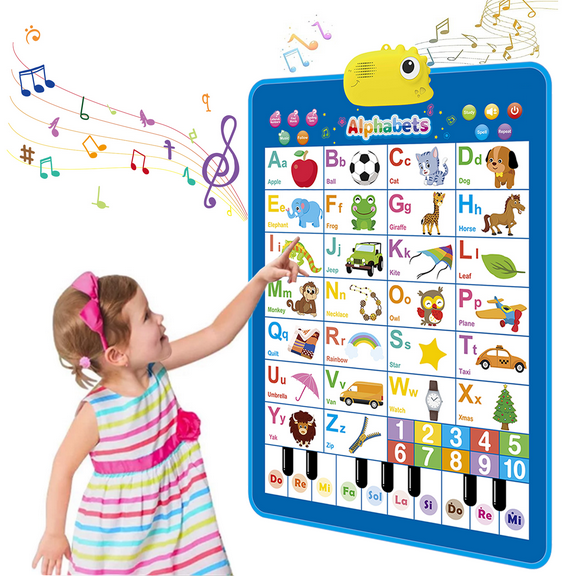
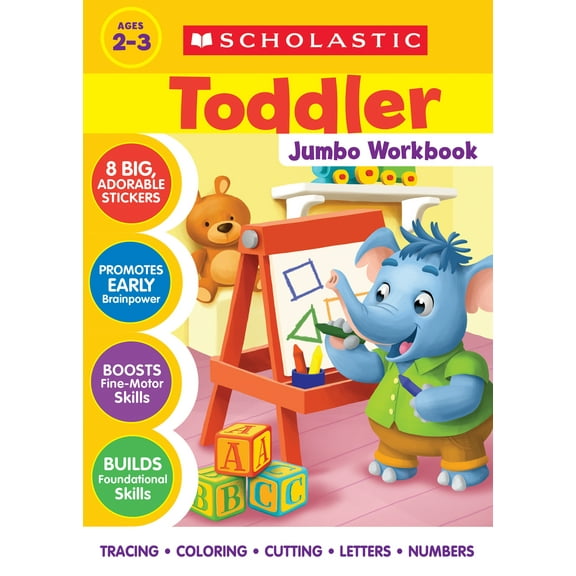
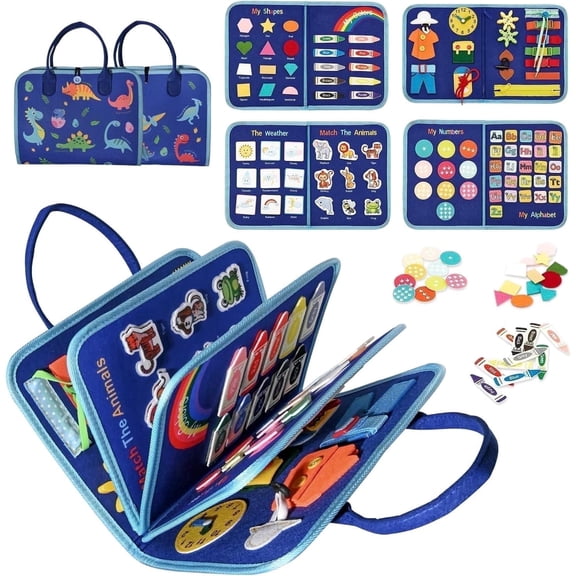
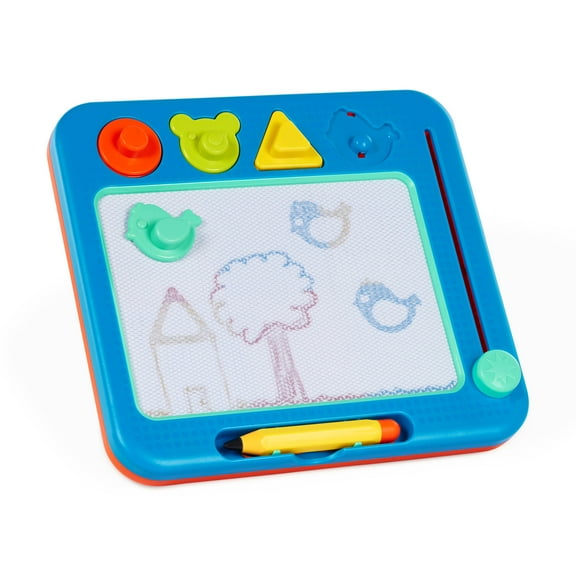
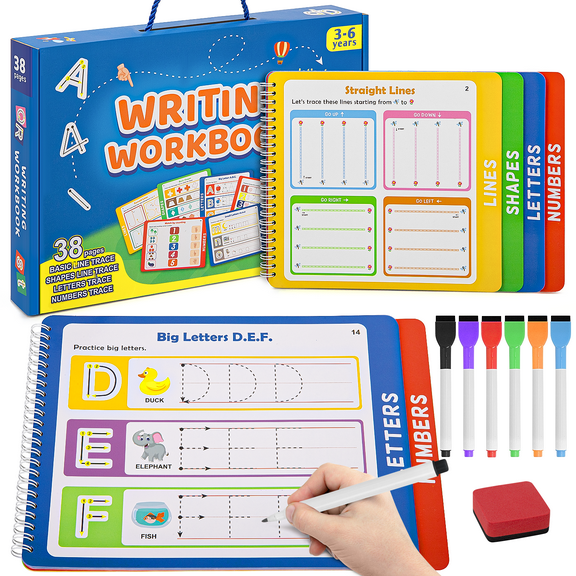
For toddlers, you may look for sorting, stacking, counting, and cause-and-effect activities with easy-to-hold parts. For ages five to seven, you can choose beginner science tools, starter coding games, and basic building challenges.
For ages eight to 12, you may compare multi-step robotics kits, circuit projects, and more advanced science fair projects. For teens, you can consider coding languages, detailed builds, and longer projects with deeper logic.
You’ll also want to check how much independent play a set supports. You can pick guided kits for shared learning or choose self-directed activities for confident, curious learners.
What to look for in STEM learning toys
You should compare toy type, component size, and instruction style before you choose. You can often tell whether a set fits your routine by checking the number of steps involved.
If you want less setup, you may prefer manual projects and no-power activities with clear picture directions. If your child enjoys motion and interaction, you can compare battery operated or solar powered options.
You’ll also want durable pieces that hold up through repeat building, testing, and rebuilding. You can look for secure connectors, organized trays, and parts sized for the intended age group.
When coding languages or circuit complexity matter, you should check whether the toy starts with beginner-friendly tasks. You can then move toward projects that add sensors, commands, or more detailed sequences.
You may also compare how a toy connects to school subjects. You can choose educational toys that reinforce measurement, patterns, logic, simple machines, or experiment planning.
Matching STEM toys to real use cases
You can narrow your choice faster when you think about where and how your child will use it. You may want quick tabletop builds for after school or longer projects for weekends.
For holiday STEM gifts, you can choose kits that combine clear instructions with exciting hands-on results. You may prefer robotics kits for tech-focused kids or chemistry sets for kids who enjoy visible experiments.
If your child needs independent play, you can look for coding games with guided levels and repeatable challenges. If you want to participate together, you may prefer engineering building sets or science activities with shared steps.
You can also match sets to classroom support and home learning goals. You may use math games for extra number practice or select science fair projects that encourage planning and presentation.
For smaller spaces, you can choose compact projects with fewer loose components and easy cleanup. For longer attention spans, you may select larger builds with multiple stages and room for redesign.
If your child enjoys movement and mechanics, you can compare solar robot kit options with gear-based builds. If your child likes logic and screens, you may prefer coding toys with app-connected lessons.
Why STEM toys fit learning at home
You can use STEM toys to make abstract school topics feel more concrete through building, testing, and experimenting. You’ll often see how lessons in math, science, and coding connect during play.
With the right age fit, subject focus, and complexity level, you can choose activities that hold attention and encourage repeat use. You’ll come away with a category built for curiosity, creativity, and hands-on thinking.