


Find auto parts that fit
Let’s search for parts that fit your vehicle.Steering Columns & Components in Steering Wheels & Columns
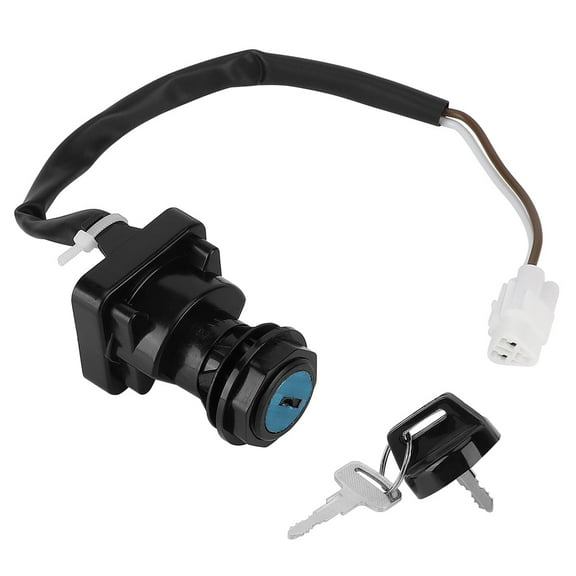
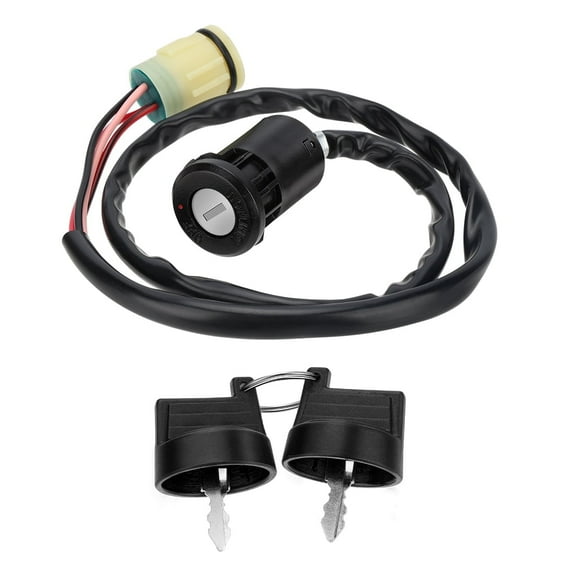
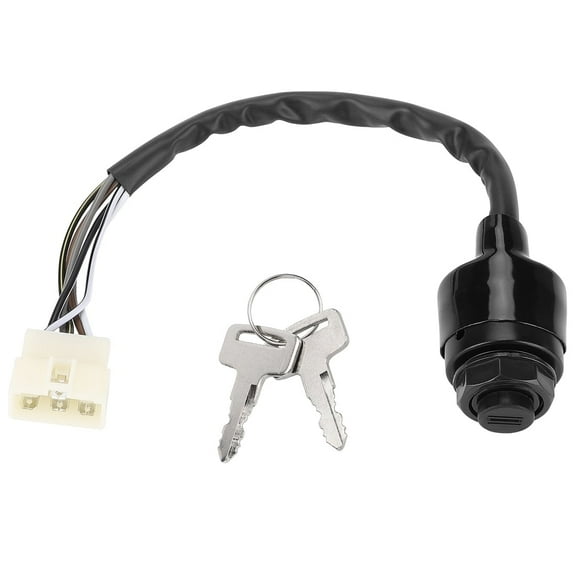
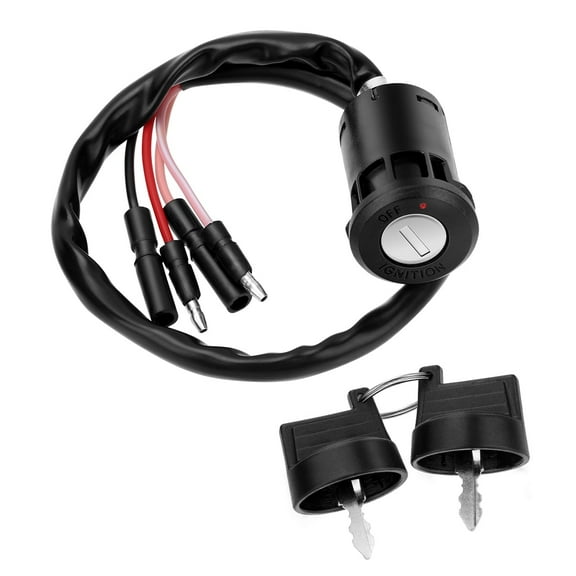
















About Steering Columns & Components in Steering Wheels & Columns - Walmart.com
Steering column components help you restore steering feel, fitment accuracy, and switch function when your vehicle needs a targeted replacement. You can compare shafts, switches, couplers, and complete assemblies by vehicle details before you commit to the right repair scope.
If your wheel connection feels loose or your ignition hardware no longer matches your key system, you need category guidance that fits real replacement decisions. You can use this page to compare steering column parts by component type, fitment details, power assist setup, and construction.
How to choose steering column components
You should start with the exact part of the column you need to replace. You may only need an intermediate shaft, or you may need a full steering column assembly.
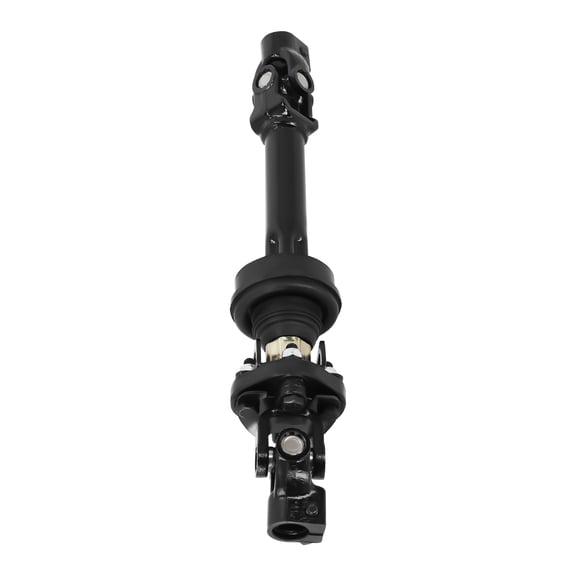
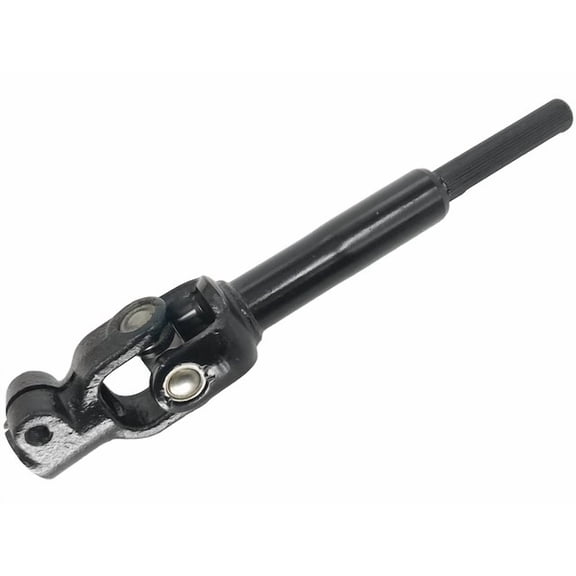
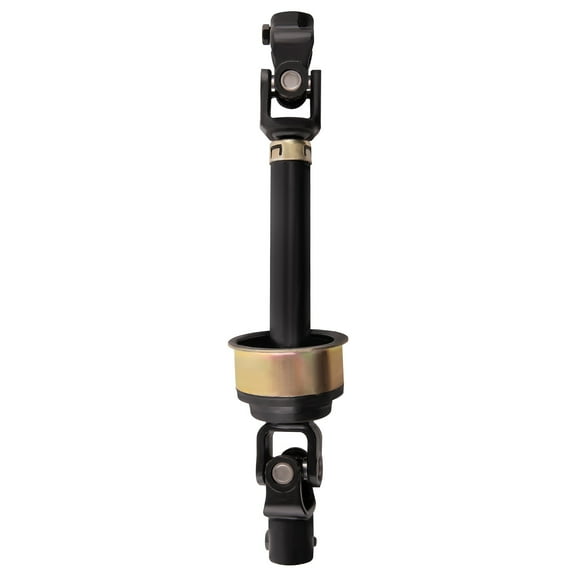
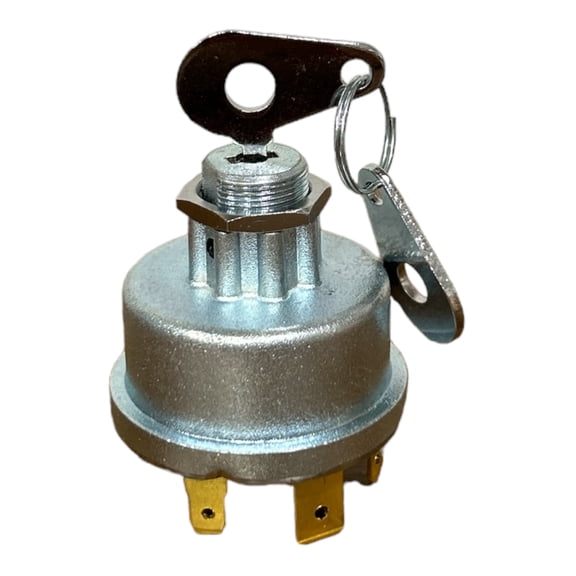
An intermediate shaft connects steering input through the column and into the steering system. An ignition switch handles electrical start positions, while a coupler joins connected parts with the correct play and alignment.
You can narrow your options faster when you match the repair scope to the failed section. You avoid ordering extra hardware when your issue points to one replaceable section instead of the entire column.
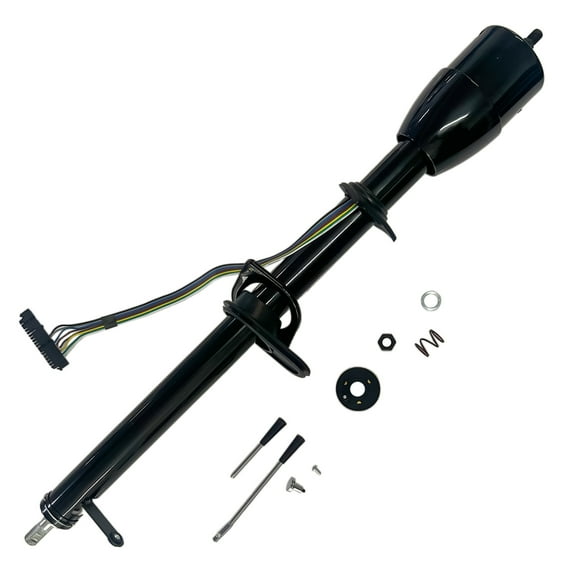
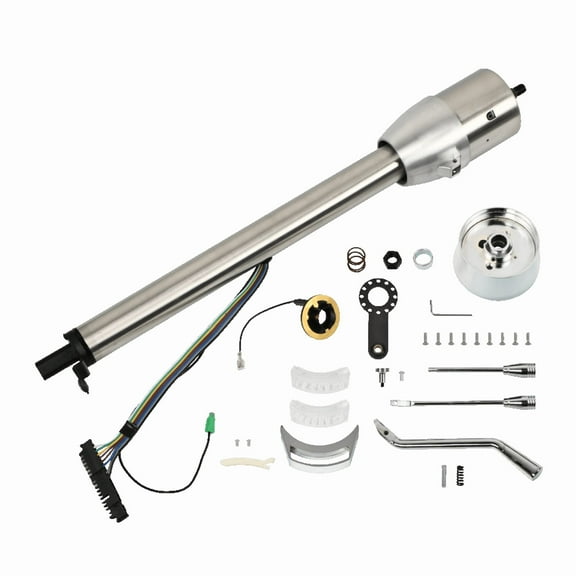
- You can choose a complete steering column assembly when multiple connected parts need replacement.
- You can select a steering column intermediate shaft when your repair centers on linkage, length, or spline fit.
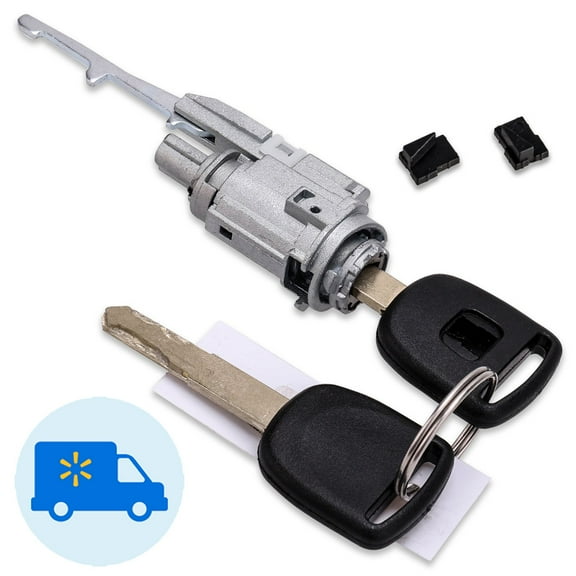
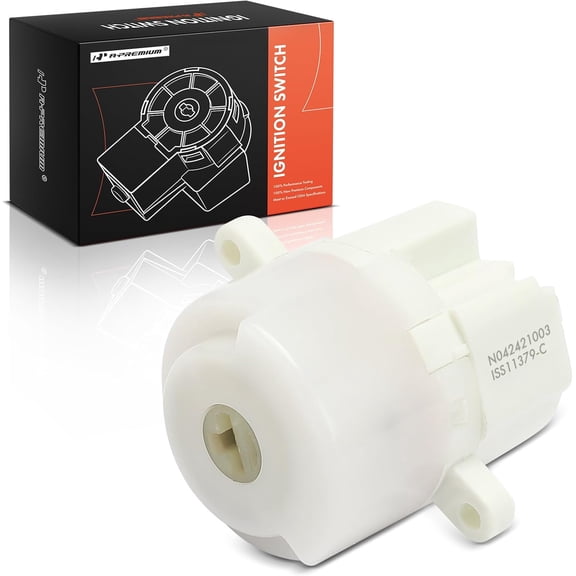
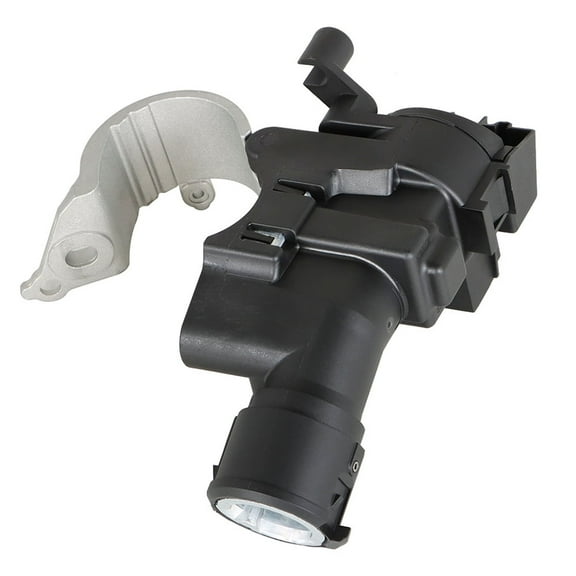
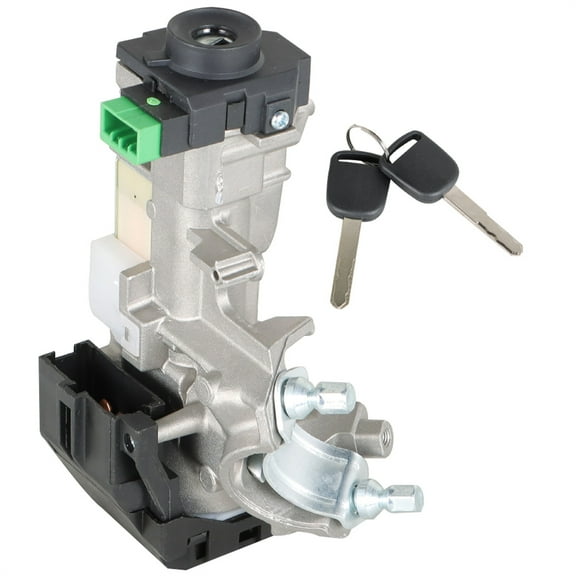
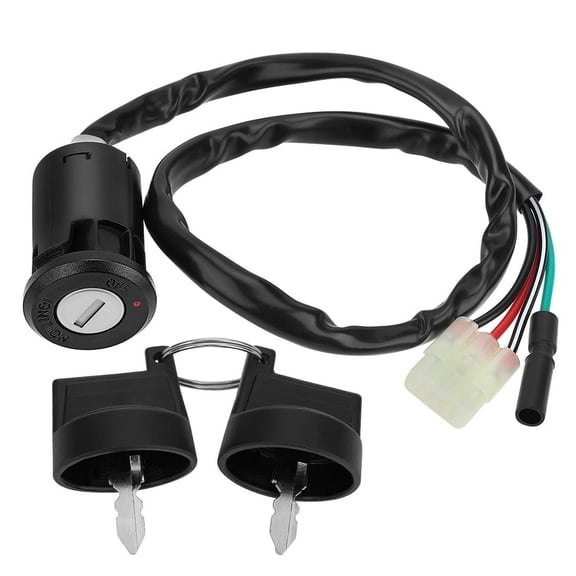
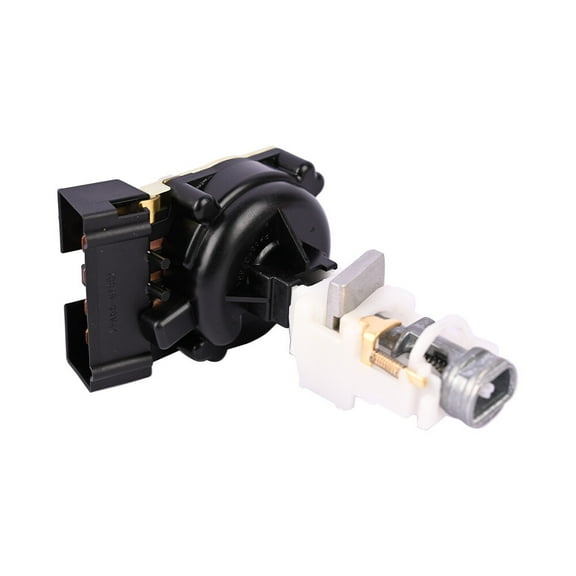
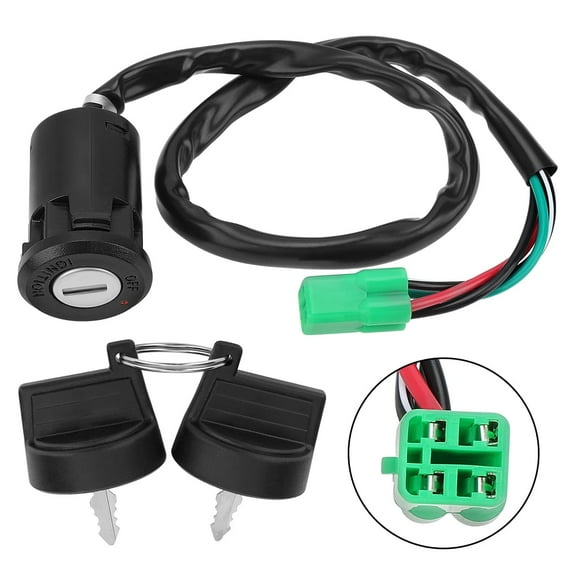
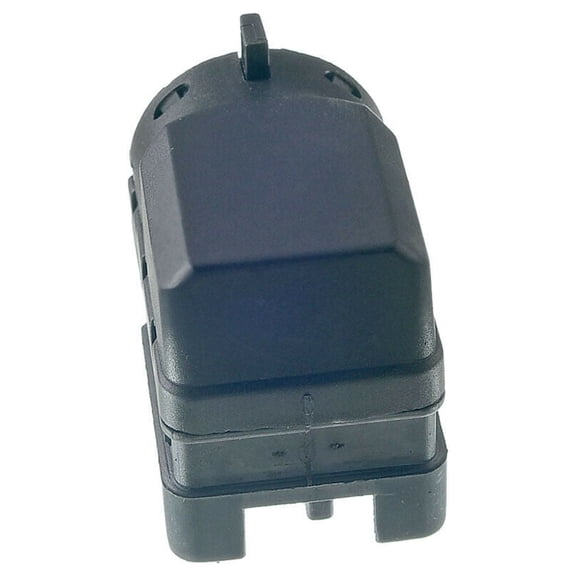
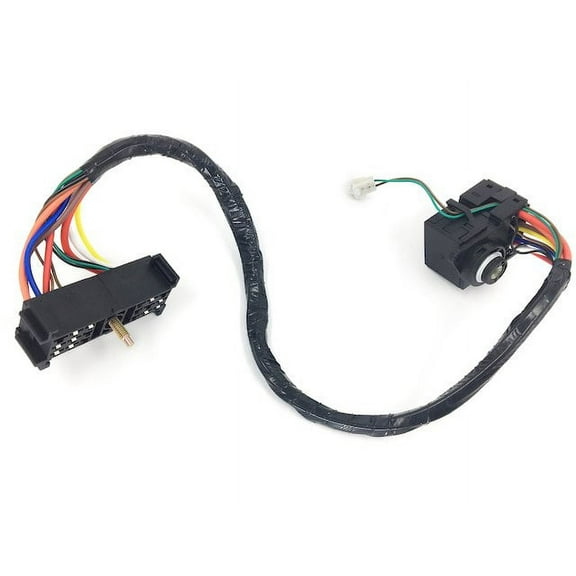
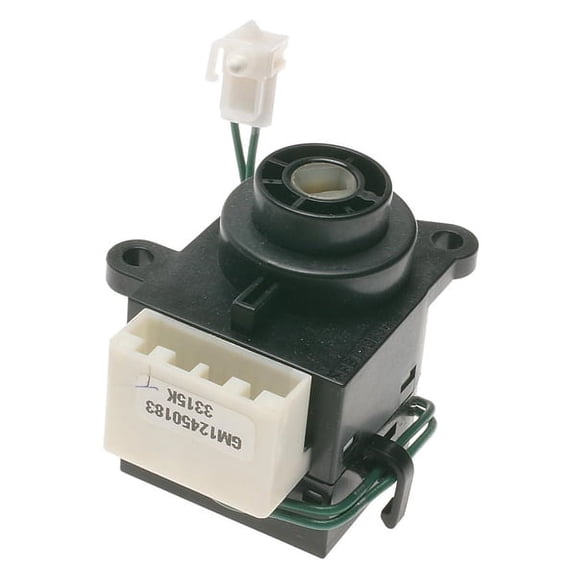
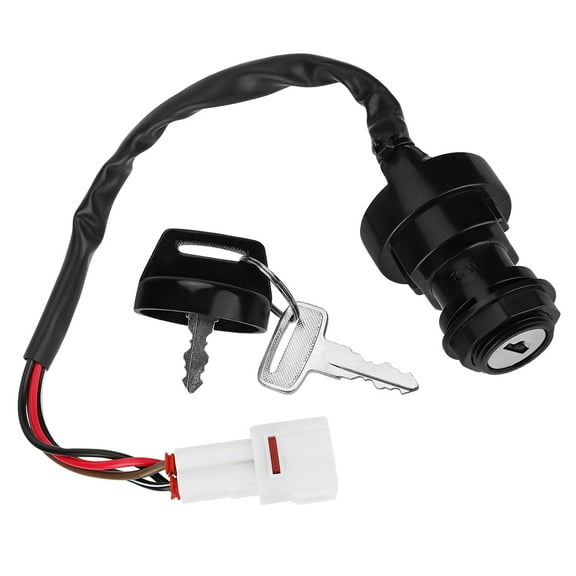
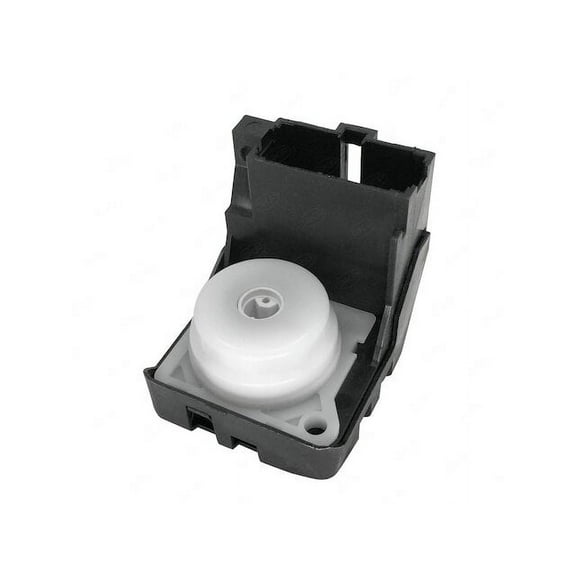
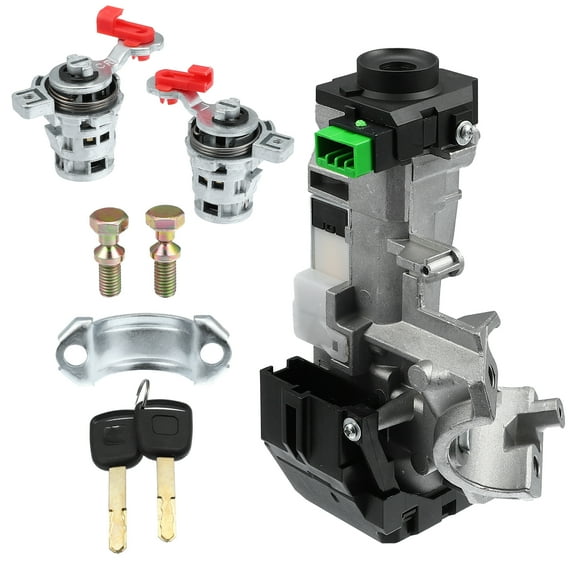
- You can compare an ignition switch when your replacement focuses on key position and electrical connection points.
- You can look for a coupler when your setup needs the correct junction between steering column parts.
Checking vehicle compatibility before you order
You should confirm your vehicle's make, model, year, and trim before you compare any listing. You also need to match details like OEM part numbers, spline count, and shaft length.
Those technical details matter because small differences can change how your steering column components fit. You get a cleaner match when you compare listing data against your current part and vehicle record.
If you're searching for a specific fit, such as a 2005 Acura TL ignition switch, you should verify trim-level compatibility. You should also check connector style and mounting points before moving forward.
You can use compatibility details to separate a direct replacement from a part that needs extra adaptation. Your time goes further when your shortlist already matches your vehicle platform and steering setup.
Comparing steering column intermediate shaft and assembly options
You should compare a steering column intermediate shaft with a complete assembly based on how much of the system needs replacement. You can often keep surrounding parts when wear is limited to one link point.
A full steering column assembly may make sense when your housing, switches, and internal mechanisms need coordinated replacement. You get a more complete refresh when several connected components show wear at the same time.
You can also compare manual, hydraulic power, and electric power assist compatibility before choosing a part. Your steering system type affects which steering column parts align with the rest of your vehicle.
If your vehicle uses hydraulic power assist, you should check interfaces that pair correctly with that system layout. If your vehicle uses electric power assist, you should confirm the intended application matches that setup.
What materials and construction details mean for your repair
You should review material and construction notes because they affect fit, weight, and replacement style. You may see steel or aluminum options, along with OEM replacement and aftermarket descriptions.
Steel parts may suit repairs where you want familiar construction and original-style mounting behavior. Aluminum parts may appeal when your application calls for a lighter component in the matching design.
You should treat OEM replacement wording as a clue about factory-style fit and connection points. You should read aftermarket listings closely when you want alternate sourcing for steering column components.
Your comparison should also include finishes, joint design, and included hardware where listed. You can avoid surprises when your order matches the exact installation points already on your vehicle.
Using ignition switch and power steering column details
You should look closely at ignition switch details when your repair involves key positions, connectors, or mounting style. You can compare these parts more confidently when your vehicle information is complete.
If you're reviewing a power steering column application, you should confirm whether the listing fits manual, hydraulic power, or electric power assist systems. Your replacement works more smoothly when that compatibility is clear from the start.
You may also compare steering column assembly options for older sedans, daily drivers, or project vehicles with incomplete parts history. You get better results when you cross-check visible connectors, shaft dimensions, and fitment notes.
Before installation, you should review what hardware and instructions come with the part. You should also confirm whether your repair involves steering lock or wheel-mounted electrical connections so your part choice stays aligned.
Choosing the right setup for your vehicle and repair scope
You can make a smarter replacement choice when you compare component type, fitment, power assist, and construction together. Your repair stays more focused when each detail supports the same vehicle application.
Steering column components make more sense when you match the part to your exact steering system and replacement scope. You get a cleaner install path and a more accurate fit for the vehicle already in your garage.