

Squash Gear and Racket Grips Online


























About Squash Gear and Racket Grips Online - Walmart.com
Squash equipment helps you build a complete court setup with rackets, balls, eyewear, grips, and bags that match how you play. You can compare beginner-friendly essentials and advanced match gear in one place, so your setup feels consistent on indoor courts.
How to choose squash equipment for your game
When you shop squash equipment, you’ll want to start with the pieces that shape your timing, control, and comfort. You can narrow your choices faster by comparing product type, skill level, racket weight, and ball speed together.
Beginners often need easy-to-use gear that feels predictable from the first rally. If you play often, you may want court-ready options that support faster swings, cleaner contact, and steadier handling.
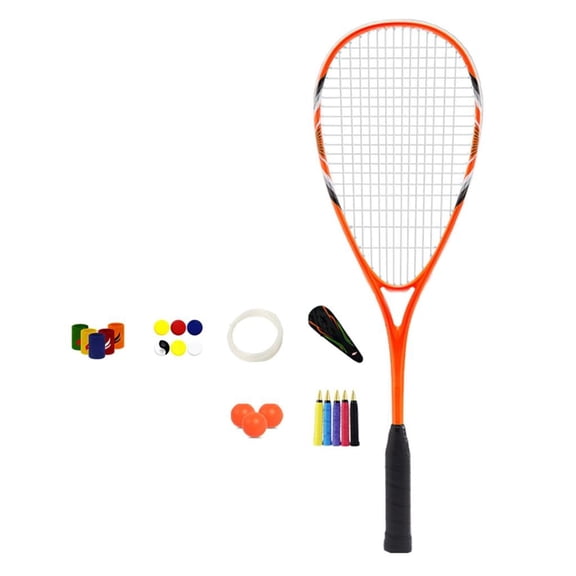
- You can build a full setup with squash rackets, squash balls, eye guards, grips, and bags.
- You can match ball dot color to your skill level, so rallies feel more playable.
- You can choose racket weight by feel, whether you want quicker control or added punch.
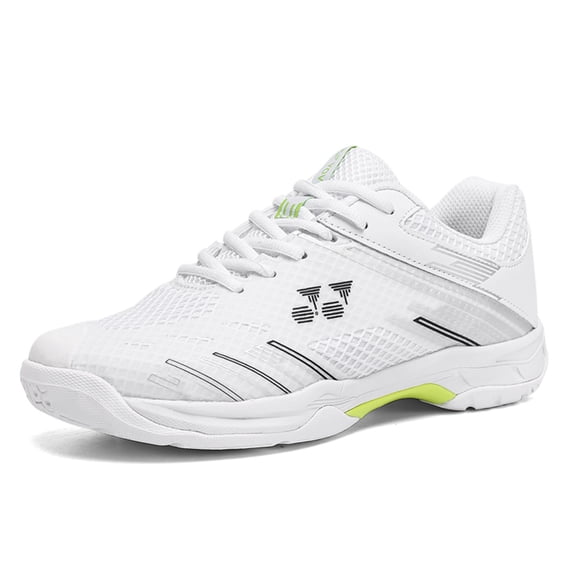
- You can add squash shoes and indoor court shoes for traction and smooth movement.
Your setup also affects how easy it feels to return serves, cover corners, and reset between points. With coordinated squash gear, you can spend less time guessing and more time focusing on placement.
Choosing squash rackets by skill level and weight
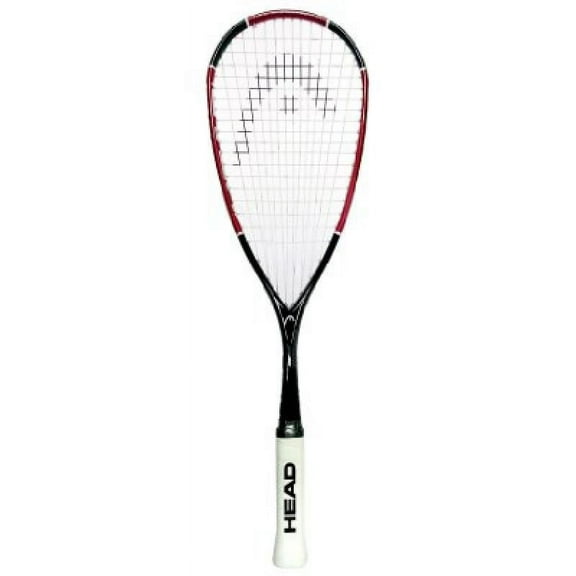
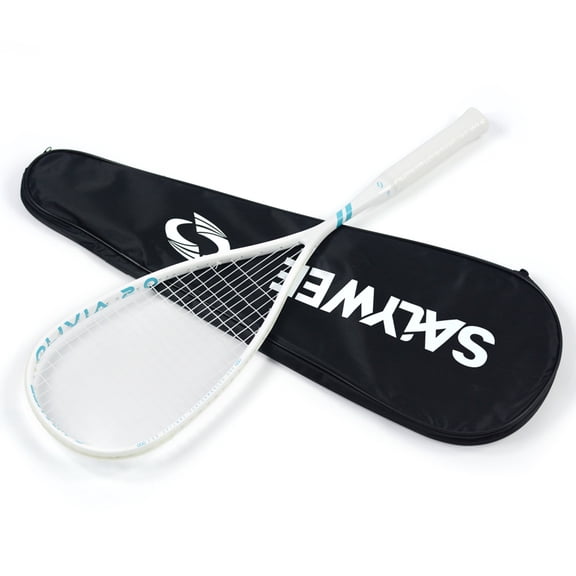
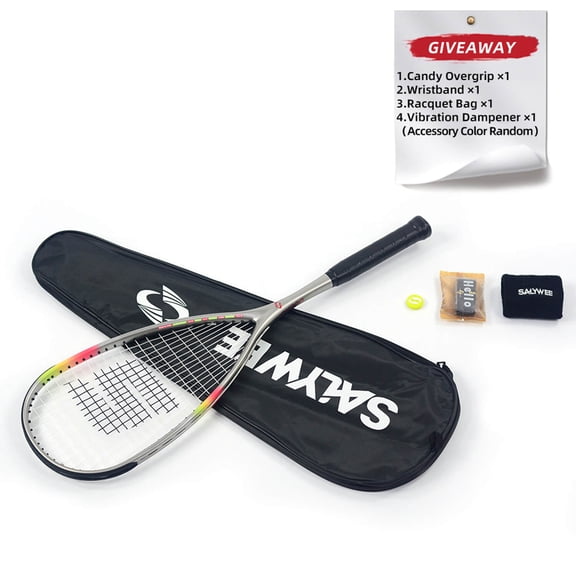
You should compare squash rackets by weight first because weight changes how quickly your racket moves through tight spaces. A lighter frame usually helps your hands react faster, while a heavier frame can feel steadier on contact.
If you’re starting out, you may prefer a frame that feels easy to swing without tiring your arm early. Intermediate players often look for a balanced feel that supports both touch shots and firm drives.
Advanced players may choose squash racquets based on whether they want sharper control at the front wall or stronger pace from the back court. You can also compare balance and handle feel, because those details shape comfort during longer sessions.
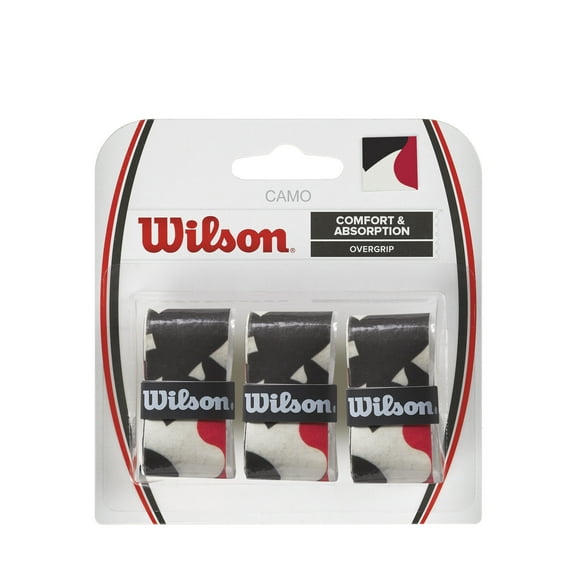
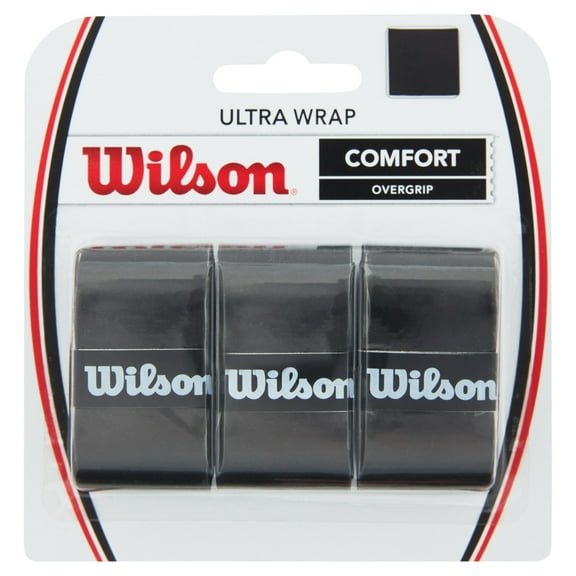
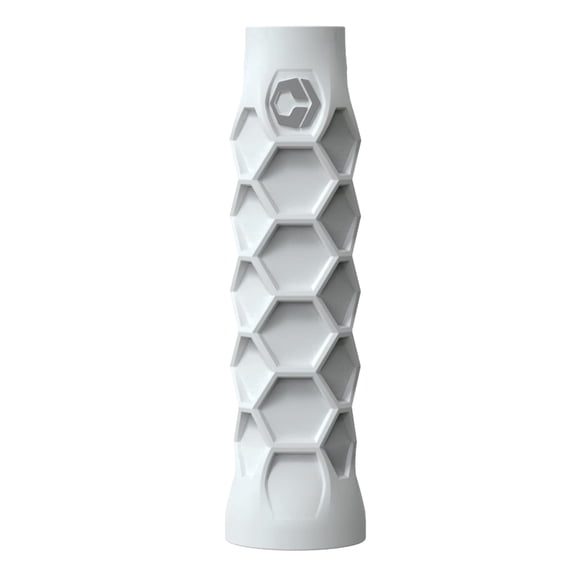
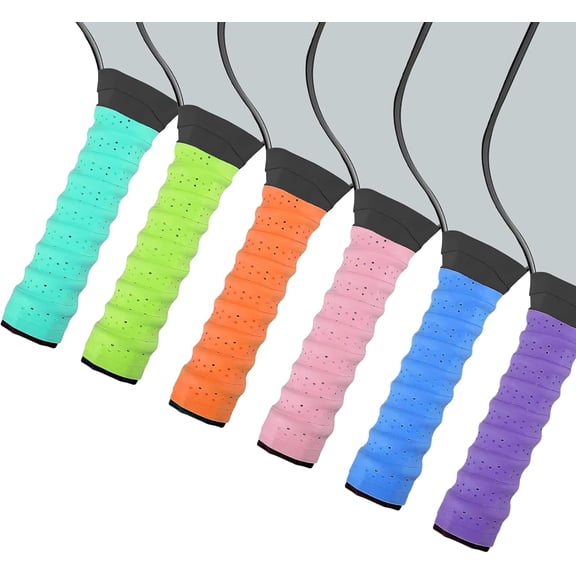
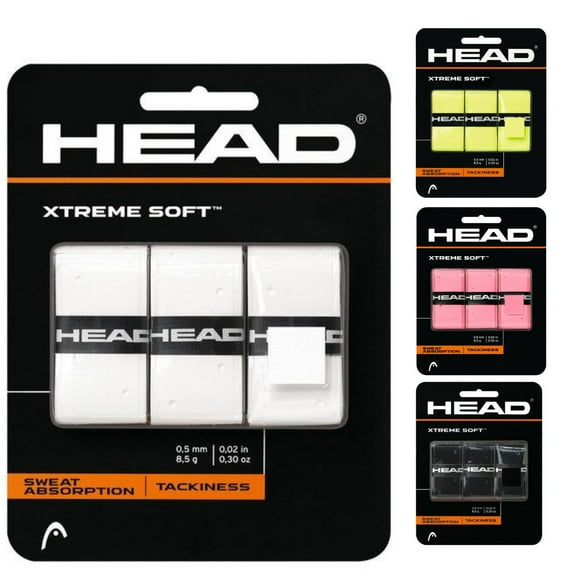
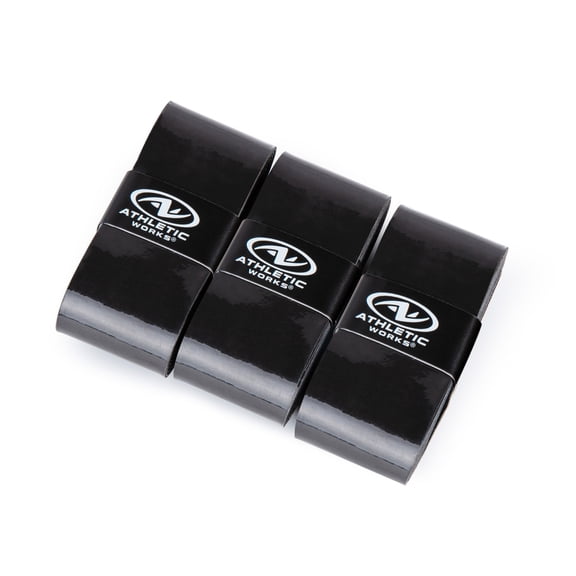
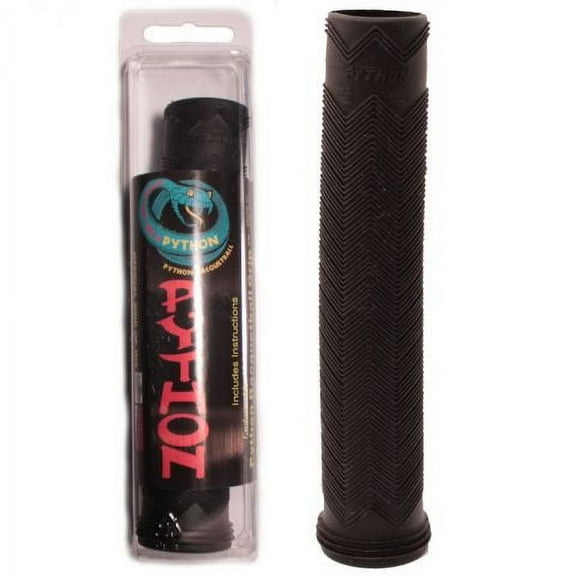
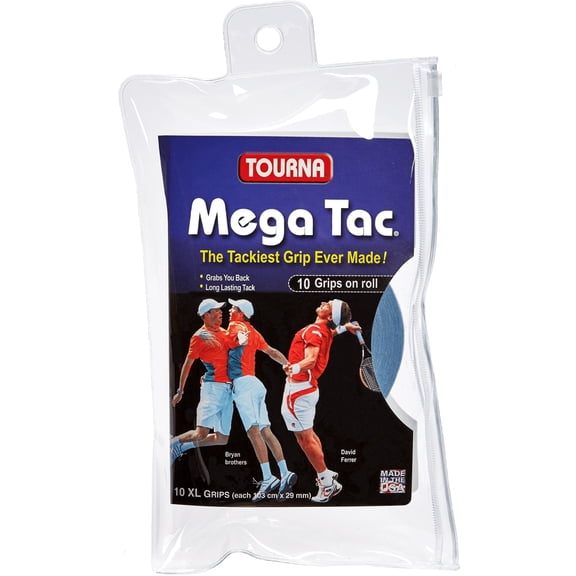
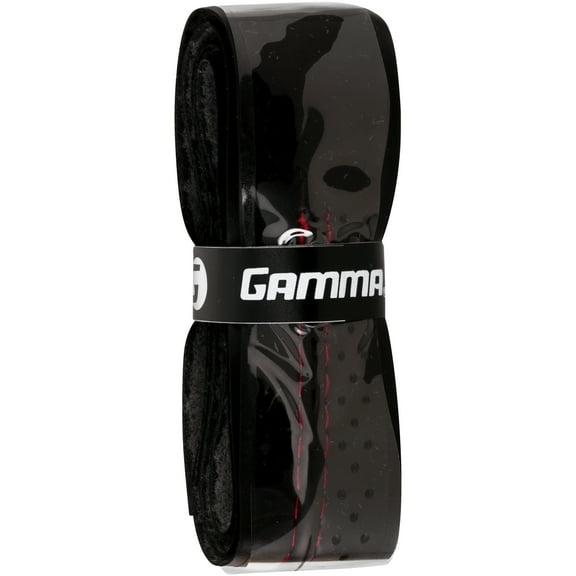
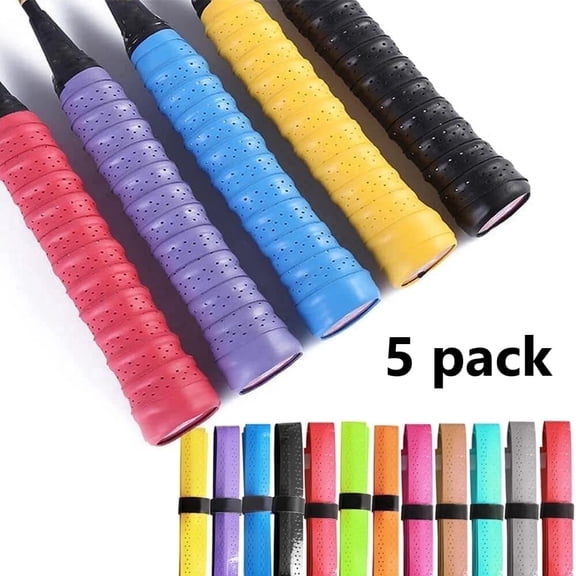
Grip choice matters too, especially when your hand gets warm during repeated rallies. You’ll notice fresh squash grip tape can help your racket feel secure and less slippery between games.
Understanding squash balls and dot colors
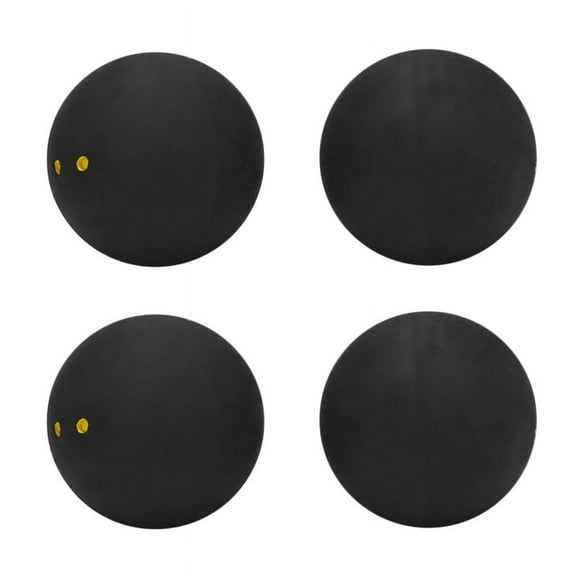
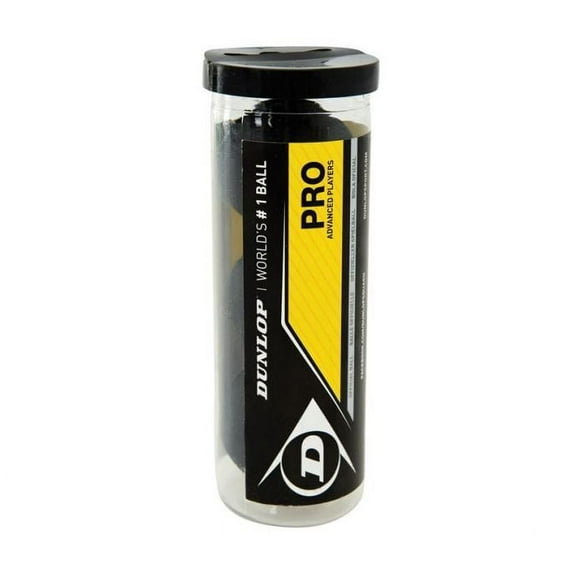
You should choose squash balls by dot color because each option plays at a different speed and bounce level. The right ball helps you keep rallies going and learn shot placement with less frustration.
Blue dot and red dot balls usually feel livelier, so you can see more rebound on the court. If you’re newer to the game, you may find those faster options easier to control during practice.
Single yellow dot balls often suit players who have developed stronger pace and cleaner contact. Double yellow dot squash balls usually fit experienced play, where you create speed through firm, accurate shots.
When you match the ball to your level, you can work on footwork and timing instead of forcing every rally. You can also keep an extra can in your bag, so your sessions stay consistent from practice to match play.
What to look for in eyewear, grips, and bags
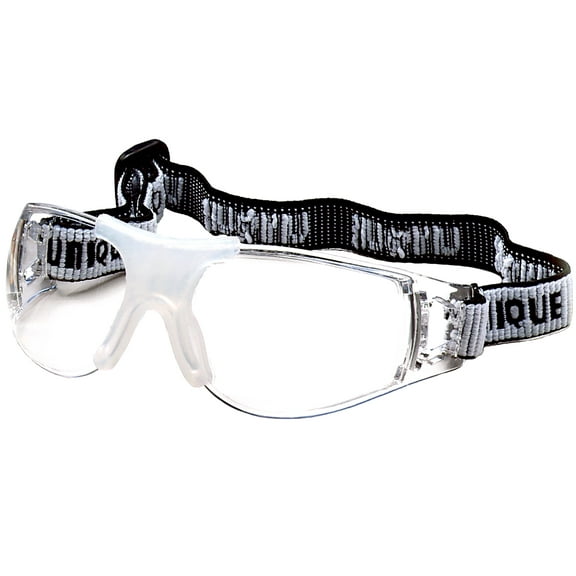
You should treat eyewear as a core part of your squash gear because indoor court play happens in a fast, enclosed space. Clear, sport-focused eye guards help you keep your view open while you track the ball off the wall.
Look for eyewear that fits securely and feels stable through lunges, turns, and quick resets. You’ll want a shape that stays comfortable with your face coverage and doesn’t distract you during points.
Grips deserve attention because hand comfort affects every swing, serve, and return. You can compare tackier surfaces for a connected feel or cushioned wraps for softer hand contact.
Bags help you organize rackets, balls, eyewear, towels, and indoor court shoes in one place. If you carry gear to leagues or practice sessions, you may want compartments that separate small accessories from your main racket pocket.
Matching squash gear to real playing scenarios
If you’re assembling a squash starter kit, you can begin with a beginner-friendly racket, a livelier ball, eye guards, and replacement grip tape. That combination gives you an easy entry point for lessons, rec play, and early drills.
For school clubs or casual weekly matches, you may want a balanced racket, single yellow dot balls, and a bag that keeps extras organized. That setup supports regular court time without making your gear feel overly specialized.
If you compete often, you might prefer a lighter control-focused frame or a steadier heavier option based on your stroke style. You can pair that choice with double yellow dot balls and supportive squash shoes for fast indoor movement.
Players who cross-shop racquetball or tennis gear can use these differences to refine their court setup. You’ll find squash relies on tighter swings, indoor court shoes, and ball speed choices that change how rallies develop.
With the right squash equipment, you can create a setup that matches your level, your court routine, and your style of play. You’ll feel more prepared for sharper movement, cleaner contact, and longer rallies from your first session onward.