

Spring Ready

For hidden treasuresFor hidden treasures
Track down something special the whole family will enjoy.Add to basket

For the sweetest huntFor the sweetest hunt
The day is on track with everyone’s favorite treats.Add to basketSpring for sweets
SOUR PATCH KIDS Bunnies Soft & Chewy Easter Candy, 18 Snack Packs $8.09 $1.02/oz
 $809current price $8.09$1.02/oz
SOUR PATCH KIDS Bunnies Soft & Chewy Easter Candy, 18 Snack Packs
Save with Shipping arrives tomorrow

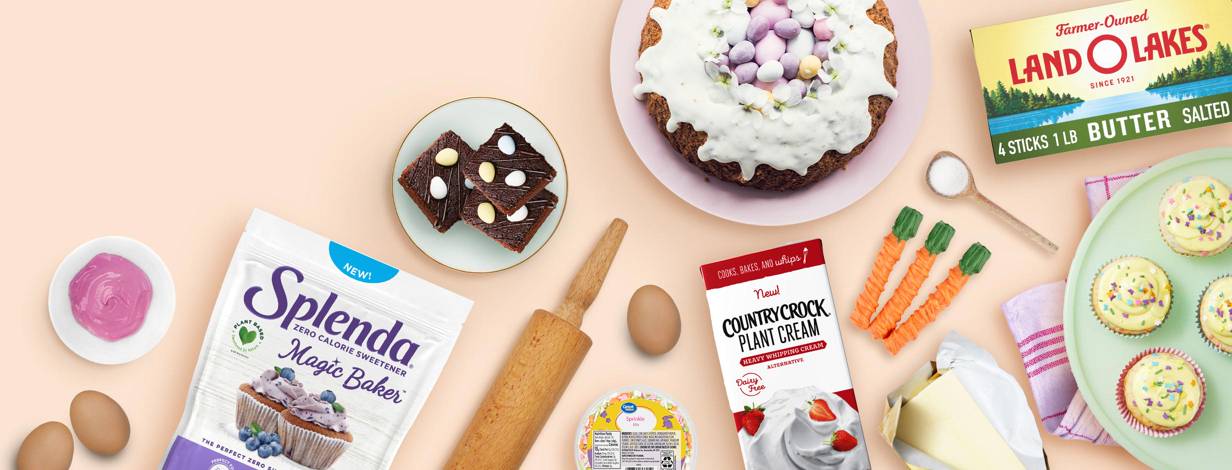
A baker’s dozen
Splenda Magic Baker Zero Calorie Granulated Sugar Substitute, 16 oz Resealable Pouch $6.98
 2 optionsAvailable in additional 2 options$698current price $6.98Options from $6.98 – $39.39
Splenda Magic Baker Zero Calorie Granulated Sugar Substitute, 16 oz Resealable Pouch
Save with Delivery as soon as 29 minsShipping arrives todayPickup availableSNAP EBT eligible
Reddi-wip Original Whipped Topping Made with Real Cream, 13 oz $4.62 35.5 ¢/oz
 $462current price $4.6235.5 ¢/oz
Reddi-wip Original Whipped Topping Made with Real Cream, 13 oz
Save withDelivery as soon as 29 minsPickup availableSNAP EBT eligibleBest seller, Great Value Semi-Sweet Chocolate Baking Chips, 12 oz Bag $3.86
Best seller 2 optionsAvailable in additional 2 options$386current price $3.86Options from $3.86 – $23.16
Great Value Semi-Sweet Chocolate Baking Chips, 12 oz Bag
Save withDelivery as soon as 29 minsPickup availableSNAP EBT eligibleBest seller, Land O Lakes® Salted Butter Sticks, Sweet Cream, 4 Sticks, 1 lb $4.46 27.9 ¢/oz
Best seller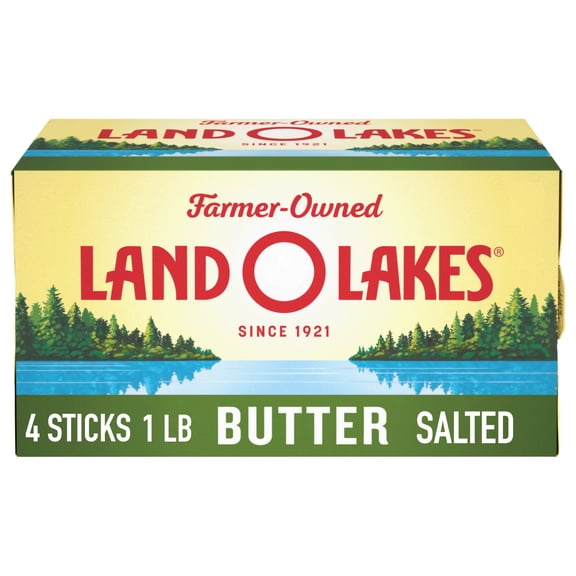 $446current price $4.4627.9 ¢/oz
Land O Lakes® Salted Butter Sticks, Sweet Cream, 4 Sticks, 1 lb
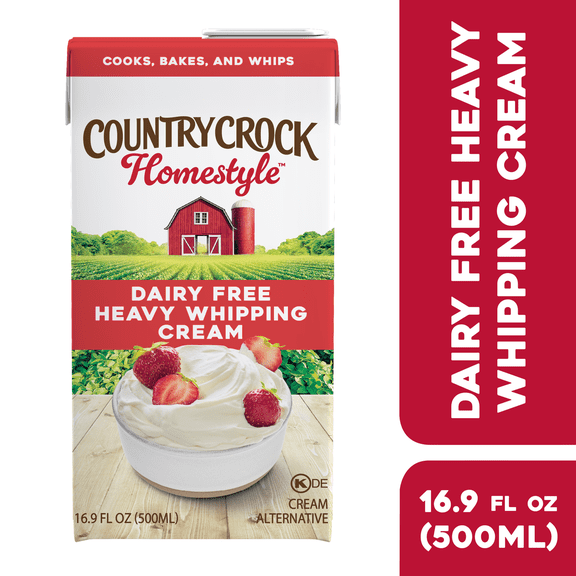
Save withDelivery as soon as 29 minsPickup availableSNAP EBT eligibleCountry Crock Homestyle™ Dairy Free Heavy Whipping Cream (Refrigerated) $3.86 22.8 ¢/fl oz
 $386current price $3.8622.8 ¢/fl oz
Country Crock Homestyle™ Dairy Free Heavy Whipping Cream (Refrigerated)
Save withDelivery as soon as 29 minsPickup availableSNAP EBT eligible


A breakfast banquet

For bunnies who brunch.
Shop nowA seafood spread

Catch something special.
Shop nowFAQ
What is the 70/30 rule in gardening?
Many gardeners use a simple 70/30 guideline to create balance: about 70% of your space focuses on reliable structure (evergreens, perennials, shrubs, hardscape, mulch) and the remaining 30% adds seasonal color and accents (annuals, decorative planters, pillows, lanterns). It’s a flexible design idea rather than a strict rule.
- Start with structure: Choose hardy backbone plants suited to your local climate.
- Layer in color: Add pops of seasonal flowers and décor in smaller groupings.
- Keep maintenance in mind: More structure often means steadier upkeep; accents can rotate by season.
- Adjust as you go: Your space, light, and style may call for a different ratio.
What can I plant in October for spring?
October can be a great time to set up spring color, depending on your climate. Check your local frost dates and plant hardiness zone before starting.
- Spring-blooming bulbs: In cooler regions, plant daffodils, tulips, and hyacinths before the ground freezes.
- Perennials, trees, shrubs: In many areas, fall’s warm soil and cool air support root growth.
- Cool-season annuals: Pansies, violas, and ornamental kale bring color in mild-to-cool weather.
- Mild climates: Consider cool-season herbs and greens once summer heat fades.
- Prep matters: Water in well, mulch lightly, and avoid planting right before a hard freeze.
Local conditions vary, so timing may shift year to year.
What is the 3-hour gardening rule?
You’ll sometimes hear a “3-hour” idea around timing tasks during the coolest part of the day. While there isn’t a universal rule, many gardeners find a 2–3 hour window after sunrise works well for watering and light chores.
- Water early: Morning watering helps reduce evaporation and leaf disease risk.
- Avoid late-night watering: If you must, water at the soil level to keep foliage drier.
- Time transplants/pruning: Early morning or late afternoon can reduce plant stress.
- Watch weather: Heat, wind, and rain forecasts may change your schedule.
This approach can support plant health, but local climate and plant type may call for different timing.
What are some spring phrases?
Fresh wording can make your porch, party invites, or letter boards feel seasonal. Here are ideas you can mix and match:
- Hello, Spring
- Fresh starts here
- Bloom where you’re planted
- Bring on the sunshine
- Time to patio
- New season, new energy
- Let’s get garden‑ready
- Color your porch
- Spruce, sweep, spring
- Bloom & breathe
Tip: Keep phrases short for signs and doormats, pair them with pastels or fresh greens, and choose outdoor-friendly materials for anything that lives on the porch or patio.
How do I get my home spring-ready?
A quick refresh can make the season feel brand new. Try this flexible checklist:
- Entry update: Swap in a clean doormat and a seasonal wreath.
- Outdoor clean: Wash patio furniture with mild soap; check care tags first.
- Tool tune‑up: Sharpen pruners, oil moving parts, and replace worn gloves.
- Planter reset: Refresh containers with new potting mix and clear drainage holes.
- Lighting check: Test string lights and path lights; replace bulbs or batteries as needed.
- Watering setup: Inspect hoses/nozzles and stage them for easy access.
- Storage swap: Box winter gear and bring out spring essentials.
For convenience, consider retailers that offer pickup or delivery so you can spend more time enjoying the season.