




Spreads in Peanut butter & spreads




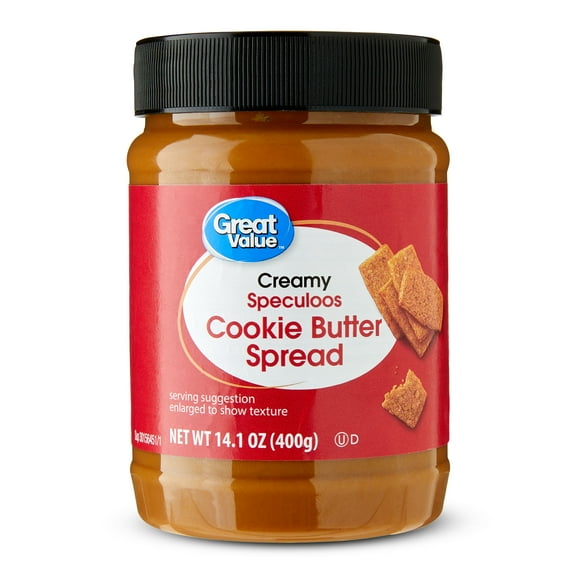
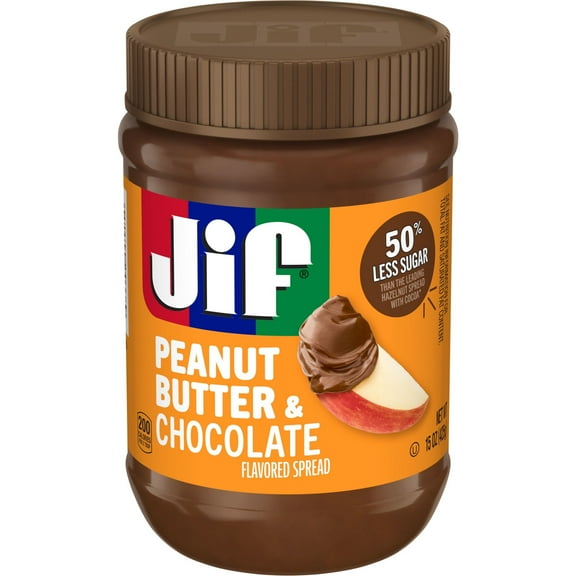

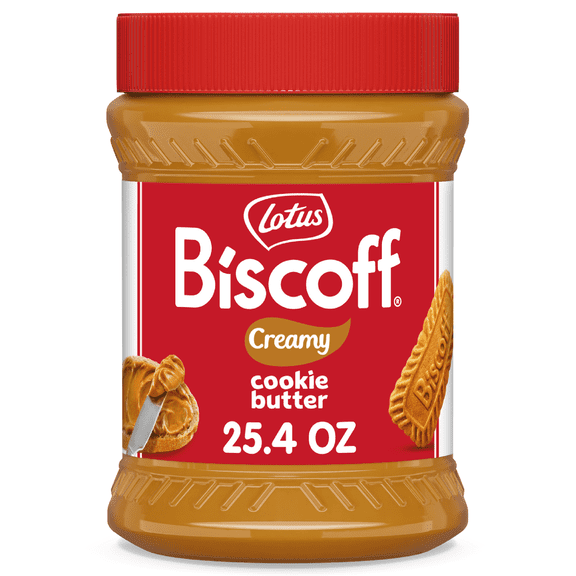
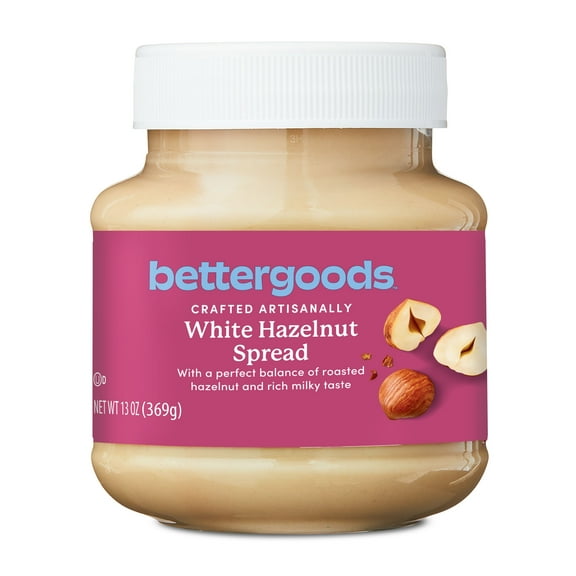


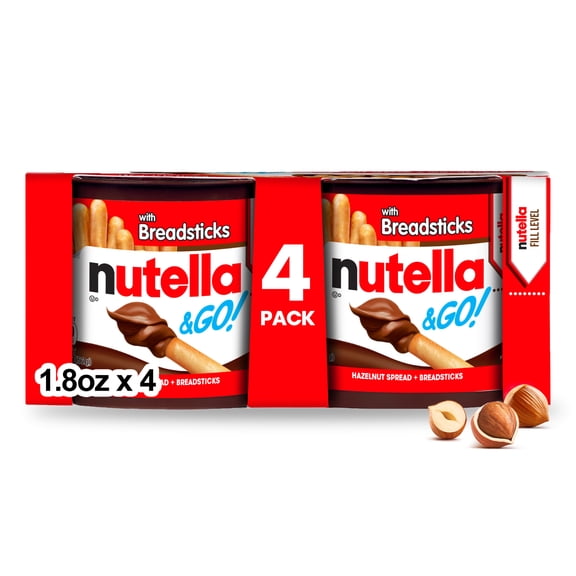

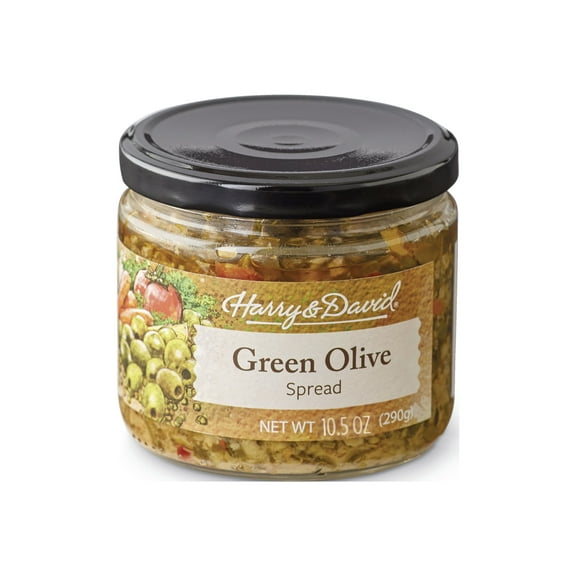
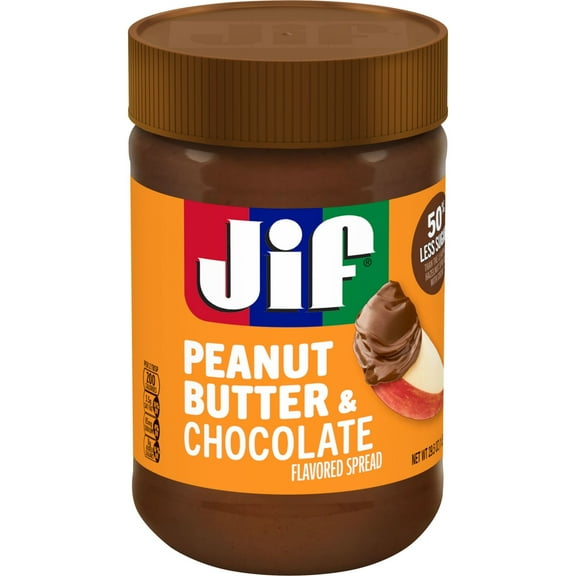

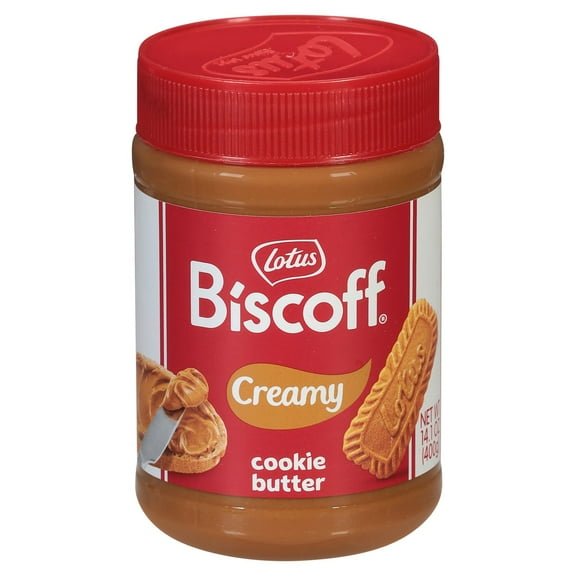





About Spreads in Peanut butter & spreads - Walmart.com
Your spread for bread choice shapes breakfast, baking, and snack time with flavor cues that fit toast, waffles, biscuits, and dessert topping. Instead of guessing, you’ll compare hazelnut, honey, chocolate, and fruit options through texture, ingredients, and everyday use.
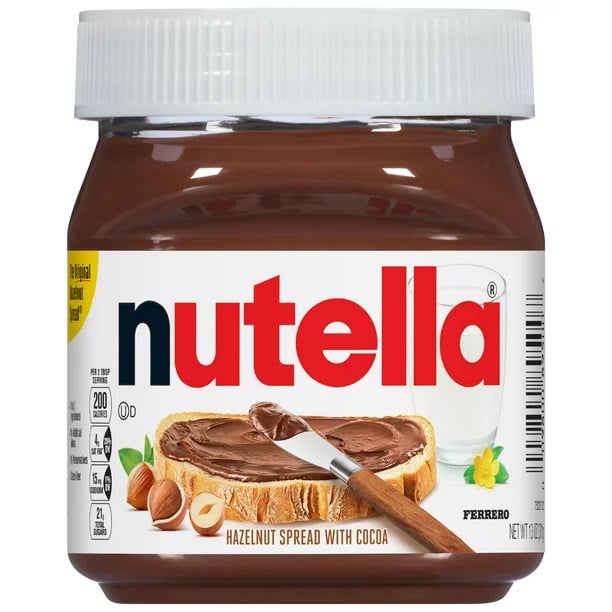
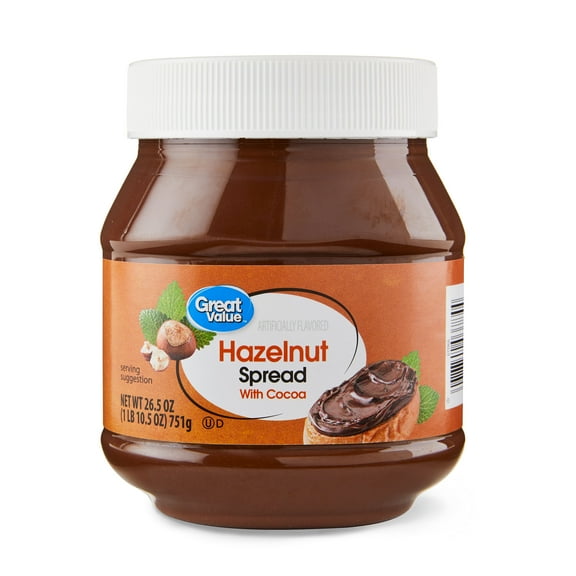
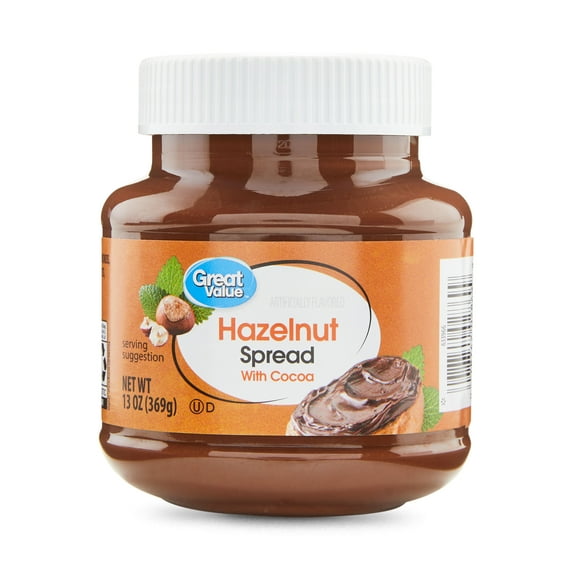
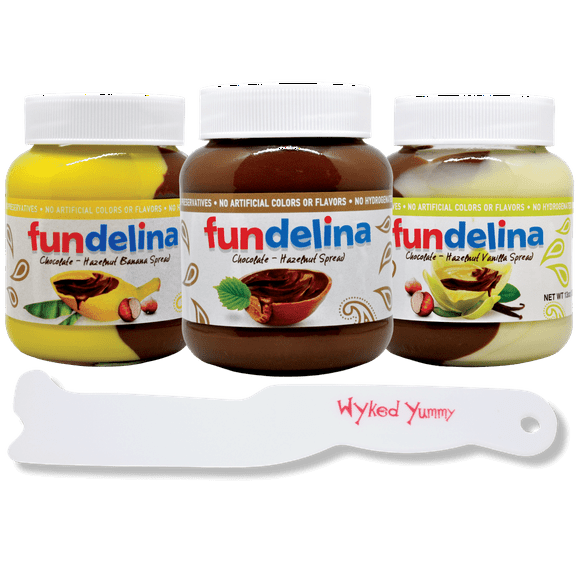
With this category, you’re choosing among sweet spreads that work differently on warm toast, crepes, croissants, and filled baked goods. You’ll also see clearer guidance for hazelnut honey, french nutella, and other bread spreads that match your pantry routine.
How to choose a spread for bread
Start with flavor profile because your taste usually decides what reaches your bread first each morning. You may prefer roasted hazelnut notes, floral honey sweetness, cocoa richness, or a brighter fruit finish.
Next, consider how often your household opens a jar during the week. If your mornings move fast, your choice should spread easily and pair well with toast or bagels.
Before you decide, compare practical details that change daily use in small but noticeable ways. You should check texture, allergen details, jar size, and storage directions before choosing.
- Your hazelnut option can bring roasted, dessert-like flavor to toast, crepes, and waffles.
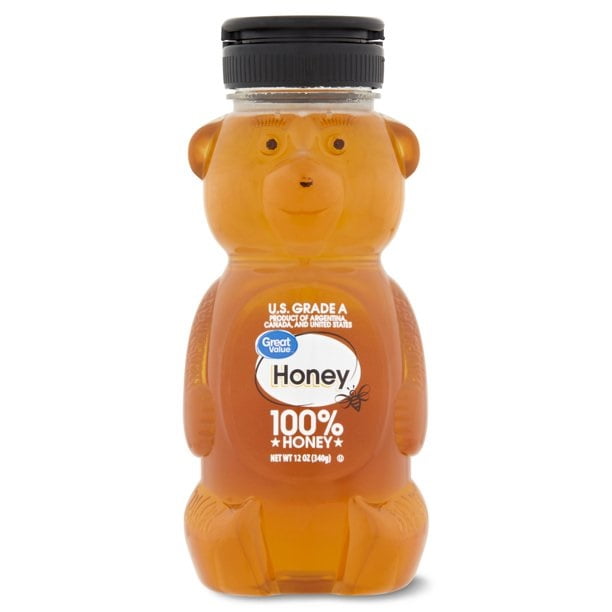
- Your honey-based choice can add lighter sweetness to biscuits, pastries, and breakfast boards.
- Your chocolate spread can double as a topping for fruit, brownies, or pancakes.
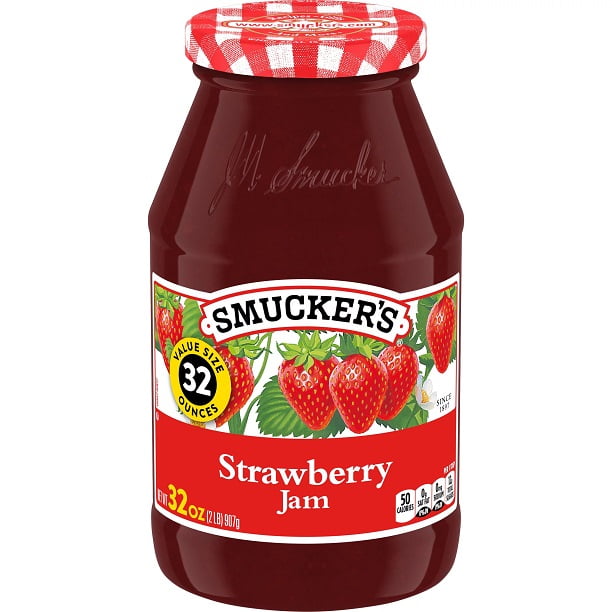
- Your fruit spread can add a brighter finish when you want something less rich.
- Your label check can help you compare nut-free or gluten-free options for shared households.
Choosing hazelnut emulsion and smooth textures
Texture matters because your bread spreads should match the breads and pastries you serve frequently. You may prefer a creamy texture for toast, or a thicker style for bagels.
When you see hazelnut emulsion, think of a blended texture with even flavor in each spoonful. You’ll often notice that style spreads neatly across soft sandwich bread.
Compare smooth and thicker options by how you plan to use each jar. If you spread on waffles or croissants, your softer texture may feel easier to work with.
Storage also affects consistency, so your label reading can prevent surprises after opening. You should check whether your jar stays spreadable at room temperature or changes in the refrigerator.
Comparing french nutella, hazelnut honey, and new spread options
Base ingredients give your spread its main flavor direction and richness. Nuts bring roasted depth, honey adds lighter sweetness, cocoa leans dessert-like, and dairy can feel creamier.
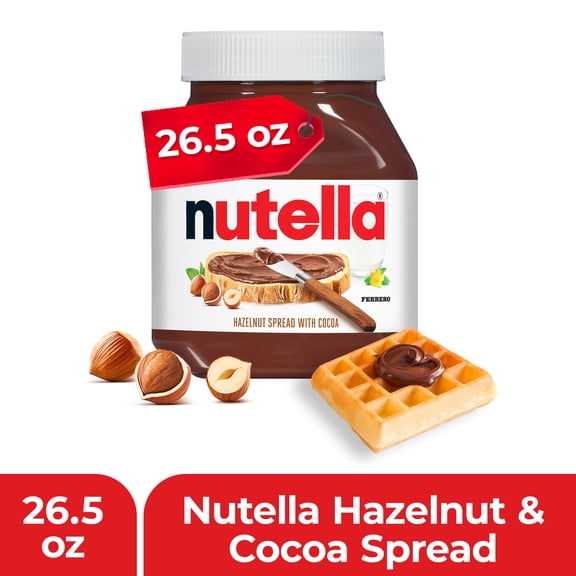
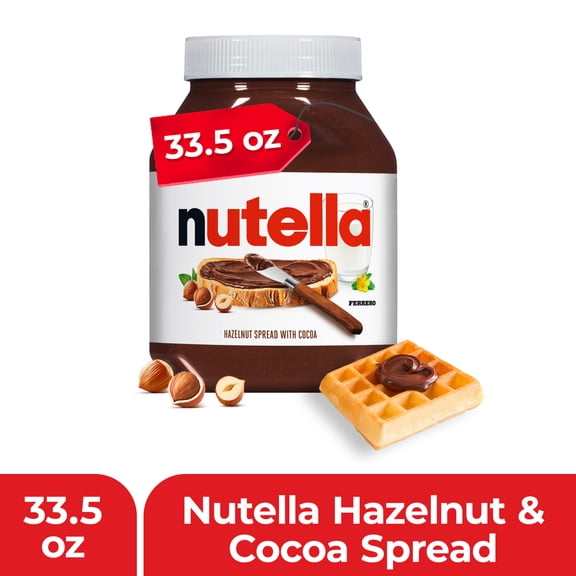
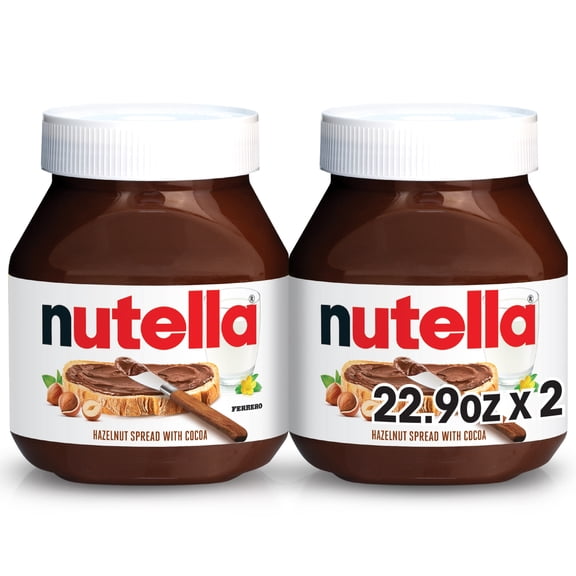
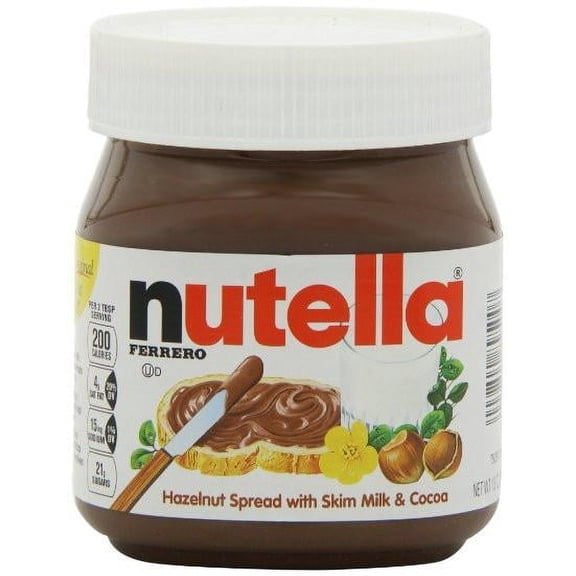
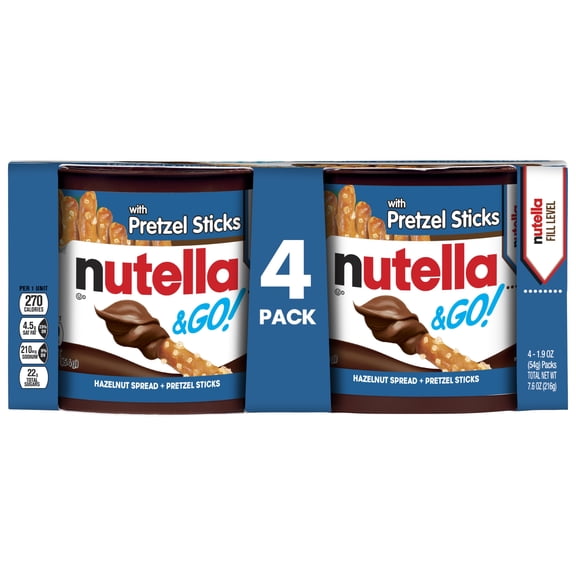
If you notice french nutella in search results, use it as a flavor cue for sweet hazelnut and cocoa notes. If you want a new spread, compare ingredient bases with your usual breakfast pairings.
Hazelnut honey blends can suit shoppers who want nutty flavor with a softer honey finish. You may enjoy that combination on biscuits, crepes, or warm toast.
Ingredient lists matter when your household needs clear food guidance. You should review nut-free and gluten-free labeling carefully if your pantry serves different preferences.
Matching bread spreads to breakfast, baking, and dessert topping
Your usage occasion can make one jar feel much more practical than another. For breakfast, you may want bread spreads that glide quickly onto toast, croissants, or English muffins.
For baking, consider how your flavor will act inside batter, fillings, or drizzles. You might use chocolate or hazelnut choices in thumbprint cookies, crepes, or brownies.
Dessert topping needs a slightly different approach than your daily toast routine. You may want a smoother spread for pancakes, fruit, cheesecake garnish, or pastry finishing.
If your household uses spreads only once in a while, a smaller jar may fit better. If your family reaches for sweet toppings often, your larger jar can feel more practical.
Checking labels, ingredients, and shelf life
Label details help you choose with less guesswork and fewer pantry mismatches. You should check serving size, storage directions, and ingredient statements before you commit to one jar.
Ingredient labeling matters especially when your kitchen serves school lunches, shared snacks, or family breakfasts. You may want nut-free or gluten-free wording that makes planning feel simpler.
Shelf life should match how quickly your household finishes sweet spreads. If you bake occasionally, your smaller jar may make more sense than a larger container.
When you line up flavor, texture, ingredients, and jar size, your decision gets easier. That approach helps you bring home a spread for bread that fits your recipes and routine.