



Peanut butter & spreads in Pantry










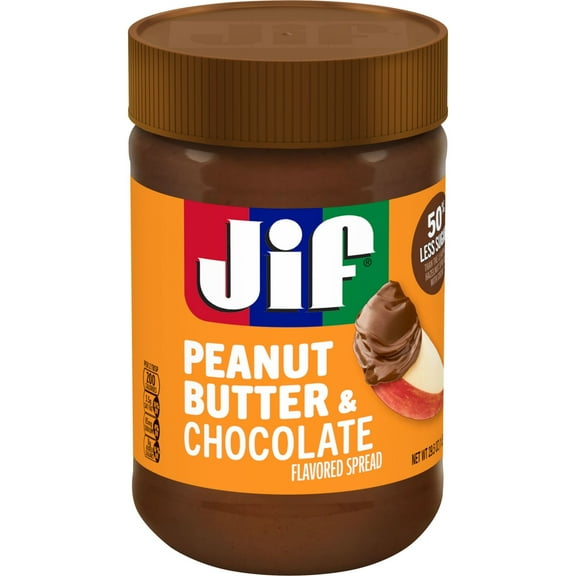

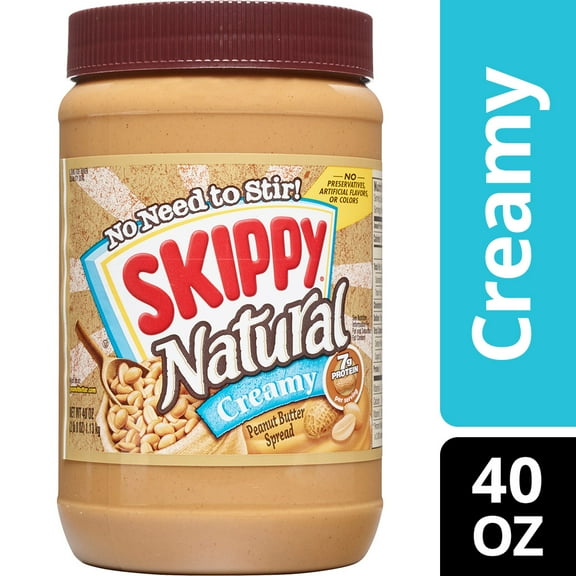
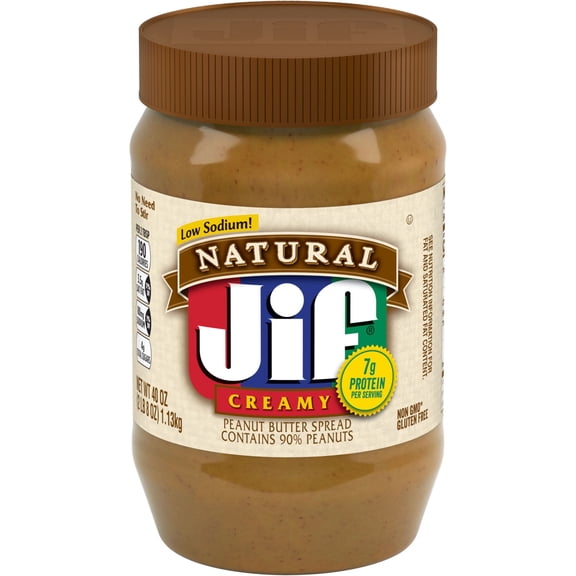

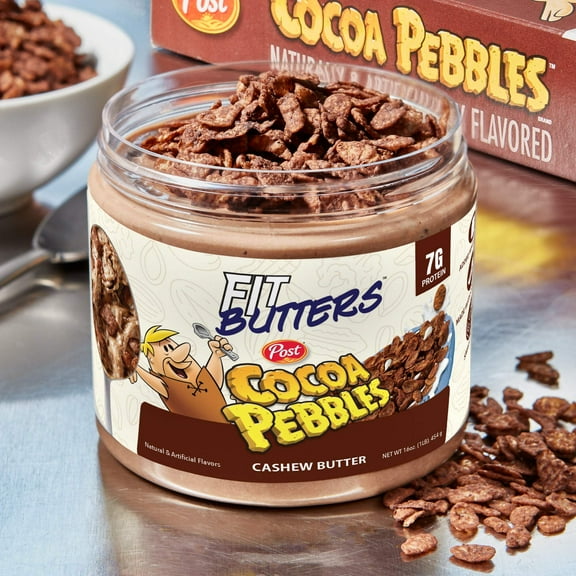






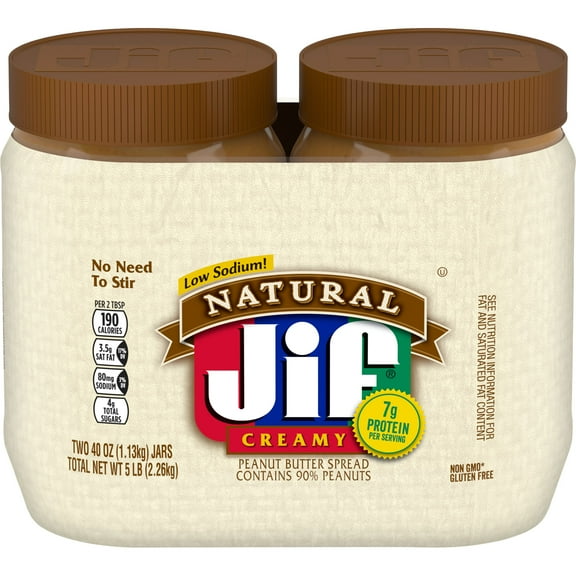
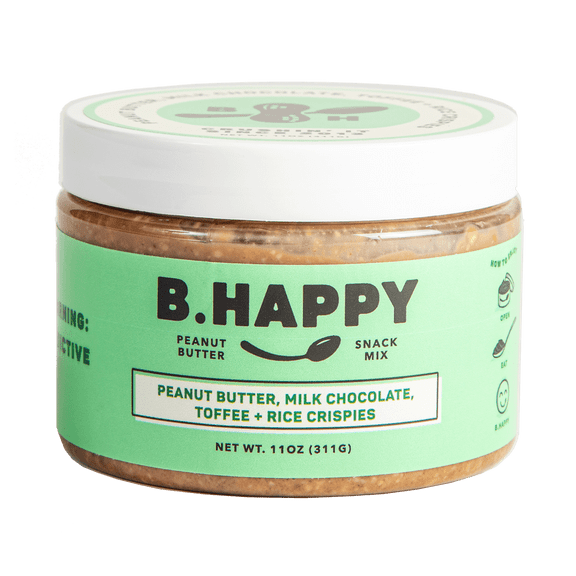

About Peanut butter & spreads in Pantry - Walmart.com
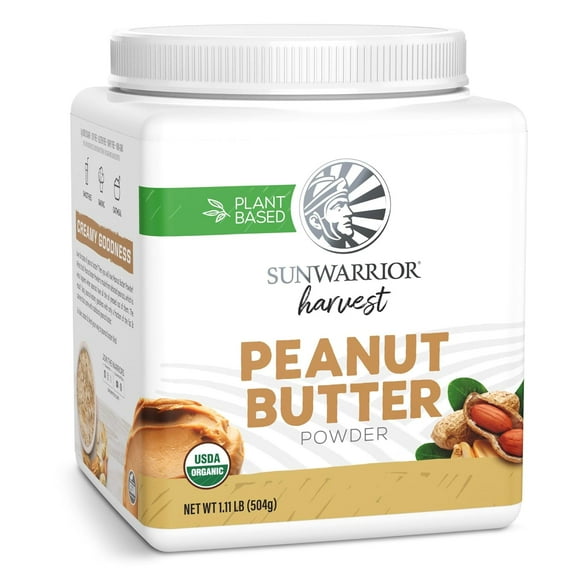
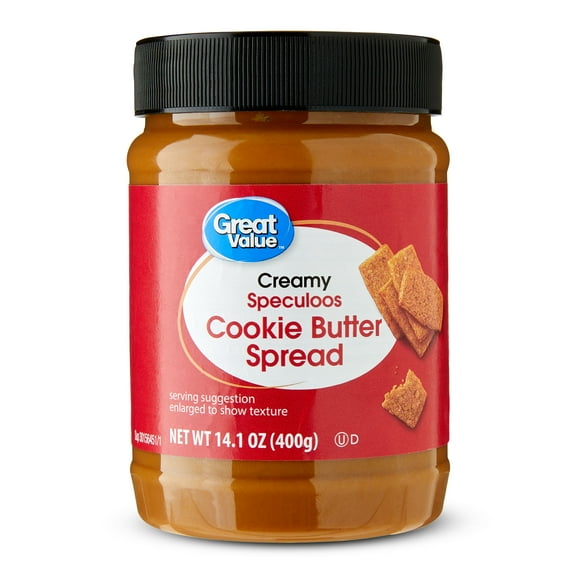
Peanut butter spreads help you stock your pantry with easy, versatile staples for sandwiches, baking, and snacks. You can compare texture, ingredient profile, jar size, and dietary fit to match how your household eats.
How to choose peanut butter spreads for your pantry
When you shop peanut butter spreads, you’ll usually start with texture because it changes how each spoonful spreads and tastes. You may prefer a smooth finish for quick lunches, or you may want more crunch for added bite.
You should also compare ingredient labels before you choose a jar for daily use. You’ll notice some options keep oils mixed, while natural peanut butter may separate and need a quick stir.
Another key decision is package size, because your routine affects how fast you finish a jar. If you pack lunches often, you may want a family size option or bulk multi-packs.
Choosing between creamy peanut butter and crunchy peanut butter
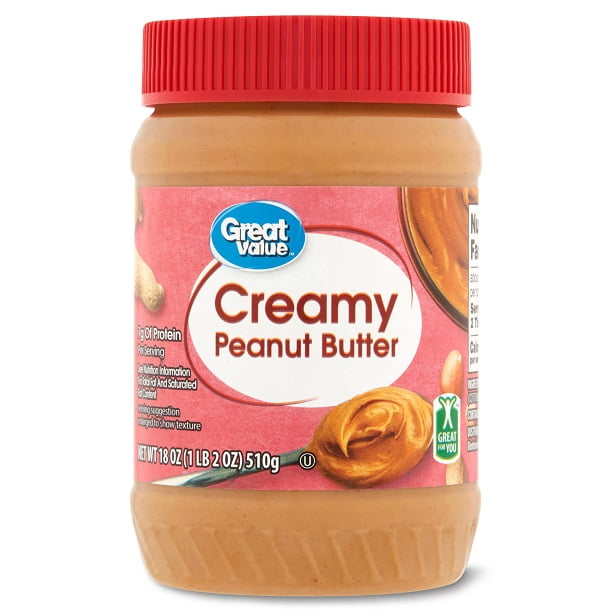
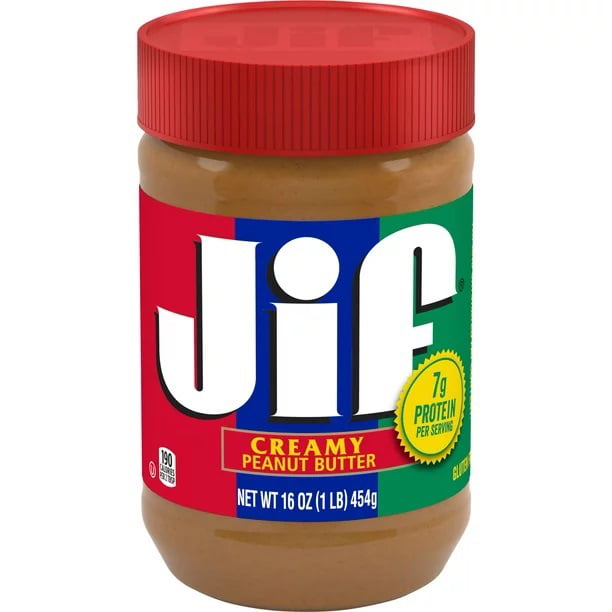
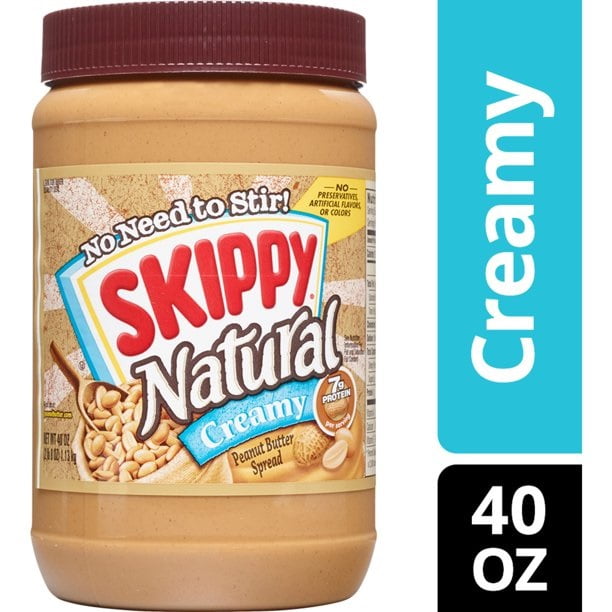
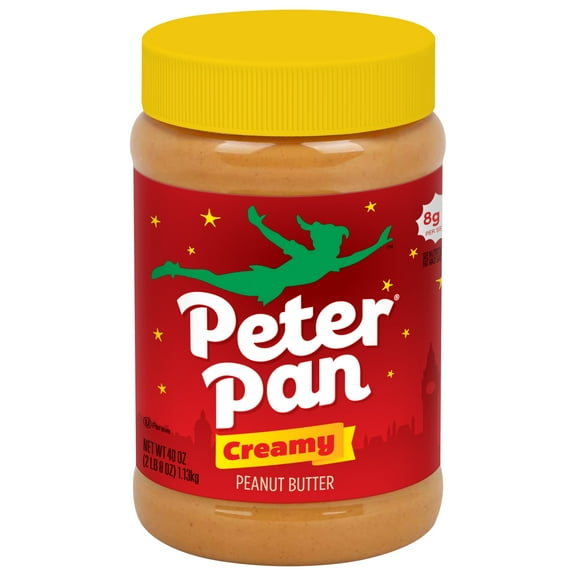
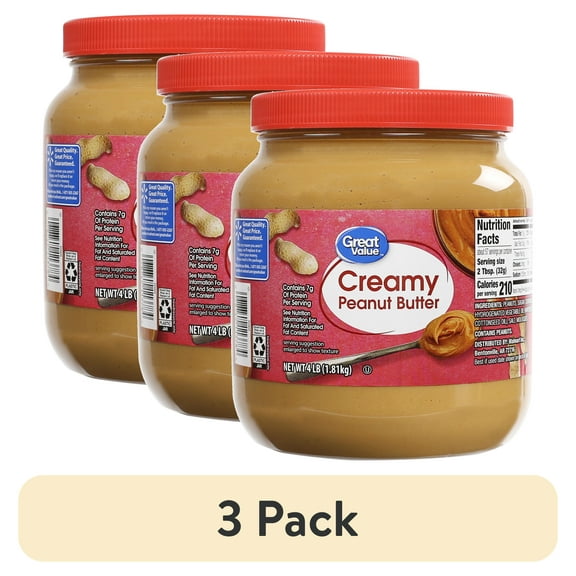
Creamy peanut butter gives you a smooth texture that spreads easily on bread, crackers, and fruit. If you make quick sandwiches, you’ll likely appreciate a softer, more even layer.
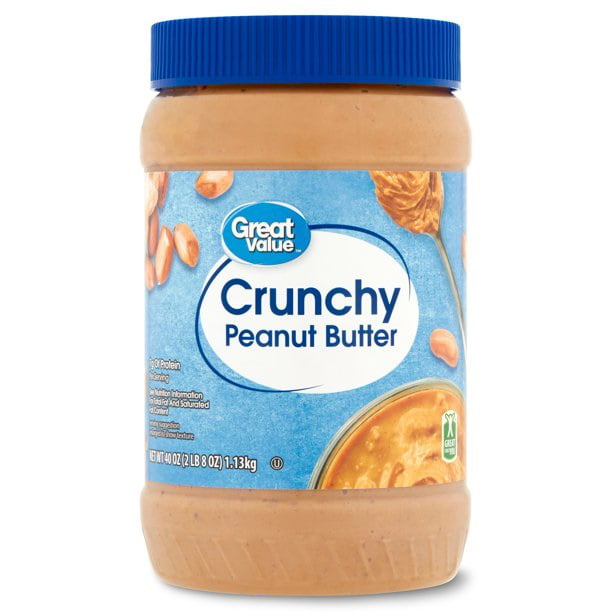
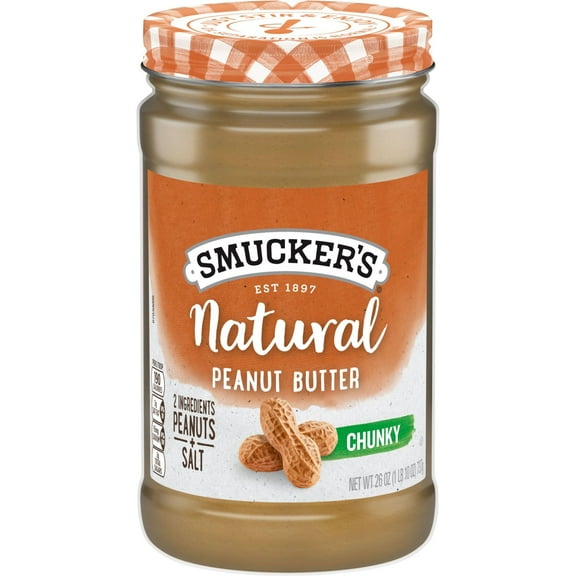
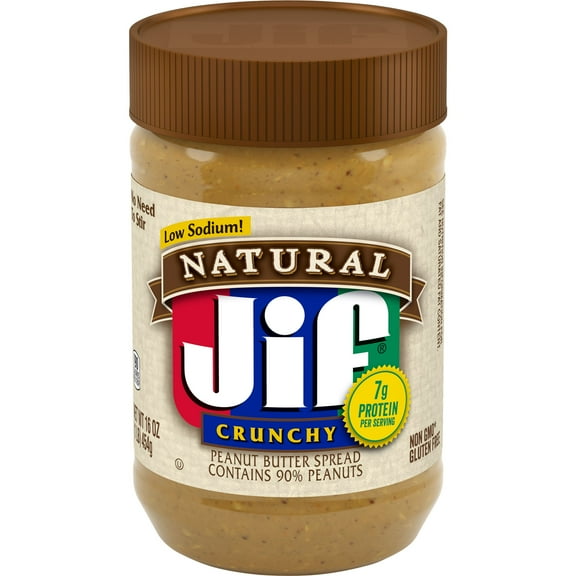
Crunchy peanut butter adds peanut pieces that give your snacks and recipes more texture. If you like extra bite in toast toppers or cookies, you may prefer that heartier feel.
You may also see labels like smooth or super chunk, which help you narrow your texture choice. Smooth options stay close to creamy, while super chunk varieties give you larger peanut pieces.
- You can choose creamy styles for easier spreading and a softer mouthfeel.
- You can choose crunchy or super chunk styles for texture in snacks, toast, and baking.
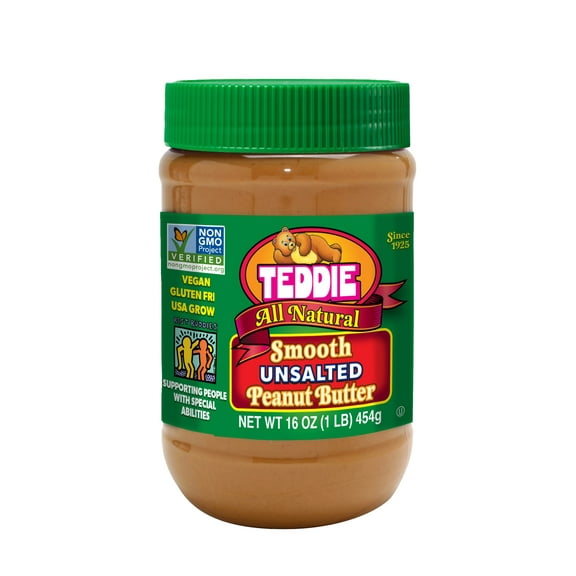
- You can compare smooth labels when you want a creamy finish with simple spreading.
- You can match texture to your household, especially if different eaters prefer different peanut pieces.
Comparing natural peanut butter and organic peanut butter
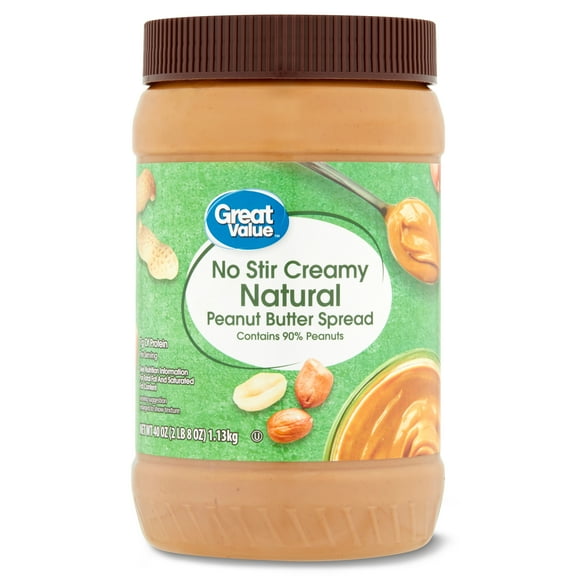
Natural peanut butter often contains fewer added ingredients, so you may see oil rise to the top over time. You should stir it before use if you want an even texture throughout the jar.
Conventional spreads often include stabilizers that help keep the texture uniform from the first scoop. If you want less stirring and easier sandwich prep, you may prefer that convenience.
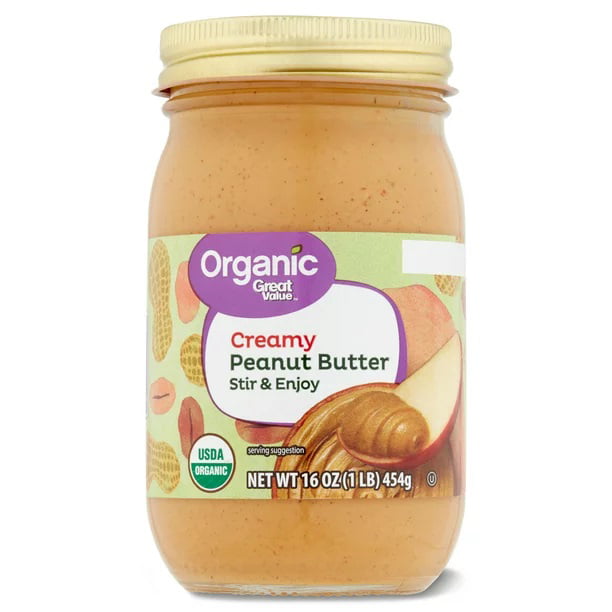
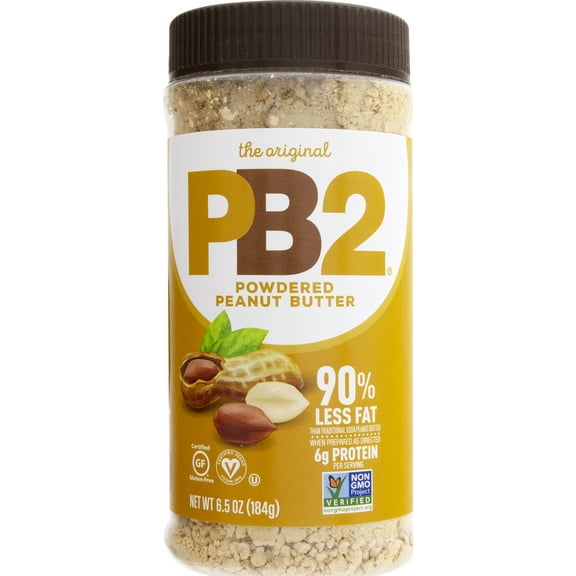
Organic peanut butter can matter if you focus on ingredient sourcing and label preferences. You may also want to compare no added sugar, gluten-free, keto-friendly, vegan, or non-GMO options.
Sodium and sweetness can also guide your choice when you read the nutrition panel. If you’re planning daily breakfasts or snacks, you may want a peanut butter spread that fits your routine.
Looking at base nut or seed options
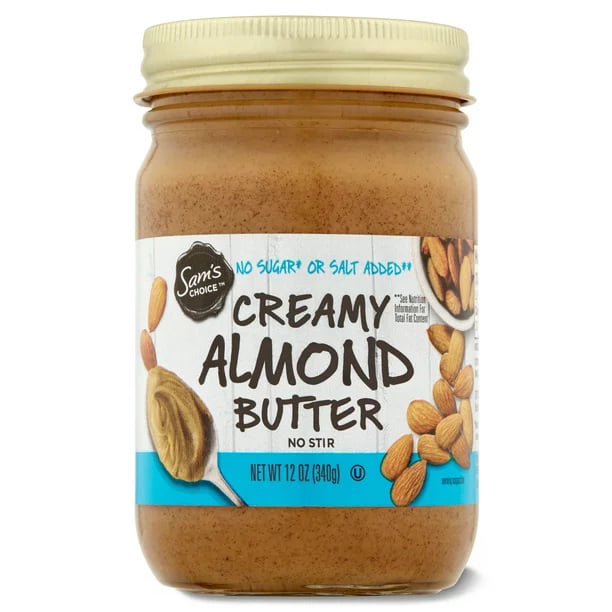
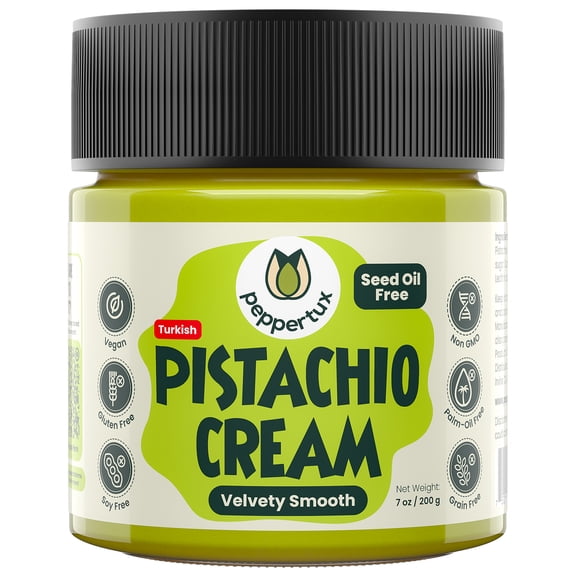
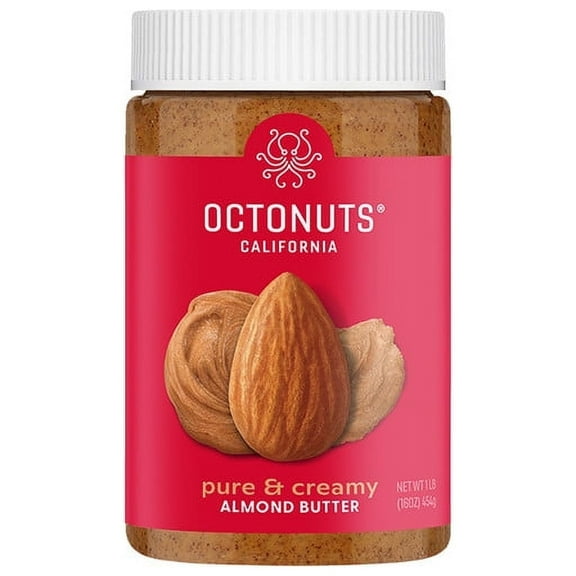
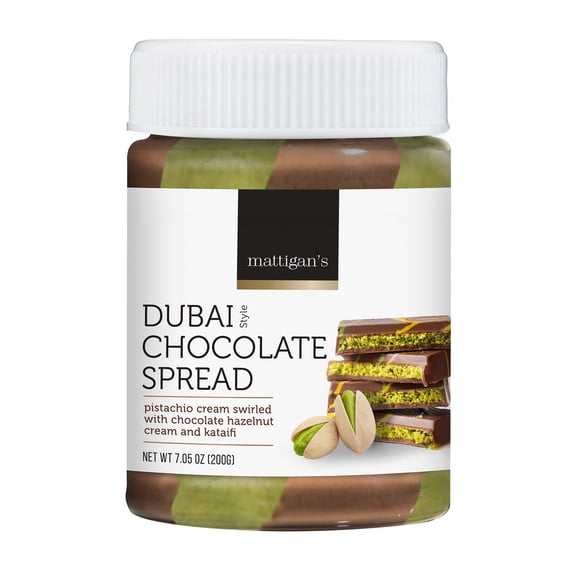
Peanut butter spreads can include classic peanut varieties as well as almond, cashew, or sunflower seed options. If you want to vary flavor and texture, you can compare these bases side by side.
Peanut options usually deliver the familiar taste many households use for sandwiches and baking. Almond, cashew, and sunflower seed spreads can help you branch into different recipes and snack pairings.
You should check the label when you want a specific flavor profile or pantry purpose. If you make smoothies, toast toppings, or sauces, your preferred base can change the final taste.
Choosing the right packaging size
Packaging size matters because your household may use a jar quickly or only once in a while. If you spread it daily, you may want a standard 16 oz jar, a family size 40 oz jar, or bulk multi-packs.
Single-serve squeeze packs can work well when you pack lunches or need portable portions. If you want simple grab-and-go convenience, you may find those easier to portion.
You should match jar size to how often you make sandwiches, snacks, or baked goods. If you bake often or feed several people, a larger container can keep your pantry ready.
How peanut butter spreads fit everyday use
You can use peanut butter spreads in lunches, breakfast toast, protein shakes, sauces, and dessert recipes. If you keep more than one texture on hand, you can match each jar to a different meal.
For school lunches, you may want creamy peanut butter for fast spreading and less mess. For cookies or snack boards, you may lean toward crunchy peanut butter for added texture.
Natural peanut butter may suit you when you want a shorter ingredient list for everyday toast or oatmeal. Organic peanut butter may fit your pantry when label details shape how you shop.
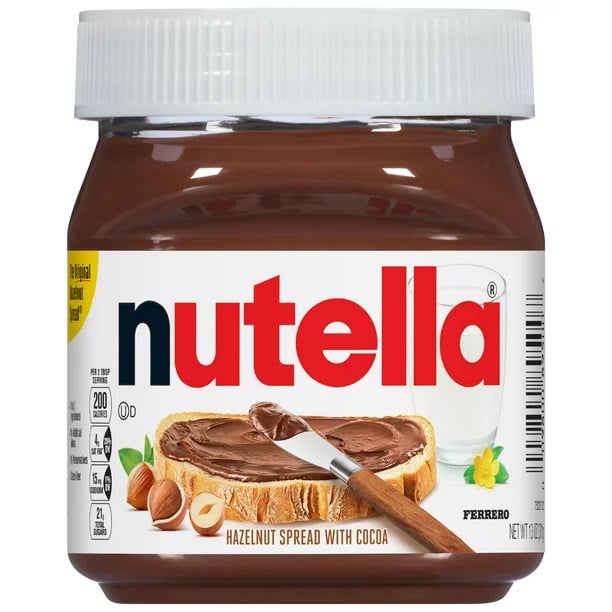
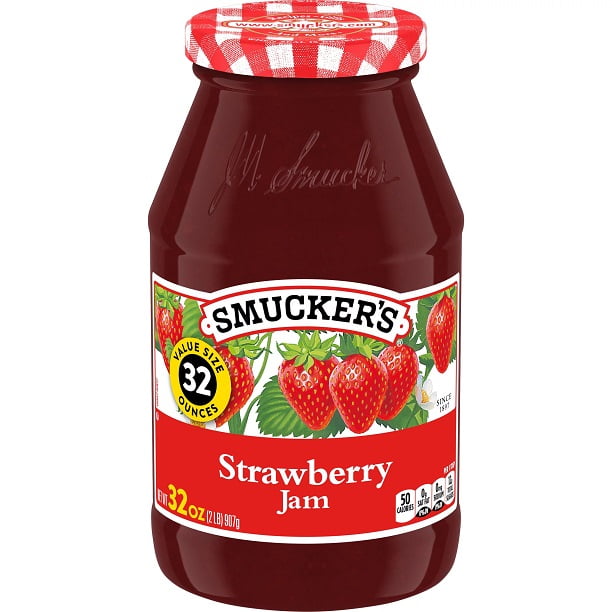
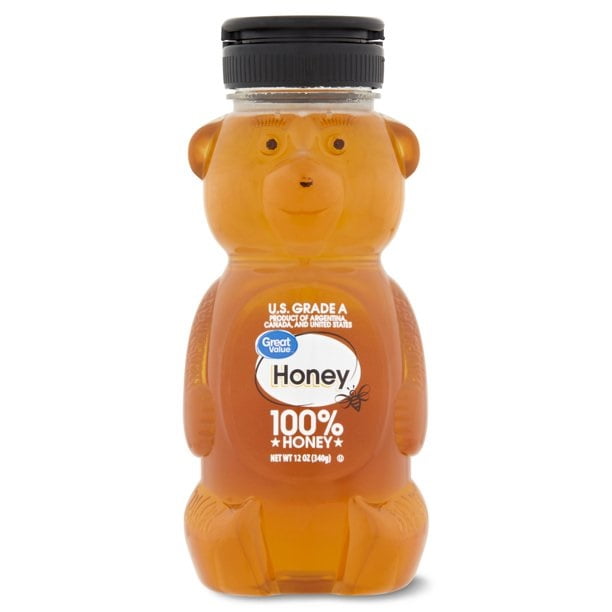
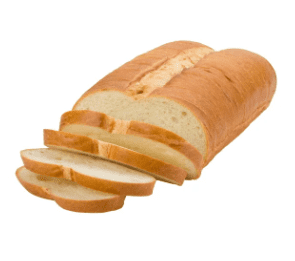
You can also pair your spread choices with bread, bakery items, honey, syrups, or jams for easy meal planning. If you stock a few formats, you’ll have options ready for busy mornings.
What to look for before you choose
You should compare texture, ingredient profile, sugar and sodium levels, and package size before making your final pick. When you use those decision points, you can choose a jar that matches your meals and habits.
With peanut butter spreads, you’re choosing a pantry staple that can support quick lunches, simple baking, and everyday snacking. If you pick the right texture and format, you’ll keep your pantry more useful every day.