






Sprayers in Lawn Care














About Sprayers in Lawn Care - Walmart.com
You can compare lawn sprayers by yard size, spray task, and power source, so you get cleaner coverage with less refilling. You’ll also find category options built for spot treatment, broad spraying, and longer routes across larger lawns.
How to choose lawn sprayers by type
When you compare sprayer type first, you can narrow your options faster and match the tool to your routine. You’ll usually choose between handheld, backpack, wheeled, and tow-behind designs.
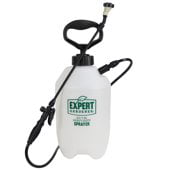
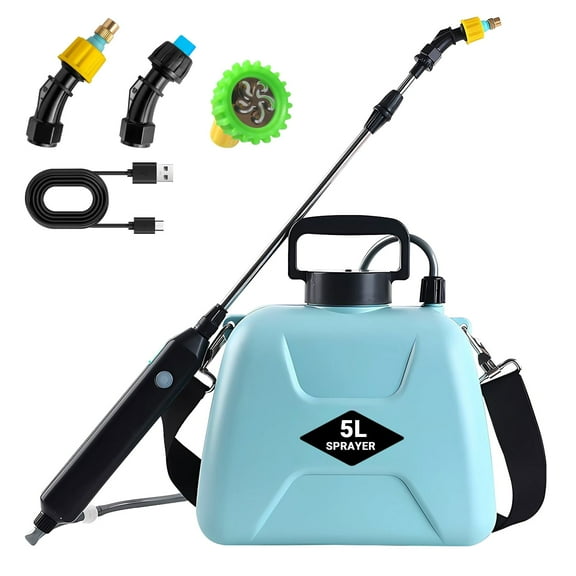
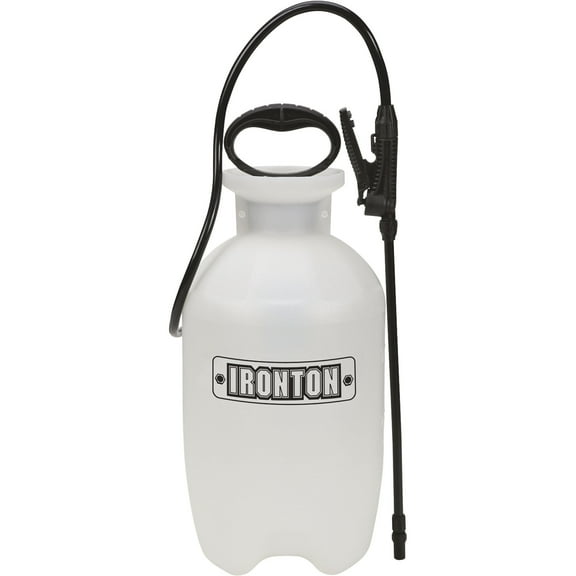
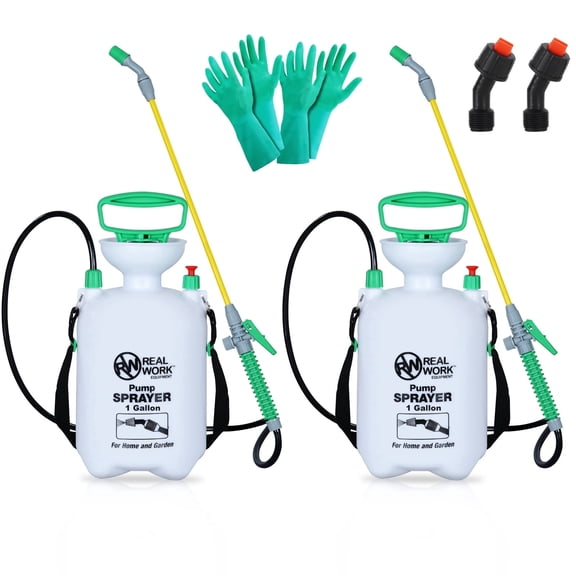
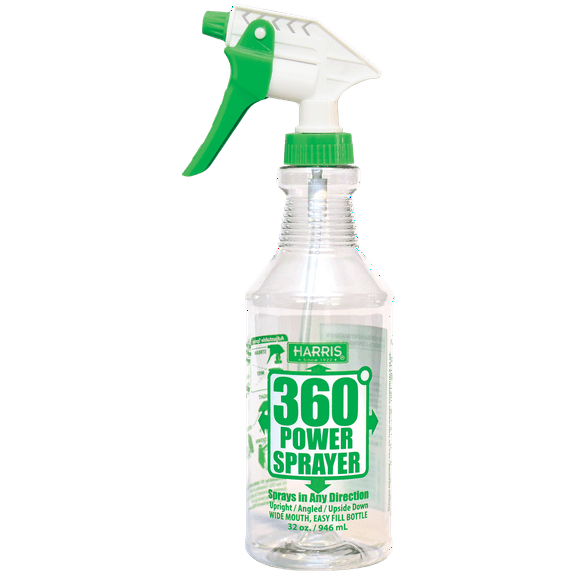
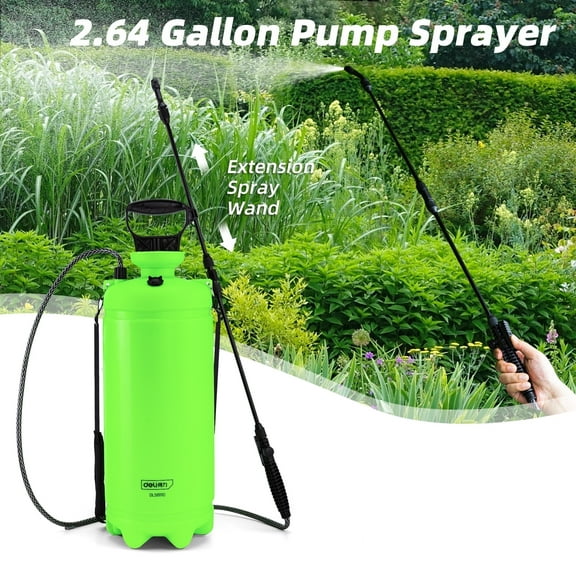
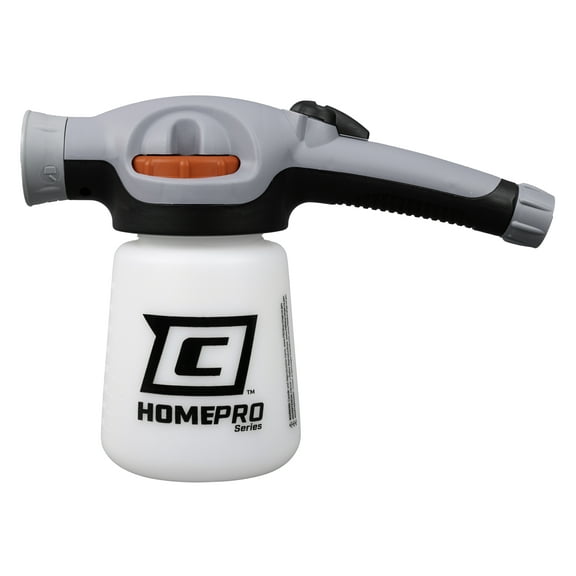
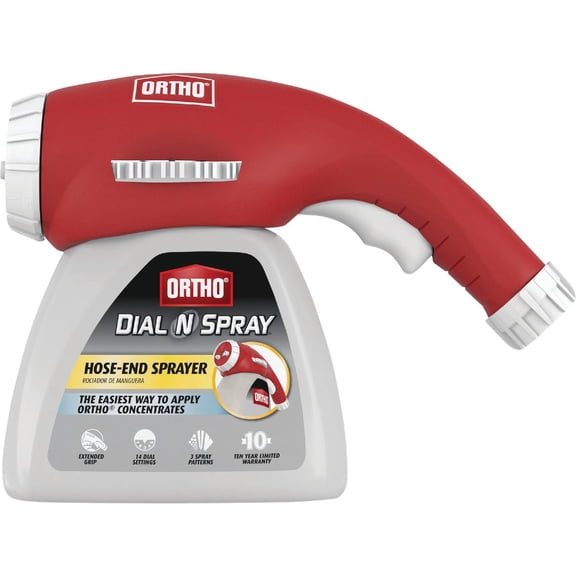
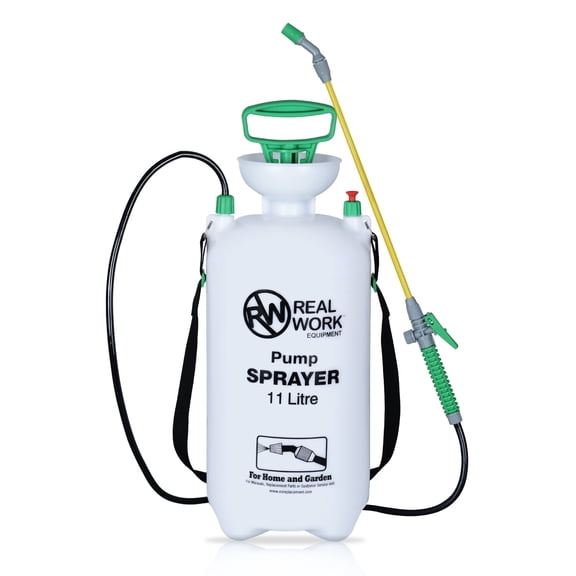
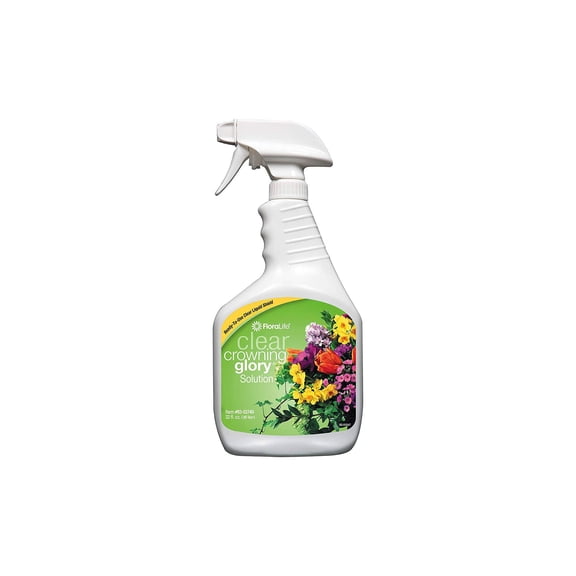
If you handle small beds, fence lines, or quick touch-ups, you may prefer handheld sprayers or compact pump sprayers. You’ll get easier carrying and simpler storage for shorter jobs around the yard.
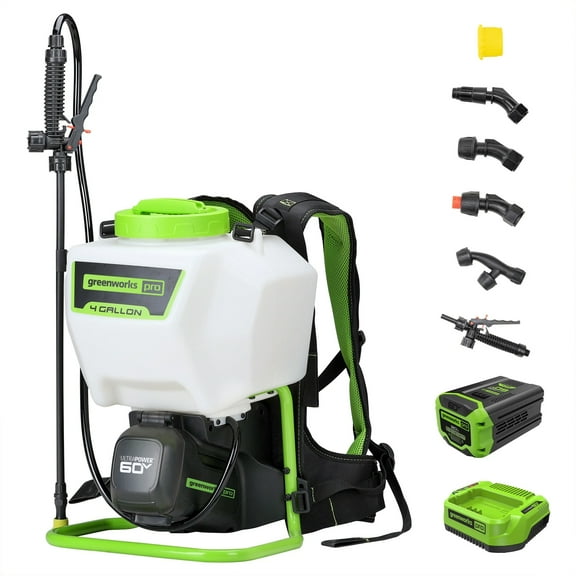
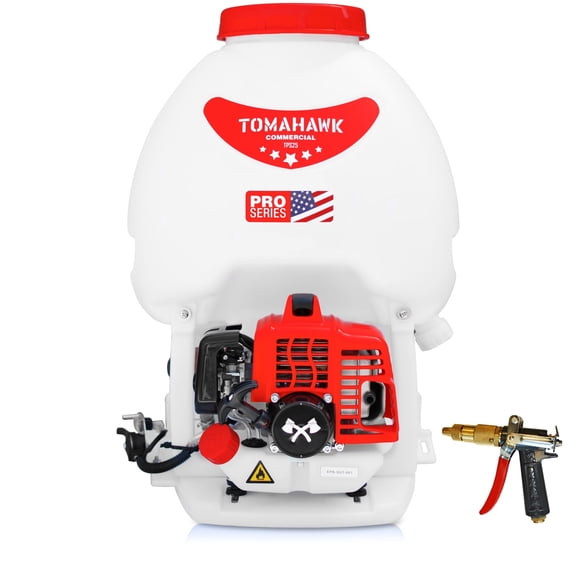
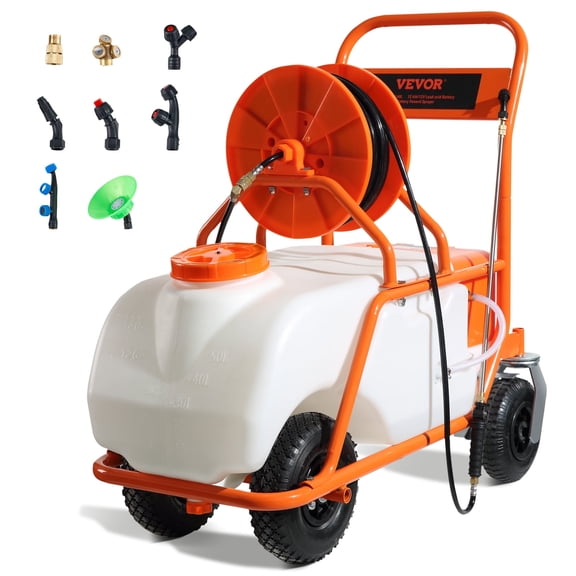
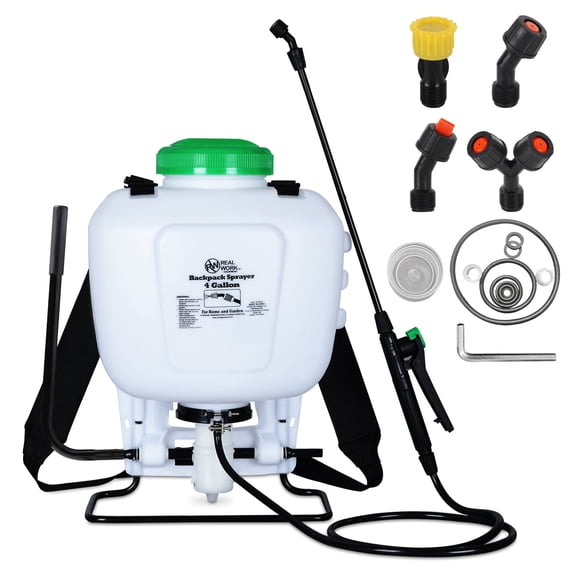
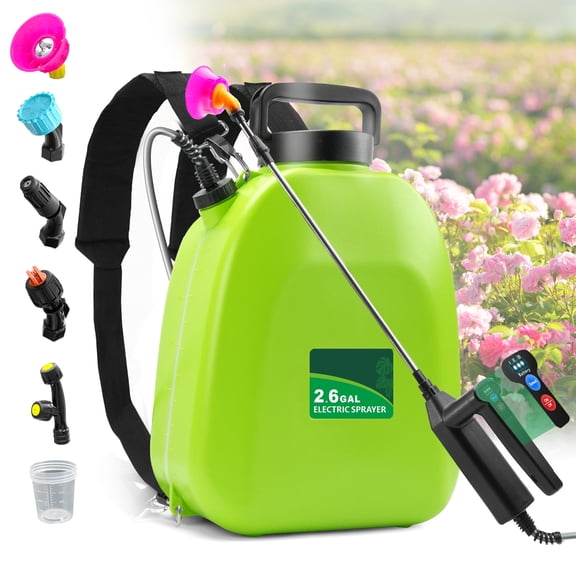
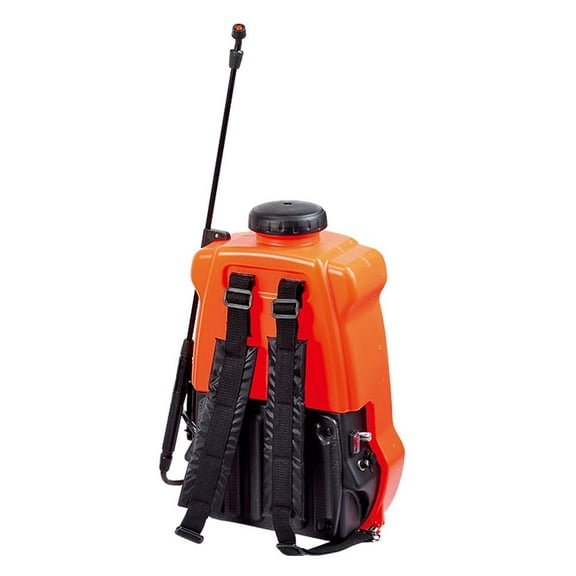
For medium lawns, you may look at backpack sprayers that keep weight on your back and free your hands. You’ll cover longer rows without carrying a tank by the handle. If you manage open ground or larger acreage, tow-behind and wheeled options help you move more liquid in fewer passes.
What to look for in power source
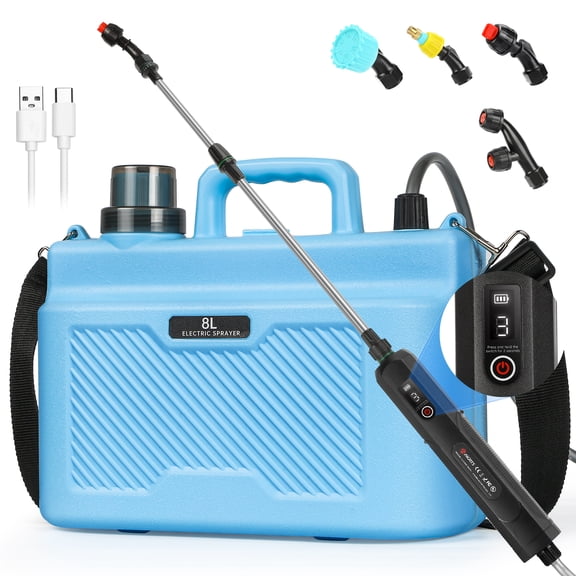
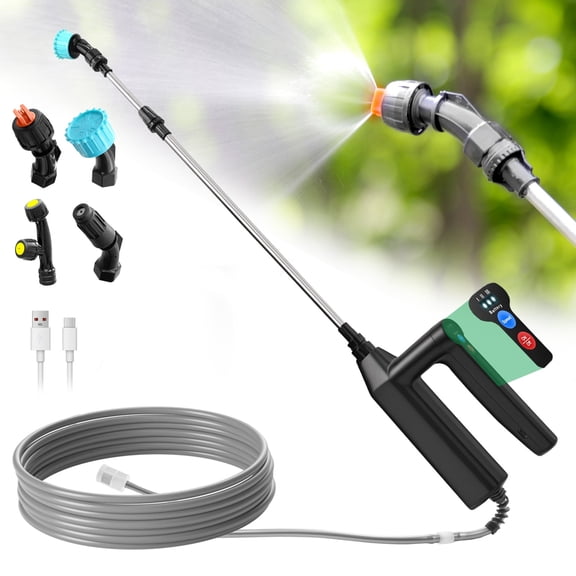
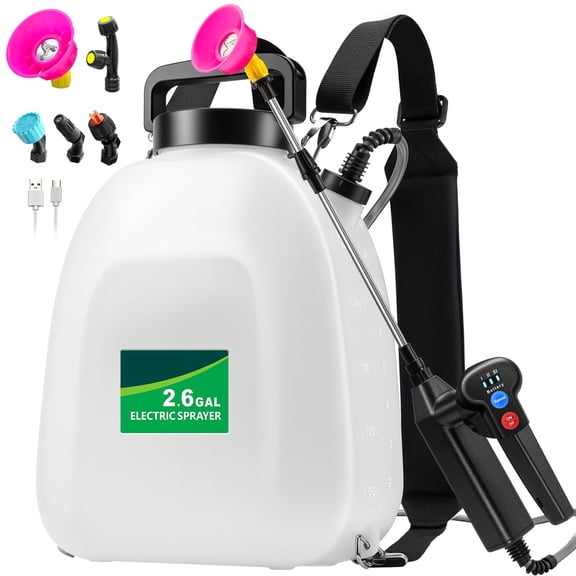
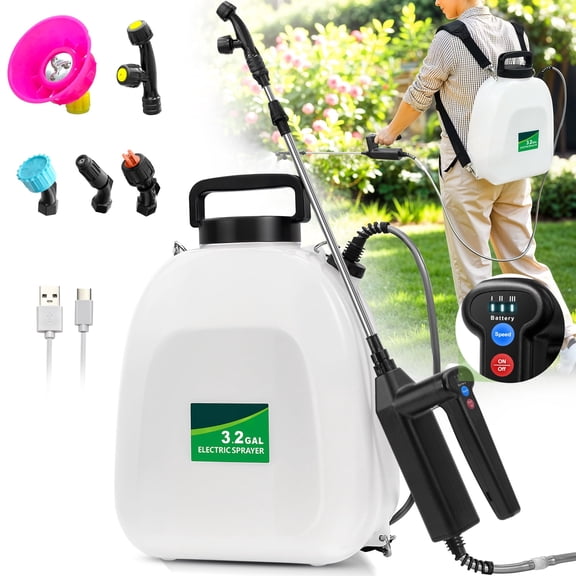
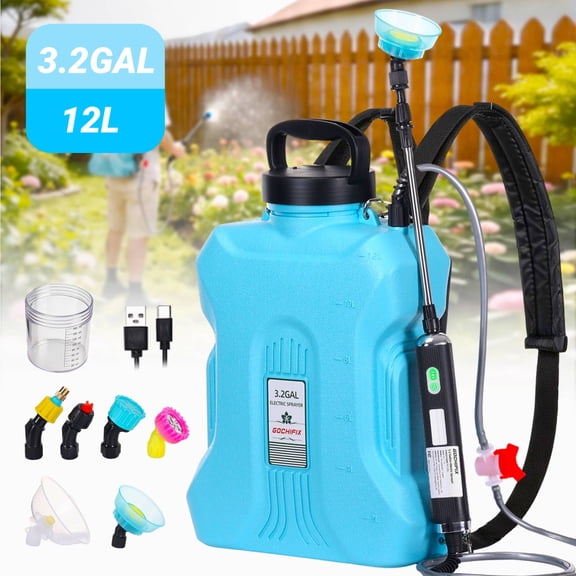
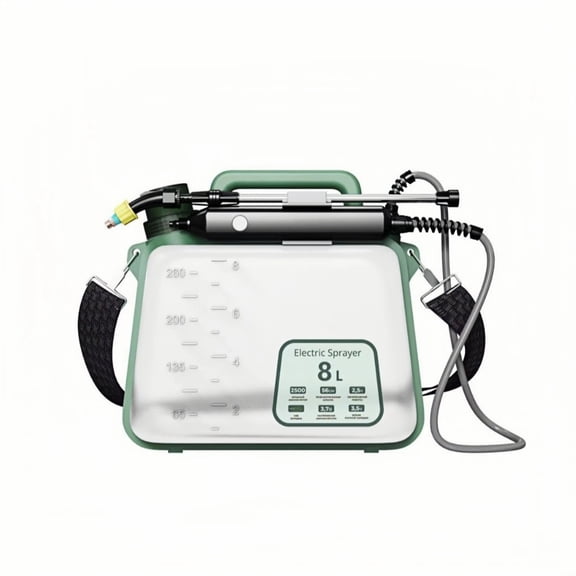
You should compare manual pump, battery powered, and gas powered models based on effort and run length. You’ll often notice that battery powered lawn sprayers reduce repeated pumping during larger jobs.
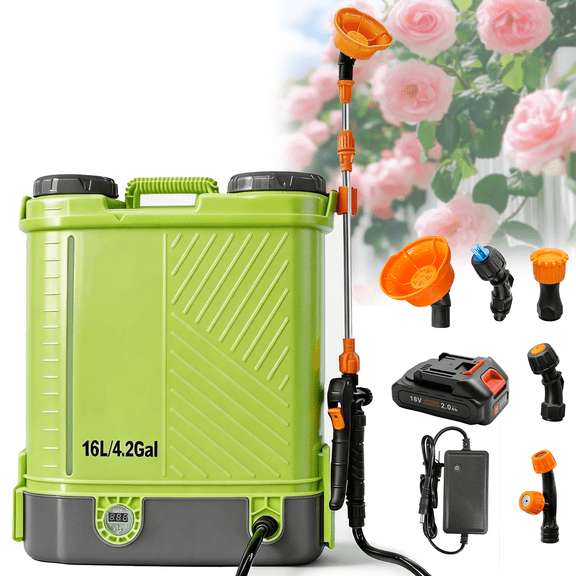
If you want direct control and simple operation, manual pump garden sprayers can fit routine spot work. You’ll pressurize the tank yourself, which can suit shorter sessions and smaller capacities. When you want steadier spraying over longer stretches, battery powered lawn sprayers can help you maintain a more consistent pattern.
Gas powered options may fit larger wheeled or tow-behind setups where you need longer coverage across open property. You should check weight, startup style, and intended use before choosing extra power. You’ll want the power source to match your pace, not just the size of the machine.
Compare capacity to your yard size
You can save time on refill trips when you match tank capacity to the space you treat. You’ll often see one gallon and two gallon sizes for lighter jobs, while four gallon and 15+ gallon sizes suit wider coverage.
- You may choose one gallon for patio edges, flower beds, and small patches.
- You may choose two gallon lawn sprayer sizes for compact yards and regular touch-ups.
- You may choose four gallon backpack sprayers when you cover longer fence lines or larger sections.
- You may choose 15+ gallon tow-behind setups when you treat large lawns, fields, or multi-zone property.
Smaller tanks can feel lighter in your hand, but you’ll refill more often on bigger jobs. Larger tanks can reduce stops, though you should check the carrying style and total weight. You’ll get a smoother workday when capacity matches the area you cover.
Check chemical compatibility and seal materials
You should compare chemical compatibility before choosing weed sprayers, fertilizer sprayers, or pest control sprayers. You’ll want seals, hoses, and shut-off parts that match the formulas you plan to use.
If you use stronger concentrates, you may look for seal materials such as Viton in product details. You’ll often choose those parts when you want broader chemical compatibility with tougher lawn and garden formulas. You should also check whether the tank, wand, and nozzle materials are listed for your intended application.
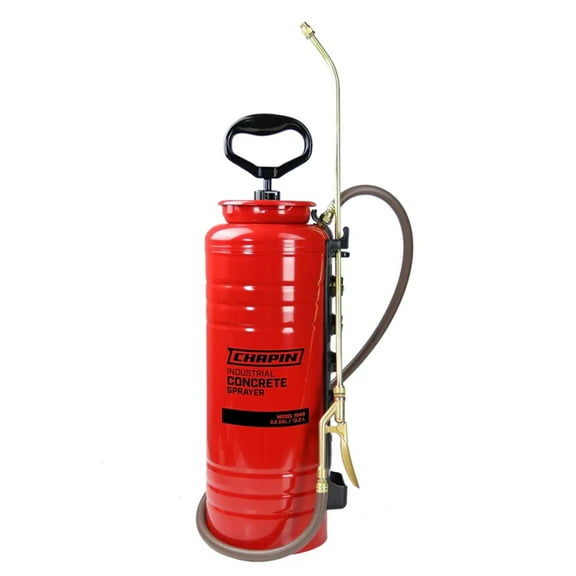
Compression sprayers and chemical sprayers can vary by gasket and seal construction, so details matter during selection. You’ll avoid guesswork when you compare material notes before filling the tank. That extra check can make your setup easier to match to common lawn care tasks.
Choose spray patterns and nozzle adjustability
You can get more precise coverage when you compare nozzle styles and spray adjustment options. You’ll often need a narrow stream for targeted weed control and a wider fan for broader fertilizing.
If you treat cracks, edging, or isolated weeds, handheld sprayers with adjustable nozzles can help you direct the spray. You’ll limit overspray by choosing a tighter pattern for smaller targets. For larger zones, broader patterns can help you move across open grass more evenly.
You should also compare wand length, trigger comfort, and pressure consistency during longer sessions. You’ll notice those details when you switch between spot spraying and full-yard coverage. Garden sprayers with changeable nozzles can support different tasks without forcing a single spray style.
Match lawn sprayers to real yard tasks
You can use lawn sprayers for seasonal weed control, liquid fertilizer application, and routine pest control around outdoor spaces. You’ll get more consistent results when the sprayer style matches the job and the area.
For spring touch-ups, you may choose handheld or one gallon pump sprayers for paths, beds, and borders. You’ll move quickly through smaller sections without carrying extra volume. For weekly maintenance across medium yards, backpack sprayers and four gallon options can support longer passes.
If you maintain larger property, pull behind lawn sprayers and tow-behind tanks can cover broad ground with fewer interruptions. You’ll often pair those larger units with riding equipment for open space and repeat routes. When convenience matters, battery powered lawn sprayers can help you keep a steady pace from start to finish.
You should also think about storage space, refill access, and how often you switch between formulas. You’ll want a setup that fits your shed, your yard layout, and your regular lawn care plan. With the right combination of type, power, capacity, and nozzle control, you can spray more evenly and finish with fewer interruptions.