



Spider in Pest Control







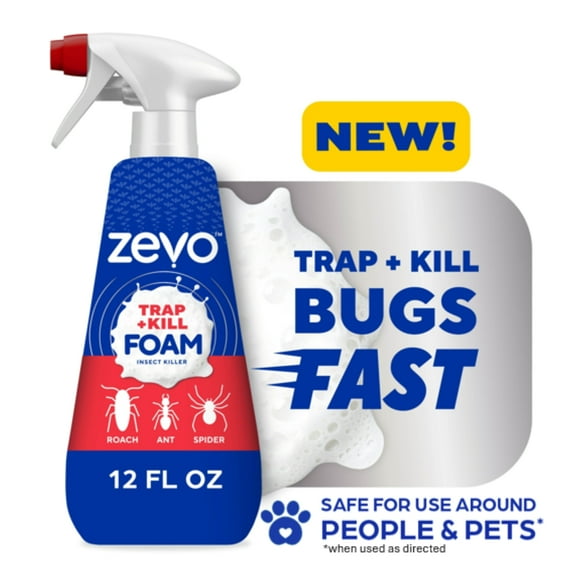
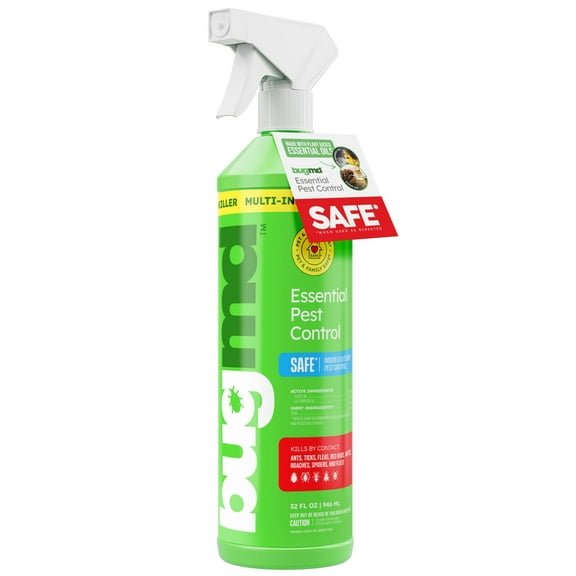

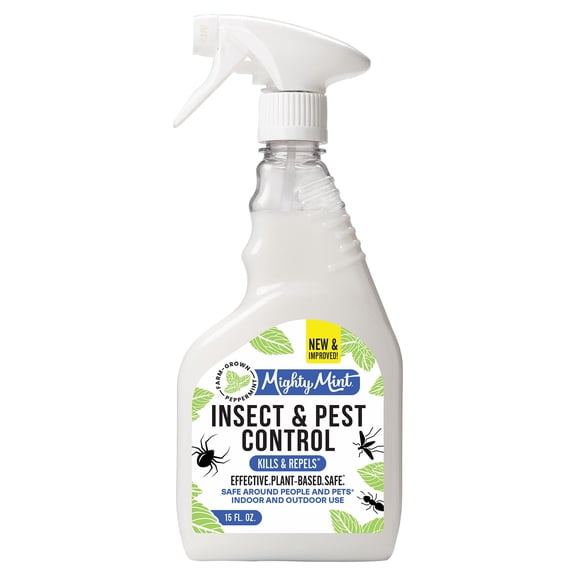
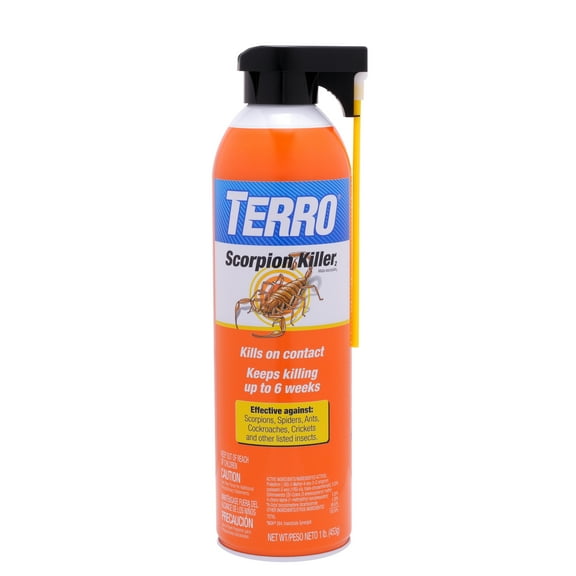


About Spider in Pest Control - Walmart.com
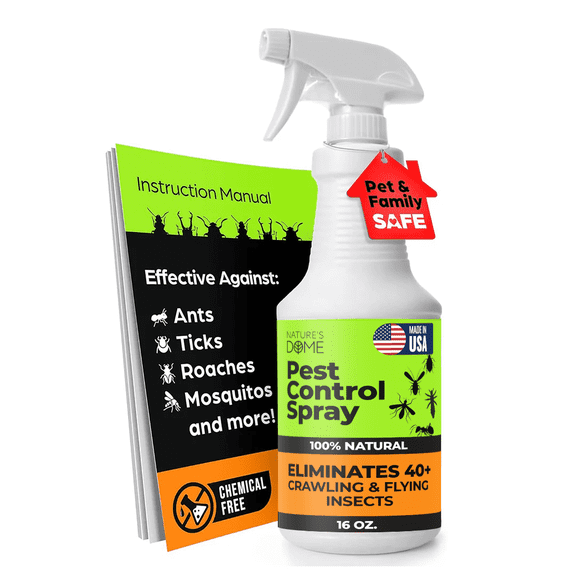
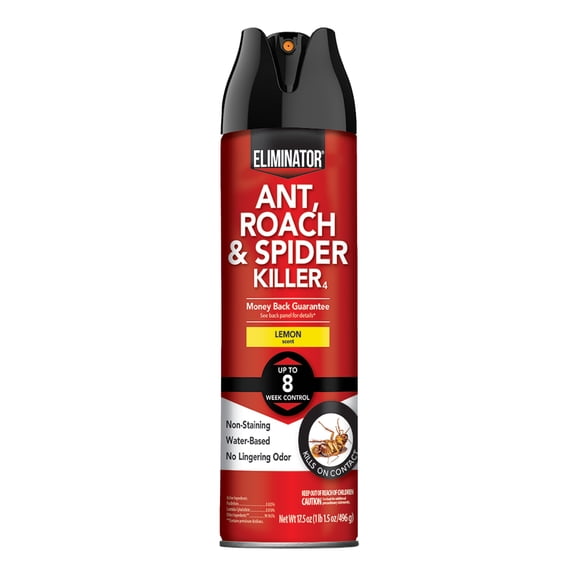
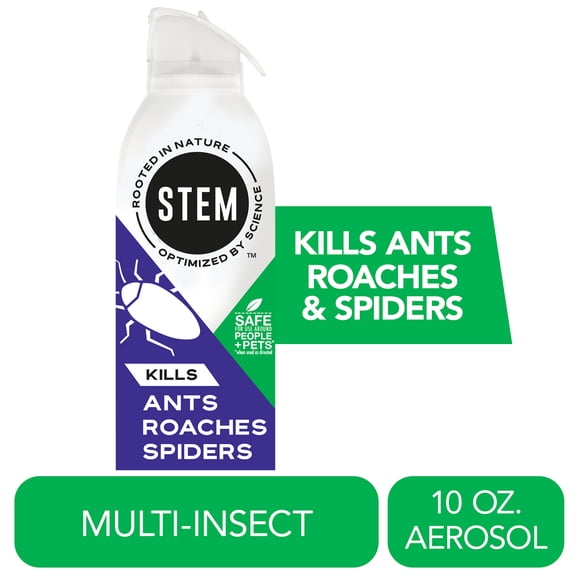
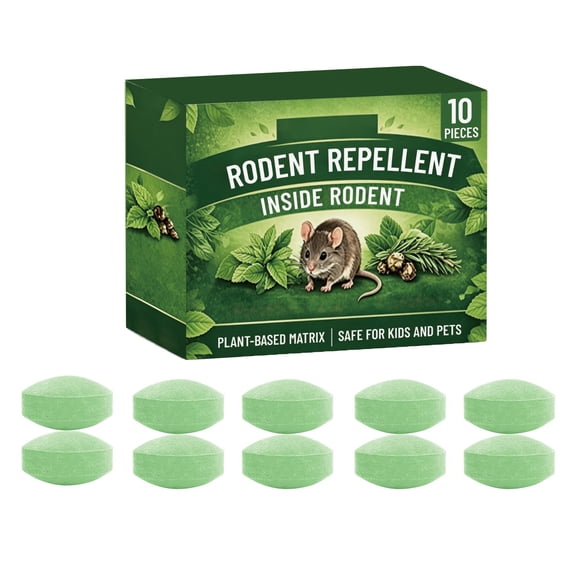
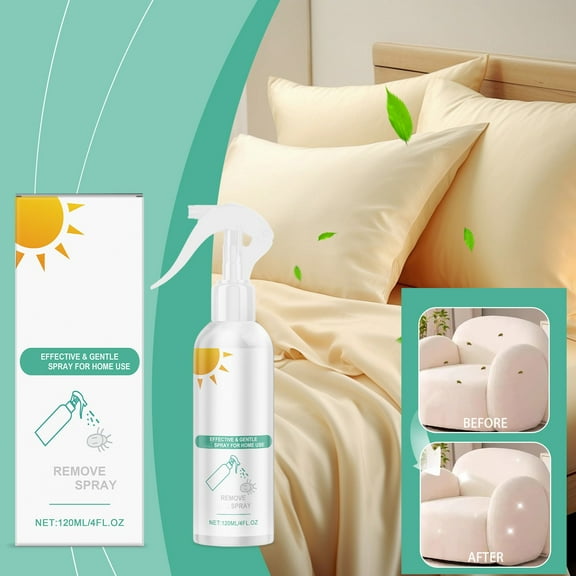
With spider repellent options for indoor corners, outdoor entry points, and perimeter lines, you can choose a focused plan for your home. You can compare sprays, powders, traps, ultrasonic formats, and natural options based on how you want to deter activity or address visible spiders.
How to choose spider repellent by application area
Your first decision is placement, because indoor, outdoor, and perimeter use call for different formats. You should compare label directions closely so your choice fits shared rooms, garages, patios, siding lines, or foundation edges.
Indoor spider repellent supports targeted use along baseboards, closets, basements, and garage edges. You should also check drying guidance, surface compatibility, and room placement details for homes with pets or children.
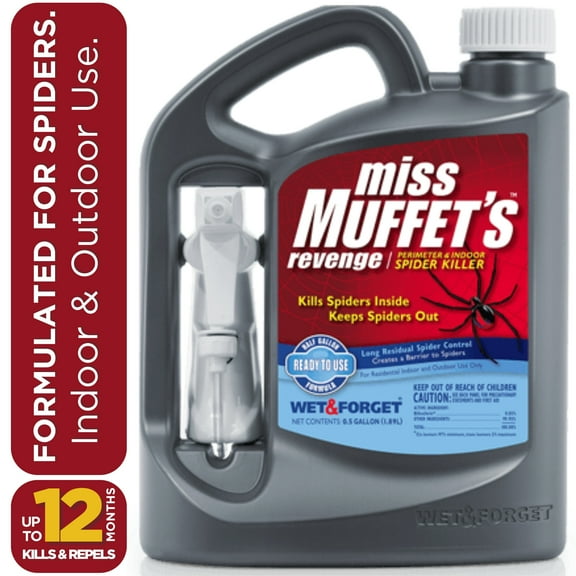
Outdoor spider repellent fits doors, windows, porches, patios, and exterior seams where spiders often travel. A perimeter-focused option helps you create a consistent barrier around common access points.
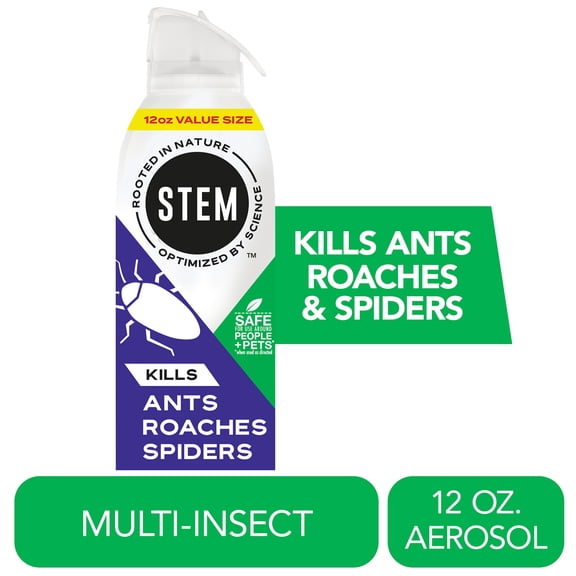
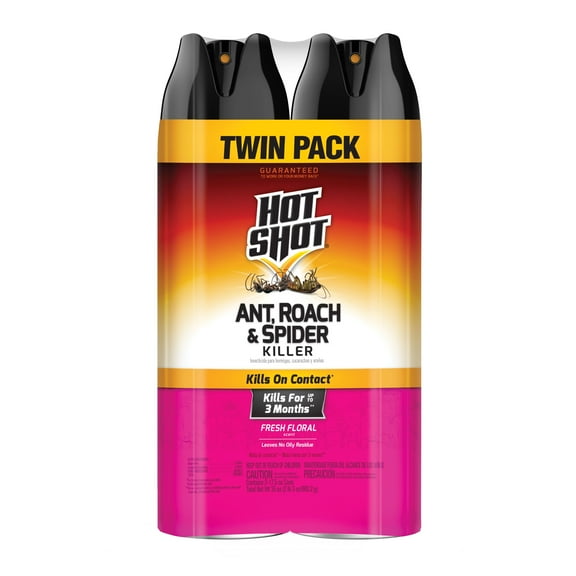
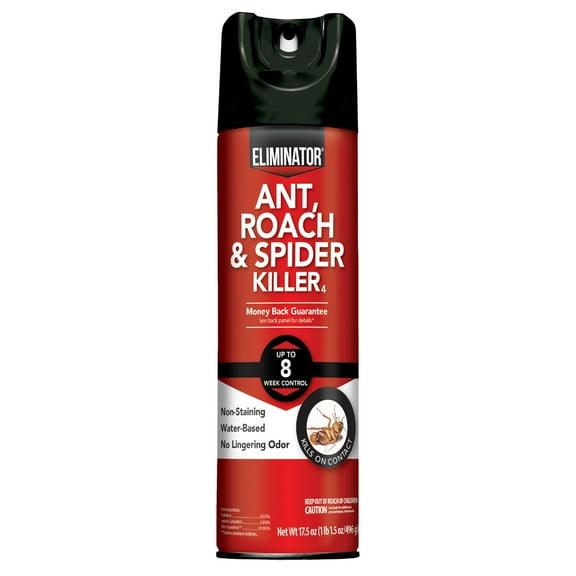
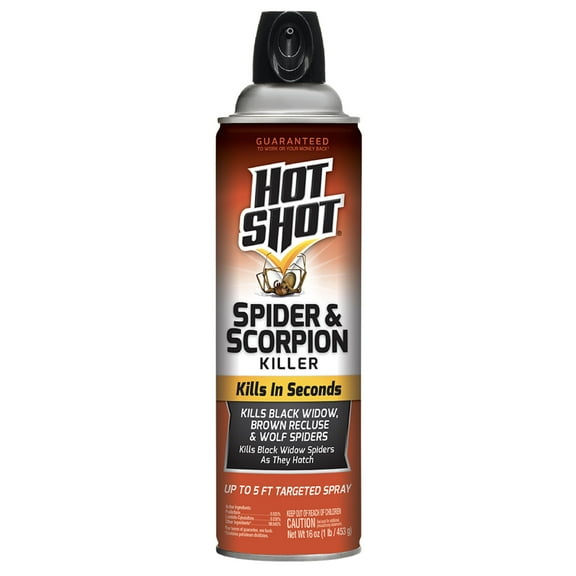
Some shoppers need prevention, while others need direct elimination for spiders they can see. You can use repellents to discourage activity, and you can use spider killer formulas for contact treatment.
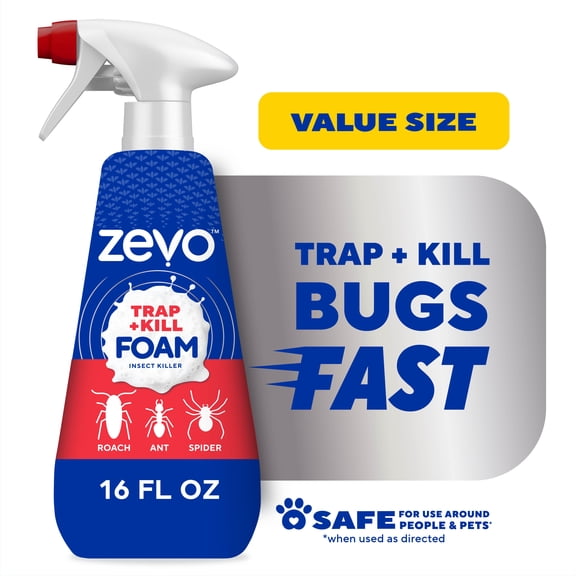
- You can choose sprays when your layout needs broad coverage along trim, baseboards, and exterior edges.
- You can choose powders when your plan includes cracks, voids, and hidden spaces behind fixtures.
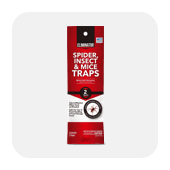
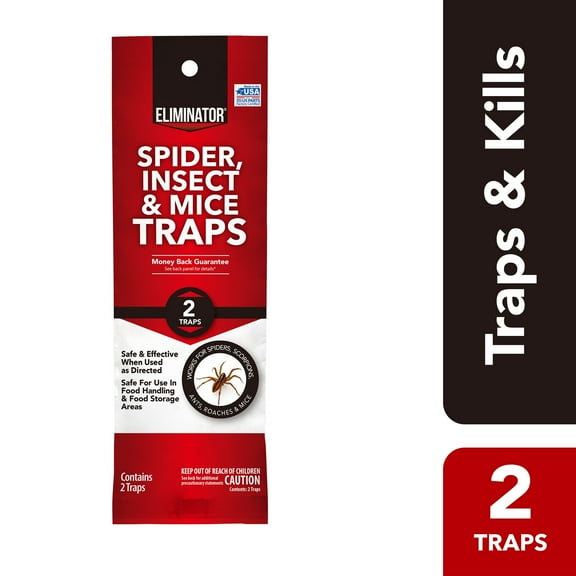
- You can choose spider traps when your routine needs simple monitoring in corners, under furniture, or beside storage bins.
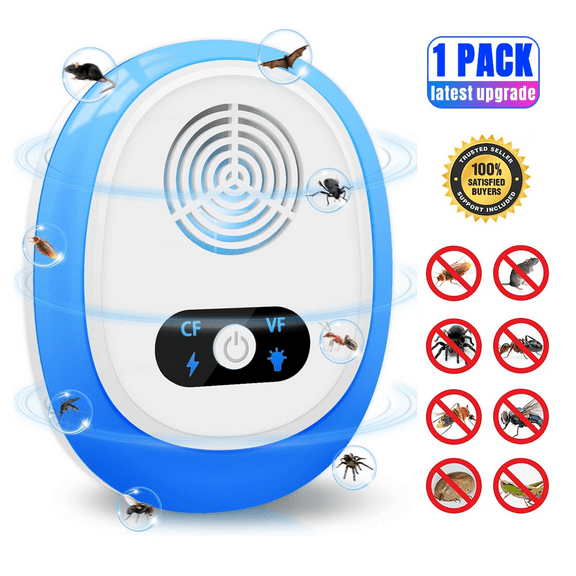
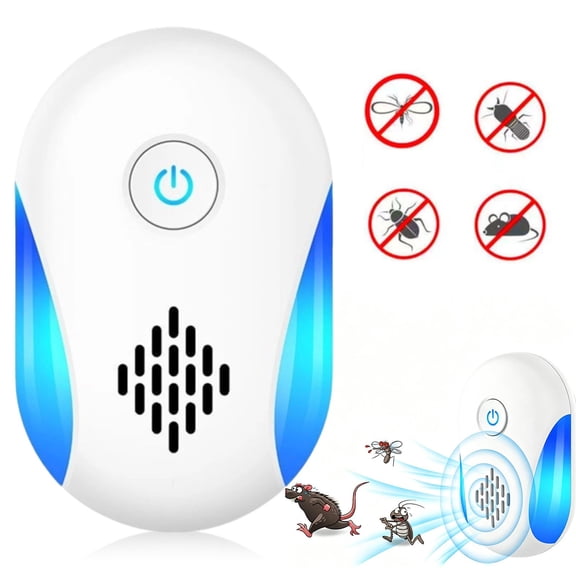
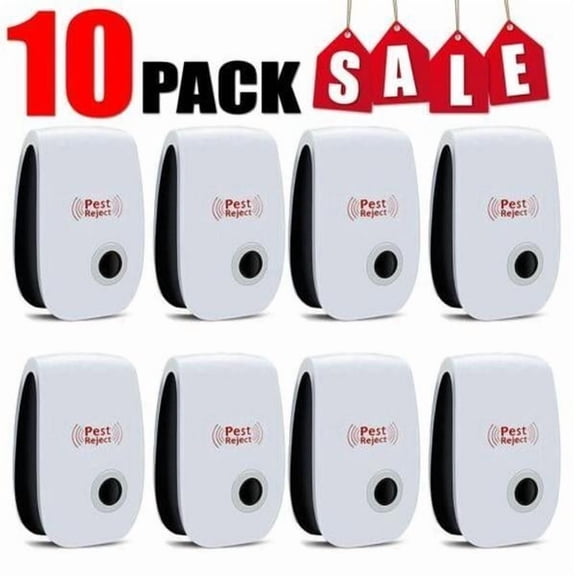
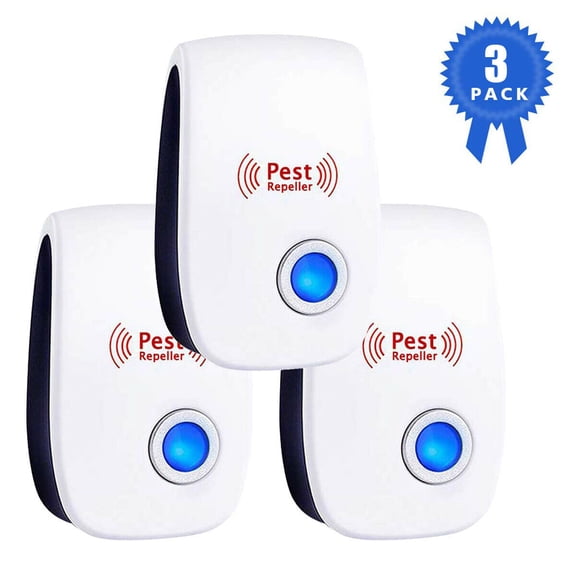
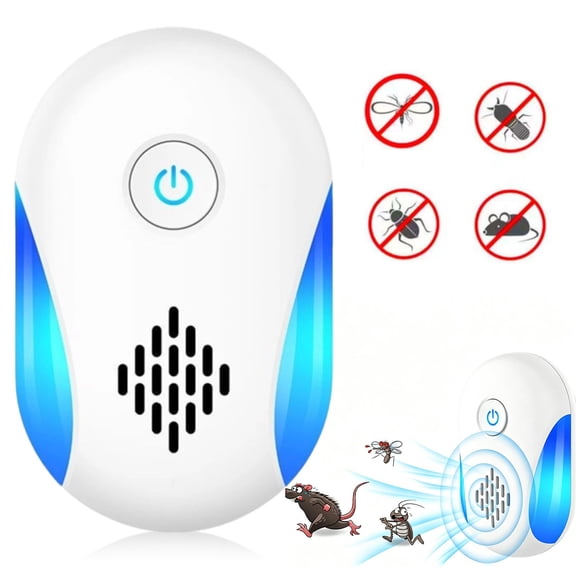
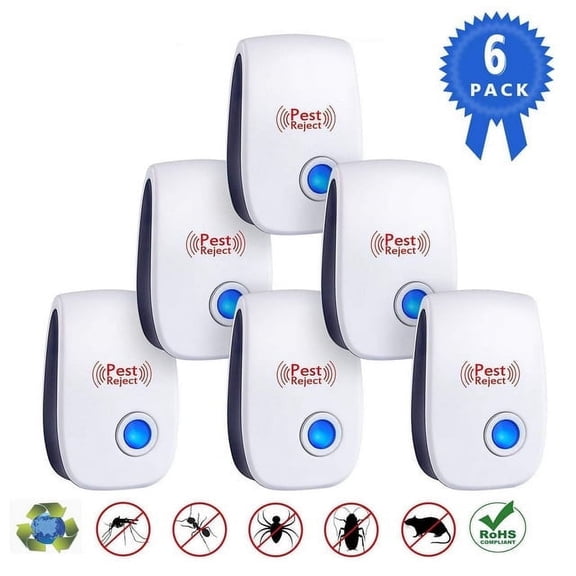
- You can choose ultrasonic devices when you want a tidy format with no surface residue.
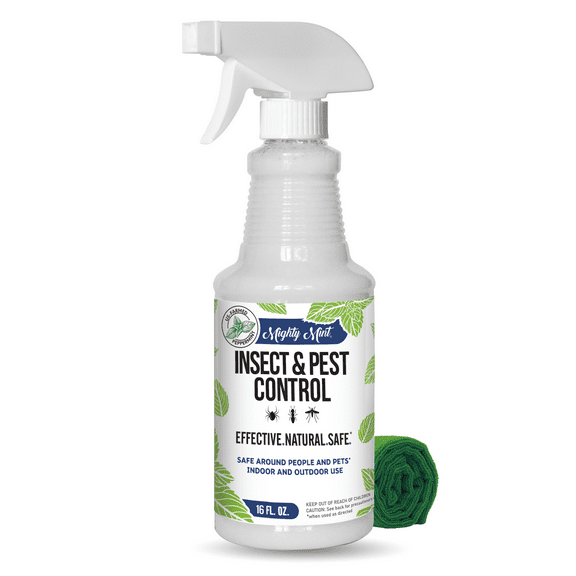
- You can choose natural spider repellent when your decision centers on essential-oil or non-toxic formula styles.
Choosing between spider killer, traps, and natural spider repellent
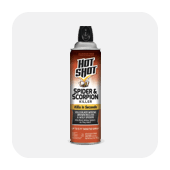
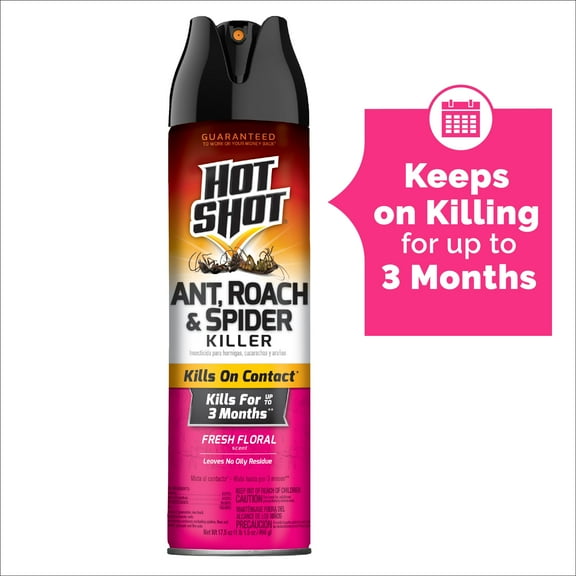
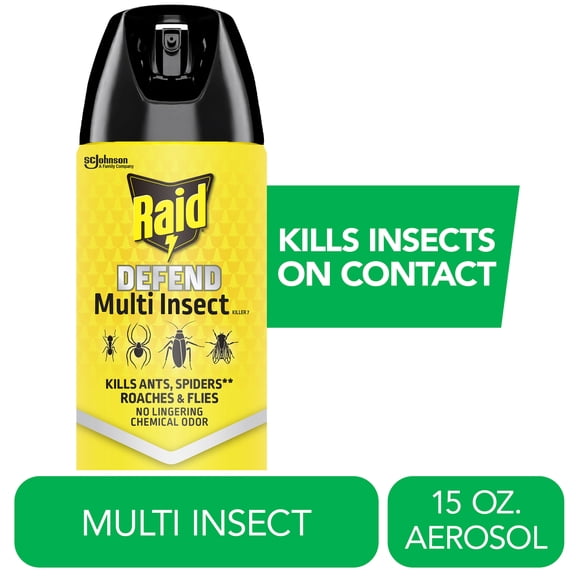
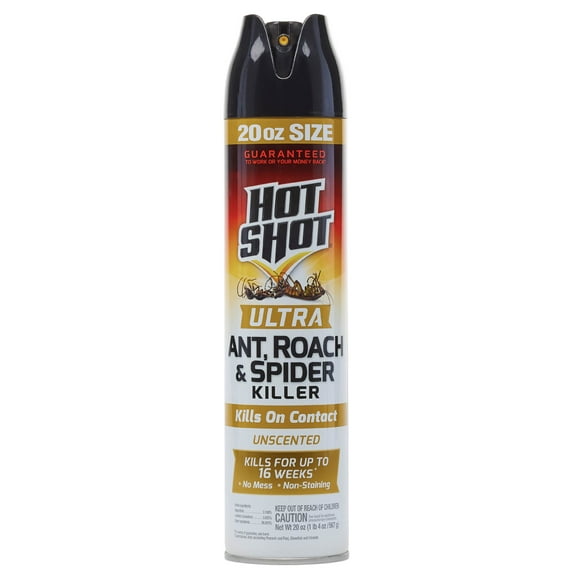
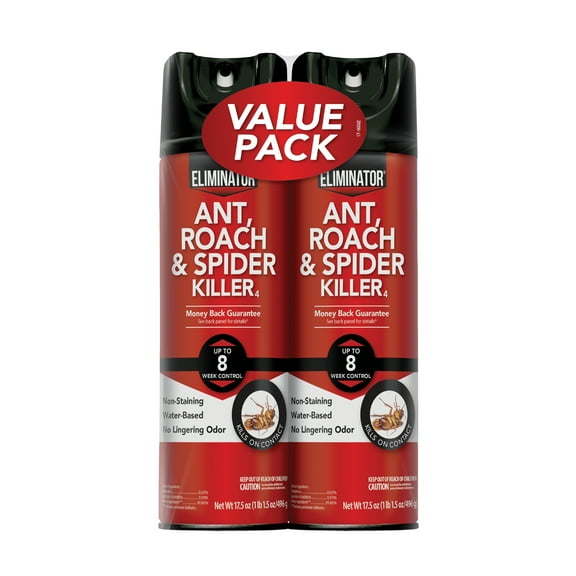
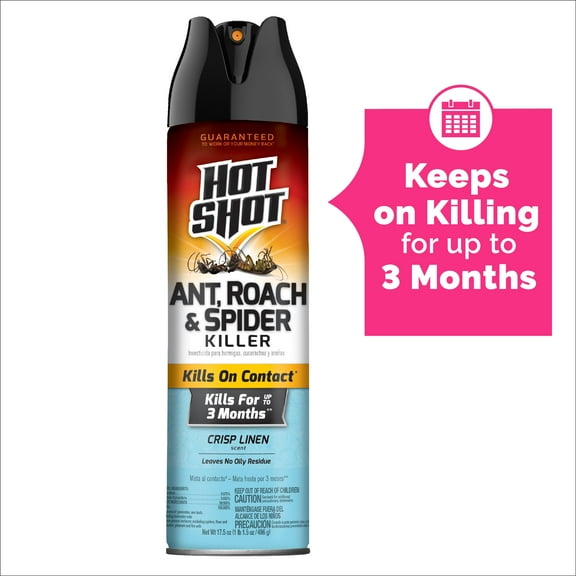
Spider killer products fit situations where you want direct treatment for visible spiders. You'll find that approach useful in garages, sheds, utility rooms, and other active zones around your property.
Spider traps support indoor monitoring without covering broad surfaces. You can place them near wall edges, behind storage containers, or beside appliances where spiders often travel.
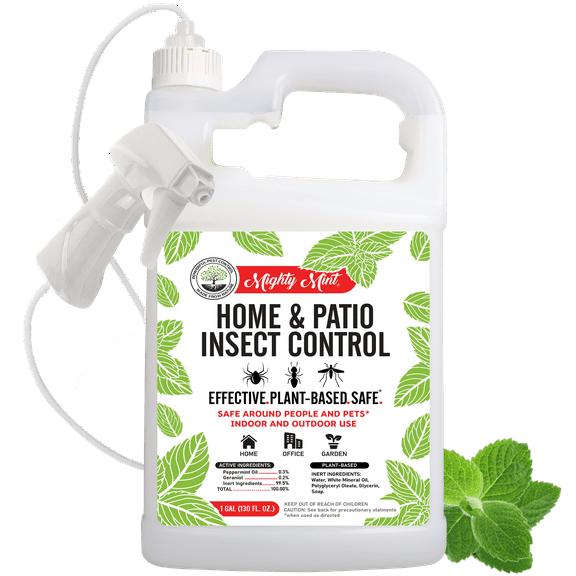
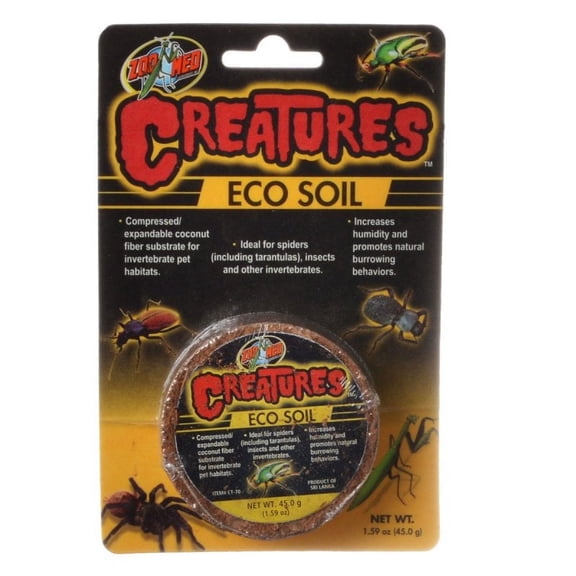
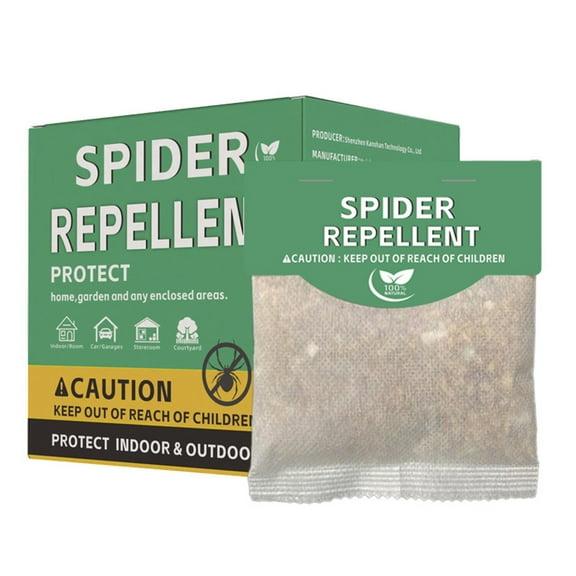
Natural spider repellent offers another path when scent, residue, or ingredient style matters in everyday spaces. You should review intended surfaces, placement details, and label directions before making your choice.
Application method changes how much time and cleanup your routine requires. You can compare sprays for long lines, powders for gaps, traps for quiet monitoring, and ultrasonic formats for plug-in convenience.
What to look for in spider control features
Formulation type shapes your routine because each format handles a different task. You can use a spray for long seams, while you can use powder in narrow gaps and hidden voids.
Application area matters just as much because indoor, outdoor, and perimeter products serve separate purposes. You should match the formula to closets, basements, patios, porches, or foundation edges before deciding.
Active ingredient style helps you compare chemical, natural, and non-toxic options in practical terms. You'll want to weigh scent, residue, and placement flexibility based on where your household needs coverage.
Target species can narrow your options when your label check needs common house spiders or specific labeling for black widows and brown recluses. You should review product details carefully so your treatment plan matches your concerns.
Duration of protection affects upkeep, so you should compare immediate kill, contact-only use, and extended barrier coverage. You'll notice those differences matter around garages, basements, windows, and door frames.
Coverage area changes which format fits your space and cleaning routine. You can use traps in a smaller apartment, while a larger layout may call for spray or perimeter treatment.
Matching spider repellent to real household use
Bathrooms, laundry rooms, and basements often need precise indoor spider repellent instead of wide-area treatment. You can focus on corners, storage zones, and edges without treating every room.
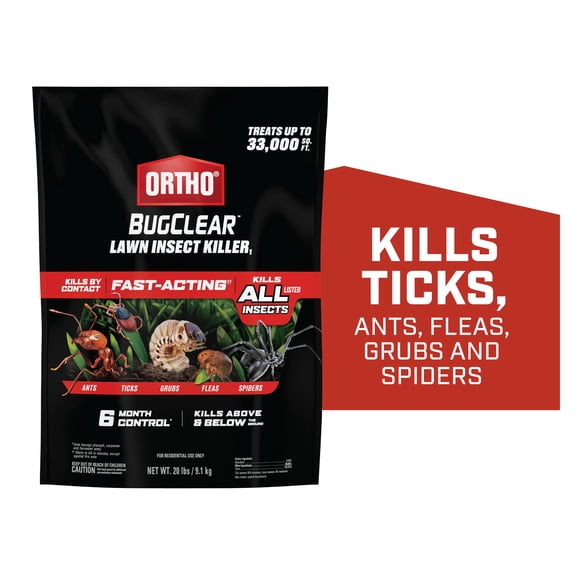
Patios, garages, and porch-light areas often call for outdoor spider repellent during warmer months. You can cover the perimeter where insects gather and where webs tend to appear.
Doors, windows, vents, and utility openings deserve extra attention when your goal is prevention. You can build a consistent spider control routine by covering those common entry paths.
Visible activity in living areas may call for a paired approach with spider spray and spider traps. You can use spray for contact treatment and traps for steady monitoring in quieter spaces.
Ultrasonic formats suit shoppers who want a cleaner setup with no surface residue. You can compare them with traps or spot treatments for bedrooms, hallways, and finished rooms.
Seasonal shifts can change where your home needs coverage most. You can refresh outdoor placement in late summer and add indoor support near garages and basements as weather changes.
How to compare household-friendly spider control options
Your label check matters when you need spider control for shared household spaces. You should compare placement instructions, drying guidance, and intended surfaces before choosing a product.
Pet-conscious shopping starts with application area and ingredient style, not only format. You can narrow choices quickly when you compare chemical toxicity notes, natural ingredients, and room placement guidance.
A clear buying plan helps you match formulation type, target species, and protection length without guesswork. You can choose a spider repellent approach that fits your layout and keeps treatment focused where it matters.