


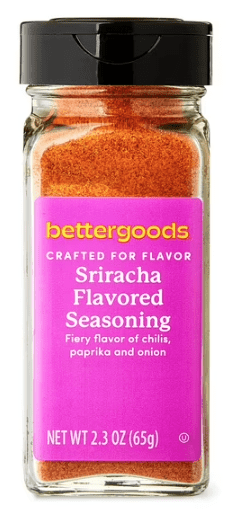
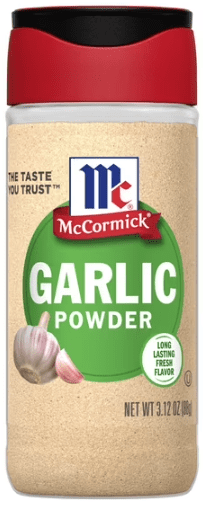
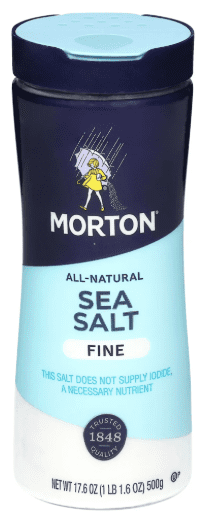
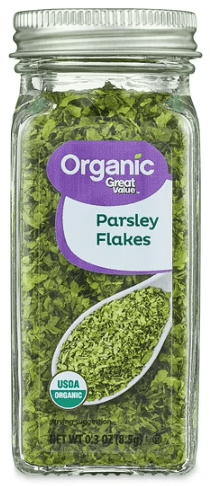
Spices in Spices


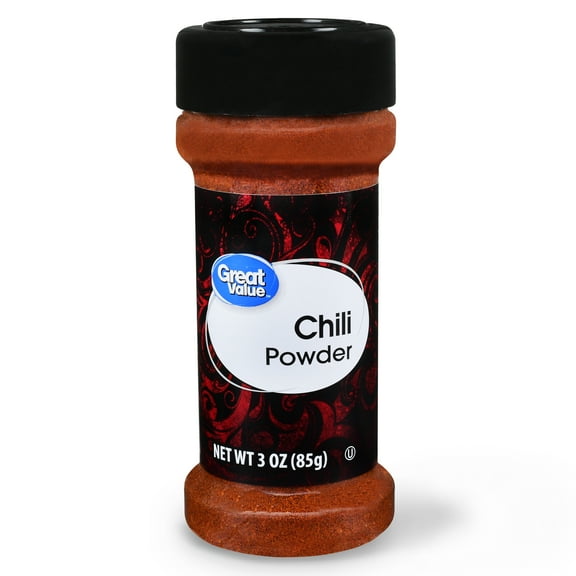
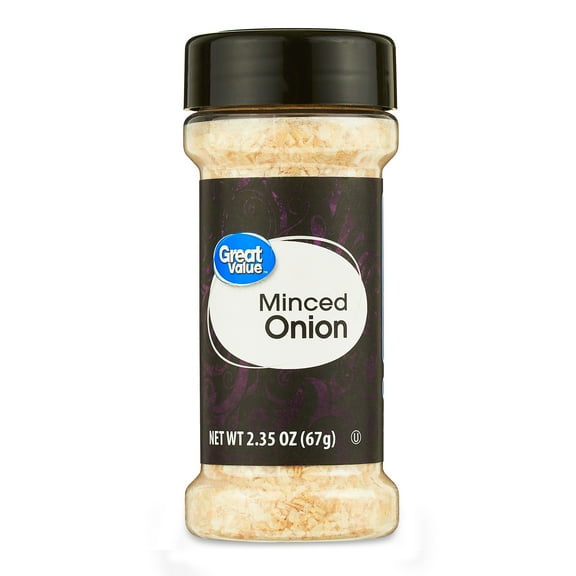


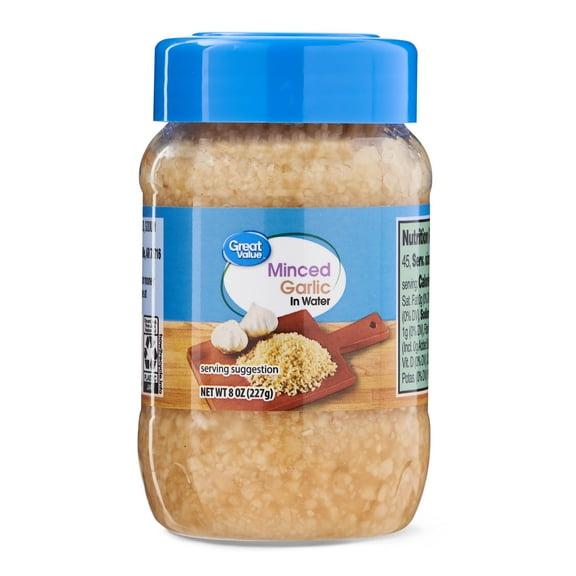
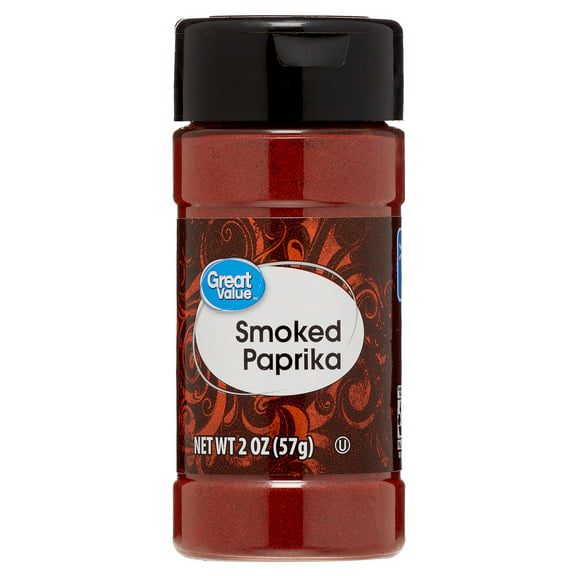

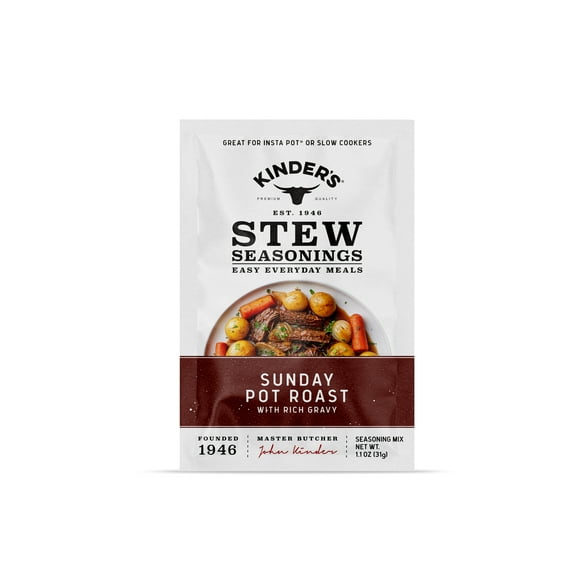
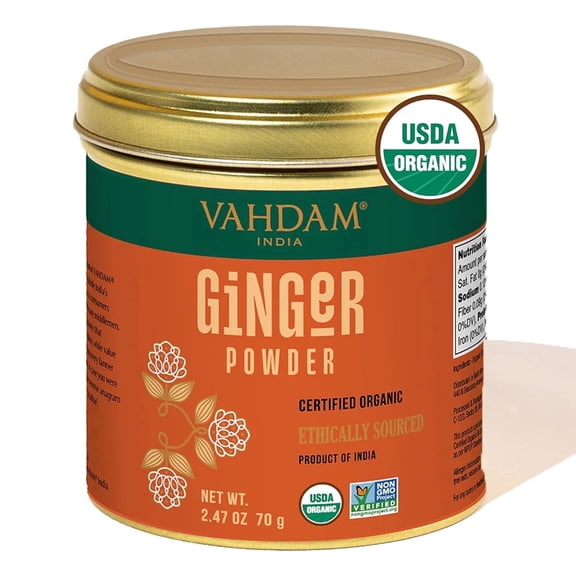
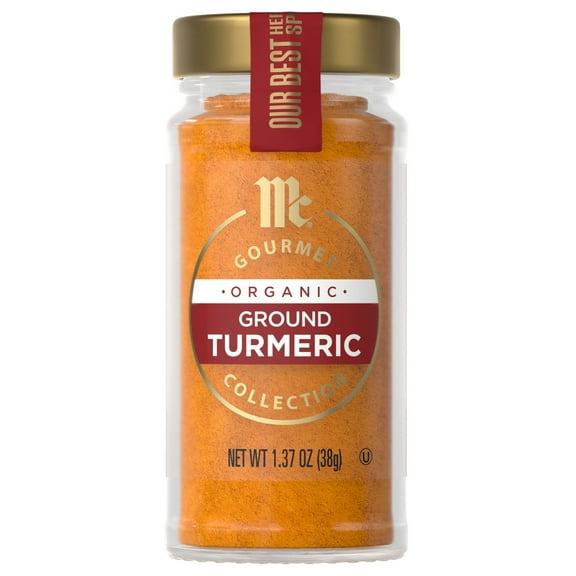
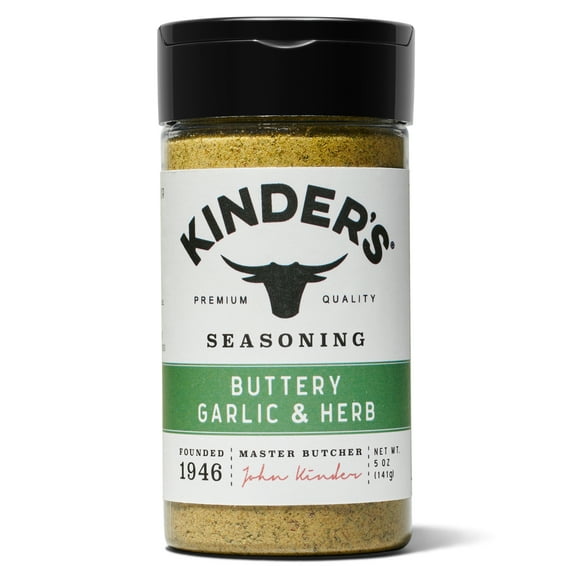





About Spices in Spices - Walmart.com
Spicy sambal helps you bring bold chili flavor to noodles, marinades, and dips with bold texture and diverse ingredients compared to typical bottled hot sauces. You can compare heat, texture, and flavor notes here, so your pantry matches the recipes you cook most often.
If you use spices seasonings for weeknight meals and weekend cooking projects, you may want sambal that fits both simple and layered dishes. You can choose styles with chili peppers, vinegar, salt, garlic, onion, lemongrass, or shrimp paste, depending on your taste and ingredients.
How to choose spicy sambal by heat level
When you compare heat levels, you should start with how you plan to use each jar or bottle. You may prefer mild or medium heat for dipping sauces, while hot or extra hot works well in small spoonfuls.
If you cook for several people, you can use a milder spicy sambal as a base and add more heat later. You’ll keep precise control over your finished dish when you match the heat level to the recipe.
- You can use mild sambal for rice bowls, egg dishes, and sandwiches that need chili flavor without overwhelming other ingredients.
- You can reach for medium heat when you want balanced warmth in stir-fries, noodle dishes, and quick marinades.
- You can choose hot or extra hot styles when you want a concentrated chili kick in soups, grilled meats, or dipping sauces.
As you compare labels, you should look for ingredient combinations that shape the heat, not just the spice level. You’ll notice vinegar can brighten the flavor, while garlic or onion can make the paste taste fuller.
Comparing chili sambal flavor profiles
When you pick chili sambal, you should compare flavor profile first if your recipe already has a clear direction. You may want garlic for savory depth, onion for sweetness, lemongrass for citrusy lift, or shrimp paste for richer, fermented notes.
If you cook Southeast Asian dishes often, you can match those flavors to noodles, grilled proteins, fried rice, or dipping sauces. You’ll get a natural fit when your sambal echoes the aromatics already in your recipe.
For everyday cooking, you may want one jar with a straightforward chili and vinegar profile. You can then use it across eggs, burgers, roasted vegetables, and soups without changing the whole flavor direction.
If you check ingredient lists carefully, you can also spot options that include shrimp paste or skip it. You’ll want that detail when your household follows specific seafood preferences or recipe needs.
Choosing sambal texture and consistency
Texture changes how your sambal cooks and how it looks on the plate. You may prefer chunky oelek-style blends when you want visible chili pieces, while smooth paste spreads more evenly into sauces.
If a recipe calls for a sambal oelek alternative, you should compare chunkiness before anything else. You can often swap in a ground or smooth paste, but you may notice a different look and mouthfeel.
Chunky sambal works well when you want spoonable texture on noodles, dumplings, or grain bowls. You can see the pepper pieces, and your toppings keep a rustic finish.
Smooth or ground versions make sense when you want even distribution in marinades, soups, or pan sauces. You’ll find they blend faster into dressings, glazes, and stir-fry bases.
If you’re choosing oil-based styles, you should check whether you want a glossy finish and richer coating. You can use those options for drizzling over eggs, pizza, or roasted vegetables.
Checking ingredients and package size
Before you choose a jar, you should look at ingredients as closely as you look at heat. You may want simple chili, vinegar, and salt blends, or you may want layered options with garlic, onion, or lemongrass.
If you’re comparing spices and seasonings for recipe prep, you can use sambal as both a condiment and a cooking ingredient. You’ll get more flexibility when the ingredient list matches how broadly you plan to use it.
Package size matters when you cook with sambal often or only use small amounts at a time. You can pick jars for steady pantry use, squeeze bottles for quick drizzling, or bulk buckets for heavy kitchen prep.
If you meal prep, you may prefer larger packaging that supports repeat use in marinades and sauces. You’ll likely prefer smaller containers when you want to test new flavor profiles without committing to one style.
Using sambal in everyday recipes
You can stir sambal into noodle bowls, ramen, fried rice, soups, and dipping sauces for quick chili depth. You’ll also find it useful in mayo blends, vinaigrettes, and glazes when you want heat with distinct character.
If you usually keep chili garlic sauce or sriracha on hand, you can use sambal for a thick, textured result. You may want that swap when your recipe needs visible chili pieces and a less sweet profile.
For marinades, you can combine sambal with soy sauce, citrus, or brown sugar for balance and cling. You’ll get a paste that coats chicken, tofu, shrimp, or vegetables evenly before cooking.
In dips and spreads, you can mix sambal into cream cheese, yogurt, or mayo for easy flavor layering. You can also add a small spoonful to broth or tomato sauce when you want steady heat.
If you’re choosing a sambal oelek alternative, you should think about whether the recipe needs texture, vinegar tang, or a smoother finish. You’ll make a closer substitution when you match consistency and ingredient balance together.
Finding chicken salt red lid and related pantry picks
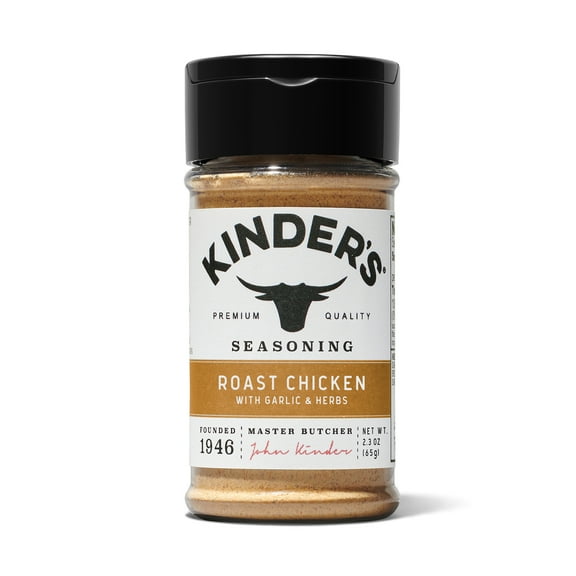
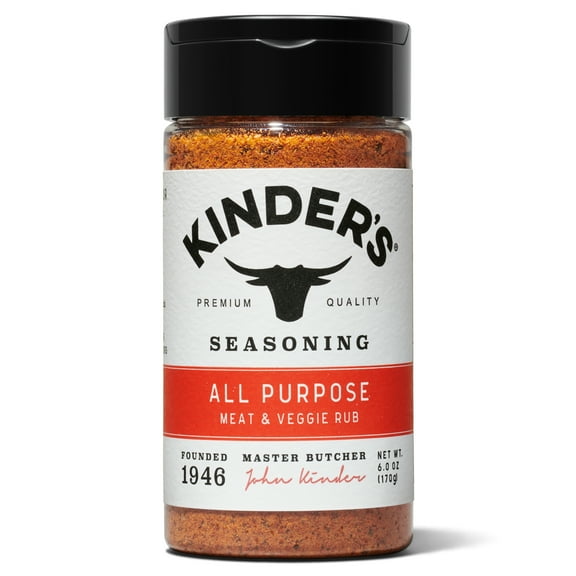
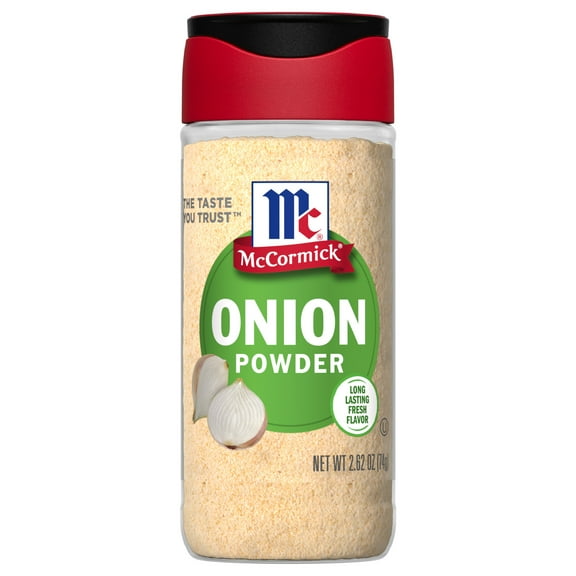
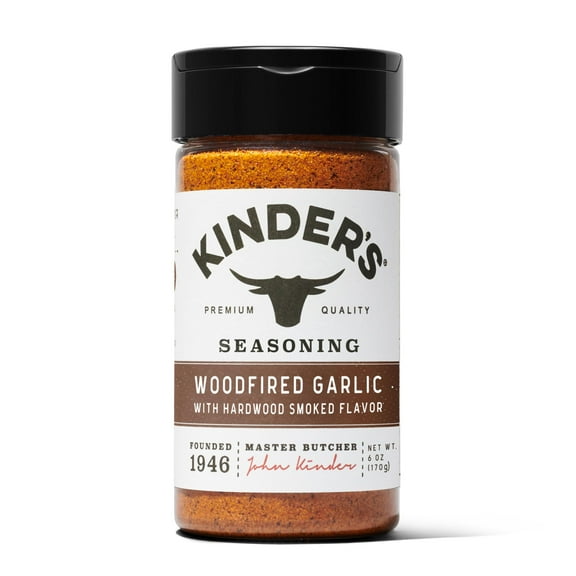
If you’re searching chicken salt red lid, you may also be comparing savory pantry staples that boost fast meals. You can pair sambal with chicken seasoning, noodle toppings, and spices and seasonings for layered flavor.
When you build a pantry for fries, roasted vegetables, wings, or fried rice, you may want both dry seasoning and chili paste. You’ll get flexible options when you keep a red-lid chicken salt nearby and sambal ready for heat.
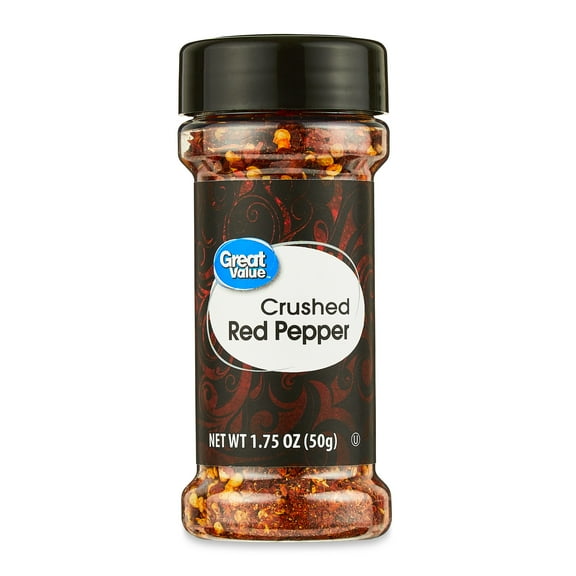
With spicy sambal, you can build meals that taste deeply layered compared to how they would with plain crushed red pepper alone. You’ll have an easy way to add chili heat, savory depth, and recipe-ready texture in one pantry staple.