



Soil in Landscaping & Lawn Care















About Soil in Landscaping & Lawn Care - Walmart.com
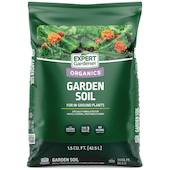
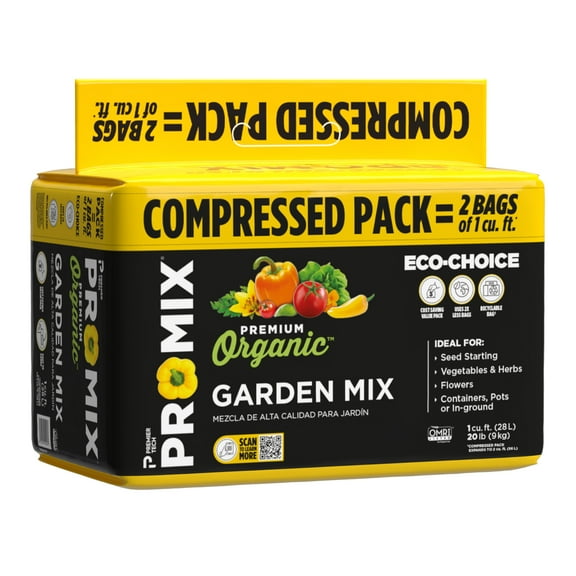
You can use garden soil to build stronger in-ground beds, refresh planting areas, and match your growing space with the right soil type. You’ll also find clearer choices here for vegetables, flowers, herbs, and raised beds, which helps you avoid using the wrong mix.
Choosing the right garden soil
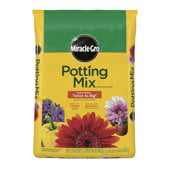
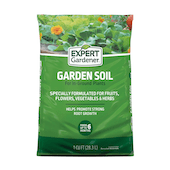
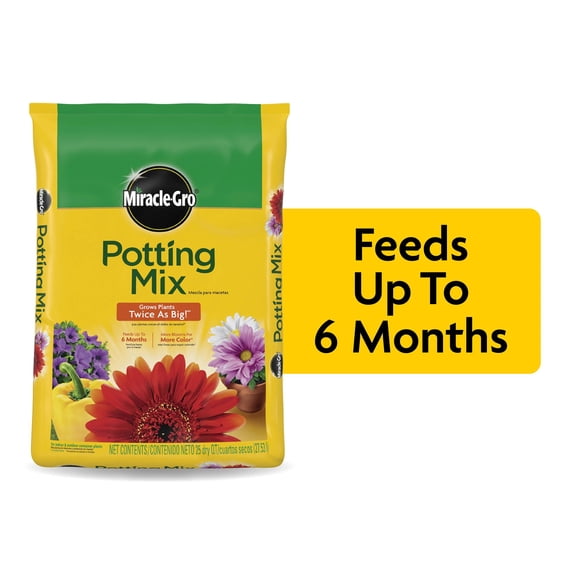
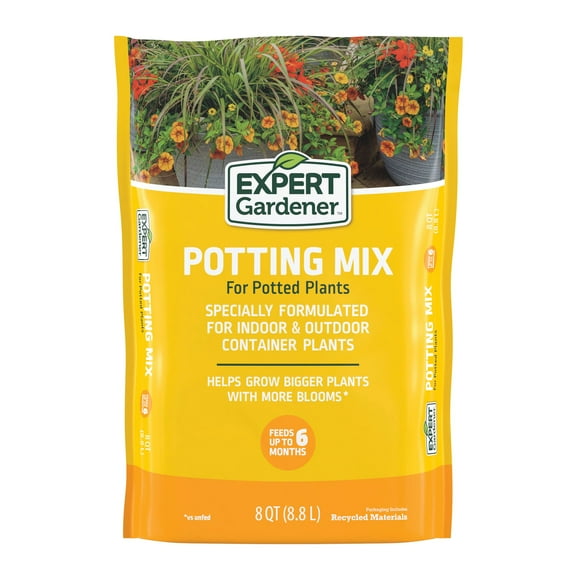
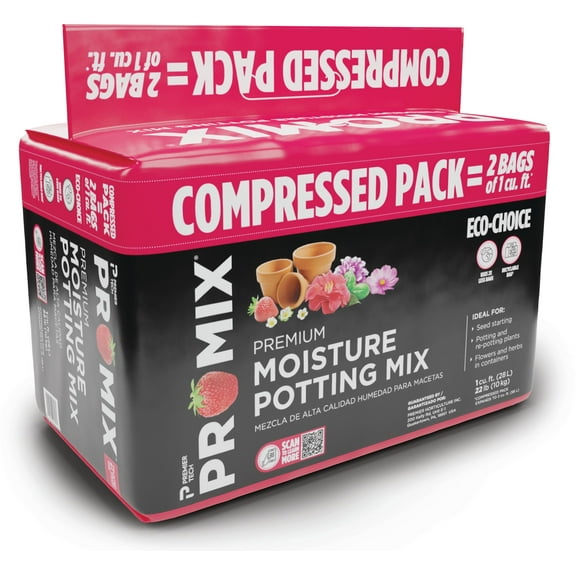
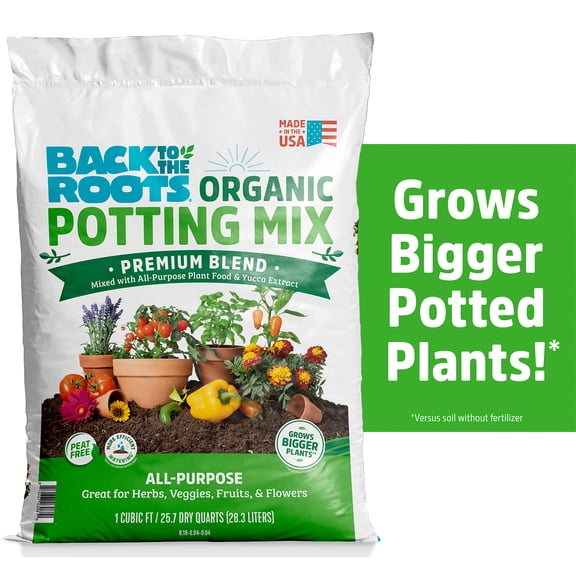
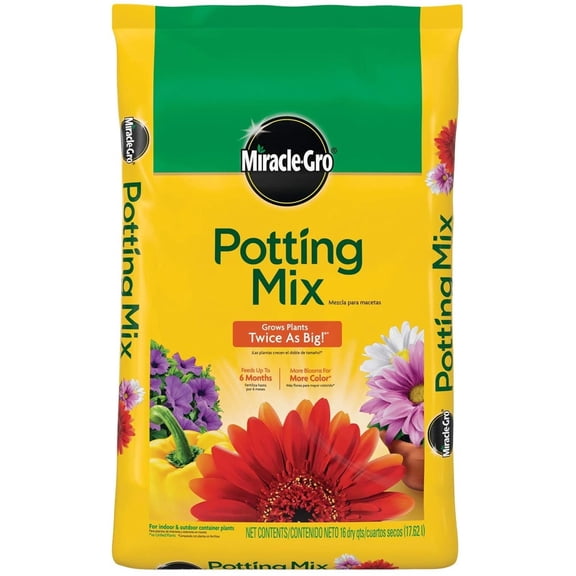
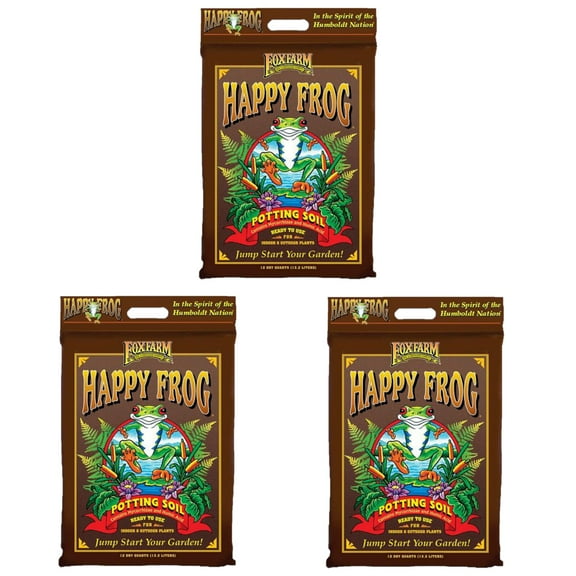
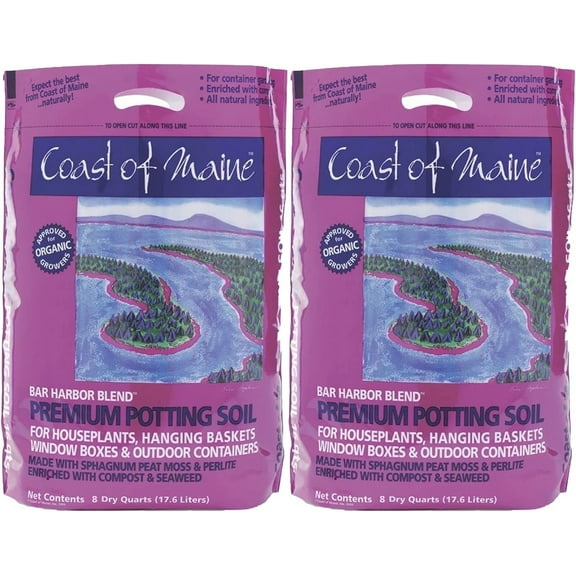
When you compare garden soil with potting soil, you should start with where you’ll plant. You’ll want garden soil for in-ground beds, while you’ll want potting soil or potting mix for containers.
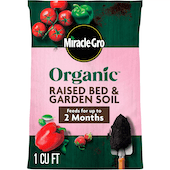
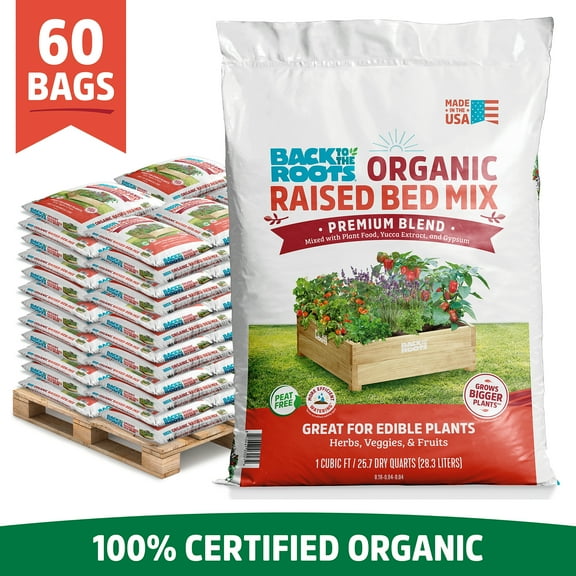
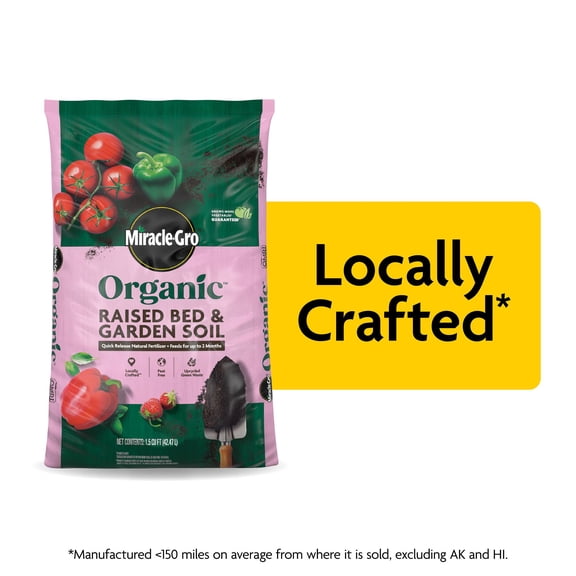
If you’re filling a raised frame, you should compare raised bed soil with standard in-ground blends. You’ll usually get a lighter soil mix in raised bed options, which can support root spread and even moisture.
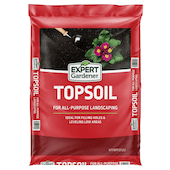
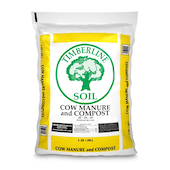
For leveling or filling low spots, you may also look at topsoil as a base layer. You’ll often combine topsoil with compost soil or other amendments when you want richer planting conditions.
How soil type affects your results
You’ll notice that the right soil type can shape how often you water and how easily roots grow. You can also reduce guesswork when you match your mix to your planting method.
- You can use garden soil to improve in-ground beds for flowers, shrubs, and vegetable rows.
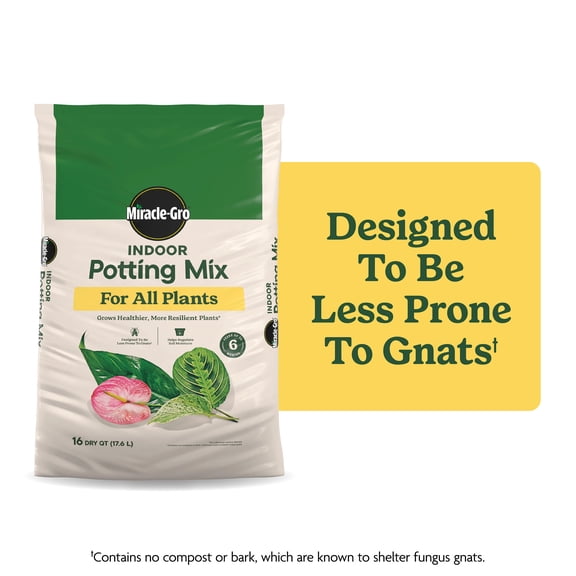
- You can choose potting soil for containers, porch planters, and pots that need lighter texture.
- You can pick raised bed soil when you want a blend designed for framed garden spaces.
- You can add topsoil when you need coverage for patching, grading, or base layering.
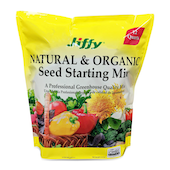
If you grow vegetables, you may prefer vegetable garden soil that supports steady moisture and workable texture. You’ll also want to compare ingredient lists when you plant tomatoes, peppers, lettuce, or herbs.
When you grow flowers, you can look for blends that help you maintain color beds and tidy borders. You’ll often want soil that handles regular watering without turning dense after rain.
Comparing organic garden soil and conventional options
You should compare organic garden soil, conventional blends, and natural options based on what you plan to grow. You may focus closely on organic choices when your garden includes vegetables, herbs, and other edible plants.
If you want a simpler label check, you can look at whether the bag lists compost, peat moss, perlite, or fertilizer. You’ll get a clearer picture of texture, feeding support, and moisture control from those ingredients.
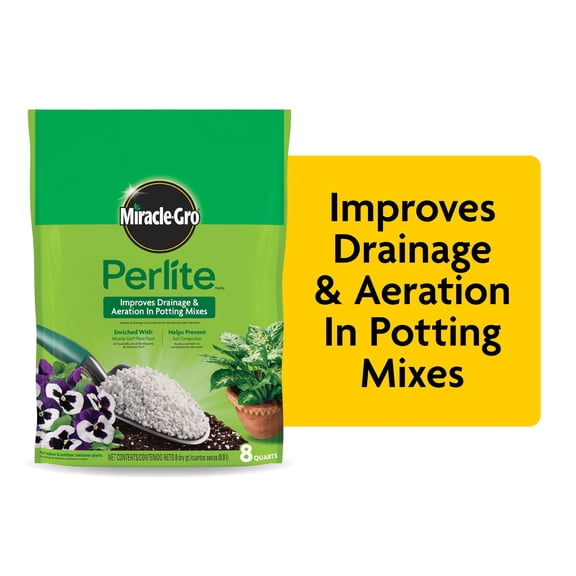
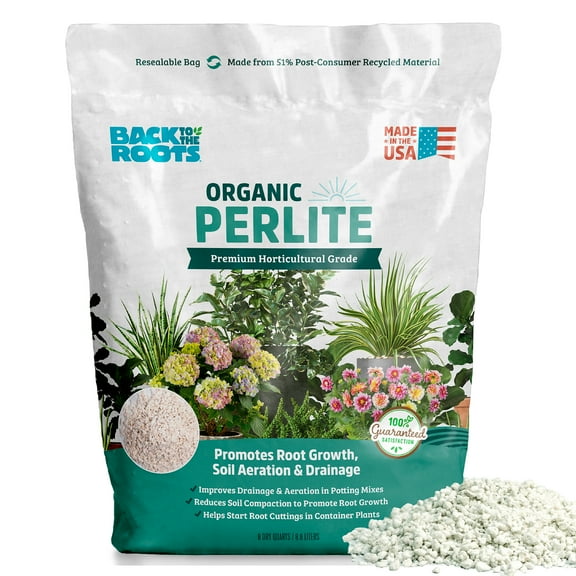
Compost can help you build richer beds with added body and a darker, crumbly feel. Perlite can help you keep the mix looser, so your containers and beds don’t feel packed down.
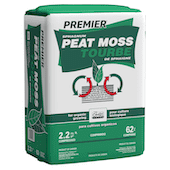
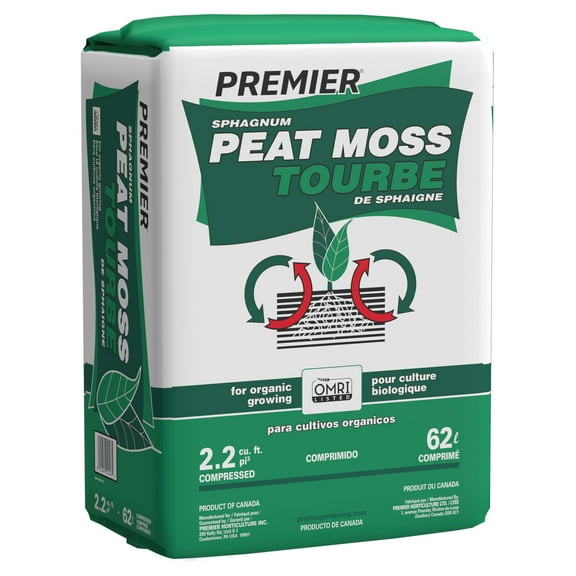
Peat moss can help you hold moisture longer between watering sessions in warm weather. Fertilizer in a soil mix can also give you a convenient starting point for new planting projects.
What to look for in ingredients and texture
You should check how each ingredient supports drainage, moisture retention, and root movement. You’ll usually want a balance that fits your plant type instead of choosing the same blend for every project.
For herbs, you may prefer a mix that drains well and feels lighter in your hand. For flowers, you might choose a blend that keeps moisture evenly through sunny afternoons.
If you’re planting trees and shrubs, you can look for garden soil that helps with backfilling and bed preparation. You may also combine it with topsoil when you’re shaping larger landscape areas.
When you use pots on patios or porches, you should reach for potting soil rather than dense in-ground blends. You’ll usually get increased airflow in containers with potting mix that includes ingredients like perlite.
Choosing package size and estimating coverage
You should measure your space before you choose between 0.75 cu ft, 1 cu ft, 1.5 cu ft, and 2 cu ft bags. You’ll make planning easier when you estimate depth and square footage before you start planting.
For small touch-ups, you may only need one smaller bag for a few containers or a narrow flower bed. For raised frames and larger plots, you’ll usually need several bags to reach your target depth.
If you’re topping off a bed, you can often use less material than you’d need for a full new install. If you’re building a fresh layer for spring garden soil projects, you’ll want to calculate additional volume.
You should also think about how you’ll move each bag across your yard or patio. You may prefer smaller sizes for easier lifting, or larger sizes for fewer trips during bigger projects.
Matching soil to vegetables, flowers, and raised beds
You can narrow your options quickly when you match soil to your plant goals. You’ll often want vegetable garden soil or organic garden soil for edible beds, especially when you’re starting seasonal planting.
For raised boxes, you should compare raised bed soil with garden soil to see which texture suits your setup. You’ll usually want a blend that spreads evenly and settles without becoming too compact.
If you’re refreshing containers, you can switch to potting soil instead of using leftover in-ground material. You’ll often get efficient drainage and easier watering control in planters, window boxes, and larger pots.
When you’re updating borders, patching bare areas, or blending new sections into older beds, you can use topsoil and compost soil strategically. You’ll create an even surface and a workable planting area.
You’ll make informed planting decisions when you compare soil type, organic status, ingredients, target plants, and bag size together. You can build a garden space that feels easier to plant, water, and maintain through the season.