

Snowmobile Jackets for Riding Gear
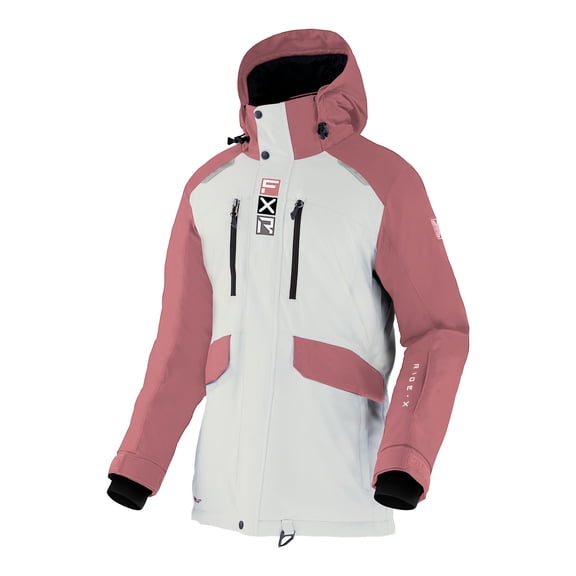


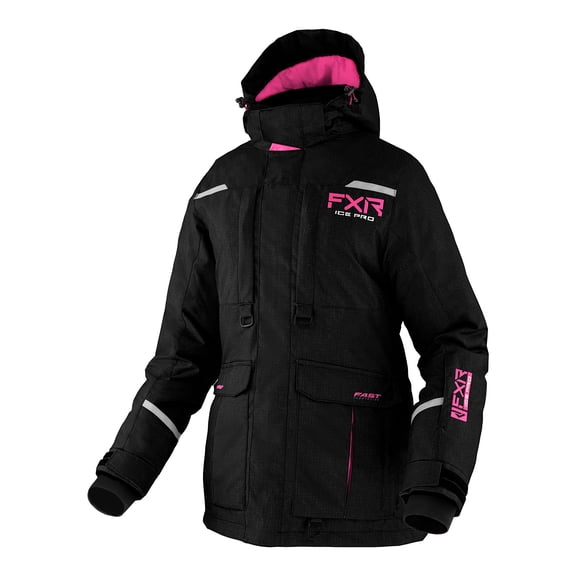
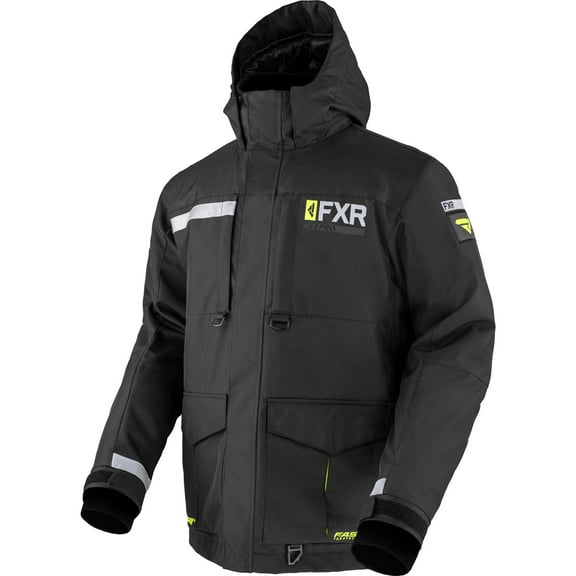

About Snowmobile Jackets for Riding Gear - Walmart.com
Snowmobile riding jackets help you prepare for cold trail miles, deep powder, and shifting weather. You can compare insulation, waterproofing, ventilation, and safety details before you choose your riding setup.
Choosing snowmobile riding jackets by insulation type
When you compare insulated, shell, 3-in-1, and uninsulated styles, you can match warmth to how you ride. You may prefer heavier insulation for long trail rides in extreme cold.
If you ride aggressively in deep snow, you may want a shell that layers easily and breathes well. You can also choose a 3-in-1 design when you want more flexibility across changing conditions.
With the right insulation approach, you can avoid bulky layering that limits movement on the sled. You can also keep your arms and shoulders free during steering, standing, and shifting weight.
What to look for in waterproofing and wind protection
When snow blows across open trails, you need snowmobile jackets that help block moisture and cutting wind. You should compare terms like Gore-Tex, DWR coated fabrics, 10k waterproof ratings, and water-resistant finishes.
A membrane and taped seams can help you stay dry when powder and wet snow collect on your outer layer. You can use water column ratings as a simple way to compare reliable wet-weather coverage.
If you ride in mixed conditions, you may want waterproof snowmobile coats with wind-blocking construction and storm flaps. You can also look for adjustable cuffs and higher collars for a more sealed fit.
- You can choose insulated riding jackets for cold, steady trail miles.
- You can pick shell styles when you layer for active mountain riding.
- You can compare 10k waterproof options when you expect wet snow and long exposure.
- You can look for pit zips and vents when your rides shift between hard effort and rest.
- You can check reflective trim and flotation assistance when visibility and added security matter.
How safety features change your decision
When you compare safety details, you should look beyond warmth and color. You may want reflective trim, flotation assistance, or F.A.S.T. technology depending on where and how you ride.
If you cross frozen terrain or remote routes, you may prioritize flotation assistance for added support in harsh winter environments. You can also look for RECCO reflectors when recovery-focused features matter to your planning.
For low-light trail use, you may notice reflective accents help your outerwear stand out around headlights. You should also compare avalanche safety features if your riding includes mountain terrain and backcountry conditions.
Checking ventilation, fit, and layering room
Ventilation matters because trapped heat can leave your layers damp during active riding. You can compare pit zips, back vents, and mesh-lined vents to manage changing effort levels.
If you ride hard through powder, you may want quick venting that releases heat during climbs and technical sections. You can then close those openings when you return to colder, faster trail stretches.
Fit also shapes comfort, especially when you layer under your jacket. You should check whether men's, women's, unisex, and youth fits leave enough room for base and mid layers.
A good fit lets you reach handlebars easily and move without tight spots at the shoulders. You can also compare hem length and cuff adjustability when you want coverage that stays in place.
Matching snowmobile jackets to how you ride
If your rides focus on groomed trails and sustained speed, you may want insulated snowmobile riding jackets with wind-blocking coverage. You can pair that style with bibs and gloves for full cold-weather layering.
If your riding involves deep snow, frequent movement, and changing elevation, you may prefer a shell with strong waterproofing and venting. You can add or remove layers underneath as conditions shift through the day.
For crossover use, you may want a 3-in-1 option that adapts to early winter, midseason cold, and spring rides. You can adjust your setup without switching to a completely different outer layer.
If you shop for family riding, you can compare youth, women's, men's, and unisex fits in one category. You can keep sizing and feature priorities aligned across different riders and ride styles.
When you choose with insulation, waterproofing, safety, and venting in mind, your jacket works effectively for the ride ahead. You can head out with outerwear that matches your terrain, your pace, and your layering plan.