


Find auto parts that fit
Let’s search for parts that fit your vehicle.Snowmobile Riding Gear and Accessories






























About Snowmobile Riding Gear and Accessories - Walmart.com
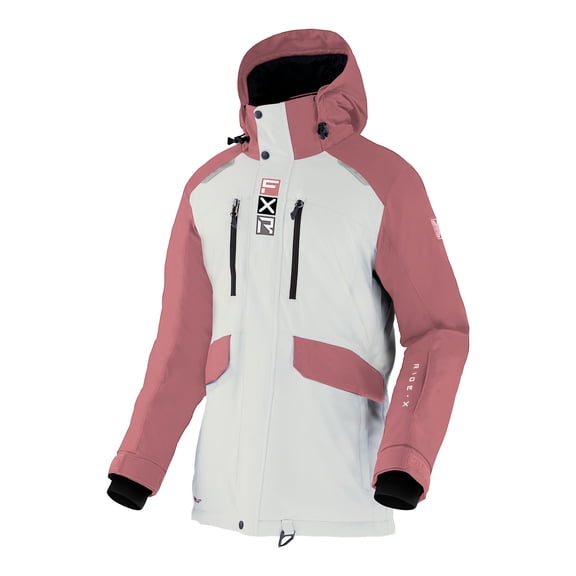
Snowmobile riding gear helps you stay warm, dry, and ready for long winter rides. You can compare jackets, bibs, pants, and one-piece suits by coverage, layering room, and weather protection.
You may also want clear guidance before you choose winter snowmobile apparel for trails or mountain terrain. You'll find practical decision help here, including insulation weight, waterproof ratings, fit, and visibility details.
How to choose snowmobile riding gear
You should start with the gear type that matches how you ride and how much coverage you want. Your choice often comes down to jackets and pants, snowmobile bibs, or one-piece snowmobile suits.
If you want flexible layering, you may prefer separate jackets and pants for easier temperature control. If you want more coverage against wind and snow, you may lean toward bibs or full suits.
You can also compare mens snowmobile gear, womens snowmobile gear, and youth sizes by fit and mobility. Your riding position matters, so you may look for room through the shoulders, seat, and knees.
- You can choose jackets and pants when you want layering flexibility and easier off-sled movement.
- You can choose snowmobile bibs when you want added torso coverage and less snow entry at the waist.
- You can choose one-piece suits when you want full-body coverage for windy, open trails.
- You can compare mens, womens, and youth fits when you want a more natural range of motion.
Choosing snowmobile clothing by insulation and weather protection
You should compare insulated, non-insulated shell, and removable liner designs before you pick winter snowmobile apparel. Your local weather, ride length, and layering habits can guide that choice.
If you ride in deep cold for long hours, you may look at insulation weight like 150g or 200g. You'll usually notice heavier insulation adds warmth, while lighter fills can feel easier to move in.
If you run warm or ride through changing conditions, you may prefer a non-insulated shell. You can add your own base and mid layers, which gives you more control across early and late season rides.
You may also compare removable liners when you want one setup for shifting temperatures. Your gear can feel more adaptable when you can change the interior layer without changing the outer shell.
Water protection matters just as much when you ride through powder, slush, or wet snowfall. You should look for water-resistant or highly waterproof materials, plus sealed areas that help block moisture.
If you compare waterproof ratings, you may see numbers like 10k/10k on snowmobile clothing. You'll usually read that as solid water resistance with breathability that helps release heat and moisture vapor.
You may also see Gore-Tex in some options when you want recognized waterproof and breathable construction. Your comfort often depends on staying dry inside and out during active riding.
What to look for in snowmobile suits, bibs, and pants
You should check fit and mobility details before you commit to any outer layer. Your gear needs enough room for base layers, seated movement, and easy reach to bars and controls.
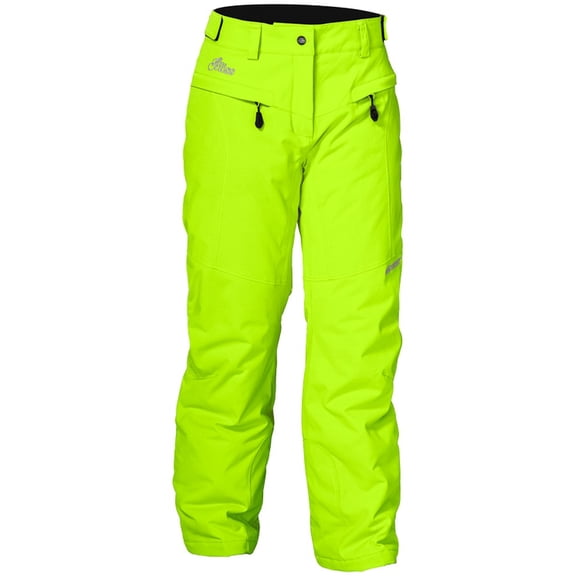
If you compare pants and bibs, you may want articulated knees for a more natural bend. You'll appreciate that design when you shift weight, step off the sled, or move through deeper snow.
You can also look for a relaxed fit if you layer thicker tops and bottoms underneath. Your shell shouldn't feel restrictive when you zip vents, crouch, or extend your arms forward.
When you compare snowmobile suits, you may focus on entry design, cuff closures, and storm flaps. You'll want openings that are easy to manage with gloves and sturdy for repeated winter use.
You should review safety-focused details as part of your gear checklist, especially for longer outings. Your setup may include reflectivity, RECCO reflectors, or flotation assistance in select riding categories.
If you ride in low light, you may want brighter accents or reflective placements for added visibility. You'll also want closures and hems that stay secure when you ride at speed.
You can narrow cold weather riding gear by matching features to your route and pace. Your choices should reflect trail exposure, stops, snow depth, and how much physical effort your ride involves.
Matching mens snowmobile gear and womens snowmobile gear to your ride
You may shop mens snowmobile gear when you want broader shoulder room or longer inseam choices. You may shop womens snowmobile gear when you want shaping that sits more naturally through the waist and hips.
You should also measure youth riders carefully before choosing outerwear for growing sizes. Your child may need room for layers, but cuffs and legs should still stay manageable on the sled.
If you ride groomed trails, you may prefer balanced insulation, wind protection, and easy movement. Your setup might include a jacket with bibs for adaptable coverage during all-day riding.
If you ride mountain terrain, you may want a shell-focused setup with strong breathability. You'll likely appreciate lighter bulk when you move more actively on and off the machine.
You can choose snowmobile suits for open terrain when full coverage is a key priority. Your suit can help reduce gaps where snow and wind often enter between separate layers.
If you face mixed weather, you may want removable liners and waterproof shells that handle changing conditions. Your gear can stay useful from early season starts through colder midwinter rides.
You should finish with the details that support comfort over time, including collar height, cuff design, and vent placement. Your snowmobile riding gear works harder for you when every layer supports warmth, movement, and dry comfort.