

Snooker in Game Room





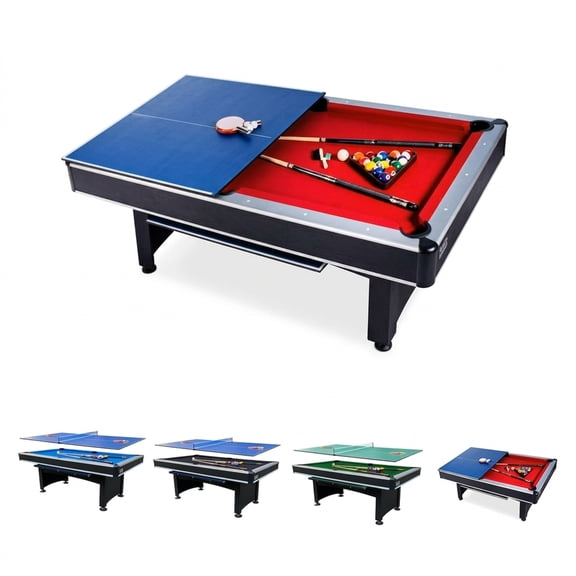
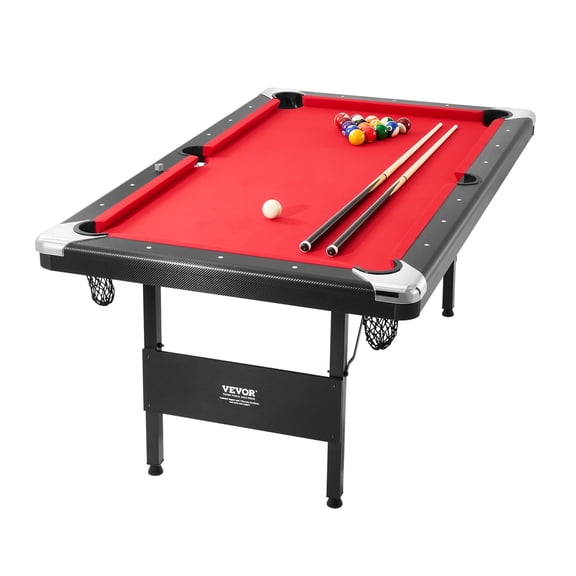
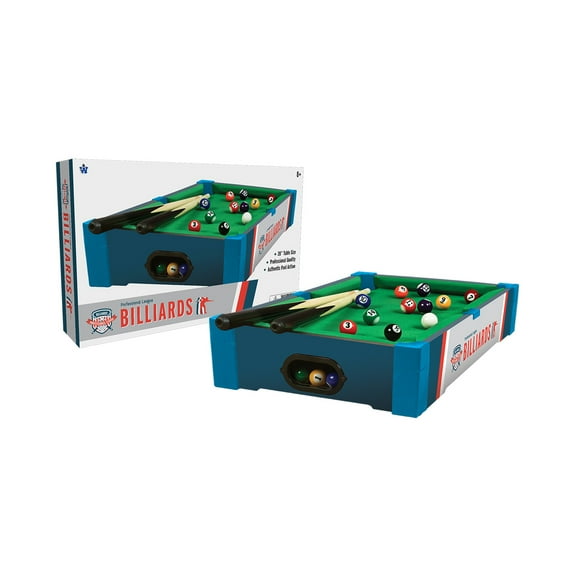
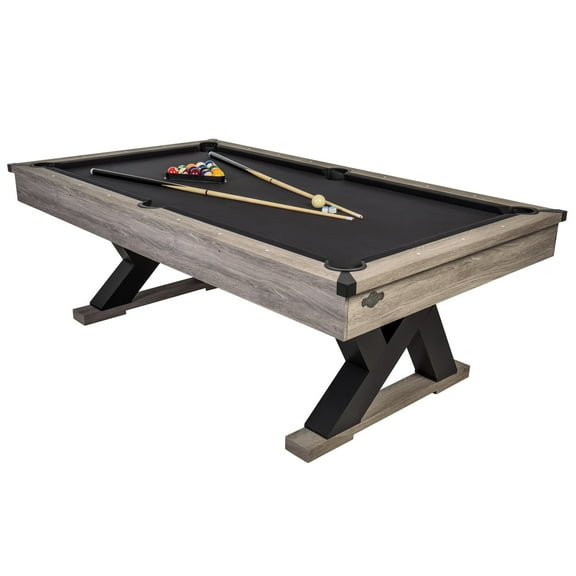


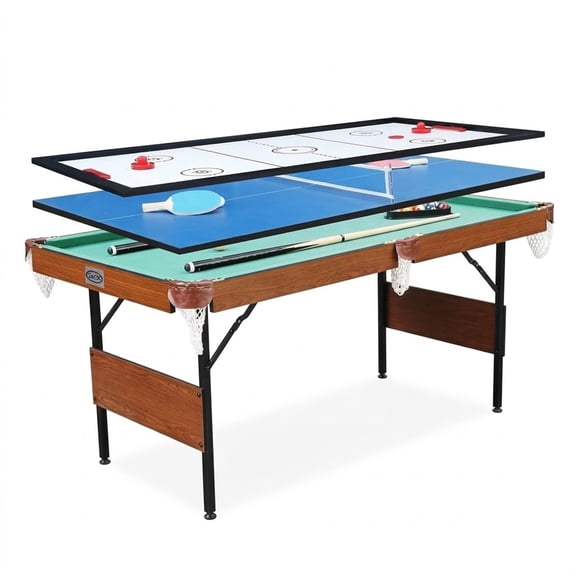

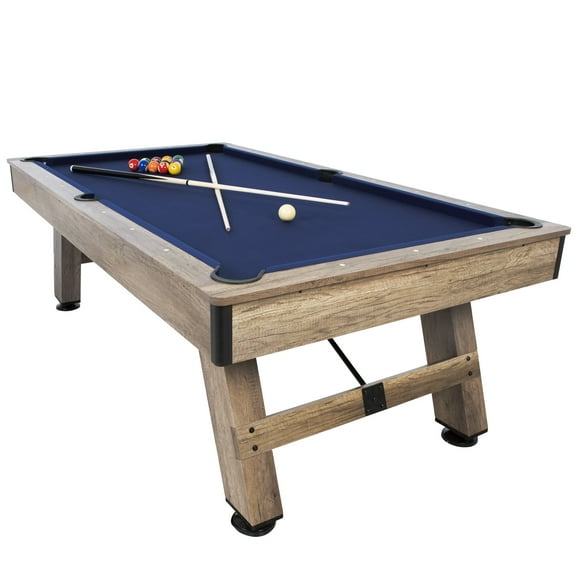
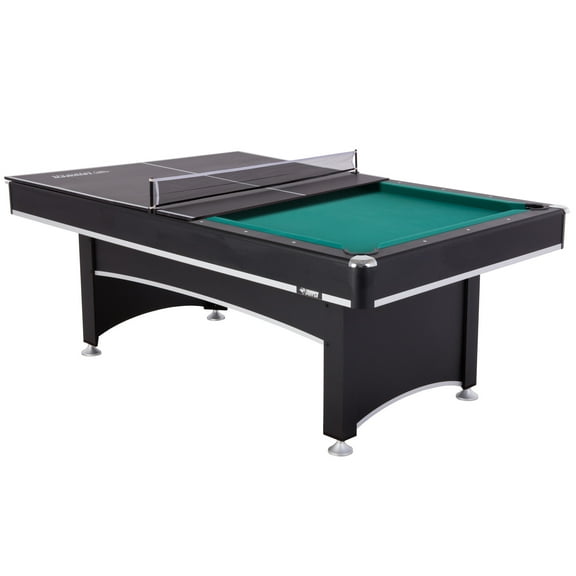
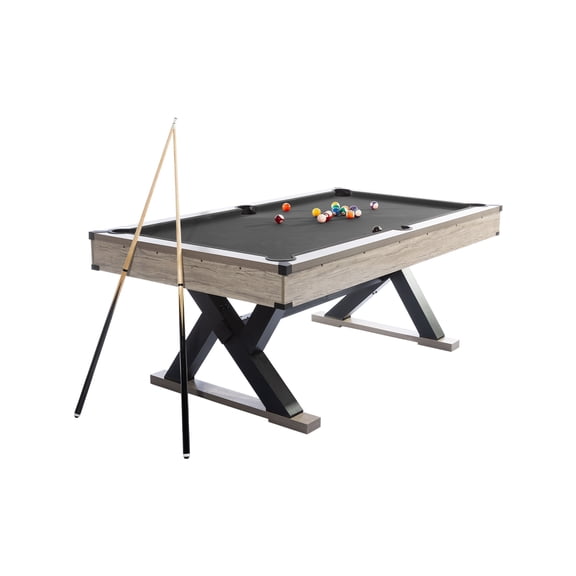







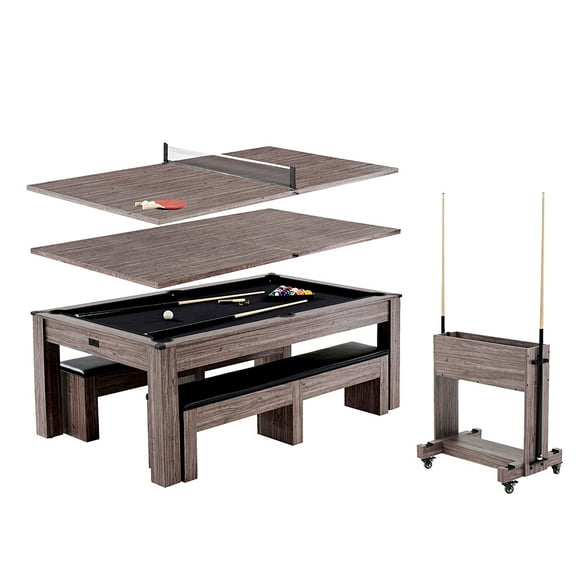
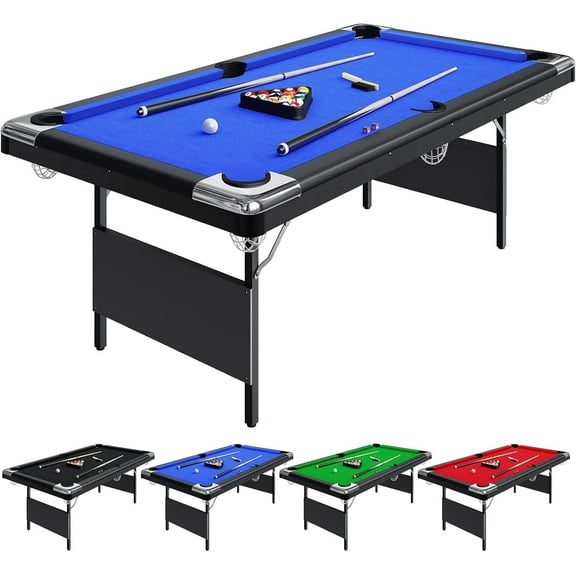
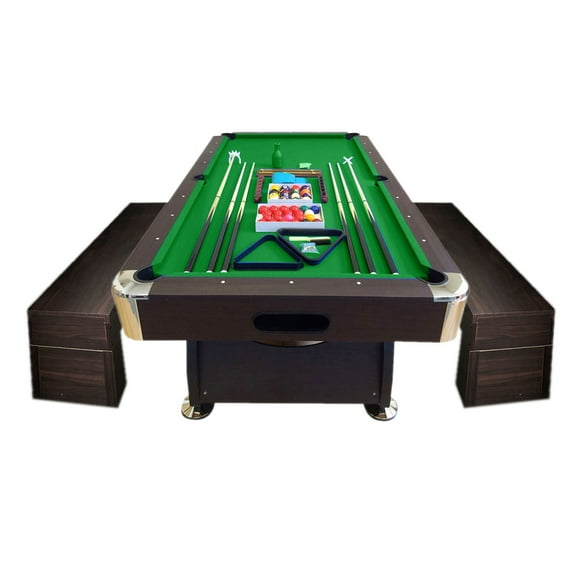


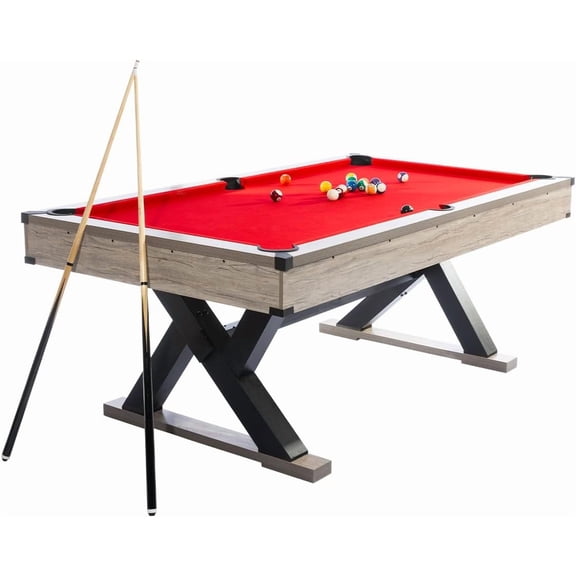







About Snooker in Game Room - Walmart.com
Snooker equipment helps you build a precise cue-sport setup. You can compare cues, tables, and ball sizes made for snooker’s larger playing surface and tighter pockets.
If you’re setting up a dedicated room or upgrading one key piece, you’ll want details that match snooker play. You can narrow choices faster when you focus on cue length, tip size, table size, and ball diameter.
How to choose snooker equipment
When you shop for snooker equipment, you should look for gear designed around smaller balls and exact shot-making. You’ll notice these details differ from standard pool gear in ways that affect control and fit.
Because you’re often playing on a larger table with narrower pockets, you may prefer equipment that supports touch and cue-ball placement. You can use that difference to compare options with more confidence.
As you sort through category options, you should focus on a few practical decisions first. You can compare room clearance dimensions, minimum room size, cue specs, and table construction.
- You can compare cue length based on your room and reach.
- You can check tip size for the contact feel you prefer.
- You can measure table space before choosing a full-size layout.
- You can match ball diameter to your table for consistent play.
Choosing the right snooker cues
When you compare snooker cues, you should start with cue length, wood type, and tip size. You’ll often see 57 inches, 58 inches, and mini cues for tighter spaces.
If you have a full table room, you may prefer a standard 57-inch or 58-inch cue for familiar reach. If your space is tighter, you can keep mini cues nearby for rail shots.
You’ll also want to compare ash wood and maple wood before you choose a cue. If you like visible grain and a traditional look, you may lean toward ash.
If you prefer a smoother appearance, you may lean toward maple for your setup. You can use wood type as a feel and style decision, not just a visual one.
Tip size matters because you’re aiming for precise contact on smaller snooker balls. You may choose 9mm or 10mm tips for classic snooker control, while 11mm can feel fuller.
Choosing snooker tables for your room
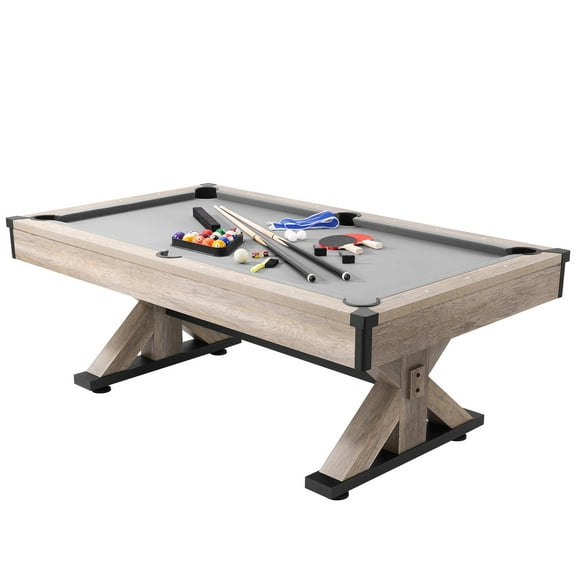
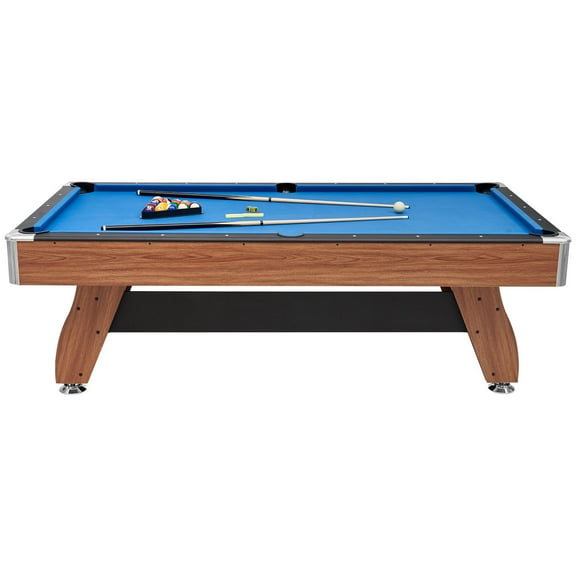
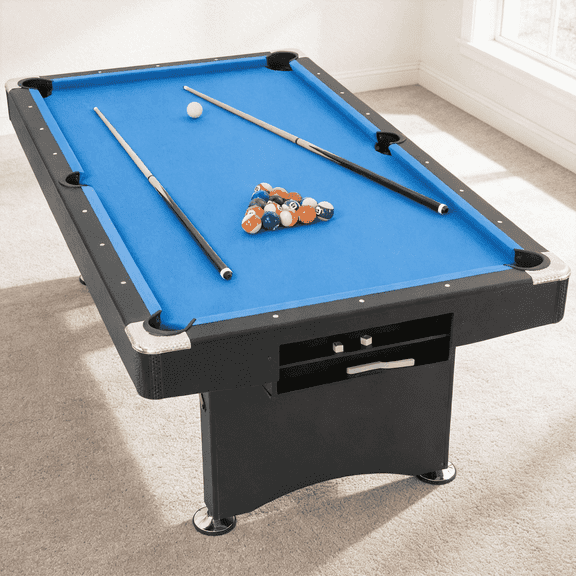
When you compare snooker tables, you should measure your room before you choose table size. You’ll need space for the table and full cue movement on every side.
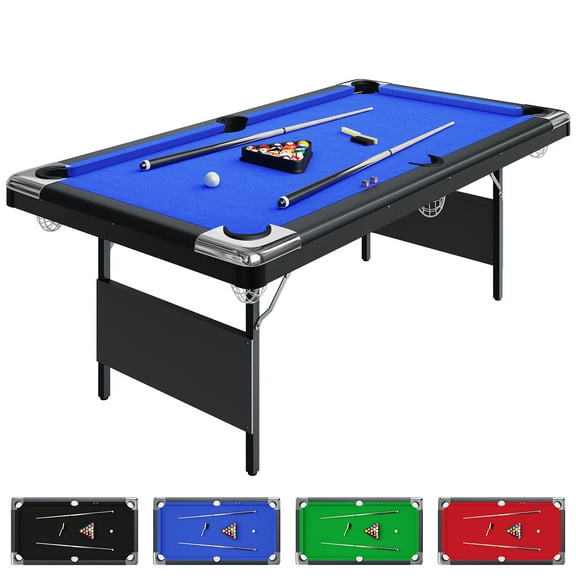
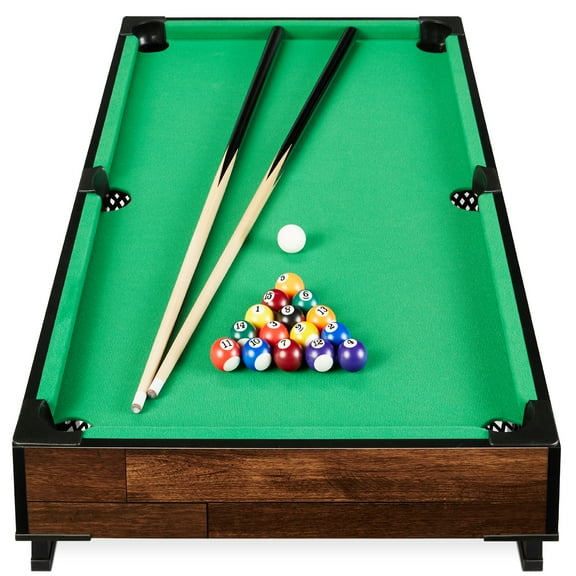
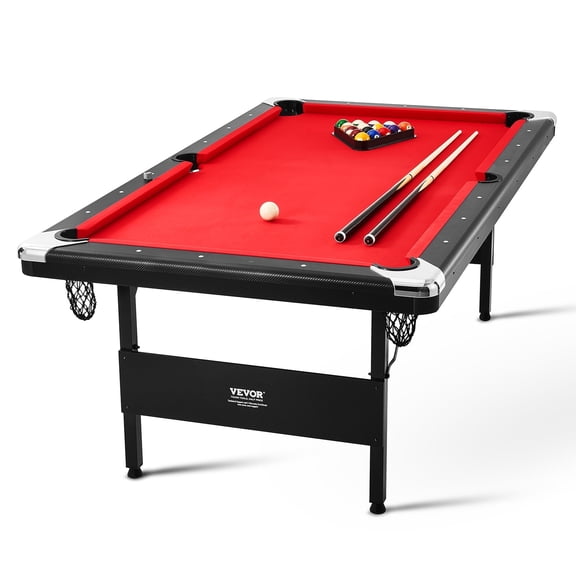
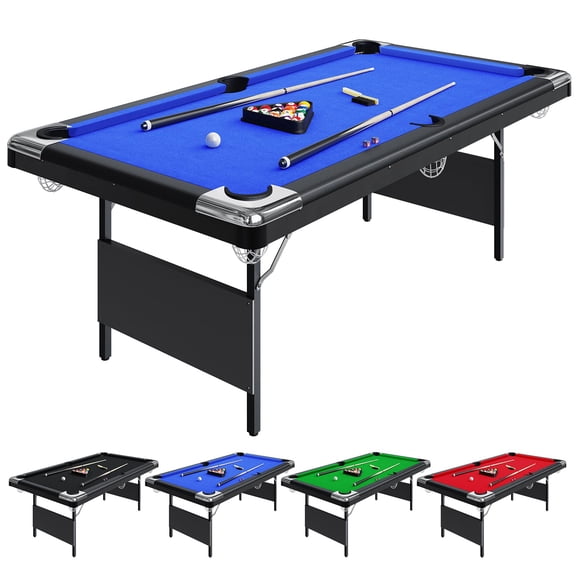
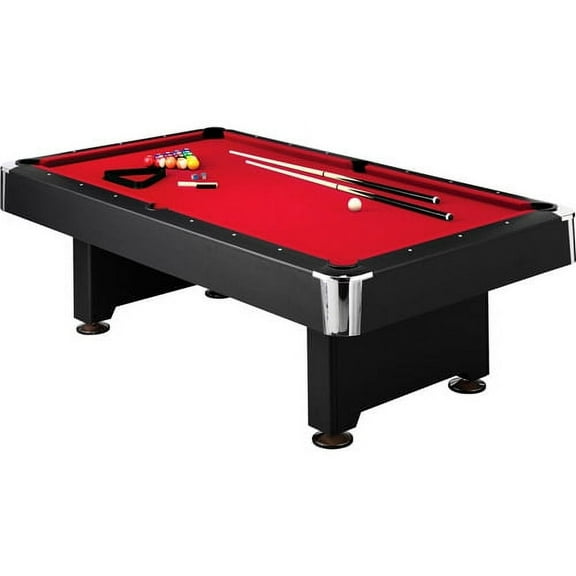
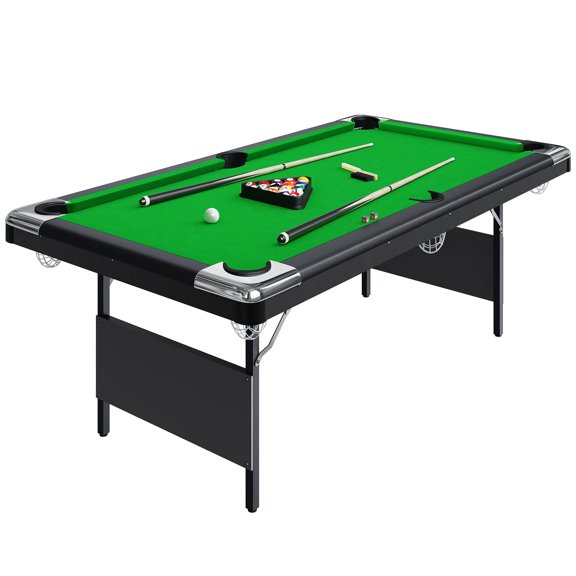
If you want a traditional setup, you may look at 12ft full size tables first. If your room is smaller, you can consider 10ft, 8ft, or portable options.
Room clearance dimensions matter because you need space to draw back your cue comfortably. You can avoid a cramped layout by checking minimum room size before you choose.
You should also compare slate and MDF-style construction in simple terms. If you want steadier roll and a heavier table feel, you may prefer slate.
If you need easier placement or more flexibility, you can consider lighter builds for shared spaces. You can also compare snooker table felt when surface speed and visual contrast matter.
Matching your snooker ball set to your table
When you choose a snooker ball set, you need to check ball diameter before anything else. You’ll often see 2 1/16 inch balls for snooker and 2 1/4 inch balls for standard pool.
That size difference matters because snooker tables and pocket openings are designed around smaller balls. You can keep play consistent by matching your ball set to your table type.
If you already own a table, you should confirm what ball size your table uses. If you’re buying a new setup, you can pair table and ball dimensions from the start.
Comparing materials in snooker accessories
When you review snooker accessories, you should look at materials that shape feel and upkeep. You may see ash wood and maple wood in cues, slate in table beds, and wool felt on table surfaces.
Those materials affect how your setup plays and how it fits your space. You can use them as practical decision points instead of guessing from appearance alone.
You may also want cue sport accessories that support regular table use and cue care. You can look for items that help you maintain tip condition, table surface readiness, and organized storage.
Using snooker equipment for different play setups
If you’re building a dedicated game room, you may center your setup on a 12ft full size table. You’ll likely pair it with standard cues and a matching snooker ball set.
If you’re fitting snooker into a shared rec room, you can consider a 10ft or 8ft table. You can also keep mini cues nearby when wall clearance is tight.
If you’re updating individual pieces, you can start with snooker cues or snooker accessories first. You’ll have a simpler path when you already know your room and table specs.
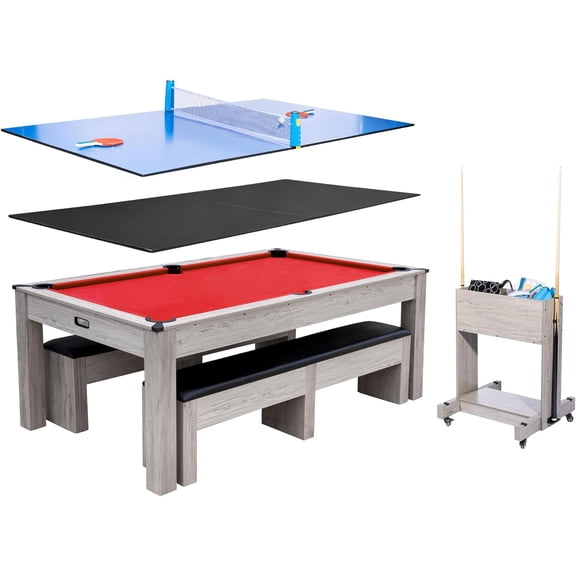
For multi-use spaces, you should compare portable tables and lighter builds with your floor plan. You can create a flexible setup when you need easier movement or temporary placement.
As you narrow your options, you can match cue length, tip size, table size, and ball diameter together. You can build a snooker setup that feels consistent each time you line up a shot.
With the right snooker equipment, you can create a setup that reflects how snooker is actually played. You can make confident choices when your cue, table, felt, and ball size work together.