

Granola Bars, Snack Bars & Energy Bars



























FAQ
About Granola Bars, Snack Bars & Energy Bars - Walmart.com
When you compare granola bar cost, you want snack bars that fit your routine, taste preferences, and pack size needs. You’ll find granola bars and snacks in single bars, variety packs, and bulk options that support quick pantry planning.
If you’re weighing snack bar granola choices, you’ll want clear differences between bar types, dietary profiles, and textures. You can use this guide to compare options that make sense for families, workplaces, travel bags, and daily breaks.
Understanding granola bar cost and value
When you think about how much does a granola bar cost, you’re often comparing bar count, ingredients, and convenience. You’ll usually notice that value packs and bulk packs give you more bars for steady weekly use.
If granola bars cost matters to your budget, you can compare single bars for grab-and-go needs versus larger boxes for repeat snacking. You’ll also want to check whether mixed flavors help your household avoid flavor fatigue.
As you compare granola bars cost and value for money, you should look at how often you pack lunches, commute, or refill office drawers. You can match the pack size to your schedule, so your pantry stays ready.
- You can pick single bars when you want easy portion planning for errands, commutes, or gym bags.
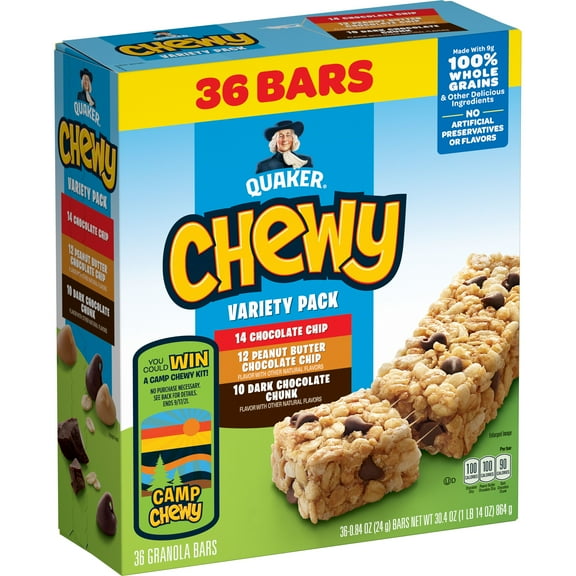
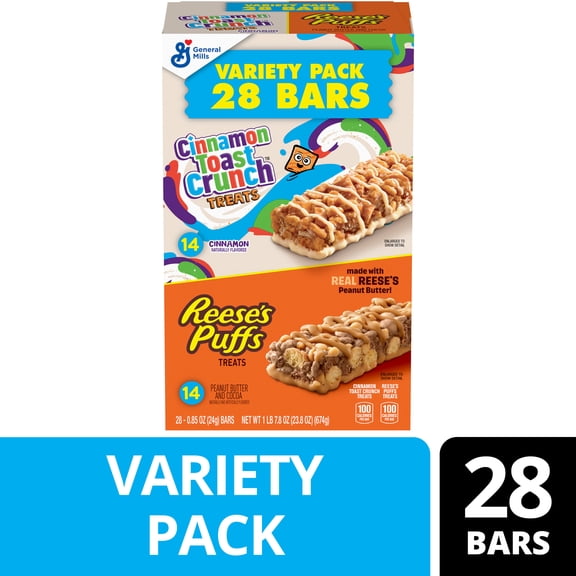
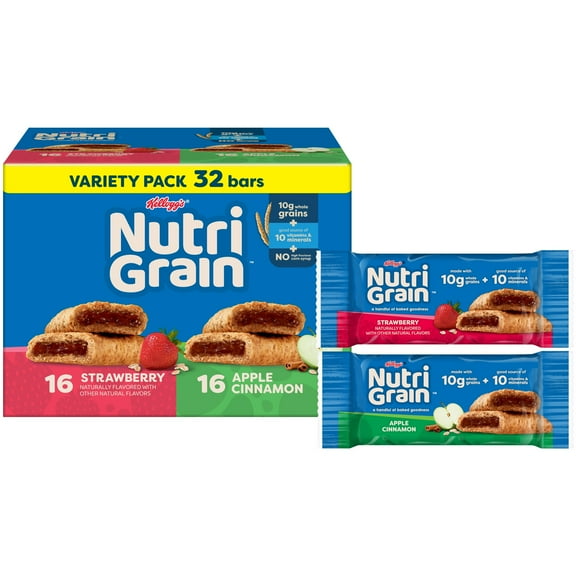
- You can choose variety packs when your household likes different flavors and textures during the week.
- You can select bulk packs when you stock break rooms, team events, or busy family kitchens.
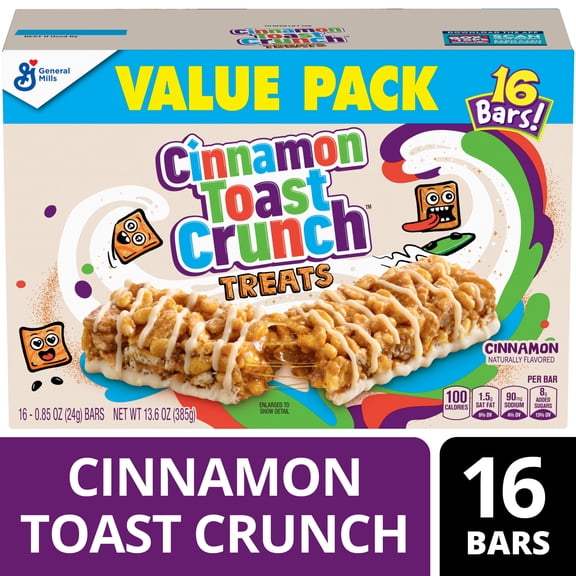
- You can compare value packs when you want steady everyday snacks without frequent reordering.
Choosing the right bar type
When you compare bar type, you should start with how you snack during the day. You’ll usually see granola, protein, nutrition, and fruit and nut bars serving different routines.
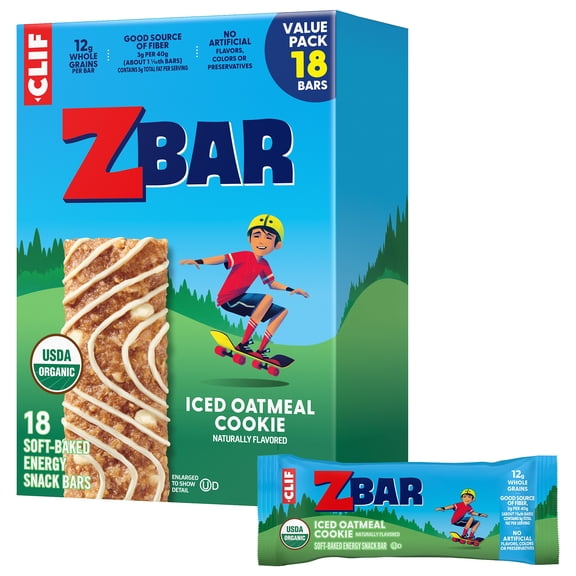
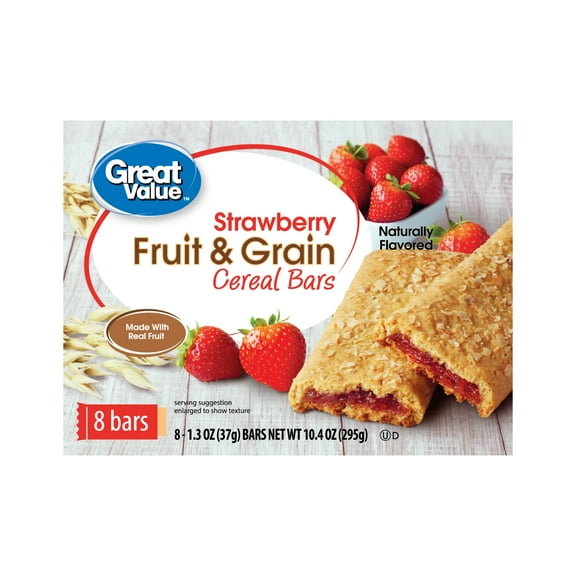
If you like a classic oat-forward bite, you may prefer granola bars with crunchy or chewy textures. You can use them for lunchboxes, desk drawers, or quick breaks between meetings.
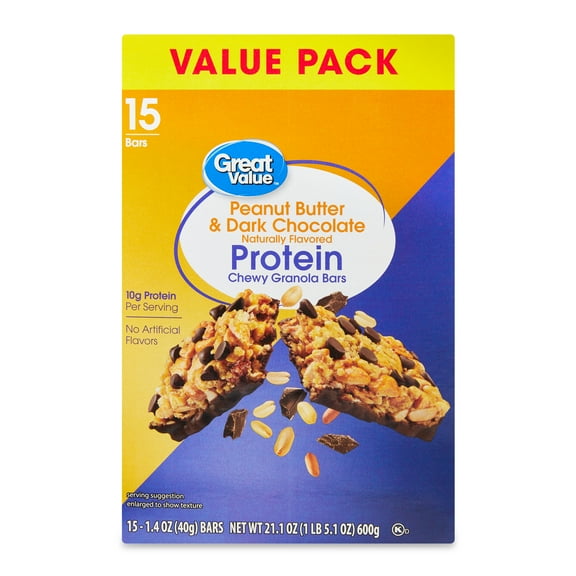
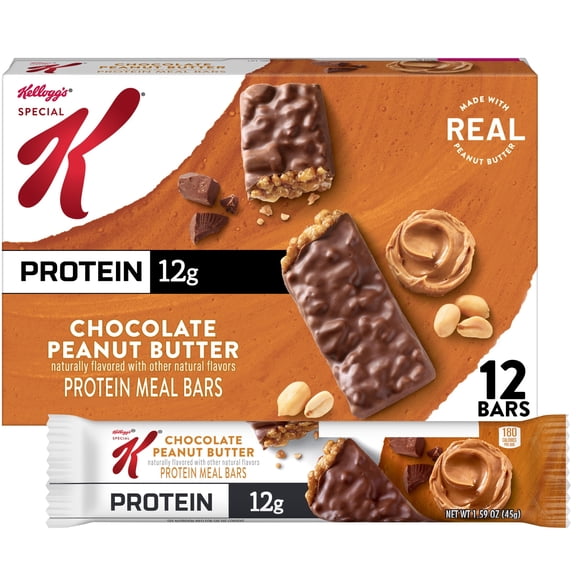
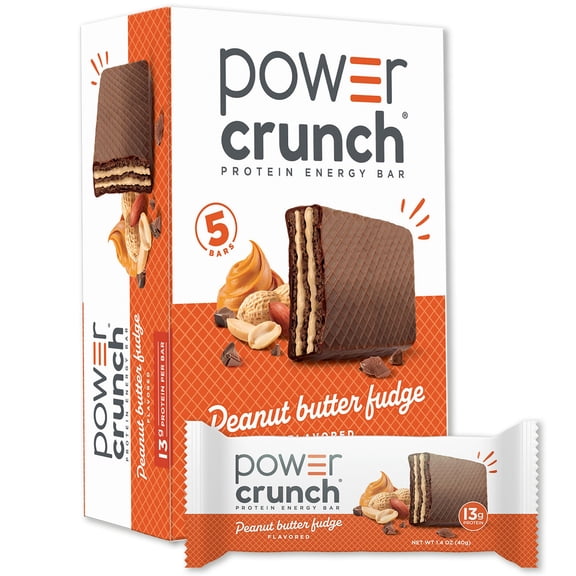
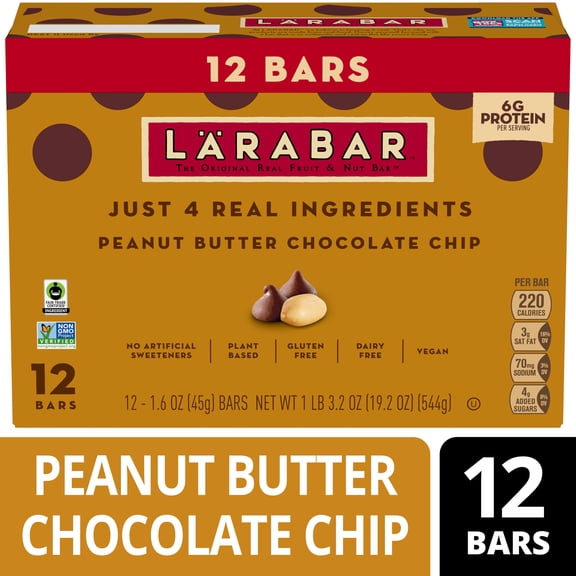
When you want a more filling option, you may compare protein bars by protein grams and sugar content. You’ll find that this technical detail helps you match a bar to workouts or longer afternoons.
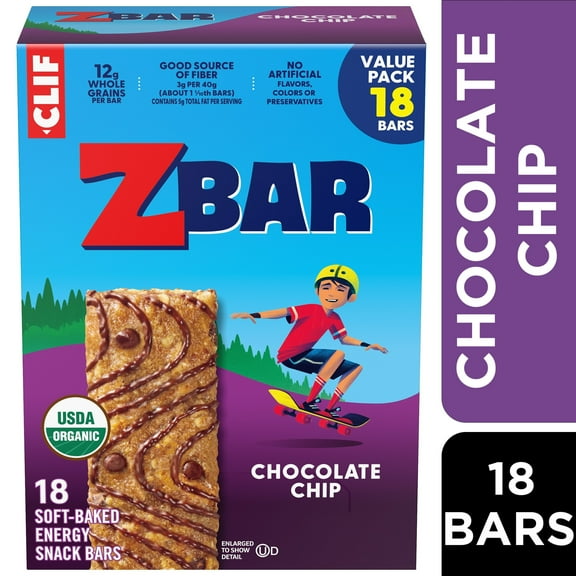
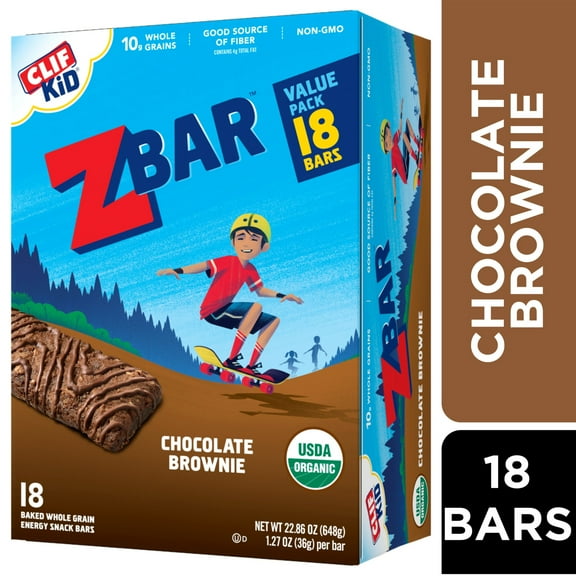
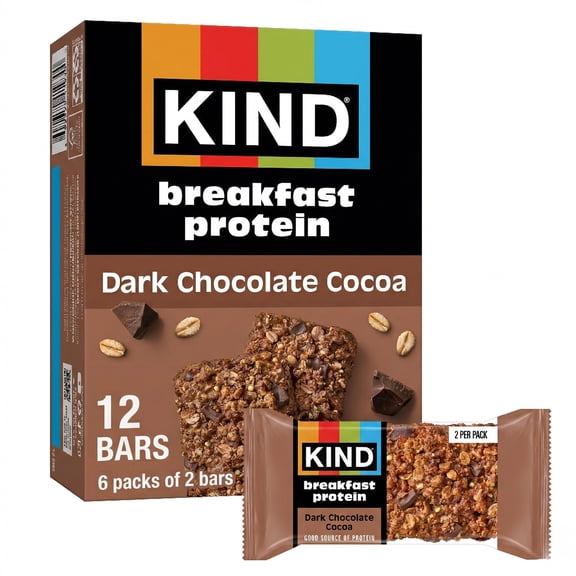
If you’re choosing nutrition bars, you should check fiber, whole grain oats, and ingredient labels. You can use those details to compare formats that feel balanced for your daily schedule.
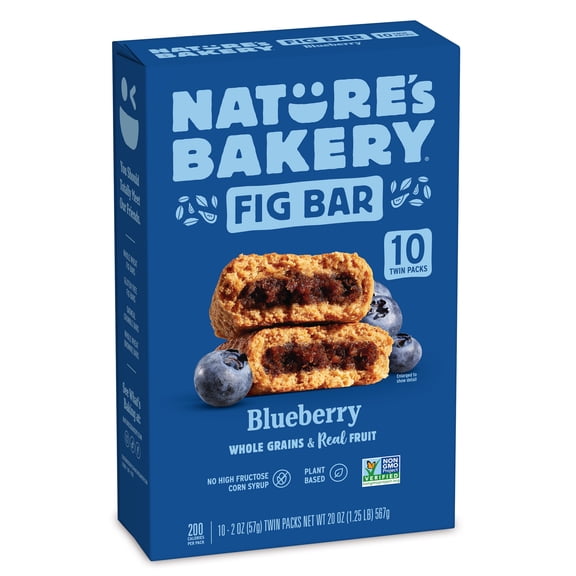
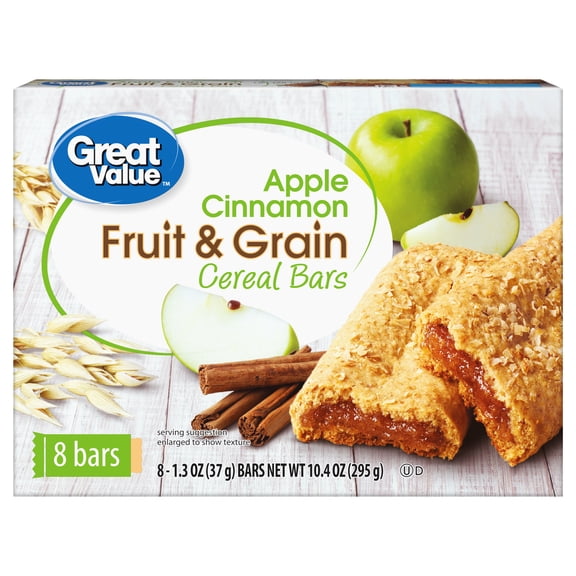
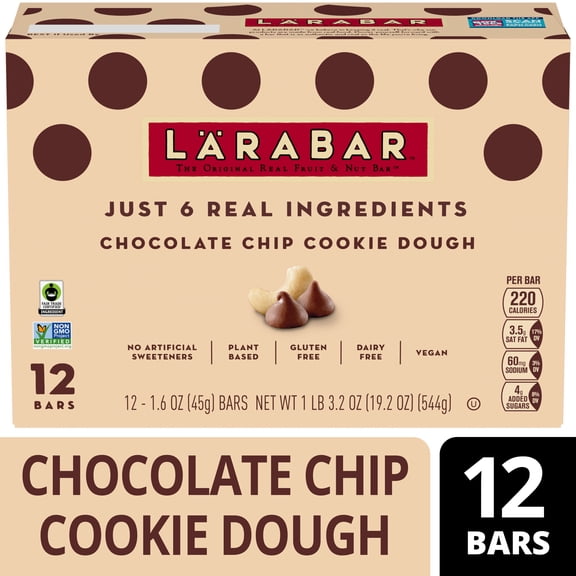
When you want fruit and nut bars, you may look for real fruit and nut blends with a chewy bite. You’ll often choose these when you want snack bars with simple, familiar ingredients.
Comparing dietary profile and ingredients
As you narrow variety flavor healthy snack bars, you should compare dietary profiles in plain language. You can look for healthy, low sugar, gluten-free, and organic options that fit your household preferences.
If sugar content matters to you, you should read the nutrition panel before choosing a flavor. You’ll want to compare grams of sugar alongside fiber or protein for a fuller picture.
When whole grain oats or real fruit matter to your routine, you can scan the ingredient list first. You’ll often feel more confident when the ingredient panel is easy to understand.
If you avoid certain ingredients, you should check whether labels mention gluten-free certification or a peanut-free facility. You can use these technical details to compare bars for your pantry needs.
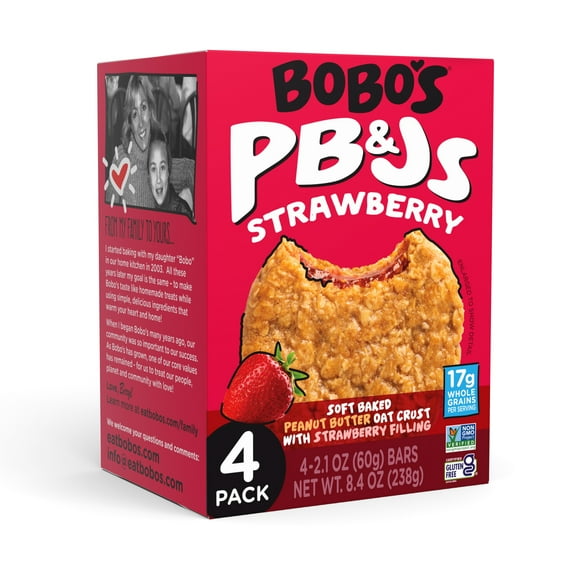
When you want a softer bite, you may prefer chewy bars with fruit layers or nut pieces. If you like a crisp texture, you may choose crunchy oat bars instead.
How to choose granola bars for adults 55+
If you’re shopping granola bars for adults 55+, you may want easy-to-enjoy textures and straightforward nutrition details. You can compare chewy bars, softer fruit and nut bars, or lighter crunchy options based on preference.
When you review labels, you should check protein grams, sugar content, and fiber in a simple side-by-side way. You’ll find that these details help you choose bars that fit breakfast add-ons or afternoon snacks.
If you’re buying for a shared household, you can mix bars for adults, kids, and athletes in one order. You’ll often prefer variety packs when different ages want different flavors and textures.
When convenience matters, you can keep single bars in a purse, car console, or work bag. You’ll also appreciate bulk boxes when you restock a pantry without frequent replacement.
Matching pack size to everyday use
If you want new granola bars without committing to a large box, you can start with smaller packs. You’ll get an easy way to test flavor, texture, and ingredient preferences first.
When you’re planning school lunches or office snacks, you should compare bar count and flavor assortment together. You can avoid waste when the pack size matches how quickly your household snacks.
If you host meetings, road trips, or team practices, you may want larger counts of granola bars and snacks. You’ll keep quick options on hand for busy stretches of the week.
As you compare granola bar cost across formats, you should think beyond the shelf and into your routine. You’ll make a smarter choice when bar type, dietary profile, target user, and pack size all line up.
When you choose snack bars with clear ingredients, practical pack sizes, and familiar textures, you can plan snacks with less guesswork. You’ll leave with options that fit your day and keep your pantry organized.