

Similac







FAQ
About Similac - Walmart.com
Similac Classic helps you compare infant formula choices by stage, format, and ingredients before you pick the right fit for your baby. You'll get practical guidance here, so you can sort through powder, liquid, and specialized options with less guesswork.
If you're comparing daily feeding routines, you may want clear explanations that match your baby's age and schedule. You can also use this guide to understand label callouts like HMO, DHA, and lutein in simple terms.
How to choose Similac Classic by formula stage
You should start with formula stage, because your baby's age helps guide which option fits current feeding needs. You can compare Stage 1 for 0-12 months, Stage 2 for 6-12 months, and toddler options for 12+ months.
When you check stage labels, you can narrow choices quickly and avoid sorting through products that don't match your baby's routine. You may also notice stage guidance helps you plan for changing feeding patterns as your child grows.
If you're building a registry or restocking for daily use, you can use stage filters to keep shopping simple. You'll get a clearer path when you match age guidance with your preferred preparation format.
Choosing for dietary needs and feeding comfort
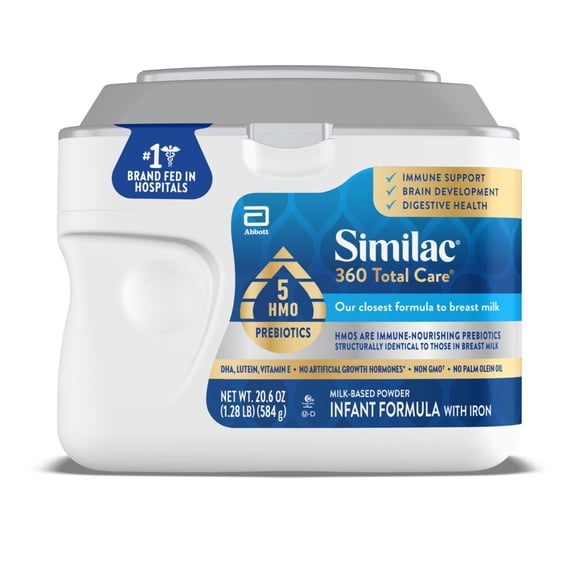
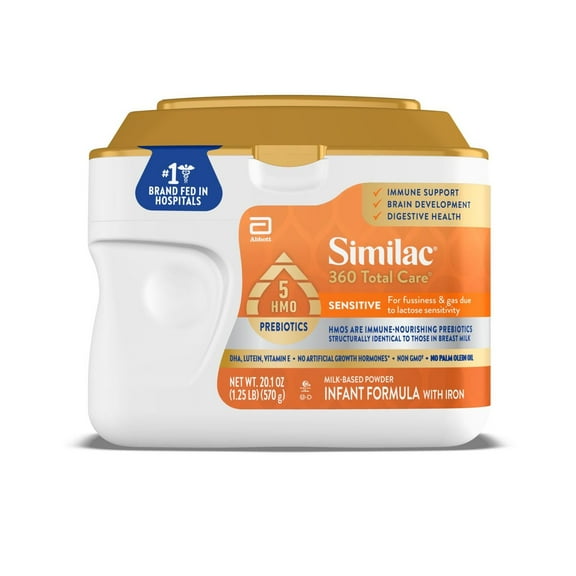
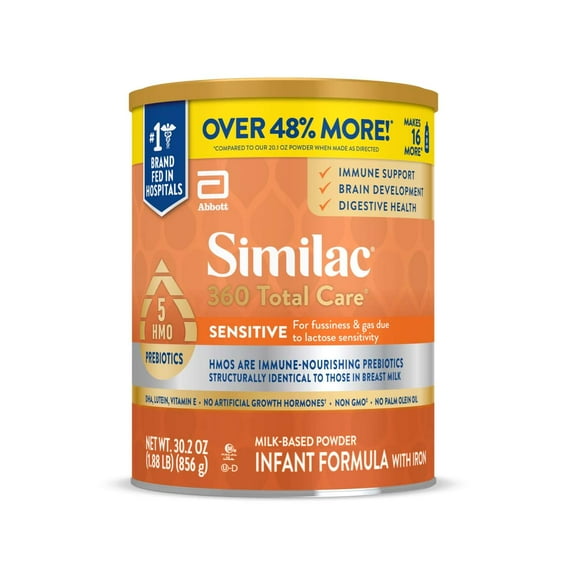
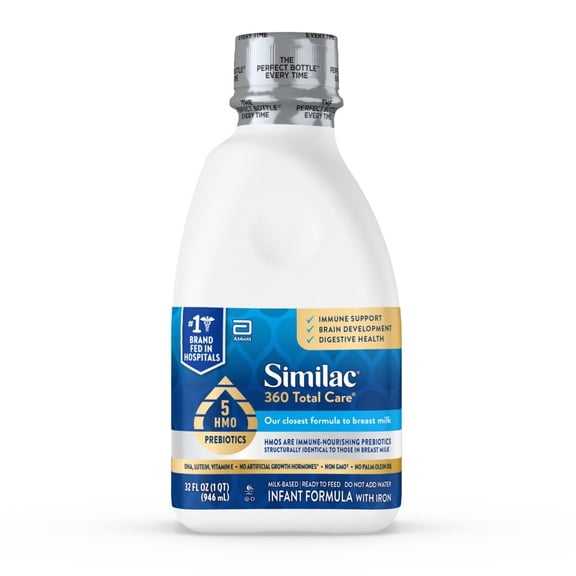
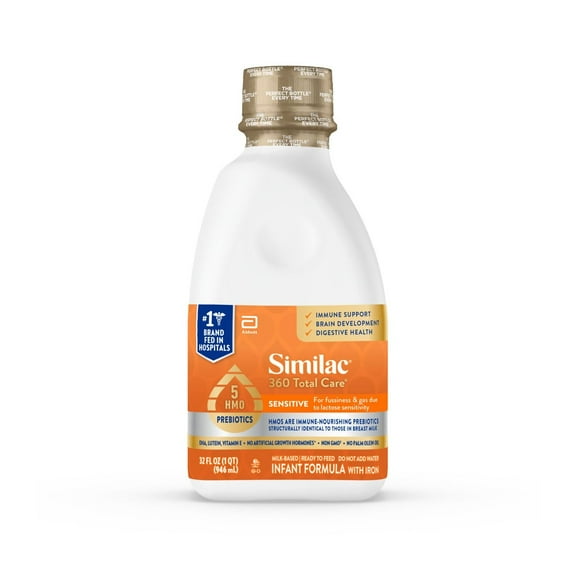
You may compare standard formulas with options labeled Sensitive, Total Care, Organic, Soy, or Spit-Up. You can use these categories to focus on feeding preferences, ingredient choices, and everyday routine needs.
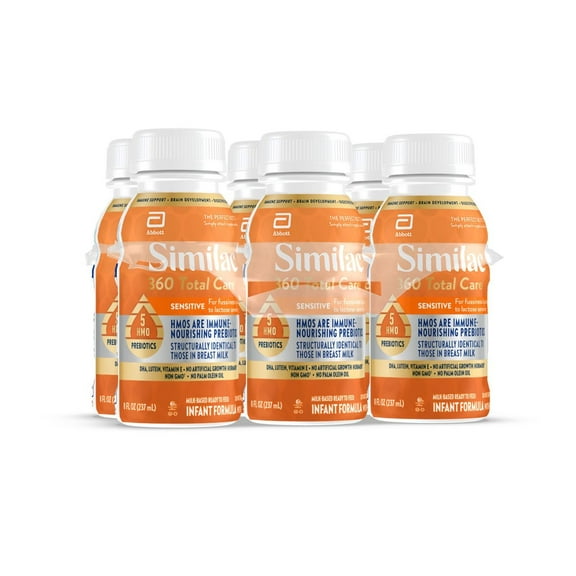
If your baby has fussiness during feedings, you may look closely at sensitive options and ingredient labels. You can also compare soy and spit-up varieties when you want a more tailored formula type.
Because your feeding needs can vary, you should read labels and product details before choosing a container size or format. You'll make a more confident pick when you compare tolerance needs with stage guidance.
- You can narrow options by age stage before you compare specialized varieties.
- You can compare Sensitive, Soy, Organic, Spit-Up, and Total Care labels side by side.
- You can pick a format that matches quick feedings, travel, or batch prep.
- You can review ingredient callouts like HMO, DHA, lutein, and non-GMO details.
What to look for in formula format and preparation
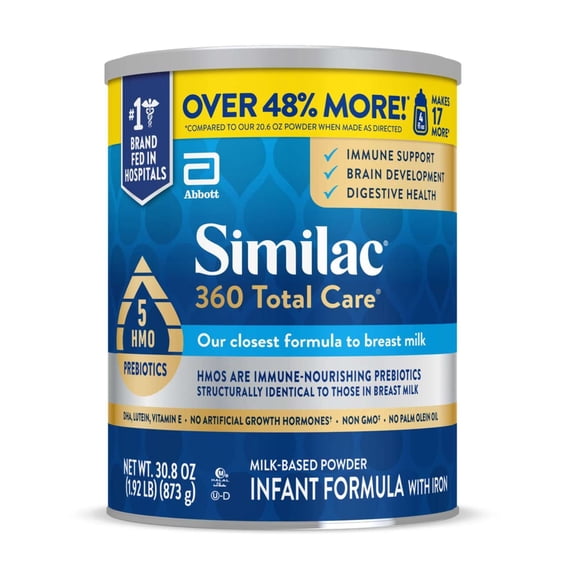
You should compare powder, ready-to-feed liquid, and liquid concentrate based on how you prep bottles each day. You'll usually choose powder for routine measuring, while ready-to-feed works well when you want fewer prep steps.
If you're packing a diaper bag or planning overnight feedings, you may prefer ready-to-feed liquid for added convenience. You can keep powder on hand when you want flexible portions for regular home use.
Liquid concentrate can also suit your routine if you want a middle ground between dry powder and fully prepared liquid. You'll want to check mixing directions, container size, and storage guidance before you decide.
When you compare formats, you should think about bottle prep time, travel needs, and pantry space. You can often simplify daily feeding when your formula format matches your schedule.
Comparing key ingredients in Similac Classic
You may notice ingredient callouts like HMO, DHA, lutein, and non-GMO across the category. You can use these details to compare formulas in a more informed way when labels look similar.
HMOs are often a key label point, so you should check whether that ingredient appears in the formula you're considering. DHA and lutein also matter to many parents when you want a clear way to compare nutrition details.
If you're scanning product pages quickly, you can use ingredient highlights to separate one formula line from another. You'll make quick comparisons when you pair those highlights with stage and dietary filters.
Using Similac Classic for real feeding routines
If you're feeding a newborn, you may start with Stage 1 and then compare powder or ready-to-feed based on your schedule. You can keep your choice focused by checking age range, container size, and ingredient highlights together.
For daycare drop-offs or travel days, you may want ready-to-feed liquid that reduces mixing steps. You can also keep powder at home for regular bottle prep when you want a familiar routine.
If you're transitioning an older baby, you can compare Stage 2 options with your baby's current feeding pattern. You'll also want to review dietary labels if you're considering Sensitive or Spit-Up varieties during that transition.
When you're planning ahead for a growing child, you may compare toddler formulas after the 12-month mark. You can keep the transition organized by matching age stage with the same preferred format.
Frequently asked questions about Similac Classic
If you're wondering how much is Similac, you can review current product listings and package sizes directly on Walmart.com. You'll see options across stages, formats, and formula types, which helps you compare what fits your routine.
You may also notice that container size affects how you compare daily use and restocking needs. You can make clearer choices when you look at stage, formula type, and preparation style together.
When you want less trial and error, you should start with your baby's age, feeding tolerance, and prep preference. You'll feel more confident choosing Similac Classic when those decision points line up with your daily routine.