


Shipping Boxes in Shipping Supplies


















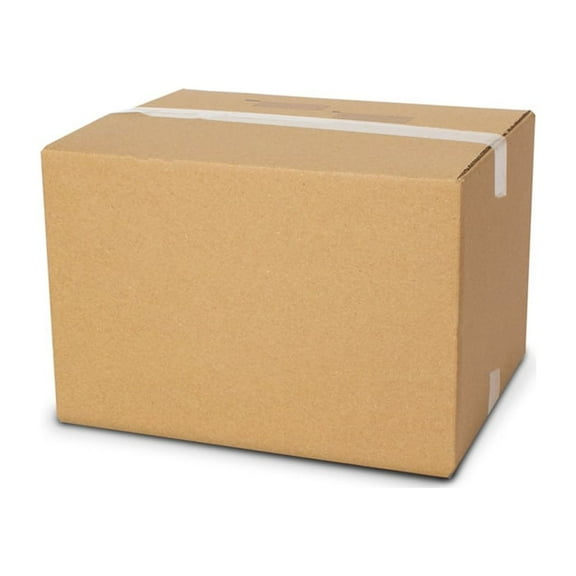
About Shipping Boxes in Shipping Supplies - Walmart.com
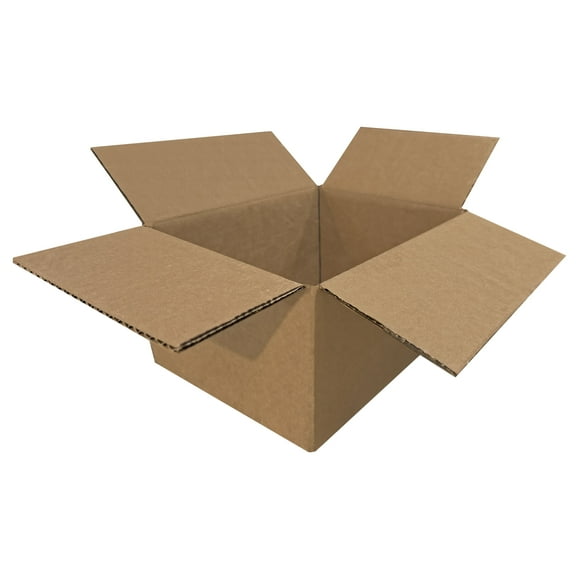
You can choose shipping boxes that match your item size, packing materials, and carrier needs. You’ll find size, strength, and format options that help your shipments stay organized from packing table to drop-off.
When you compare dimensions, board strength, pack quantity, and box style, you can narrow choices quickly. You’ll also avoid extra void fill, crushed corners, and awkward packing during busy shipping routines.
How to choose shipping boxes for your items
You should start with your item’s dimensions before you pick a carton. You’ll want to compare inner dimensions with your product size, because inner space is a key factor.
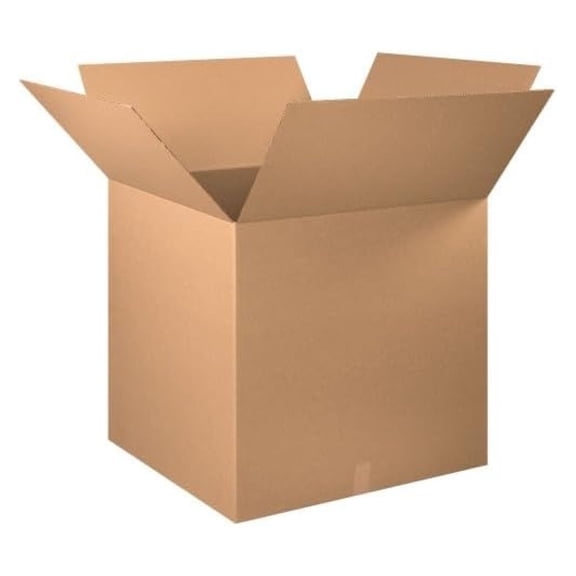
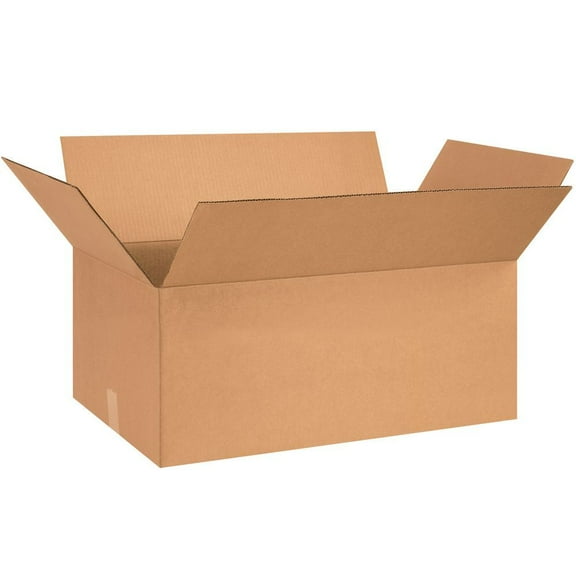
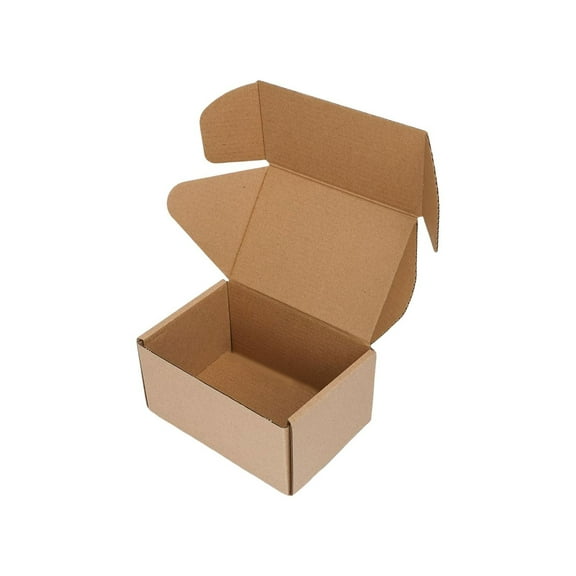
If you’re packing mugs, cosmetics, or small parts, you may prefer small shipping boxes with minimal empty room. If you’re sending décor, appliances, or multi-item orders, you may need large shipping boxes instead.
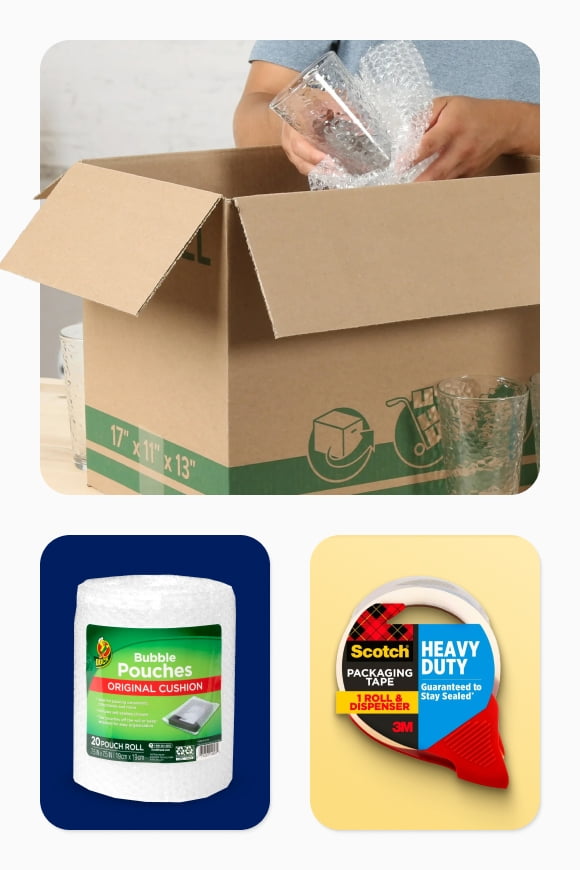
You should also think about how much cushioning you’ll add around each item. You’ll need extra room for bubble wrap, kraft paper, or air pillows when you want a snug fit.
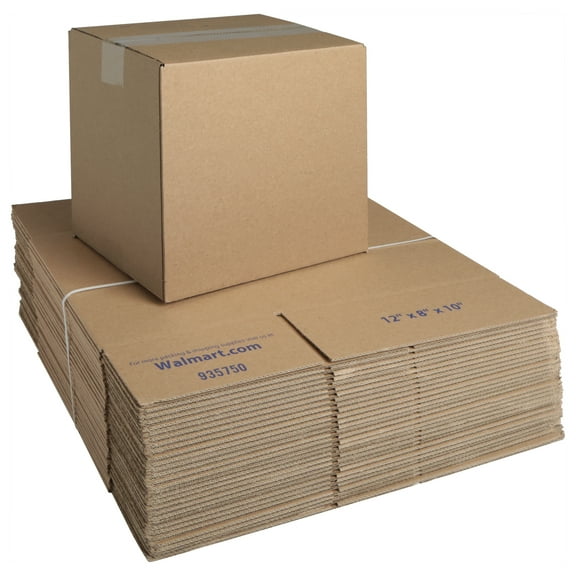
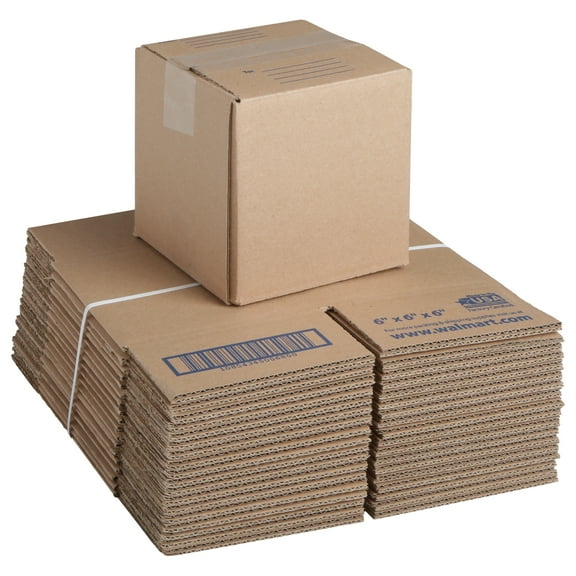
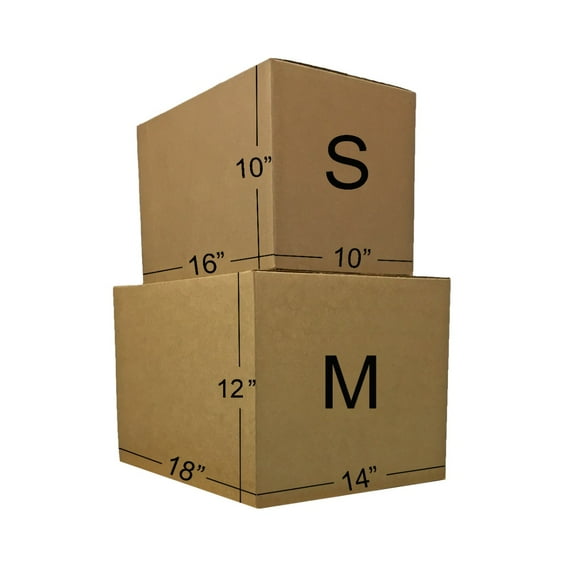
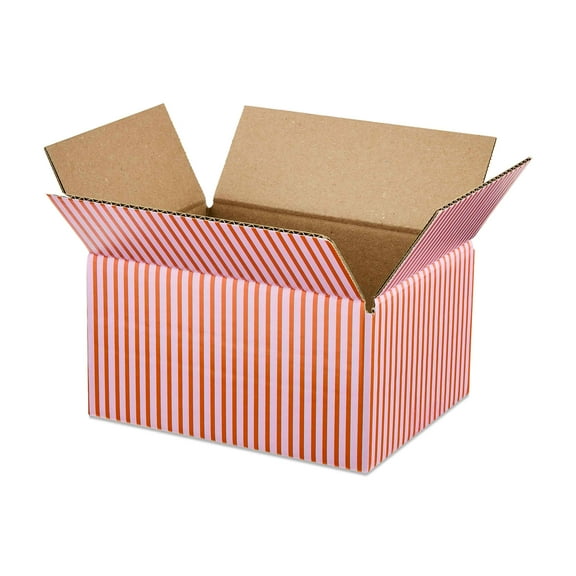
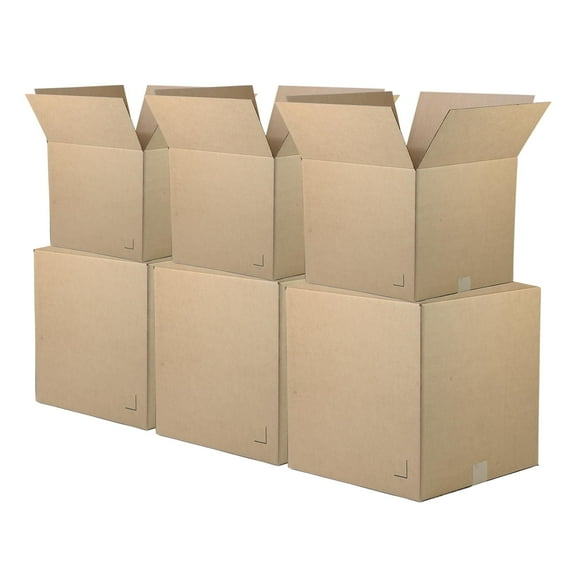
- You can choose small, medium, large, or extra large boxes based on your item dimensions.
- You can compare single-wall and double-wall heavy duty construction based on your shipment weight.
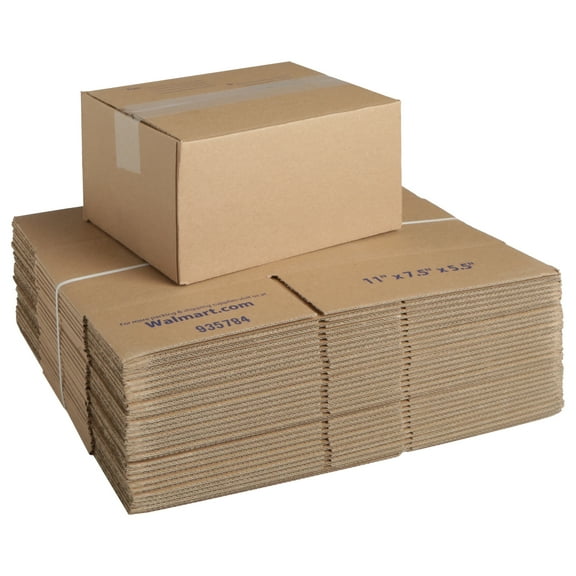
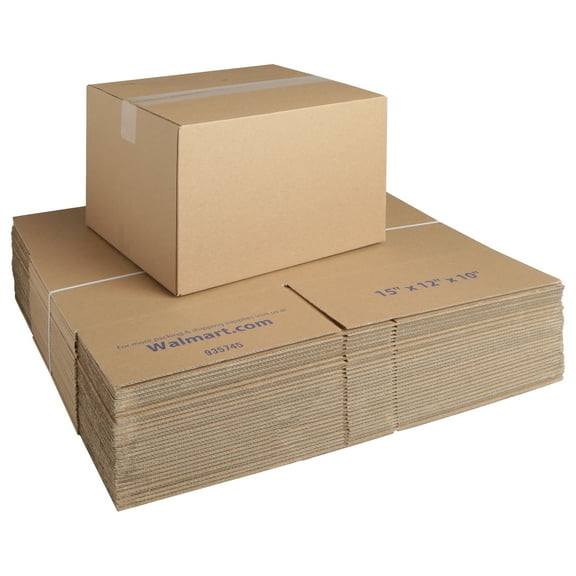
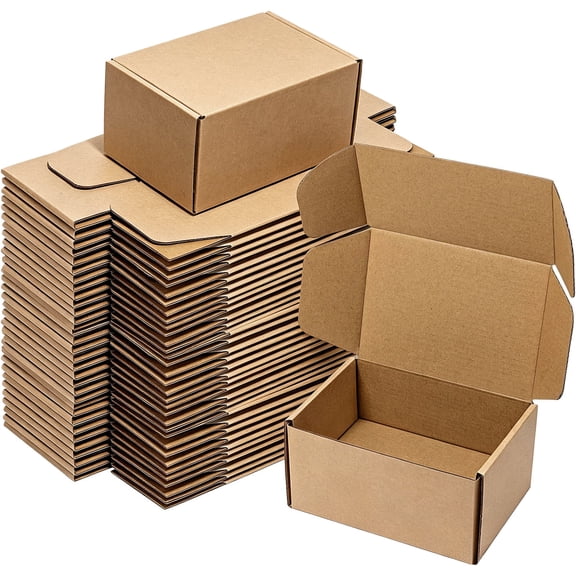
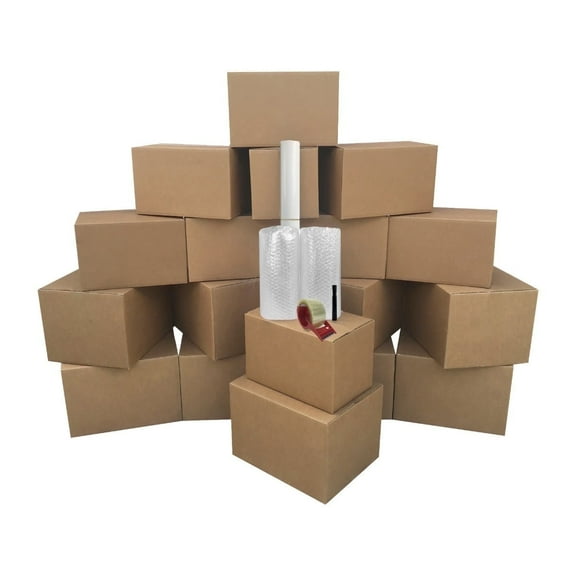
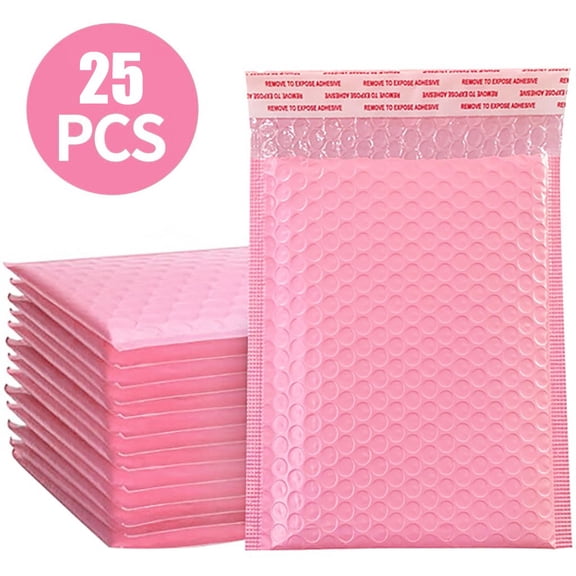
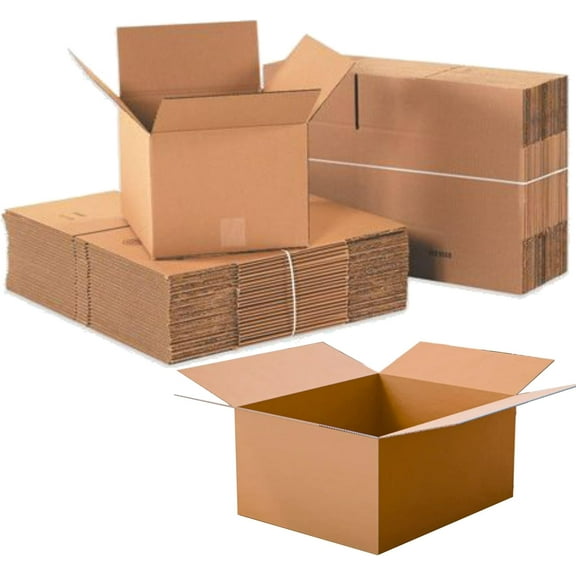
- You can select single boxes, 10-pack sets, 25-pack bundles, or large volume quantities.
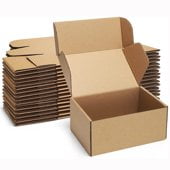
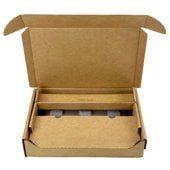
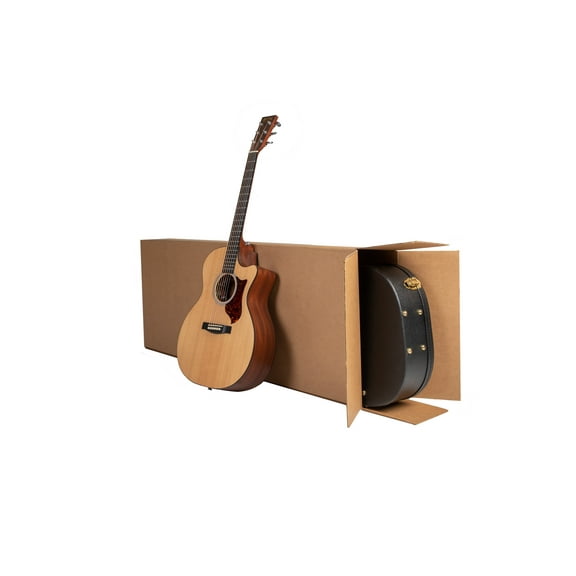
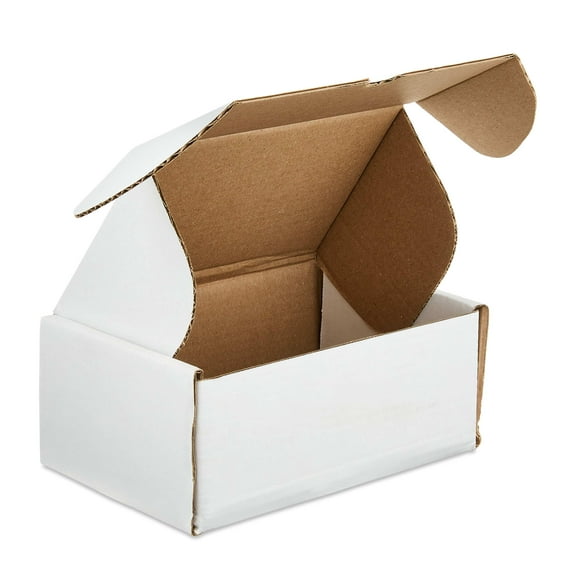
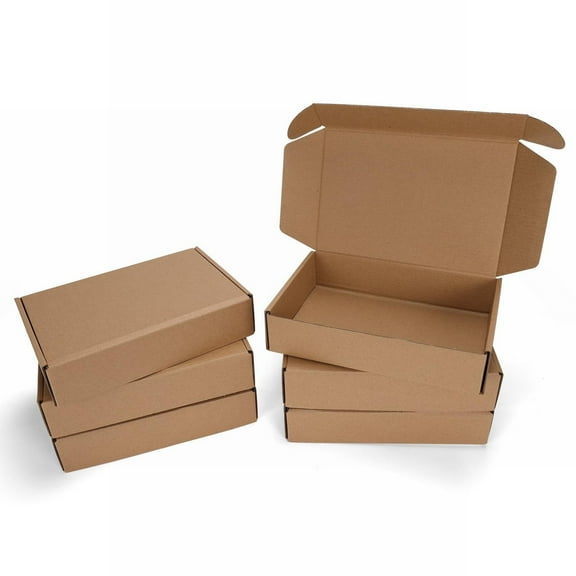
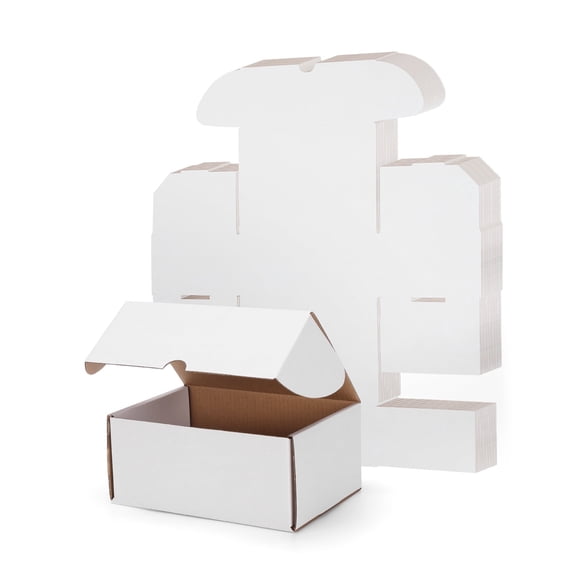
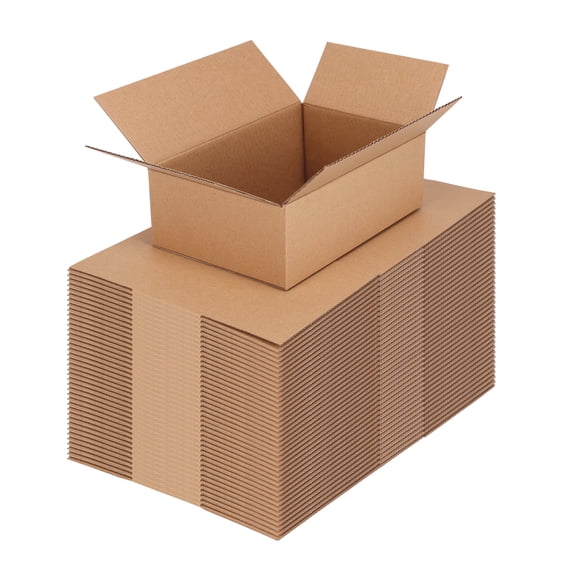
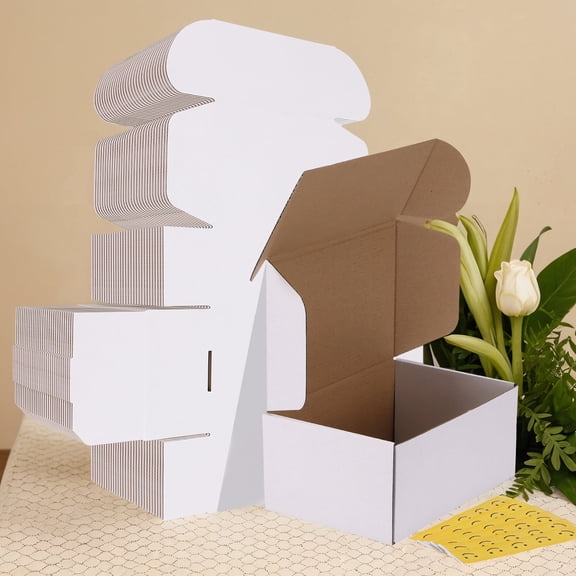
- You can pick standard shipping boxes, flat mailing boxes, or easy-fold mailers for different packing setups.
Choosing between cardboard shipping boxes and heavy duty styles
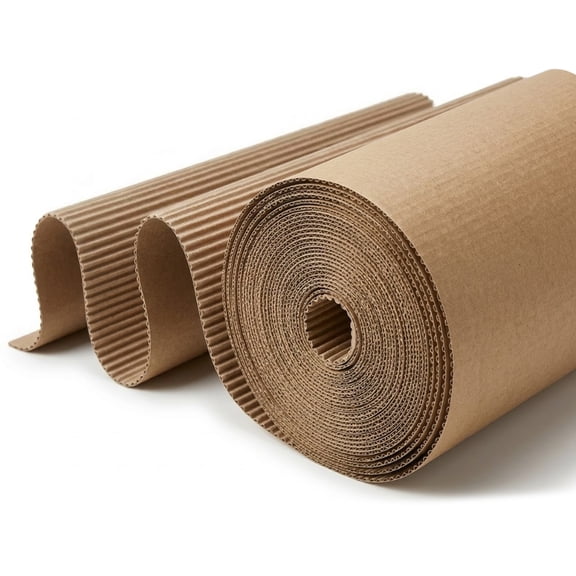
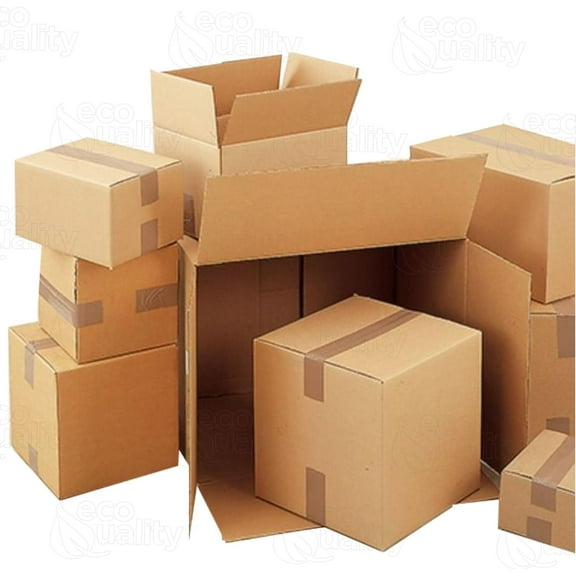
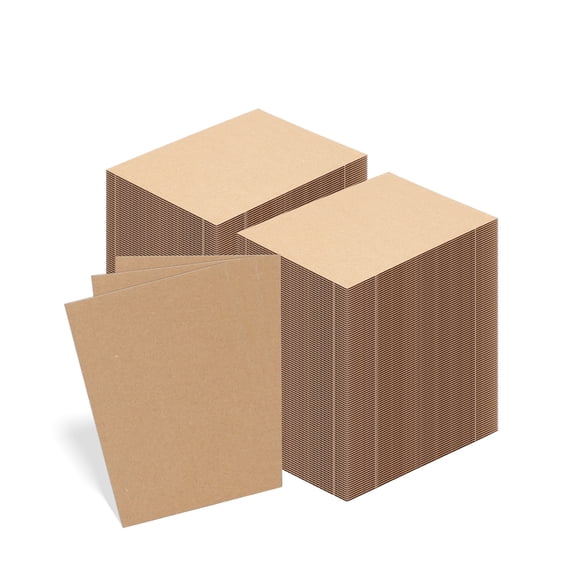
You’ll notice many cardboard shipping boxes use corrugated cardboard for structure and stacking support. You can use that fluted design to help your boxes keep shape during storage, packing, and transit.
If you’re sending books, canned goods, tools, or dense merchandise, you may need heavy duty shipping boxes. You should check whether double-wall construction fits your shipment when added weight matters.
You can also compare ECT ratings when you want clear guidance on box strength. You’ll usually choose higher ECT options when your packages face stacking pressure or dense contents.
For light apparel, paper goods, or soft items, you may find single-wall boxes easy to handle. You can get dependable structure without adding excess material beyond what your shipment needs.
Choosing the right size and dimensions
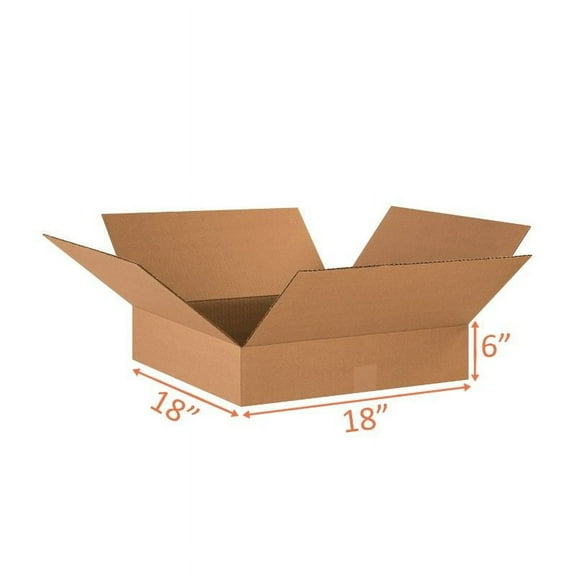
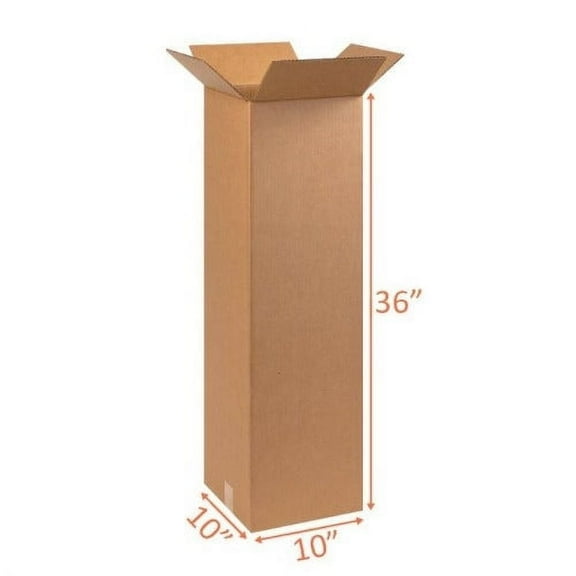
You should measure length, width, and height before you commit to a box. You’ll get a precise fit when you compare those numbers with the box’s inner dimensions.
You may see outer dimensions listed too, and those numbers help with shelf space and carrier planning. You should rely on inner dimensions when you need to know whether your item fits inside.
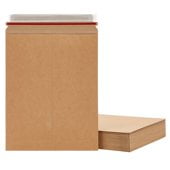
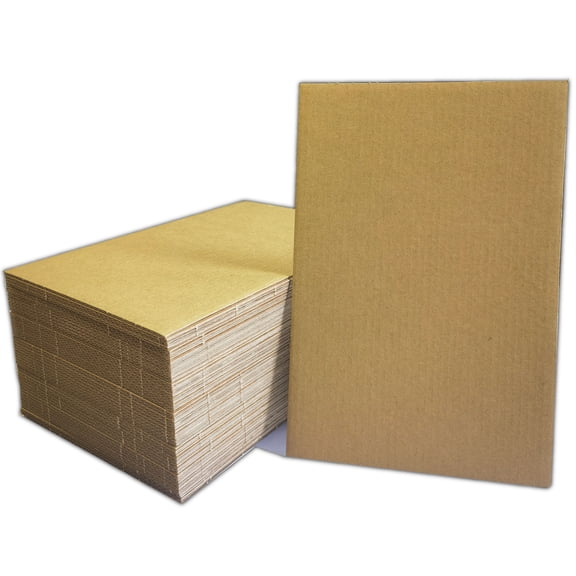
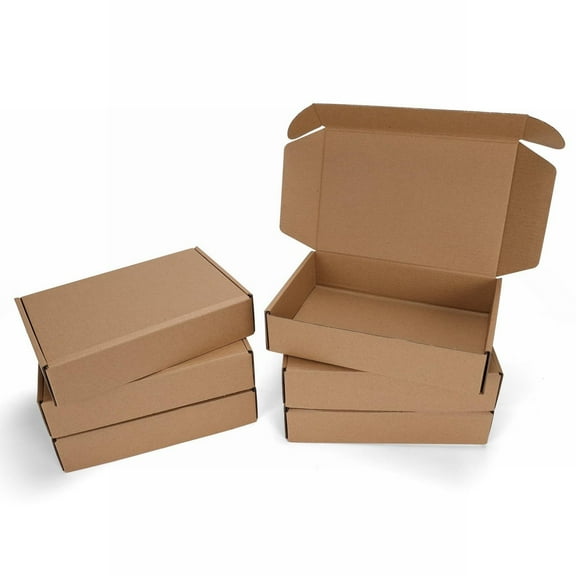
If you’re shipping framed prints, documents, or folded apparel, flat mailing boxes can make packing simple. You can reduce shifting for low-profile items that don’t need deep side walls.
When you need room for several items in one carton, medium and large formats can help. You can group related items together without forcing flaps closed or overfilling corners.
How pack quantity affects your shipping routine
You should consider how often you ship before you choose a pack count. You can keep supplies more organized when your order size matches your weekly or monthly volume.
If you send occasional packages, single boxes or small packs may fit your routine. You won’t have to dedicate as much storage space to flattened cartons between uses.
For steady order flow, 10-pack and 25-pack options can simplify restocking. You can keep common sizes on hand for repeat shipments, returns, or marketplace orders.
If you manage frequent fulfillment, large volume counts may make more sense for your workspace. You can standardize packing stations and reduce interruptions when the same sizes stay available.
Choosing mailing boxes for different shipment types
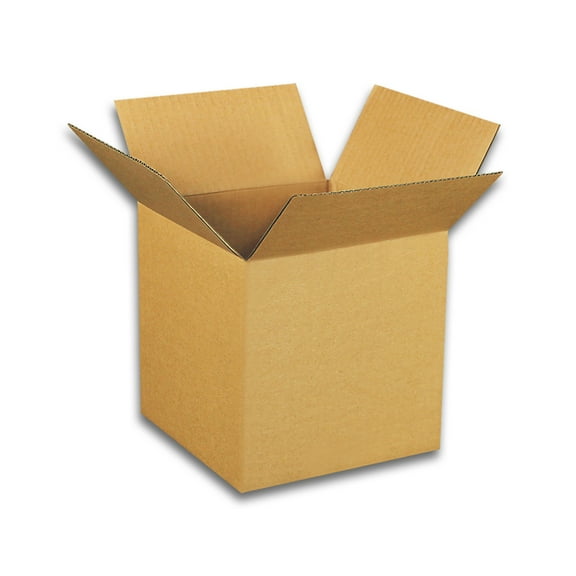
You can use standard shipping boxes for many household, office, and business shipments. You’ll get flexible capacity for mixed contents, added cushioning, and taped closures.
If you mail books, stationery, or flat products, mailing boxes may offer a neat fit. You can often pack those items quickly when the shape already suits the contents.
Easy-fold mailers can work well when you want quick assembly at a packing table. You’ll spend minimal time shaping the carton when fold lines support a quick setup.
You should match the box type to your packing workflow as well as the item itself. You can speed up labeling, filling, and sealing when the format fits your routine.
Checking carrier compatibility before you seal the box
You should review USPS, UPS, and FedEx size thresholds before you choose a final carton. You can avoid repacking when your box dimensions already align with common carrier requirements.
If you ship often, dimensional planning can help you keep packing more consistent. You’ll want to check exterior measurements, because carriers use outside box size for handling rules.
You should also think about weight capacity along with box dimensions. You can pair the right size with the right strength, so dense contents stay matched to sturdy walls.
With the right shipping boxes, you can pack items neatly and stack cartons efficiently. You’ll also choose materials that fit your shipping routine from packing table to carrier drop-off.