

Shade Sails


































About Shade Sails - Walmart.com
Shade sails help you create cooler outdoor living areas with flexible overhead coverage. You can compare shapes, fabrics, and hardware to fit your patio, deck, or backyard layout.
You may want quick shade over a dining set, a play space, or a hot seating area. You'll find this category stands out because you can tension each sail between anchor points for a clean, architectural look.
How to choose shade sails for your space
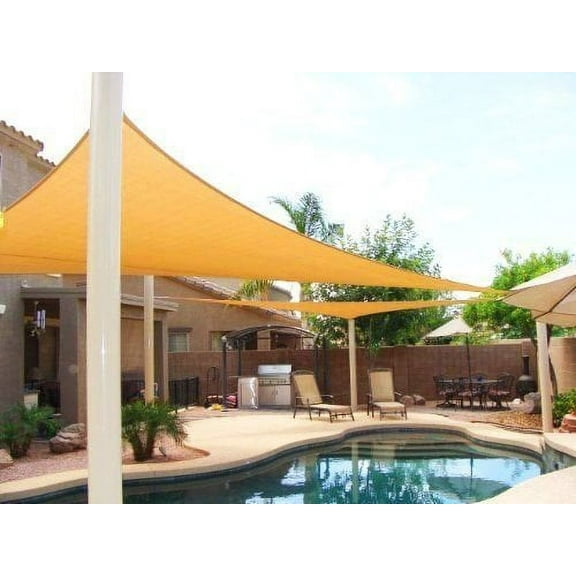
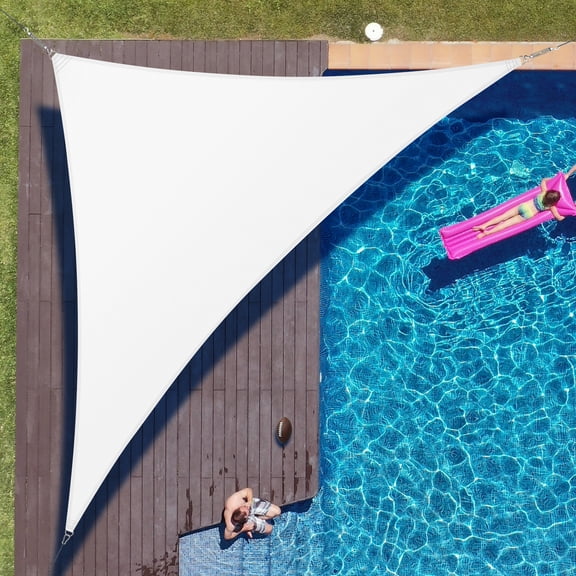
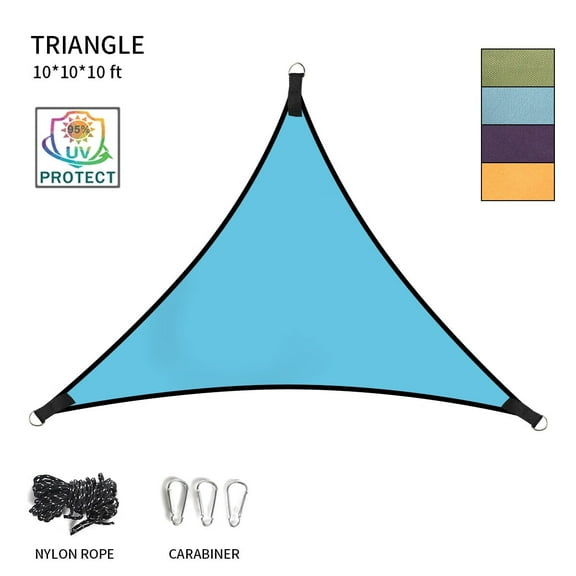
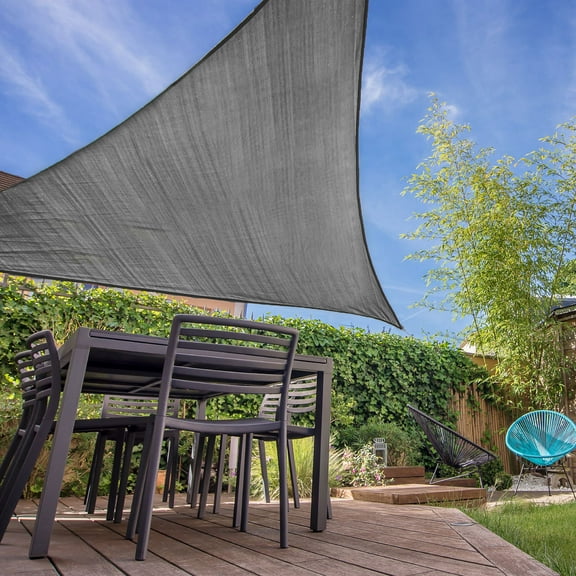
You should start with shape because your anchor points control coverage and tension. You can use a triangle shade sail when your space has three strong mounting points.
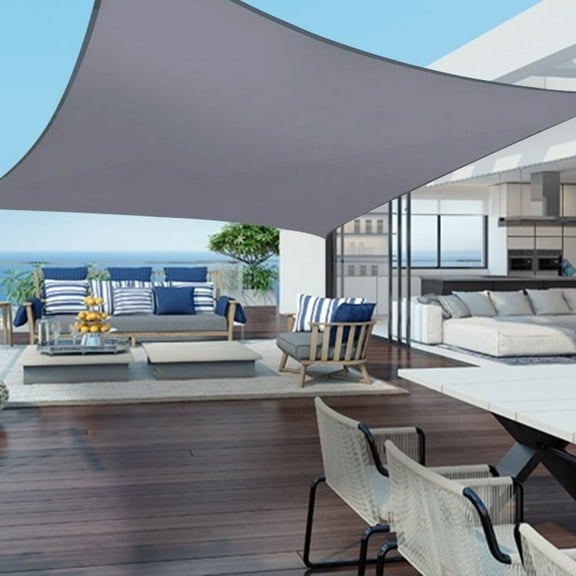
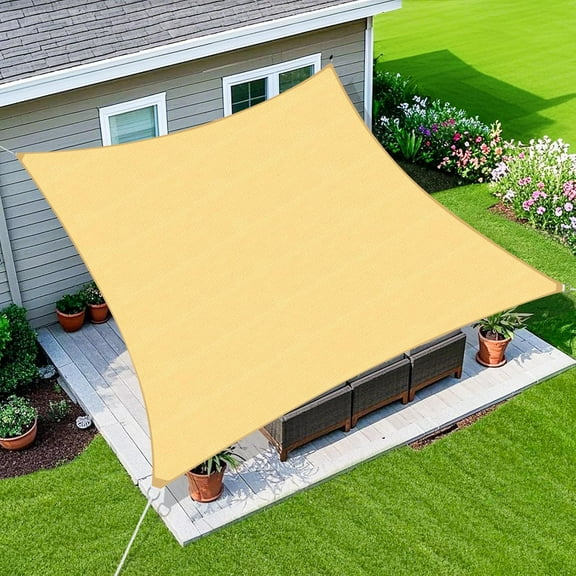
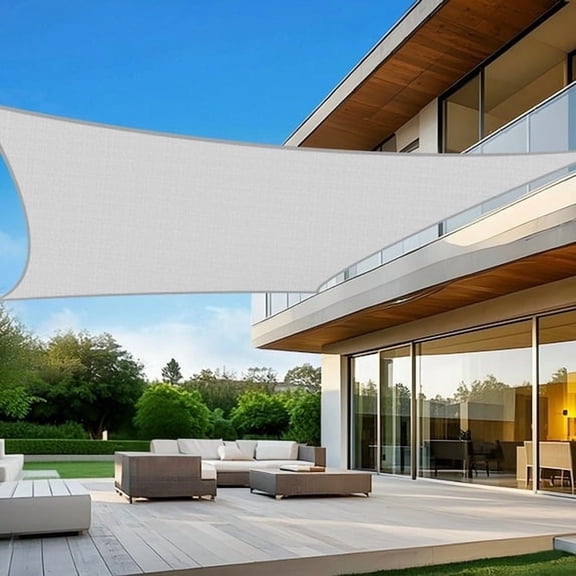
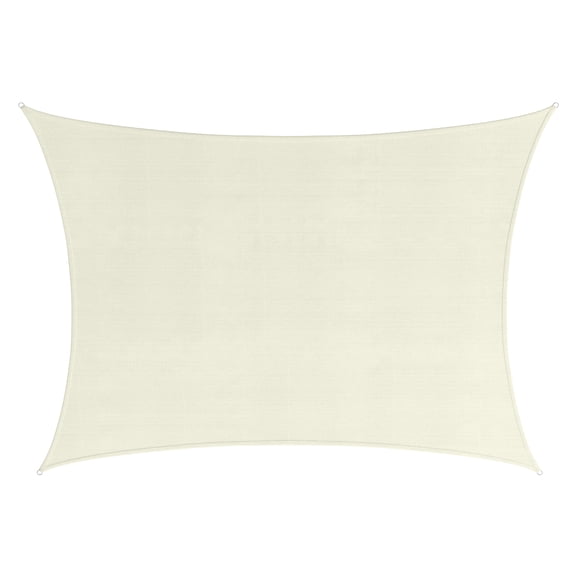
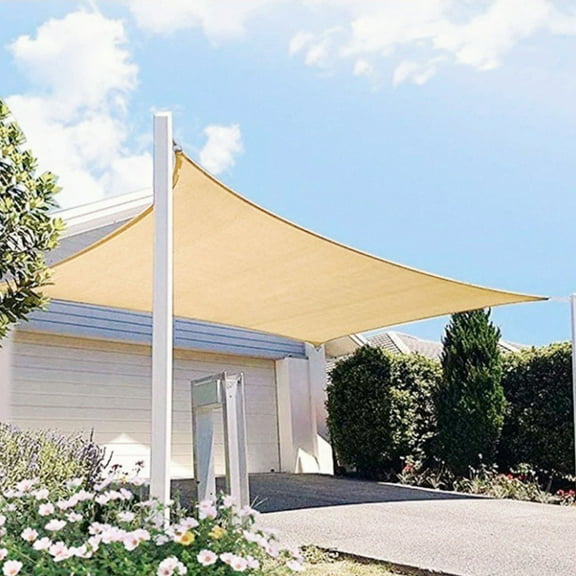
You may prefer a rectangle shade sail when you want broader coverage over seating or dining zones. You can also consider a square option when your layout feels balanced on four sides.
You’ll notice triangles create layered, angular coverage that suits corners and smaller zones. You can use rectangles when you need longer spans over patios, driveways, or poolside seating.
- You can use triangle styles to fit corner layouts and create a lighter visual footprint.
- You can choose rectangle or square styles when your space needs wider, more even shade.
- You should measure between anchor points first, then allow room for tension hardware at each corner.
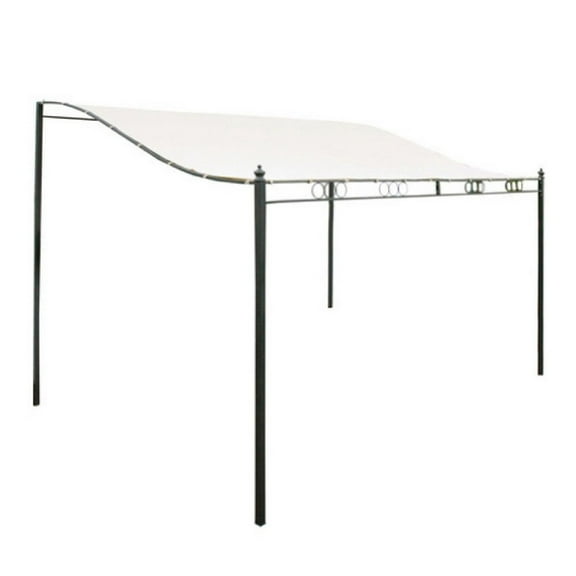
- You can pair your setup with patio furniture, outdoor canopies and gazebos, or shade sail hardware kits.
Choosing material and waterproof shade sail options
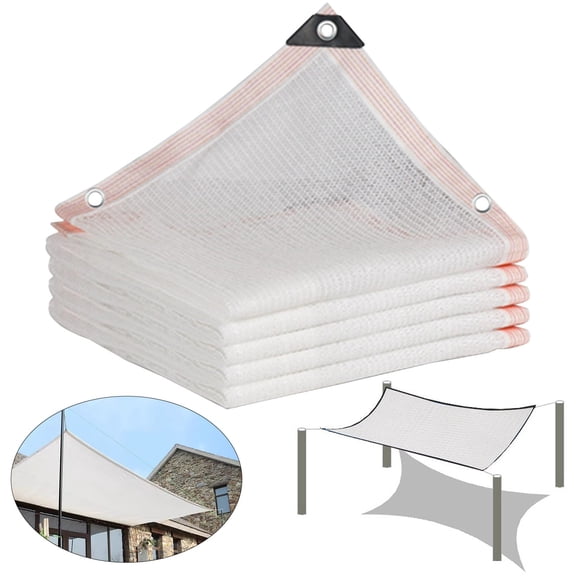
You should compare fabric before anything else because material affects airflow, rain handling, and daily comfort. You can choose HDPE when you want a breathable outdoor sun shade with airflow.
You’ll often see HDPE on a heavy duty shade sail because the knit allows heat to escape. You can use it in sunny areas where airflow matters more than rain coverage.
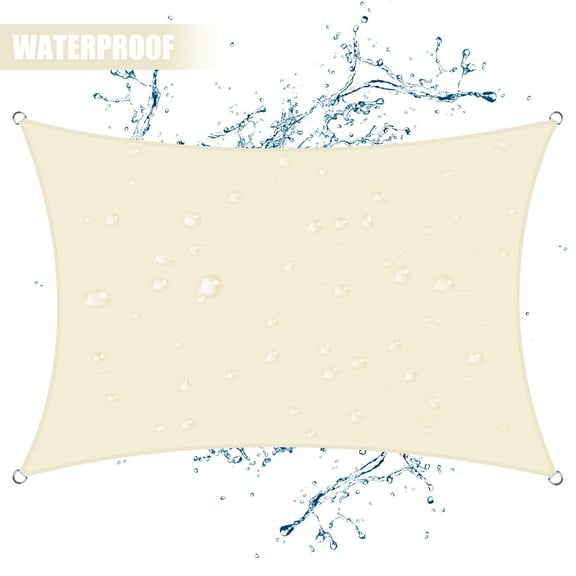
You may want polyester or canvas when you prefer a denser look and different weather coverage. You can also compare a waterproof shade sail when you want overhead cover during light rain.
You should check whether the fabric is permeable, waterproof, or water-resistant before you install it. You can reduce pooling risk by matching the fabric type to your climate and tilt angle.
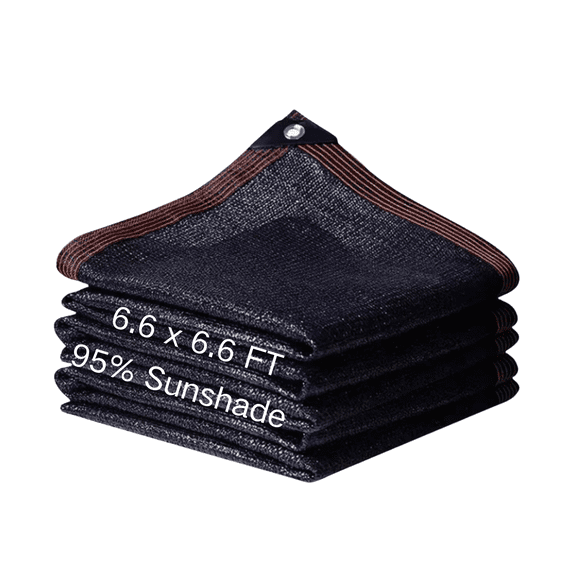
You’ll also want to review UV block ratings because they help explain sun-screening performance over time. You can use that detail to compare how a patio shade sail handles long, bright afternoons.
What to look for in hardware and tensioning
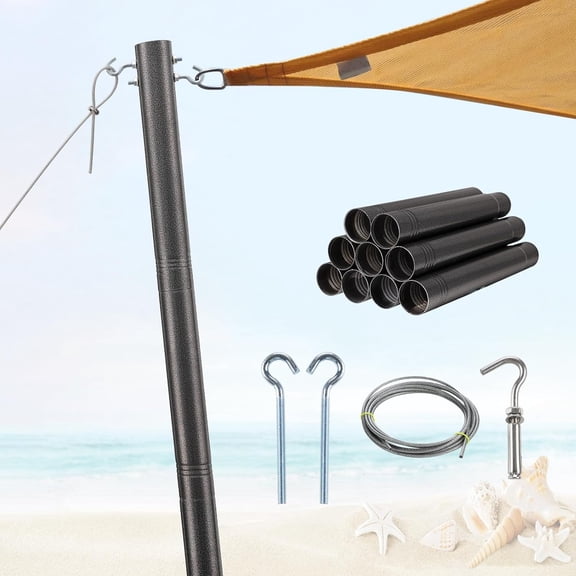
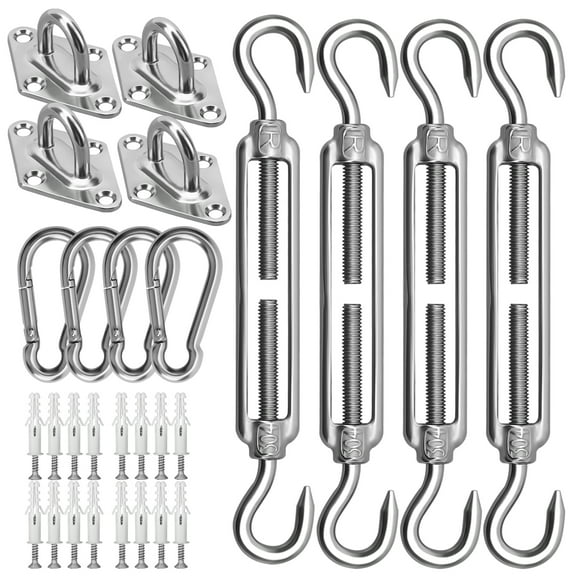
You should treat hardware as part of the system, not an afterthought. You can get a cleaner fit when your D-rings, turnbuckles, pad eyes, and tension ropes match your layout.
You’ll usually connect each corner to a secure point with hardware that adjusts tension. You can tighten the sail gradually so the fabric stays taut and the edges look smooth.
You should look for 316 marine-grade stainless steel when you compare metal hardware outdoors. You can use that spec to check for rust resistance in exposed backyard conditions.
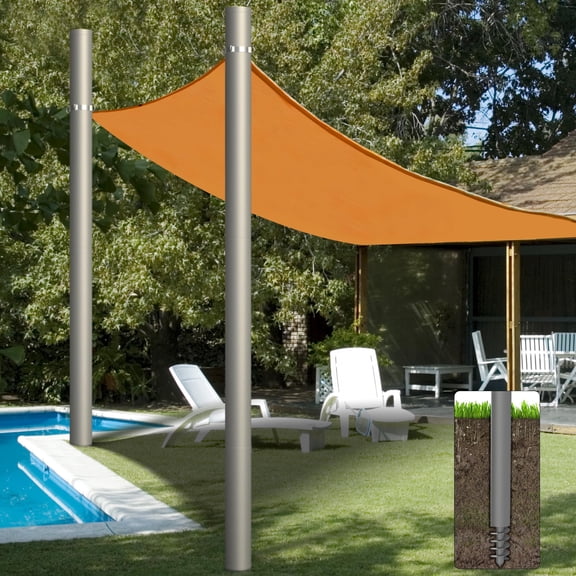
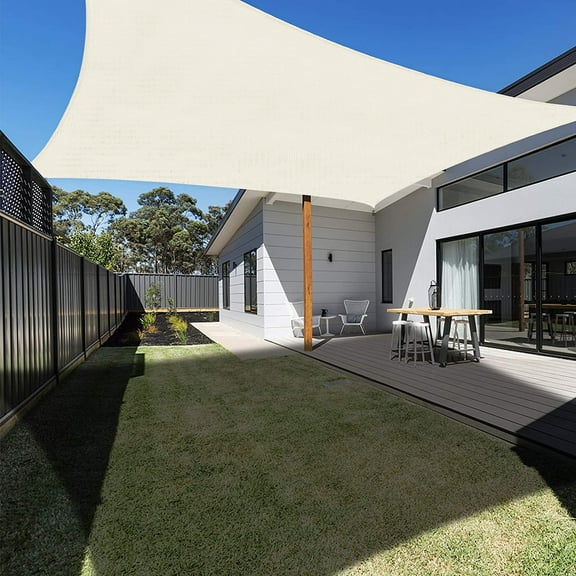
You may need wall mounts, posts, or roofline anchors depending on your setup. You should confirm each anchor point can support a stretched sail before you choose your size.
You can prevent sag by leaving room for turnbuckles and proper pull at every corner. You’ll get a neater backyard shade canopy when the sail has steady tension across the full span.
How to measure a patio shade sail
You should measure the distance between all anchor points before you select a final size. You can then subtract space for hardware so the sail has room to tension properly.
You’ll want to check height differences as well because a slight slope helps with water direction. You can angle one side lower when you install a waterproof style over a gathering area.
You should compare the covered zone with the sun’s path during the hours you use most. You can place coverage over lounge chairs, grills, sandbox areas, or dining tables with fewer hot spots.
You may also layer two sails when one shape won’t cover an irregular layout cleanly. You can combine a triangle with a rectangle for a custom look over split-use spaces.
Using a sun shade sail in real outdoor setups
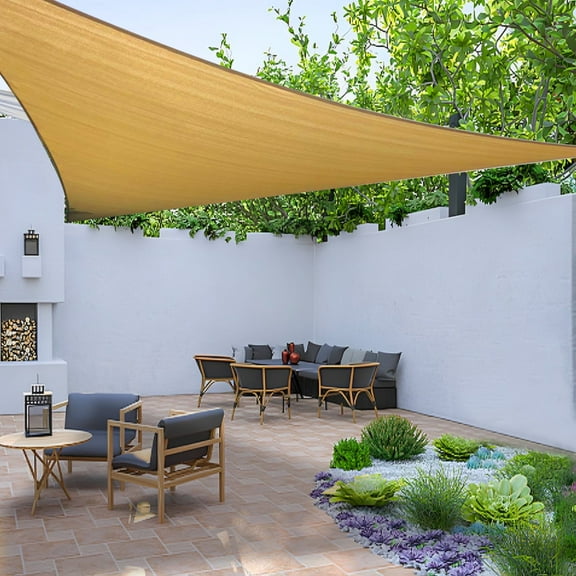
You can use a sun shade sail above a patio table when afternoon light hits directly overhead. You’ll create a more comfortable place for meals, reading, or weekend gatherings.
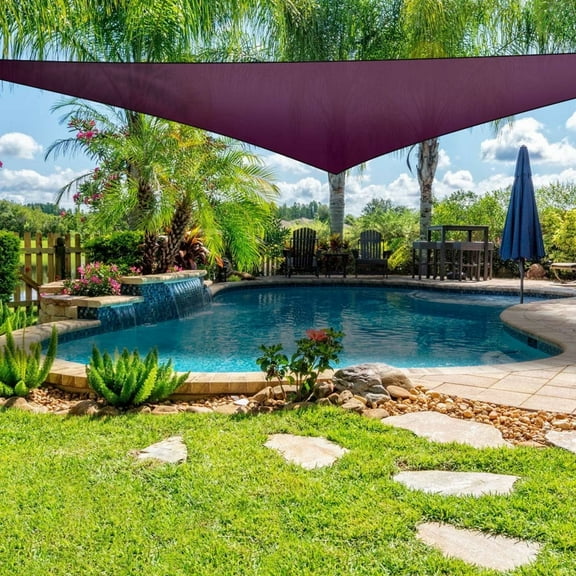
You may set one over a poolside seating area when you want open-air coverage without a bulky frame. You can keep sightlines more open than many fixed roof structures allow.
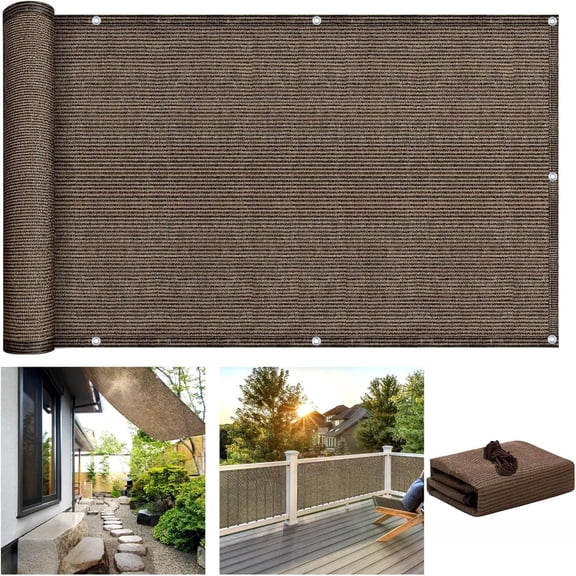
You can stretch a patio shade sail across a deck when railings and walls provide useful anchor points. You’ll get focused coverage where people actually sit instead of shading the whole yard.
You might place a breathable sail above a garden path or play area where airflow matters. You can choose a waterproof option over entry zones or outdoor kitchens that need rain cover.
You should match shape, fabric, and hardware to the way your space gets used each day. You’ll get more consistent shade, cleaner lines, and a setup that fits your layout with less guesswork.
You can narrow your choice faster when you compare anchor points, fabric behavior, and hardware needs together. You’ll feel more confident choosing shade sails that fit your space, tension cleanly, and deliver comfortable outdoor coverage.