


Septic Cleaners in Cleaning Supplies








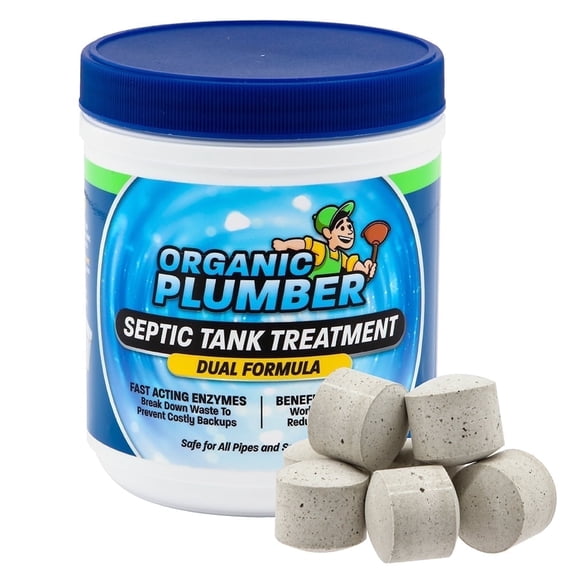
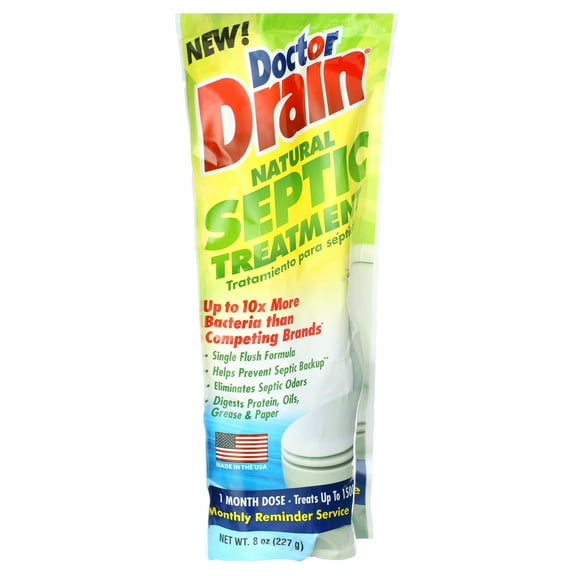
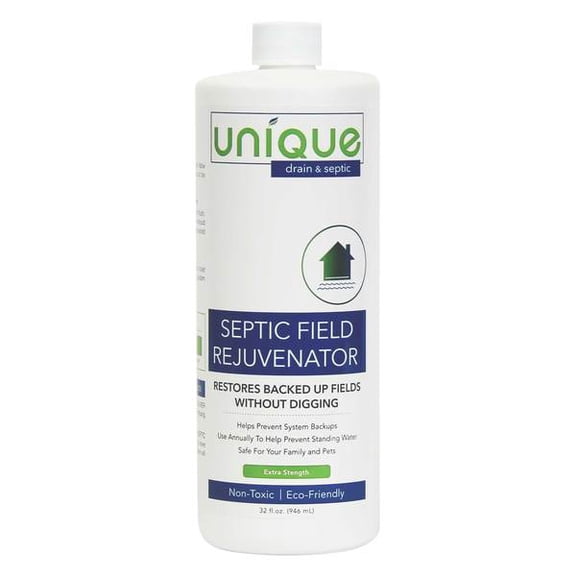

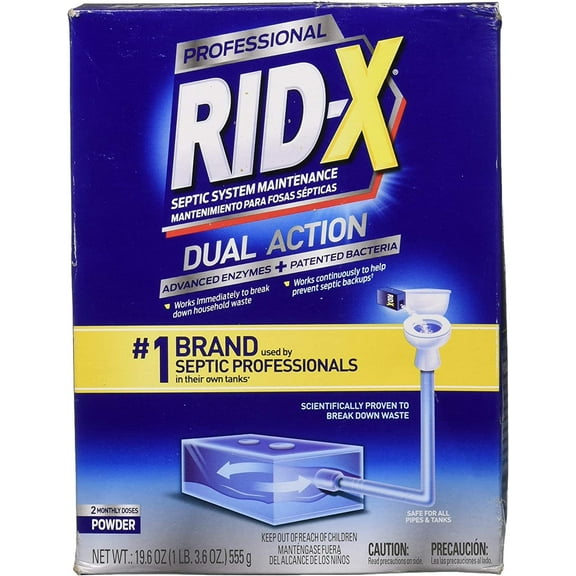




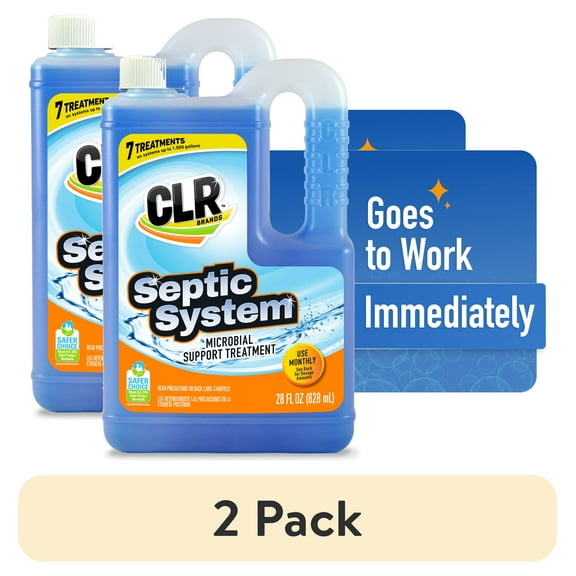

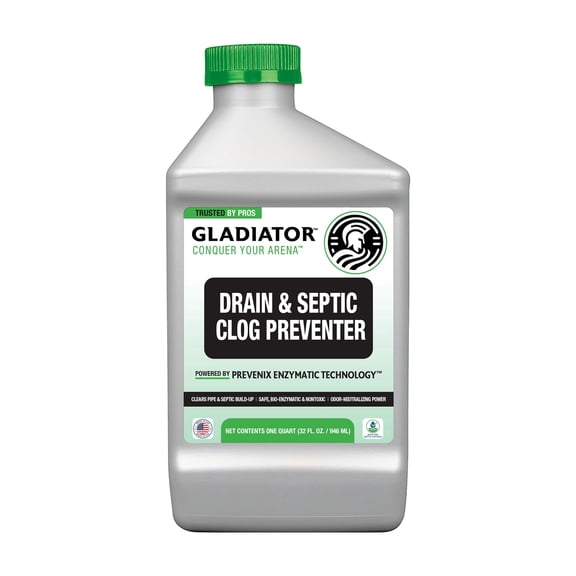



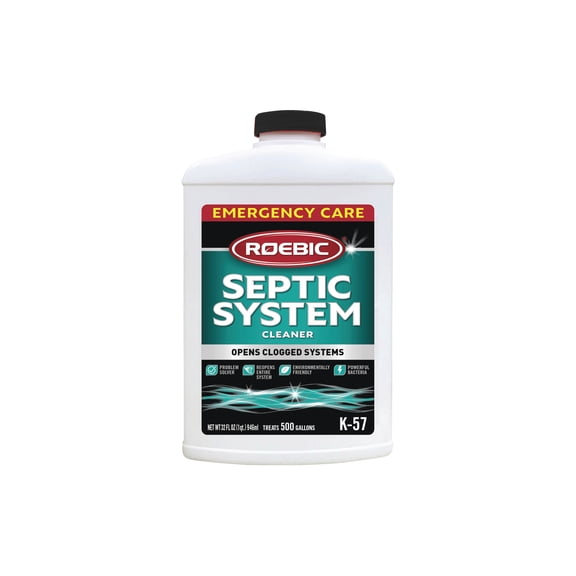


About Septic Cleaners in Cleaning Supplies - Walmart.com
You can compare a septic tank cleaner with more confidence when you understand form, ingredients, and maintenance timing. You’ll also find options like sewer dye tablets for testing needs instead of routine care.
When you maintain a septic system, you’re often balancing steady upkeep with occasional treatment needs. You’ll want guidance that explains enzyme-based formulas, liquid septic tank cleaner options, and tablet routines in plain language.
How to choose a septic tank cleaner
You should start by matching the product to your goal, because maintenance and troubleshooting call for different formulas. You’ll usually compare routine care treatments, emergency shock options, and dye tablets for line tracing.
As you narrow septic cleaners, you should also consider your plumbing setup and household habits. You’ll want a format that fits your schedule, your tank size, and your comfort with measuring doses.
Before you choose, you should check whether the label addresses PVC and copper plumbing. You’ll often prefer clear compatibility notes when you’re comparing enzyme-based and chemical-based formulas.
What to look for in septic cleaners
You can get great results from septic care products when you choose a formula that supports regular breakdown of household waste. You can also simplify upkeep when your treatment schedule is easy to follow.
If you’re comparing odor concerns, you should look for formulas that provide septic system maintenance and tank freshness support. You’ll often prefer products that fit monthly routines instead of complicated multi-step use.
- You can keep maintenance simple with liquids, tablets, powders, or pods that match your preferred application style.
- You can choose enzyme-based and bacterial formulas for regular upkeep when you want ongoing septic maintenance products.
- You can use sewer dye tablets when you need visible tracing for testing lines, drains, or flow paths.
- You’ll appreciate clear dosing directions when you’re planning monthly treatment or occasional shock use.
For active households, you may want products that work with regular use patterns and standard septic system maintenance. You’ll also benefit from forms that store neatly and fit a laundry room, utility shelf, or garage cabinet.
If you share outdoor spaces with pets or lawns, you should review label directions before use. You’ll feel more prepared when the instructions clearly explain placement, dilution, or flush timing.
Comparing form and active ingredients in septic tank cleaner options
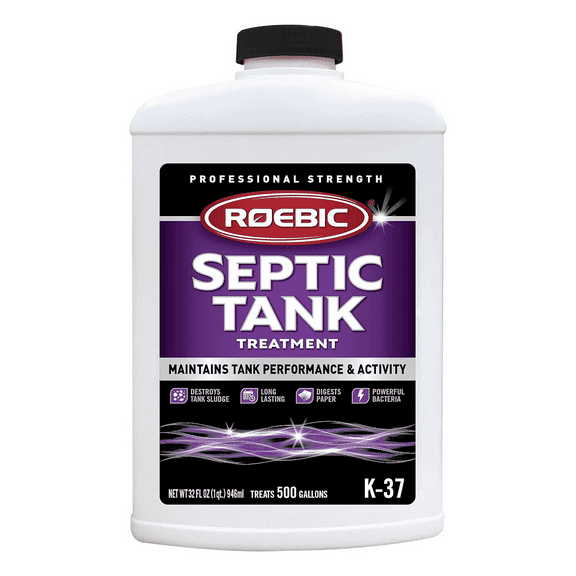
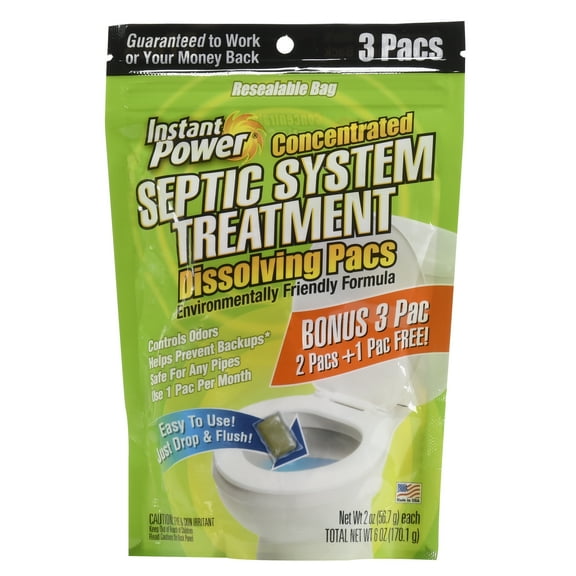
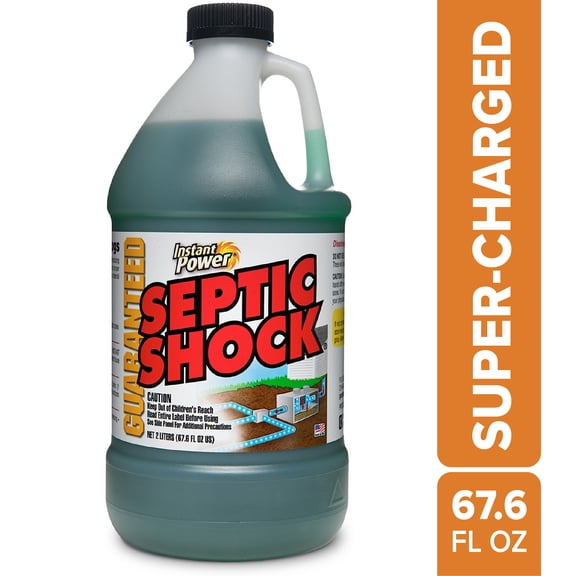
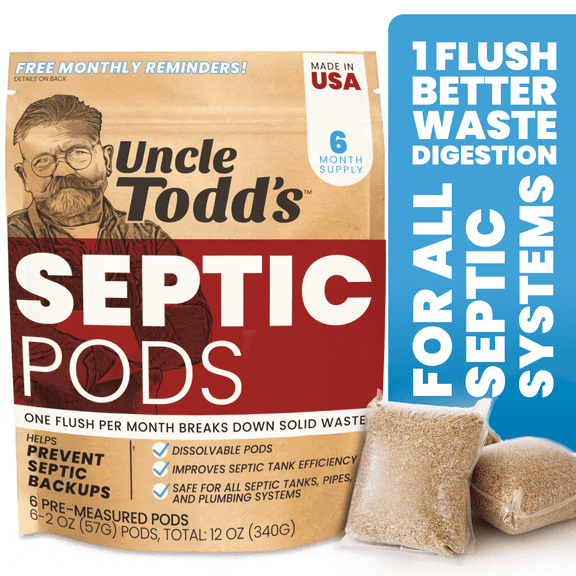
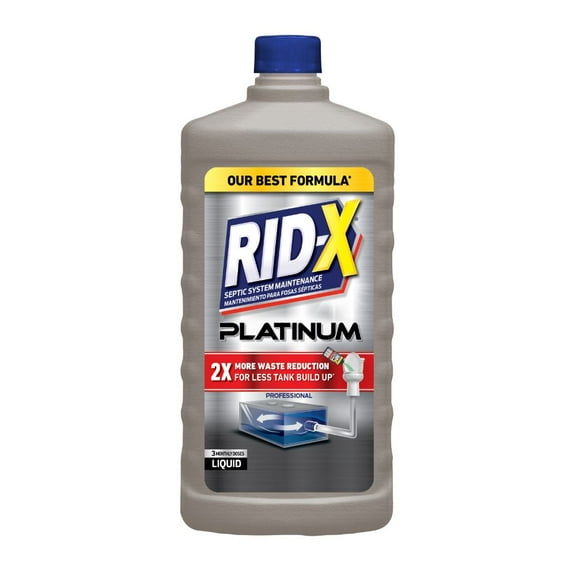
You should compare form first, because it changes how you measure, store, and apply treatment. You’ll often choose a liquid septic tank cleaner for easy pouring, while tablets or pods can feel more controlled.
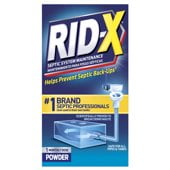
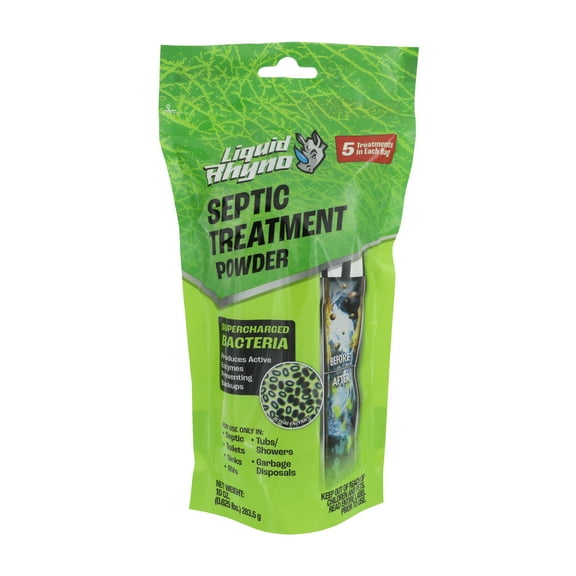
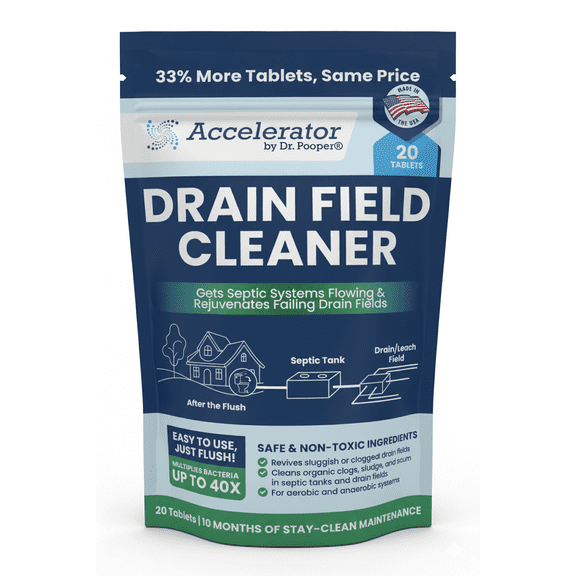
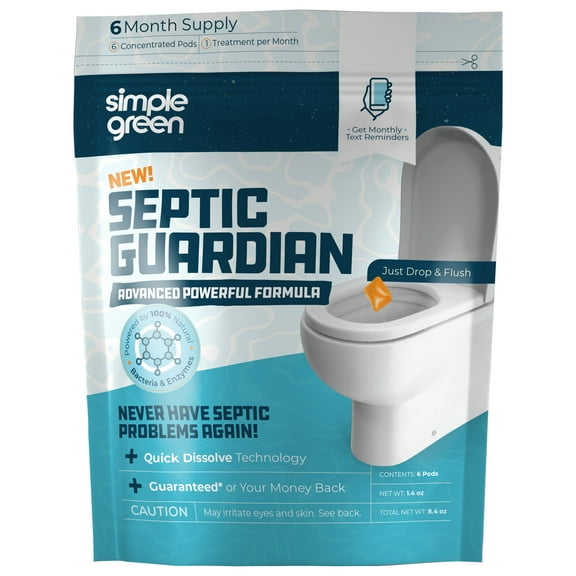
If you prefer measured applications, you may like tablets or pods that reduce guesswork during routine care. You can choose powder when you want a scoopable format that stores compactly between treatments.
When you compare ingredients, you should check whether you want enzyme-based, bacterial, or chemical-based action. You’ll typically use a septic enzyme cleaner when you want a maintenance-focused option with simple instructions.
You can choose enzyme-based and bacterial formulas for regular upkeep and recurring care schedules. You should review label directions carefully if you’re comparing chemical-based formulas for stronger shock applications.
You may also wonder about pipe compatibility, especially if your home uses PVC or copper plumbing. You should check product labeling for plumbing guidance, because clear compatibility notes help you choose with less uncertainty.
Choosing by application and frequency
You should next match the cleaner to the task, because septic system care includes more than one product type. You’ll usually see system maintenance, sewer dye testing, and clog removal in this category.
For monthly treatment, you’ll want a product designed for repeat use on a simple schedule. You can keep routine care consistent when the label explains how often to apply each dose.
If you’re handling an occasional issue, you may compare emergency shock treatments with standard maintenance formulas. You should note that shock products and routine products often serve different roles in your care plan.
When you need to trace flow or identify where water is traveling, you can look at sewer dye tablets. You’ll use these differently than a maintenance formula, because they’re intended for testing visibility.
You may also compare clog removal products if you’re focusing on slow drains connected to septic use. You should read application instructions closely, because contact time and dosage can vary by formula type.
Matching septic cleaners to real household needs
If your goal is steady upkeep, you’ll likely compare monthly tablets, pods, or liquids that fit a repeat routine. You can choose a format that feels easy to remember and simple to apply.
When your home has varied plumbing materials, you should focus on labels that explain pipe compatibility clearly. You’ll feel more prepared when the product details address septic systems and common household plumbing setups.
If you’re noticing unwanted smells, you may look for options that provide septic maintenance and odor control support. You should stay with the product’s intended use, because maintenance formulas and testing tablets do very different jobs.
For homes with pets, yards, or outdoor drain areas, you’ll probably want straightforward usage instructions and careful application guidance. You can compare how you use each product around the system without assuming every formula works the same way.
When you’re building a practical routine, you should think about storage space, dosing style, and treatment frequency together. You’ll often narrow choices faster when the form matches how you already handle household maintenance.
Choosing septic tank cleaner options with confidence
You can make a smarter category choice when you compare form, ingredient type, application, and frequency together. You’ll end up with septic tank cleaner options that fit your system, your routine, and your maintenance goals.