

Scopes in Hunting




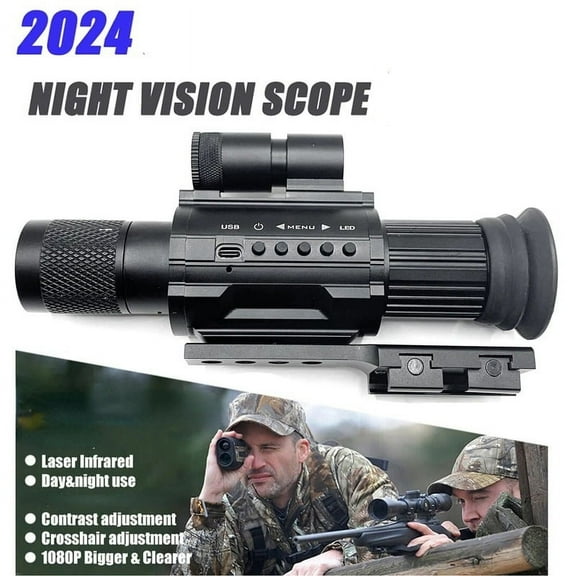


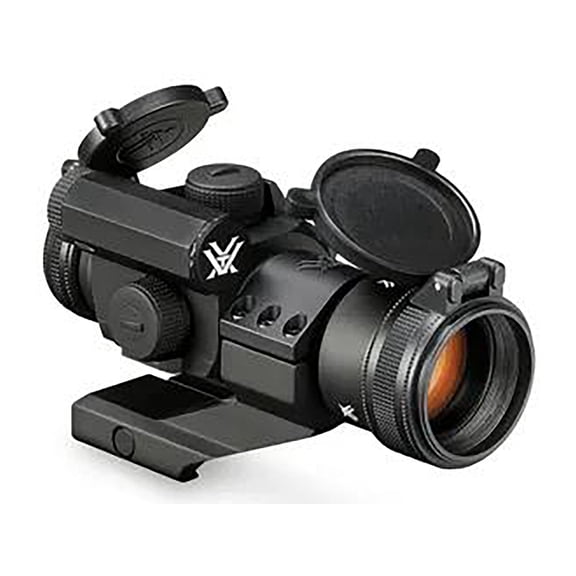
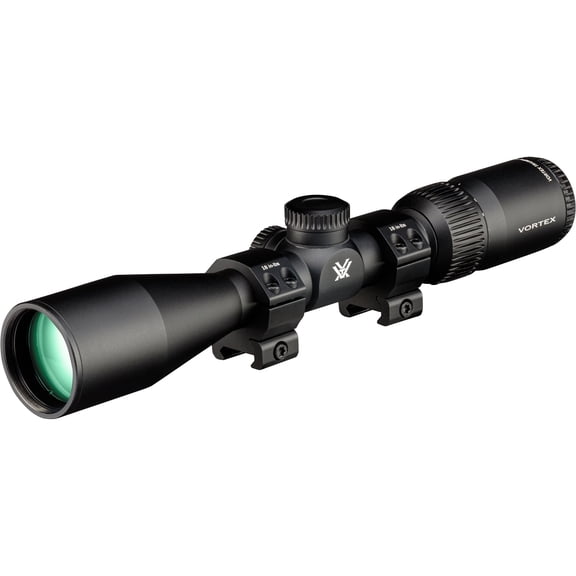


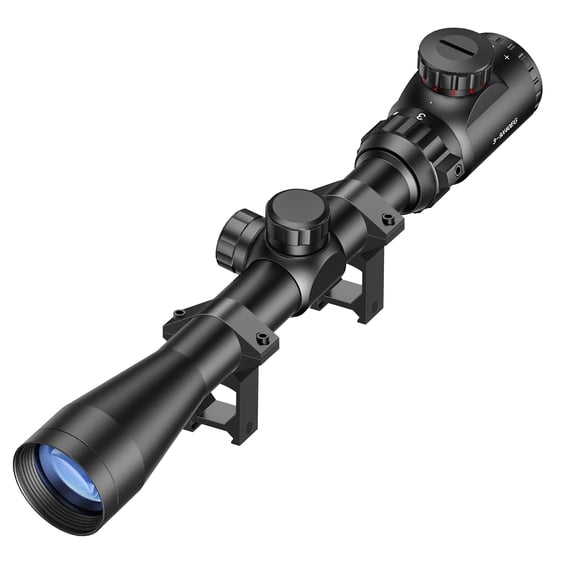







About Scopes in Hunting - Walmart.com
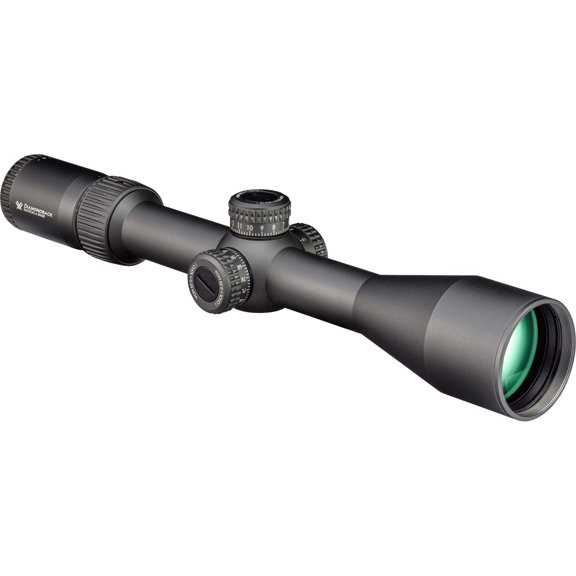
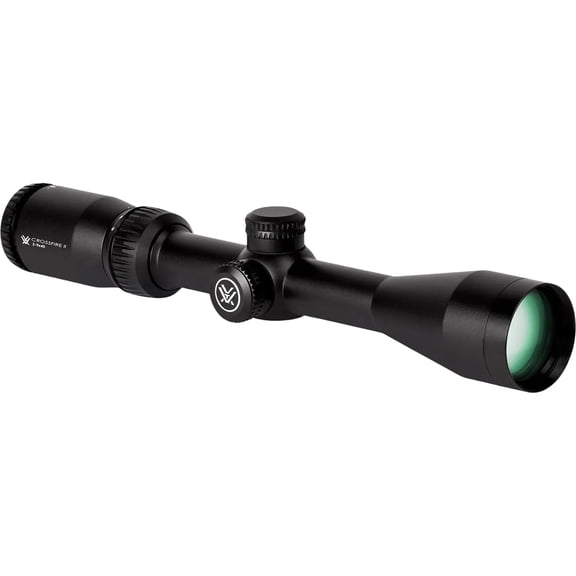
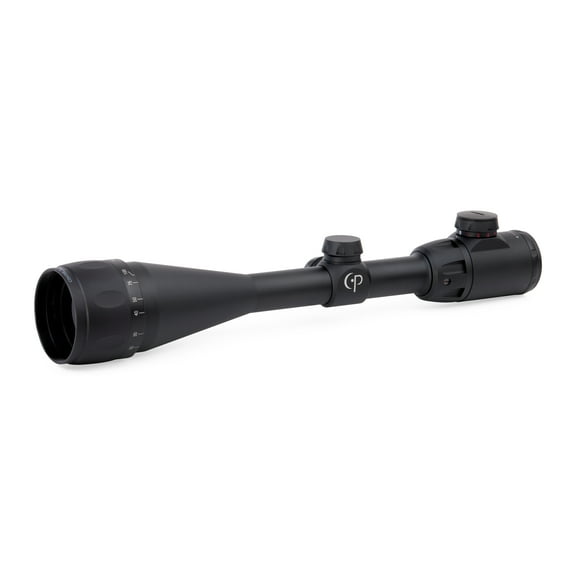
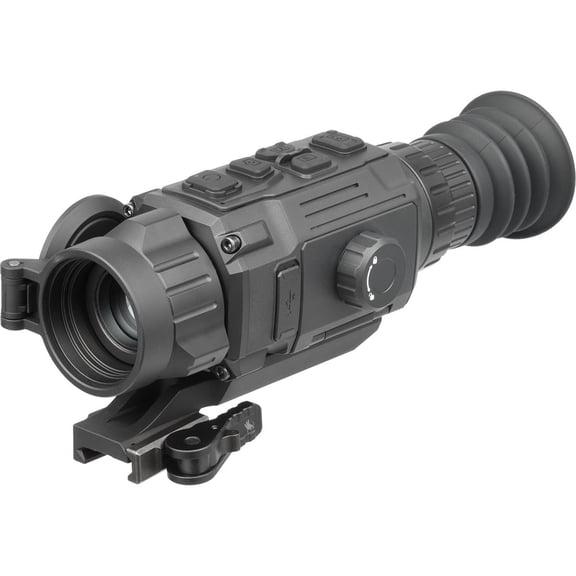
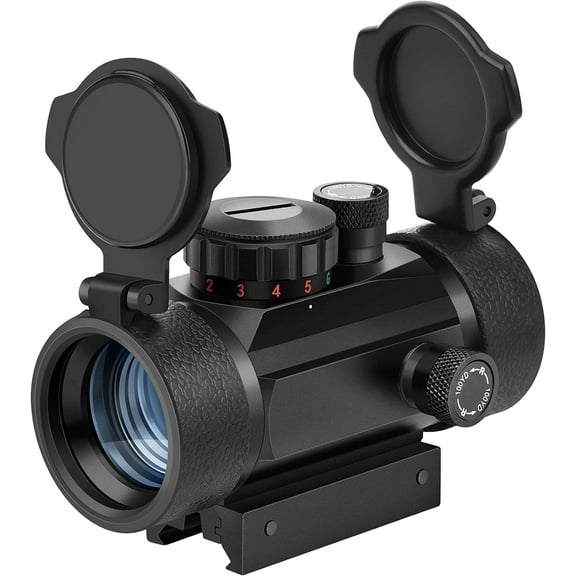
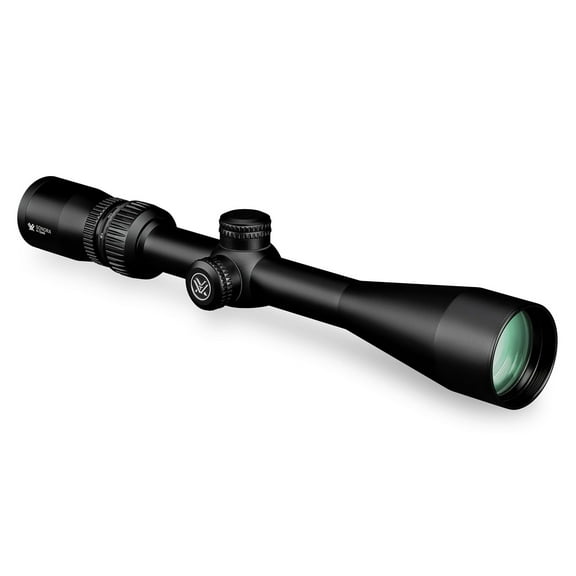
You can compare hunting scopes by magnification, reticle style, lens size, and focal plane, so your setup matches your terrain and shooting distance. You also get category guidance that fits real hunting use, from thick woods sightlines to open-field glassing.
Choosing hunting scopes by magnification type
When you compare scopes for hunting, you should start with magnification because your environment shapes what you need to see. You’ll usually want a wider field of view in brush, while you may want more zoom in open country.
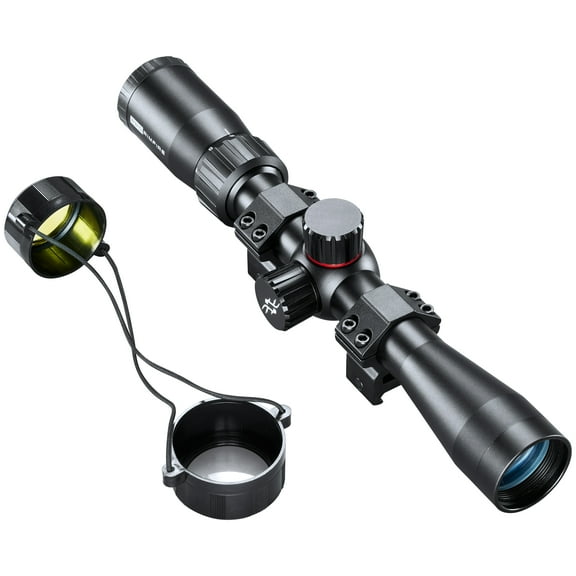
If you prefer a simple setup, you may choose fixed power for a consistent sight picture and fewer adjustment steps. If you want one optic for changing distances, you should compare variable power scopes.
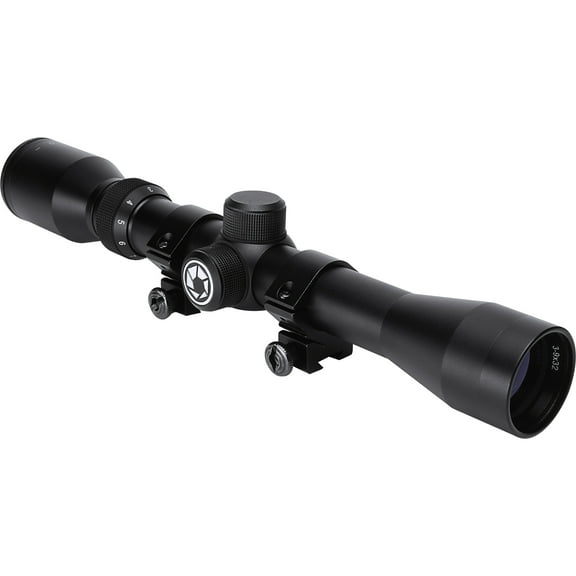
You’ll often see familiar ranges like 3-9x40 and 4-16x50 because they fit very different hunting patterns. You may like 3-9x40 for deer hunting scopes, while you may choose 4-16x50 for longer shots and more target detail.
- You can use lower magnification for quicker target pickup in timber, brush, and shorter lanes.
- You can use midrange zoom for mixed terrain where your shot distance changes during the day.
- You can use higher magnification when you need more detail across fields, ridges, or clearings.
Understanding rifle scopes through reticle choices
You should compare reticle style next because it changes how your sight picture looks at dawn, dusk, and extended distances. You’ll notice that a simpler reticle keeps your view cleaner, while a busier pattern adds more reference points.
If you want a classic view, you may choose Duplex because your eye can center quickly on game. If you expect holdover decisions at distance, you may compare Mil-Dot and BDC patterns.
You may also consider illuminated reticles when your legal shooting light is dim and your background looks darker. You’ll want to check brightness settings so your aiming point stays visible without overpowering your view.
How objective lens diameter affects rifle optics
You should look at objective lens diameter because it influences how much light your optic gathers and how your scope sits on the rifle. You’ll commonly compare 32mm, 40mm, 44mm, and 50mm options when you narrow your pick.
If you want a trimmer profile, you may choose 32mm or 40mm for balanced handling and easier mounting clearance. If you want stronger low-light viewing, you may compare 44mm and 50mm lenses.
You’ll also want to balance lens size with your hunting style, carrying distance, and rifle setup. A larger objective can help your evening sight picture, but you should check ring height and overall fit.
Comparing focal plane options in hunting scopes
You should compare focal plane carefully because your reticle behaves differently as magnification changes. You’ll usually choose between First Focal Plane and Second Focal Plane rifle scopes.
If you want reticle markings that scale with magnification, you may lean toward First Focal Plane. If you prefer a reticle that looks more consistent through the zoom range, you may favor Second Focal Plane.
You’ll often find SFP useful for common hunting distances where your view stays familiar and uncluttered. You may consider FFP when your hold points matter across changing power settings and varied terrain.
What to look for in durability and low-light performance
You should check waterproof, fogproof, and shockproof construction because your hunting days rarely happen in perfect conditions. You’ll want rifle optics that stay clear through cold mornings, damp weather, and rough transport.
Lens coatings also matter because they affect clarity, contrast, and how much detail you can pick up at first light. You may notice that better light transmission helps your target stand out when shadows deepen.
You should also think about recoil handling and adjustment feel before you choose hunting rifle scopes. You’ll appreciate dependable turrets and a stable zero when your rifle sees repeated field use.
Matching scopes for hunting to your real-world use
If you hunt wooded property, you may prefer a lower-power optic with a clean Duplex reticle and a moderate objective lens. You’ll get faster target acquisition when your lane opens suddenly between trees.
If you hunt fields or powerlines, you may compare variable power scopes with BDC reticles and larger objective lenses. You’ll gain more flexibility when your shot distance can shift from close to far.
If you want one setup for several seasons, you should look for hunting scopes that balance zoom range, low-light clarity, and durable construction. You’ll get a more adaptable optic for deer season, range confirmation, and changing weather.
You can narrow rifle scopes faster when you compare magnification, reticle layout, objective diameter, and focal plane as connected choices. You’ll end up with an optic that fits your rifle, your terrain, and your shot picture with more confidence.