

Salsa Dips and Spreads for Snacks


















About Salsa Dips and Spreads for Snacks - Walmart.com
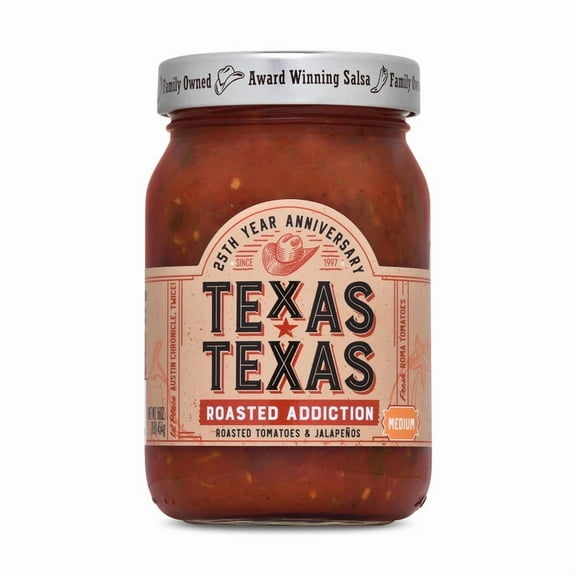
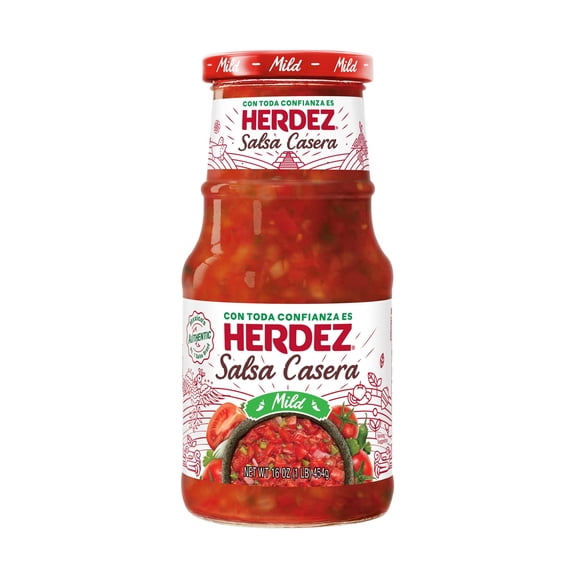
You can find salsa for taco nights, snack spreads, and party trays when you compare heat, texture, ingredients, and storage needs. You’ll notice this category covers mild salsa for family meals, hot salsa for bold bites, and styles that fit chips, burrito bowls, and grilled favorites.
How to choose salsa by heat level
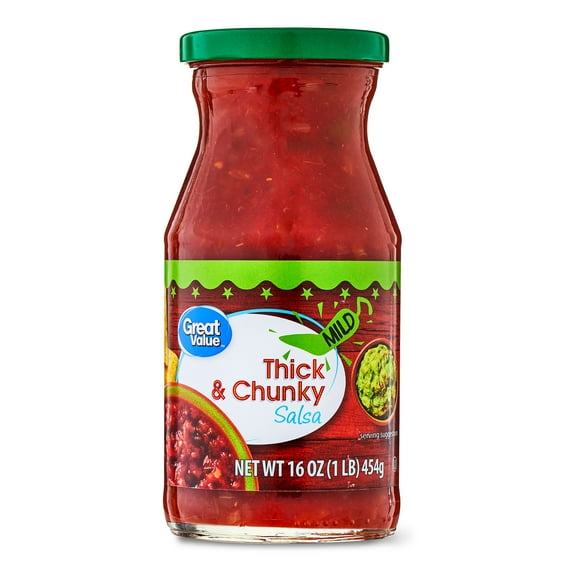
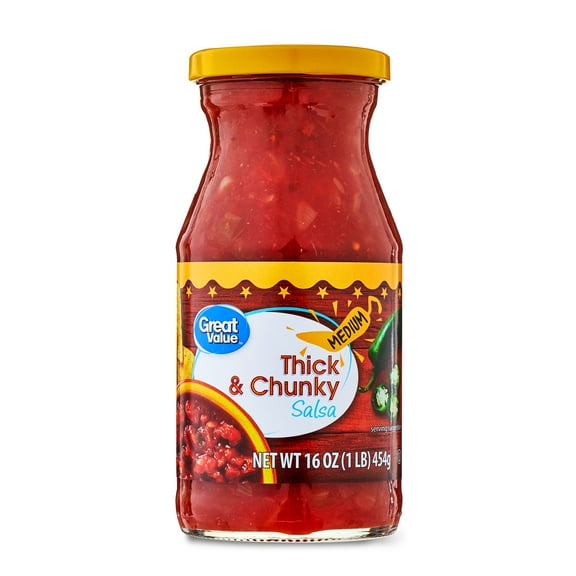
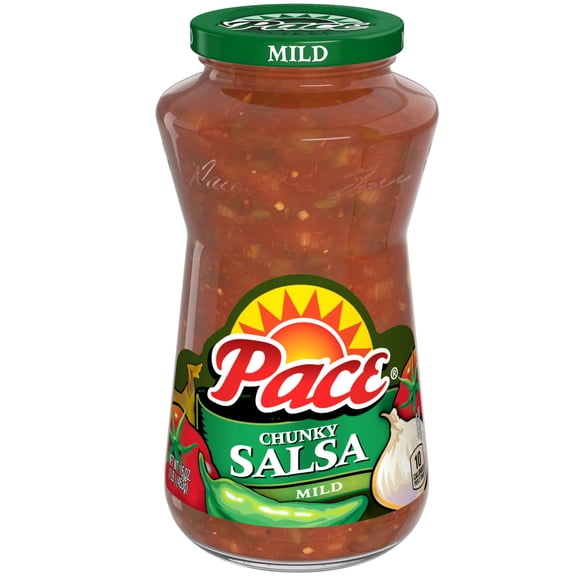
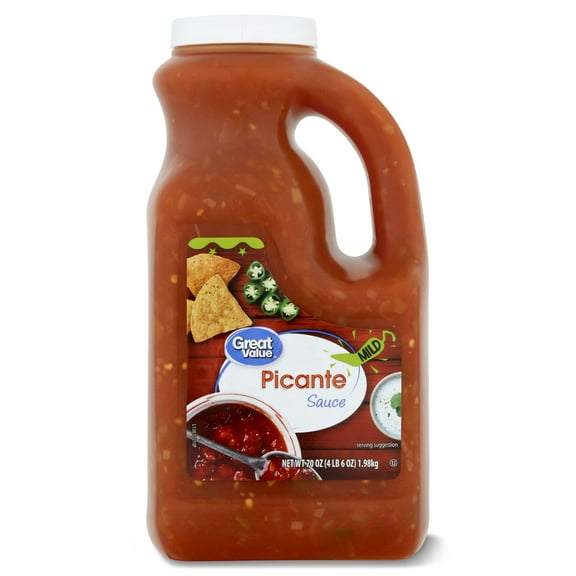
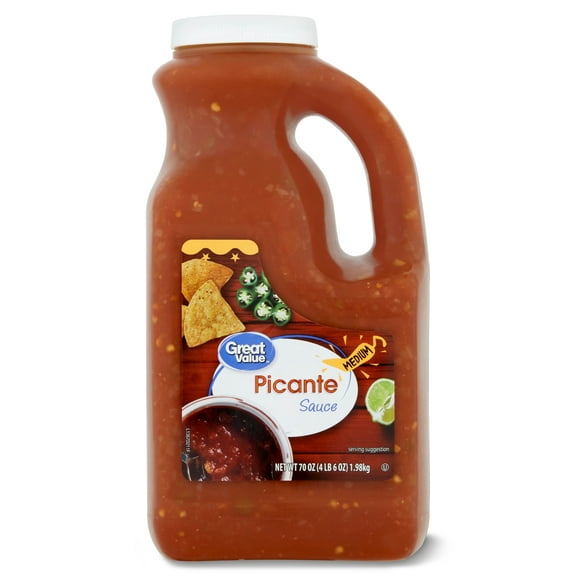
When you choose salsa, start with heat level because your spice preference shapes every bite. You may prefer mild salsa for crowd-friendly snacking, while medium brings a steadier kick.
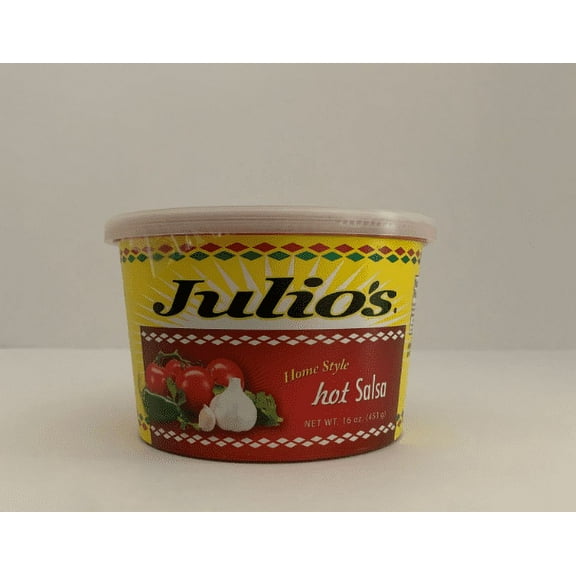
If you want stronger heat, you can compare hot salsa and extra hot options for wings, nachos, and loaded tacos. You’ll often get fuller pepper flavor as heat rises, so your dip can taste bright as well as spicy.
- You can keep mild jars on hand for kids’ meals, breakfast burritos, and easy chip bowls.
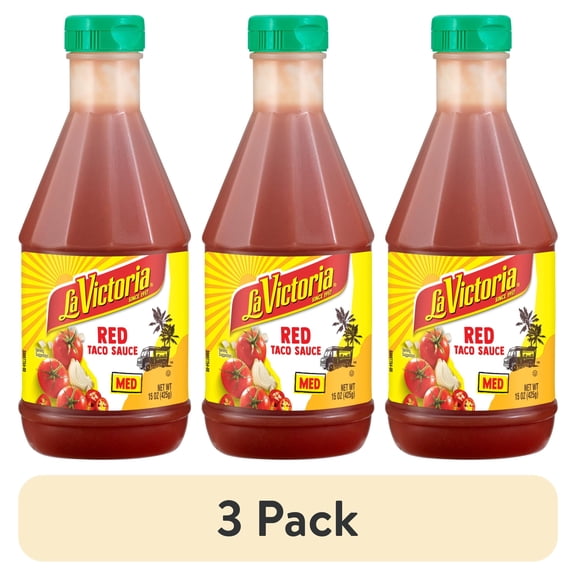
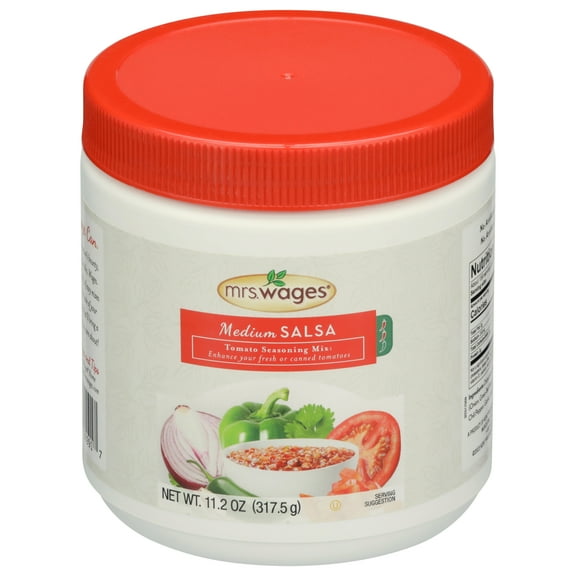
- You can use medium blends when you want balanced tomato flavor with noticeable heat.
- You can pick hot salsa or extra hot varieties when your recipes need a sharper pepper finish.
As you compare labels, you should look for pepper types and ingredient order to understand flavor direction. You’ll often see jalapeño for familiar warmth, while tomatillo or fruit bases can shift the taste.
Choosing chunky salsa or restaurant style salsa
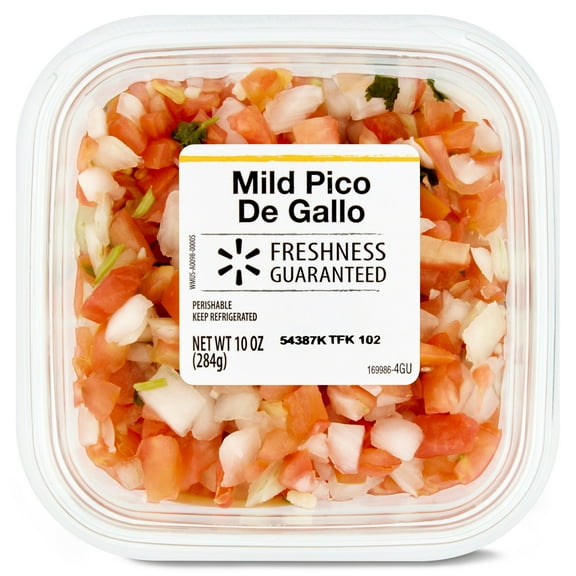
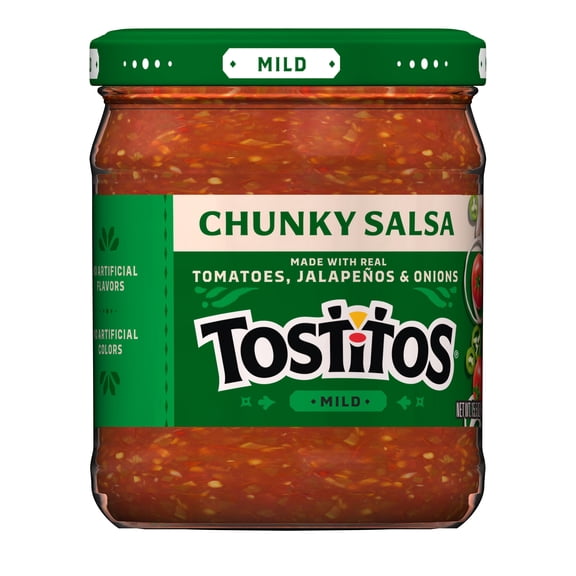
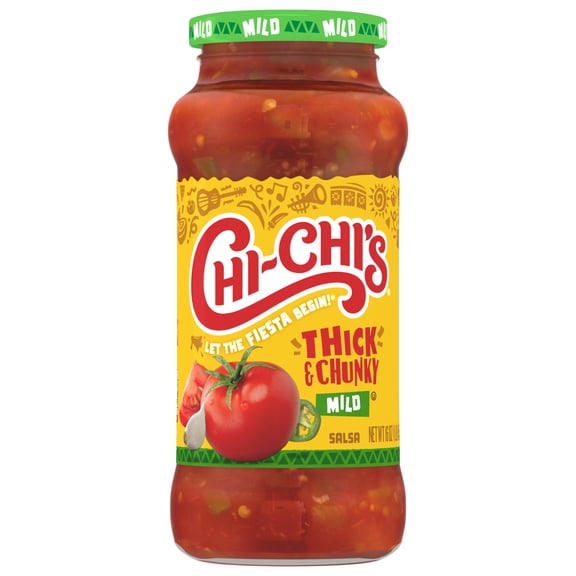
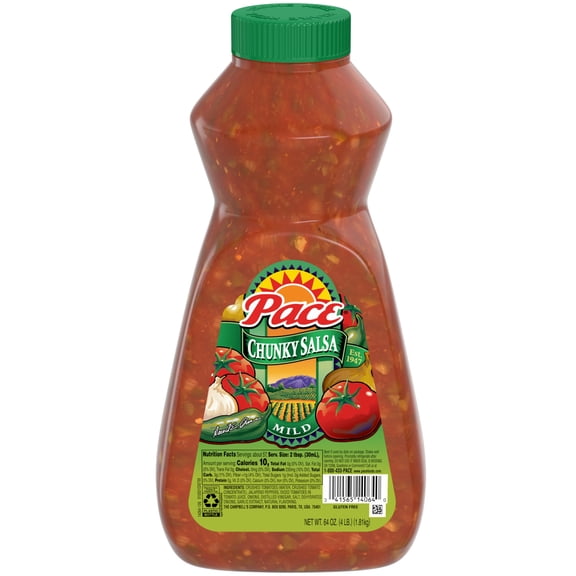
Your texture preference matters because it changes how salsa scoops, spreads, and coats food. You may want chunky salsa when you like visible tomato pieces, onion bits, and a thicker dip.
If you prefer a smoother spoonful, you can compare restaurant style salsa and picante options. You’ll usually get an easier pour for eggs, enchiladas, and taco fillings with those thinner styles.
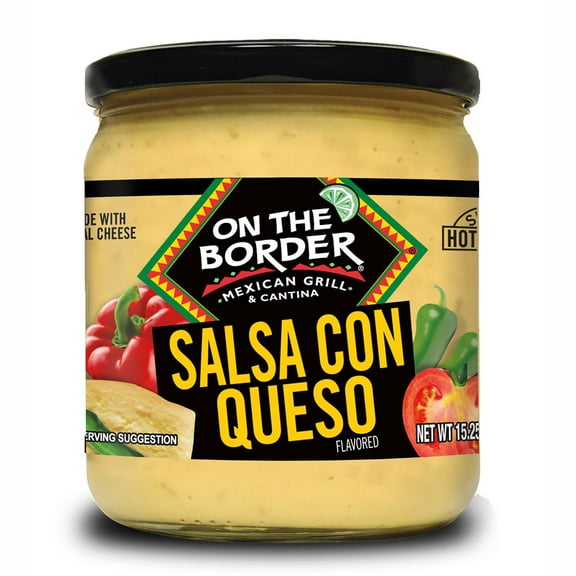
For layered dips, you should consider how salsa sits with guacamole, shredded cheese, or sour cream. You’ll often find thicker blends stay in place, while smoother styles spread quickly across a tray.
When you plan to serve chips, you can match texture to chip strength and scoop size. You may find sturdy tortilla chips pair well with chunky blends, while lighter chips suit smoother salsa.
Comparing red salsa, salsa verde, and fruit blends
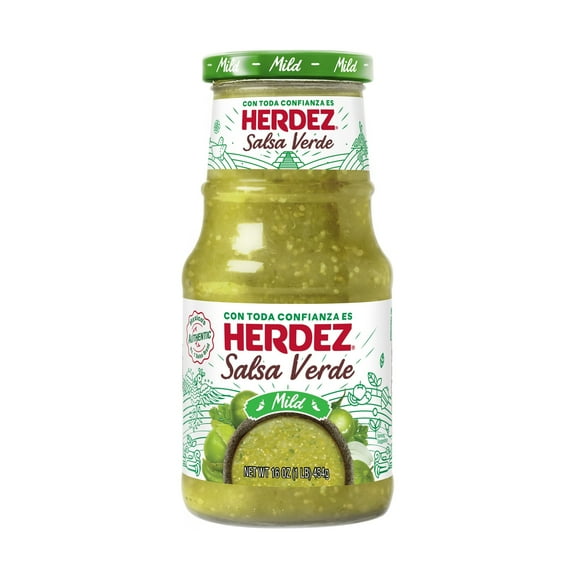
Your base ingredient affects sweetness, acidity, and color, so it’s a useful way to narrow choices. You’ll usually see red tomato salsa for classic flavor, while salsa verde offers a tangier green profile.
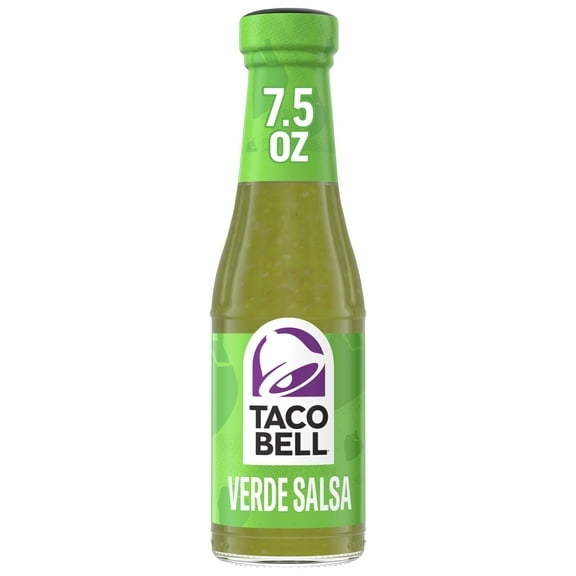
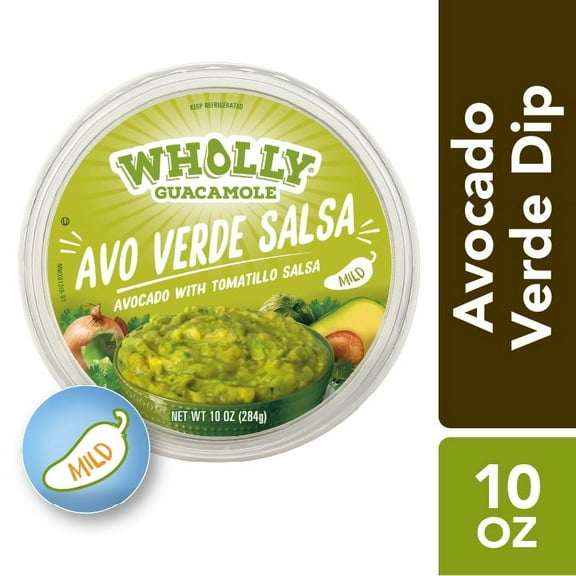
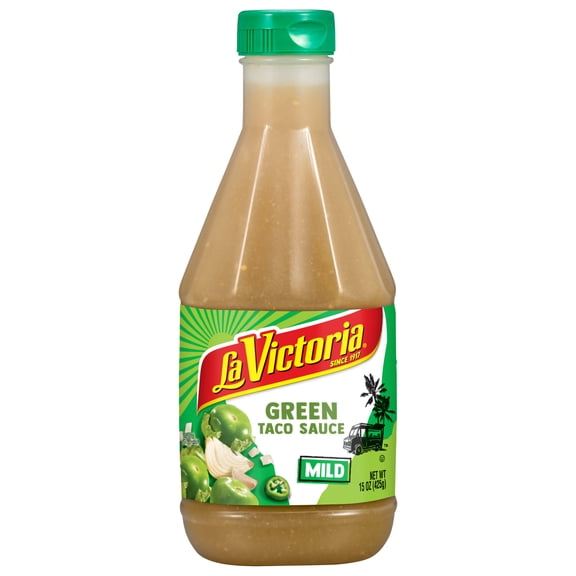
If you like a brighter finish, you can compare salsa verde and tomatillo salsa for tacos, roasted chicken, or breakfast plates. You may notice tomatillo brings a zippy taste that cuts through rich toppings.
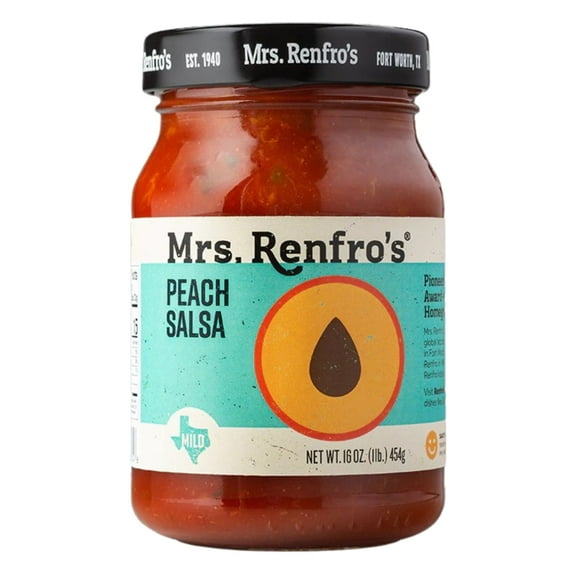
For a sweeter twist, you can look at mango or peach blends for shrimp tacos, grilled fish, or summer platters. You’ll also find black bean and corn mixes when you want extra texture in burrito bowls.
As you compare ingredient bases, you should think about the meal, not just the dip bowl. You may want tomato for classic nachos, tomatillo for carnitas, and fruit blends for grilled proteins.
What to look for in organic salsa and dietary labels
If dietary preferences guide your shopping, you should check labels early to narrow your options faster. You’ll find organic salsa, gluten-free choices, no added sugar varieties, and low sodium options in this category.
When gluten-free certification matters to you, you should confirm the exact package wording before choosing. You may also compare organic ingredients if your pantry routine focuses on specific sourcing preferences.
For everyday meals, you can use these labels to match salsa with the rest of your grocery list. You’ll keep planning simple when your dip fits taco bars, lunch boxes, and pantry staples without extra guesswork.
Freshness, storage, and everyday use
You should also compare storage style because salsa can be shelf-stable or refrigerated. You’ll usually keep unopened jars in the pantry, while fresh refrigerated salsa belongs in the fridge from the start.
After opening, you should check the package for storage directions and serving guidance. You’ll make meal prep easier when your salsa format matches how often you snack, cook, or host.
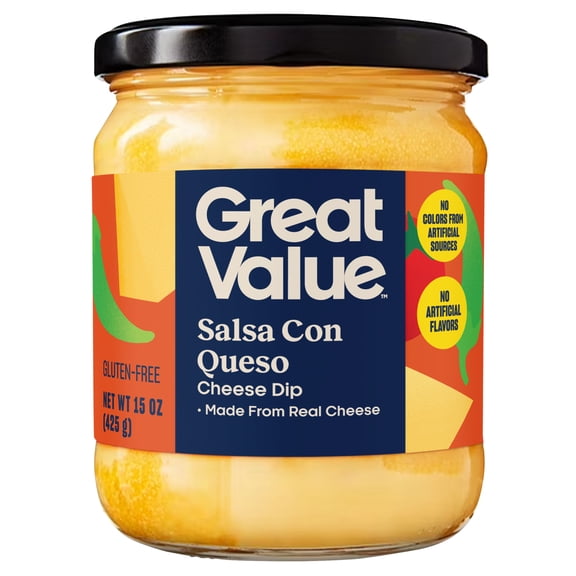
For quick lunches, you can spoon salsa over rice bowls, quesadillas, and baked potatoes. You can also use it in slow cooker recipes, taco meat, or party platters with tortilla chips and cheese dips.
When you want one jar to do more, you should consider how it works as both dip and cooking ingredient. You’ll get more flexibility when your chosen style fits marinating, topping, and mixing into recipes.
How salsa fits different occasions
Your weeknight meals may call for a family-friendly jar that works across tacos, eggs, and burrito bowls. You may want mild salsa or medium options when several people share the same table.
For game day spreads, you can compare chunky salsa, restaurant style salsa, and hot salsa side by side. You’ll give guests distinct dipping choices without changing the rest of your snack setup.
If you build themed meals, you can pair salsa verde with enchiladas, red tomato blends with nachos, and fruit salsa with grilled seafood. You’ll create clearer flavor matches when your base ingredient supports the main dish.
When your pantry needs versatility, you should choose a style that works beyond chips alone. You’ll feel more confident picking salsa that matches your spice level, texture preference, dietary needs, and storage routine.