



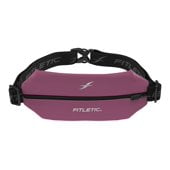
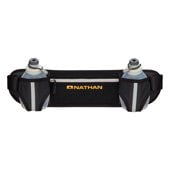
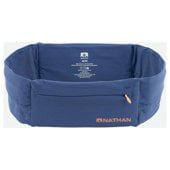
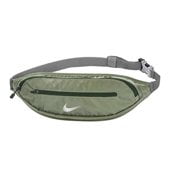
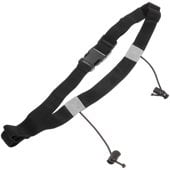
Running Belts in Running Gear
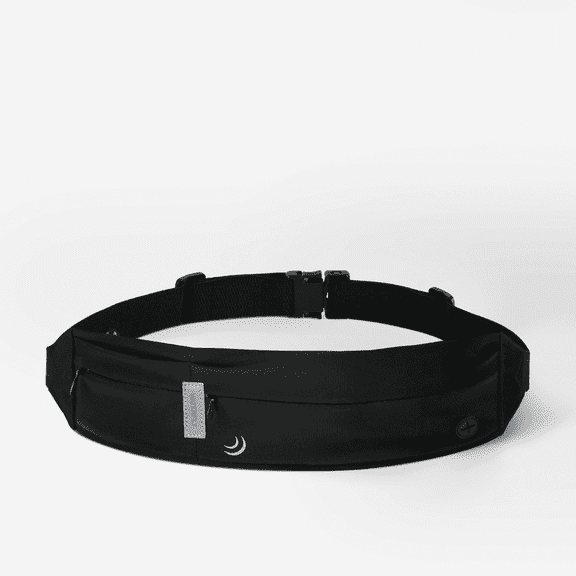

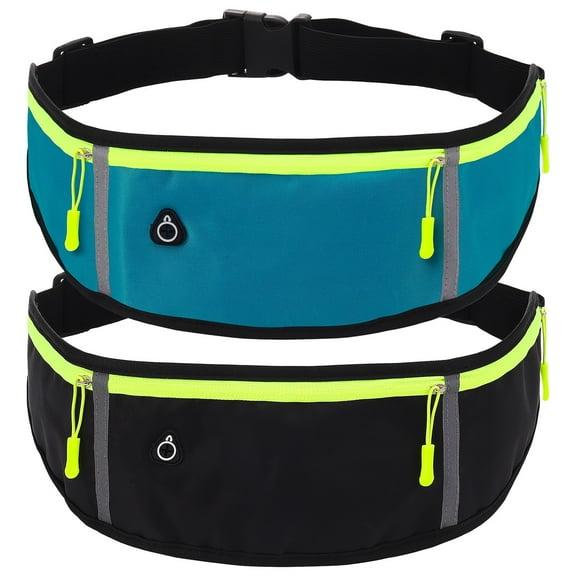
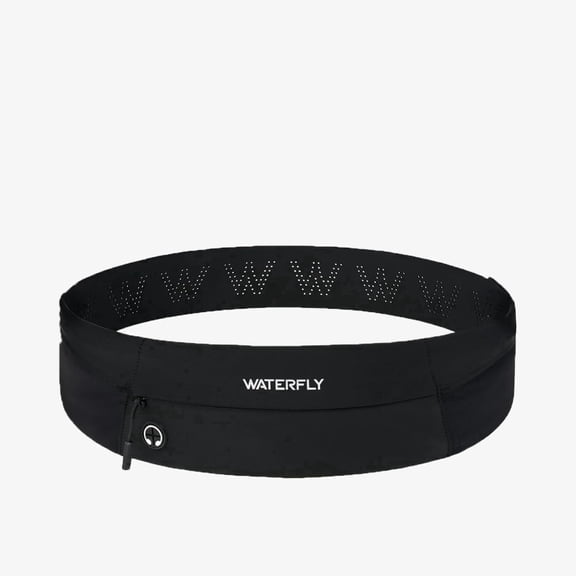














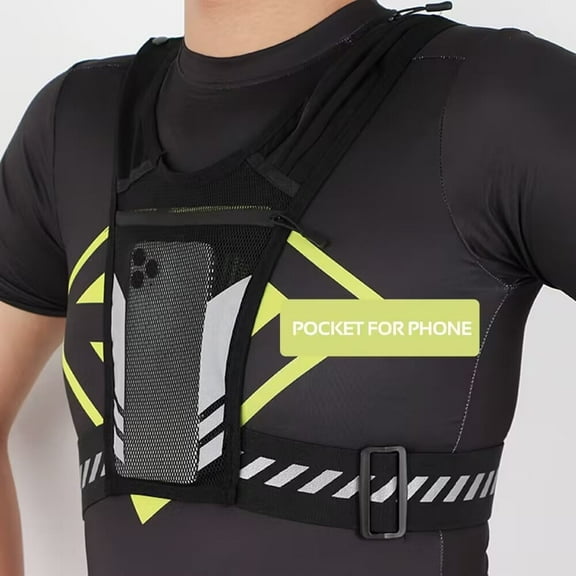
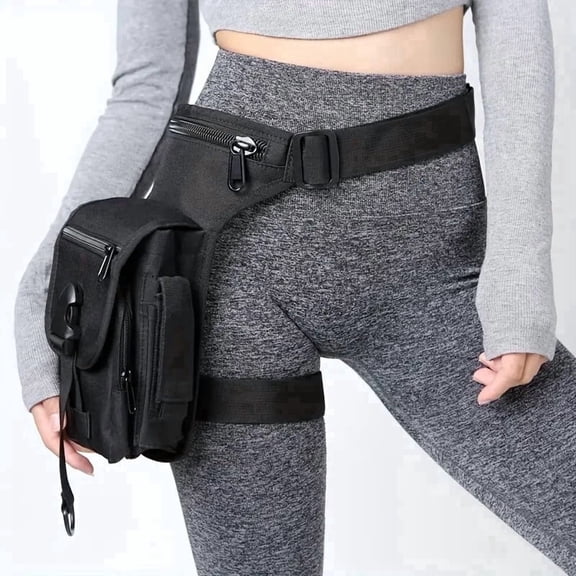


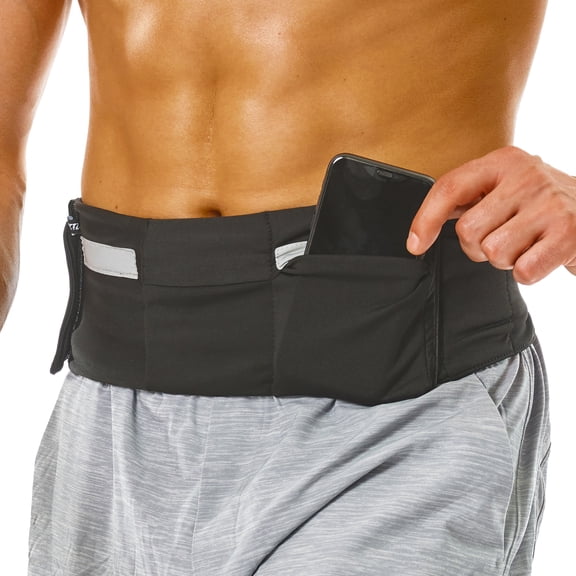

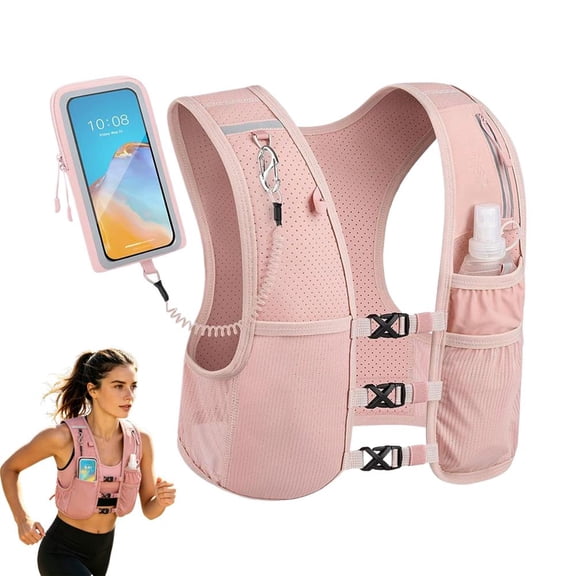
















About Running Belts in Running Gear - Walmart.com
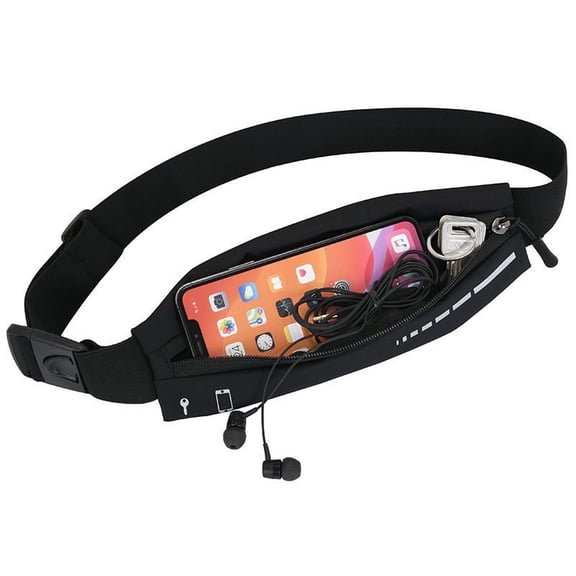
Running belts help you carry your phone, keys, cards, and fuel without interrupting your stride. You can compare low-profile storage, bounce control, and weather-ready materials for your routine.
You may need one belt for short treadmill miles or longer outdoor sessions. You can use this guide to compare storage capacity, fit systems, and visibility details that match your run.
Choosing the right running belts for your routine
You should start with the items you carry on each workout. You may want a single pocket for short runs or a multi-pocket layout for longer sessions.
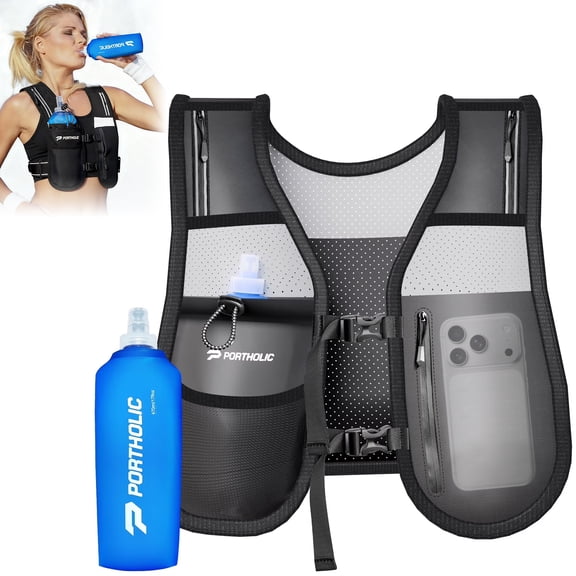
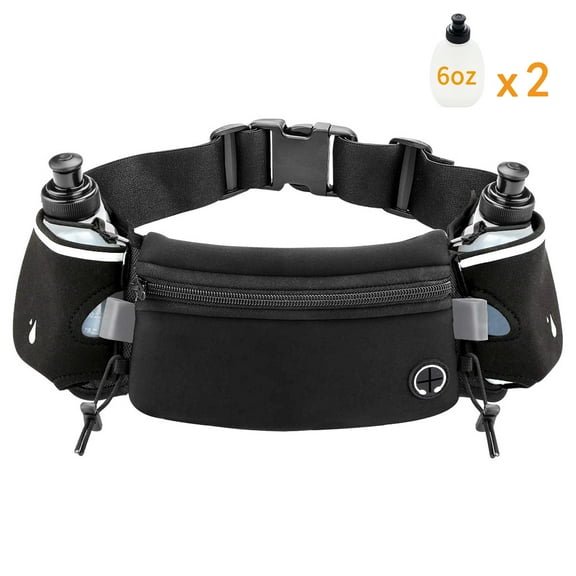
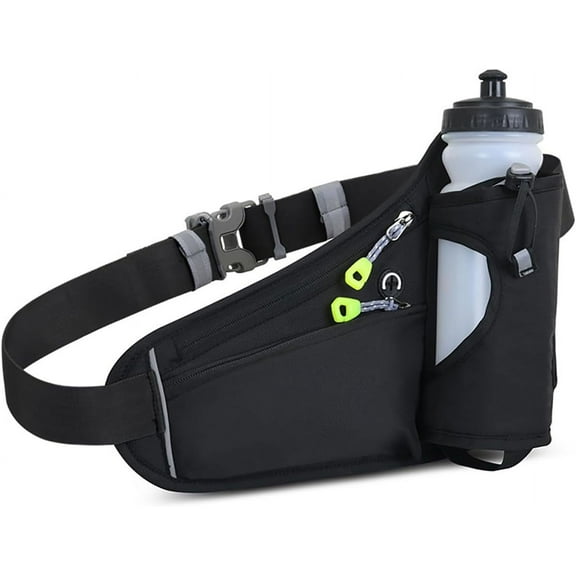
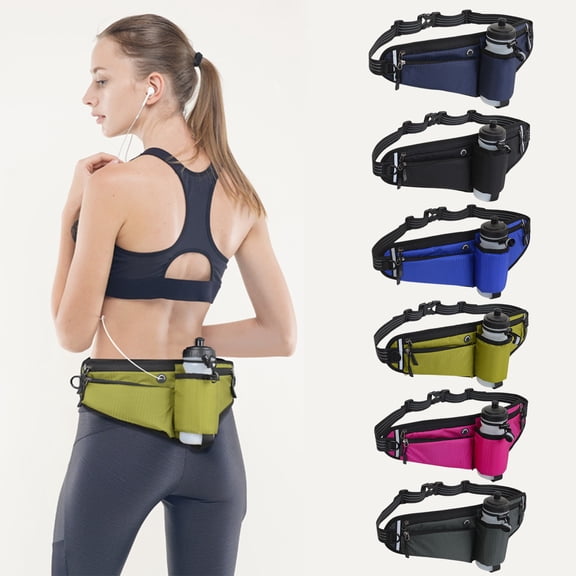
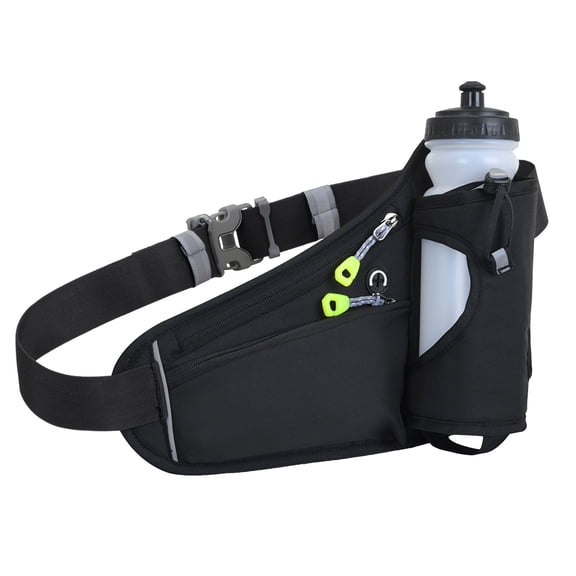
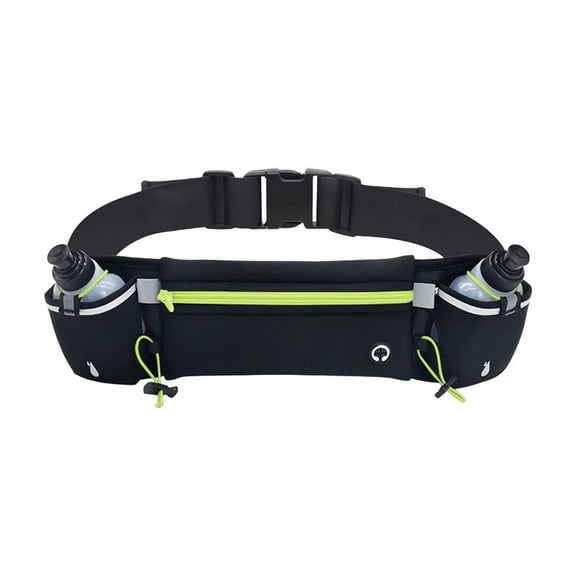
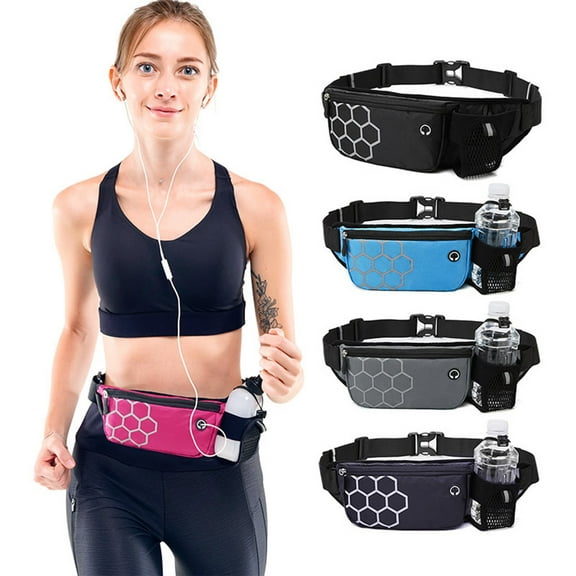
If you bring hydration, you can compare a running belt with water bottle holder styles. You can keep fluids at your waist while your small essentials stay organized.
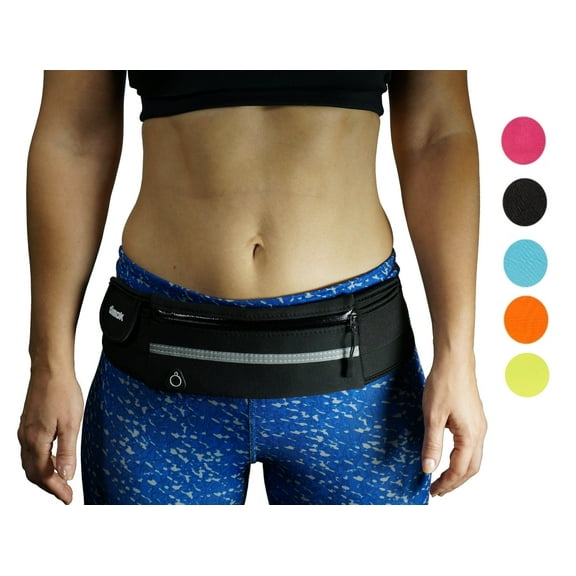
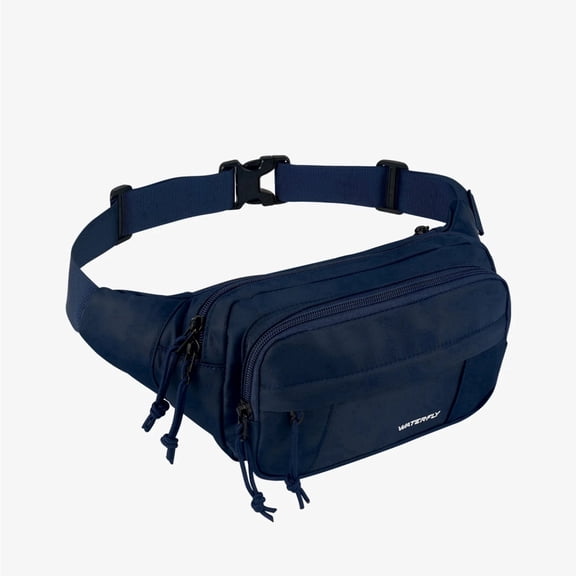
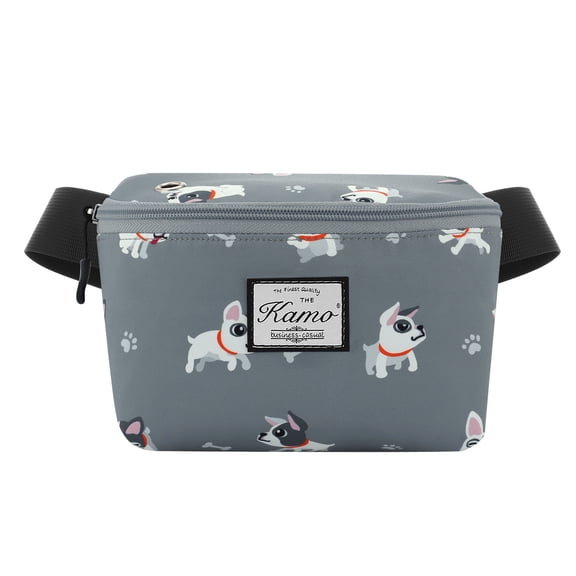
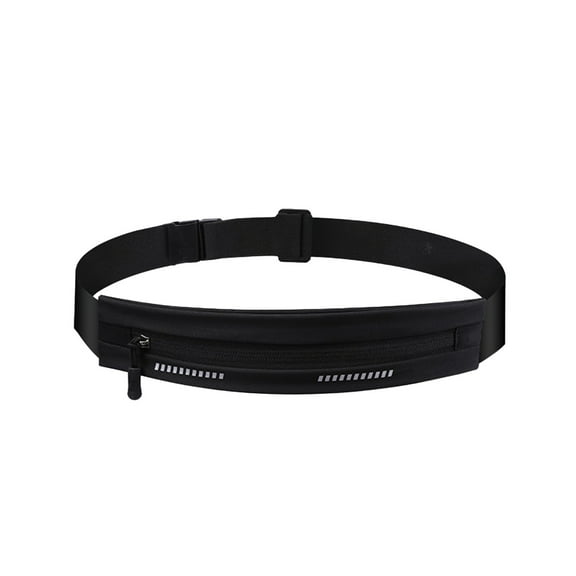
You can also compare a running waist pack shape with a flatter belt profile. You may prefer flatter styles when your shirt fit and reduced bulk matter.
- You can keep your hands free while your phone, keys, and cards stay close.
- You can reduce shifting when your belt fits snugly around your waist.
- You can separate fuel, cards, and electronics with the right pocket layout.
- You can choose weather-ready materials that help shield your essentials from sweat.
How to compare storage capacity and phone fit
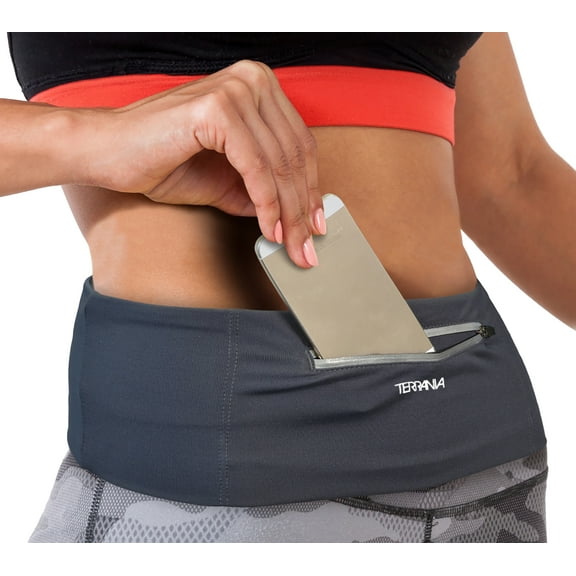
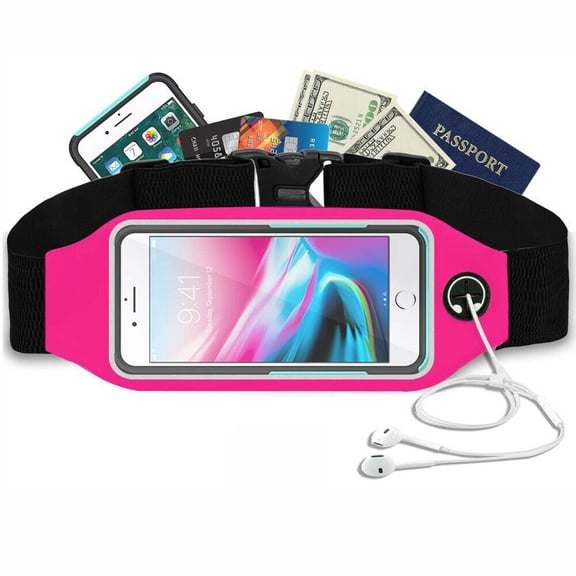
You should check pocket dimensions before you choose a belt for your phone. You can confirm length and depth, especially when your case adds extra bulk.
If you carry several items, you can compare single-pocket and multi-pocket designs. You can keep your cards and keys from pressing against your phone when you separate your storage.
You may prefer zippered storage when your pace gets faster. You can reach gels quickly with stretch compartments during longer training runs.
For race day, you can choose a low-profile belt that holds bib-ready essentials. You may want room for your phone, keys, and cards without extra bulk.
Choosing bounce free running belt styles and fit systems
You should focus on fit first when movement control matters during sprints. You can often get steadier carry when elastic fabric hugs your waist without pinching.
An adjustable buckle lets you fine-tune tension as your layers change. You can tighten your belt for speed work and loosen it slightly for easy miles.
If you want a bounce free running belt feel, you can look for wide elastic zones and grippy materials. You can reduce shifting when your gear stays centered close to your waist.
You can also compare zippered sections and stretch sleeves based on your movement. You may like stretch pockets for quick access and zippers for more secure storage.
How to assess material and weather resistance
You should compare neoprene and lycra based on your conditions and comfort preferences. You may find neoprene feels more structured, while lycra feels lighter and more flexible.
If sweat protection matters, you can look for TPU lining or listed water resistance details. You can use those features when your phone rides close during humid runs.
A waterproof running belt can suit drizzly mornings or damp training routes. You can add a protective layer for electronics when outer materials resist moisture.
You should also review closures, seams, and pocket construction before deciding. You can get a clearer picture of how your belt handles sweat, light rain, and repeated wear.
Choosing a running belt with water bottle holder support
You may want a running belt with water bottle holder storage when your route has fewer refill options. You can carry hydration at your waist instead of in your hands.
Some layouts place one bottle at the back, while others place bottles at the sides. You can choose based on whether your priority is balanced weight or quicker access.
You should also think about everything else you carry with hydration. You can look for separate compartments for gels, cards, and your phone so your items stay organized.
For longer miles, you may prefer a belt that spreads weight across a wider waistband. You can feel more stable when your hydration and gear sit close to your center.
Choosing visibility details and everyday use cases
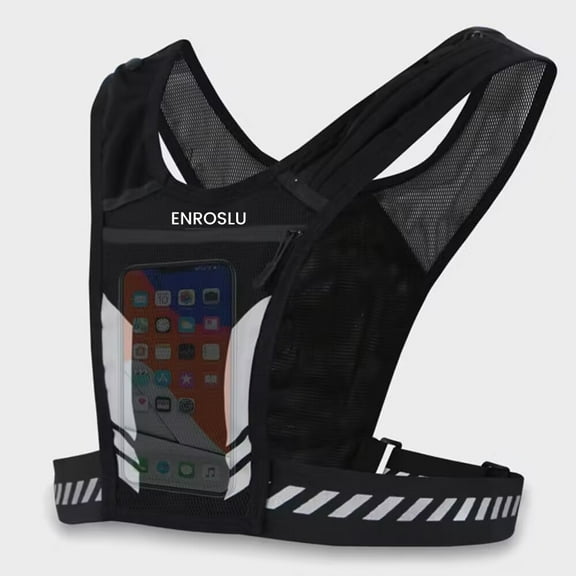
You can look for reflective strips when you run in lower light. You can add visible details without changing your routine or carrying another accessory.
High-visibility colors can help your gear stand out at dawn or dusk. You can appreciate quick contrast when your route looks dim or gray.
For treadmill sessions, you may want a slim belt that holds only your phone and key. You can keep your clothing pockets clear while your essentials stay together.
On outdoor runs, you might choose more storage, weather resistance, and hydration support. You can match your belt to your distance, pace, and the gear you actually carry.
You can choose running belts with more confidence when you compare storage, fit, and material details together. You can finish with a belt that stays steady and keeps your essentials close.