



RTIC
















































About RTIC - Walmart.com
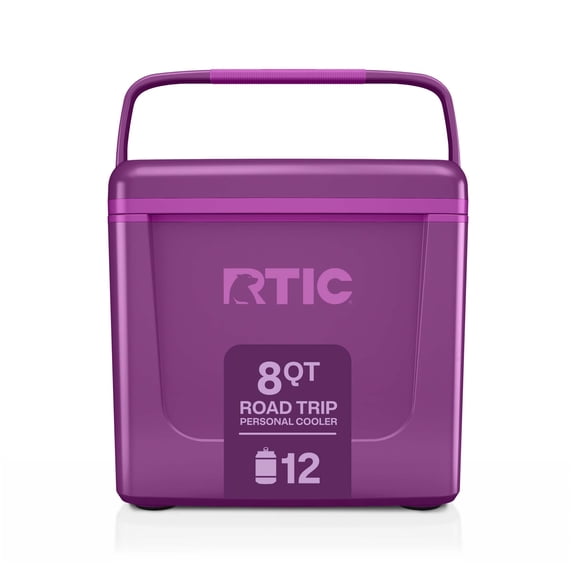
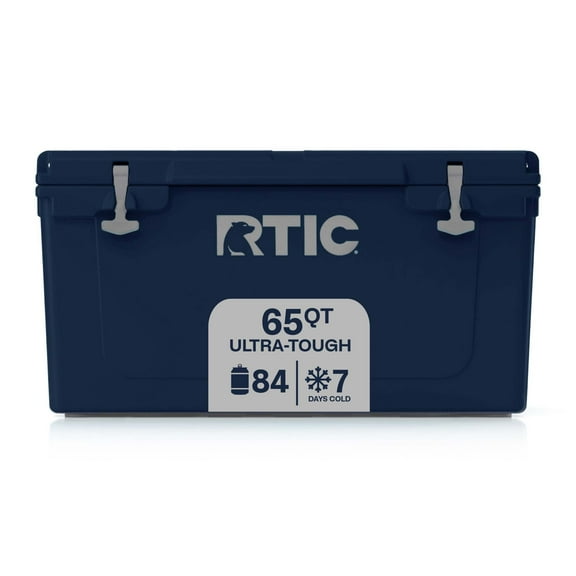
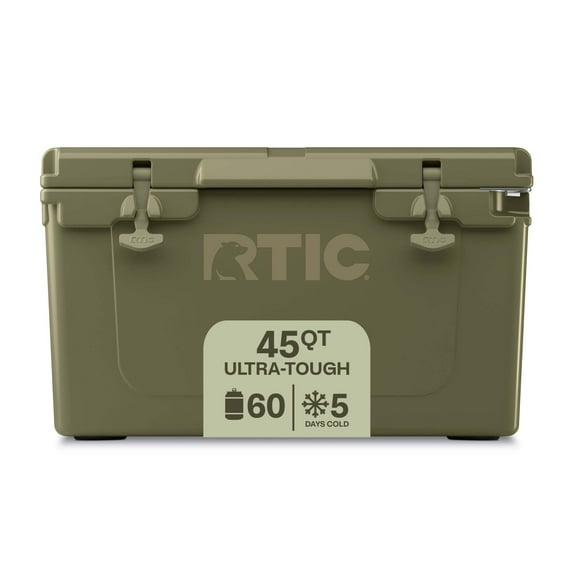
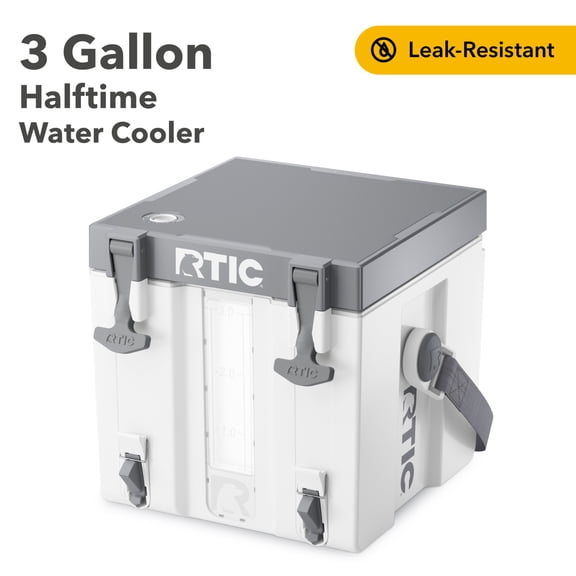
RTIC coolers help you keep drinks cold for road trips, tailgates, campouts, and long weekends. You can compare hard, soft, backpack, and wheeled options by ice retention, carrying weight, and capacity.
If you're narrowing down rtic coolers, you likely want rugged construction and practical sizes. You can also match tumblers, lunch bags, and portable coolers to the way you actually travel.
How to choose rtic coolers for your trip
Start with trip length, because your outing decides how much insulation you need. You may prefer daily-use soft styles for errands, lunches, and short beach trips.
For longer camping plans, you should compare ice retention claims with cooler size and empty weight. You can often use a hard-sided rotomolded ice chest when you need colder contents for several days.
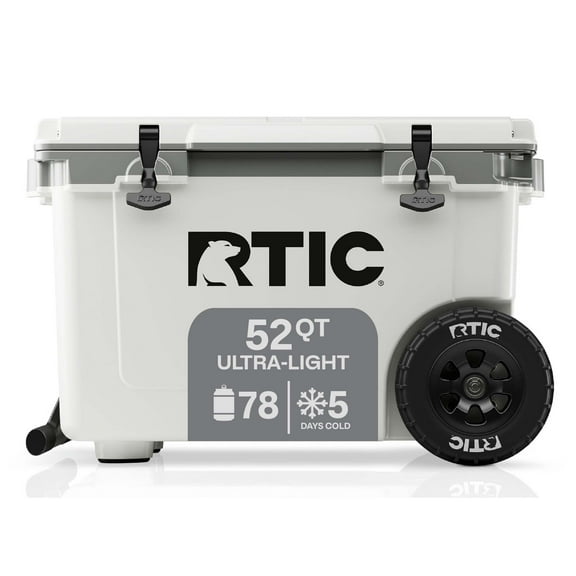
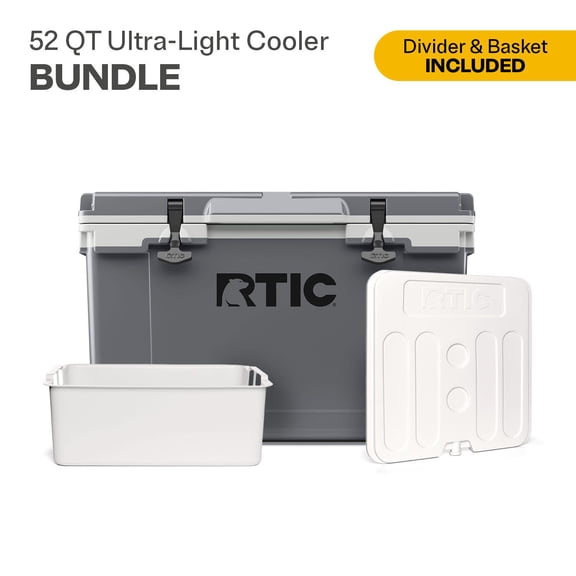
Capacity matters just as much as insulation when you're packing for a group. You can use 20 qt sizes for solo outings, while 52 qt and 110 qt options fit larger gatherings.
- You can choose hard sided coolers when your trip lasts several days.
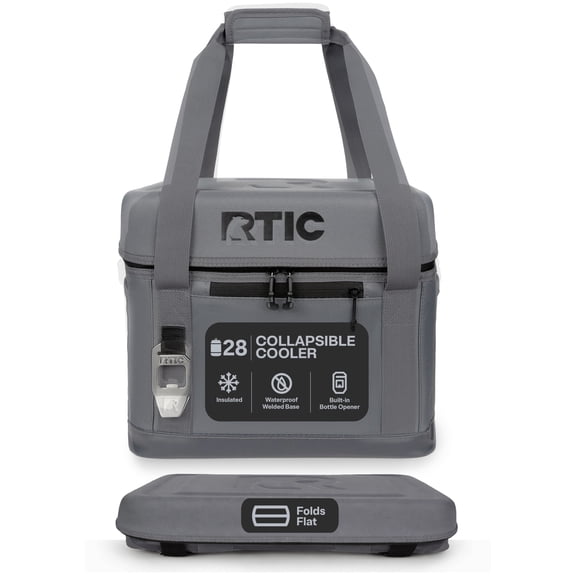
- You can choose soft pack coolers when your route includes frequent carrying.
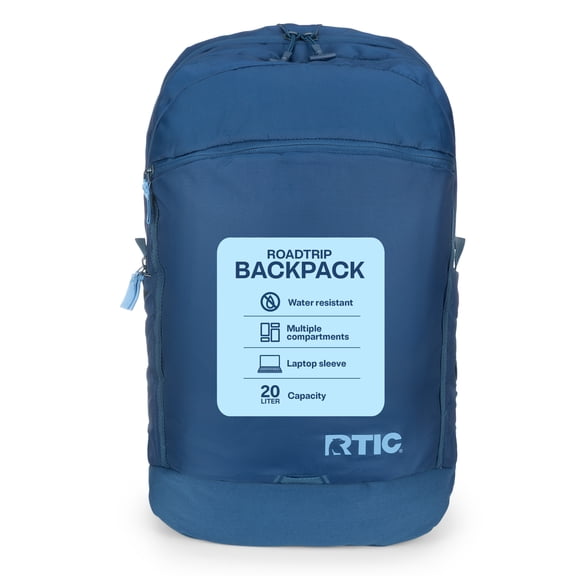
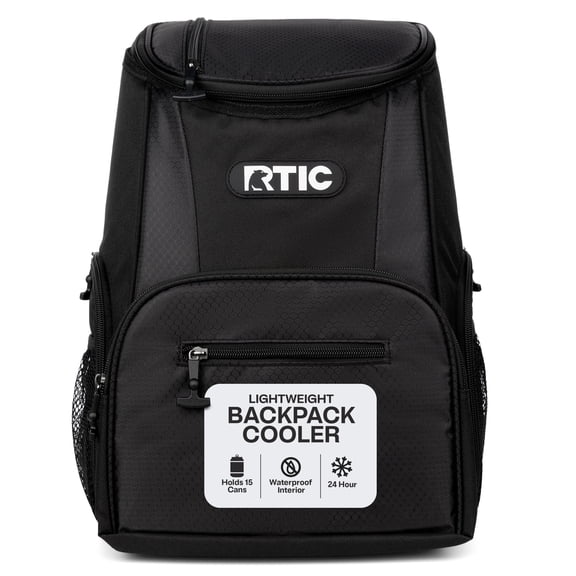
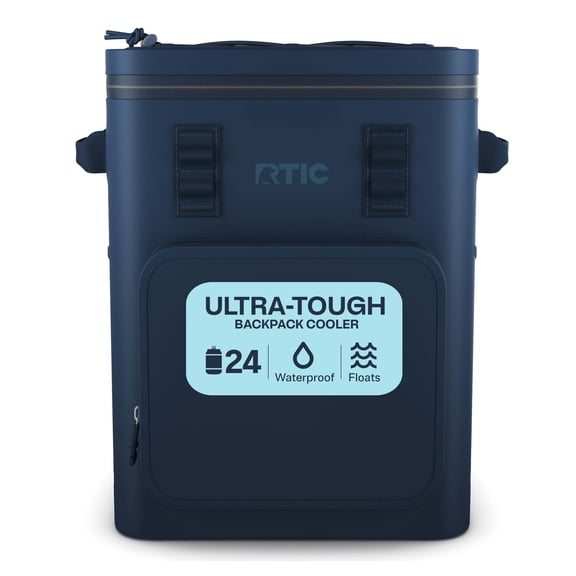
- You can choose a backpack cooler when you need hands-free movement.
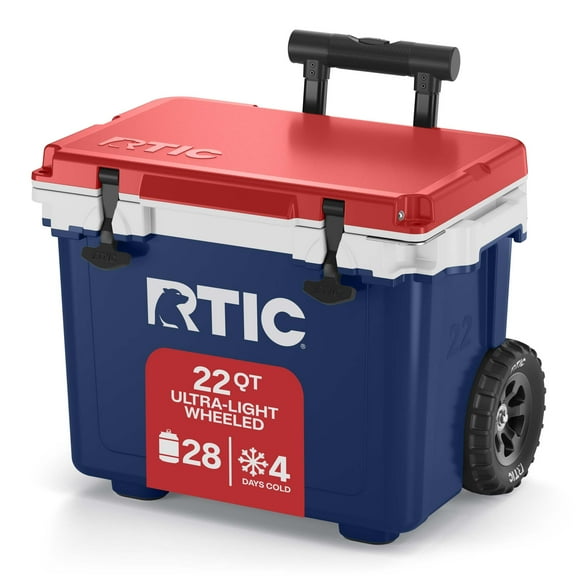
- You can choose wheeled models when you expect a heavy loaded weight.
Choosing between rtic hard coolers and soft pack styles
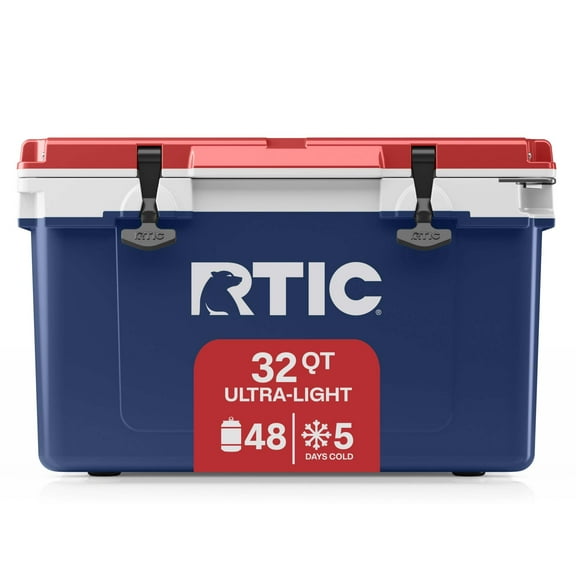
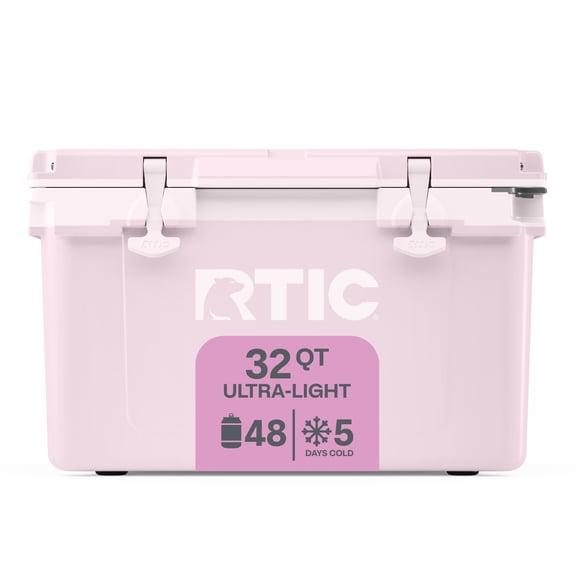
RTIC hard coolers usually make sense when you want thicker walls and heavy-duty latches. You can compare them for campsite use, extended fishing trips, and multi-day tailgating.
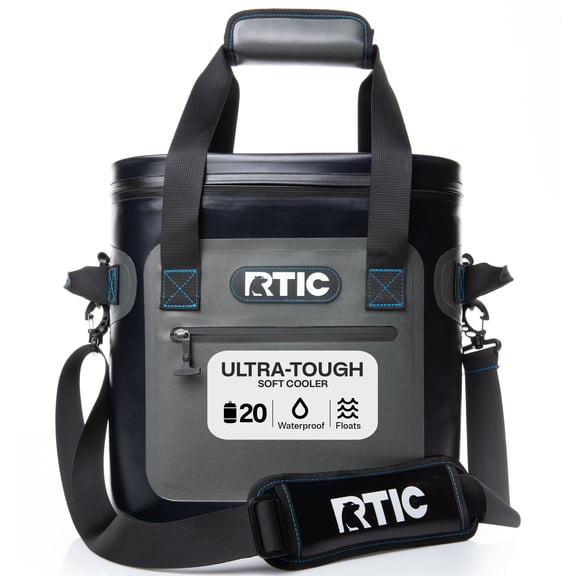
Soft pack designs work well when you need lighter carry weight and easier storage. You can tuck many soft options into car trunks, boat compartments, or crowded sidelines.
If you're considering an rtic backpack cooler, check strap design and how the load sits on your back. You should compare empty weight first, because loaded weight climbs fast with ice and drinks.
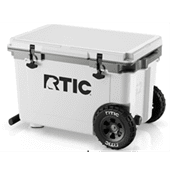
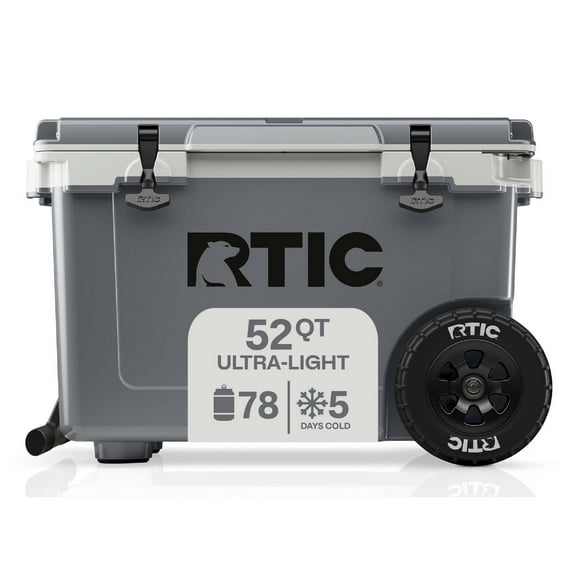
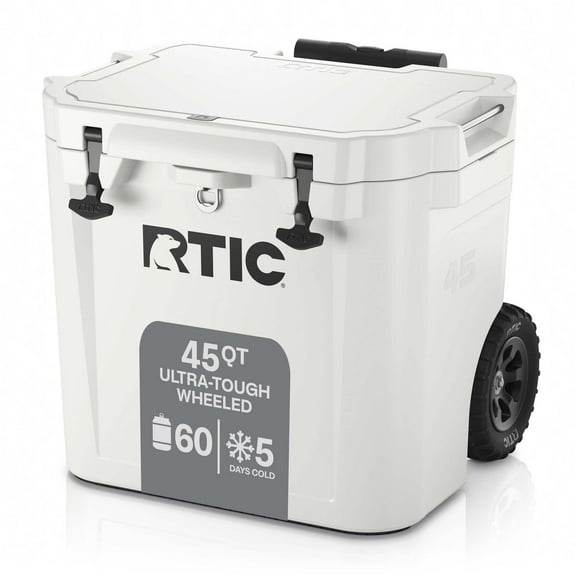
Wheeled coolers help you move larger loads across parking lots, campgrounds, and fields. You can reduce arm strain when you pull heavier contents instead of carrying them.
What to look for in size, weight, and capacity
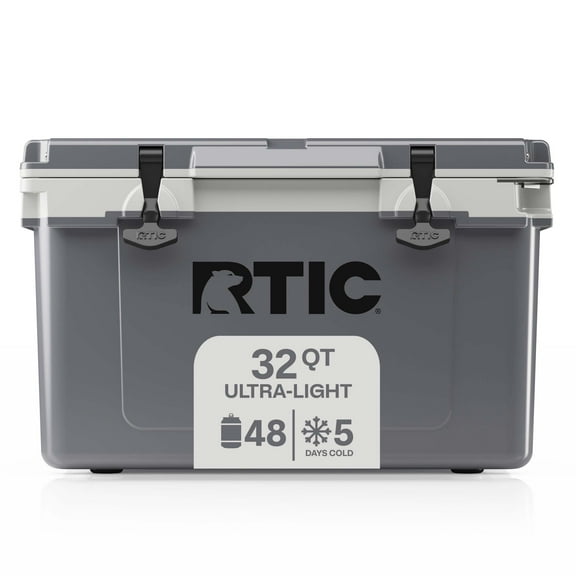
You should match quart size to your group size and trip length before anything else. A 20 qt cooler often fits a day trip, while 32 qt adds room for food and extra ice.
When you're planning a full weekend, 52 qt sizes give you more flexibility for meals and drinks. If you're packing for a bigger crew, 110 qt sizes can support bulkier loads.
Can count matters too, especially when you want a fast way to compare models. You can estimate space more easily when you think about bottles, meal containers, and loose ice together.
Weight deserves close attention if you'll lift the cooler in and out of trucks. You should compare empty weight and carrying handles, because both affect real-world portability.
Look for side handles, shoulder straps, or backpack straps based on your route. You can carry a lunch bag across an office lot differently than a full cooler at a boat ramp.
Understanding ice retention and construction details
Ice retention should align with your outing instead of sounding impressive on its own. You can use daily-use insulation for work lunches, then step up for overnight camping.
For trips lasting several days, you may want thicker insulation and tighter sealing parts. You should also compare lid fit and closure style, because those details affect cold retention.
A rotomolded ice chest uses molded construction that feels rigid and durable in rough settings. You can choose this build when your cooler may ride in truck beds, boats, or campsites.
Heavy-duty nylon and puncture-resistant shells matter when you want a lighter soft cooler. You can get easier carrying without giving up the structured shape you need for daily use.
If durability is a priority, check latch design, hinges, and exterior hardware. You may also compare bear-resistant claims on select hard coolers when your camping destination requires them.
Using rtic soft pack coolers, tumblers, and lunch bags
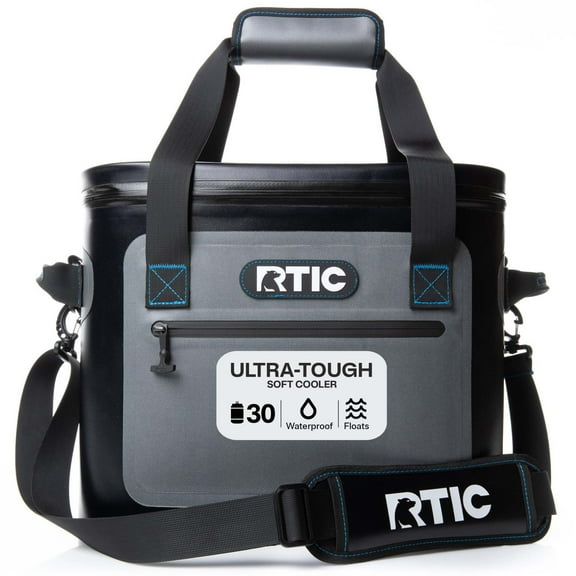
RTIC soft pack coolers fit quick outings where you want portability over bulk capacity. You can bring them to practices, picnics, concerts, and afternoon boat rides.
An rtic lunch bag works well when you carry meals between home, work, and school. You can keep containers organized without hauling a large cooler through your routine.
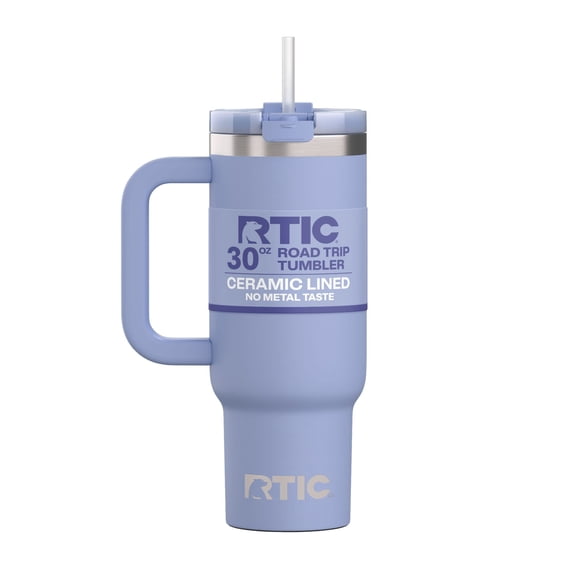
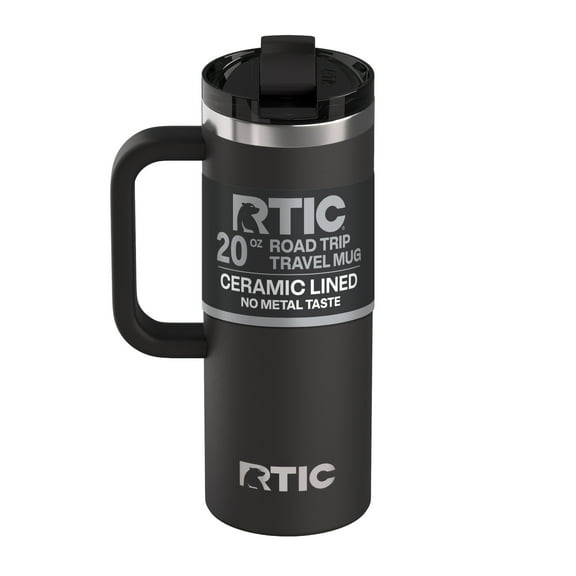
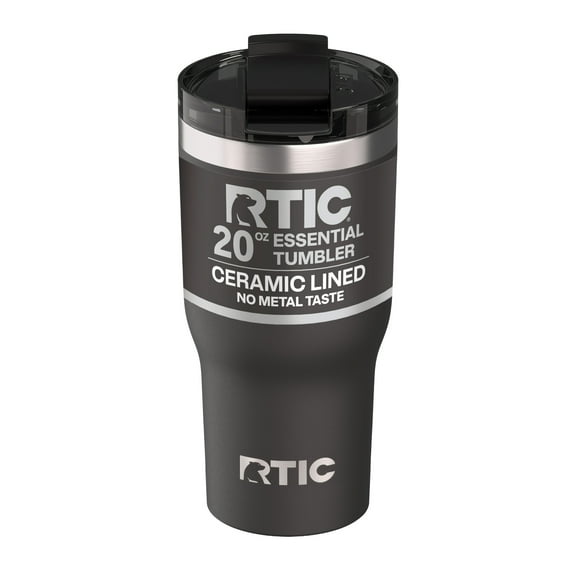
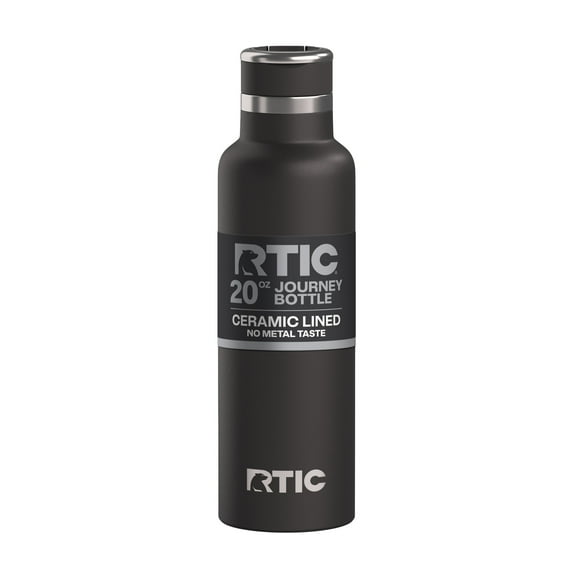
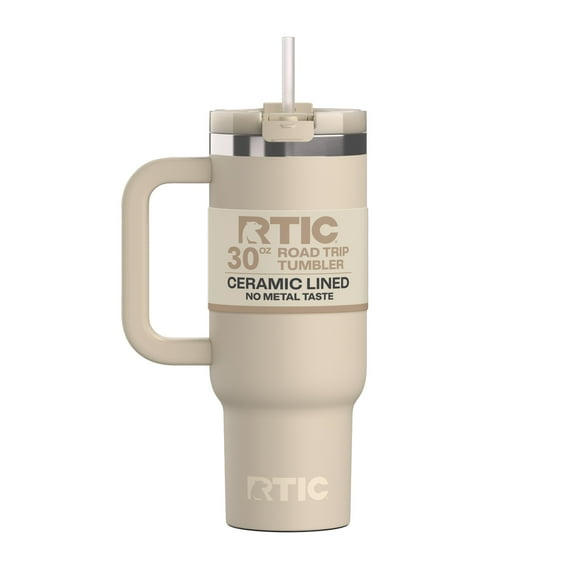
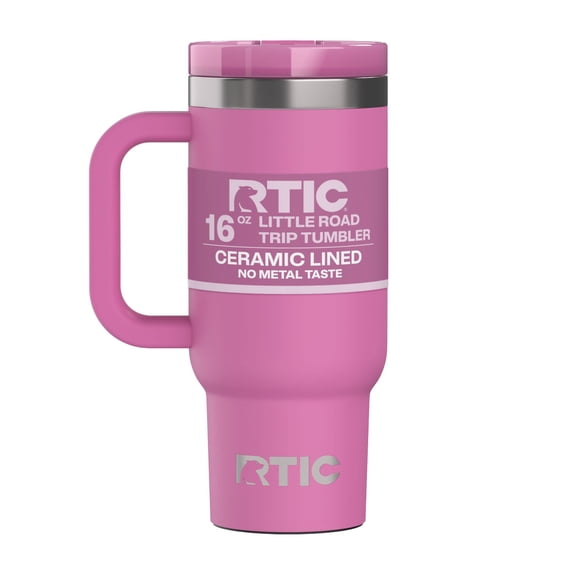
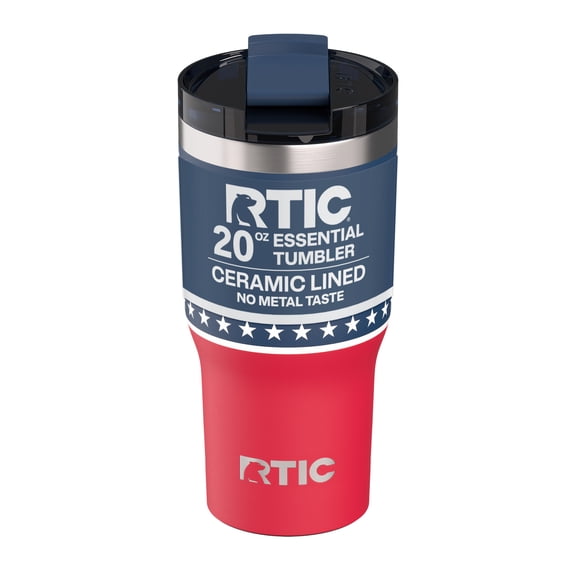
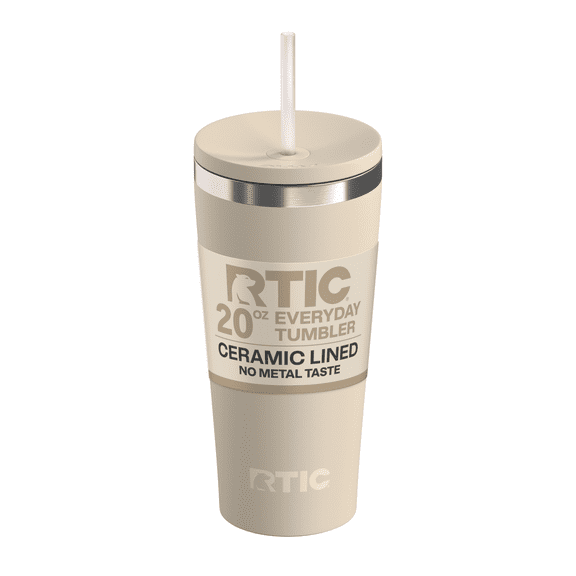
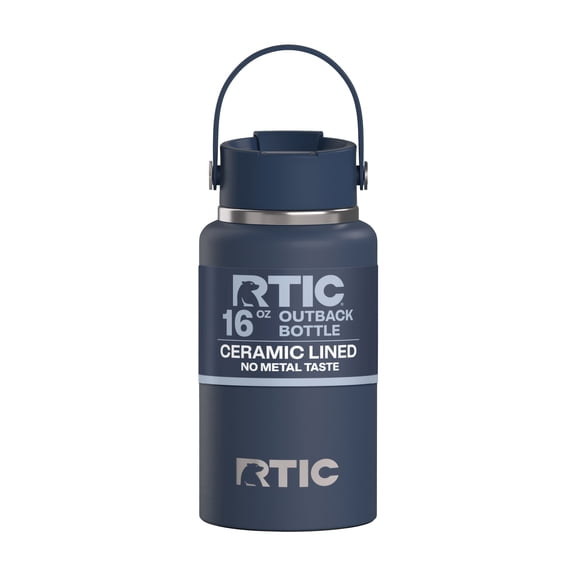
RTIC insulated tumblers round out your setup when you want grab-and-go drinkware. You can keep a cooler in the car, then carry your drink separately through the day.
If your plan includes walking trails, festivals, or shoreline access, a backpack cooler helps. You can keep both hands free while carrying snacks, drinks, and cold packs.
For tailgates and tournaments, you may combine a hard cooler with tumblers or smaller soft options. You can leave the main cooler at base camp and carry only what you need.
When you compare rtic coolers by type, size, and carry style, your choice becomes clearer. You can land on the right setup for colder drinks, easier transport, and fewer packing compromises.