

RTIC Stores Near Me: Find RTIC Coolers & Drinkware





































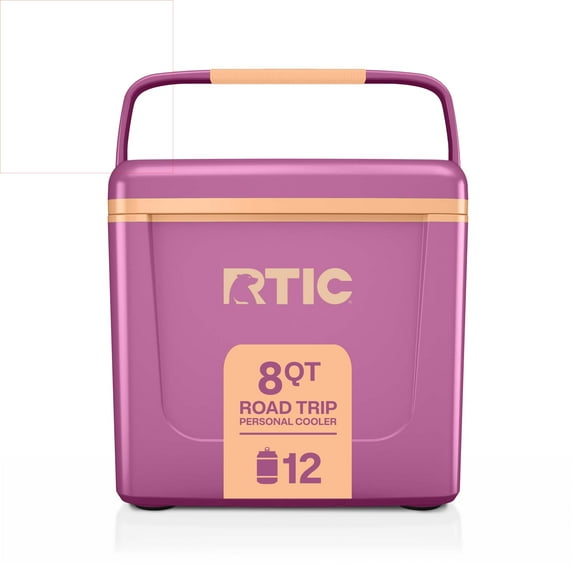


About RTIC Stores Near Me: Find RTIC Coolers & Drinkware - Walmart.com
When you compare rtic coolers, you can sort hard coolers, soft coolers, and drinkware around trip length and carry needs. You’ll also find rotomolded builds, soft pack designs, and vacuum-insulated cups that fit camping, beach days, tailgates, and commutes.
Instead of scanning an internal brand shelf without context, you can use this guide to compare cooler type, capacity, and insulation. You’ll make faster choices when your outing length, group size, and carrying distance shape the decision first.
How to choose rtic coolers by cooler type
Start with your route, because your carrying method often matters as much as cold hold. You’ll usually want a hard-sided option for longer outings and a lighter soft-sided option for quicker trips.
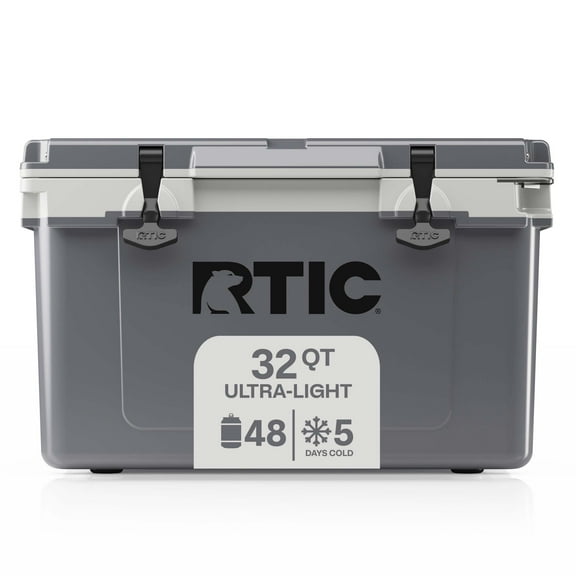
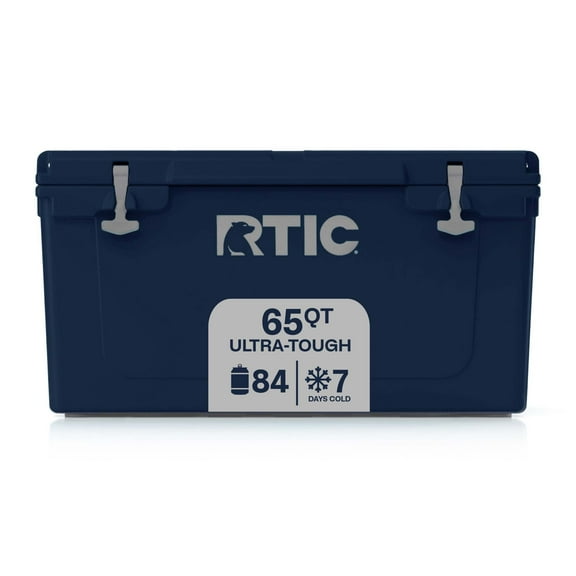
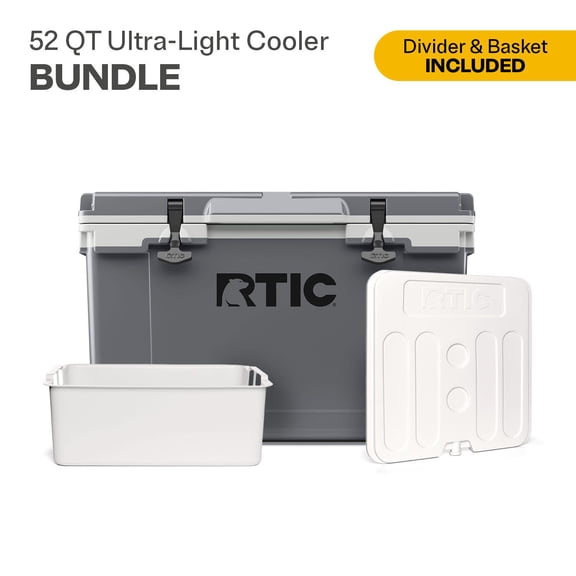
Hard-sided models can suit you when you need structure, thicker walls, and a gasket-style lid for longer ice retention. You’ll often choose that format when your food and drinks stay packed from morning through late evening.
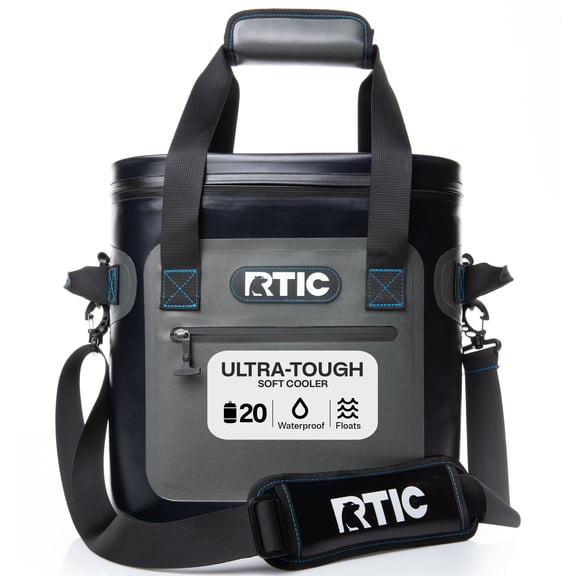
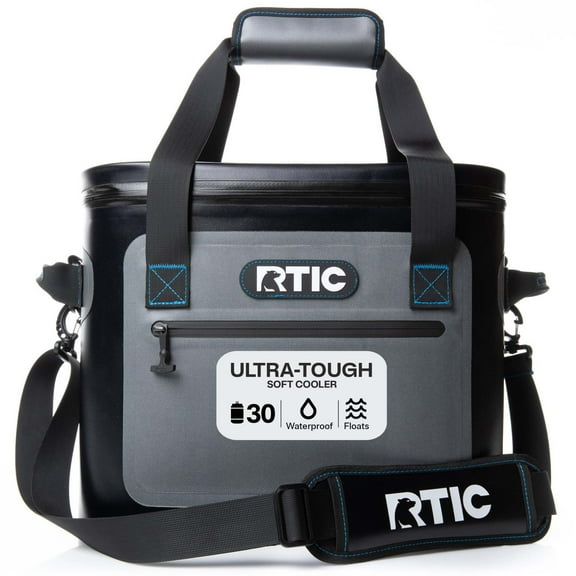
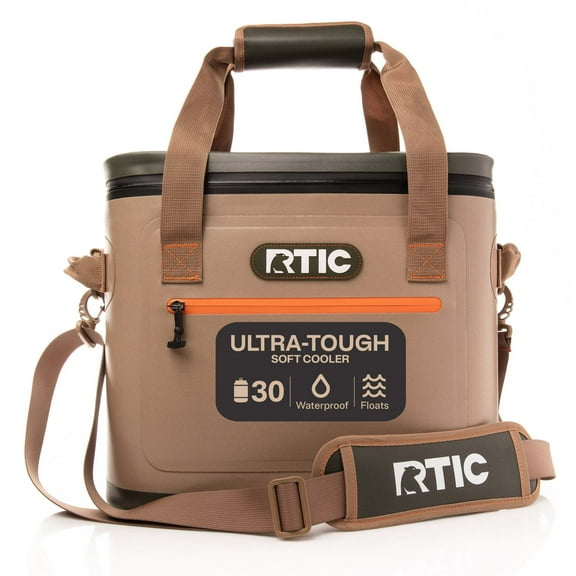
Soft-sided designs can work for you when flexibility and lighter weight matter more than a rigid shell. You may find an rtic soft pack cooler easier to lift into a trunk, boat, or crowded back seat.
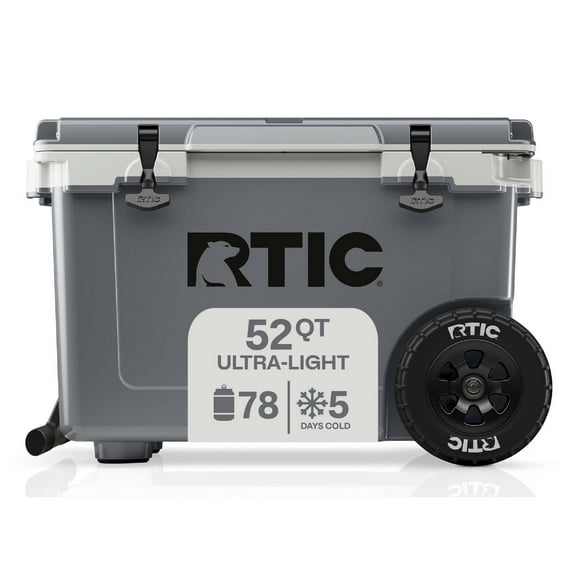
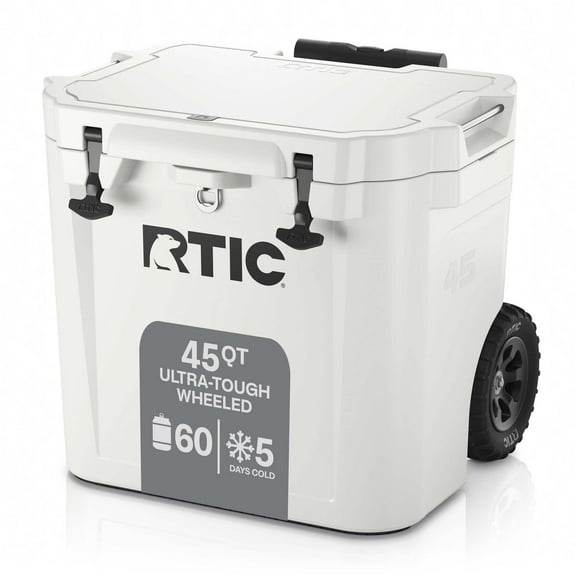
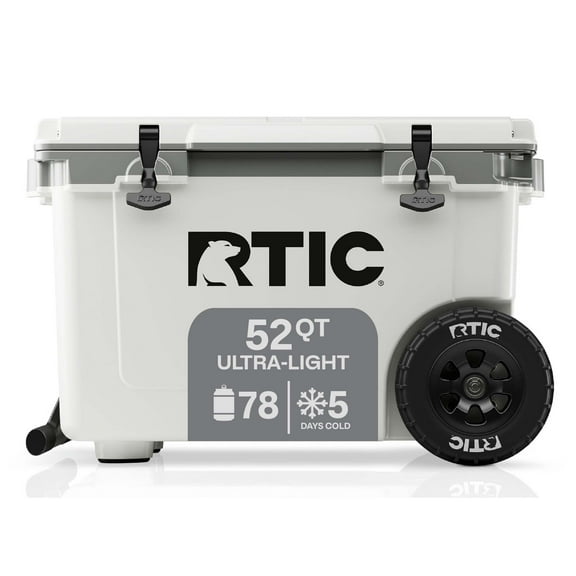
Backpack styles can fit your plans when you need both hands free for chairs, towels, or other gear. Wheeled options can help you move heavier loads farther across parking lots, campgrounds, or tailgate setups.
- You can choose hard-sided coolers when your trip lasts longer and your route doesn’t require much carrying.
- You can choose soft-sided coolers when your space is tighter and your load needs more flexibility.
- You can choose backpack styles when your walk is longer and your hands need to stay free.
- You can choose wheeled styles when your group is larger and your cooler carries more drinks and ice.
Choosing capacity in rtic tumblers and coolers
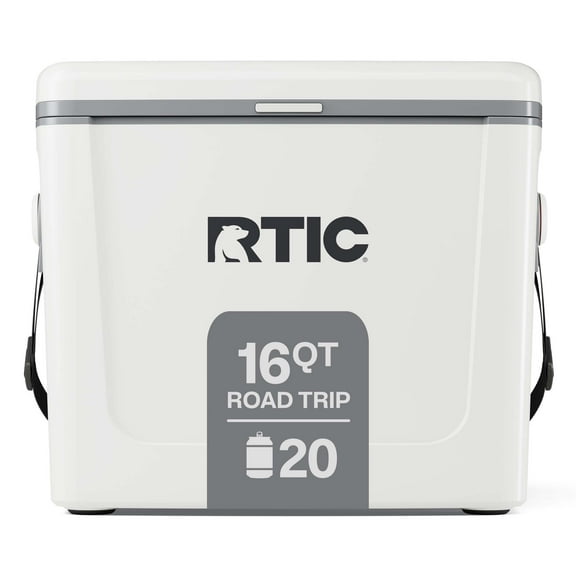
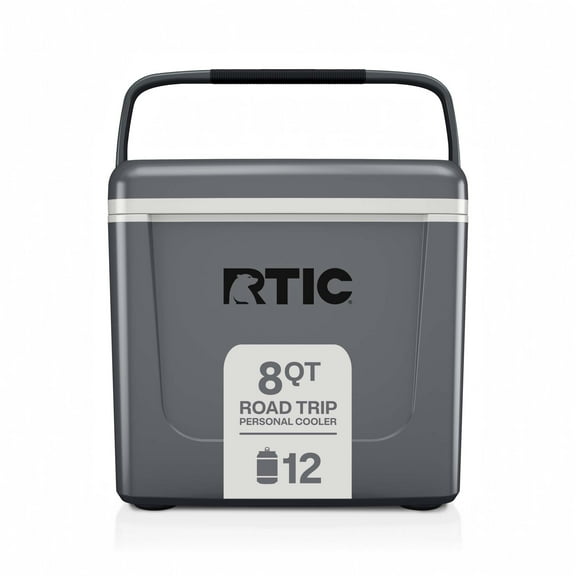
Capacity becomes easier when you match it to people, hours, and refill access. You should compare compact coolers for solo lunches and larger sizes for group drinks, meal storage, and extra ice.
A shorter outing may call for a smaller cooler that you can lift easily and tuck behind a seat. A full beach day may push you toward added room for snacks, bottles, and fresh ice.
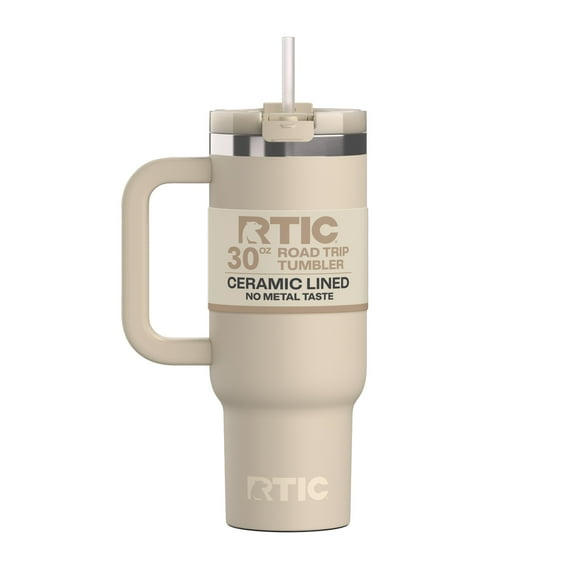
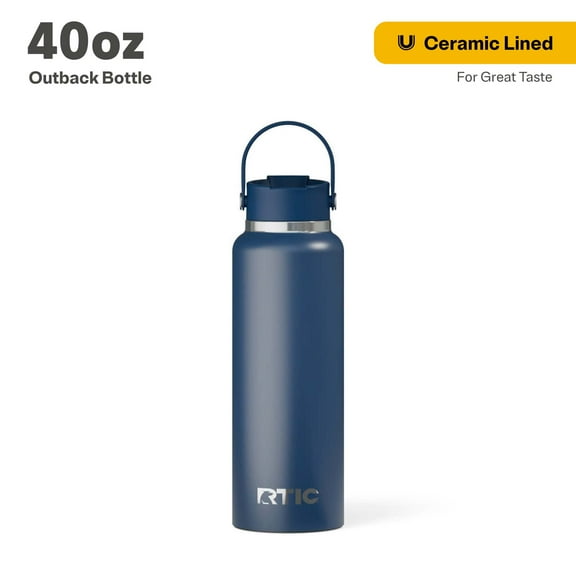
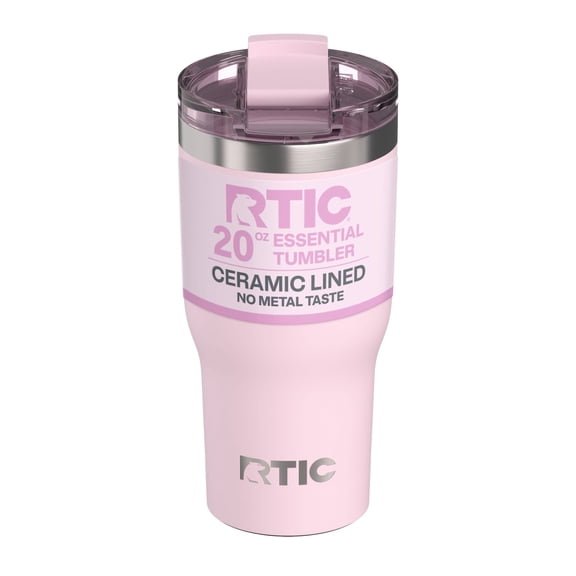
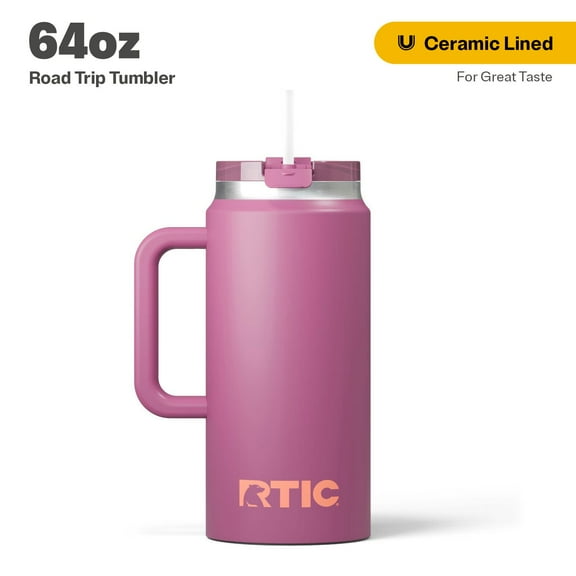
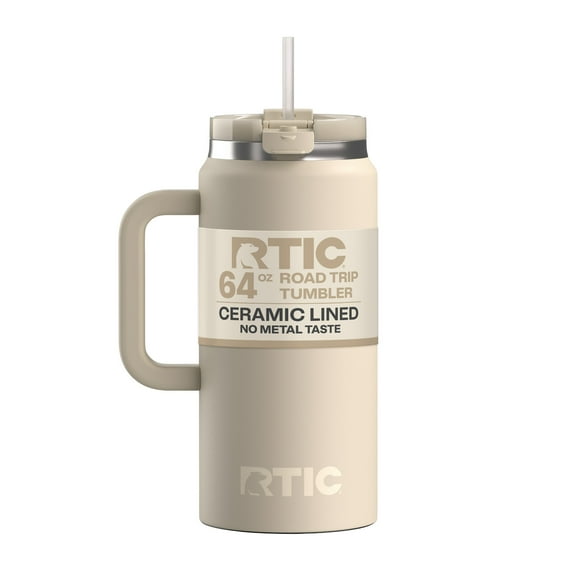
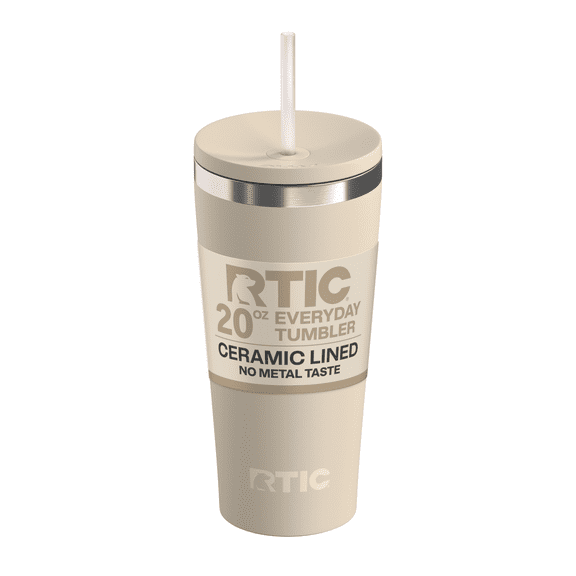
Drinkware size also deserves a practical check before you choose. You can compare 20 oz cups for shorter commutes, 30 oz options for longer drives, and 40 oz sizes for fewer refills.
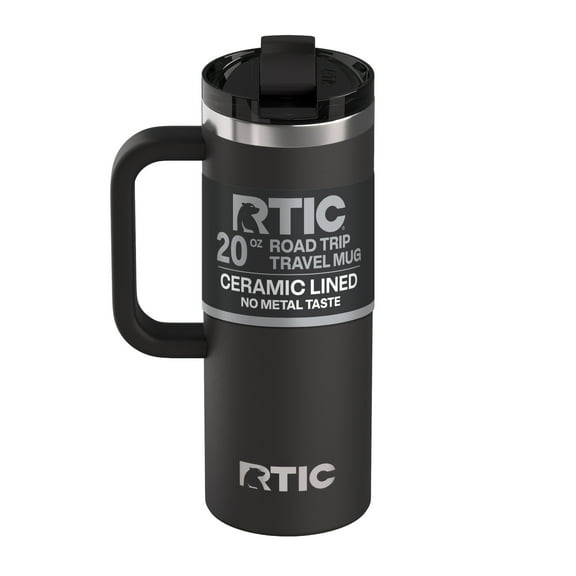
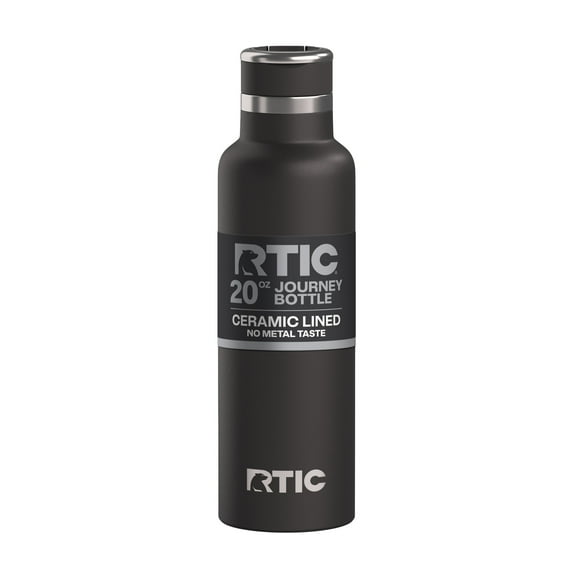
If your routine centers on hydration, you may prefer a half gallon bottle that cuts down refill stops. You can also compare an rtic travel mug or rtic water bottle by handle shape and lid style.
What to look for in rtic coolers insulation
Insulation type should match the amount of time you expect your contents to stay cold. You’ll usually notice the biggest difference when you compare rotomolded walls, closed-cell foam, and gasket seal details.
Rotomolded construction can make sense for you when durability and longer cold hold sit at the top of your list. You may lean that way when your rtic ice chest stays outside for extended hours.
Closed-cell foam can help you balance portability with reliable temperature hold in a soft-sided build. You should check whether that lighter format still matches your trip length and how often you open the cooler.
For drinkware, double-wall vacuum insulation matters when you want your routine to stay simple from first sip to last. You may prefer rtic insulated cups for desk use, commuting, and longer errands.
Lid design also changes your experience more than many shoppers expect. You should compare gasket seals, zipper styles, and closure types because those details affect how your cooler performs through repeated openings.
Comparing durability and portability for real routines
Durability should reflect where your gear actually goes. You can compare rigid shells for docks, truck beds, and campsites, while flexible builds may fit tighter storage spots and shorter carries.
A rotomolded cooler can suit you when rough surfaces and repeated outdoor use shape your weekends. A soft-sided model can suit you when your cooler needs to slide into packed cargo areas.
Portability deserves its own check, because weight feels different after a long walk. You should measure whether shoulder straps, backpack straps, side handles, or wheels match your route from car to setup.
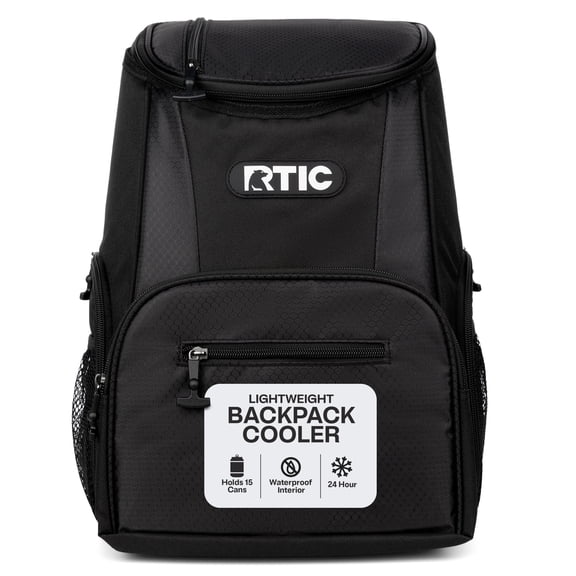
Sand, stairs, and long parking lots can quickly change what feels practical. You may find an rtic backpack cooler easier for beach trips, while wheels can feel smarter for heavier tailgating gear.
Drinkware needs that same routine-based thinking. You should compare cup shape, lid style, and height so your rtic tumblers fit cup holders, bags, and desk setups more smoothly.
Matching rtic coolers to camping, beach, tailgating, and travel
Camping usually pushes you toward longer cold hold and more capacity. You can pair a hard-sided cooler with insulated drinkware when your trip includes meals, coffee, and full-day outdoor use.
Tailgating often changes the priority from pure capacity to transport. You may prefer wheels for the walk from the car, then add an rtic travel mug or tumbler for easy sipping.
Beach plans usually reward lighter carry methods and compact packing. You can compare an rtic beach cooler or an rtic backpack cooler when sand and longer walks shape the day.
Daily travel calls for a different setup than a campsite or tailgate lot. You may skip a full cooler and choose rtic insulated cups, a water bottle, or a travel mug for commutes and errands.
A coordinated setup can simplify your planning before each outing. You’ll choose more confidently when cooler type, drinkware size, and insulation style all match the same routine.
With rtic coolers and drinkware, you can compare size, insulation, and carry style without guessing. You’ll end up with gear that fits your trip length, your route, and your daily habits.