

Rivets in Fasteners























About Rivets in Fasteners - Walmart.com
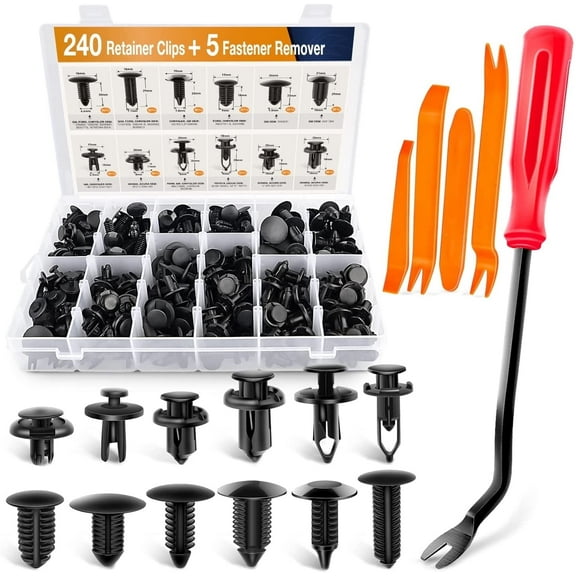
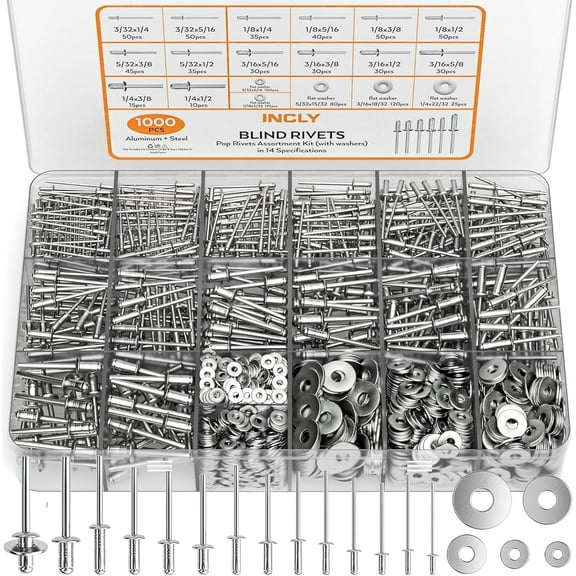
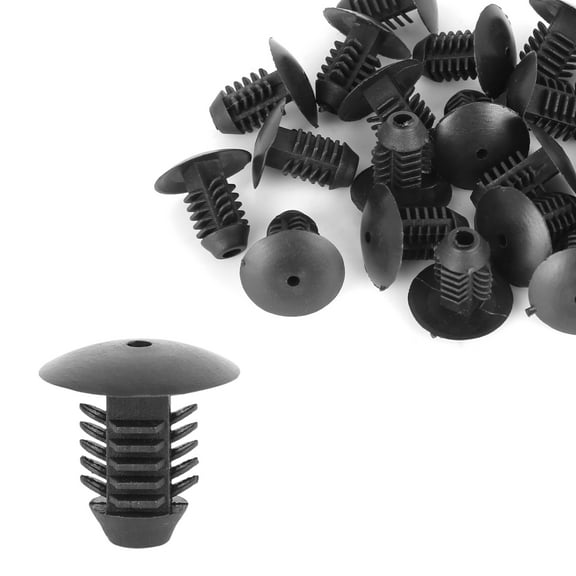
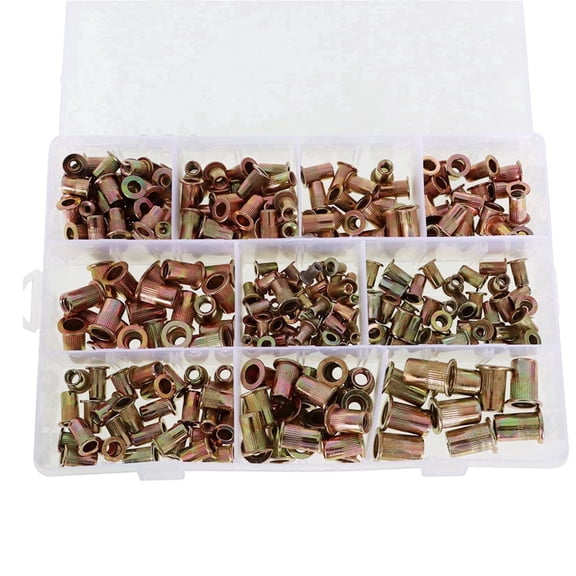
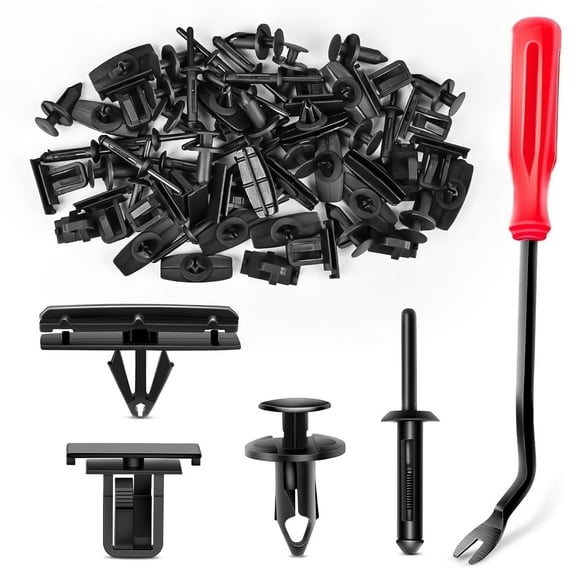
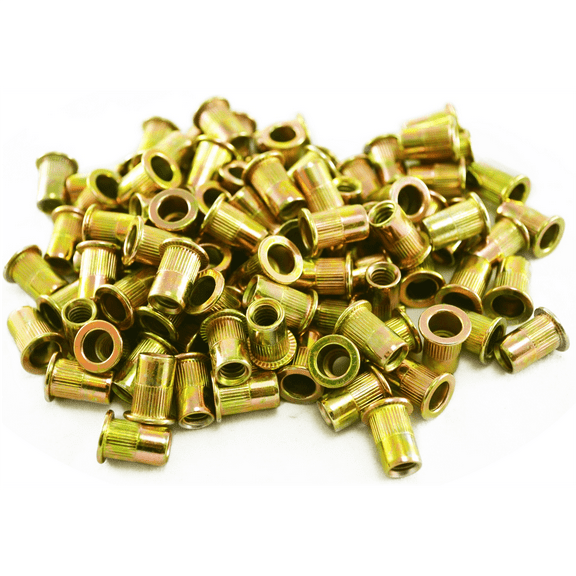
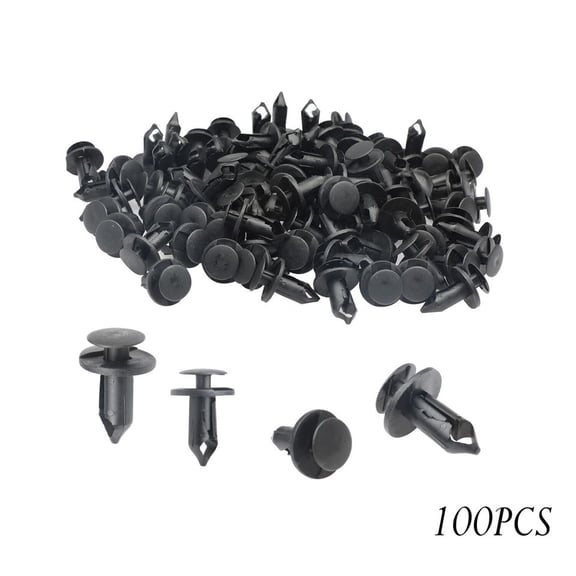
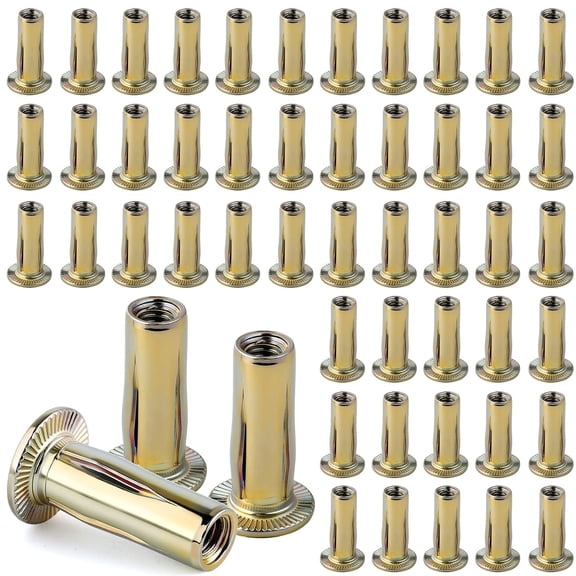
Rivets help you create clean, permanent fastening for metal, plastic, and mixed-material projects. You can compare types, materials, head styles, and grip range to match your panel thickness and installation tool.
How to choose rivets for your project
When you choose rivets, you should start with the joint materials and the combined thickness. You can get a more precise fit when your diameter and grip range match the hole size and stack depth.
For quick fastening, you may compare blind rivets and pop rivets for one-sided access. If you can reach both sides, you may also consider solid rivets or tubular rivets for specific assembly needs.
You can narrow your options faster by checking a few key decisions before you install. Your project usually depends on these points:
- You should match rivet diameter to your drilled hole for a snug, consistent fit.
- You should check grip range so your rivet clamps the material stack correctly.
- You should compare material types to suit aluminum, steel, stainless steel, or copper surfaces.
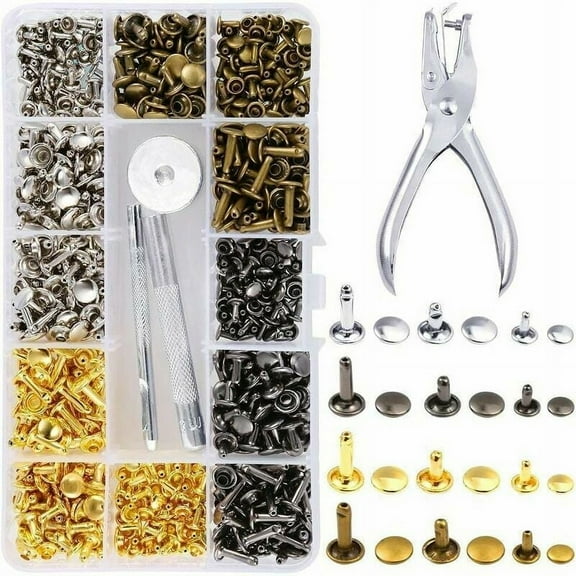
- You should select a head style based on flushness, surface coverage, and appearance.
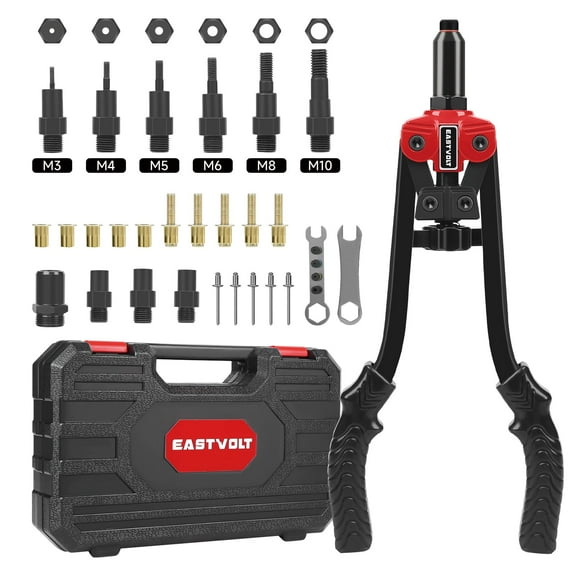
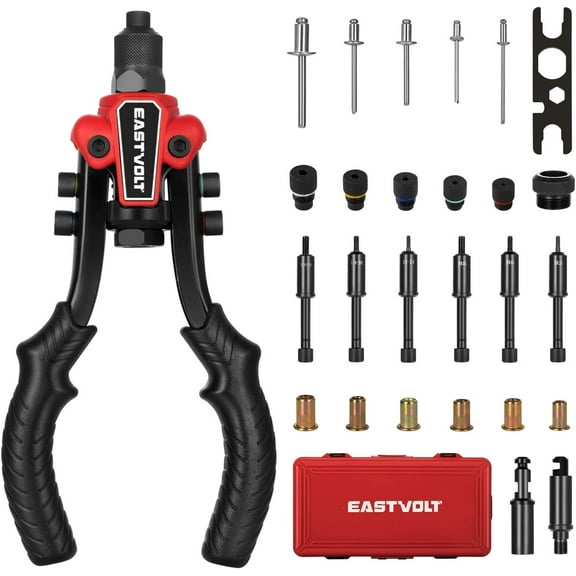
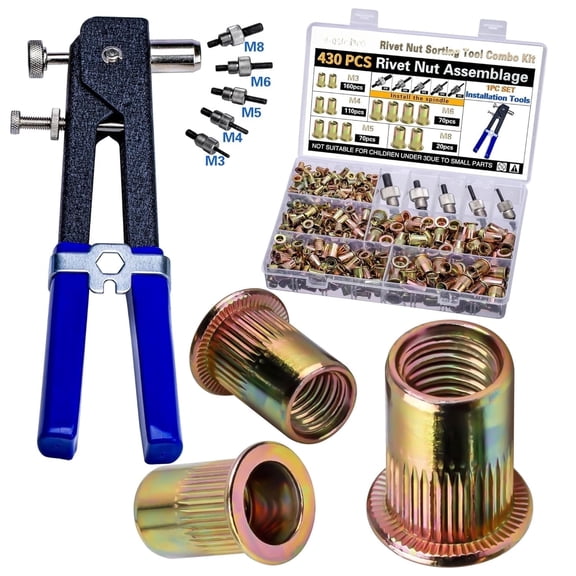
- You should confirm whether your manual or pneumatic rivet tool fits the rivet body and mandrel.
Comparing pop rivets and blind rivets
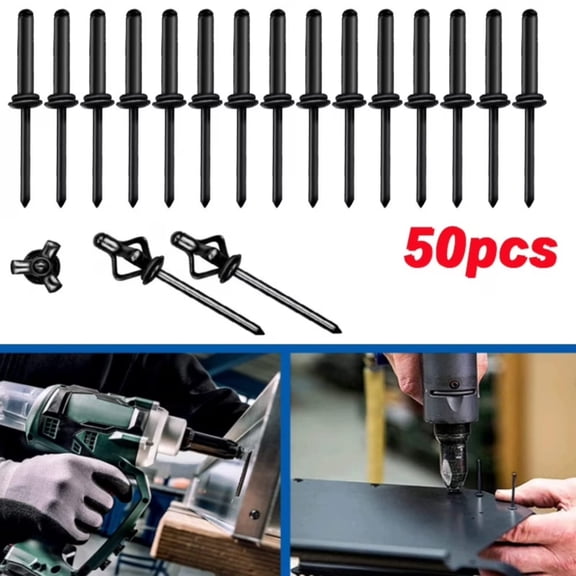
You may often see pop rivets used as a common term for blind rivets in everyday shopping. You should focus on one-sided installation, because that design lets you fasten panels when only one side is accessible.
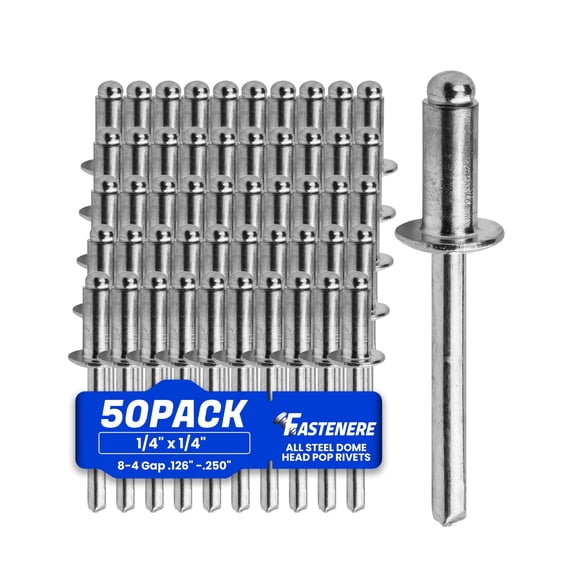
If you’re repairing gutters, ductwork, trailers, or appliance panels, blind rivets can simplify your work. You can insert the body through a predrilled hole, then use a rivet gun to pull the mandrel.
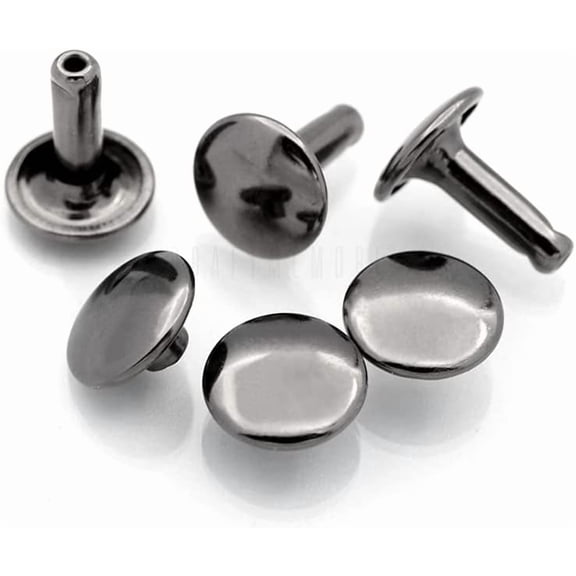
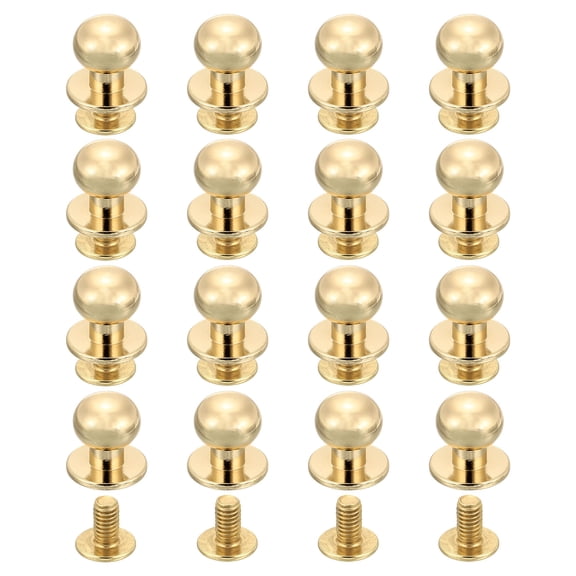
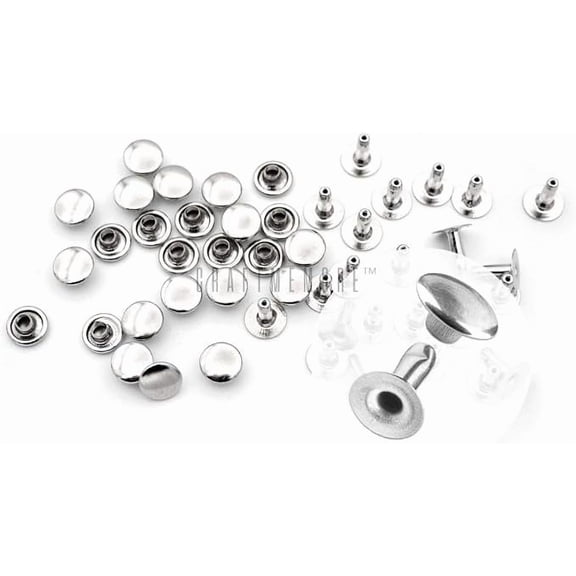
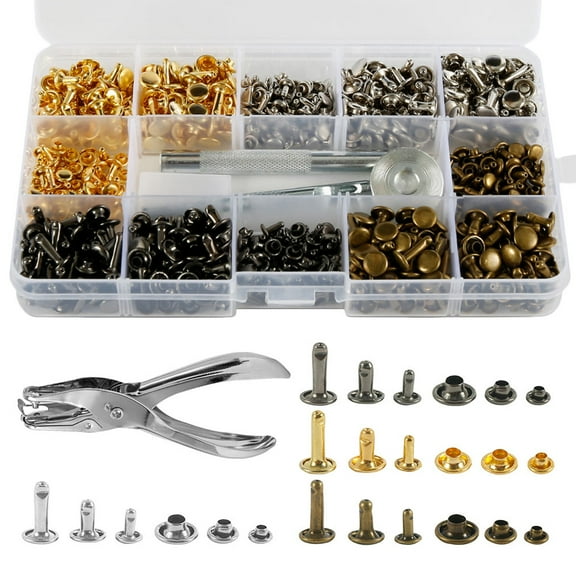
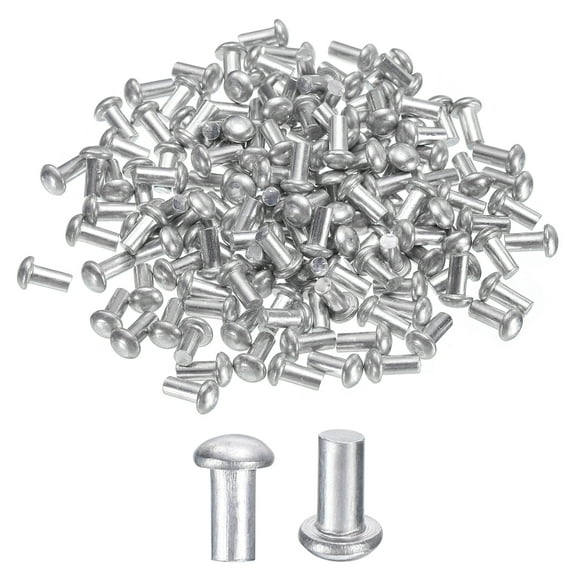
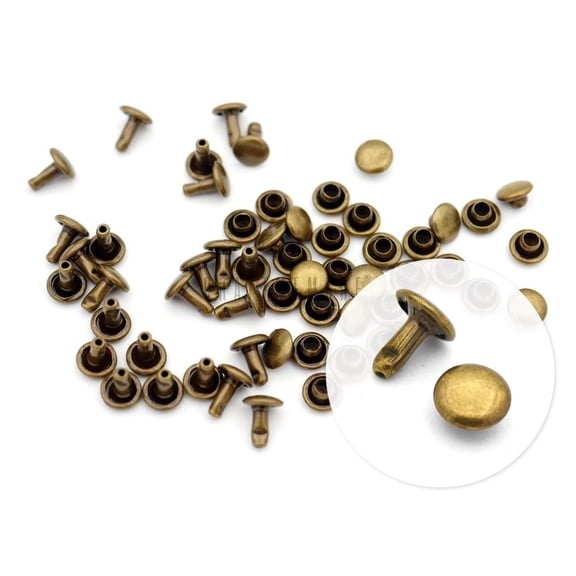
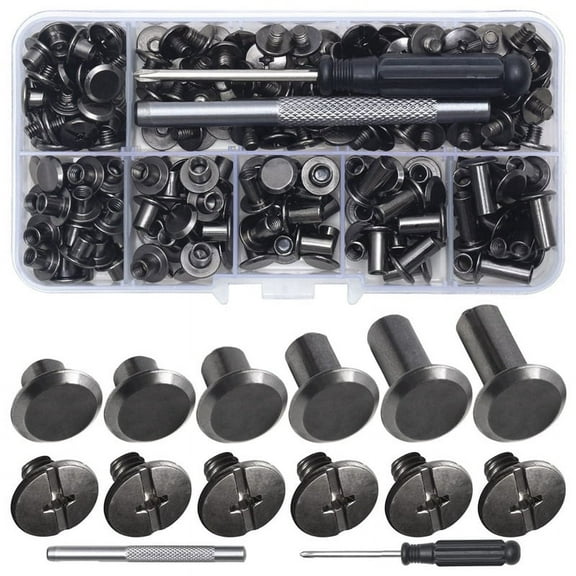
For assemblies that need different construction, you may compare solid rivets and tubular rivets. You might prefer solid styles for traditional metalwork, while tubular options can suit lighter materials and select leather goods.
Choosing rivet material and compatibility
You should compare rivet material with the material you’re fastening before you pick a size. You can reduce compatibility issues when your rivet and base metals match closely.
Aluminum rivets can work well when you want lighter weight and straightforward handling. You may choose steel or stainless steel when your project calls for a tougher body and a different finish.
If you’re joining copper or mixed metals, you should check compatibility carefully before installation. You can avoid common fit problems by comparing the rivet body material with your panels, brackets, or sheet stock.
For heavier assemblies, you may look at heavy duty rivets with larger diameters or stronger materials. You may usually want that added strength for trailers, equipment housings, and thicker metal sections.
Choosing head style and grip range
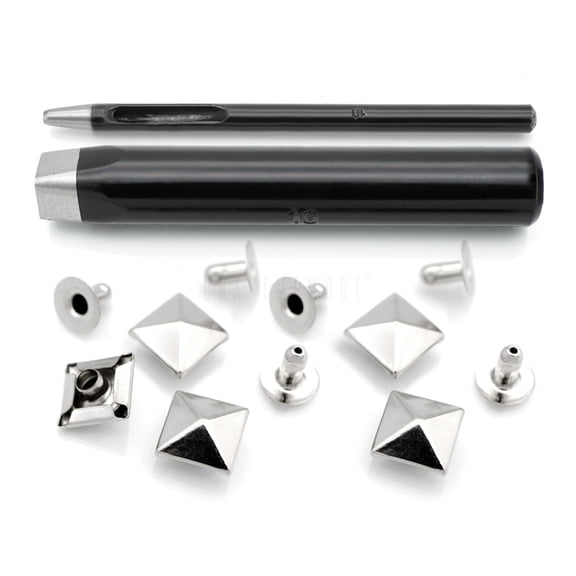
You should choose head style based on how the finished surface needs to sit. Dome head rivets leave a raised profile, while countersunk styles help you keep the surface more flush.
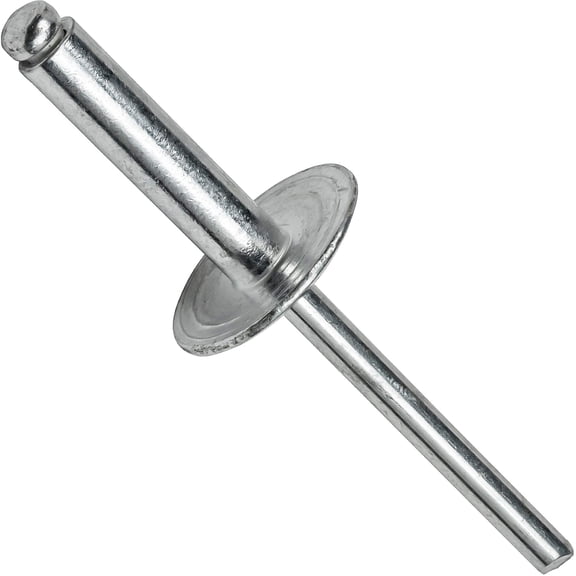
When you need broader surface contact, you may consider large flange heads for thin or softer materials. You can spread the holding force across a wider area with that wider top section.
If appearance matters, you should compare how each head style looks on visible panels. You may also want to check whether the surface needs a smooth fit for trim, covers, or sliding parts.
You should measure total material thickness before you choose short, medium, or long grip range options. You can get a cleaner set when the rivet body is designed for your exact stack thickness.
Your rivet diameter also matters because it affects hole fit and holding strength. You should compare fractional or decimal sizing carefully if your project uses exact shop drawings or replacement parts.
Matching rivets to your tool and job
When you replace an old fastener, you should measure the existing hole before you order. You can avoid loose fit issues when your new rivet matches both the opening and the grip range.
You should confirm tool compatibility before you choose a pack for your project. Your manual pop rivet gun may suit lighter jobs, while pneumatic tools can help with repeated fastening.
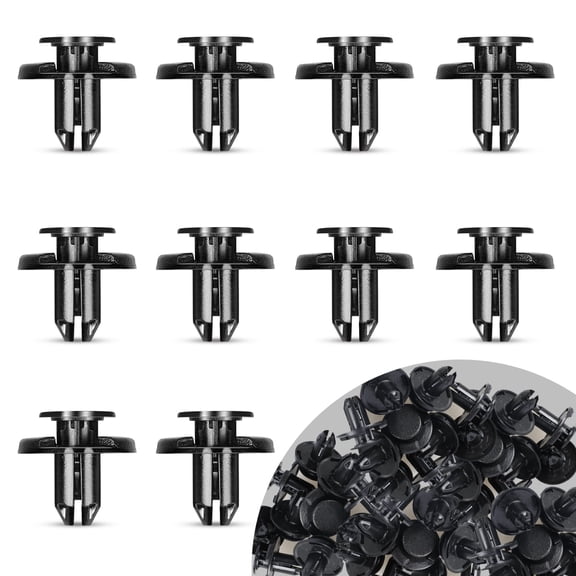
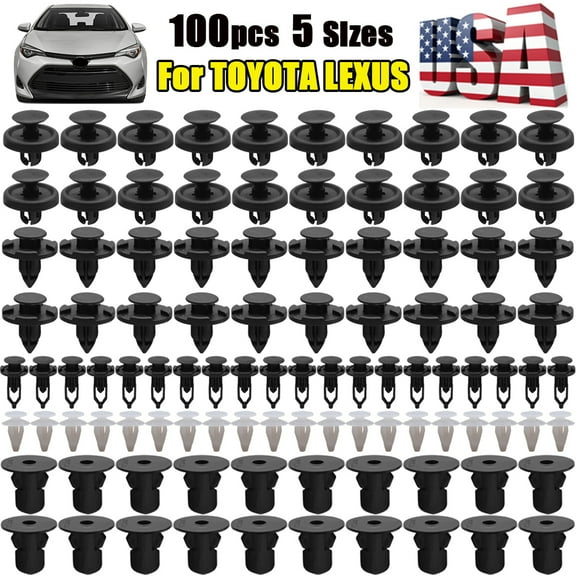
For automotive trim, HVAC panels, and metal repair, you may want blind rivets that install from one side. You can work faster in narrow spaces where the back of the joint stays hidden.
If you’re building storage bins, signs, enclosures, or craft assemblies, you should compare head style and finish closely. You may notice that visible projects often need a neater surface and a consistent look.
When you’re working with thicker stock or frequent vibration, you may lean toward heavy duty rivets. You should also verify the material match so the fastener suits the metal around it.
What to look for before you finish with rivets
You should review type, material, head style, diameter, and grip range as one complete decision. You can make a more confident choice when each detail matches your surface, tool, and installation method.
With the right rivets, you can create a secure hold that fits your project cleanly. You can finish with fastening that looks consistent and suits the materials you’re joining.