

Ride Ons in Kidsu2019 Bikes & Riding Toys





































![Mini Motorcycle for Adults & Kids, 50CC 2-Stroke Mini Dirt Bike, Gas Power Pocket Rocket Bike, Kids Dirt Bike [Up to 50KM/H] , Trail Mini Bike Max Load 400Lbs, Summer Gift for Kids](https://i5.walmartimages.com/seo/Mini-Motorcycle-Adults-Kids-50CC-2-Stroke-Mini-Dirt-Bike-Gas-Power-Pocket-Rocket-Bike-Kids-Dirt-Bike-Up-50KM-H-Trail-Mini-Bike-Max-Load-400Lbs-Summer_dabdd41e-c952-4e57-a490-f3eee6c6b94a.b218c1c6a05f06234bcc1a0d35577ef3.jpeg?odnHeight=576&odnWidth=576&odnBg=FFFFFF)








About Ride Ons in Kidsu2019 Bikes & Riding Toys - Walmart.com
Ride-on toys help you match fun, movement, and age-appropriate play in one category. You can compare manual styles, battery options, and vehicle types to fit your child’s stage and your space.
How to choose ride-on toys by age and power
When you compare ride-on toys, you’ll want to start with age range and power source. You can narrow choices faster when you match size, speed, and terrain to your child’s experience.
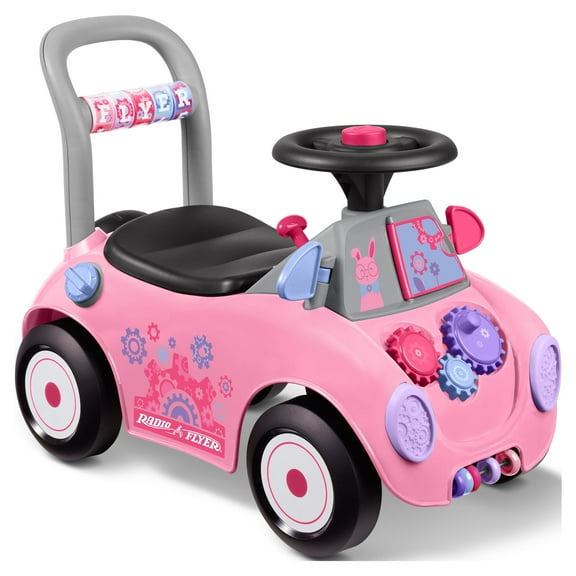
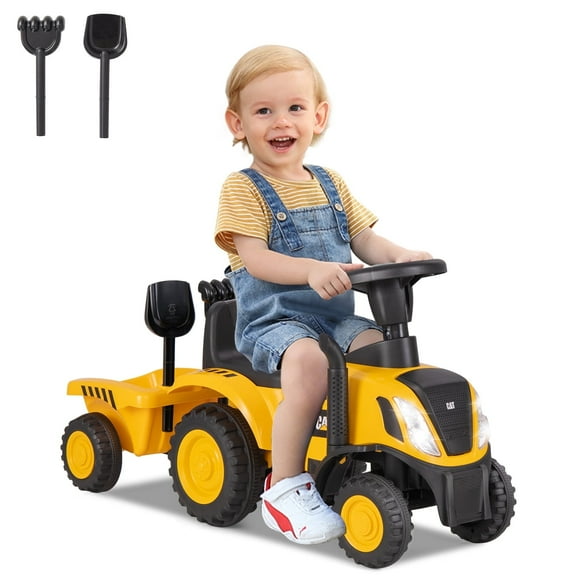
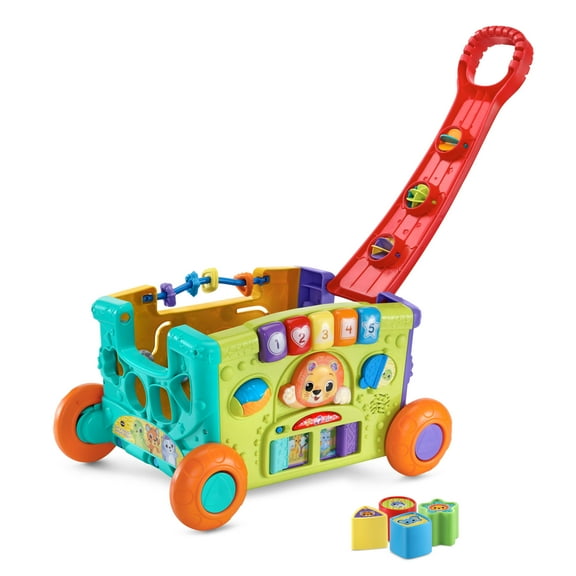
For toddlers ages one to three, you may prefer toddler ride on toys with foot-to-floor motion or a low-speed 6V setup. You’ll often find these options easier to guide on smooth floors and sidewalks.
As your child grows, you can look at 12V battery models for grass, driveways, and longer outdoor play. If your child is older, you may consider 24V options for larger yards and steeper ground.
You should also compare battery runtime and charge time before you choose. You’ll want a setup that fits your routine, especially when your child likes longer sessions outside.
- You can choose manual or pedal styles when you want simple motion and easy control.
- You can choose 6V battery models for flatter surfaces and younger riders.
- You can choose 12V battery models when you need more power for grass or gravel.
- You can choose 24V battery models when your rider needs stronger performance on larger outdoor spaces.
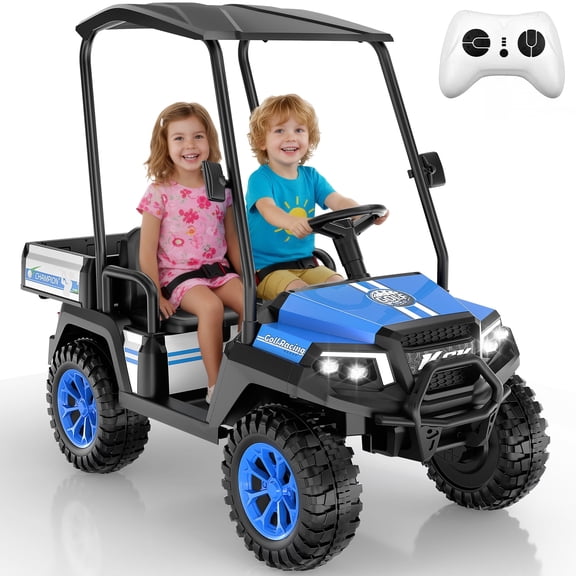
- You can compare single-seat and two-seat options based on siblings, friends, and weight limits.
Choosing kids ride on cars and vehicle types
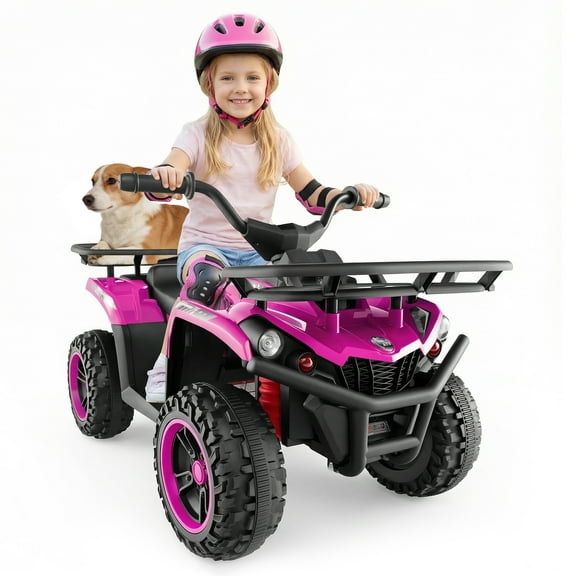
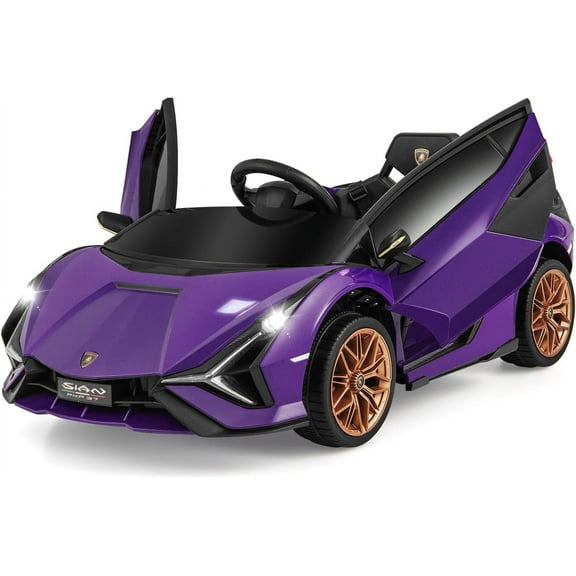
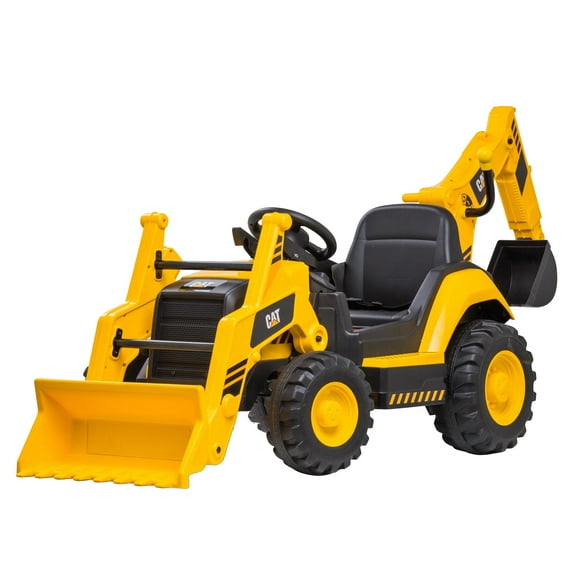
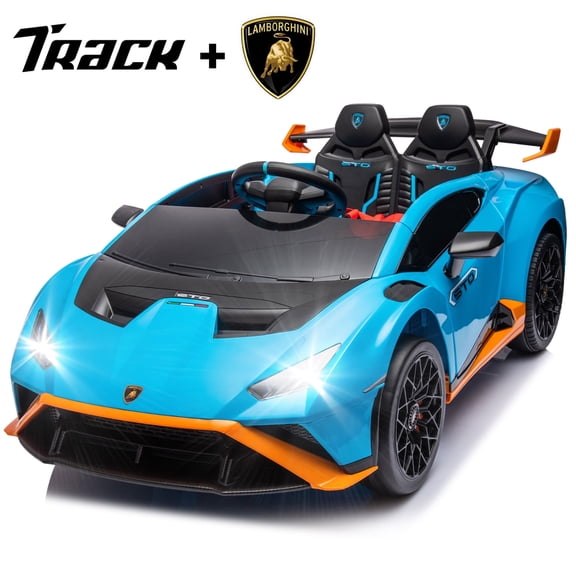
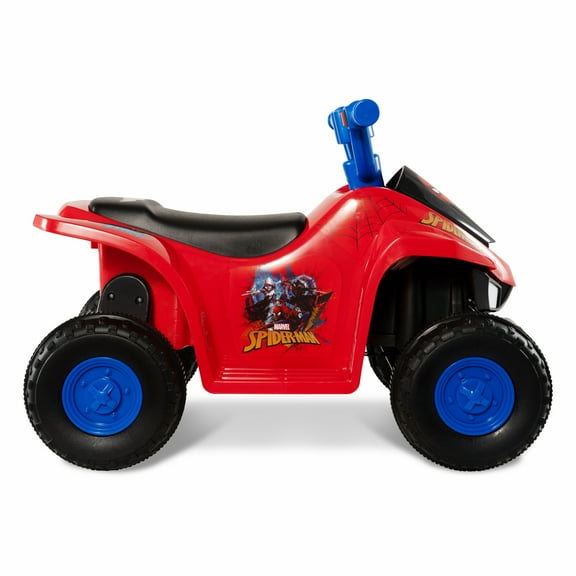
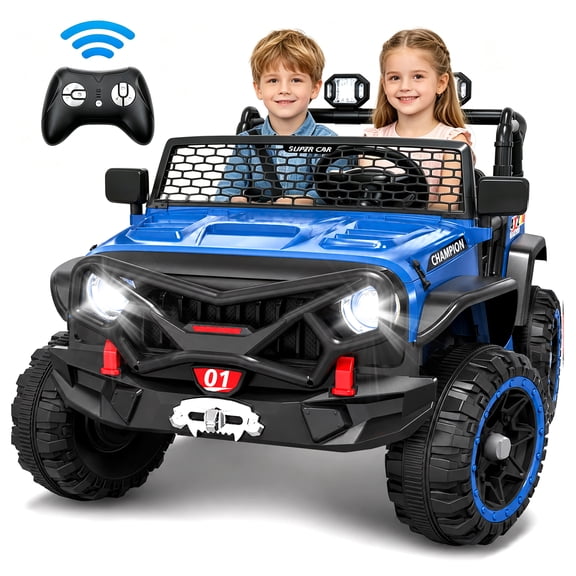
Vehicle type changes how your child sits, steers, and plays. You can compare kids ride on cars, jeeps, trucks, motorcycles, tricycles, and go-karts by turning style and riding position.
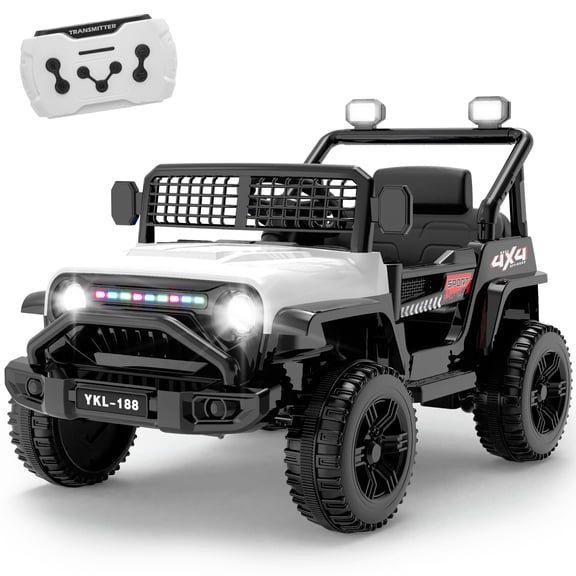
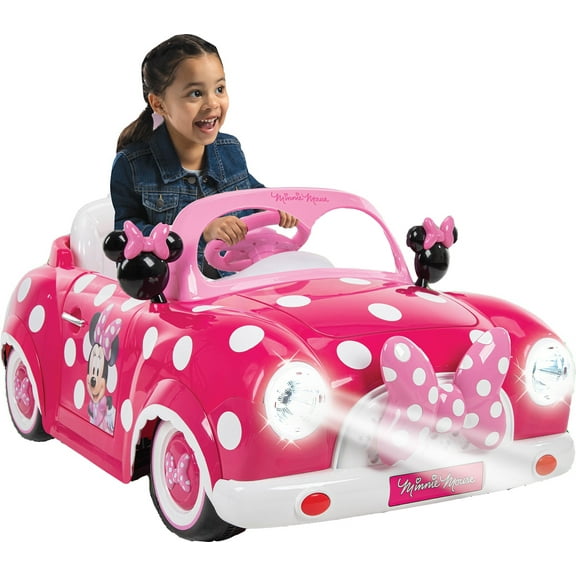
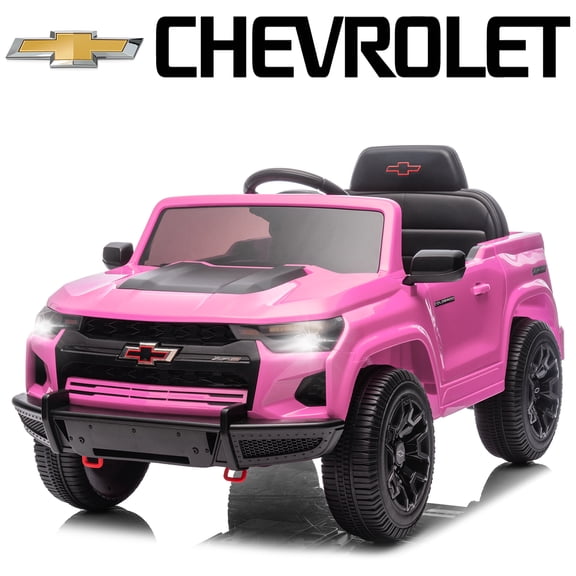
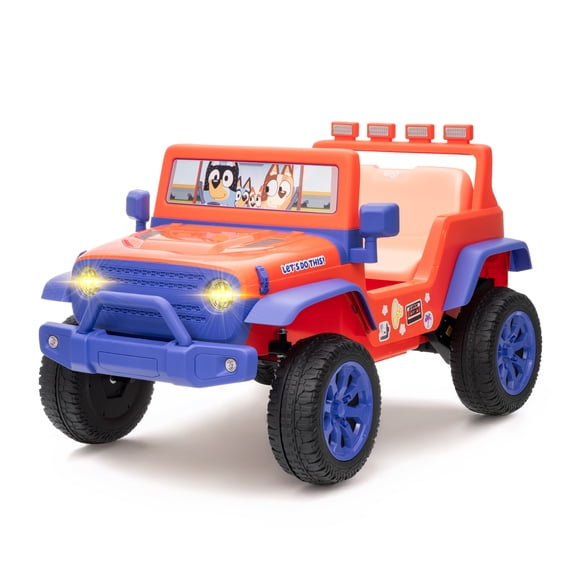
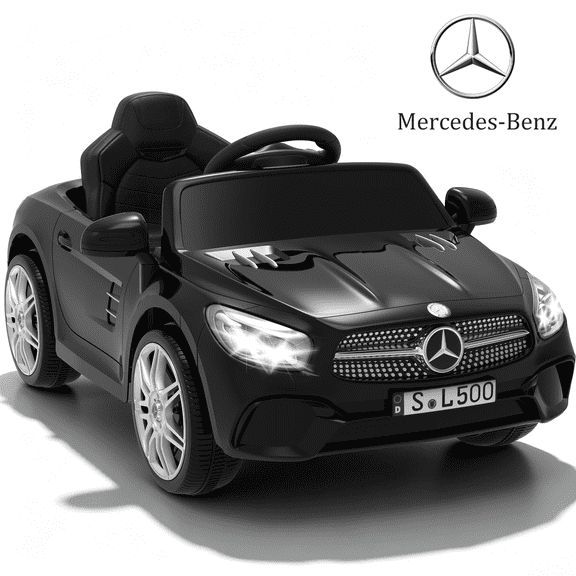
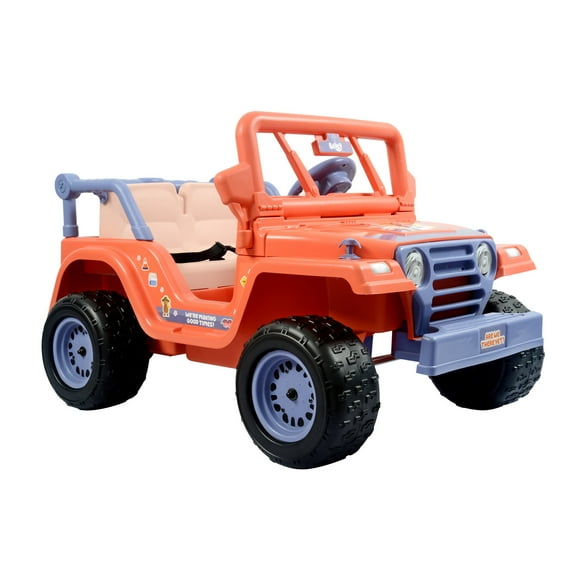
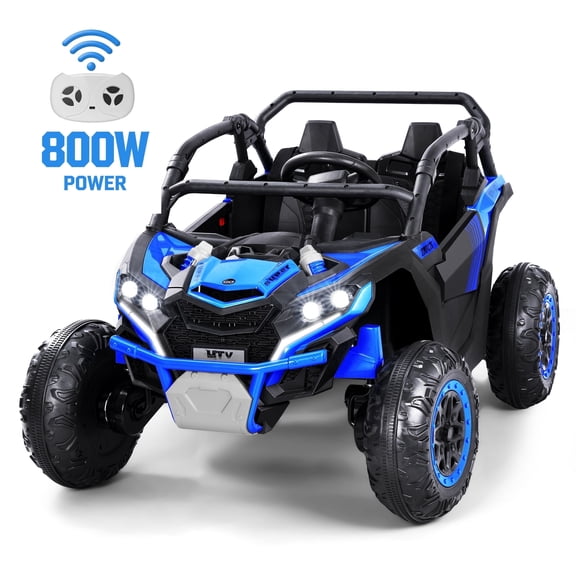
If your child likes realistic details, you may lean toward cars, trucks, or a pink ride-on jeep. You’ll often see these styles with opening doors, dashboard sounds, and a familiar driving feel.
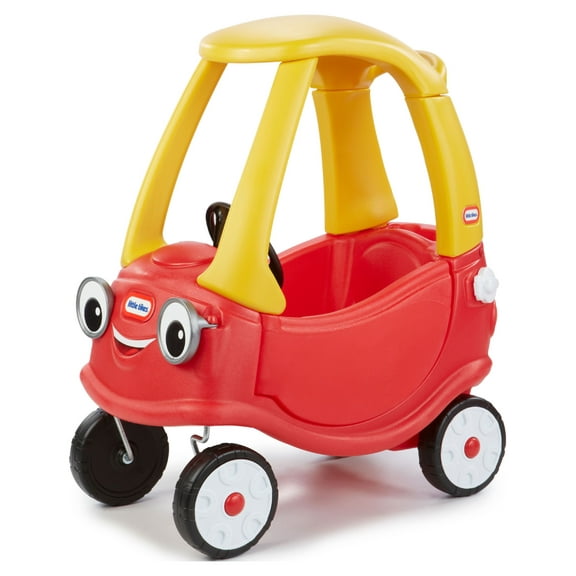
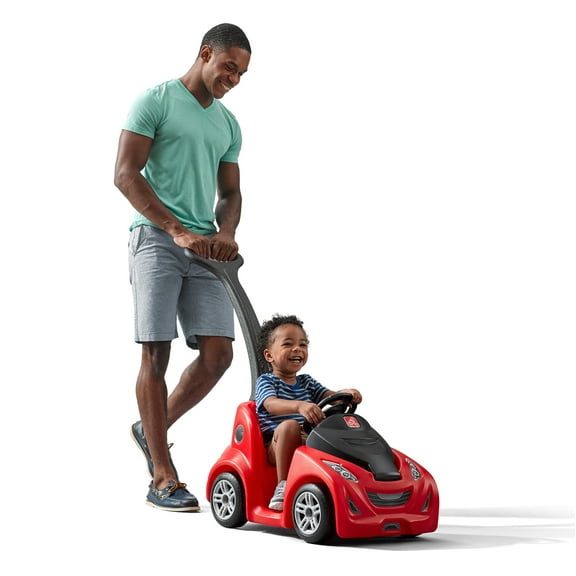
When you want a stable first ride, you can check tricycles and low-profile manual models. You may find them easier for early riders who are still learning balance and steering.
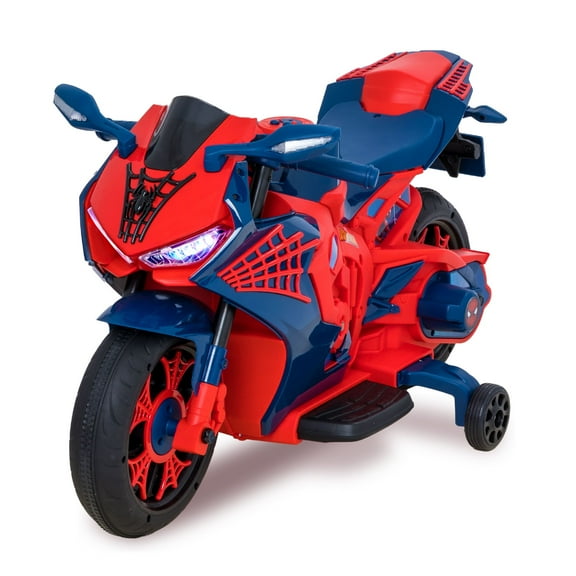
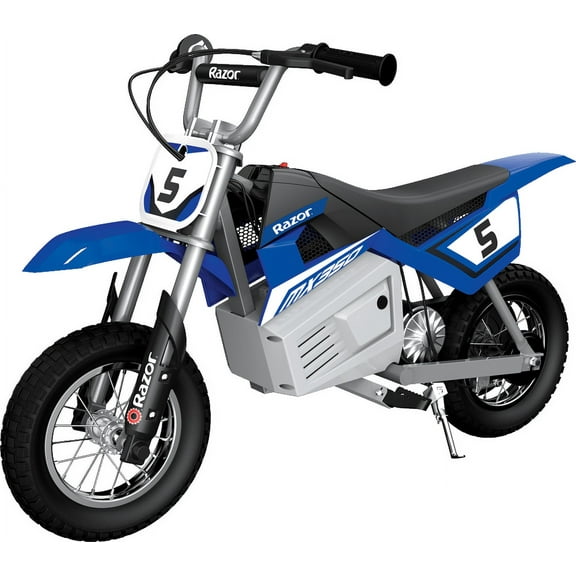
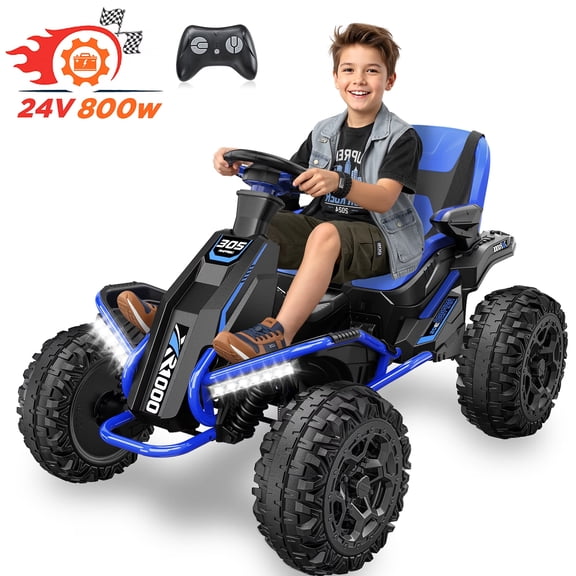
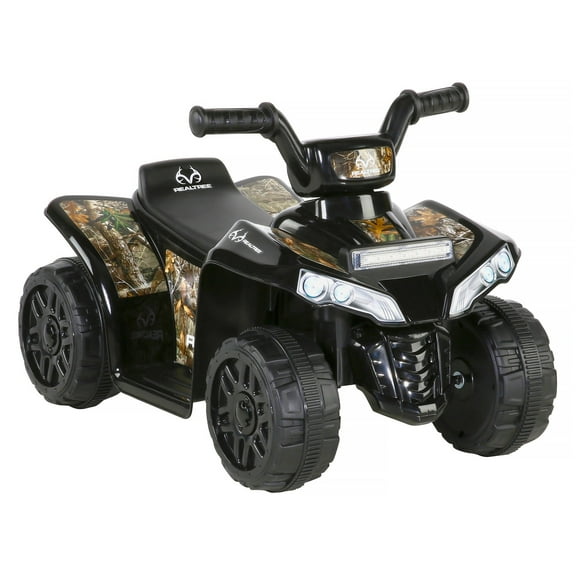
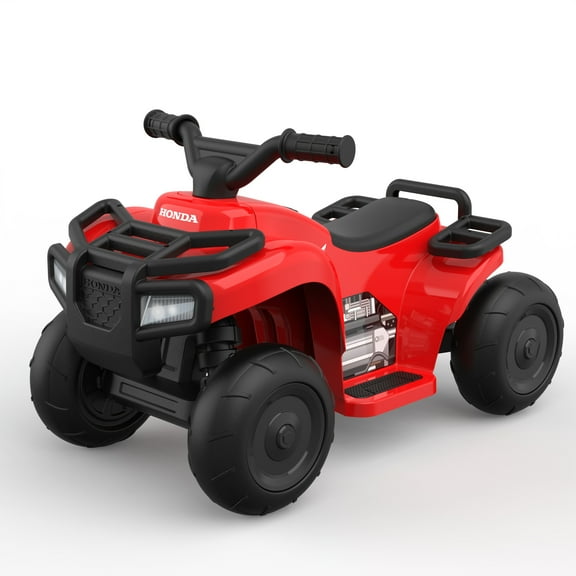
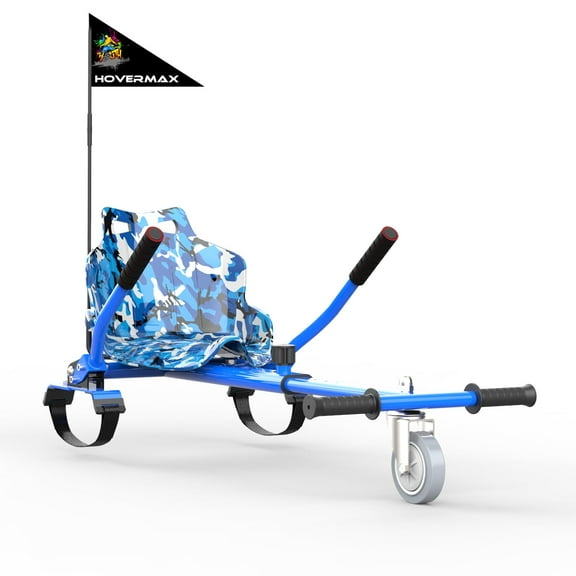
Go-karts and motorcycles can suit older kids who want a lower seat or a sportier feel. You should compare seat height, handle layout, and wheel design before you decide.
You’ll also want to check seating capacity and weight limits on each style. If your child rides with a sibling, you can focus on two-seater formats with enough room to sit comfortably.
What to look for in battery powered ride on toys
Battery powered ride on toys give you more ways to match speed and terrain. You can use voltage as a simple guide for where and how your child will ride.
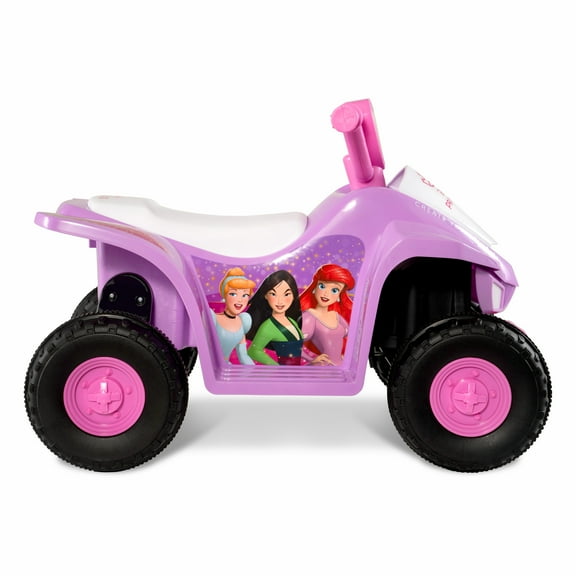
A 6V model usually fits lighter riders and smoother paths. You may prefer it when you want gentle movement for driveways, patios, or indoor play areas.
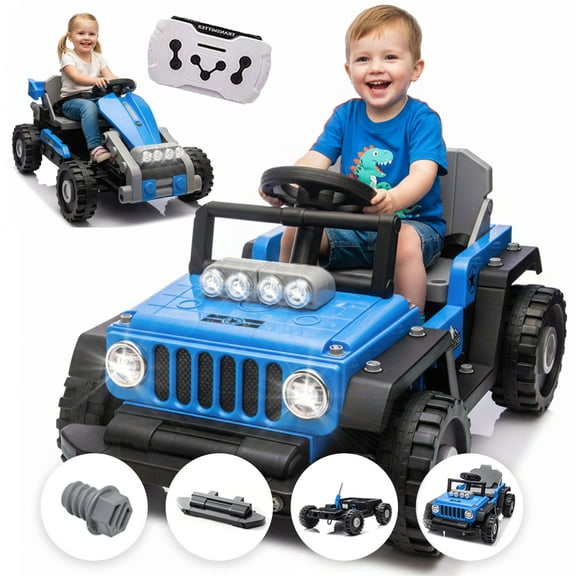
A 12V model gives you more power for mixed surfaces like short grass and gravel. You’ll often choose this level when your child wants longer outdoor rides and more varied terrain.
A 24V model can make sense when your rider is older and your yard has more space. You should check the recommended age, speed settings, and surface guidance before choosing it.
You’ll also want to compare run time on a full charge and recharge time between uses. If your child rides often, you may prefer a model that fits your schedule with fewer interruptions.
How safety features affect your decision
Safety features can shape how confident you feel during each ride. You can compare parental remote control, seat belts, speed governors, and power-lock brakes as practical decision points.
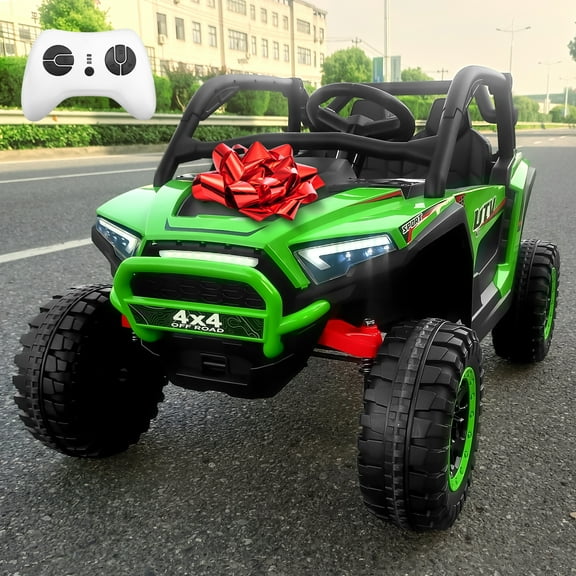
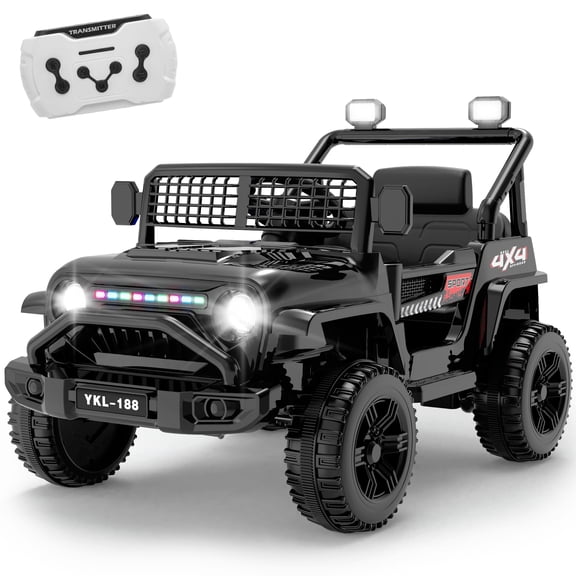
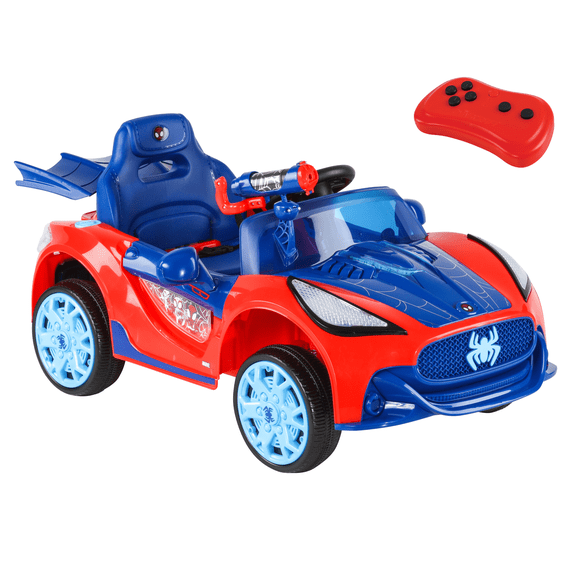
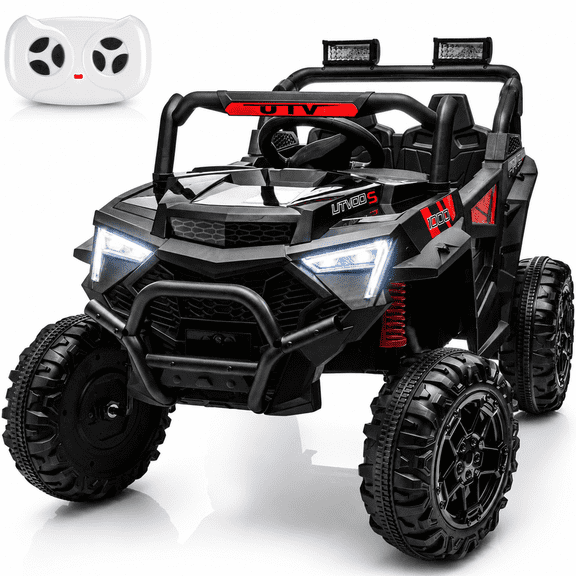
If you’re shopping for younger riders, a parental remote control can help you guide direction and pace. You may appreciate that extra control while your child learns steering and stopping.
Seat belts help keep the seating position more secure during turns and starts. You should also check how the buckle works, especially when you want quicker in-and-out access.
Speed governors let you choose a slower setting before your child rides. You can use that feature to match speed to experience level, driveway size, and surface type.
Power-lock brakes can add control when your child stops on paved areas or slight slopes. You’ll want to pair those features with the right age range and rider size for a smoother experience.
Matching ride-on toys to everyday play
You can match ride-on toys to the places and routines that matter most in your home. If you need quick play before dinner, you may prefer manual models or shorter-charge battery styles.
For apartment living or indoor use, you can look for compact toddler ride on toys with lighter frames. You may find that smaller turning radiuses work better in tighter spaces.
If your child rides mostly on sidewalks, patios, or smooth driveways, you can focus on 6V models and manual options. You’ll usually get a simpler setup for everyday use.
For backyards with grass or mixed surfaces, you can compare 12V kids ride on cars and jeeps. You should check tire style, rider weight, and runtime when outdoor play lasts longer.
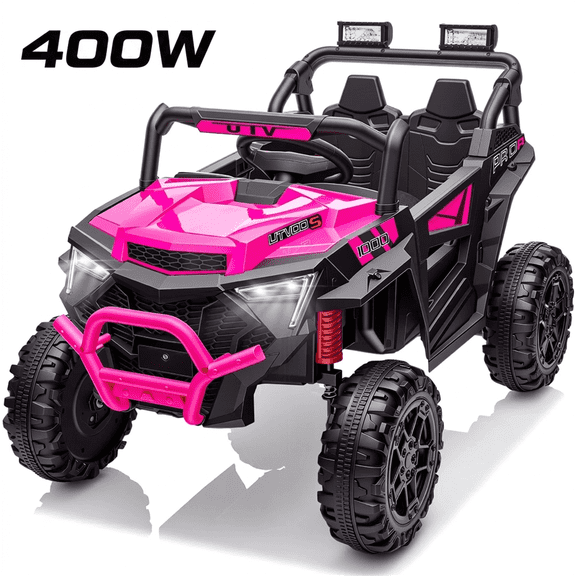
If your child wants roomier outdoor driving, you can look at 24V trucks or go-karts. You may also prefer two-seat options when siblings like to share the ride.
When you compare age range, voltage, vehicle type, and control features together, you can narrow the category with more confidence. You’ll end up with a ride that fits your child’s stage and your everyday play space.