


Find bulbs that fit
Let’s search for bulbs that fit your vehicle.
Reverse Lights in Car Lighting
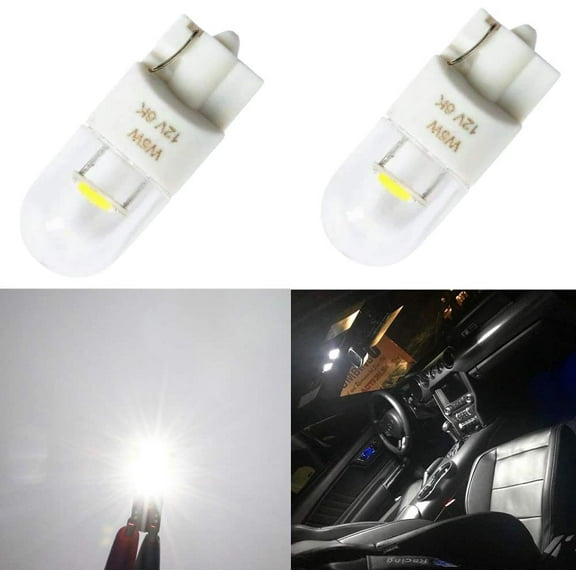

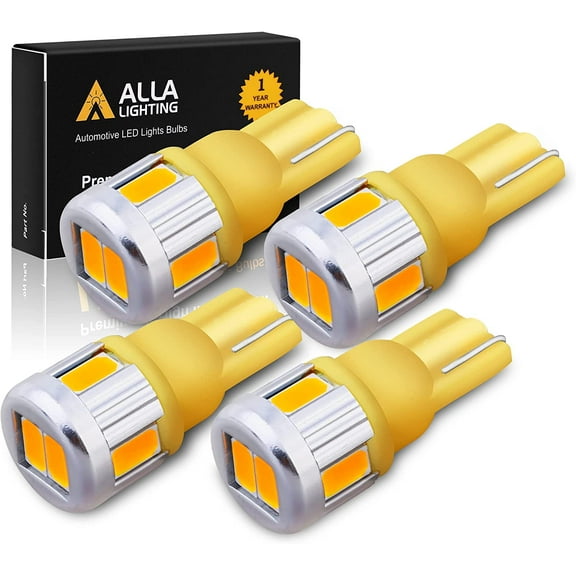
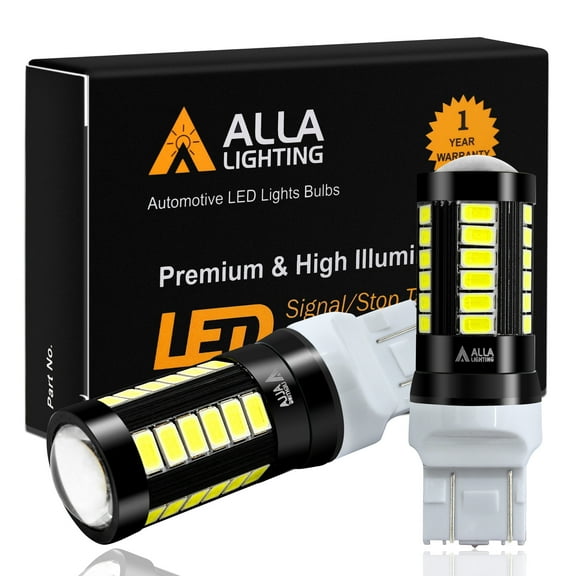

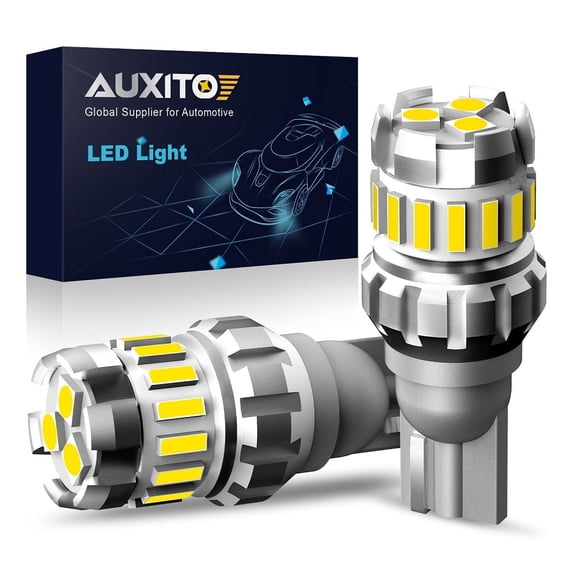
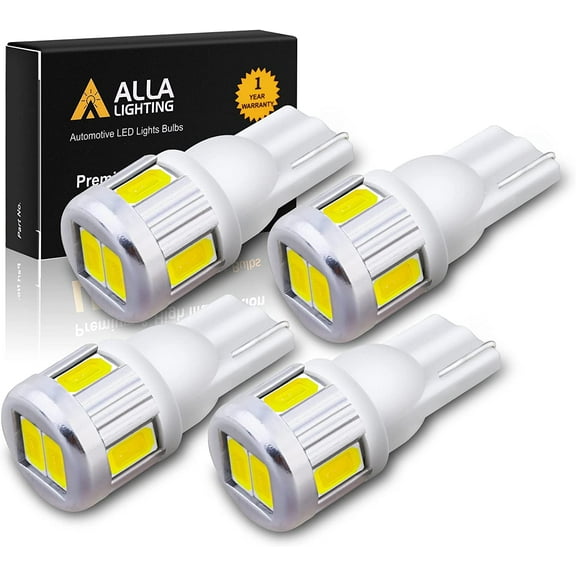


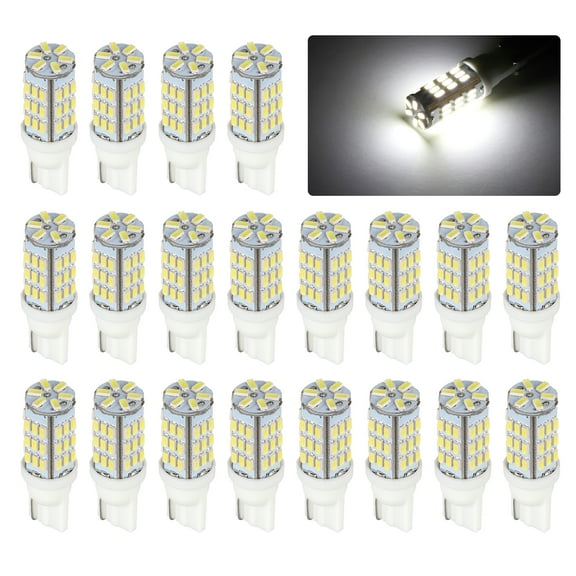


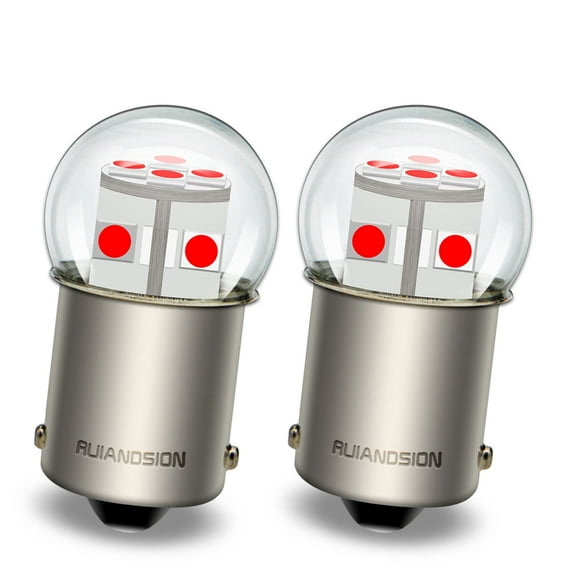


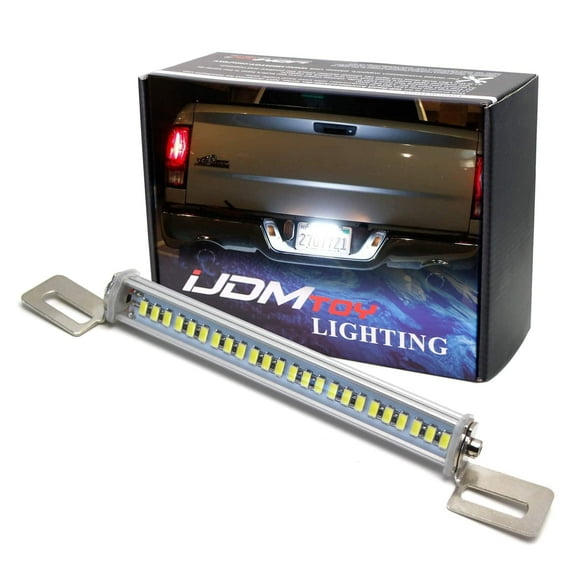

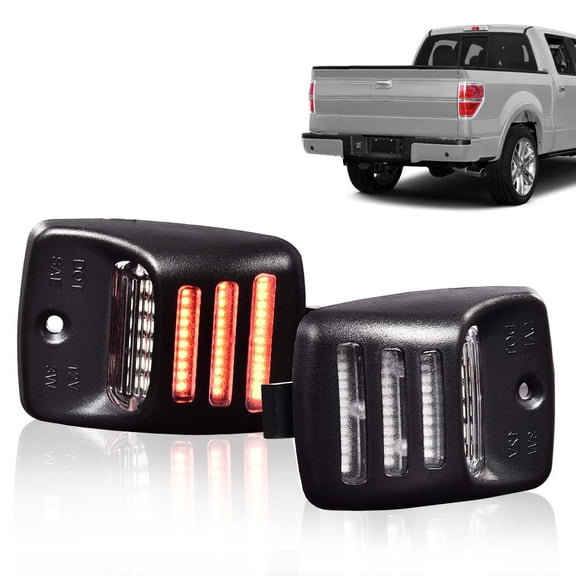
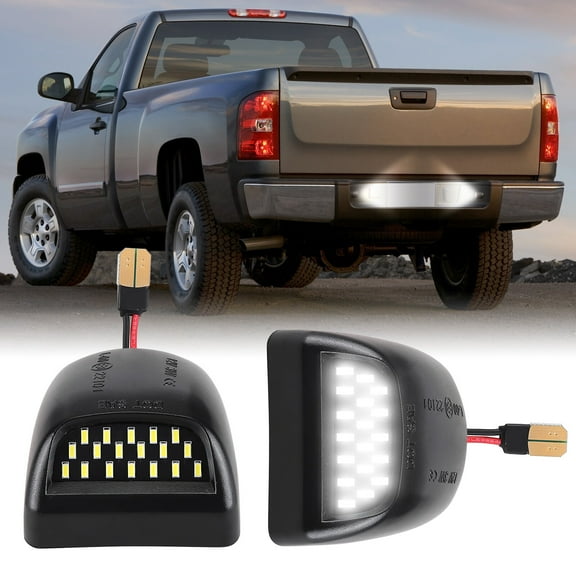
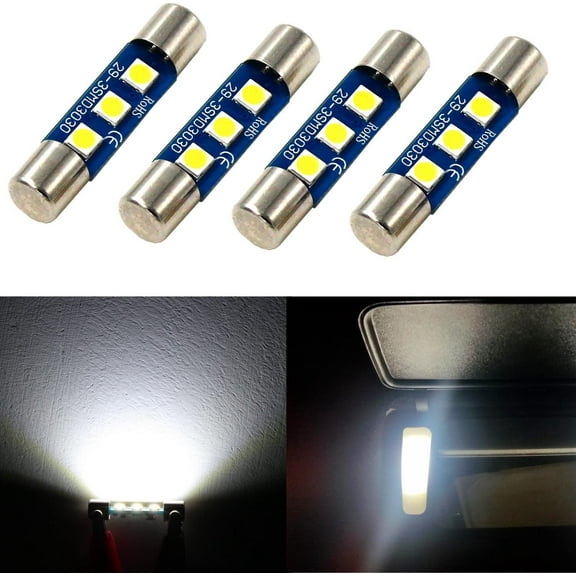





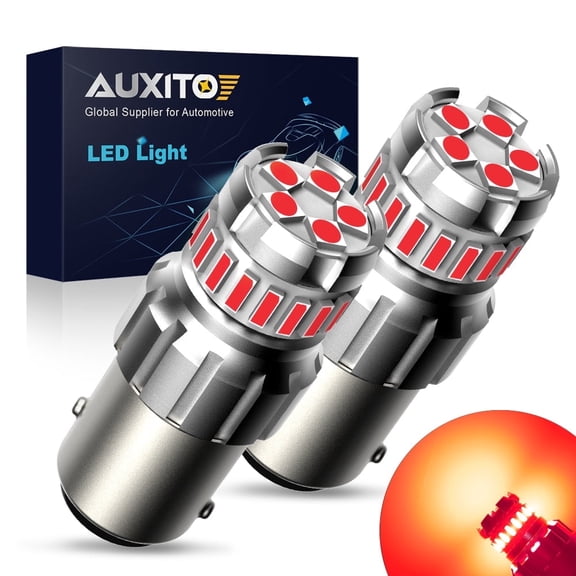


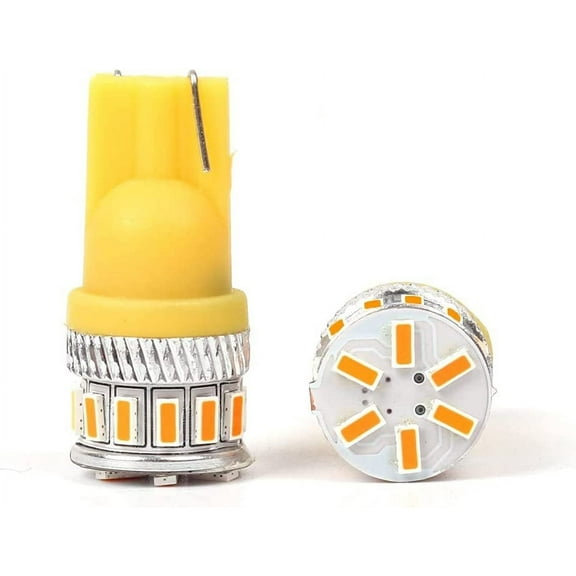

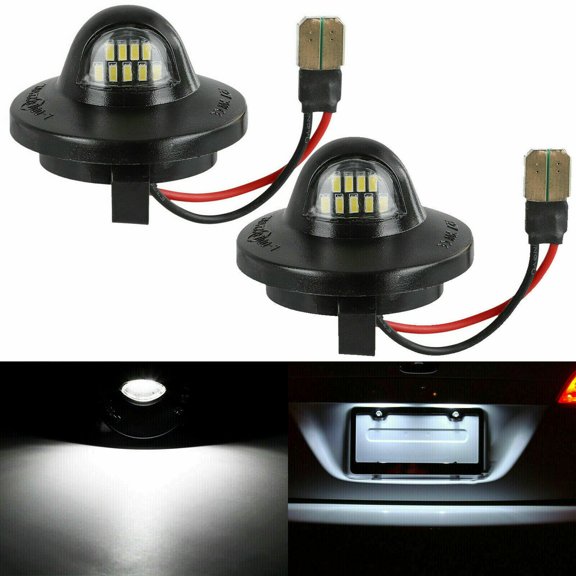

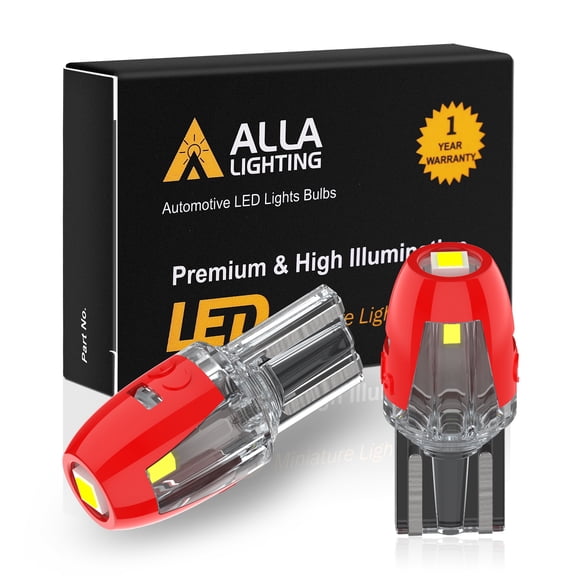





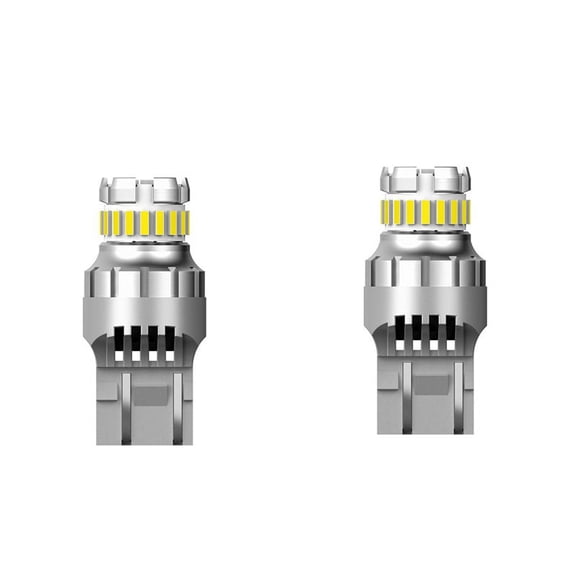
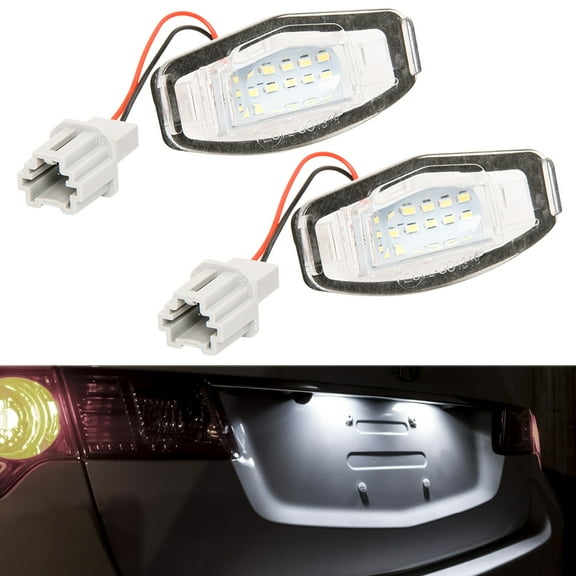
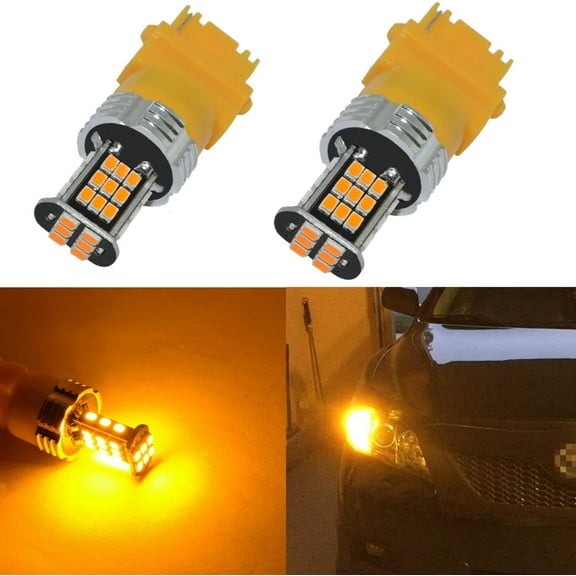


About Reverse Lights in Car Lighting - Walmart.com
Reverse lights help you back up with clearer rear visibility, easier bulb matching, and simple upgrade paths for daily driving. You can compare socket fitment, bulb type, brightness, and color tone before you choose a replacement for your vehicle.
How to choose reverse lights for your vehicle
You should start with your vehicle's required socket fitment, since bulb numbers must match your housing and connector. You can often narrow your choice by checking 1156, 3156, 7440, or T15 sizing before you compare light output.
You'll also want to compare bulb type, because LED, halogen, and incandescent options create different lighting results. You can use that difference to match your driving habits, your backup camera view, and your installation preference.
Another key decision is brightness, which you'll usually see listed in lumens on product pages. You can use 1000LM, 1500LM, or 2000LM ranges to estimate how bright backup lights may appear behind your vehicle.
- You can match socket numbers like 1156, 3156, 7440, and T15 for proper fitment.
- You can compare LED, halogen, and incandescent bulbs for output and replacement style.
- You can choose lumen levels that support your backup camera view and rear lighting needs.
- You can check color temperature to pick a cool or warm light appearance.
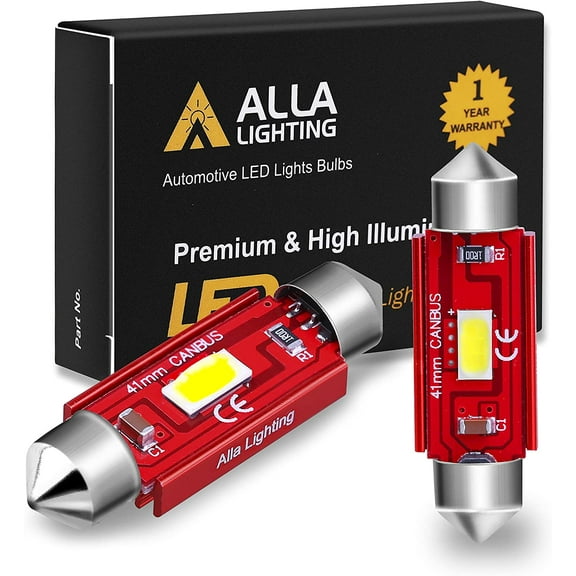
- You can look for CAN bus error-free designs when your vehicle needs added compatibility.
Choosing between led reverse lights and other bulb types
You may prefer led reverse lights when you want a crisp light pattern and a modern cool-white appearance. You can also consider them when you want plug-and-play replacement reverse bulbs in common automotive socket sizes.
If your vehicle uses halogen or incandescent styles, you may want to keep a familiar factory-style look. You can compare those bulb types when you want a straightforward match for your existing housing and output style.
You should also check whether your vehicle benefits from CAN bus error-free compatibility before you switch bulb technology. You can look for built-in resistors when you want to reduce dashboard warning messages on select vehicles.
Finding the right fitment and bulb size
You can avoid guesswork by using the bulb cross-reference number listed for your vehicle's reverse position. You should confirm whether your application uses an 1156 reverse light, 3156, 7440, or T15 format before ordering.
Because socket fitment is decision-critical, you should treat size numbers as a direct compatibility checkpoint. You can think of these codes as the connection and shape your housing accepts, not just a product label.
You may also want backup light bulbs that install without extra wiring changes in your current setup. You can often choose car reverse lights that align with factory connectors for a simpler replacement process.
Comparing brightness, lumens, and light color
You can use lumens to compare output in a practical way before you choose bright backup lights. A 1000LM bulb may suit basic replacement needs, while 1500LM and 2000LM options can create stronger rear illumination.
That extra output can help you read driveways, parking lines, and garage edges with more confidence. You may also notice a clearer image on your backup camera when your rear area is lit more evenly.
You should compare color temperature too, since it changes how your reverse area looks at night. Cool white around 6000K can appear cleaner and sharper, while warm white around 3000K can feel closer to older factory tones.
What to look for in installation and daily use
You may want reverse lights that support a plug-and-play swap, especially for routine maintenance at home. You can often replace backup light bulbs with basic hand access, depending on your vehicle's housing design.
If you drive in crowded lots or dark alleys, you may want a brighter setup that supports quick rear checks. You can also choose car reverse lights that help your backup camera show curbs, posts, and painted lines more clearly.
For work trucks, family vehicles, or frequent night driving, you may want replacement reverse bulbs with stronger output and the right socket match. You can pair fitment accuracy with the lumen level that suits your everyday backing routine.
Using reverse lights for different driving needs
You might choose an 1156 reverse light when your vehicle calls for that exact single-contact style. You can then compare LED or halogen options based on the light look you want behind your vehicle.
If your vehicle uses 3156, 7440, or T15 sockets, you should focus on that match first. You can then compare brightness and color temperature to fit city parking, trailers, garages, or long driveways.
You may want cool-white led backup light bulbs for a crisp camera image during nighttime parking. You can choose warmer tones when you want a softer appearance that feels closer to older factory lighting.
When you need a dependable replacement path, you should compare fitment, lumens, and error-free compatibility together. You can narrow reverse lights faster when you know your socket size and your preferred light output.
You can shop reverse lights with more confidence when you understand bulb type, fitment, brightness, and installation needs. That simple approach helps you choose a replacement that fits your vehicle and lights your rear path clearly.