


Find auto parts that fit
Let’s search for parts that fit your vehicle.Reverse Light Assemblies in Reverse Lights

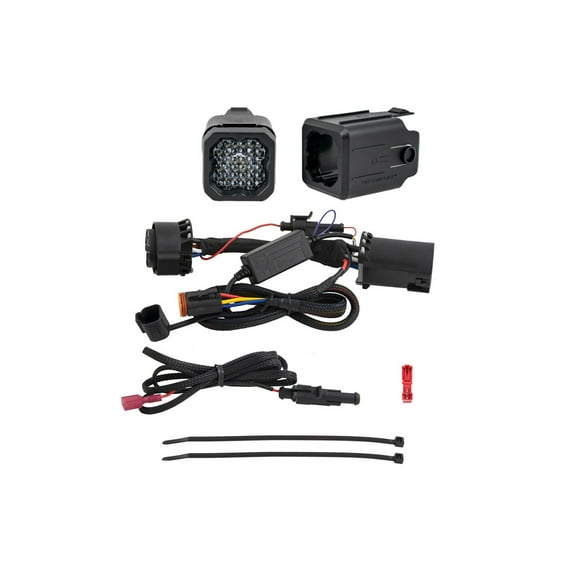
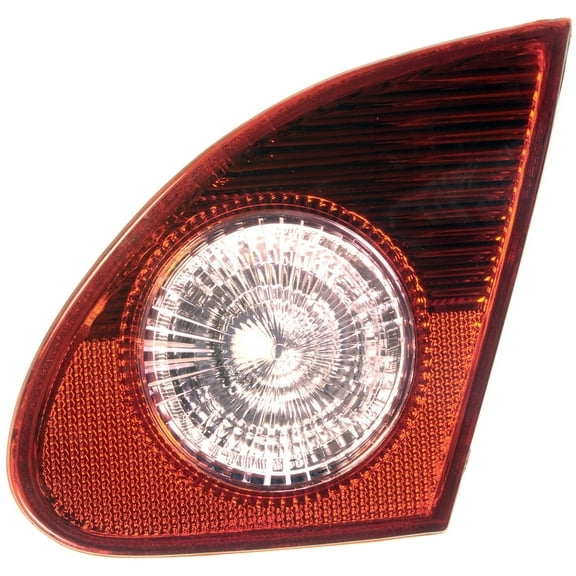

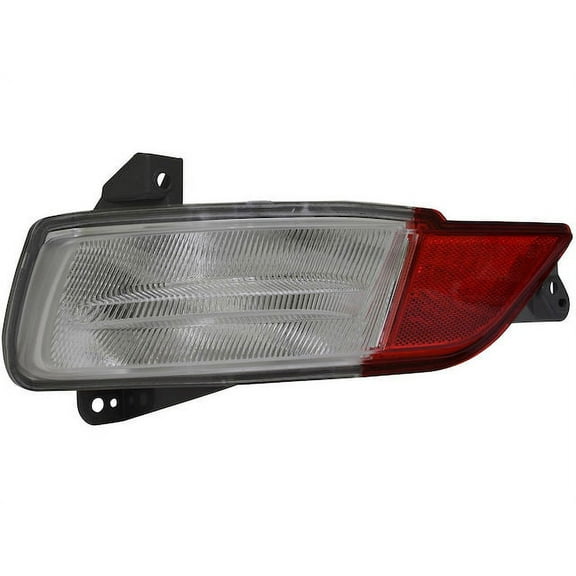

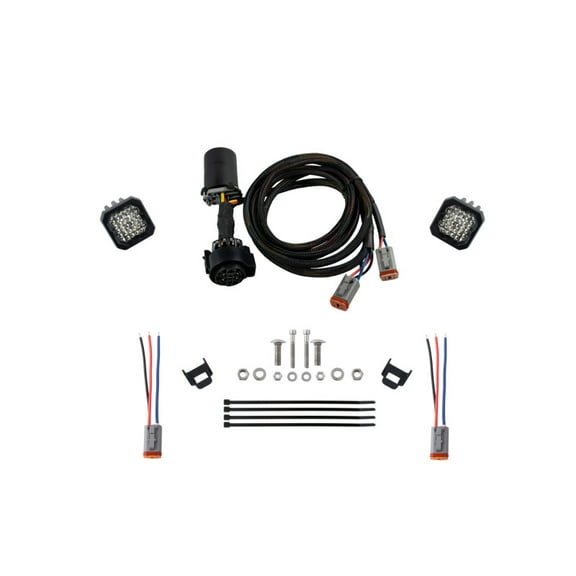

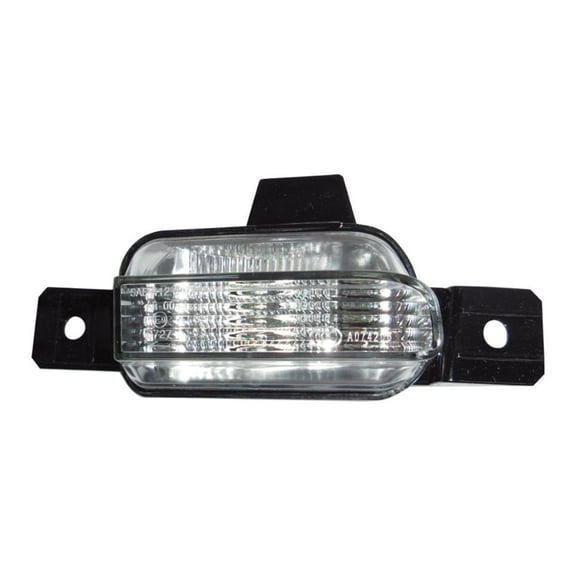
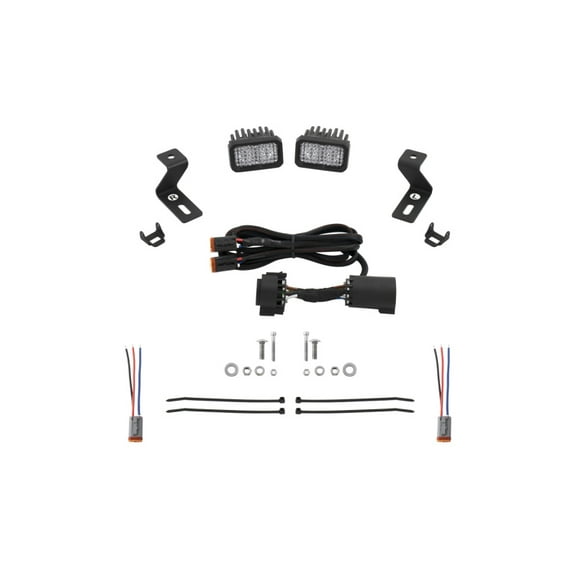
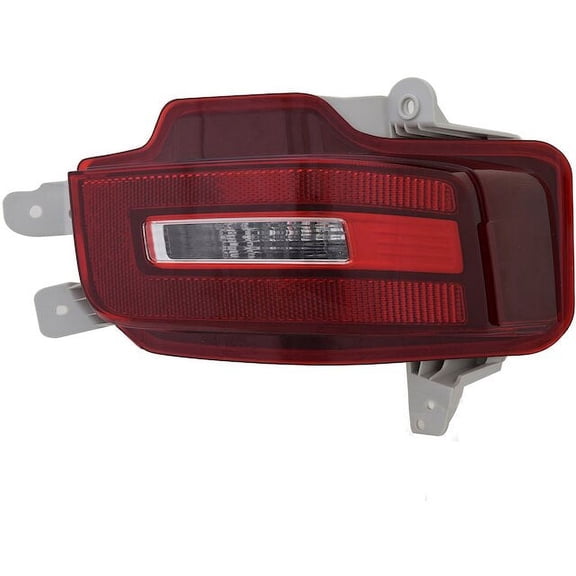
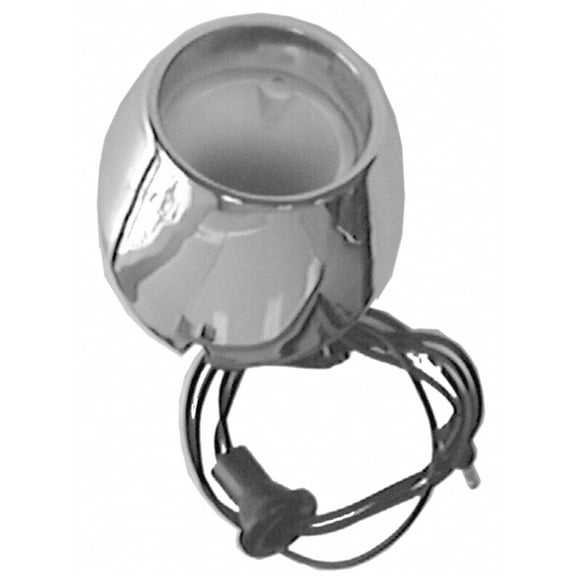




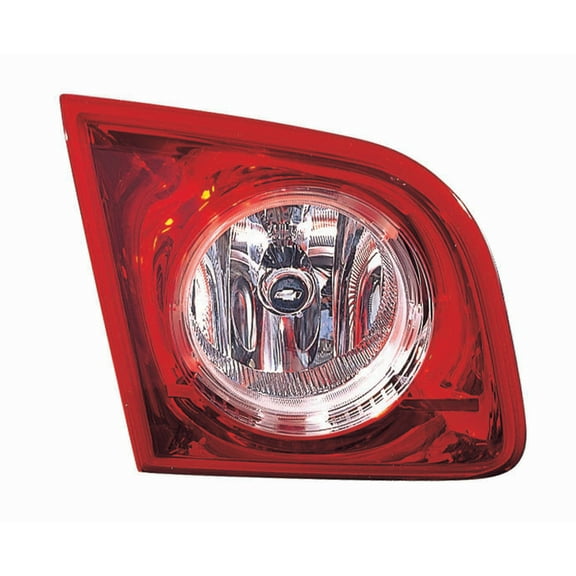
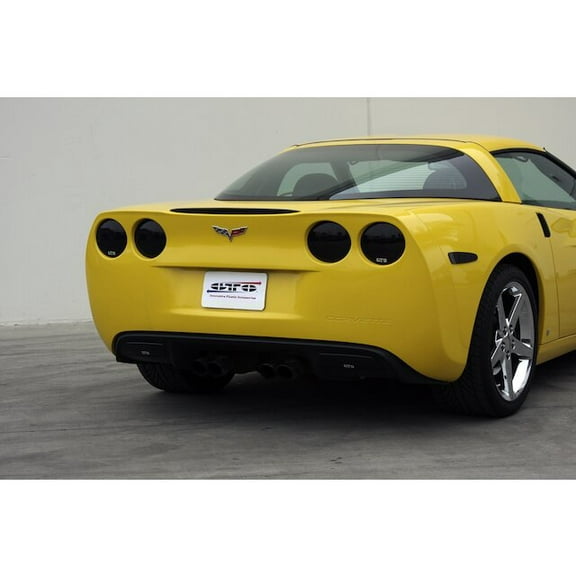
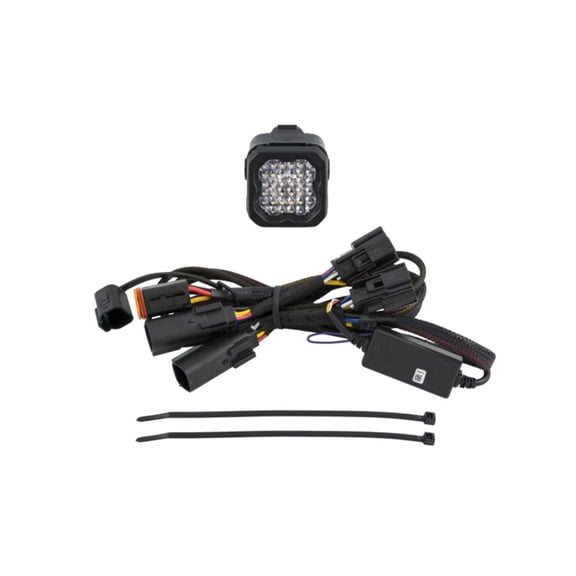
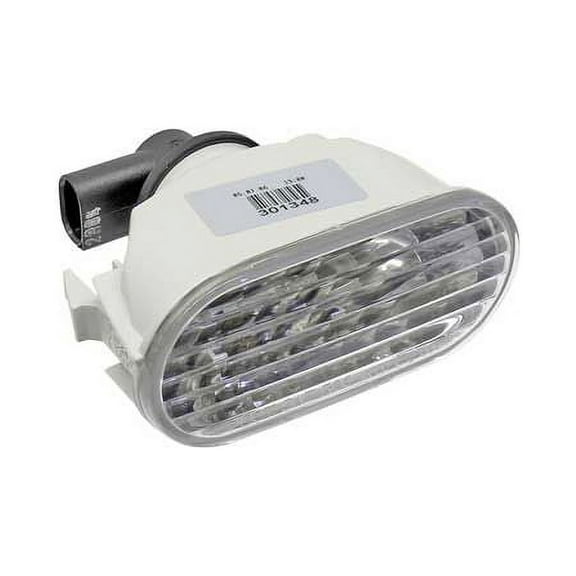
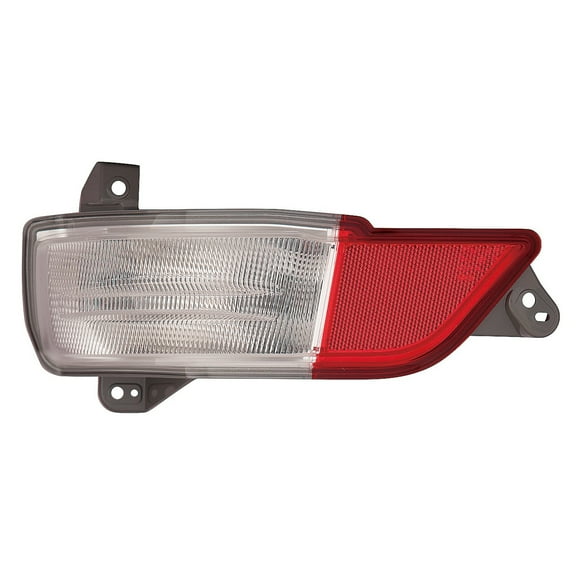

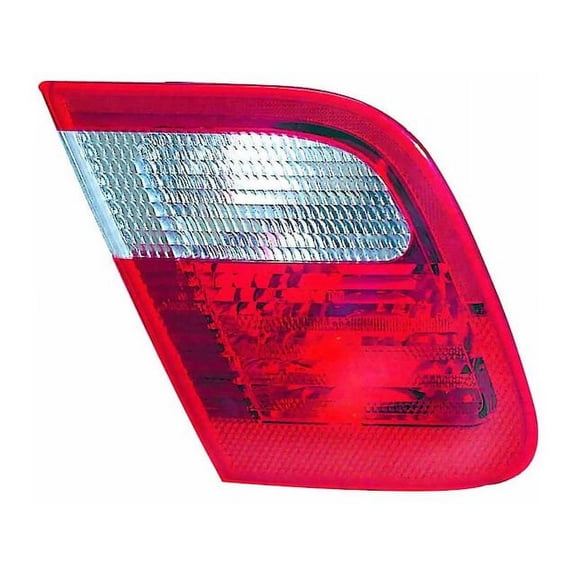
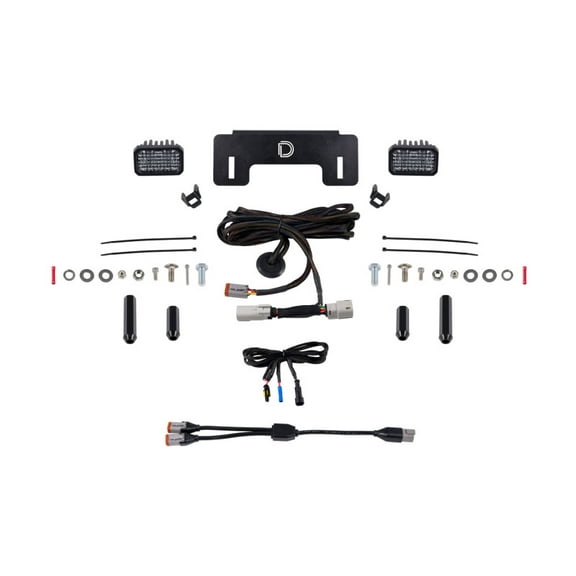
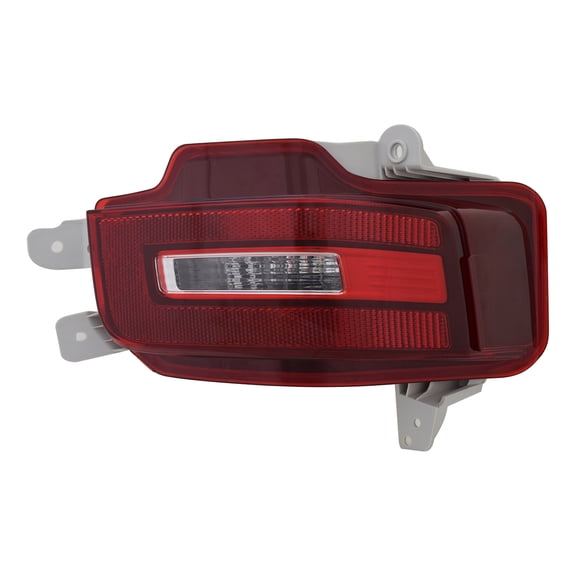
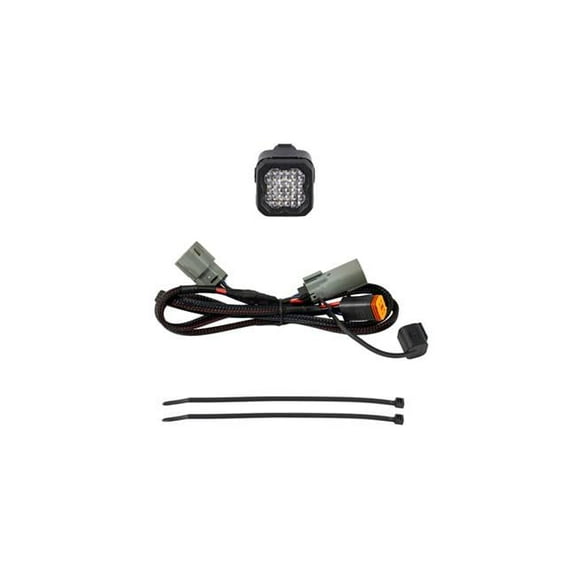
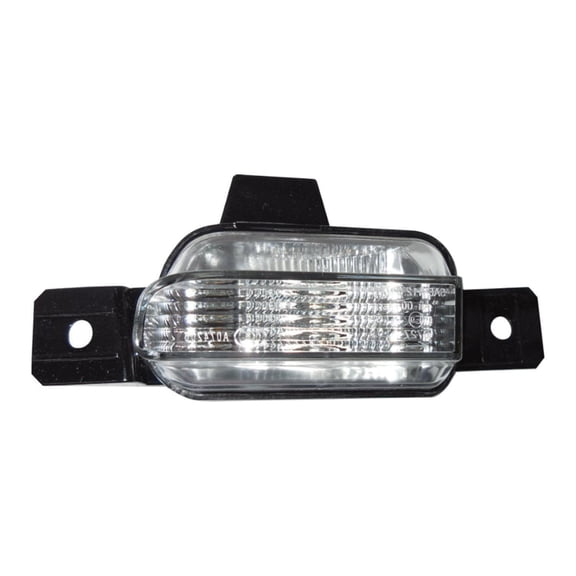


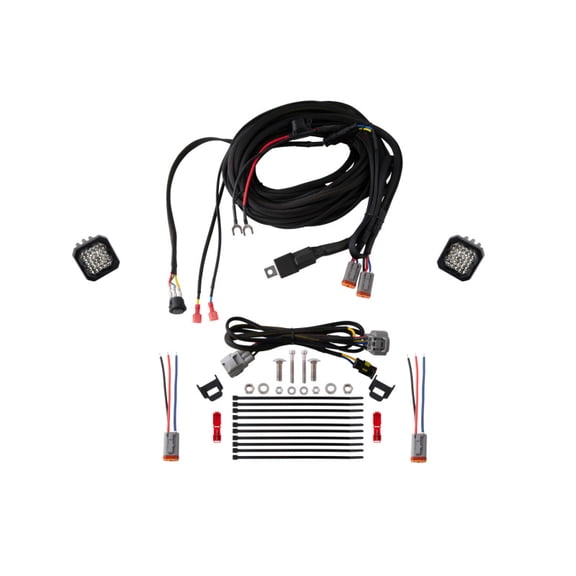
About Reverse Light Assemblies in Reverse Lights - Walmart.com
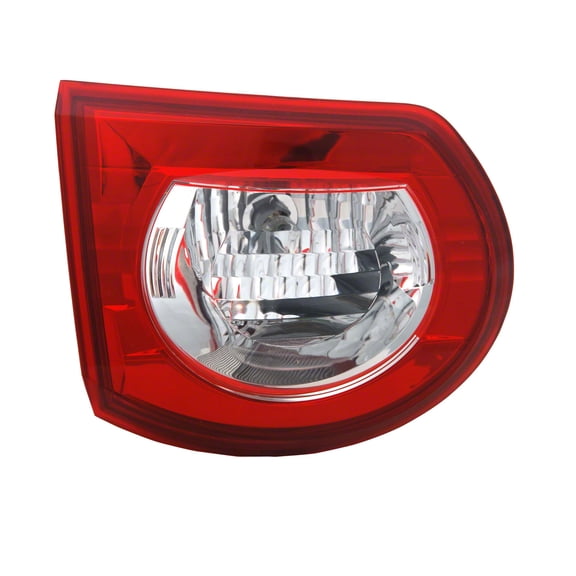
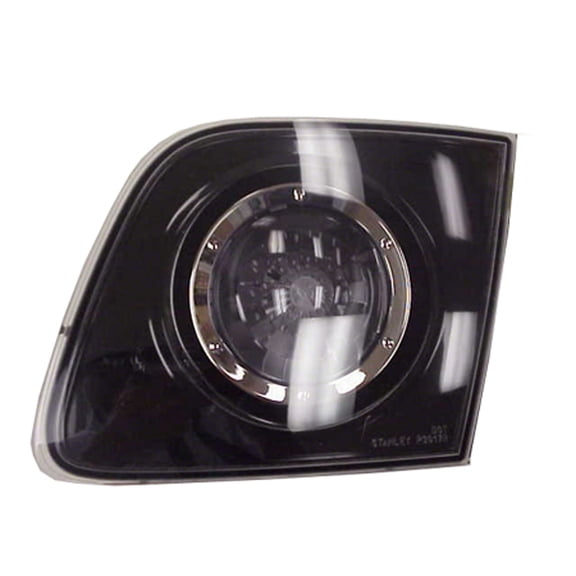
Reverse light assemblies help you restore clear rear visibility when your vehicle backs up. You can compare fitment, housing style, and bulb compatibility here for a more accurate replacement.
If your current unit has a cracked lens, moisture inside, or damaged wiring points, you can narrow options by the exact part type. You’ll also find category guidance that matches common replacement needs for cars, trucks, and SUVs.
Choosing reverse light assemblies for your vehicle
You should start with your vehicle’s year, make, and model before you compare any reverse light assembly. You can also check your OEM part number when you want a closer match.
Direct Replacement options usually match factory mounting points, lens shape, and connector style. Universal Fit options can give you flexibility when your project uses custom brackets or modified housings.
You’ll want to confirm whether your vehicle needs the driver side, passenger side, or a pair. You can avoid ordering issues when your placement matches the original location exactly.
- You can simplify installation when you choose Direct Replacement fitment.
- You can match left, right, or paired placement to your vehicle layout.
- You can compare housing-only and full assembly options based on what parts you already have.
- You can check LED, halogen, or incandescent compatibility before you replace bulbs.
- You can look for DOT and SAE details when street-use compliance matters for your vehicle.
How to compare a back up light assembly
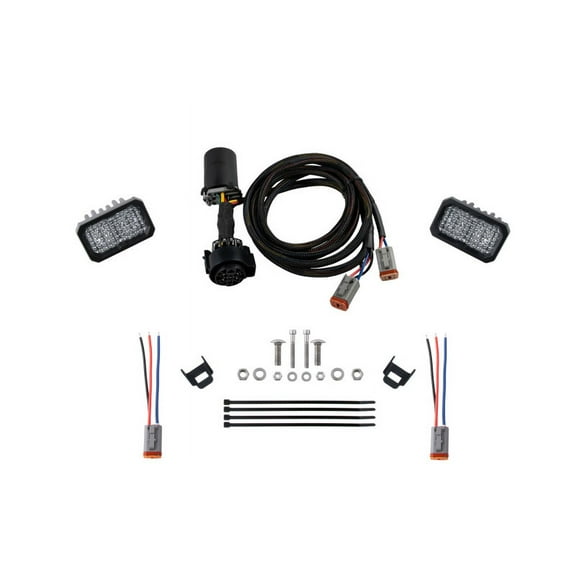
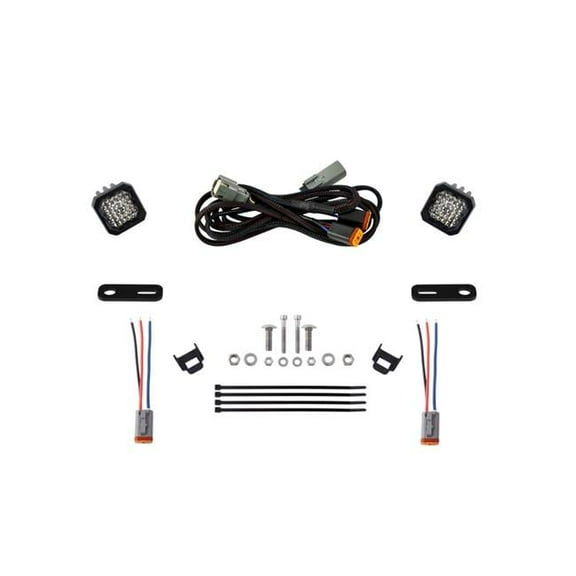
You should compare what each back up light assembly includes before you order. Some options include the housing and lens, while others may include a bulb, socket, or wiring harness.
If your bulb still works and your shell is damaged, you may only need a reverse light housing. If your socket is worn or your connector has damage, you may prefer a fuller assembly.
You can save installation steps when you choose an assembly with the bulb already included. You can keep your existing setup when you choose housing-only or lens-only replacements that match your original parts.
What to look for in a backup lamp assembly
You should check light source compatibility before you pick a backup lamp assembly. Some housings accept LED bulbs, while others are designed around halogen or incandescent formats.
If you’re keeping your factory bulb type, you can focus on connector match and housing shape. If you’re planning an LED upgrade, you should confirm the assembly accepts that bulb style.
You’ll also want to compare lens clarity and reflector design because both affect how evenly light appears behind your vehicle. You can get a cleaner factory-style look when those details align with your original unit.
Look for DOT or SAE information when you want parts that align with common street-use standards. You can use those details as a quick checkpoint when you compare replacement lighting parts.
Understanding reverse light housing options
You can choose a reverse light housing based on the exact component that needs replacement. Housing Only choices work well when your bulb and socket are still usable.
Lens Only options can make sense when the outer cover is cracked but the internal mounting points remain intact. Assembly with Bulb options can help when you want more parts included in one purchase.
You should also compare seals, mounting tabs, and connector placement before you buy. You can avoid fit issues when those details mirror your original assembly closely.
For older vehicles, you may want to inspect whether the lens has faded or the housing has warped. You can restore a cleaner rear appearance when the replacement matches your body lines and trim.
Use cases for reverse light assembly replacements
You may need reverse light assemblies after a parking lot impact damages the lens or mounting points. You can also replace cloudy units when you want a clearer rear lighting appearance.
If your daily driver needs a straightforward fix, you can start with Direct Replacement parts matched by year, make, and model. You can usually narrow choices faster when your OEM number is available.
For a weekend project vehicle, you may prefer Universal Fit parts if your rear setup has been modified. You should measure mounting space and connector needs before you choose that route.
If only one side has damage, you can select driver-side or passenger-side placement to match the affected area. If both sides show wear, you may prefer a pair for a more consistent look.
You might choose a housing-only part when your existing bulb and wiring still match your vehicle. You might choose a full back up light assembly when you want fewer separate pieces to source.
If your current setup uses halogen or incandescent bulbs, you should confirm the new unit supports the same format. If you want LED compatibility, you can filter for assemblies built for that bulb type.
You can also compare adjacent replacement parts when your rear lighting project includes more than one component. You may want to review tail lights, headlight assemblies, and replacement light bulbs during the same repair plan.
Why this category guidance helps
You can shop reverse light assemblies with more confidence when you compare fitment, component type, and bulb compatibility first. You’ll make a cleaner replacement choice when your housing, placement, and standards details all line up.