

Restock Essentials in Caregiver











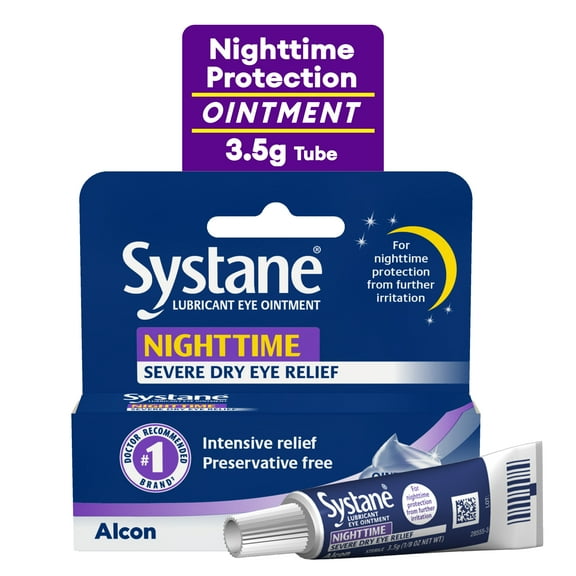
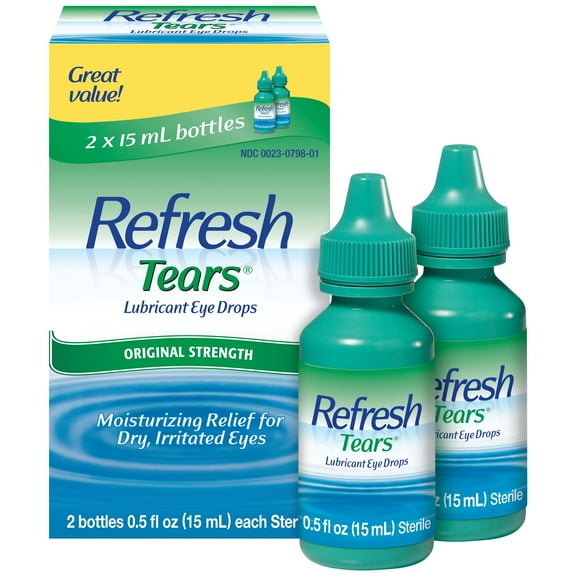
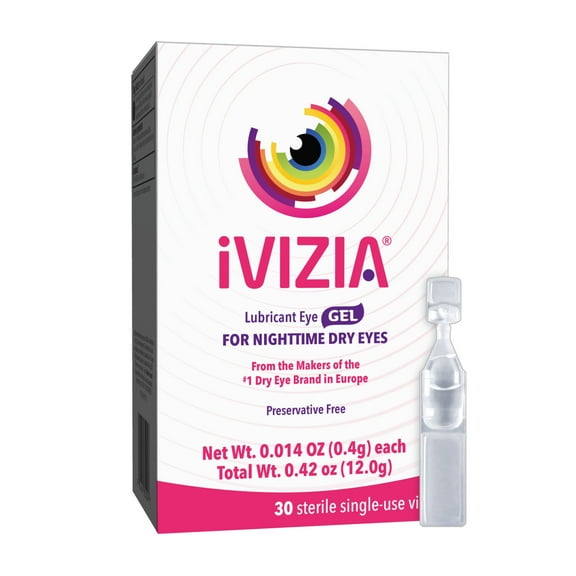
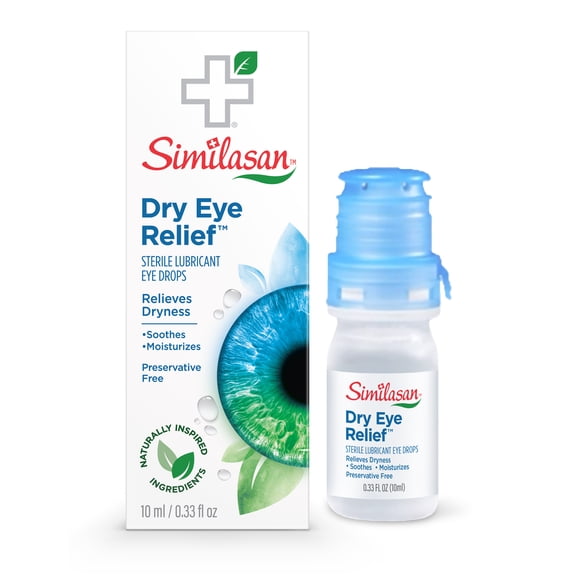












About Restock Essentials in Caregiver - Walmart.com
Restock essentials help you rebuild your medicine cabinet with the health and wellness basics your household reaches for frequently. You can use this page to compare everyday replenishment needs across vitamins, pain relief, first aid, and cough and cold supplies.
How to choose restock essentials for your household
You can start with the product category your home uses frequently during weekly routines and seasonal changes. You should consider whether you need vitamins, pain relief items, first aid supplies, or cough and cold basics first.
Your next step is matching each item to the people in your home and the way they prefer to use it. You may compare tablets, capsules, liquids, and creams based on comfort, convenience, and daily habits.
You can narrow your options quickly when you look at a few practical decisions before refilling your cabinet. You may want to compare these details first:
- You can choose vitamins when your routine includes daily wellness replenishment and repeat use.
- You can choose pain relief formats when your cabinet needs common comfort staples in easy-to-find packs.
- You can choose first aid restock items when your household uses bandages, gauze, ointments, or cleaning supplies regularly.
- You can choose cough and cold basics when you want your cabinet ready for seasonal needs and changing routines.
- You can compare travel size, standard pack, and family size options to match how quickly your household uses each item.
Choosing product categories for a medicine cabinet restock
You should think about your medicine cabinet restock in groups, because each category serves a different household purpose. You can keep daily routines organized when each shelf has a clear role.
For vitamins, you may look for formats that fit your schedule and age group needs. You can compare adults, kids, infants, and seniors options based on labeled use and serving style.
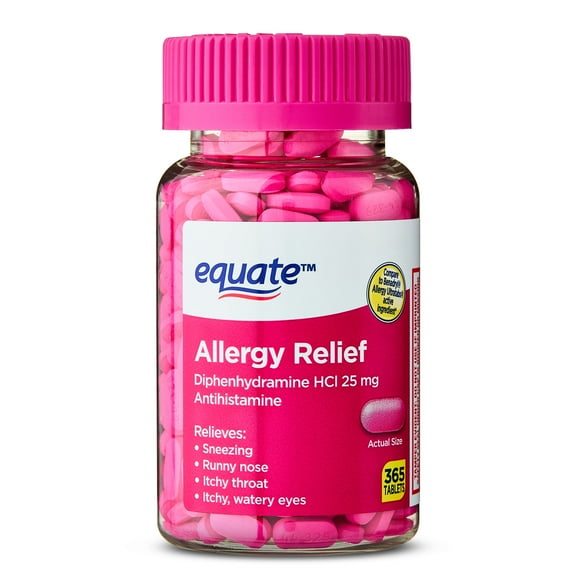
For pain relief, you should check active ingredient strength and compare it in plain terms across available choices. You can use those details to see whether a lower or higher strength fits your usual cabinet plan.
With first aid restock items, you may focus on basics that support quick cleanup and clear organization. You can keep bandages, adhesive tape, gauze, and creams together so your cabinet stays easy to manage.
For cough and cold supplies, you should compare liquid and tablet options by household preference and storage space. You can also separate daytime and nighttime formats when your routine calls for distinct options.
What to look for in forms, sizes, and labels
You can use form as a simple decision point when several items meet the same need. You may prefer tablets or capsules for compact storage, while liquids and creams can feel easy to use in certain situations.
Your pack size should match how often your household reaches for each category throughout the month. You can choose travel size for bags and quick access, standard pack for steady use, or family size for shared cabinets.
You should also check batch codes and expiration details when you build your restock essentials list. You can use shelf life information to rotate older items forward and keep newer items organized.
When you compare labels, you may notice active ingredient strength listed clearly on the front or back panel. You can use that information to understand the amount in each dose without relying only on brand familiarity.
You should measure cabinet space before choosing larger packs or multiple formats in the same category. You can keep your shelves easy to sort when bottles, boxes, and tubes fit your storage plan.
Matching restock essentials to adults, kids, infants, and seniors
You can build a highly functional cabinet when you sort products by the people who use them frequently. You should check age-specific labeling so your household setup stays clear and easy to follow.
For adults, you may prioritize daily vitamins, standard pain relief packs, and first aid basics for home and work routines. You can keep tablets or capsules nearby when compact storage matters.
For kids, you might look for liquids or other easy-to-administer formats that fit family routines and labeled age ranges. You can pair those picks with bandages and gentle first aid basics for active days.
For infants, you should focus on clearly labeled options and smaller formats that fit diaper bags or nursery storage. You can keep travel size items nearby when you want quick access away from the main cabinet.
For seniors, you may want larger print labels, familiar forms, and refill sizes that reduce frequent replacement. You can compare standard pack and family size options based on steady household use.
Using health and wellness essentials through the year
You can treat health and wellness essentials as a seasonal checklist instead of a one-time task. You may refresh vitamins and daily items regularly, then update first aid and cough and cold supplies as routines shift.
During travel periods, you can use smaller formats that fit purses, backpacks, or luggage without taking much room. You should keep your main cabinet stocked separately, so your home supply stays complete.
For busy family schedules, you can organize by category and form so each item stays easy to spot. You may place creams with first aid, liquids together on one shelf, and tablets or capsules in another section.
When your household changes, you can adjust pack size and user group choices without rebuilding your whole setup. You can keep your restock essentials practical by reviewing what your home actually uses each month.
Your cabinet works harder when you choose restock essentials with clear categories, useful formats, and pack sizes that fit real routines. You can keep daily wellness, first aid, and seasonal basics ready with less guesswork.