

Removal Tools



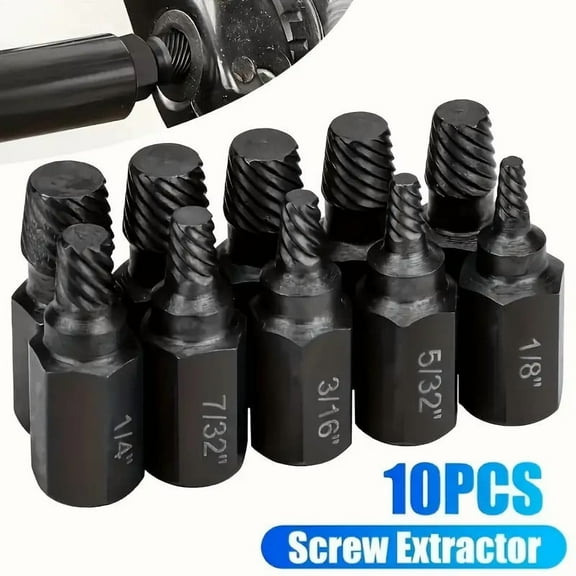

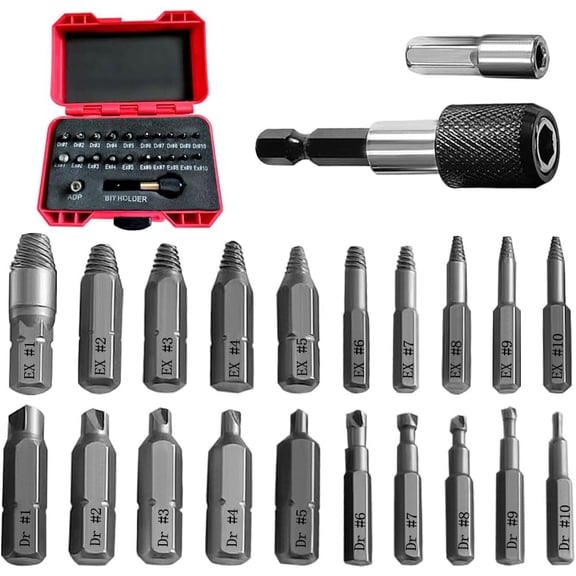
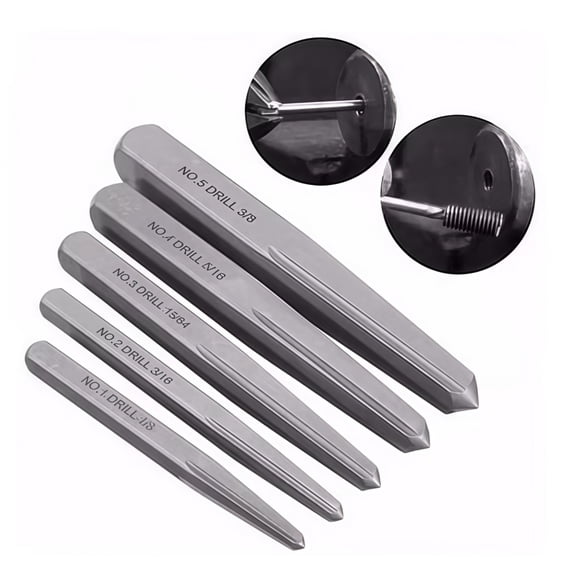
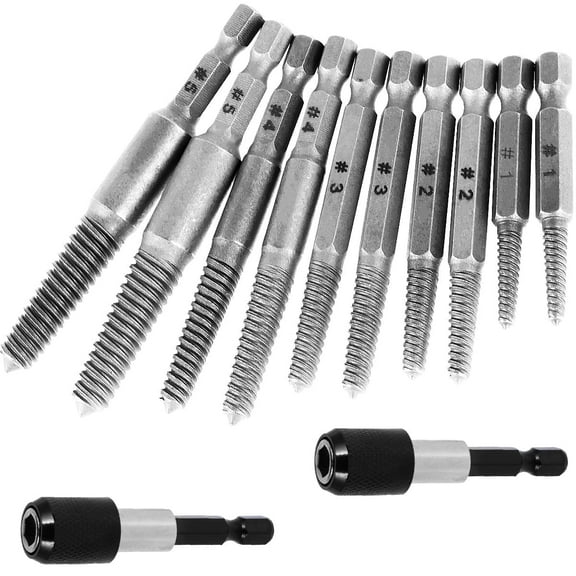
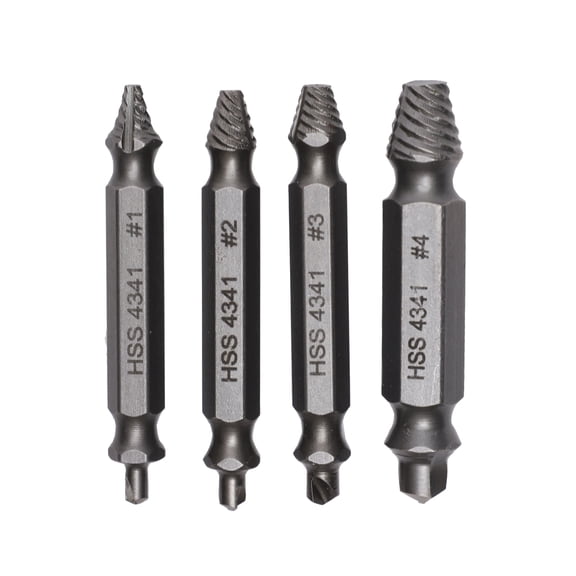


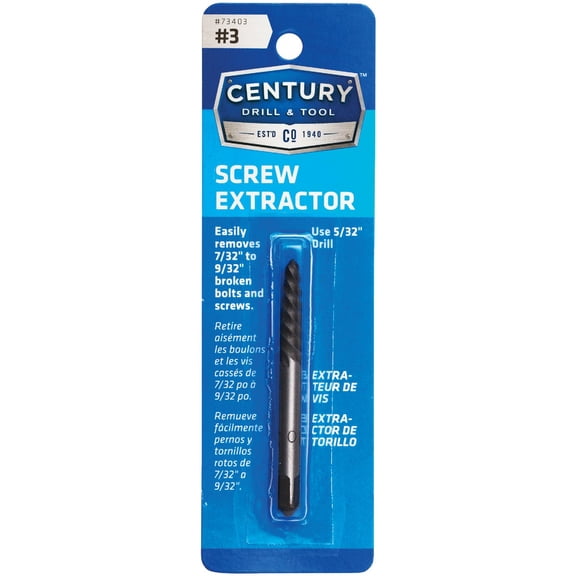
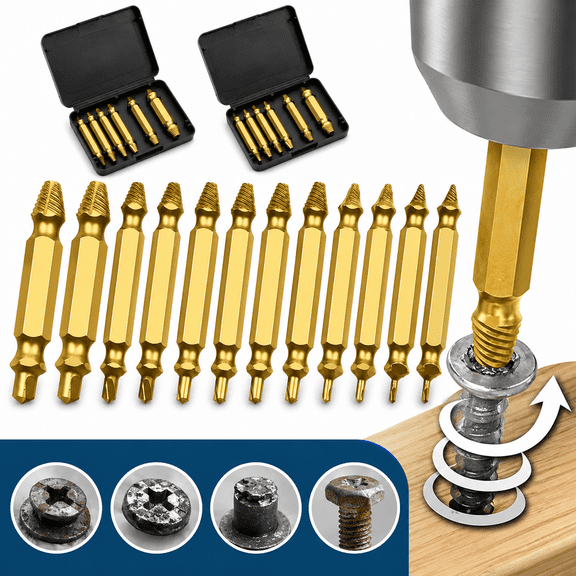

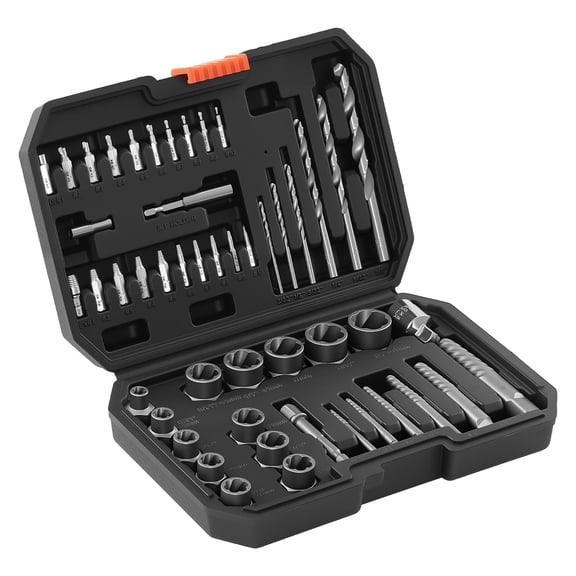


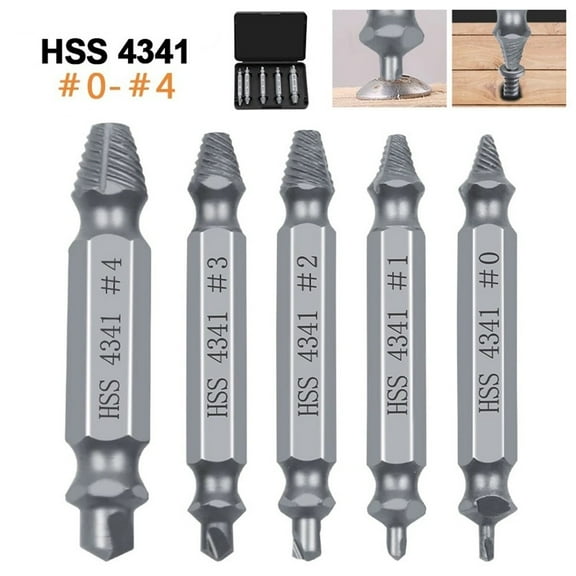
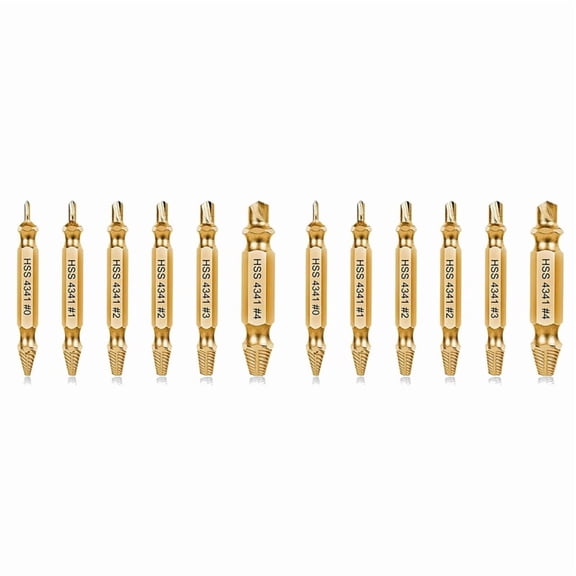
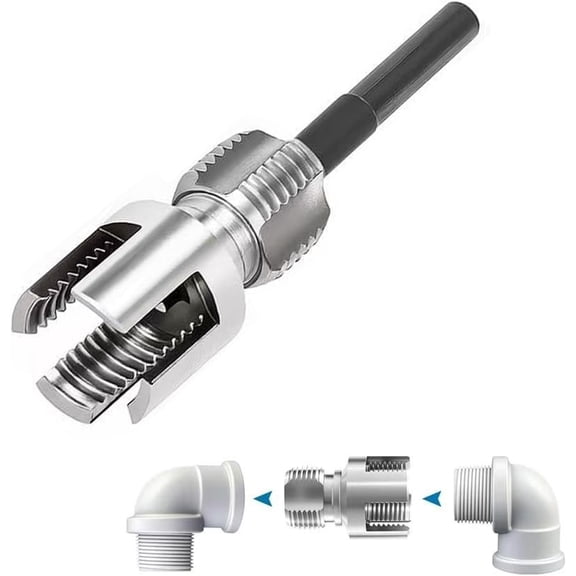


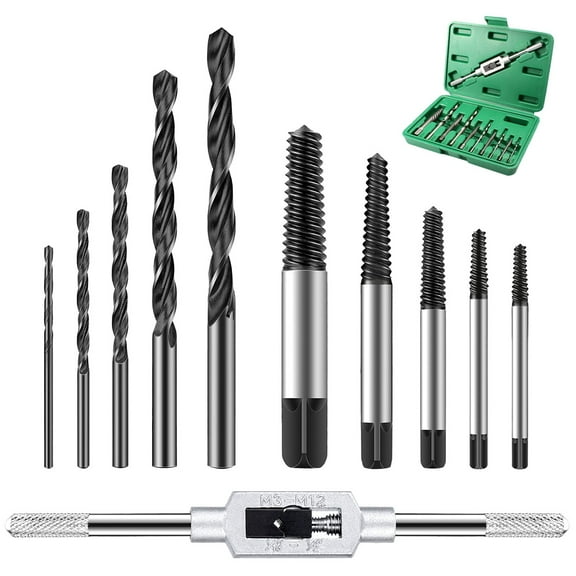


About Removal Tools - Walmart.com
When you choose removal tools, you need clean lift, steady leverage, and control for trim, flooring, and upholstery work. You can compare tool types, materials, and grip styles to match delicate molding jobs or stubborn staple and tack removal.
How to choose removal tools by tool type
You should start with the tool type because each shape handles a different removal task. You can use trim removal tools for baseboards, molding, and panels where clean separation matters.
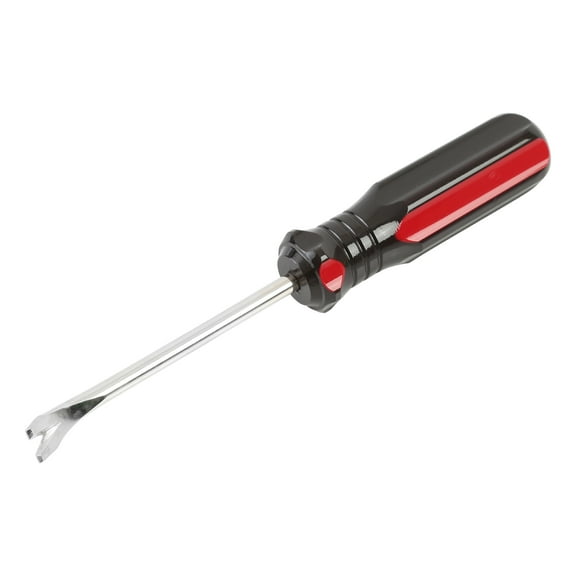
If you're pulling fasteners, you may prefer staple removal tools or tack puller tools with narrow forked tips. You can use scraper tools when you need to lift adhesive, paint buildup, or flooring residue from flat surfaces.
For wider trim and panel work, you can compare pry bar tools with trim pullers. You’ll usually get broader contact points that help you lift material with steadier pressure.
- You can use trim pullers for baseboards, molding, and finish trim.
- You can use staple removers for upholstery staples and small embedded fasteners.
- You can use scrapers for adhesive layers, flooring residue, and surface prep.
- You can use pry bars for heavier leverage on panels, boards, and nailed materials.
Choosing materials and strength for heavy-duty removal tools
You should compare carbon steel, stainless steel, alloy steel, and plastic based on the job surface and force needed. You’ll usually want steel for tougher pulls and plastic for lighter work around finished surfaces.
When you compare tensile strength, you’re checking how much pulling force a tool can handle before it bends. You can look to alloy steel or carbon steel when your project involves stubborn nails, flooring strips, or dense trim.
Blade thickness also matters because you need the edge to fit tight gaps without losing strength. You can choose thinner blades for narrow seams and thicker blades for heavier lifting pressure.
If your project includes painted molding or finished panels, you may want non-marring edges or plastic contact points. You’ll notice these designs help protect walls, trim faces, and surrounding surfaces during lift.
What to look for in ergonomic removal tools
You should check grip type early because your hand position affects control during long projects. You can compare organic rubber, cushioned grip, and non-slip handles based on comfort and hold.
When your hands get dusty, you’ll appreciate a non-slip grip that stays steady during pulling. You can also use cushioned handles when you expect repeated staple removal or long scraping sessions.
Tool length changes leverage, so you should match length to the force your project requires. You’ll need less effort with a longer tool, while shorter tools can help you work in tighter spaces.
For precise interior jobs, you may prefer precision removal tools with compact profiles and slimmer tips. You can guide these tools into narrow gaps around trim corners, clips, and upholstery edges.
Matching molding removal tools to your application
You should match the application to the edge shape, length, and strength of the tool. You can choose molding removal tools with wider faces when you want to spread pressure across finished trim.
For flooring projects, you may need scraper edges or pry designs that slide under glued material and transition strips. You can also compare blade thickness to fit under planks, tiles, or edge pieces.
In automotive work, you’ll often want upholstery removal tools or trim tools with non-marring plastic construction. You can lift clips, panels, and interior pieces with less surface marking around visible finishes.
For upholstery tasks, you may prefer staple removal tools with forked heads that reach under embedded staples. You can work closer to fabric edges and wood frames with more targeted lifting.
Using removal tools for common project scenarios
If you’re replacing baseboards, you can use trim removal tools with broad contact areas and steady leverage. You’ll have an easier time lifting long sections while keeping trim edges more intact.
When you’re refreshing a room before paint, you can use scraper tools to clear caulk lines and leftover adhesive. You can then switch to a trim puller for cleaner separation along molding joints.
If you’re repairing flooring, you may need heavy-duty removal tools with steel construction and longer bodies. You’ll get more leverage when boards, tack strips, or transition pieces resist lifting.
During automotive interior work, you can use plastic upholstery removal tools for panels, clips, and dash trim. You’ll usually gain better access in tight spaces where metal edges could mark visible surfaces.
When you’re reworking furniture or seating, you can use staple pullers and tack pullers on wood frames. You can remove old fasteners more precisely before fabric, foam, or trim goes back in place.
You should compare edge style, material strength, and handle design before choosing your setup. You’ll finish with cleaner removal and fewer surface marks when your tool matches the job from the start.