

Refrigerators



























About Refrigerators - Walmart.com
Full size refrigerators help you store weekly groceries, party trays, and freezer staples with room that suits your daily routine. You can compare widths, depths, and layouts more easily when you know many full-size models run about 30 to 36 inches wide.
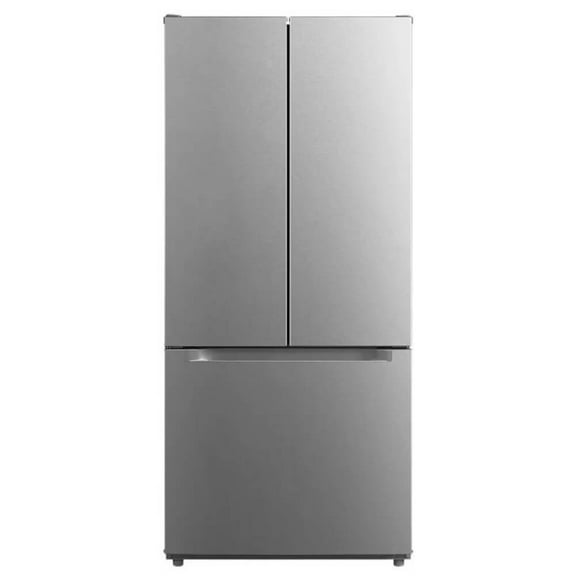
You may be replacing an older unit or planning a kitchen update that needs a cleaner built-in look. You'll also find options like french door refrigerators, side by side refrigerators, and bottom freezer refrigerators. These configurations change how you reach fresh and frozen food.
Choosing the right full size refrigerators configuration
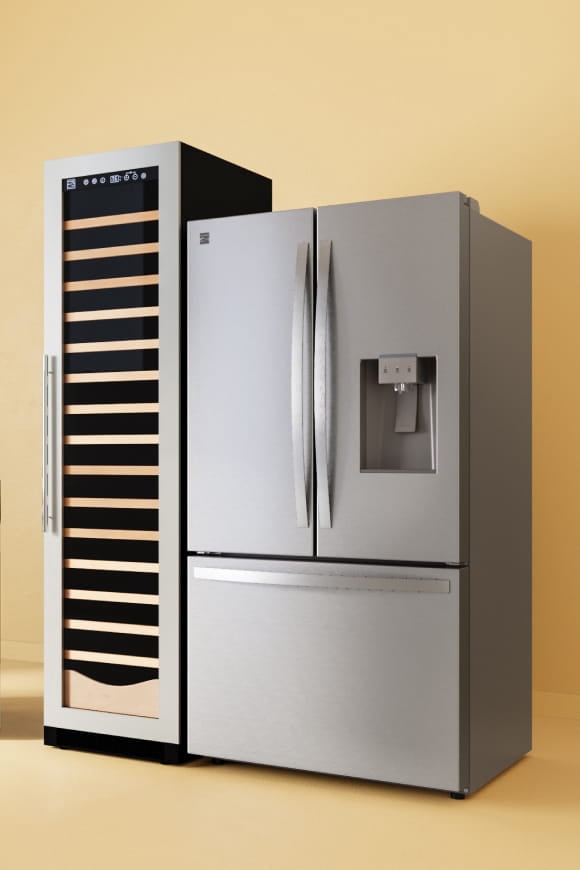
You should start with configuration because door style affects how your kitchen works and how your groceries stay organized. You can use french door refrigerators for wide platters and produce drawers that keep fresh items at eye level.
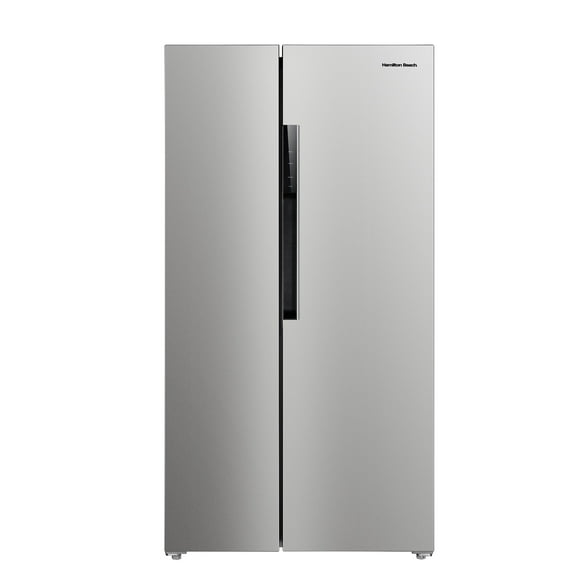
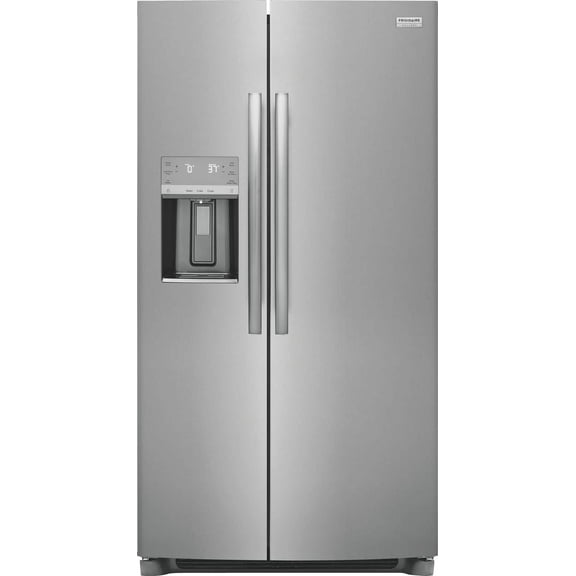
You may prefer side by side refrigerators when you want narrow doors that open comfortably in tighter walkways. You can also reach chilled and frozen foods without bending as often during busy meal prep.
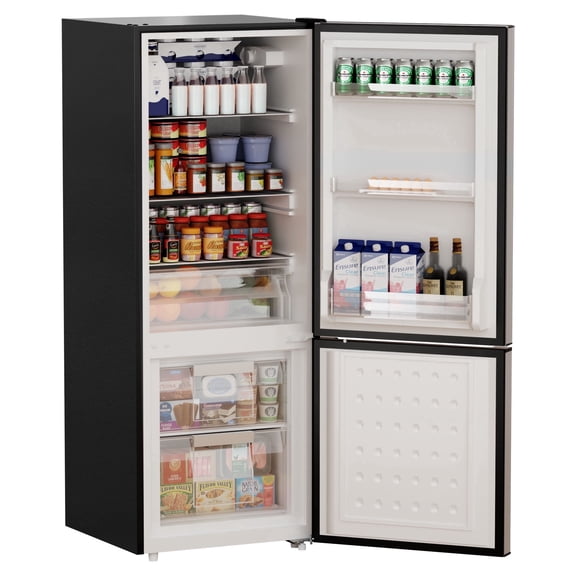
You might choose bottom freezer refrigerators when you use fresh ingredients more often than frozen items. You get an upper refrigerator section that keeps everyday foods closer to your hands and your sightline.
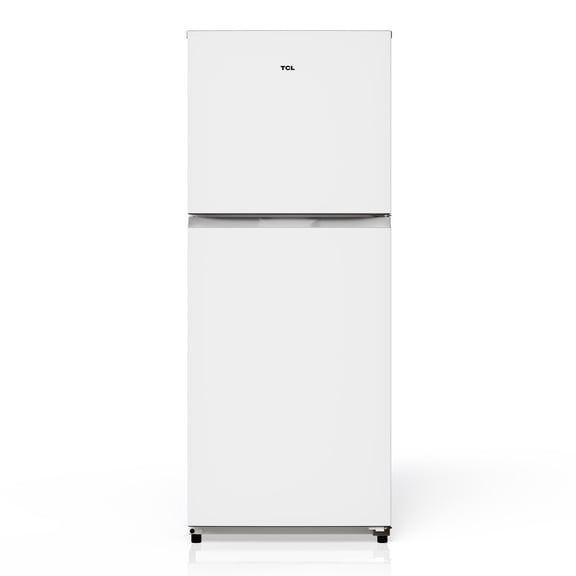
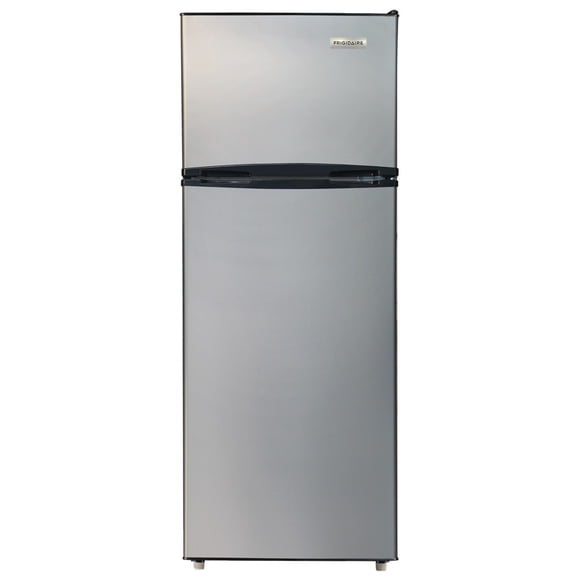
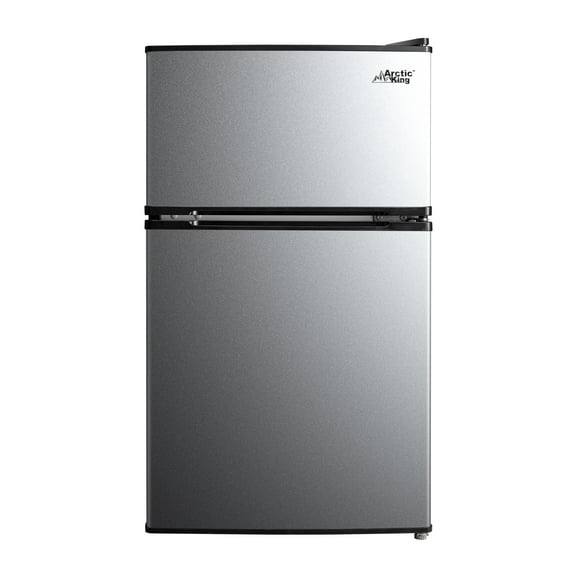
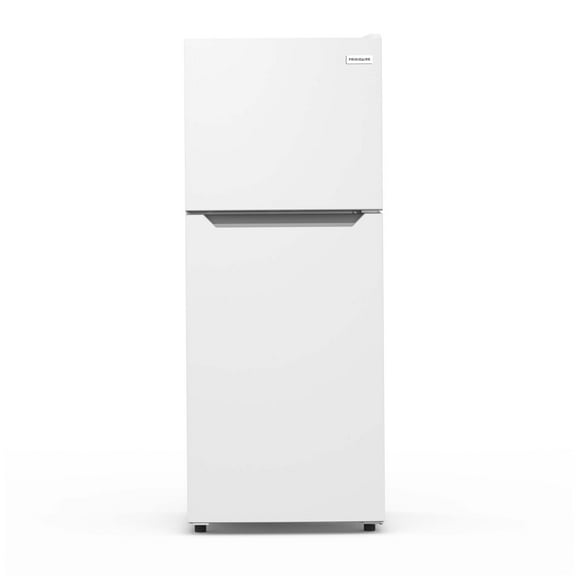
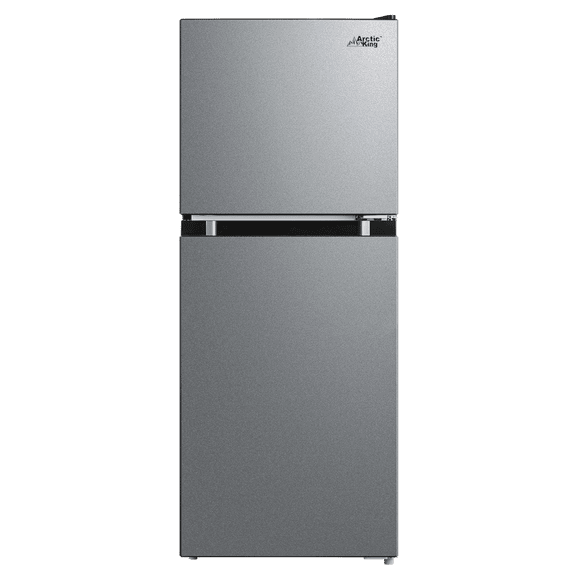
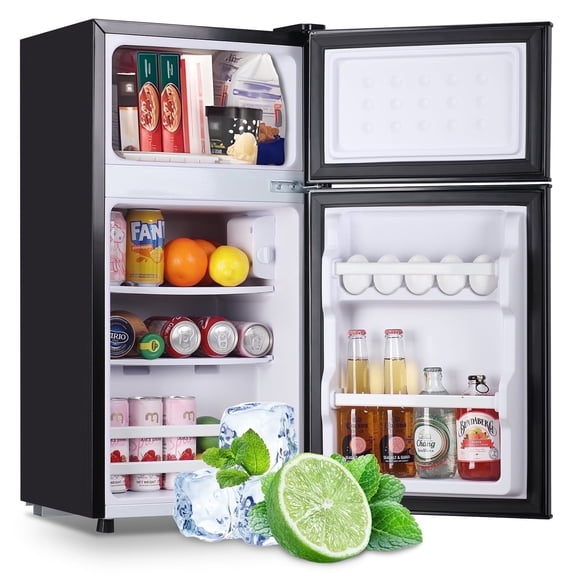
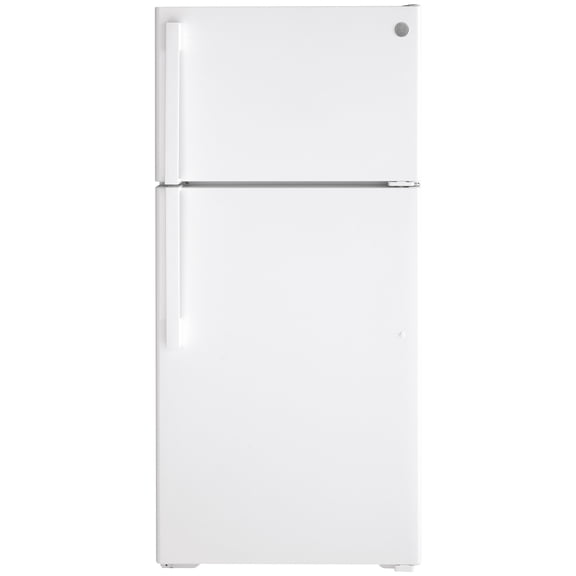
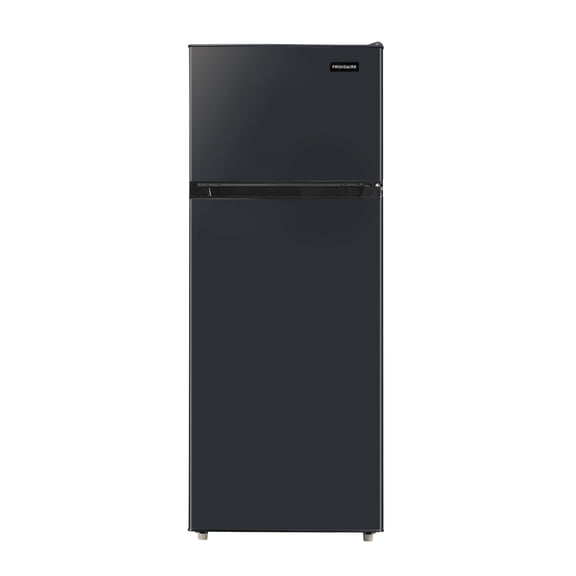
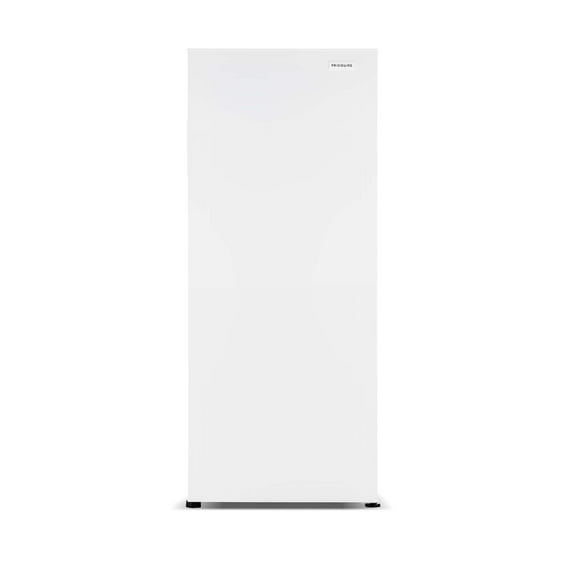
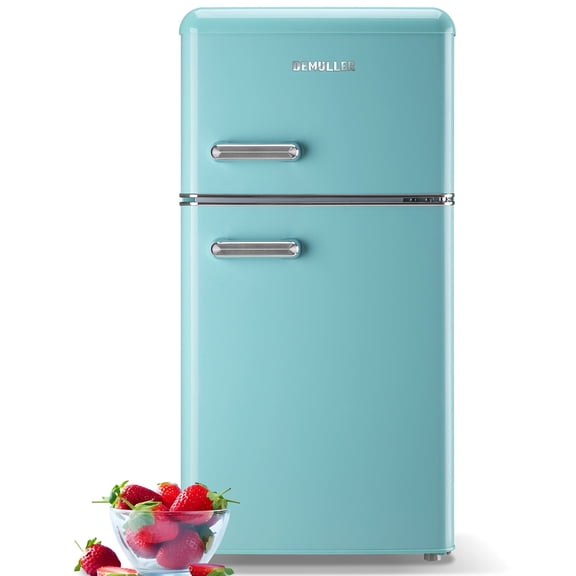
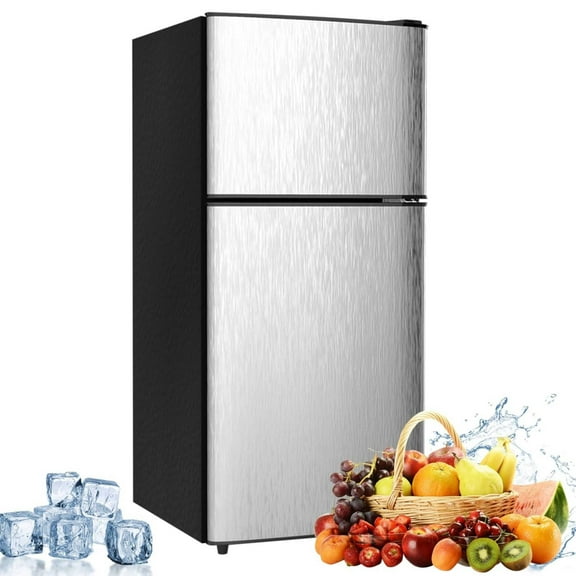
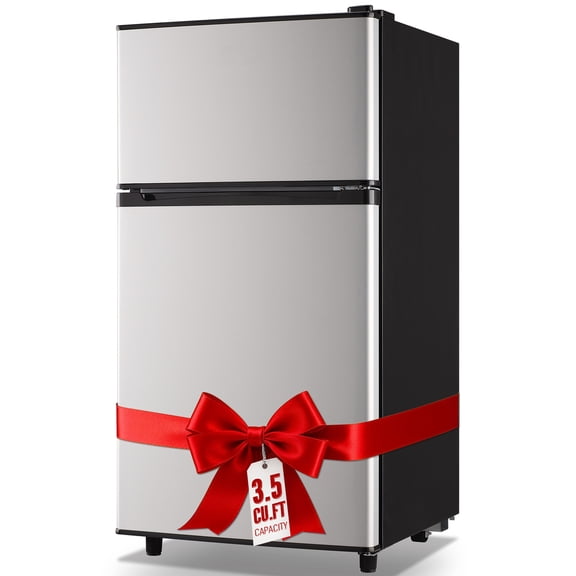
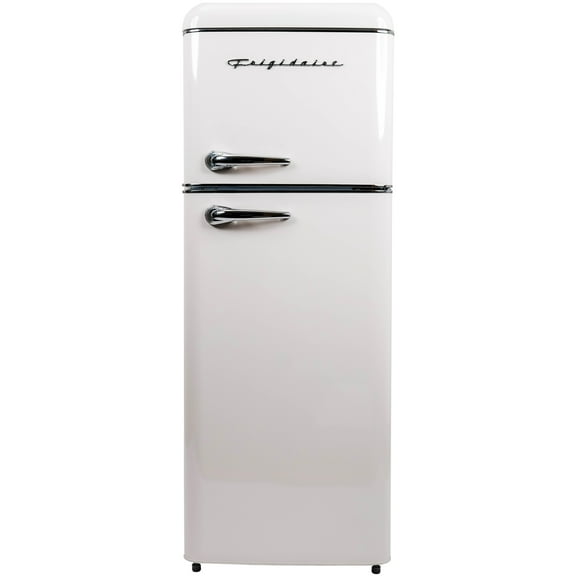
You can also consider top freezer models when you want a familiar layout with simple shelf zones. You'll often get straightforward organization that works well for shared kitchens, rentals, or utility spaces.
- You get layout choices that match how you cook, snack, and store leftovers.
- You can choose door styles that fit your aisle space and cabinet placement.
- You may organize produce, beverages, and frozen foods with less daily shuffling.
- You can find double door refrigerators and smart refrigerators for connected kitchens and flexible storage habits.
Choosing depth, dimensions, and capacity
You should measure your kitchen cutout before you compare finishes or extra features. You need width, height, and depth, and you should also check door swing clearance and space for handles.
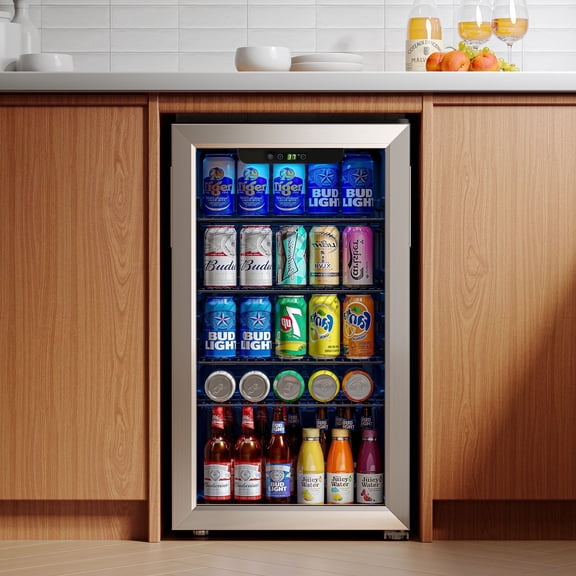
You can choose counter depth refrigerators when you want the front edge to align closely with surrounding cabinets. You'll get a streamlined look that supports cleaner traffic flow in smaller kitchens and open layouts.
You may choose standard depth models when your household needs more interior room for bulk groceries. You often get deeper shelves that hold pizza boxes, meal prep containers, and larger beverage packs.
You should compare capacity with your shopping habits, not just with your kitchen size. You may find 18 and 20 cu. ft. options fit smaller households. Larger homes may prefer 22 to 25+ cu. ft. models.
You can use these measurements as a quick planning guide before delivery day. You'll want to confirm hallways, entry doors, and turning space so your new appliance fits the path into your kitchen.
Choosing finishes and everyday features
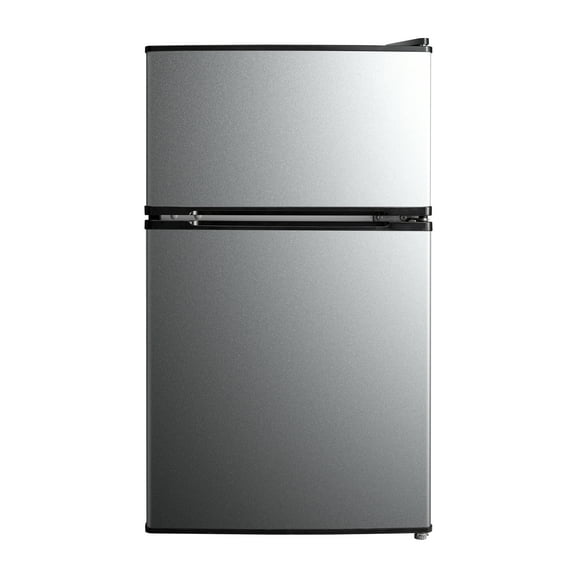
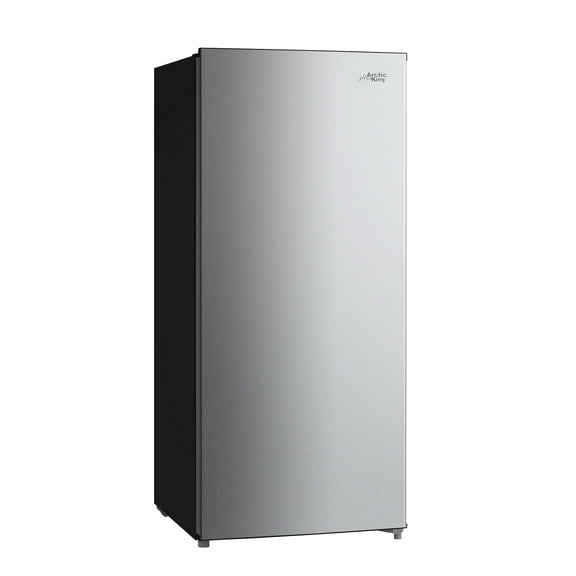
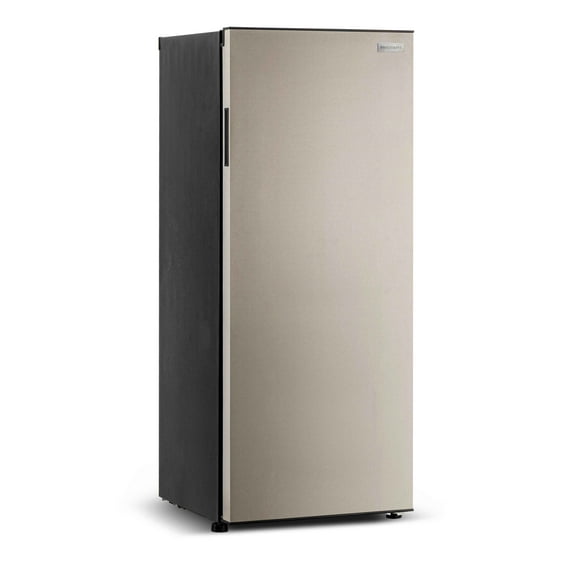
You can narrow your look by choosing a finish that matches nearby appliances and cabinet colors. You may prefer stainless steel refrigerators for a modern kitchen, while black stainless steel can soften visible smudges and contrast.
You can also compare white and black finishes when your space leans classic or when you want a stronger match with older appliances. You'll create a more intentional kitchen look when your refrigerator finish supports your range and dishwasher.
You should also review shelf design, bin placement, and freezer drawer access before you choose a model. You may want adjustable shelves for tall pitchers, gallon bins for family drinks, and flexible drawers for party trays.
You can look for energy star refrigerators if efficiency matters in your appliance checklist. You'll also see smart refrigerators that add connected controls, alerts, or app-based convenience for busy households.
Planning delivery, installation, and daily use
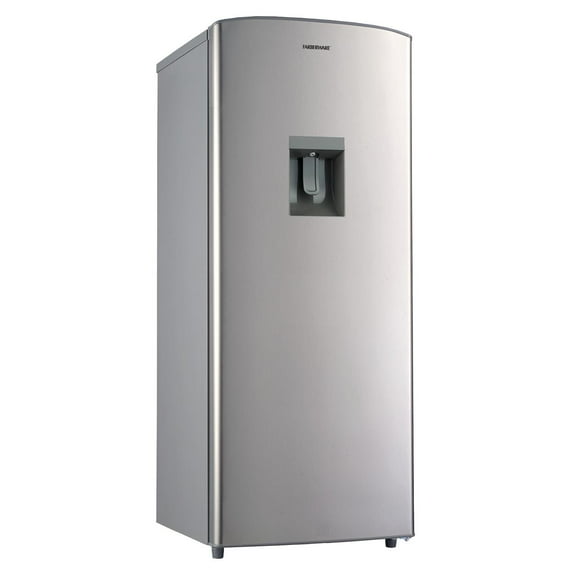
You should think through installation needs before your refrigerator arrives. You may need a water line connection for ice and water features, and you should confirm whether old appliance removal is available.
You can prep your space by clearing the path, measuring corners, and checking floor transitions. You'll make setup smoother when you remove obstacles and confirm the refrigerator doors can open fully after placement.
You might want garage refrigerators for overflow drinks, frozen foods, or holiday storage during warmer months. You should verify placement needs, exterior temperatures, and available outlet access before you choose that setup.
You can match configurations to daily routines with a little planning. You'll appreciate french door layouts for entertaining, side-by-side access for frequent freezer use, and counter depth styles for compact kitchen footprints.
You may also want to think about who uses the refrigerator most each day. You'll often prefer lower freezer drawers for fresh-food households and side access shelves for quick-grab drinks and lunch items.
What to look for before you decide
You should compare refrigerator type, capacity, finish, and installation needs as one complete decision. You'll make a smarter choice when your measurements, door clearance, and storage habits line up.
You can feel more confident when full size refrigerators fit your kitchen cutout and your weekly grocery routine. You'll get easier organization, smoother delivery planning, and a kitchen layout that works every day.