

Commercial Store Refrigerators & Fridges | Walmart




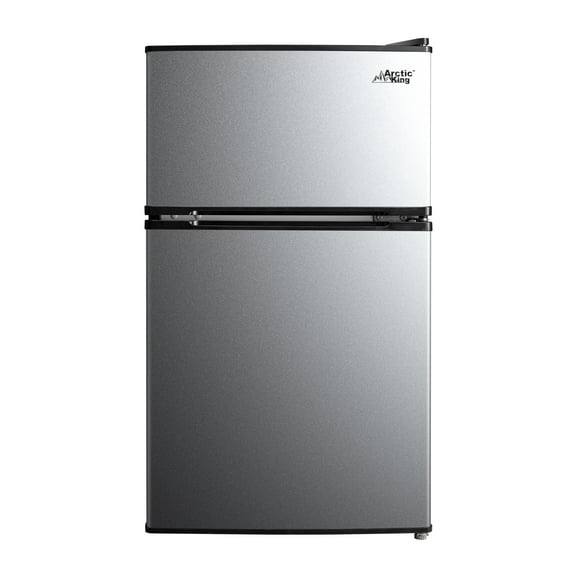


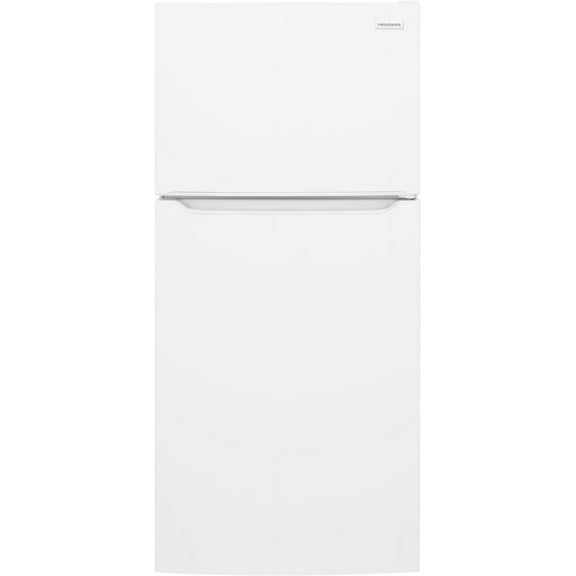
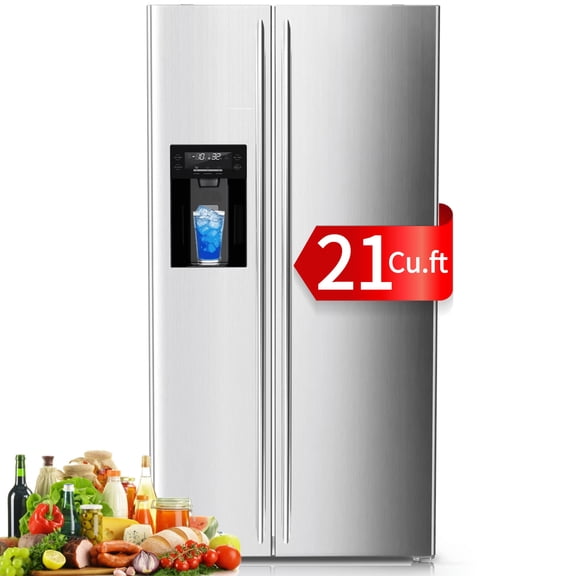
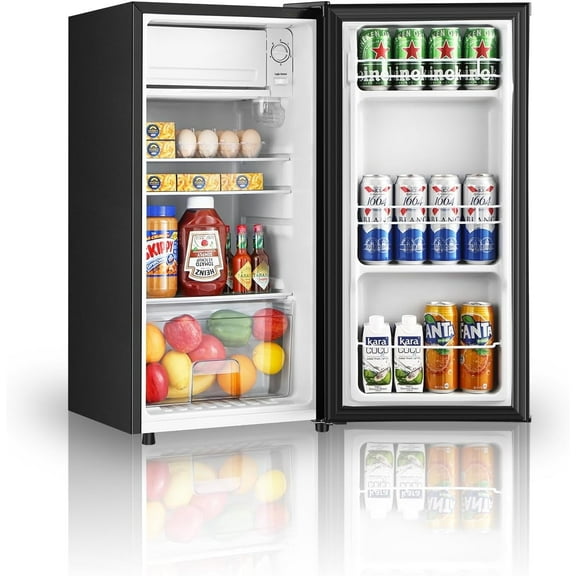










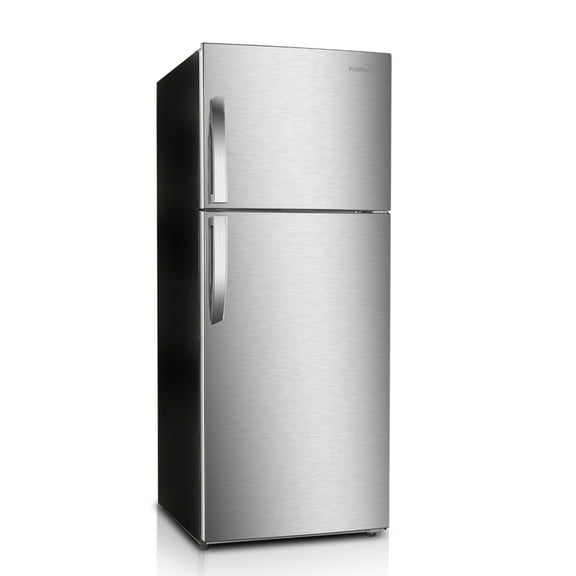


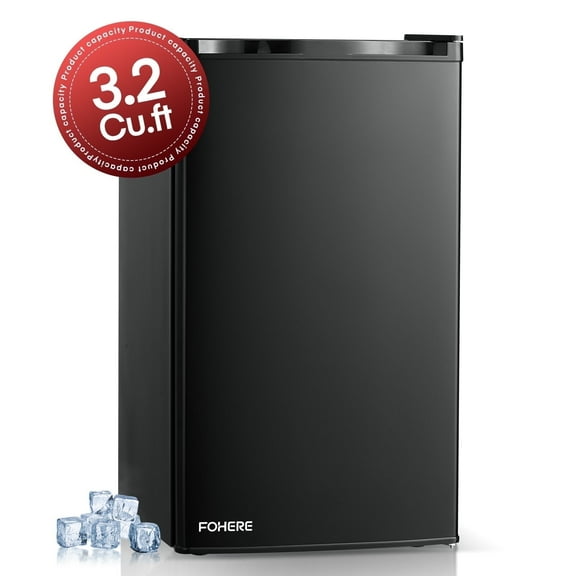


About Commercial Store Refrigerators & Fridges | Walmart - Walmart.com
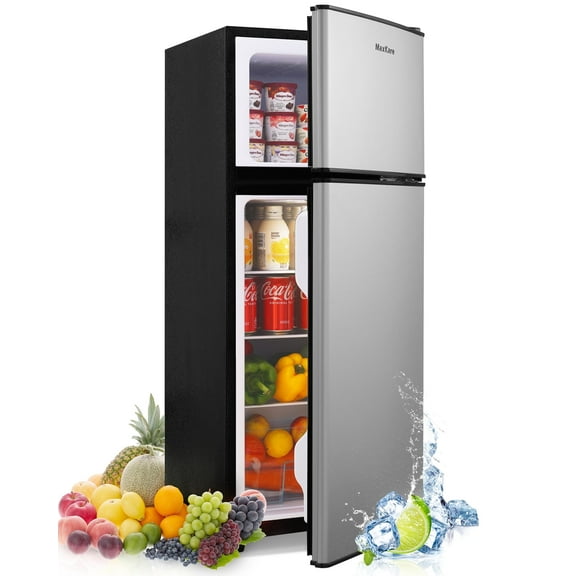
Commercial refrigerators help you hold ingredients, drinks, and prepared foods in demanding service spaces. You can compare reach-in, glass door, undercounter, and worktop styles to match your kitchen flow.
Choosing commercial refrigerators by refrigeration type
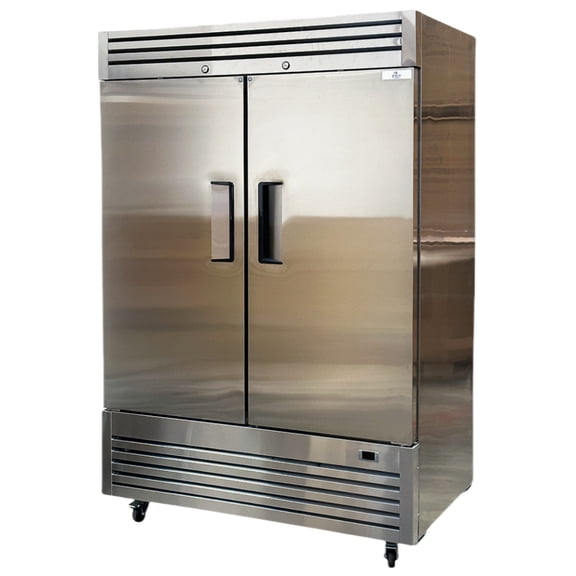
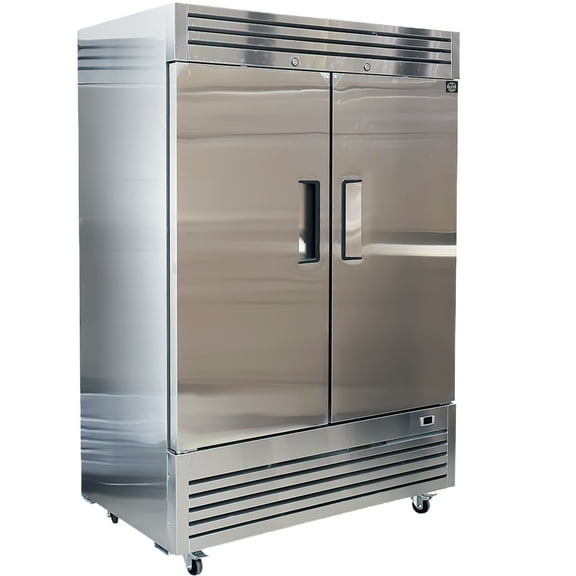
When you choose commercial reach-in refrigerators, you get vertical cold storage that supports fast back-of-house access. You can stock pans, cartons, and packaged ingredients without using extra floor space.
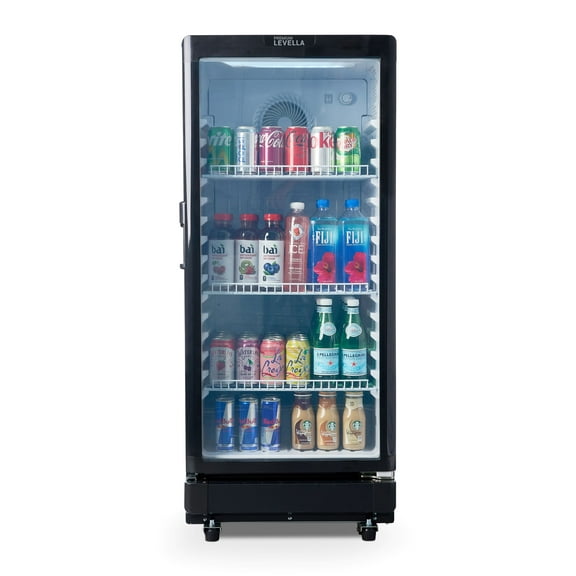
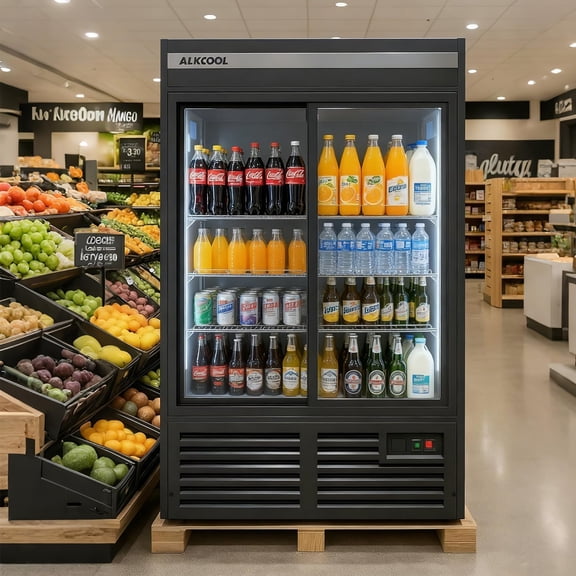
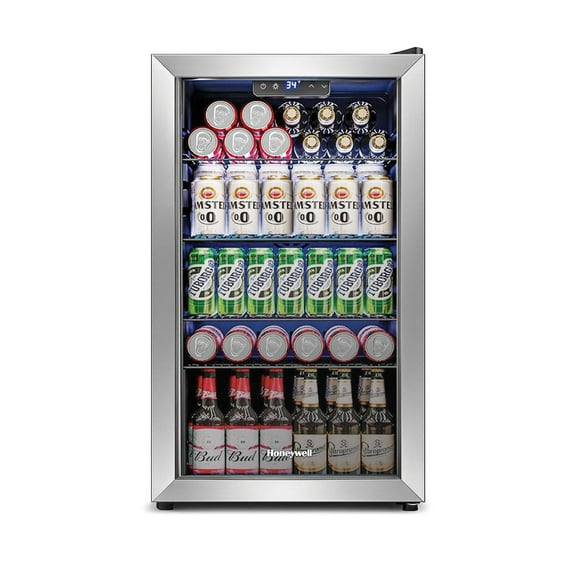
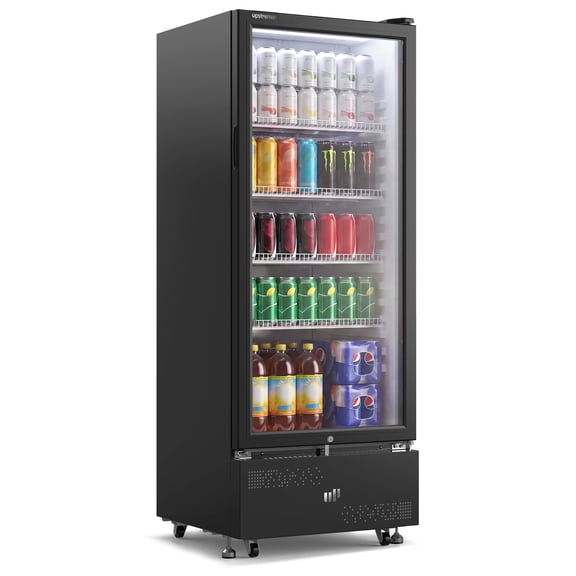
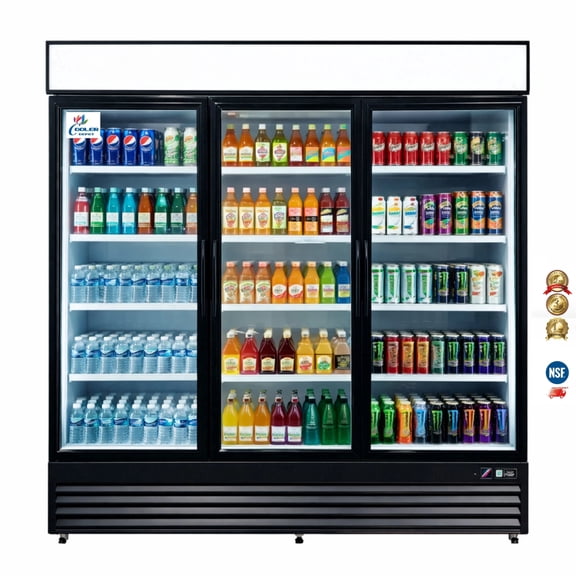
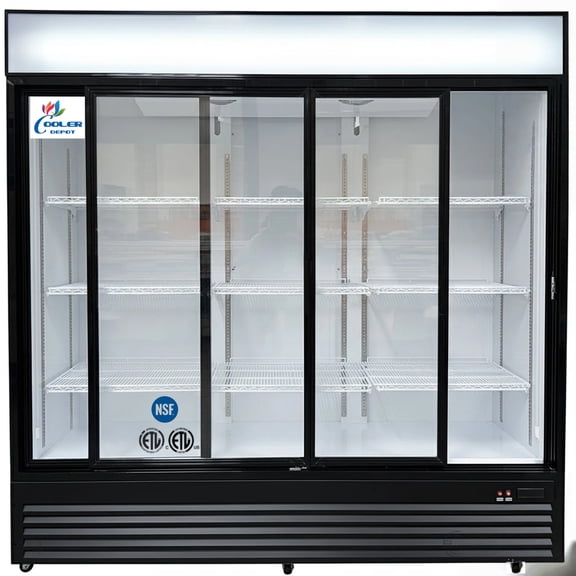
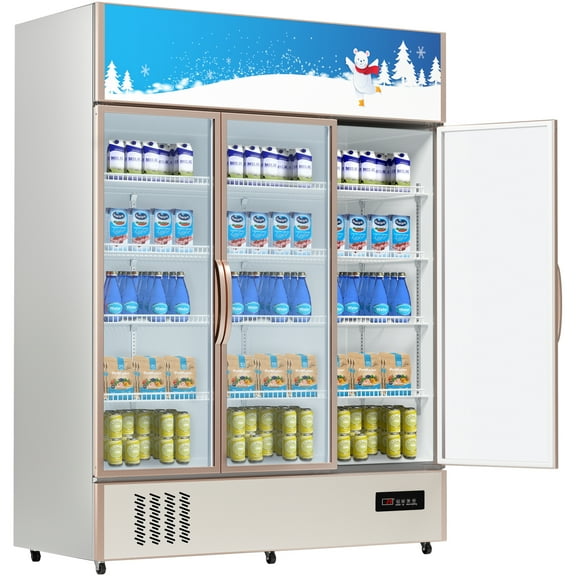
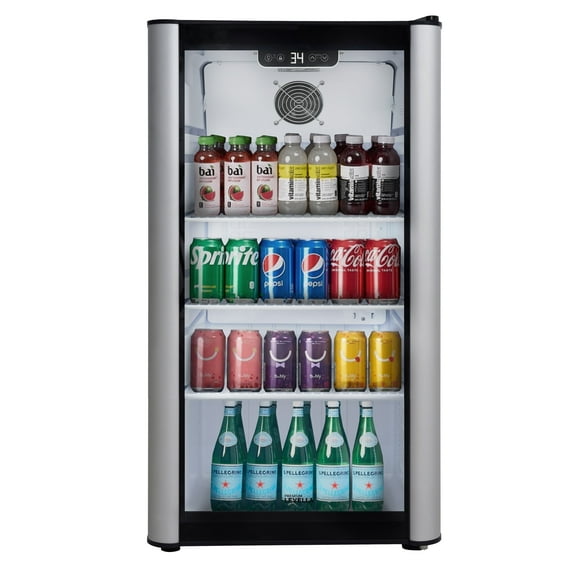
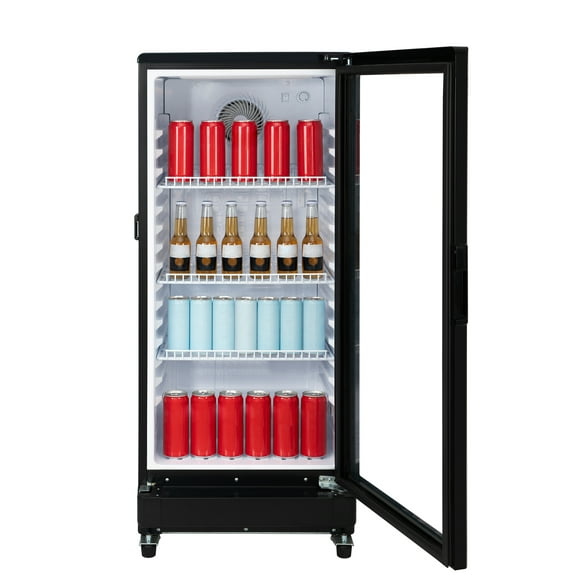
If you choose glass door commercial refrigerators, you can see inventory quickly during service. You may prefer that visibility for beverages, grab-and-go items, or front-of-house merchandising.
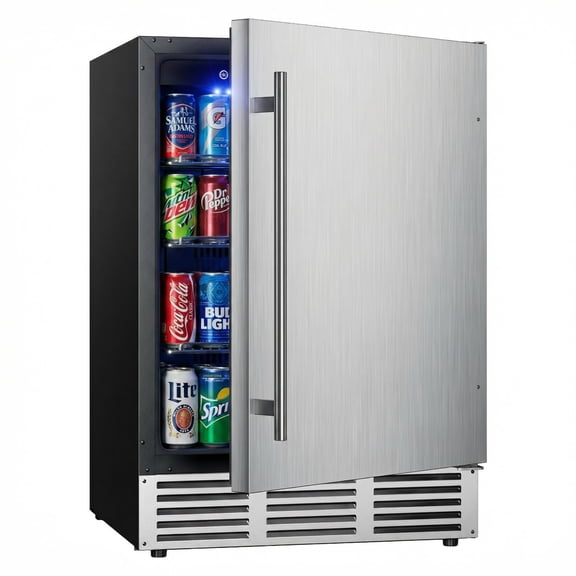
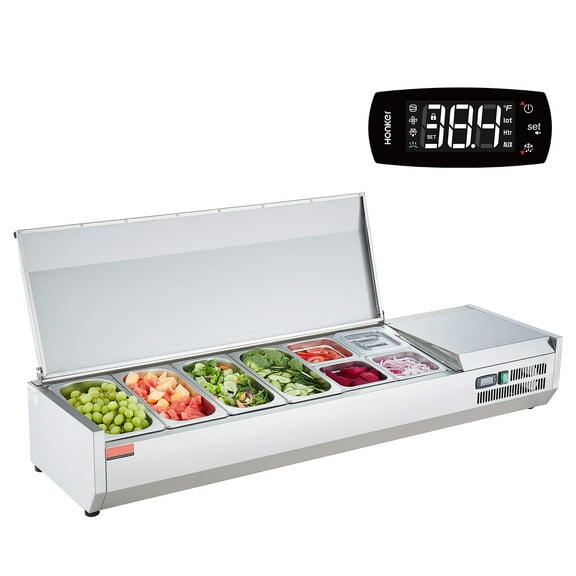
Undercounter units help you place cold storage close to prep stations and line positions. Worktop prep table models give you refrigerated storage below and a usable top surface above.
- You can keep ingredients within reach during lunch rushes.
- You can compare visible display storage against insulated back-of-house storage.
- You can fit cold storage into tight layouts with undercounter footprints.
- You can support prep flow with refrigerated bases under work surfaces.
How to compare door configuration and section count
Door style changes how you move through your workspace and how quickly you view inventory. You should compare solid door, glass door, swing door, and sliding door options based on traffic patterns.
Solid doors help you prioritize insulation and a clean back-of-house look. Glass doors help you check stock at a glance, which can reduce repeated door openings.
Swing doors need clearance in front of the cabinet, so you should measure the door swing radius carefully. Sliding doors can suit tighter aisles where you need access without a wide arc.
Section count also affects capacity, footprint, and loading zones in your kitchen. You can choose single section, double section, or triple section models based on volume and layout.
A single section model can suit compact cafes, bars, or satellite prep areas. Double and triple section units give you broader storage for restaurants with larger ingredient rotation.
What to look for in materials, finish, and cabinet design
Material choice affects cleaning routines, appearance, and how the unit fits your service environment. You can compare stainless steel commercial refrigerators, aluminum interiors, and black vinyl coated exteriors.
Stainless steel surfaces can suit busy kitchens where you want a streamlined, professional look. Aluminum components can help you balance cabinet weight and interior durability.
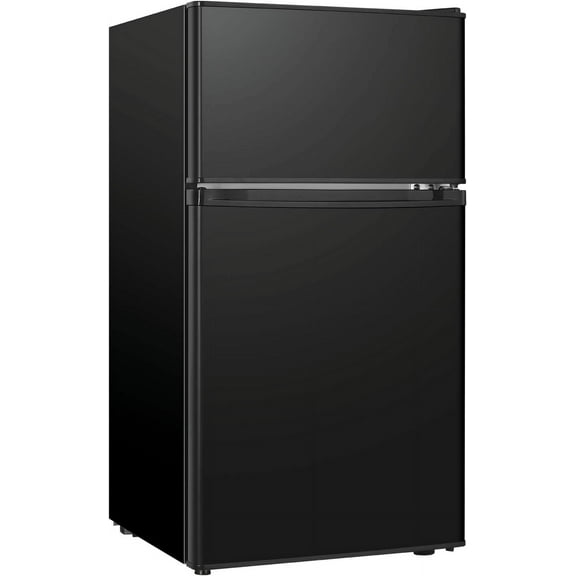
Black vinyl coated finishes can work well in merchandising spaces where appearance matters. You should also look at shelf adjustability, interior layout, and handle design for daily use.
Cabinet dimensions matter just as much as storage volume when you plan installation. You need to check width, depth, height, and ventilation clearance before you choose a unit.
You should also confirm the plug style and voltage requirements before delivery day arrives. NEMA plug type matters because you need compatibility with your existing electrical setup.
Key performance specs for restaurant refrigerators
Restaurant refrigerators need steady temperature holding when your kitchen gets hot and busy. You should look for units designed to maintain cold holding in high ambient conditions.
Cubic feet tells you how much product space you get inside the cabinet. You can compare that number with shelf count and section count to judge real storage usability.
Energy use affects daily operation, especially when your unit runs around the clock. You may want to compare Energy Star information and estimated power draw before deciding.
Electrical details shape placement options and installation planning in commercial spaces. You should check voltage, amperage, and cord configuration so your refrigerator fits the site.
Commercial food service refrigerators also vary in airflow design and recovery performance after openings. You want a unit that returns to set temperature smoothly during repeated service access.
How your use case shapes the right commercial refrigerator
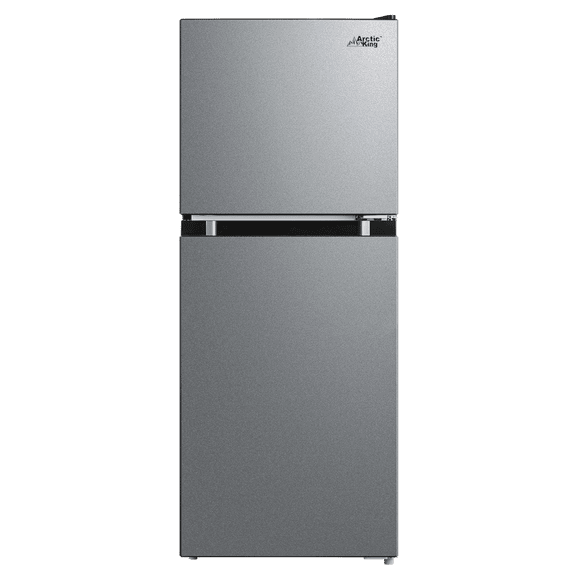
If you run a restaurant kitchen, you may need reach-in storage for ingredients, dairy, sauces, and prep items. A stainless steel cabinet can fit naturally beside ranges, prep sinks, and cook lines.
If you manage a café, market, or concession area, you may lean toward glass door visibility. You can display packaged drinks and ready-to-go items while checking stock without opening the door.
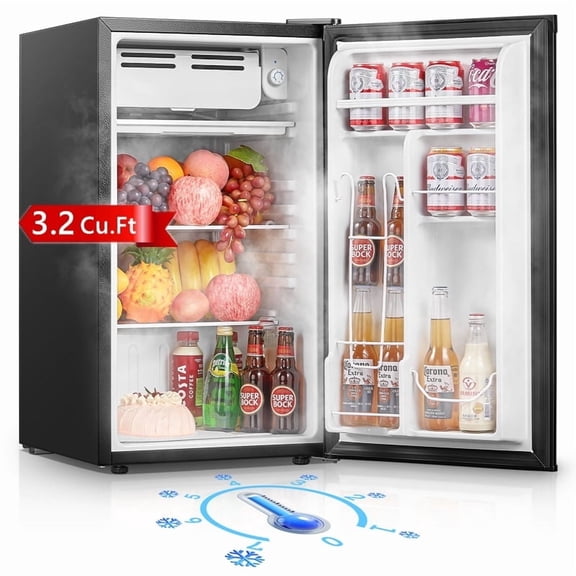
For compact kitchens, undercounter models can help you use every inch of line space. You can place chilled ingredients below the station where your staff assembles dishes.
If your operation depends on prep speed, a worktop prep table can support a smooth build station. You get refrigerated storage below and a practical surface above for ingredient handling.
You should also plan for delivery access before choosing large commercial refrigerators. You need to measure doorways, hallways, and receiving areas, especially if you expect liftgate service.
When you match storage style, door type, section count, and utility requirements to your workflow, you simplify daily service. You end up with colder storage where your team actually needs it.
With commercial refrigerators built for food service spaces, you can match capacity, visibility, and footprint to your operation. You gain a clearer path to organized cold storage, smoother prep, and steadier service.