



Rat Control in Pest Control
















About Rat Control in Pest Control - Walmart.com
Rat control gets easier when you compare trap styles, bait formats, and placement needs before you choose. You can narrow options faster when you match indoor spaces, outdoor areas, and disposal preferences to the right method.
How to choose rat control for your space
You should start with where you need coverage and how quickly you want results. You can compare attics, crawl spaces, kitchens, garages, and yards because each area supports different control methods.
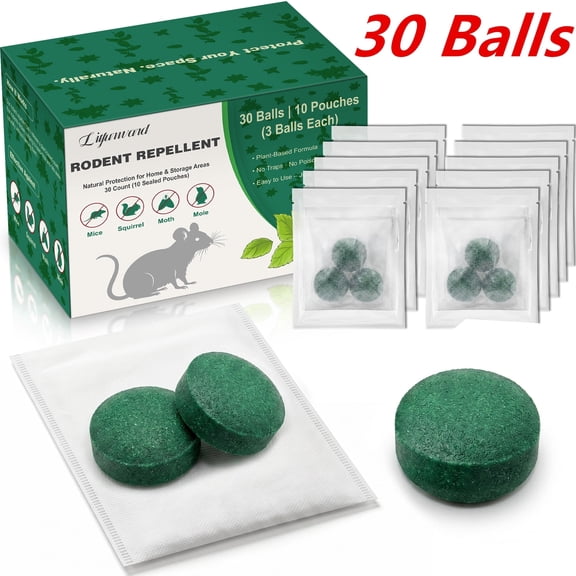
If you want direct capture, you can focus on rat traps like snap traps, glue traps, electronic rat traps, and multi-catch designs. If you want ongoing placement, you can compare rat poison, rat bait stations, and repellents by format and location.
You may also want a method that matches your cleanup preference. You can choose visible capture options when you want confirmation, or enclosed systems when you want less contact.
Choosing between rat traps and other control methods
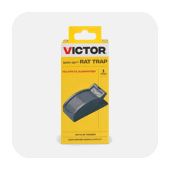
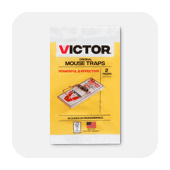
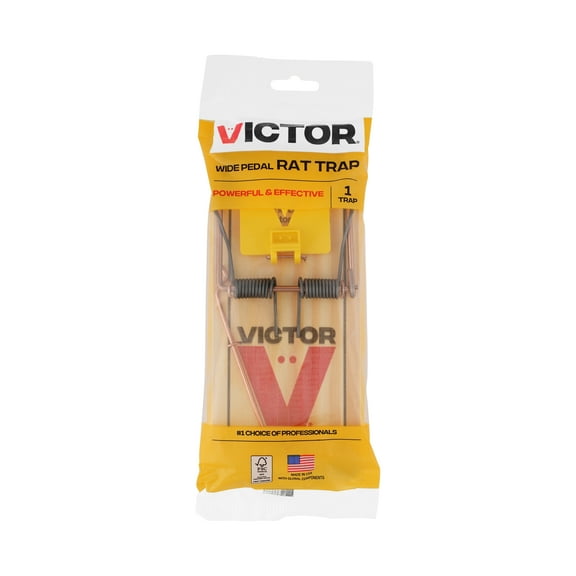
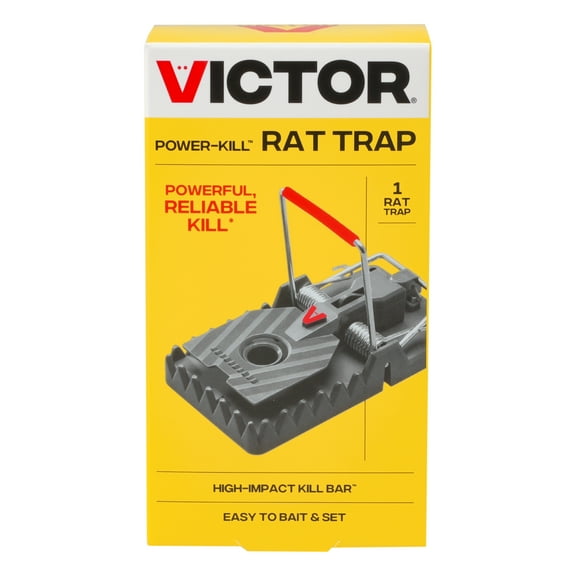
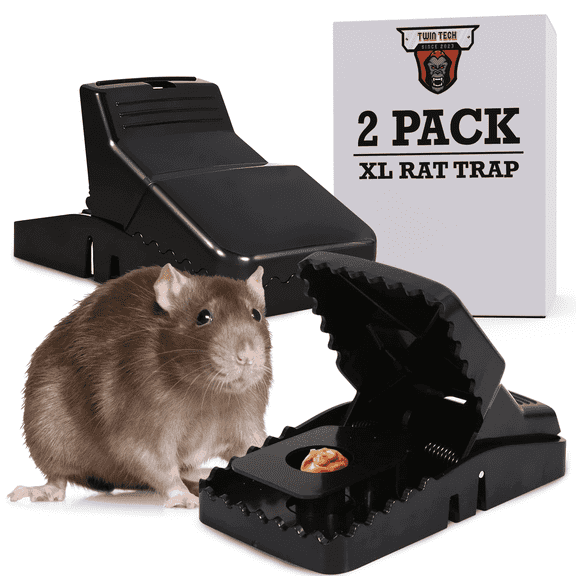
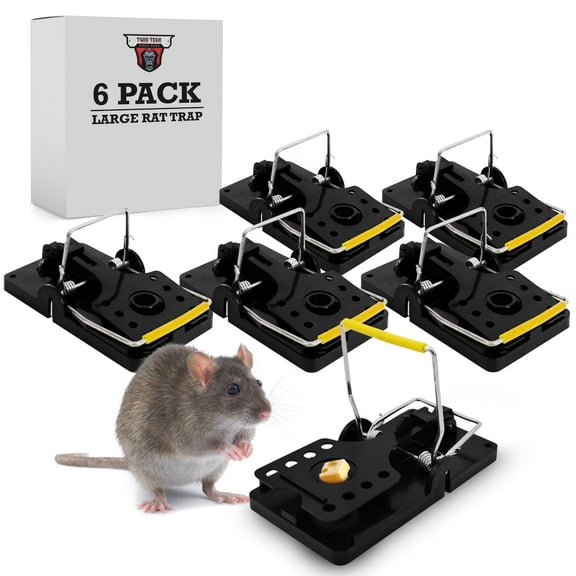
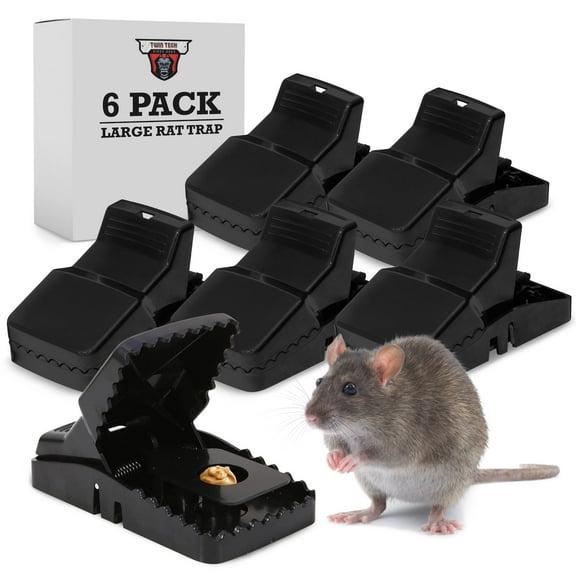
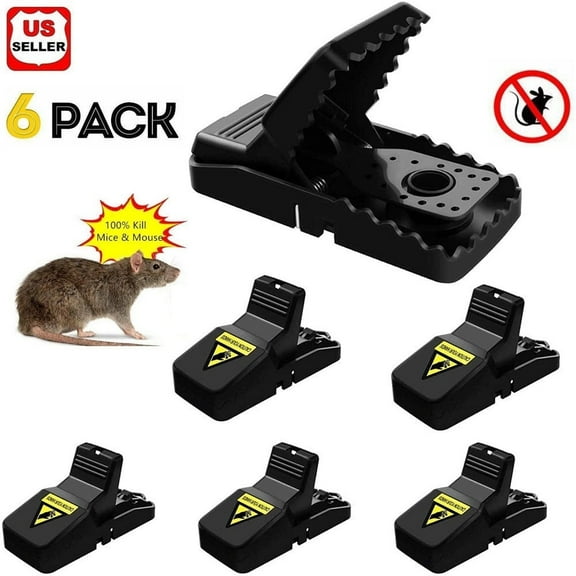
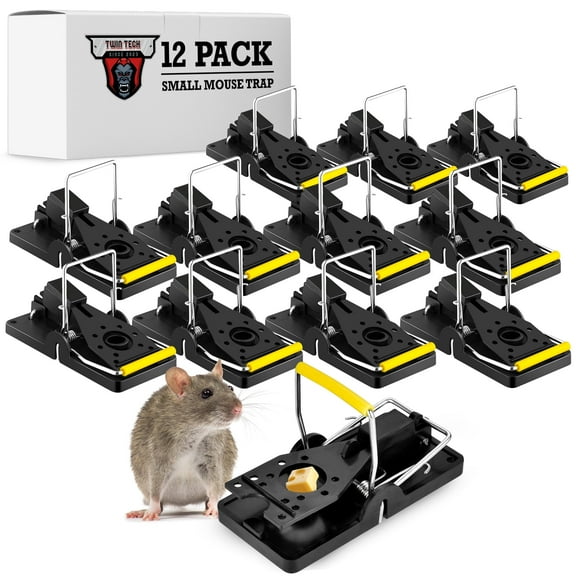
You can use snap traps when you want a familiar setup and quick action in tight travel paths. You can place them along walls, behind appliances, or near entry points where rats usually move.
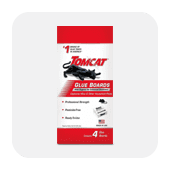
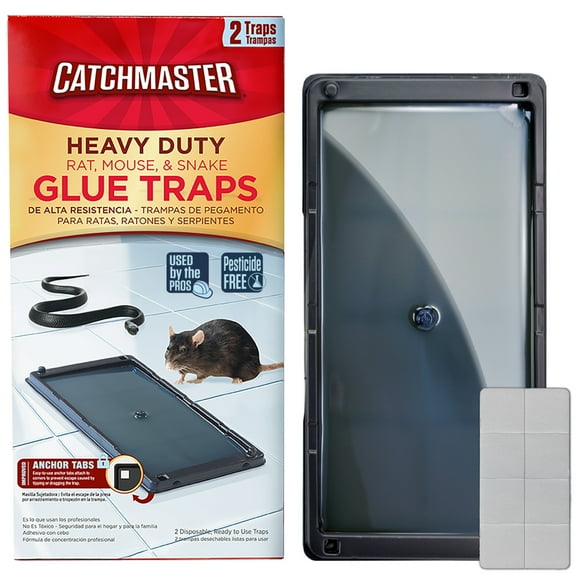
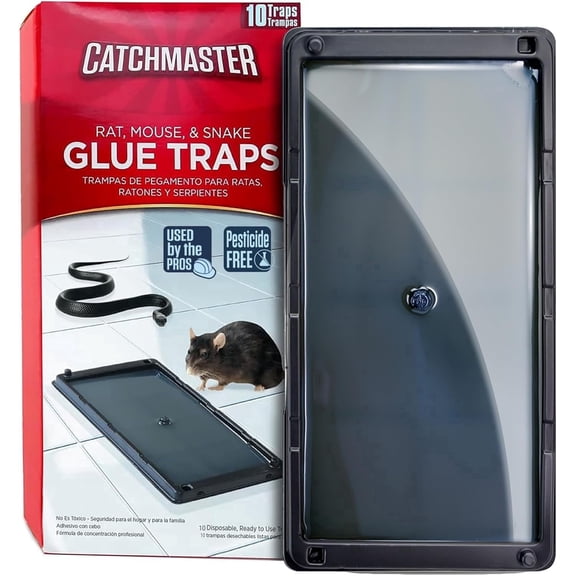
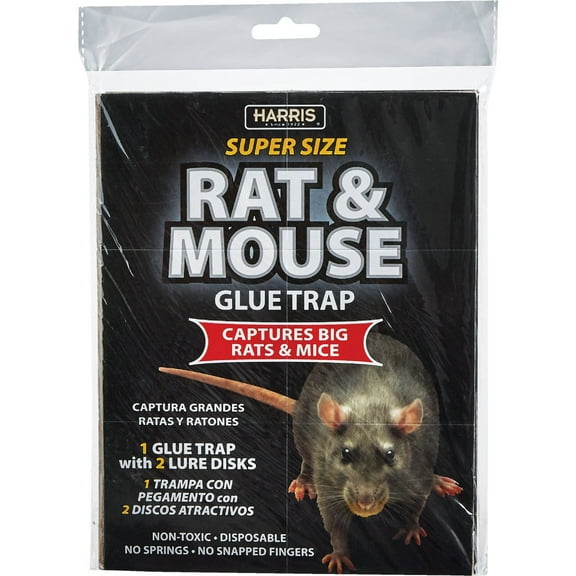
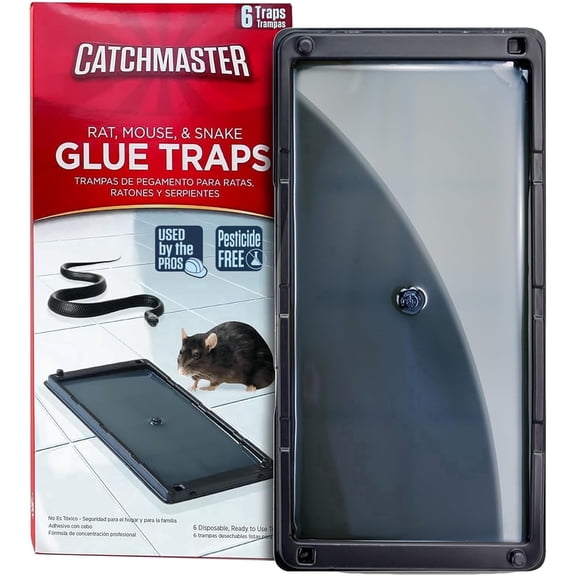
You may consider glue traps when you need a slim profile for narrow spaces. You should check placement size carefully so your trap fits cabinets, utility rooms, or storage areas.
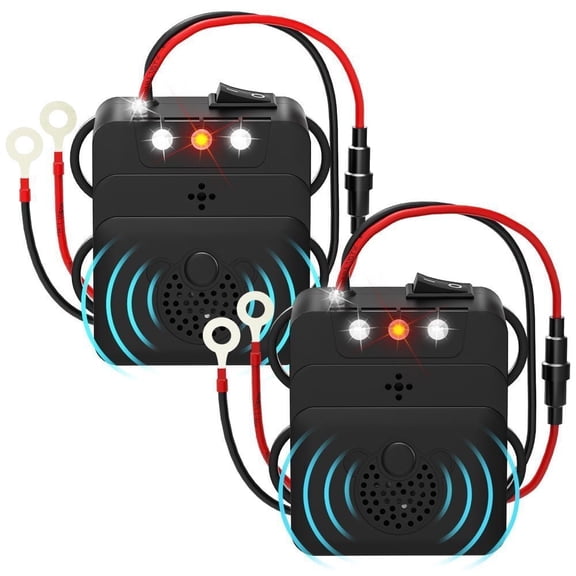
If you prefer less visible handling, you can compare electronic rat traps with enclosed designs. You'll often appreciate a cleaner touch experience and straightforward placement in indoor problem spots.
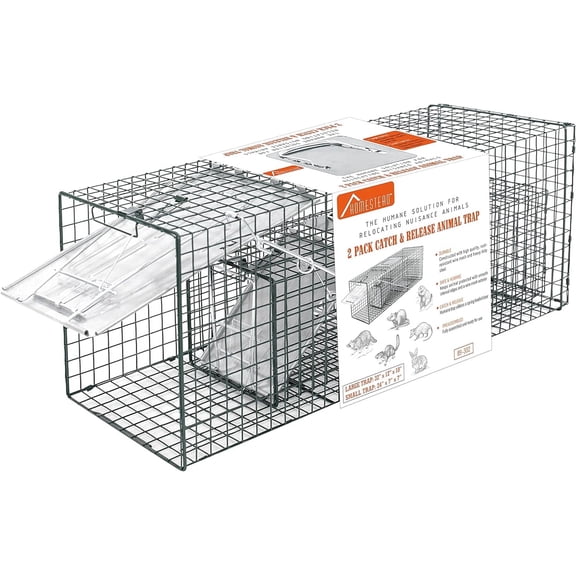
You can also compare humane rat traps when your priority is catch-and-release. You should verify trap size and release instructions so your chosen option matches your routine.
- You can select snap traps for quick placement in common runways.
- You can use electronic rat traps for enclosed indoor setups and simpler disposal.
- You can choose humane rat traps when catch-and-release matters to you.
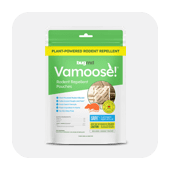
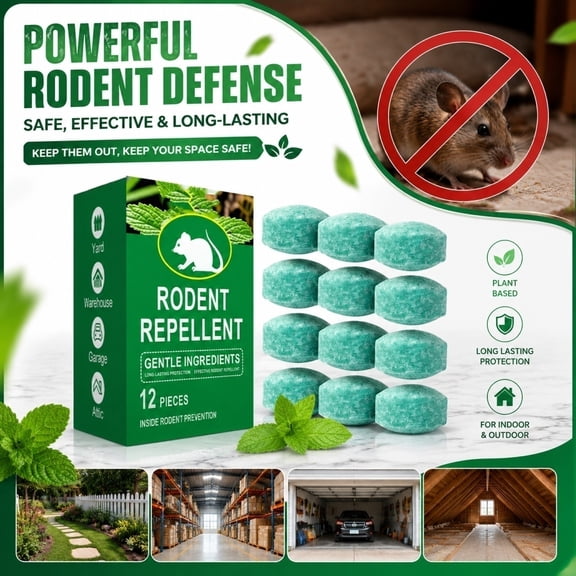
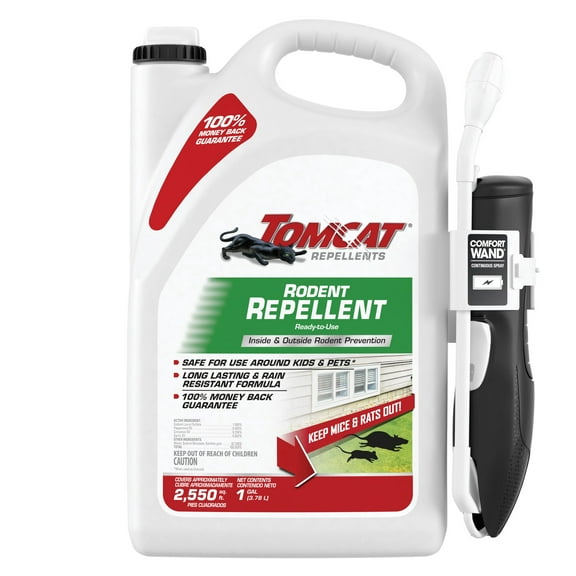
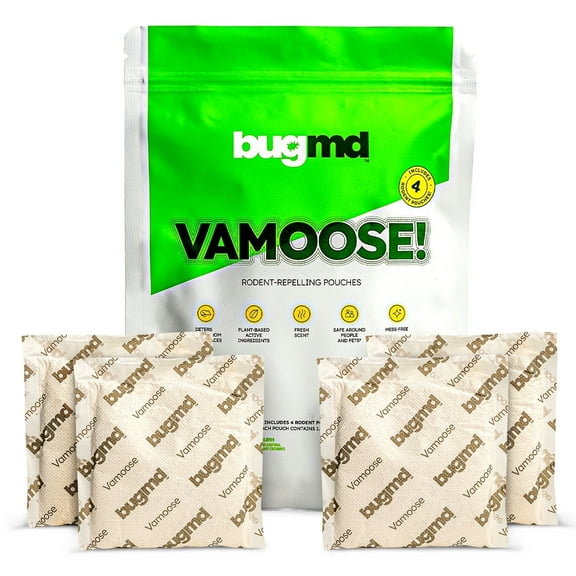
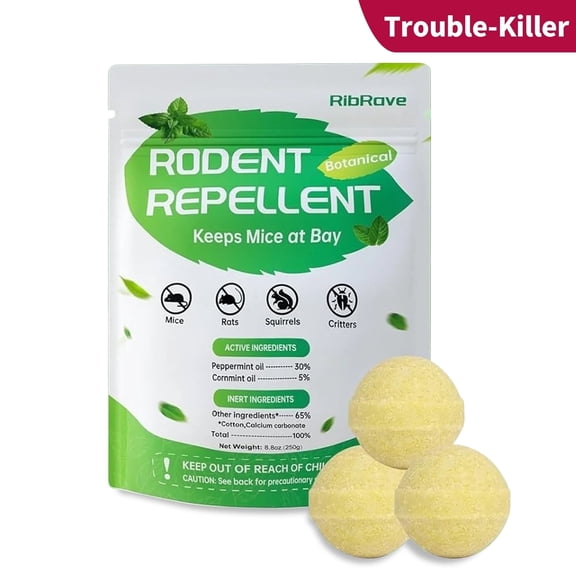
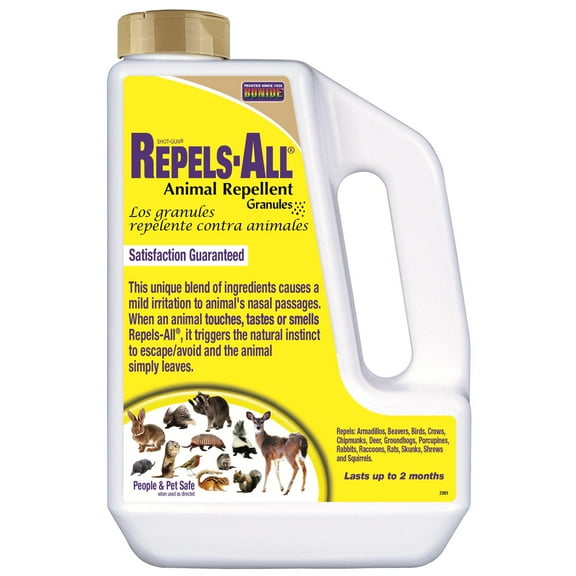
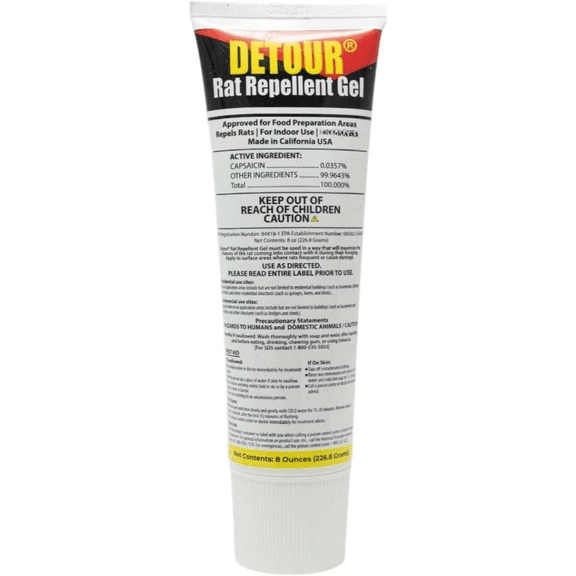
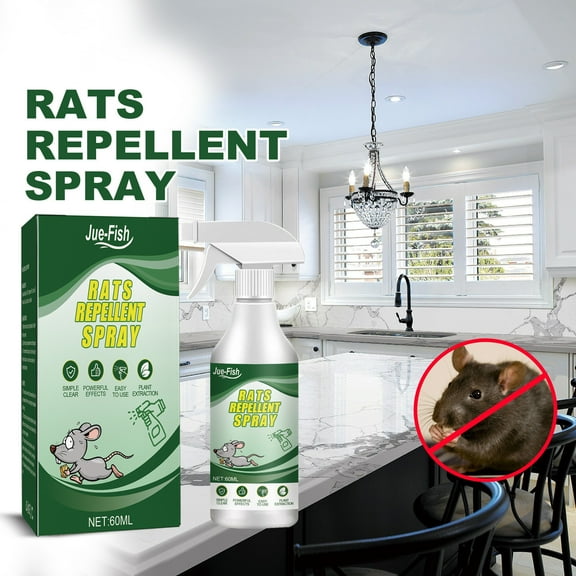
- You can compare repellents when you want added support around entry zones.
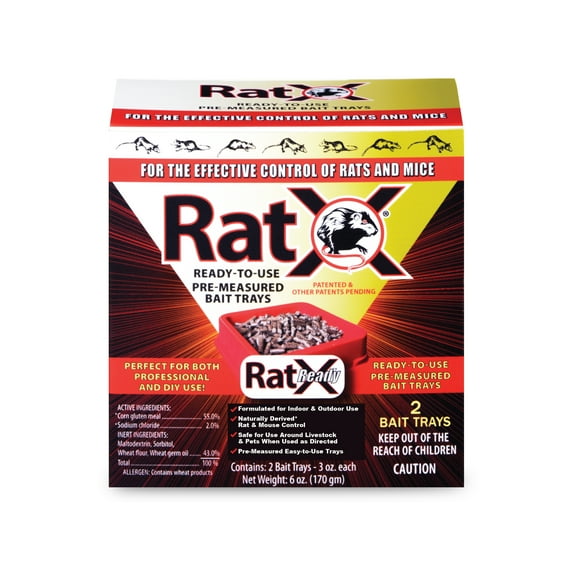
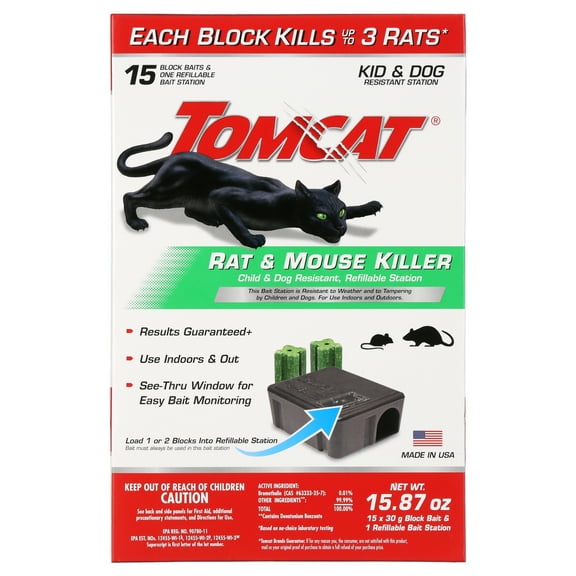
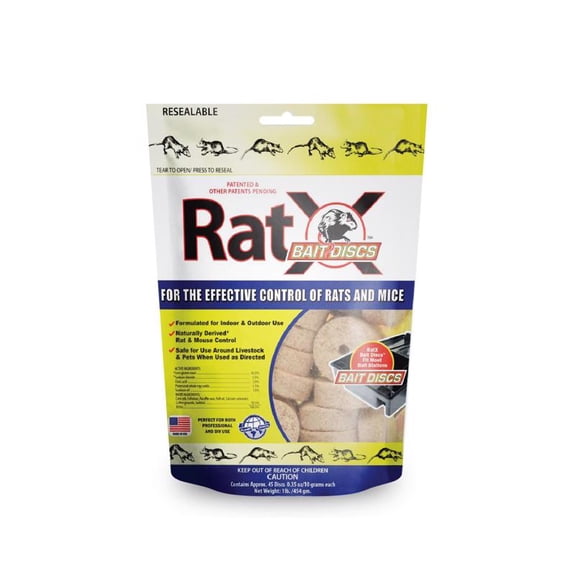
- You can use rat bait stations when you want enclosed bait placement outdoors or in utility areas.
What to look for in rat poison and bait formats
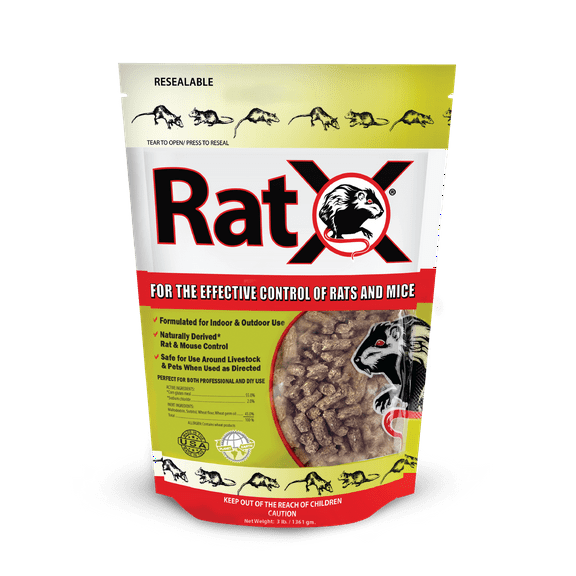
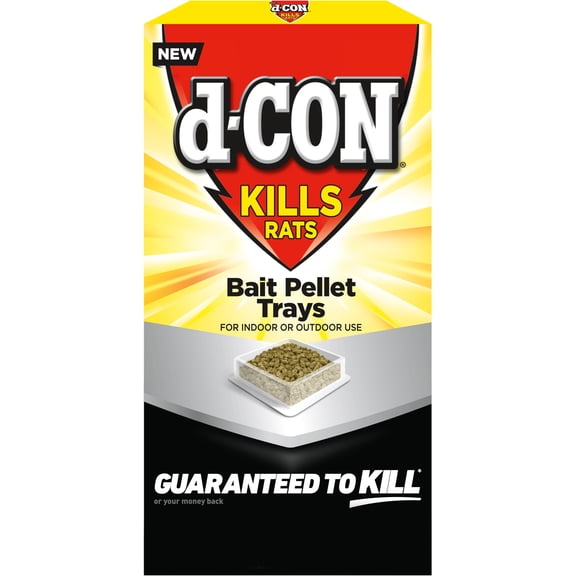
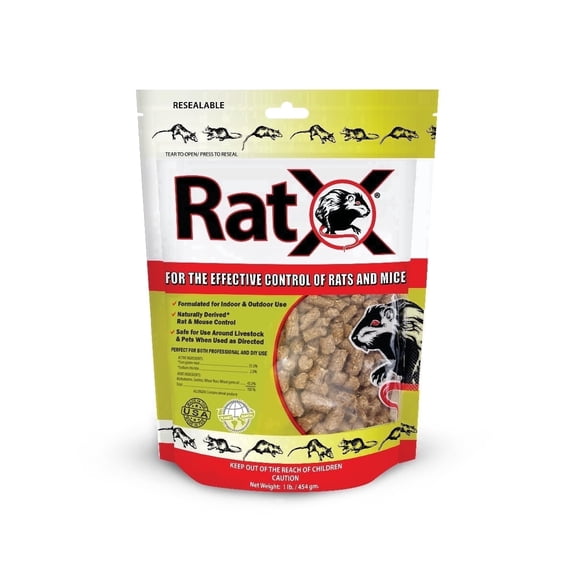
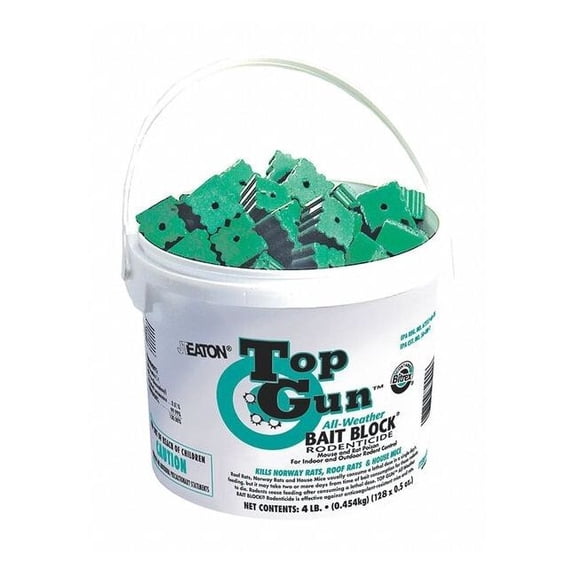
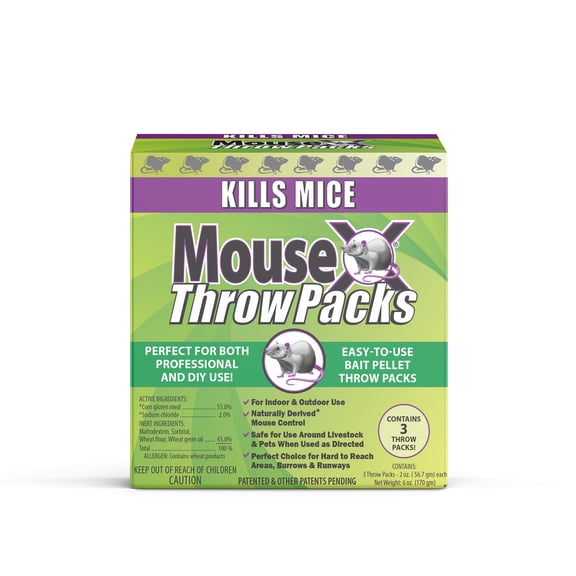
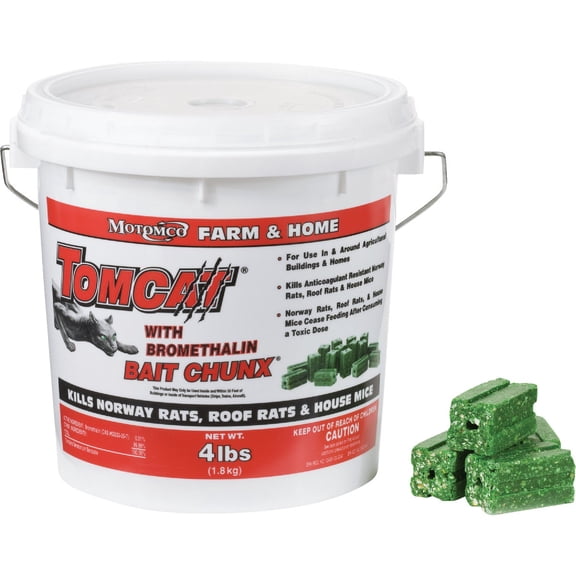
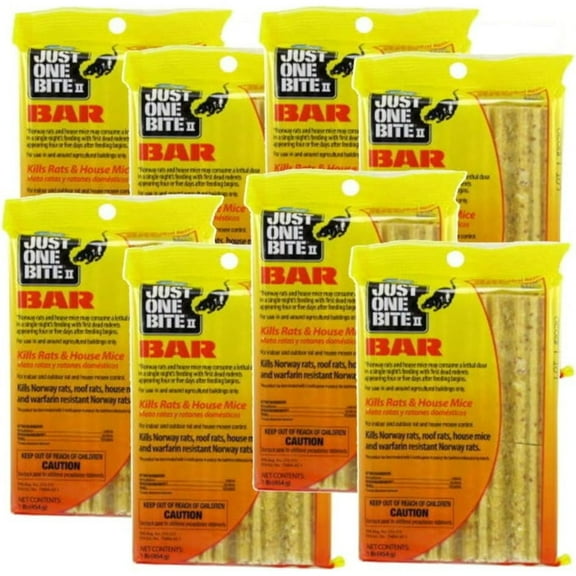
You should compare formulation types because blocks, pellets, liquid, and gel each fit different placements. You can often use blocks for secure stations, while pellets or gel may suit targeted application needs.
If pet and child awareness matters in your home, you should check active ingredients and station design. You can look for rat bait stations with secure closures when you want more controlled bait access.
You may also want to compare speed expectations before you commit to rat poison. You can expect some bait systems to work over several days, which differs from direct-capture trap options.
For outdoor rat control, you should look for weather-ready stations and durable bait formats. You can keep placements steadier in yards, sheds, and fence lines when your bait holds up outdoors.
Comparing indoor and outdoor rat control needs
You should match your product choice to the space because indoor and outdoor conditions differ. You can use compact traps indoors, while outdoor rat control often needs enclosed stations and weather-tolerant materials.
In attics and crawl spaces, you may want low-profile options that fit narrow access points. You should measure clearance and check whether your chosen trap opens, closes, or resets easily there.
For kitchens, basements, and laundry rooms, you can focus on placement near walls and hidden travel routes. You'll usually want options that fit behind appliances or along edges without blocking movement.
In garages, sheds, and exterior walls, you can compare repellents, bait stations, and durable traps. You should look for designs that stay in place when surfaces get dusty, damp, or uneven.
How speed, cleanup, and disposal affect your choice
You should think about speed first because different methods create different timelines. You can choose direct-capture traps when you want quicker confirmation, or bait systems when you want ongoing coverage.
Your cleanup preference also matters when you compare visible traps with enclosed devices. You may prefer clean-touch disposal features if you want less direct contact during removal.
If you need broader coverage, you can combine methods by space and traffic pattern. You can place traps indoors for active pathways, then use outdoor rat control tools around entry points.
You should also consider whether you want single-catch or multi-catch capacity. You can reduce frequent resets in active areas when you choose a multi-catch design.
Rat control guidance for common household situations
If you notice activity in a pantry or utility room, you can start with compact traps along wall edges. You may prefer electronic rat traps there when you want enclosed operation and easier disposal.
When you need coverage around a shed, trash area, or fence line, you can focus on outdoor rat control. You should compare weather-ready rat bait stations and durable bait blocks for steadier placement.
If your priority is a non-chemical setup, you can compare snap traps, electronic rat traps, and humane rat traps. You can tailor your choice by speed, visibility, and whether catch-and-release matters to you.
For recurring rodent control in mixed spaces, you can build a plan around entrances, nesting spots, and travel routes. You can make your setup more practical when each product matches its specific location.
You can choose rat control with more confidence when you compare method, location, formulation, and cleanup needs together. You'll get a clearer path to placement, coverage, and routine upkeep that fits your home.