



Rain Suits in Rainwear





















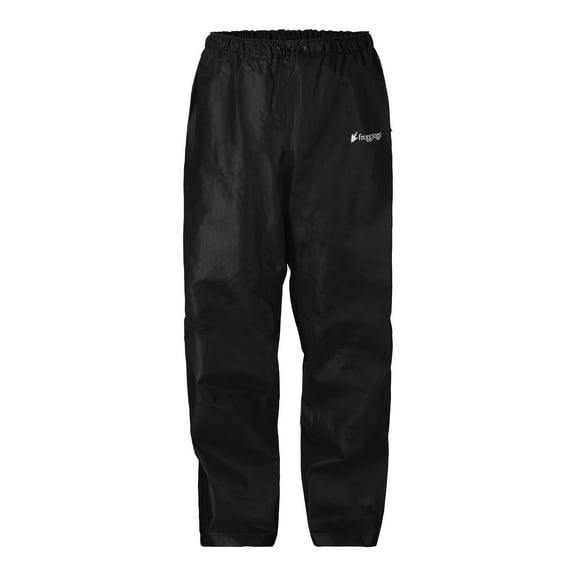
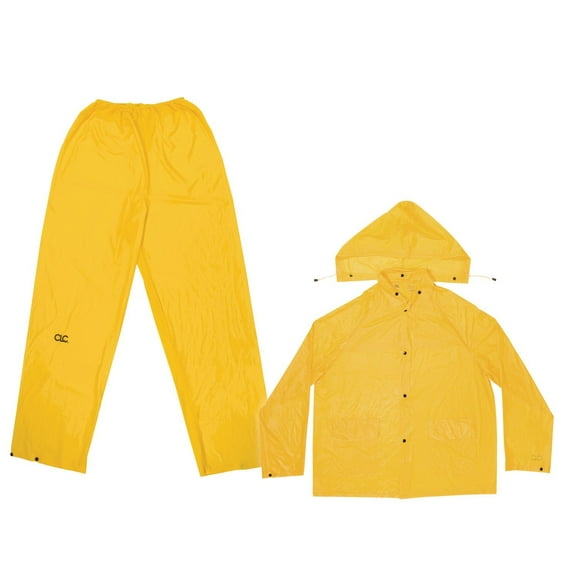
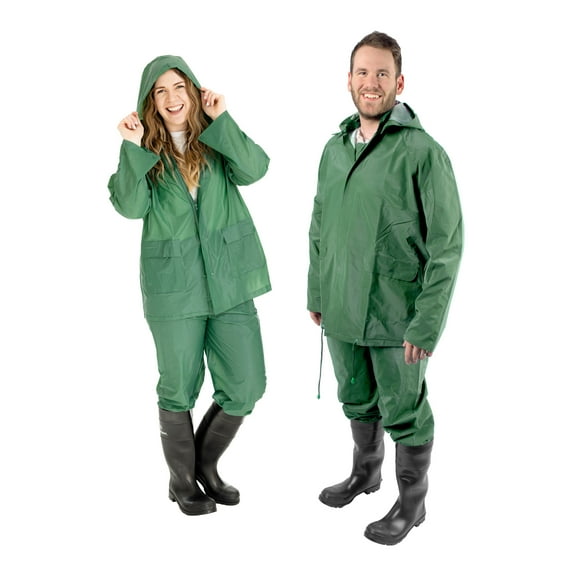


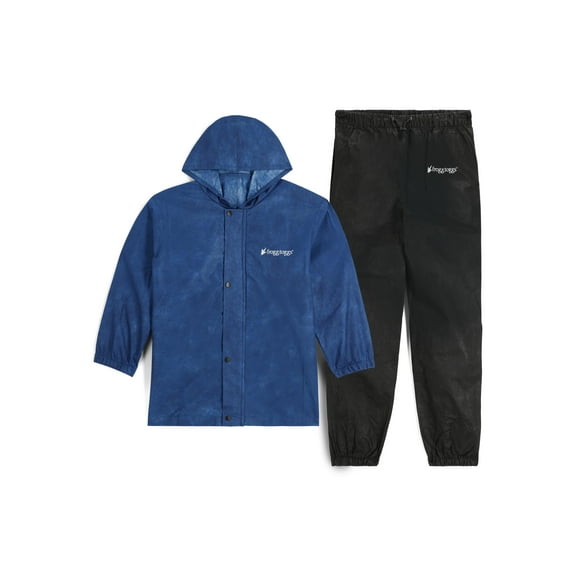

About Rain Suits in Rainwear - Walmart.com
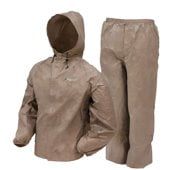
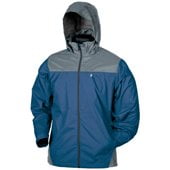
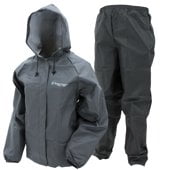
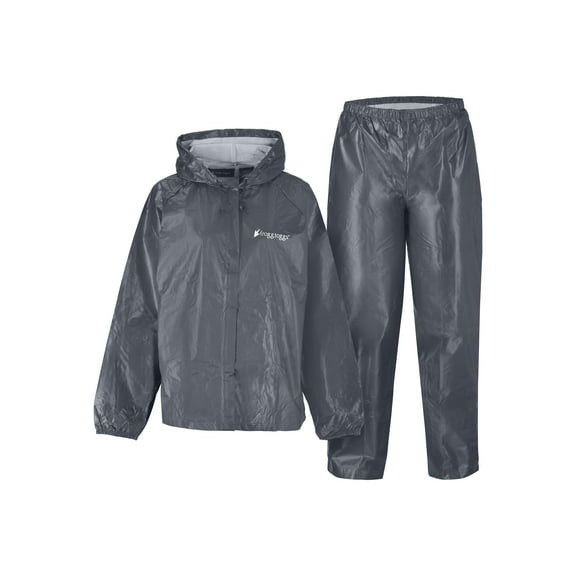
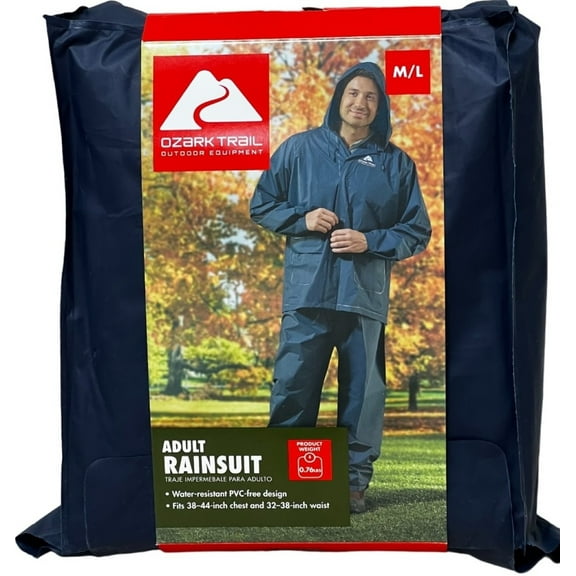
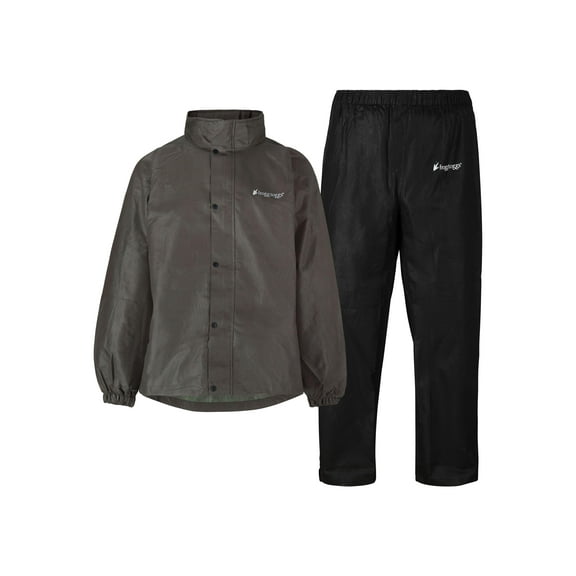
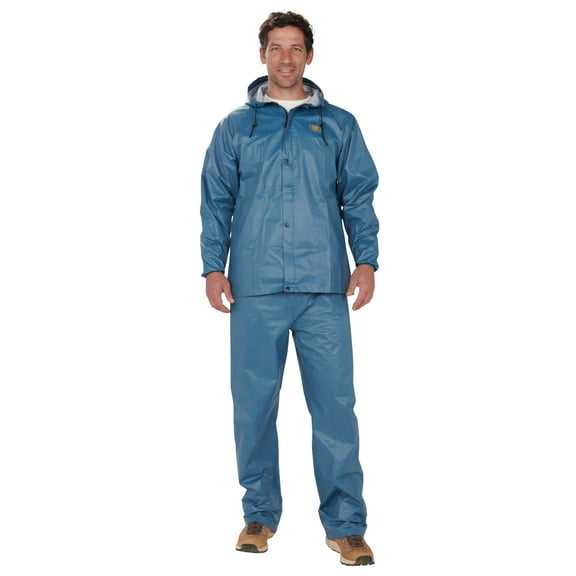
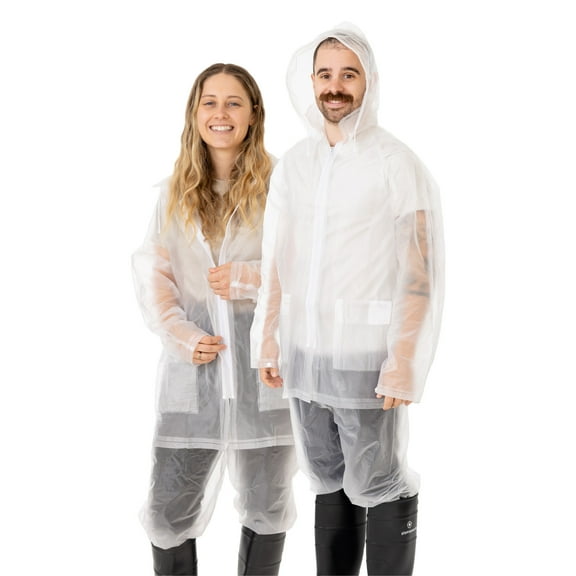
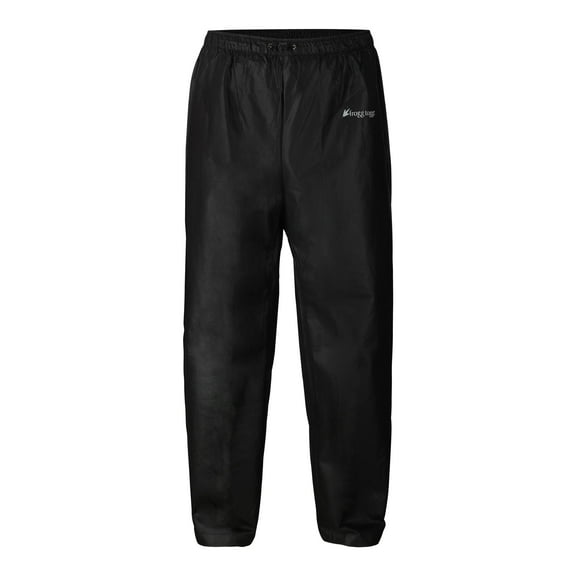
Rain suits help you stay covered in steady rain, windy weather, and messy jobsite conditions. You can compare materials, piece counts, visibility details, and fit options to match your routine.
If you commute, fish, work outdoors, or coach from the sidelines, you need coverage that fits over everyday clothes. You can also narrow your choice by waterproof ratings, taped seams, and packable designs.
How to choose rain suits for your routine
When you compare rain suits, you should start with where and how long you'll wear them. You may want lighter gear for travel, or tougher coverage for repeated outdoor work.
For daily use, you should look at the balance between waterproof protection and airflow. You'll notice that a sealed suit can block rain well, while breathability can help you feel less warm.
- You can choose lightweight rainwear when you need easy carrying in a bag or vehicle.
- You can choose heavy duty rain suits when you expect rough surfaces, repeated wear, or long shifts outdoors.
- You can choose reflective rain suits when you want stronger visibility in dim weather and roadside settings.
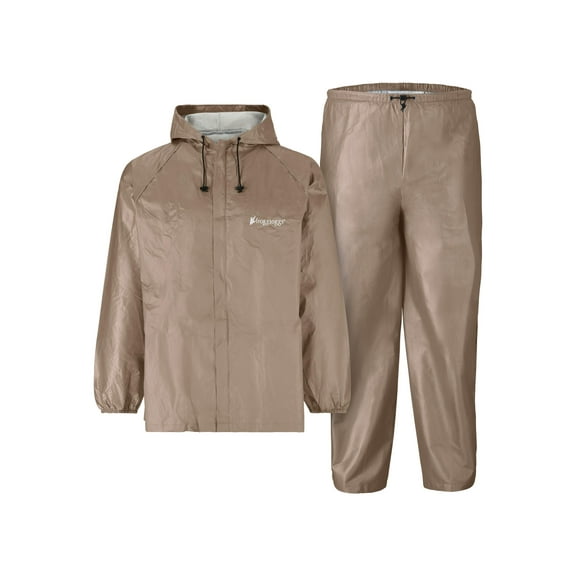
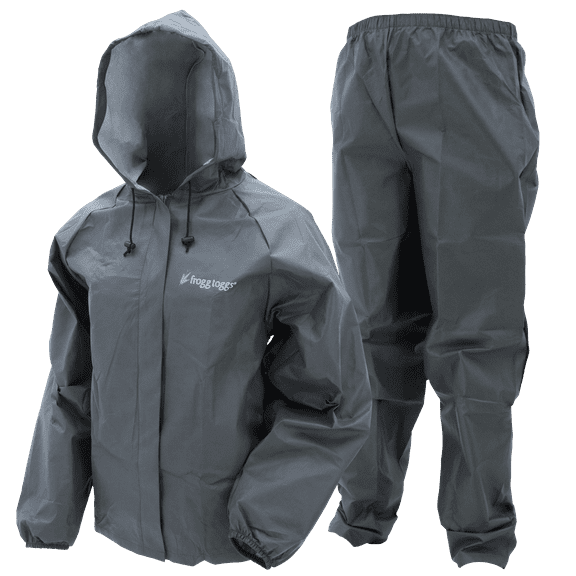
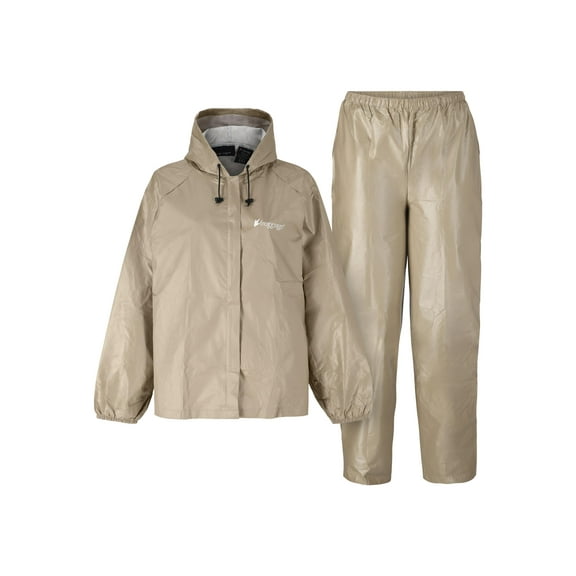
- You can choose 2 piece rain suits when you want flexible layering and easier on-and-off changes.
Choosing waterproof rain suits by material
You should compare material first because it changes feel, flexibility, and weather coverage. You may see PVC, nylon, polyester, and Gore-Tex across waterproof rain suits.
If you want a slick outer surface, you may prefer PVC for wet and muddy conditions. If you want lighter movement, you may lean toward nylon or polyester shells.
When you compare waterproof ratings, you may see a hydrostatic head rating listed in millimeters. You can use that number to judge how much water pressure the fabric can handle.
You should also check for taped seams because stitching lines can let water through. When seams are taped, you get stronger coverage at key join points.
If you wear rain gear for long stretches, you should compare airflow details too. You may want a fabric and design that feels less stuffy over layered clothing.
Picking piece count, weight, and portability
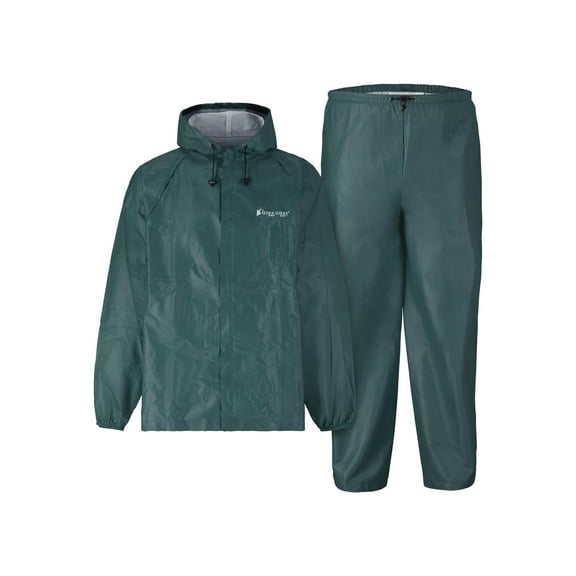
You can narrow your choice quickly by deciding between a 2-piece set, a 1-piece jumpsuit, or a jacket-only option. Each setup works differently with your pace, layering, and storage space.
If you want flexible wear, you may choose a jacket and pants set for separate use. If you want full-body coverage, you may prefer a one-piece style with fewer gaps.
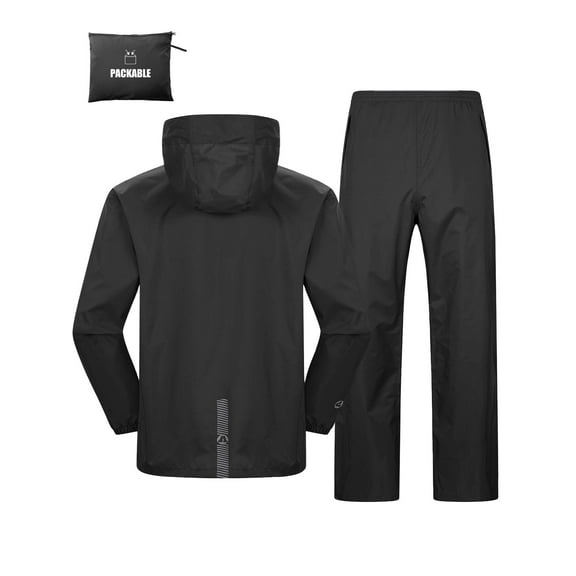
For travel, you should look at packable rain suits that fold into a backpack, locker, or trunk. If you keep spare gear in your car, compact storage can matter a lot.
For job sites, farm work, or marine tasks, you may want heavy duty rain suits with sturdier outer materials. You can count on that tougher build when surfaces are rough.
When spring weather shifts fast, you may prefer lightweight rain suits that feel easier to carry. You can keep them close without filling up your bag.
Choosing visibility and fit
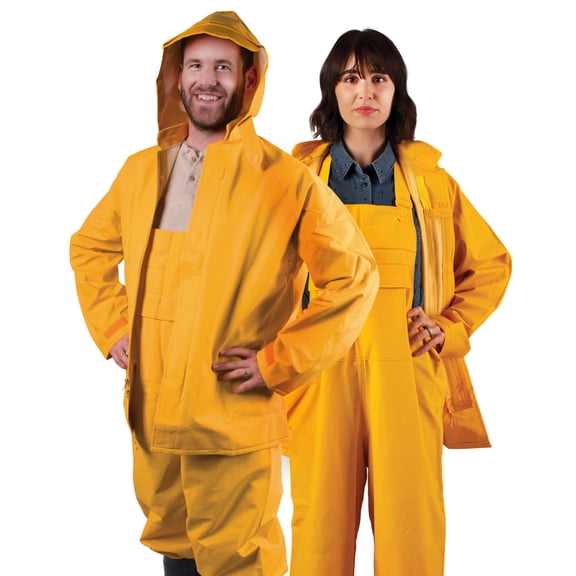
You should match color and trim details to your environment before you choose a suit. You may want reflective accents, high-visibility yellow, high-visibility orange, or camouflage.
If you work near roads, equipment, or early morning crews, you may prefer reflective rain suits. You can stay easier to spot during dark, gray, or stormy conditions.
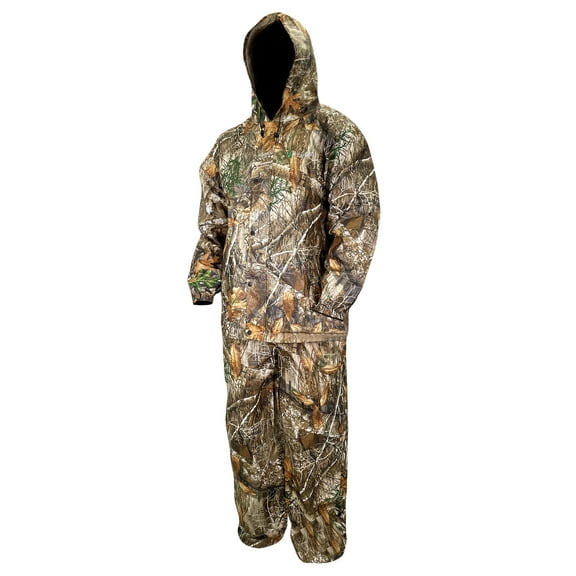
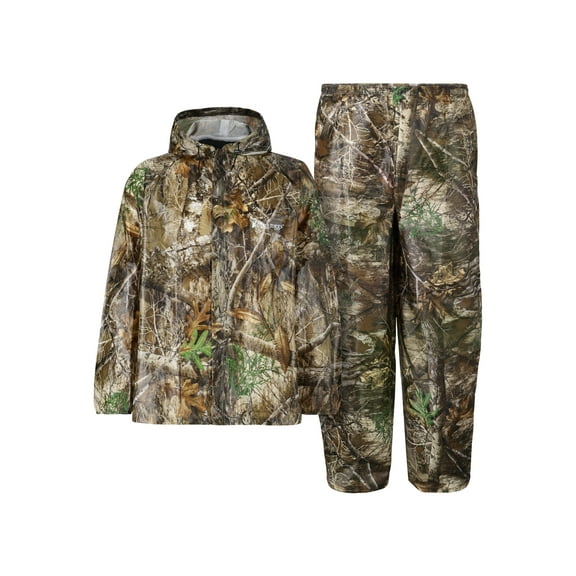
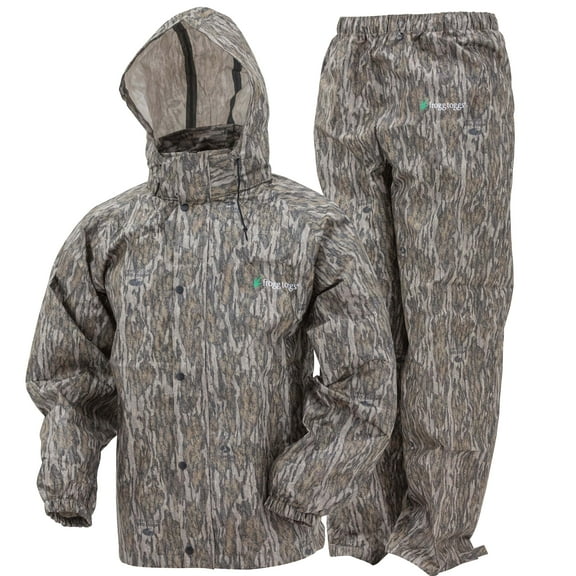
For woods, blinds, or low-profile outdoor use, you may prefer camouflage patterns instead. You can choose that look when bright colors don't fit your setting.
Fit matters just as much as fabric because you may wear rain gear over jeans, uniforms, or insulated layers. You should check size charts and consider extra room through the chest, waist, and inseam.
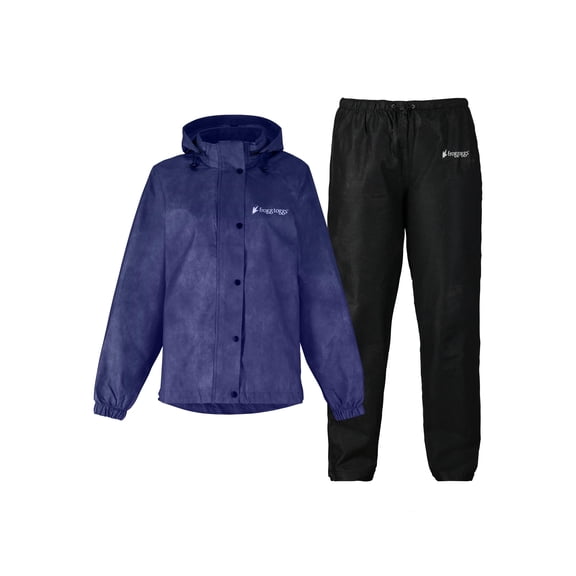
If you plan to layer underneath, you may want to size up for easier movement. You can also compare men's rain suits, women's cuts, unisex options, and kids' sizes.
Matching rain suits to work and weekend use
You can use rain suits in very different ways, so your setting should guide your final pick. You may need one setup for work crews and another for hiking, camping, or boating.
For construction, utility tasks, and long shifts, you should focus on tear resistance and dependable closures. You may also want room for work boots and gloves.
If you fish, camp, or watch outdoor sports, you may want quieter fabrics and easier movement. You can choose lighter gear that packs fast when the sky clears.
For commuting or emergency storage, you may prefer packable rain suits with simple closures and quick layering. You can keep one ready in your trunk for sudden storms.
You should also think about care before you choose. You can check washing and drying instructions so your gear keeps its shape, seam coverage, and ready-to-wear feel.
With the right rain suit, you can stay dry, move comfortably, and layer with confidence in changing weather. You can choose by material, visibility, and fit for coverage that matches your day.