

Punch Tools in Hand Tools























About Punch Tools in Hand Tools - Walmart.com
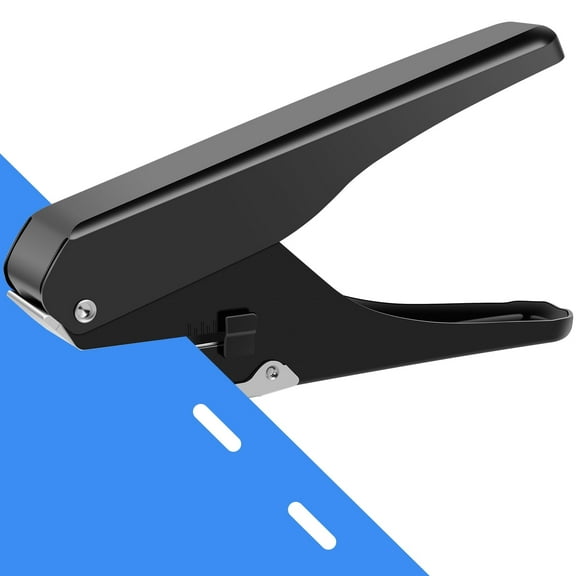
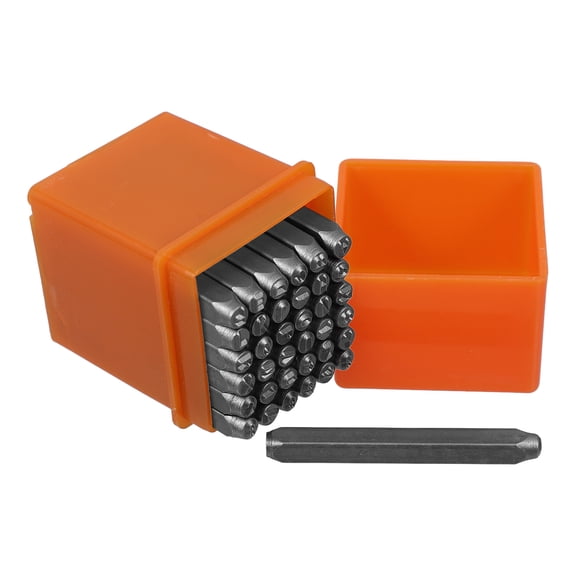
Punch tools help you mark, drive, and cut with cleaner accuracy across leather, metal, wood, fabric, and plastic. You can compare punch types, sizing systems, and operating styles to match the material in front of you.
When you shop this category, you’re usually choosing for a specific task, not a general toolbox filler. You may need round holes in leather, precise starting marks on steel, or controlled pin removal during repairs.
How to choose punch tools for your material
Material compatibility is the first decision because your project changes the punch shape, tip style, and force you need. You should compare leather, metal, wood, fabric, and plastic before you choose a tool or set.
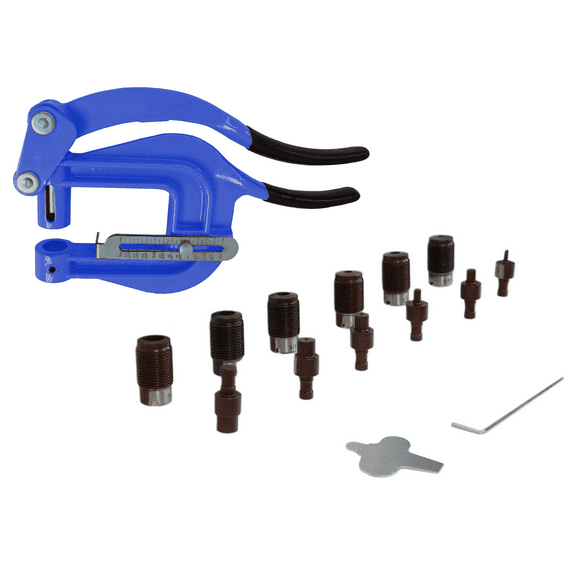
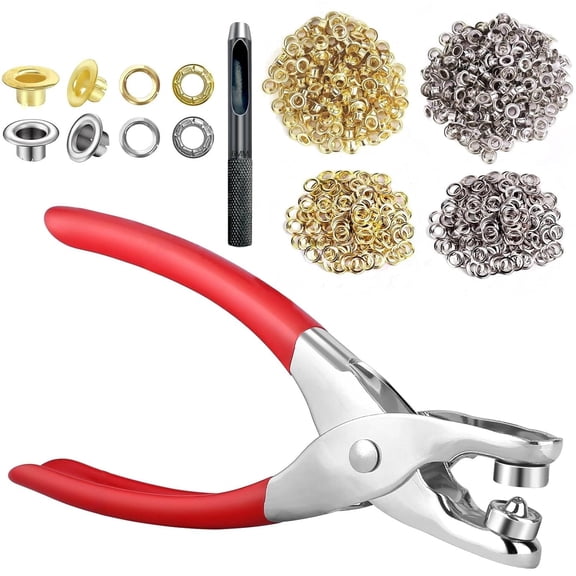
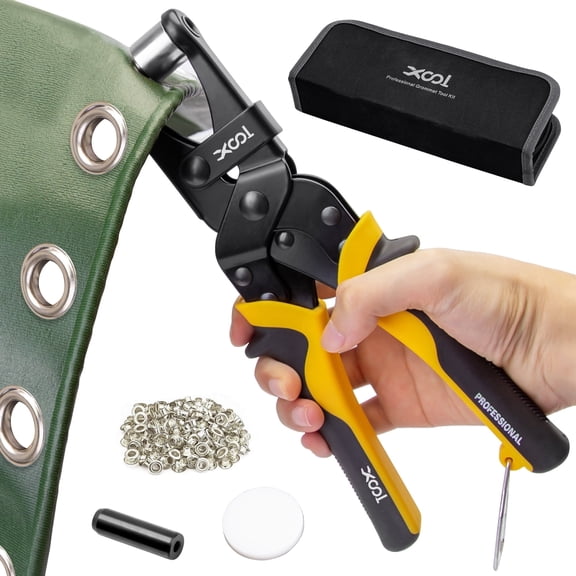
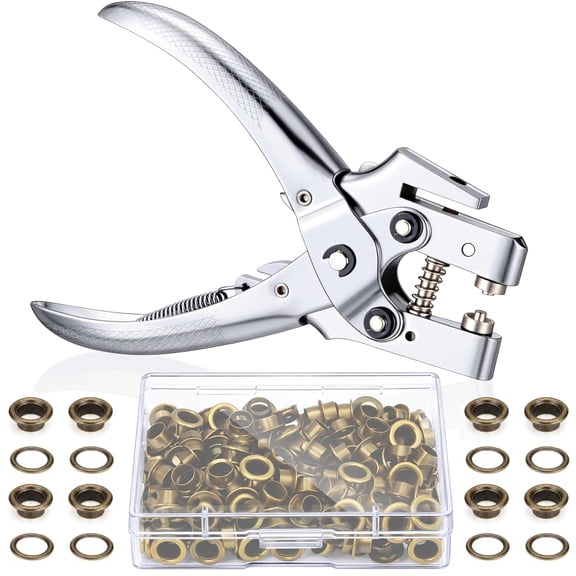
For leather punch tools, you’ll often want clean hole edges and repeatable diameters for belts, straps, and bag work. You should check whether the tool supports the thickness you’re using and the hole sizes you need.
When you’re working on metal, you may need a center punch tool to mark drilling points without wandering. You should also compare hardness rating guidance, because tougher stock usually needs a stronger striking surface.
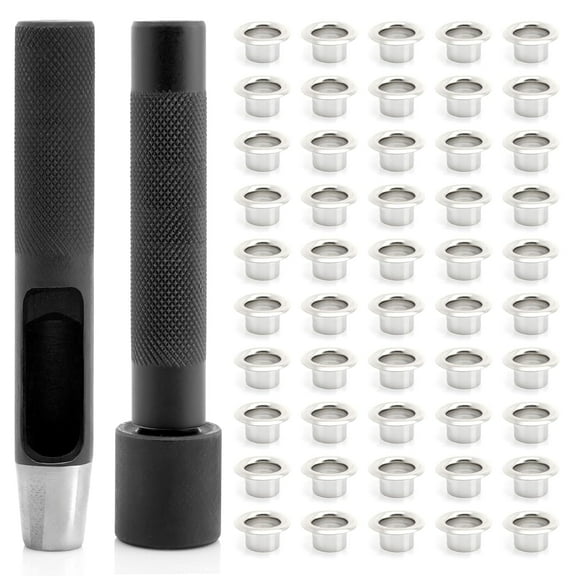
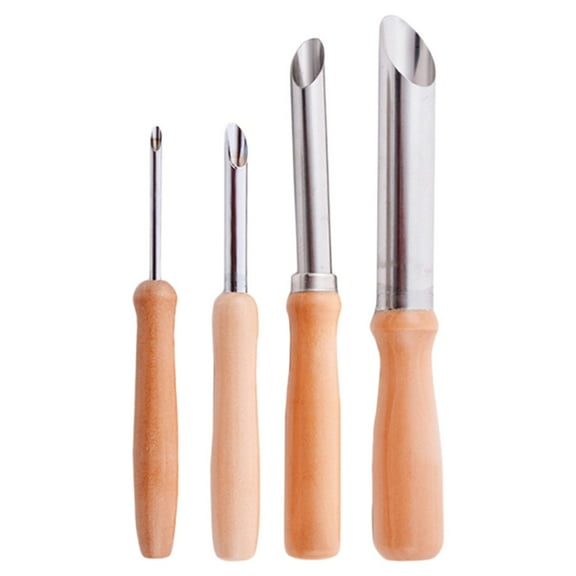
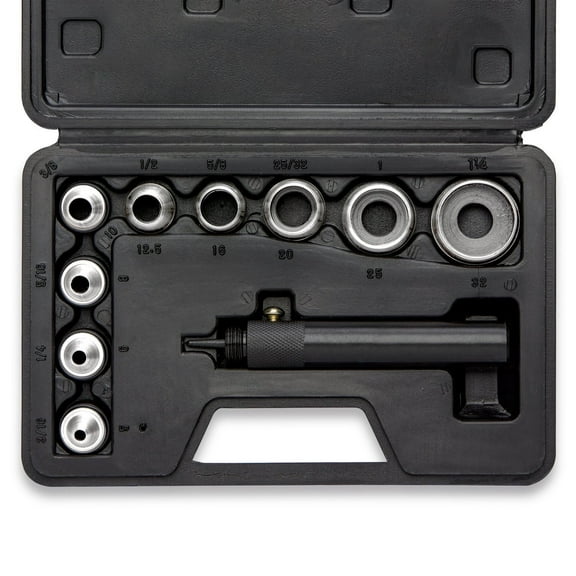
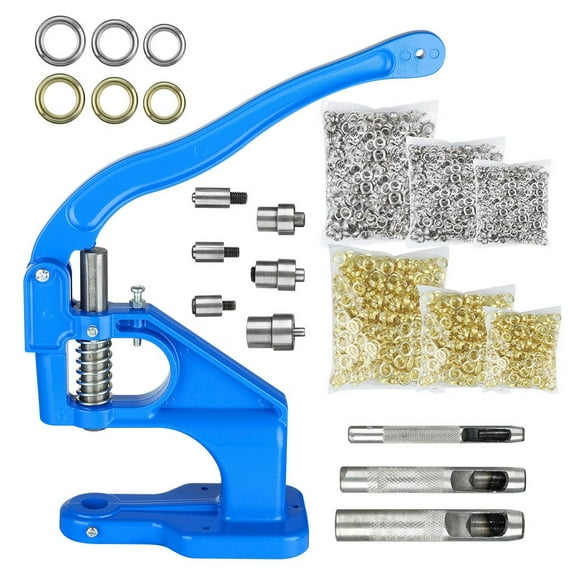
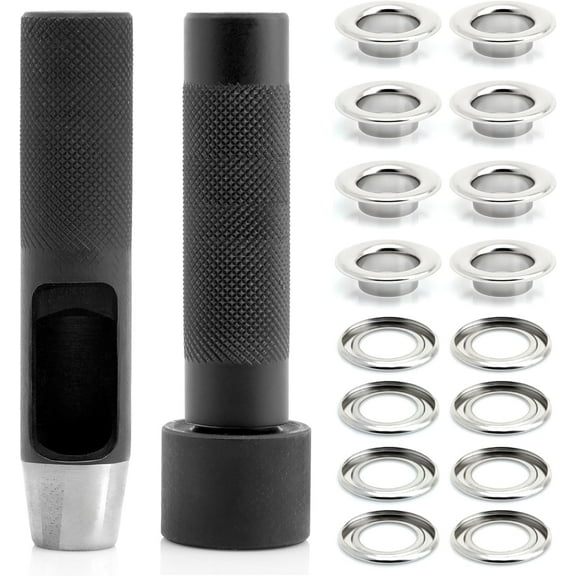
If you’re cutting holes in fabric, plastic, or softer wood, you may prefer a hollow punch set with clearly sized cutting ends. You can get more consistent results when you match the punch diameter to the exact fastener or cord.
- You can choose leather styles for straps, belts, tack, and craft projects.
- You can use center punches to create starting marks before drilling metal or wood.
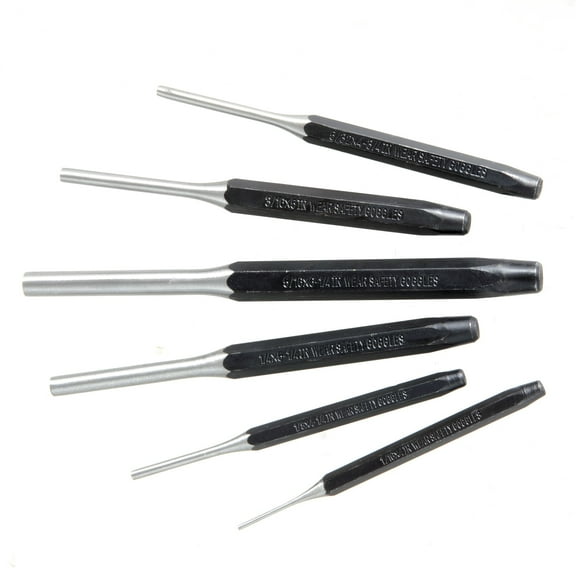
- You can select pin punches to drive pins through aligned openings during repair work.
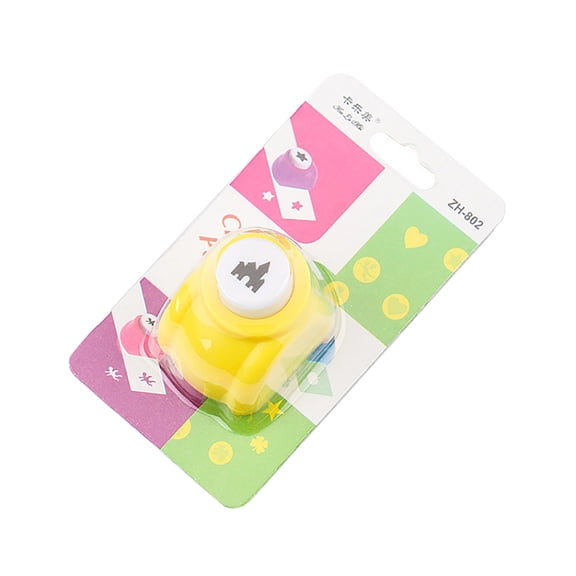
- You can compare hollow punches when your project needs clean circular cutouts.
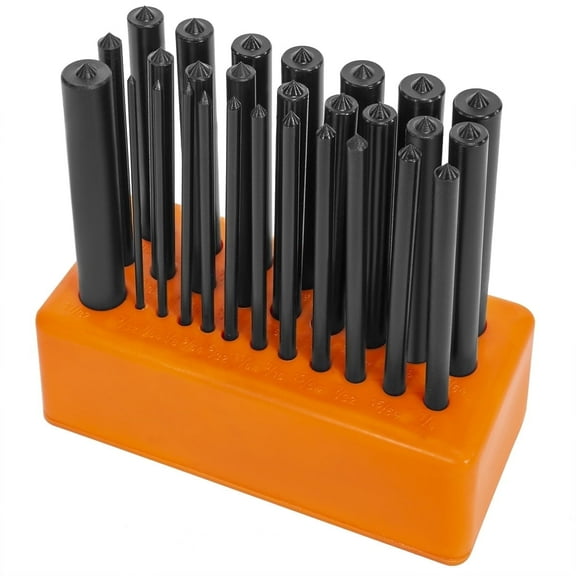
- You can pick transfer punches when you need to copy hole locations onto another surface.
Choosing between a center punch tool and other types
Tool type matters because each punch shape serves a different job. You should compare center punch, pin punch, hollow punch, hole punch, and transfer punch styles before you commit.
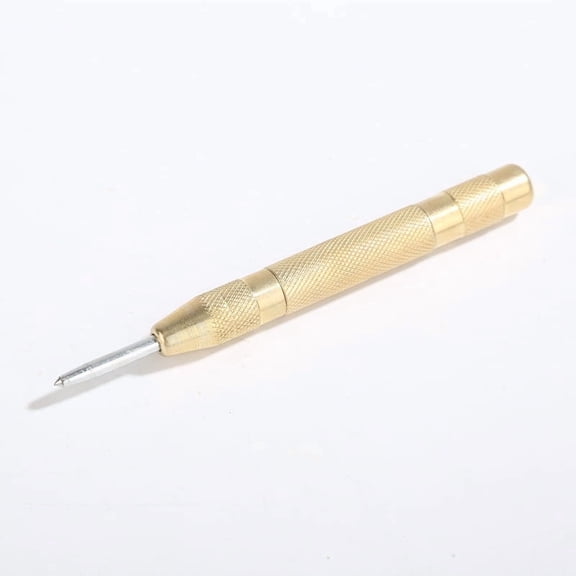
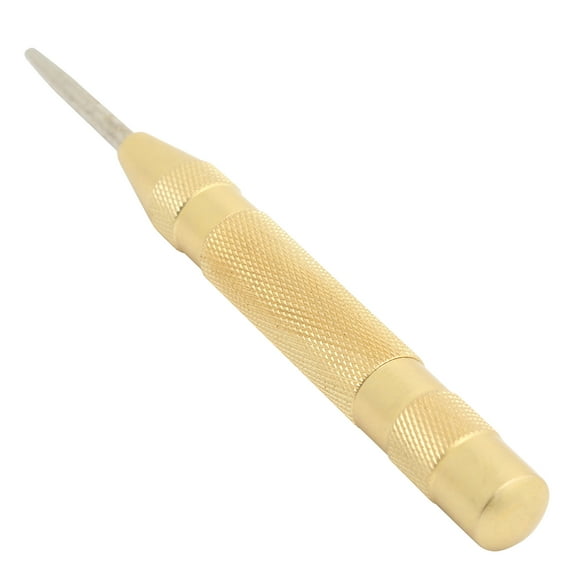
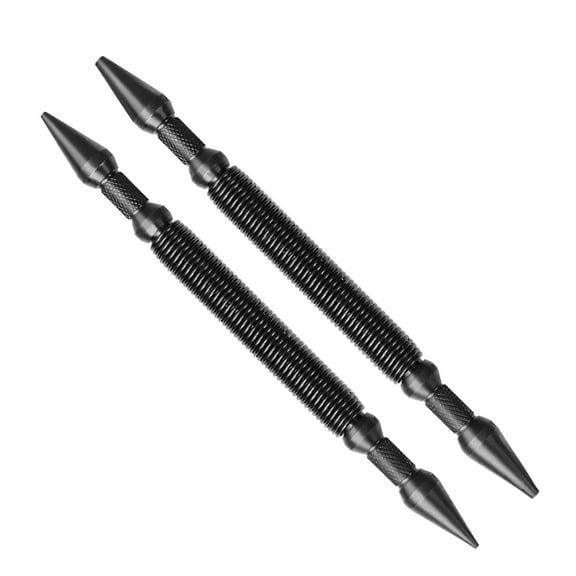
A center punch tool gives you a defined mark where you want a drill bit to start. You’ll usually choose this style when accuracy matters on metal layouts, brackets, or hardware installation.
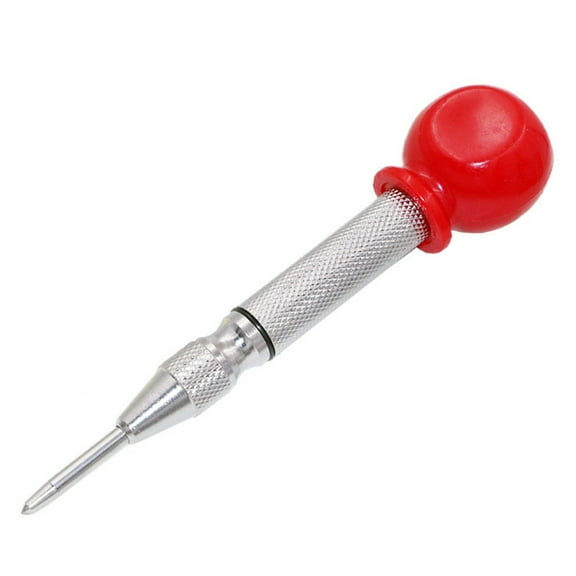
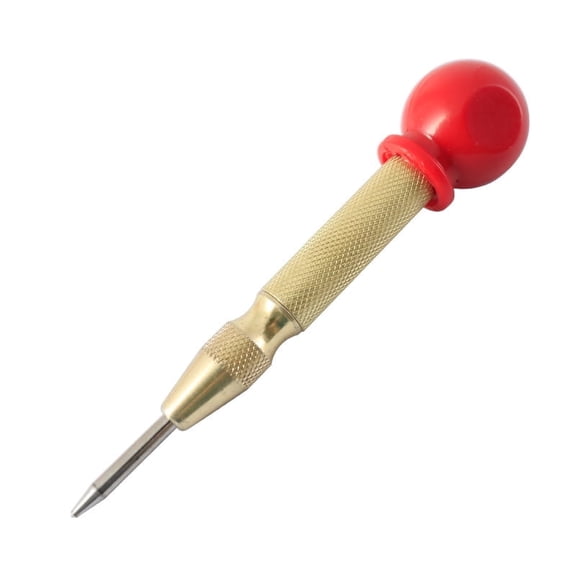
An automatic center punch uses a spring-loaded mechanism instead of a hammer strike. You can make one-handed marks in tighter spots, and you can keep your other hand free for positioning.
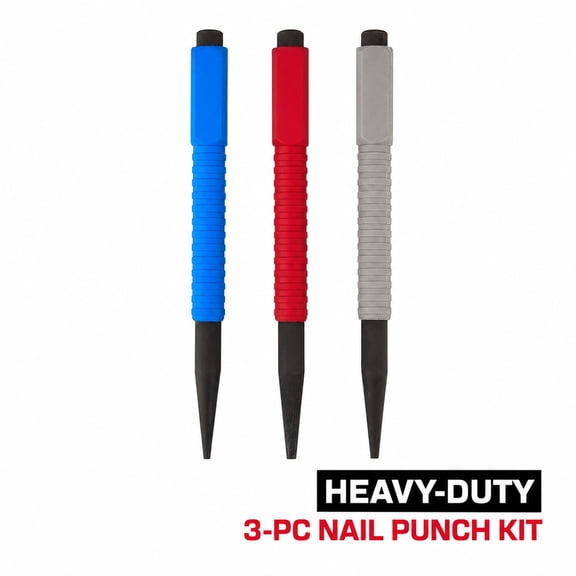
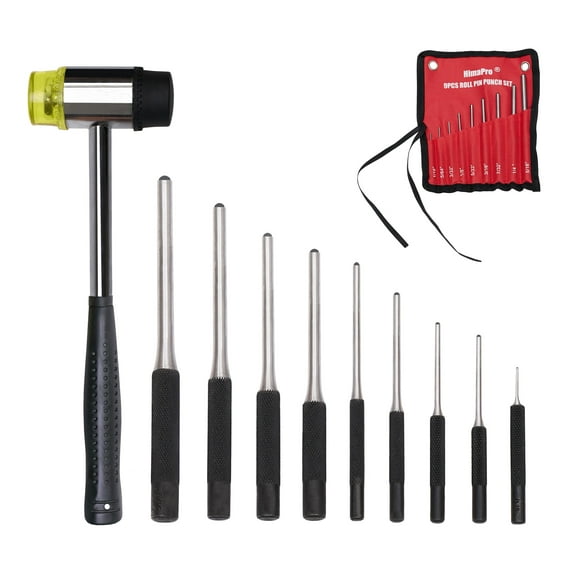
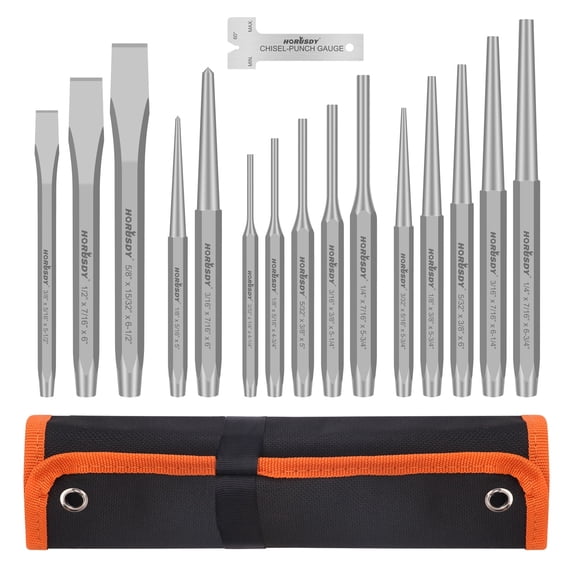
A pin punch set works when you need to move or remove pins after they’ve started shifting. You should look for set options when your repair work involves different pin diameters across tools or mechanical parts.
A metal punch set can also include multiple punch styles for layout, alignment, and removal tasks. You’ll get broader project coverage when you need several sizes or functions in one case.
What to look for in operation type and grip
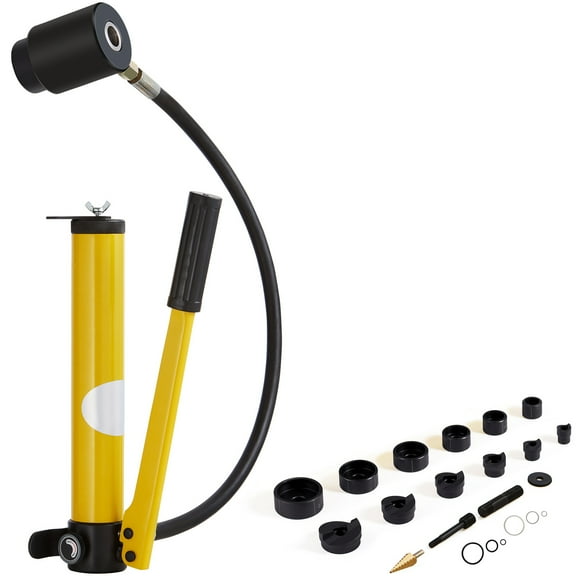
Operation type changes how you apply force and how much control you keep during each strike. You should compare manual, automatic, and spring-loaded options based on your workspace and pace.
Manual punches suit bench work where you have room for a hammer and repeated setup. You can often feel each strike more directly, which helps when you’re adjusting placement on tougher materials.
Automatic and spring-loaded options simplify marking when you want quicker, repeatable action. You may prefer them for overhead work, compact spaces, or jobs where a separate hammer feels awkward.
Grip shape also affects comfort during longer tasks. You should look for textures, knurling, or contoured handles that help your hand stay steady while you line up the tip.
If you switch between several materials, you may want a tool body that feels balanced and easy to control. You may notice that a secure grip supports more accurate placement on small targets.
Comparing size, precision, and set options
Hole diameter precision is a key buying factor, especially when your hardware, rivets, snaps, or fasteners need an exact fit. You should compare metric and imperial sizing before you choose.
Metric sizing can help when your project parts follow millimeter measurements. Imperial sizing can be useful when your templates, punches, or hardware follow inch-based standards.
You should also check material thickness guidance, because thin leather and thick leather won’t respond the same way. You’ll usually get cleaner results when your punch diameter and cutting edge match the stock.
An individual tool can make sense when you already know the exact size and function you need. A multi-piece set or kit with case helps you stay organized when your projects change often.
If you handle mixed repair and craft work, a metal punch set or hollow punch set can cover several common diameters. You can keep sizing options together and reduce time spent searching for the right tool.
Using punch tools across real projects
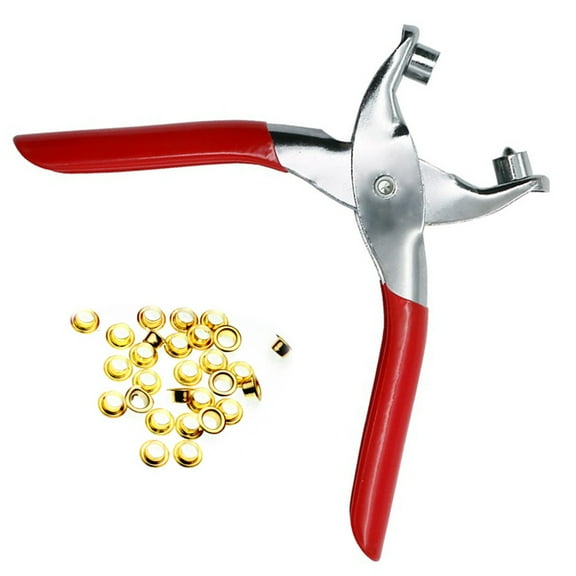
You can use punch tools for leather belts, watch straps, wallets, and bag handles that need neat, evenly spaced openings. You may want consistent sizing when your buckles, snaps, or rivets need a clean fit.
For metal fabrication, you may use a center punch tool before drilling brackets, plates, or machine parts. You can improve layout accuracy by creating a visible starting point exactly where you measured.
During equipment maintenance, you may reach for a pin punch set to move pins with controlled force. You should match the punch diameter closely so the fit stays precise through the opening.
In woodworking, you can use transfer punches to copy existing hole locations onto a new piece. You may find that this helps when hinges, hardware plates, or fixtures need aligned mounting points.
For gasket, fabric, or plastic tasks, you may choose a hollow punch set to cut round openings for cords or fasteners. You can work more accurately when the diameter matches the part passing through.
When your project list changes from repairs to crafting, punch tools give you a flexible way to handle marking, removing, and cutting tasks. You can narrow your choice faster by comparing material, mechanism, size, and set format.
With the right punch tools, you can get cleaner marks, closer fits, and steadier control across detailed shop and craft work. This helps you finish with results that match your measurements and your material.