






Probiotics in Digestive Health












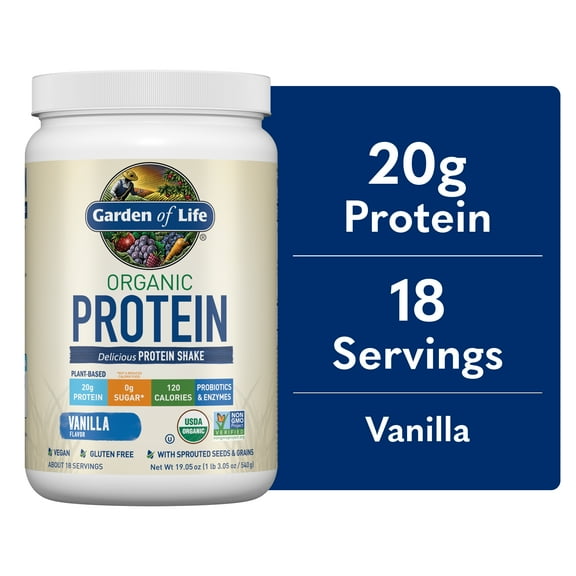
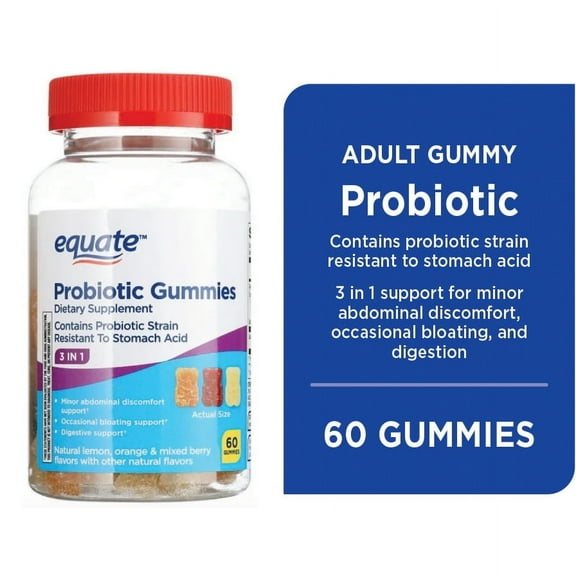

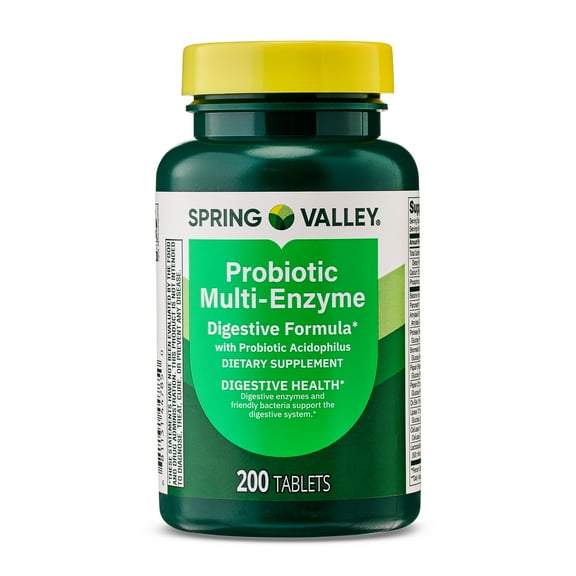
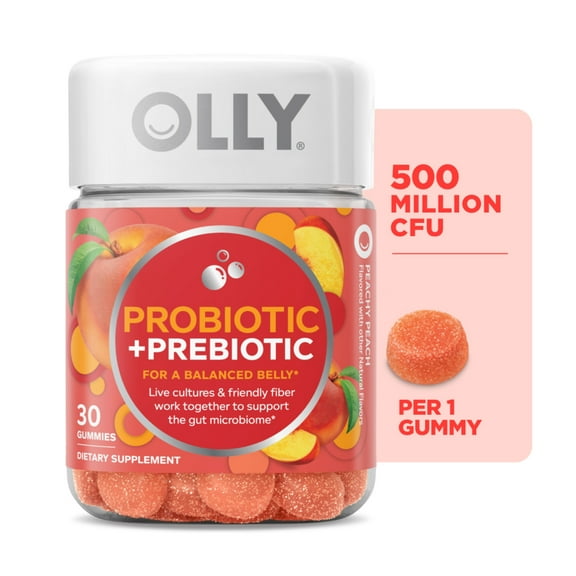
















About Probiotics in Digestive Health - Walmart.com
Probiotics help you compare forms, CFU counts, and strain types with clear guidance for daily routines. You can use this category page to narrow options by storage needs, age group, and preferred format.
If you're choosing for yourself or your family, you may want a simple way to sort capsules, gummies, powders, and liquids. You can also compare shelf-stable and refrigerated options without guessing what each label means.
How to choose probiotics
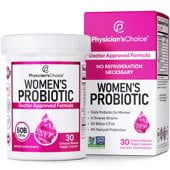
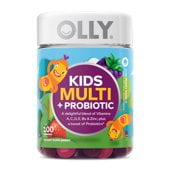
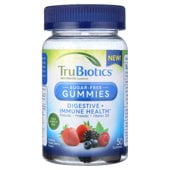
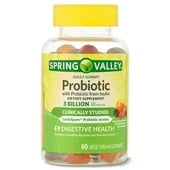
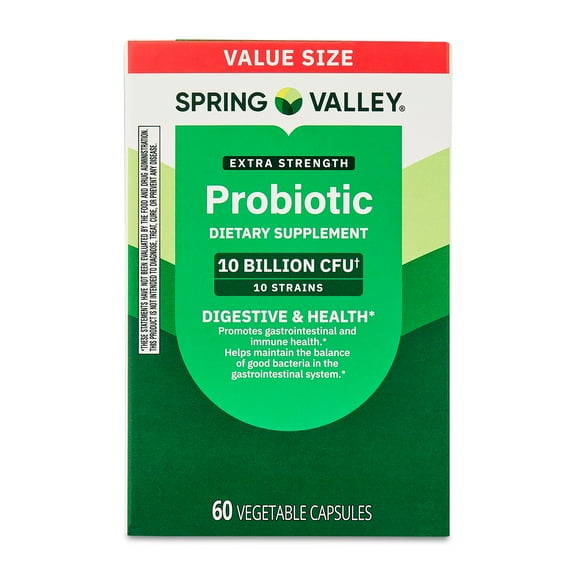
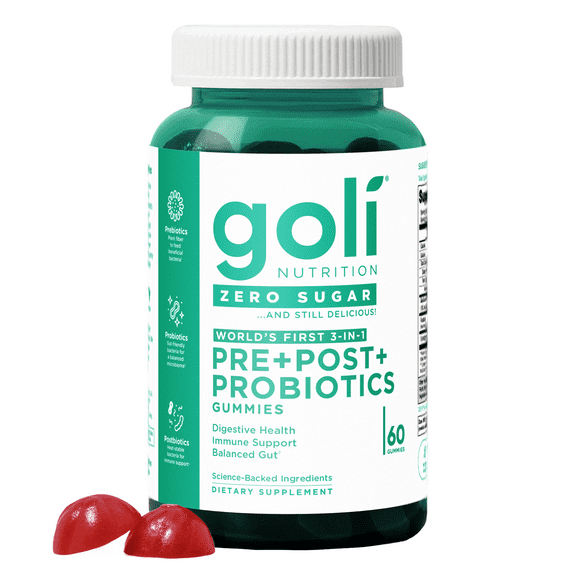
When you compare probiotic supplements, you should start with the format you’ll actually use consistently. You may prefer capsules for quick routines, or you may choose gummies for a chewable option.
Powders can fit into drinks or soft foods when you want a mix-in format. Liquids can work when you want measured servings and flexible use for different household needs.
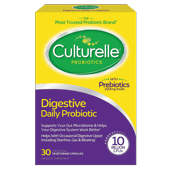
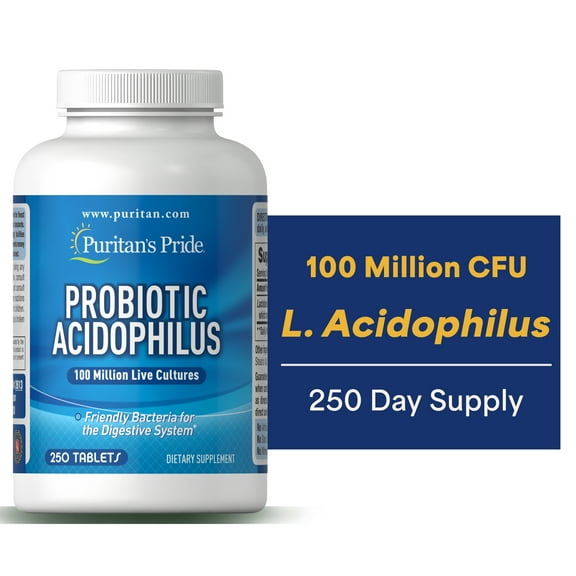
- You can choose capsules when you want a simple swallow-and-go option.
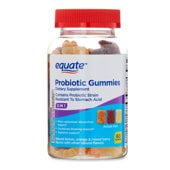
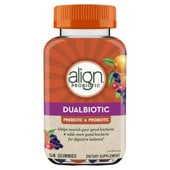
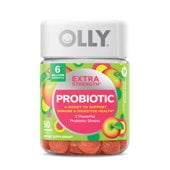
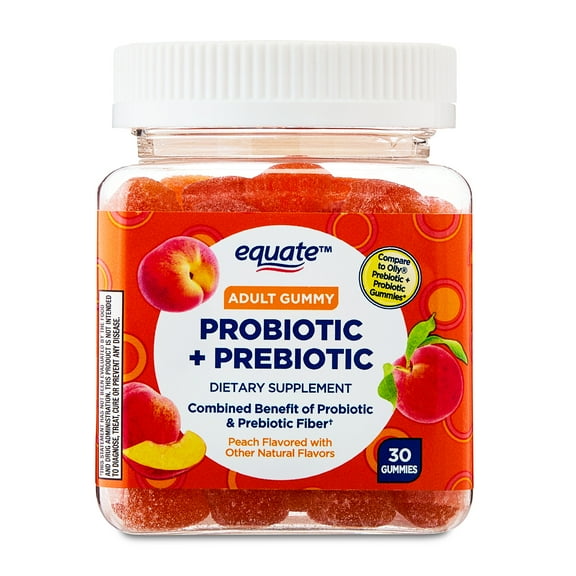
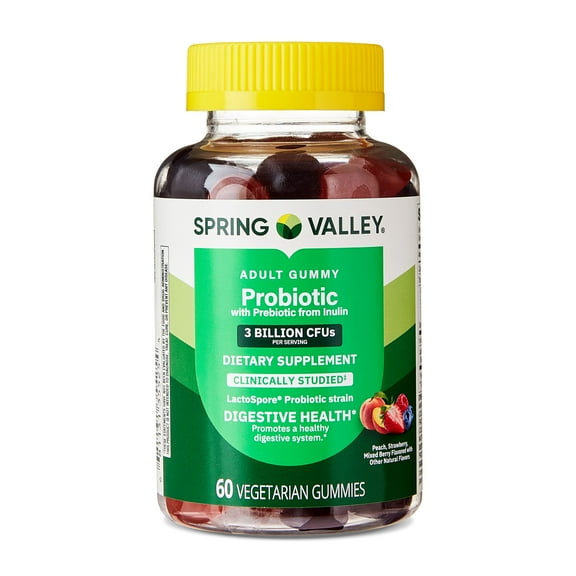
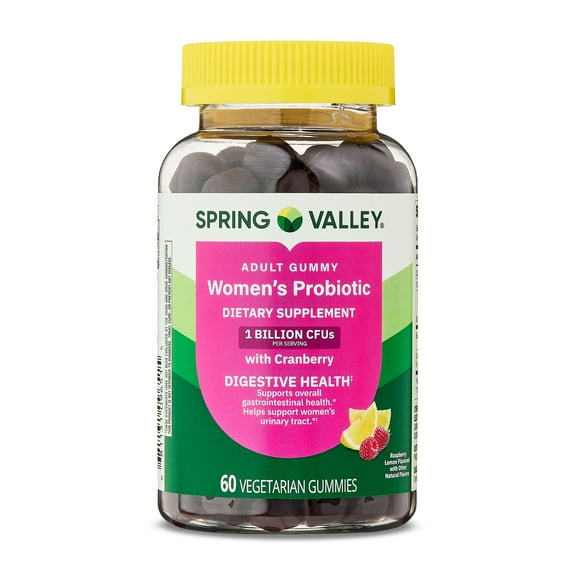
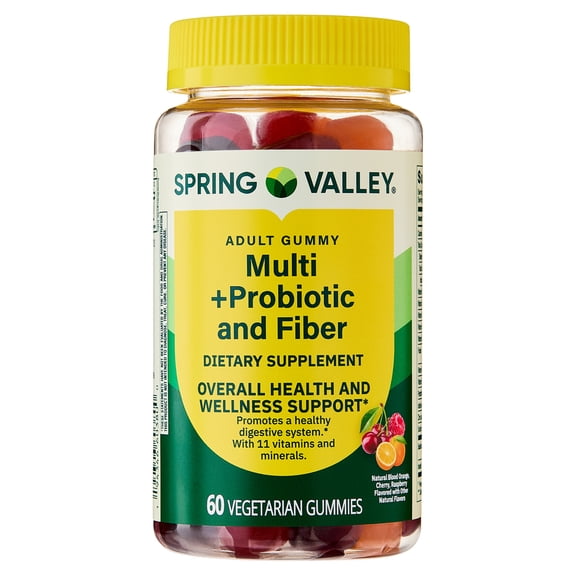
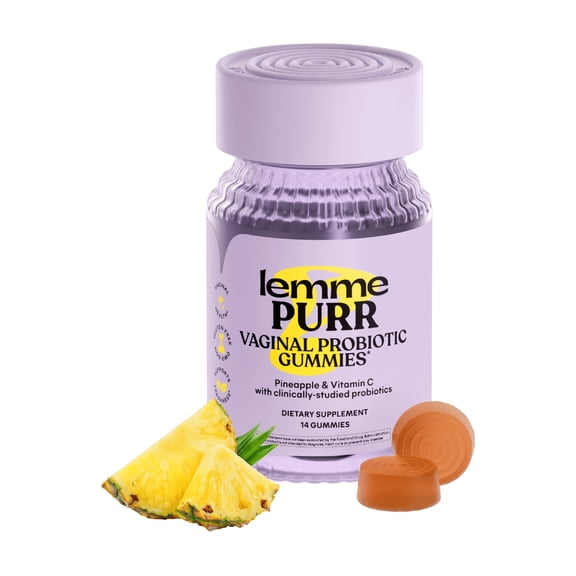
- You can choose gummies when taste and chewable texture matter in your routine.
- You can choose powders when you want to mix servings into smoothies or foods.
- You can choose liquids when you want flexible measuring and easy portion control.
Your daily routine also matters when you compare storage requirements across this category. You may want shelf-stable options for pantry storage, or you may prefer refrigerated formulas for your preferred handling style.
If you travel often, you may look for labels that fit your on-the-go routine. If your kitchen setup is structured, you may prefer refrigerated probiotic supplements with clear storage instructions.
Choosing probiotic supplements by CFU count
CFU count tells you how many live cultures are listed per serving on the label. You can compare one billion, 10 billion, 50 billion, and 100 billion options based on your preferred serving strength.
If you want a straightforward starting point, you may compare lower and mid-range counts first. If you’re familiar with daily probiotics, you may look closely at higher-count options and serving directions.
You should also check strain diversity, because CFU count alone doesn’t tell the whole story. You can compare single-strain formulas with blends that list several cultures on the label.
When you review strain names, you may notice Lactobacillus, Bifidobacterium, and Saccharomyces boulardii. You can use those names to compare labels more confidently and match them to your preferred formula style.
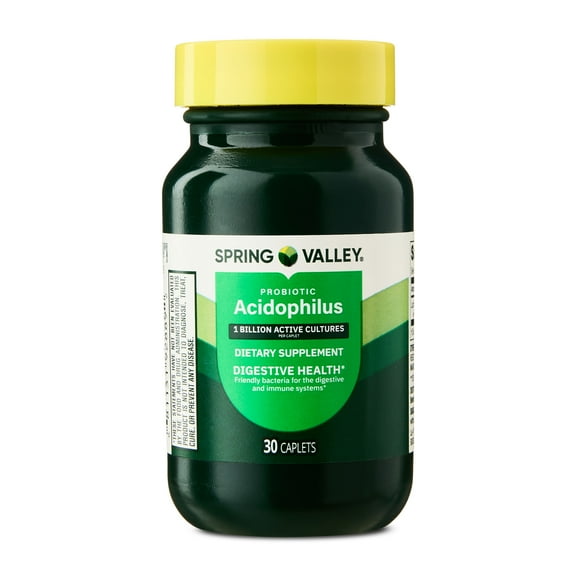
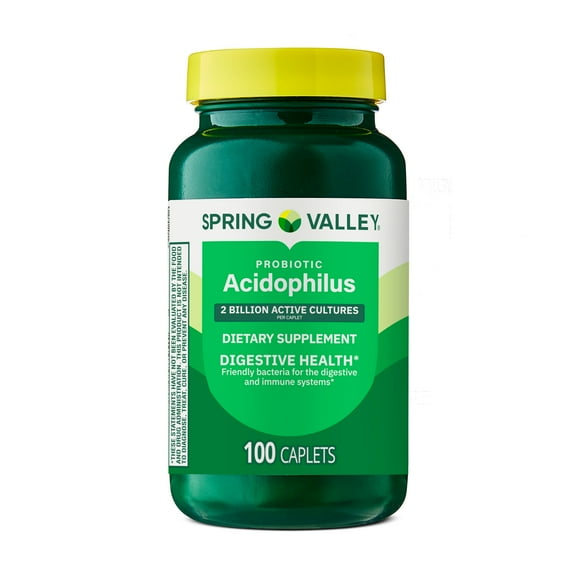
If you’re specifically looking for acidophilus probiotics, you should check whether Lactobacillus acidophilus appears in the strain list. You can then compare that strain with other listed cultures in the same formula.
What to look for in probiotics for gut health
When you shop probiotics for gut health, you should compare format, strain list, and serving routine together. You can use that approach to avoid picking a formula that looks right but feels inconvenient.
Your label check should include serving size, count per bottle, and whether the formula is shelf-stable. You may also want to compare capsules with probiotic gummies if taste or swallowing ease affects daily use.
If you’re shopping by audience, you can compare options made for women, men, kids, or adults. Your choice may depend on flavor preferences, serving size, or the format that fits a household routine.
For family shopping, you may want gummies or liquids that feel easier to use across age groups. For personal routines, you may prefer capsules or powders that fit neatly into a morning schedule.
Comparing strains, storage, and daily use
You should compare Lactobacillus and Bifidobacterium blends when you want a broad look at label variety. You may prefer single-strain formulas when you want a simpler ingredient list to review.
Saccharomyces boulardii stands out on labels because it differs from bacterial strains you may see elsewhere. You can compare it alongside other options when you want a specific strain format in your shortlist.
Your storage preference can shape your final choice as much as flavor or capsule size. You may want shelf-stable probiotics if you keep supplements in a cabinet or take them to work.
If you have refrigerator space set aside, you may be comfortable choosing refrigerated options instead. You should always check label directions so your storage routine matches the product format.
Daily use becomes easier when you match the product form to your habits. You may stick with daily probiotics more consistently when the serving method feels simple in your schedule.
If you prefer a quick breakfast routine, you may choose capsules with water or powders in a smoothie. If you want a chewable option, you may keep probiotic gummies where your routine starts each day.
Using category filters with confidence
You can narrow this category faster when you filter by form, audience, strain type, and storage requirement. Your filters help you compare probiotics in a practical way instead of scanning every label manually.
As you refine your options, you should look for a format you’ll use regularly and a label you can understand. You’ll make a more confident choice when CFU count, strain list, and storage needs line up clearly.
Popular in Probiotics in Digestive Health - Walmart.com
- Probiotics Gluten Free Digestive Supplements
- Pre Probiotic
- Digestive Probiotics Nature Made
- Probiotic Solutions
- Complete Probiotics
- Acidophilus Used
- Probiotic Lactose
- Probiotic Nutritional Supplements Probiotics Dairy Free Digestive
- Pre & Probiotic Capsules
- Probiotics For Stomach Issues
- Probiotic Nutritional Supplements Probiotics Dairy Digestive
- Probiotic Refrigerate