

Preschool Toy Playsets for Imaginative Play
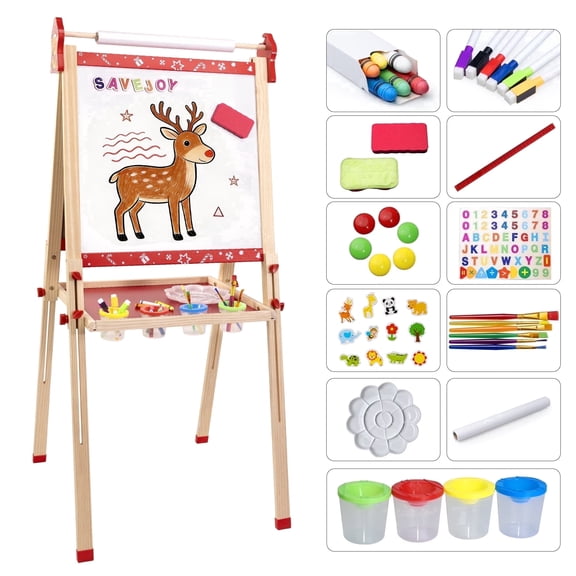

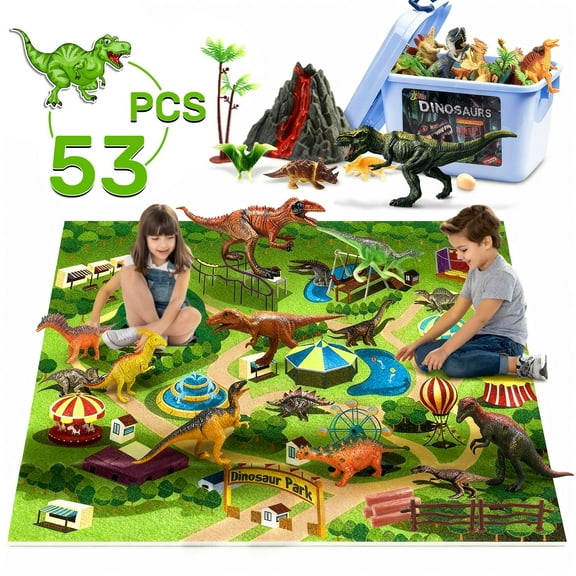
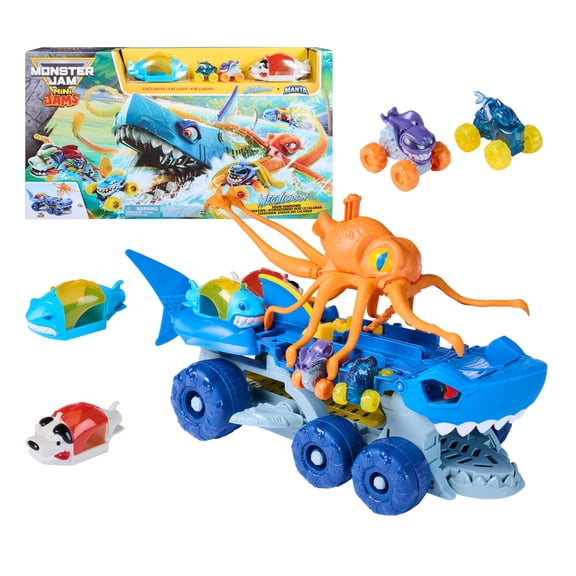


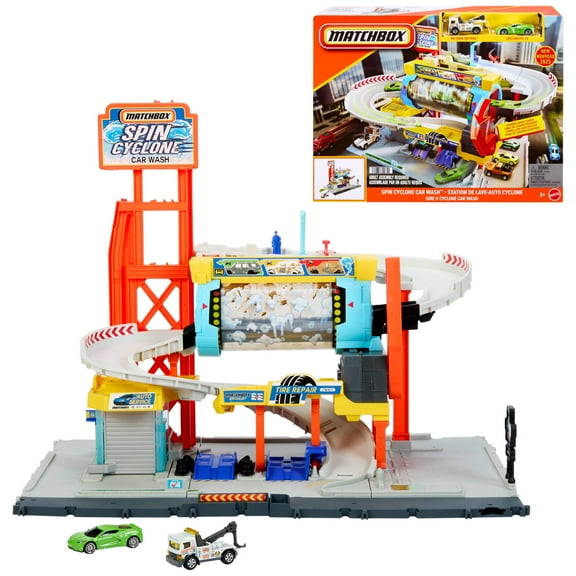






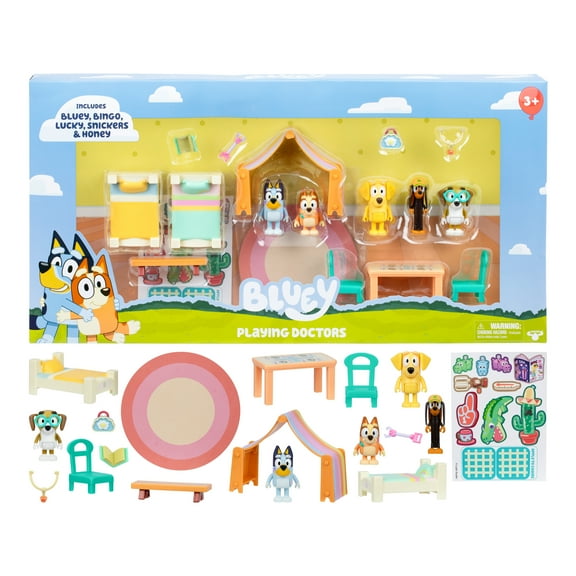

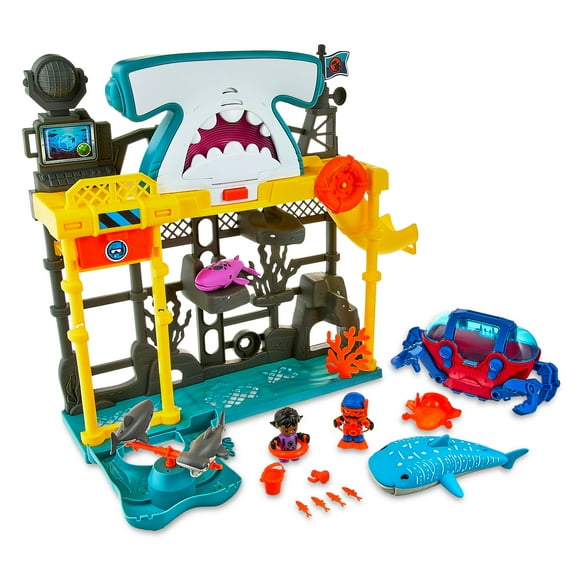

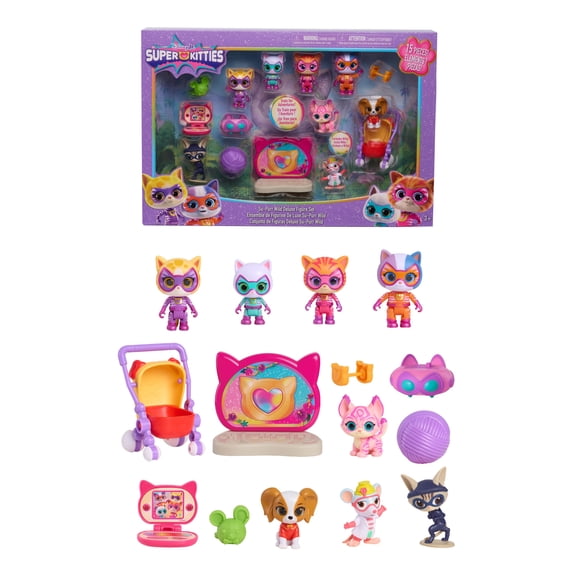








About Preschool Toy Playsets for Imaginative Play - Walmart.com
Preschool playsets help you match imaginative fun to your child’s age, space, and learning stage. You can compare themes, materials, and play styles that fit daily preschool routines.
If you’re choosing for ages two through five and up, you may want sets built for small hands and simple storytelling. You can also look for rounded edges, easy-to-hold pieces, and sizes that suit your playroom.
How to choose preschool playsets by age range
When you compare preschool playsets, you should start with age range because piece size and play complexity change quickly. You can usually find simpler layouts for younger kids and more detailed scenes for older preschoolers.
For age two, you may want larger parts, easy connections, and manual features that feel clear during early pretend play. For age three and four, you can consider more characters, movable pieces, and simple building steps.
Once you’re shopping for age five and up, you can look for richer story themes and more steps during setup. You can often notice these sets support longer play sessions and more independent role play.
Choosing toddler playsets by theme and play style
You can narrow toddler playsets faster when you choose a theme that matches familiar routines or favorite stories. Farm, castle, city and rescue, animal, and house themes each guide different kinds of pretend play.
If you pick a farm or animal scene, you can encourage naming, sorting, and caring routines during play. If you choose city and rescue themes, you can support turn-taking and simple action storytelling.
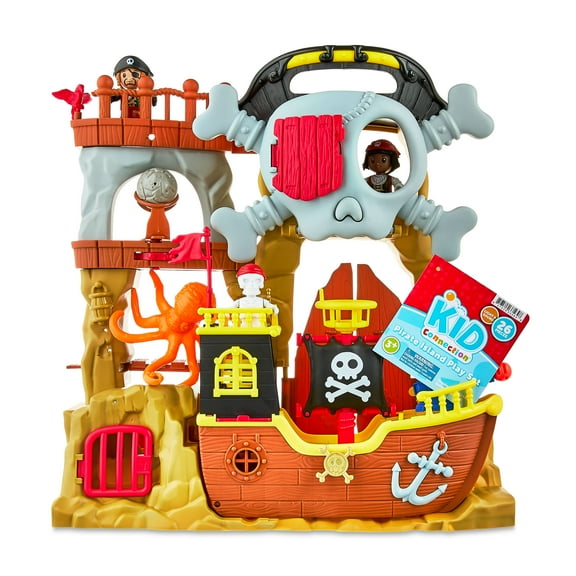
Castle and house themes work well when you want open-ended scenes with characters, furniture, and room-based setups. This often provides more chances for dialogue, role switching, and creative story building.
- You can use farm sets for animal sounds, matching, and simple caretaking stories.
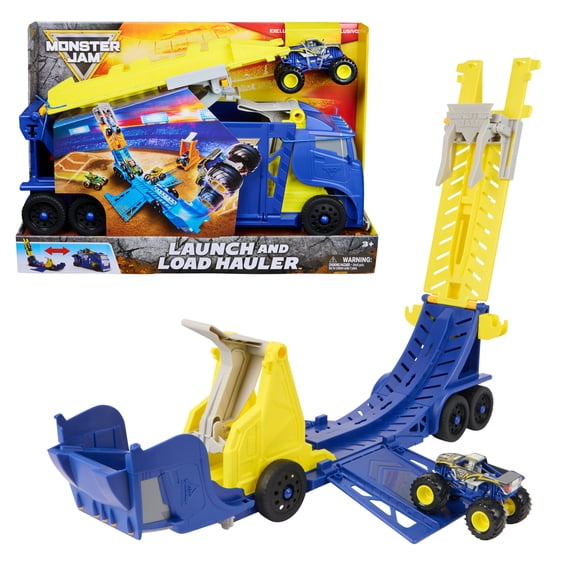
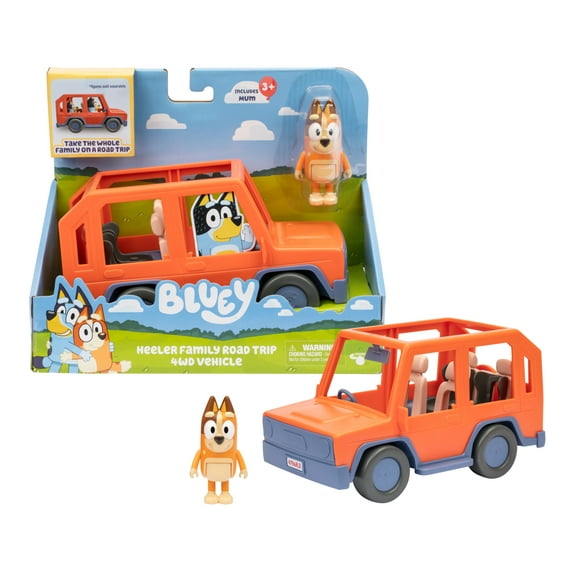
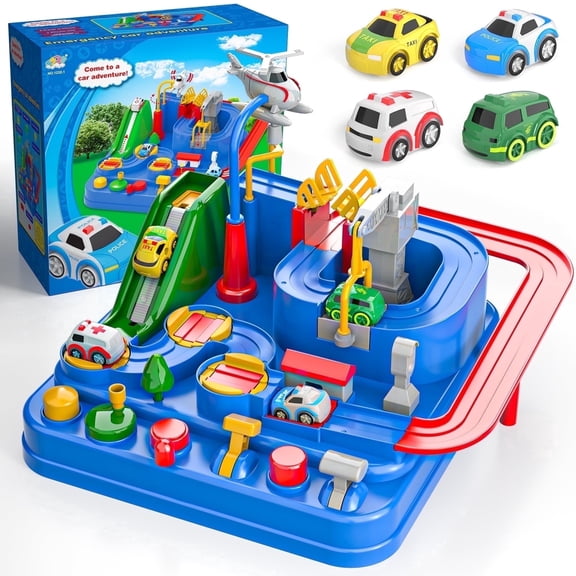
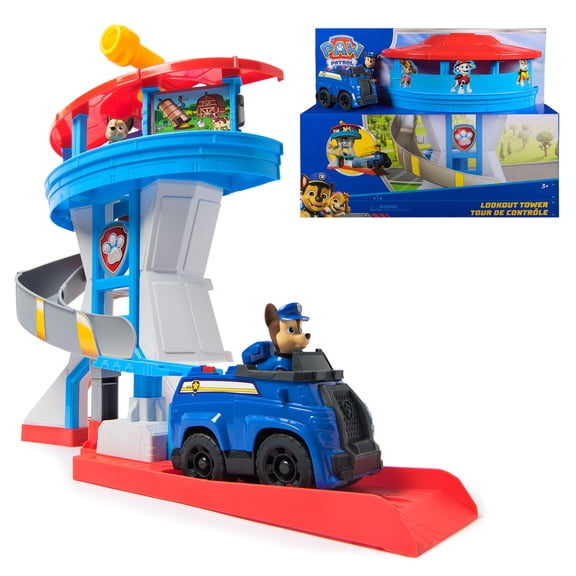
- You can use city and rescue sets for vehicle play, helpers, and scene-based adventures.
- You can use house and castle sets for everyday routines, characters, and imaginative play toys.
What to look for in toy playsets materials and power options
When you compare toy playsets, you should check materials because texture, weight, and cleanup affect everyday use. Plastic sets often feel light and easy to wipe, while wood sets can feel sturdy and substantial.
If you’re considering BPA-free silicone parts, you should check where those parts appear in the set design. You may like flexible accessories when you want softer handling and easy grip for younger preschoolers.
You should also compare power source because battery operated features create lights, sounds, or motion, while manual sets stay simple. If you prefer fewer upkeep steps, you may want manual or no-battery options.
Assembly matters too, especially when you want a set ready for play without a long setup session. You can check whether pieces snap together easily or whether you’ll need tools for larger layouts.
Comparing preschool toy sets for learning and durability
You can use preschool toy sets to support fine motor skills, social play, imaginative play, or early STEM routines. The right choice depends on whether you want guided activities, open-ended stories, or building-based interaction.
For fine motor skills, you can look for doors, switches, stacking parts, and small movements that stay age-appropriate. For social play, you may want multiple figures or shared scenes that invite turn-taking.
If STEM is your priority, you can compare ramps, moving parts, sorting elements, and cause-and-effect features. If imaginative play is your focus, you can prioritize characters, props, and flexible storytelling scenes.
Durability should stay on your checklist because preschool use often includes drops, frequent handling, and repeated setup. You can compare thicker plastic, solid wood construction, and secure connections that hold up during regular play.
Matching kids playsets to your room, storage, and routine
You should measure your floor or shelf space before you choose kids playsets for a bedroom, playroom, or shared family area. Look for a footprint that fits comfortably without crowding walkways or storage bins.
If you need easier cleanup, you can look for fewer loose accessories or pieces that store inside the main structure. Compact house or farm scenes may fit neatly on a standard cube shelf.
Larger city layouts or castle scenes can suit a dedicated play table when you want an always-ready setup. You can also choose smaller sets for travel between rooms or quick cleanup before bedtime.
Daily routine matters as much as size because some sets support short solo play, while others suit longer shared sessions. If your child likes repeat stories, you may prefer open-ended preschool learning playsets with flexible characters.
Using preschool playsets for real preschool moments
You can match preschool playsets to morning independent play, afternoon group play, or quieter wind-down time. Manual sets often work well when you want simple, repeatable fun without batteries or extra setup.
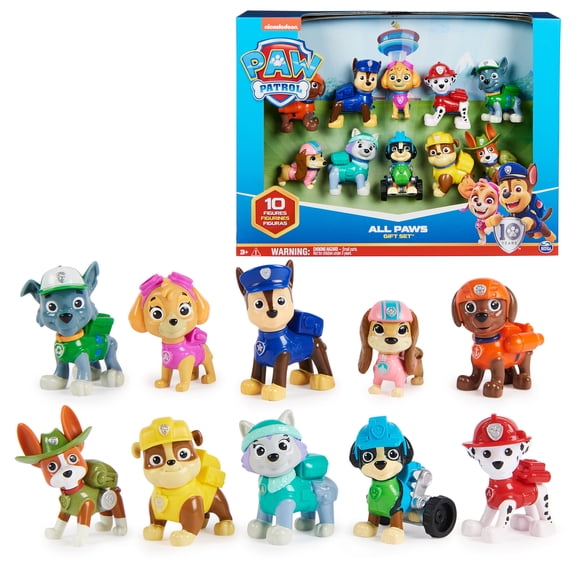
For siblings or playdates, you can choose scenes with several roles, such as rescue teams, families, or farm caretakers. This gives each child a part to play, which helps stories keep moving.
If you’re choosing a gift, you can use age range and theme as your primary filters. A house set can suit everyday pretend routines, while an animal theme can support naming and sorting activities.
When you want one category that blends learning with fun, preschool playsets give you clear ways to compare age fit, theme, and durability. You can choose a set that fits your space and keeps preschool play organized and engaging.