




Preschool Toys
Preschool play

Listen, play & grow
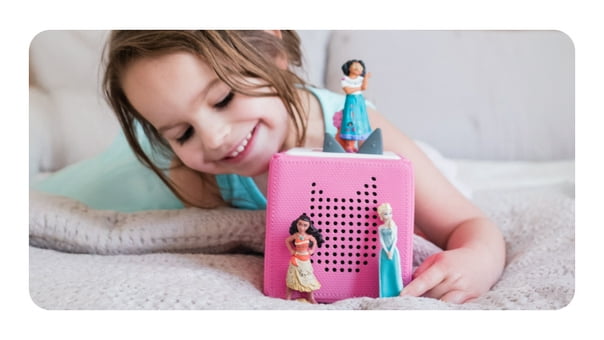
The all-new Toniebox 2 is here!
Shop now
Let the fun begin
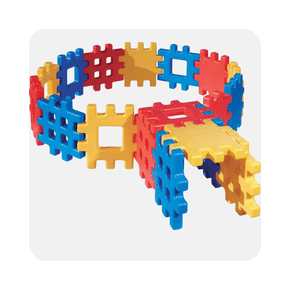
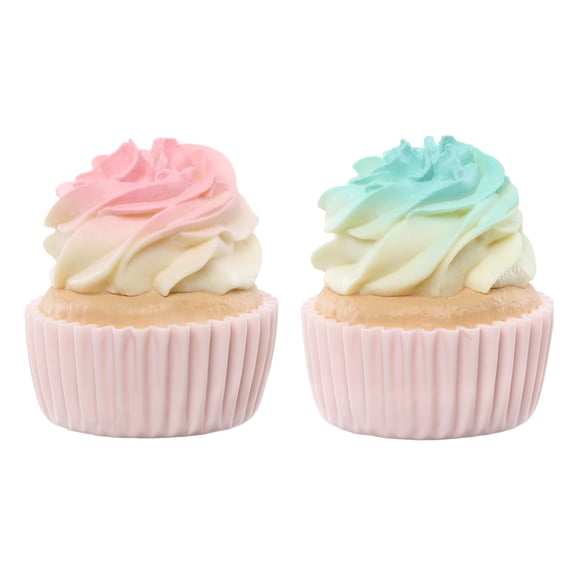
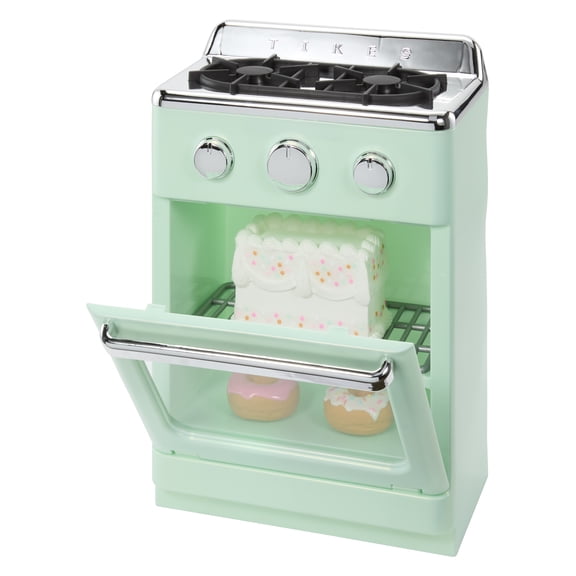
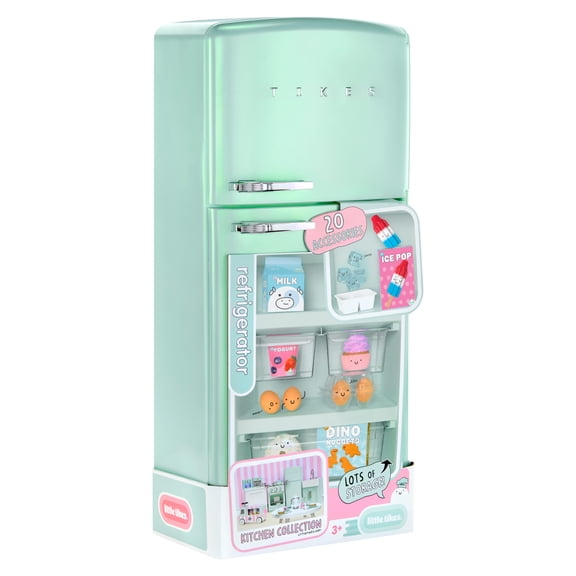
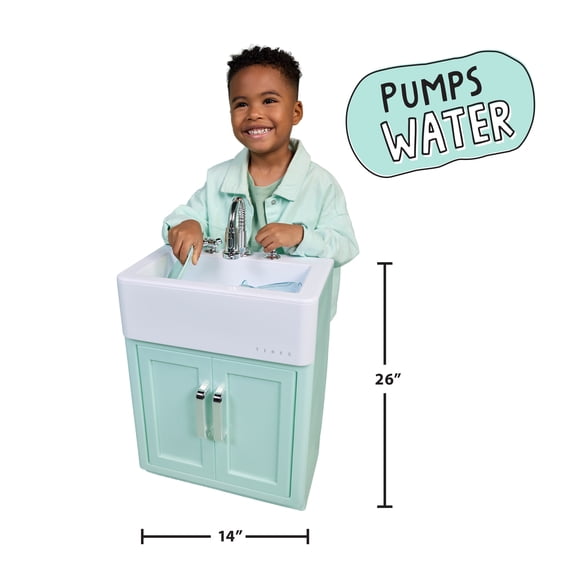
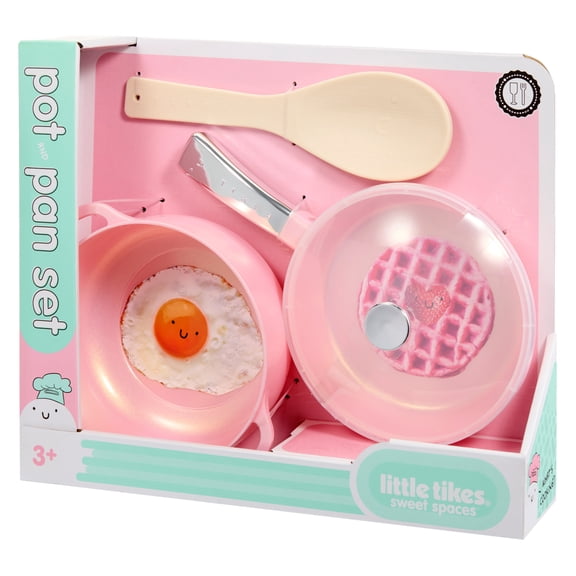
Little Tikes newbies
Shop now
Only at Walmart
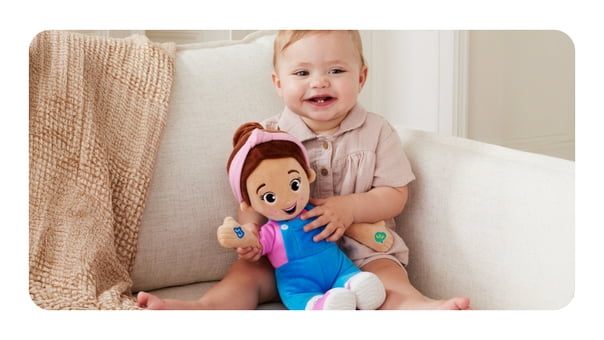
Baby Evie toys & more
Shop new arrivalsToddler-approved toys


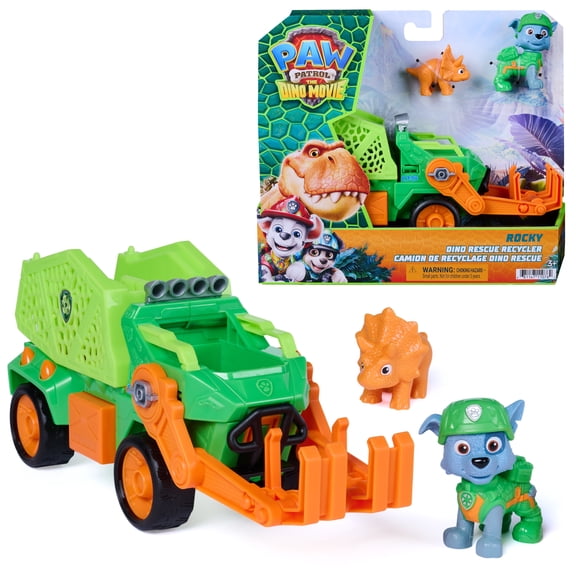
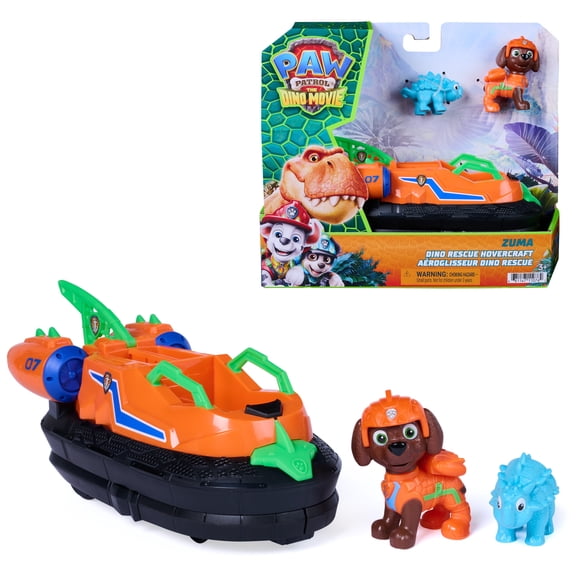
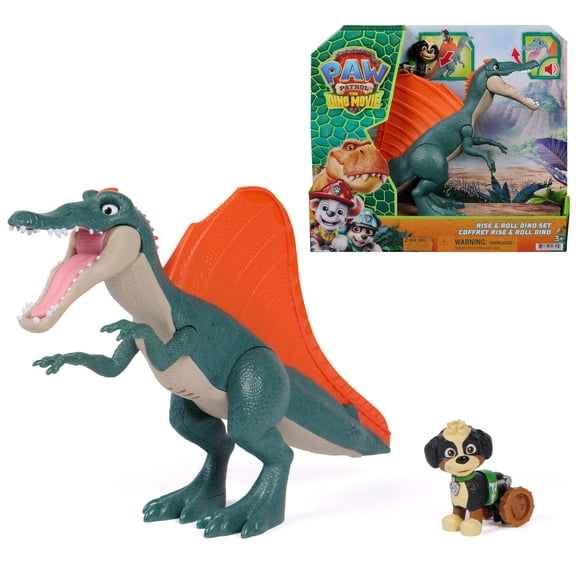
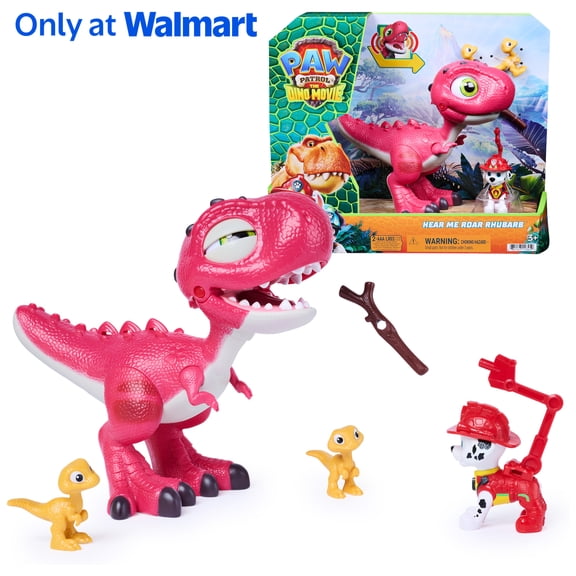
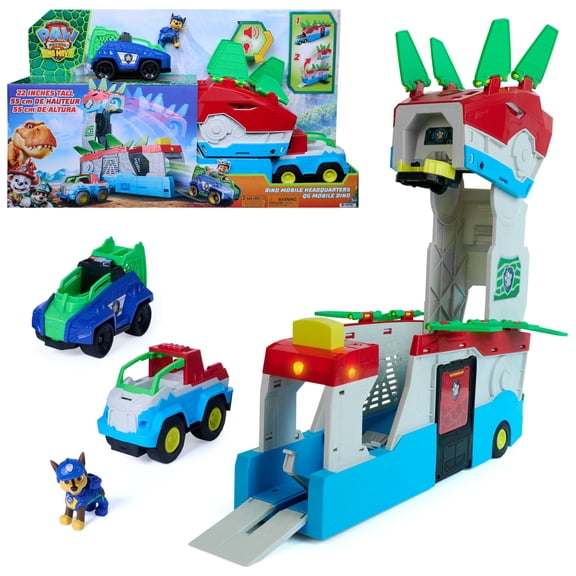
PAW Patrol Favorites
Shop toys, vehicles, and playsets for every little rescue fan.
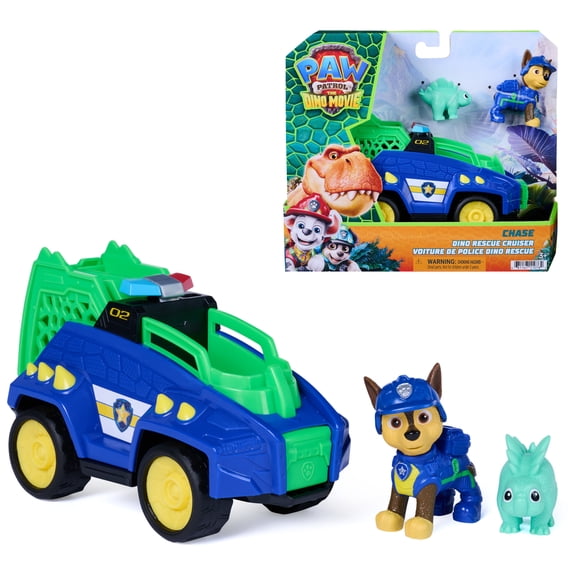

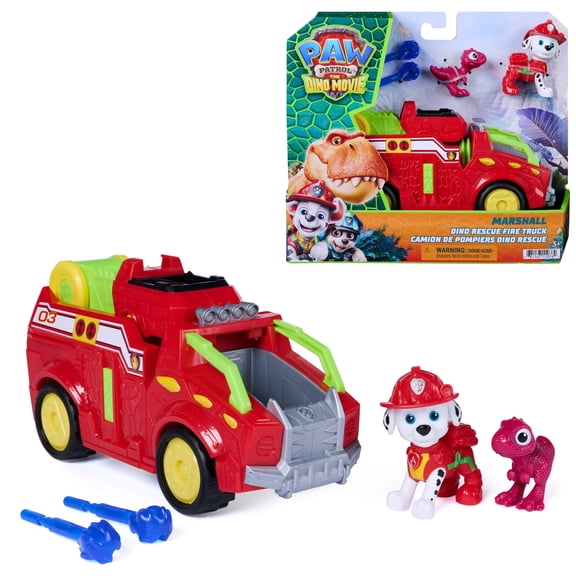

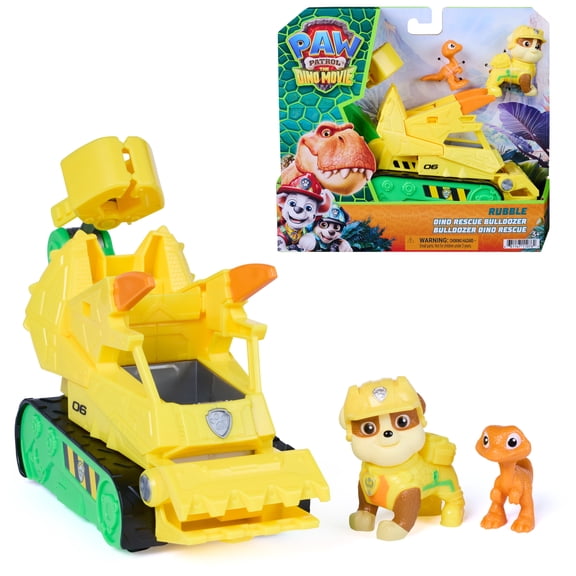
Fun for all ages






Brands that came to play
The hit list







UnbrandedLittle TikesFisher-PriceBest Choice ProductsLeeQinerswtoniesBIGODYMelissa & DougYCFUNUUGEEEACOPOLiHaHaINvenchSpark Create ImagineLinluxVaverenBrynnaBuild-A-BearBUSY EDITIONFixdonoGofunlyHapeKid ConnectionLittle PeopleOUNALONGPAW PatrolPisodawnVTechALLDOCUBEAlmenclaBlueyD-FantiXDora the ExplorerFlynowFuntogether ToysFVDPWYEGreen Toyshand2mindHomylJETOMs. RachelNANNEENOBRANDPERRYHOMEPlay DayRibeijessRushawyScience4youSuorfoxsTeamson KidsTyethyWidelandyotijayYunhgftAbbracciaAcesvuitAppleAuntyfeyAUTERCOAwecheerBaby Glamour BoutiqueBaby TrendBattatBLACK+DECKERCacagooCmdoagContixoCrayolaCreate & LearnDIDUBUYDohKinsDreamWorks DragonsEducational InsightsElowenFantasticFunFenxyoFitbestGames Gone WildGUCXKOSGZHLWRCVHILABEEHuddleHunkstarInadaysIngenuityINTMEDICJeeMzJurassic WorldKENHKEYAHAPPYkowakuKurio & KD InteractiveLANDLITLearning ResourcesLifiiethoLolotreeMALLMALL6MattelMERIGLAREMickey MouseMindNookMixfeerMonster JamMuivanOEKEOKGPayUSDPeppa PigPETSOLAPlushDeluxeQcwqmylRONYSaneenSassysixwipeSJKCYLSkillmaticsSpidey and his Amazing FriendsStar WarsSTARTISTStyle CollectionSytle CarryTapvosTeachers Friend PublicationsTonginaTOYTOYTransformersUSA ToyzVida the VetxoyoeifYookidooyotijar
Savings on preschool toys
Uses external data. Price when purchased online

















FAQ
About Preschool Toys - Walmart.com
Preschool toys help you turn everyday play into hands-on learning during the early years. You can compare age stages, toy types, and learning goals to choose play that fits your child.
If you're shopping for preschool toys, you may want clear guidance on safety, setup, and skill-building. You can use this guide to narrow options for active play, pretend play, puzzles, and educational playkits.
How to choose preschool toys by age
You can start with your child's age group because play needs change quickly in the early years. You may notice simpler shapes, textures, and cause-and-effect actions fit younger preschoolers.
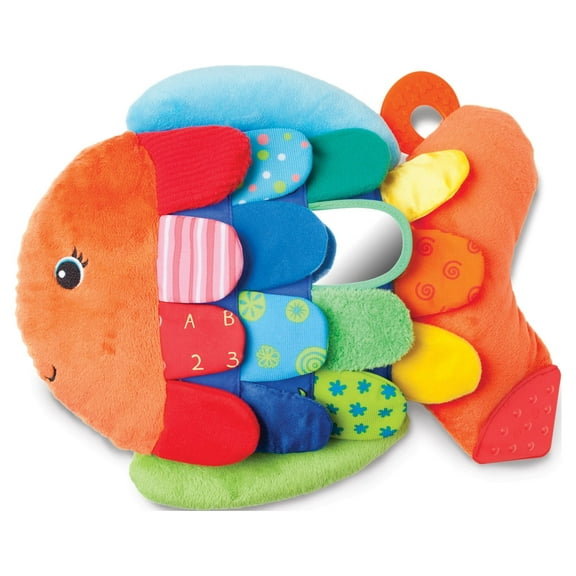
For 12 to 18 months, you can look for large pieces, easy-grip shapes, and simple sounds. You should check age labels and piece sizes so your child gets play designed for early discovery.
At 2 years, you may want stackers, chunky puzzles, ride-on styles, and pretend play basics. You can look for toys that help your child sort, match, push, pull, and repeat actions.
By 3 years, you can consider preschooler toys with letters, numbers, role-play props, and beginner building sets. You may also prefer options that support short instructions and simple turn-taking.
At 4 years and 5 years, you can compare toys for preschoolers that add multi-step play. You might choose more detailed craft kits, early STEM sets, or imaginative scenes with familiar characters.
What toys for preschoolers can support
You can use toy categories to match the kind of play your child prefers. You may find educational playkits, plush toys, imaginative play, and active play each support different routines.
- You can choose educational playkits when your child likes matching, counting, tracing, or sorting activities.
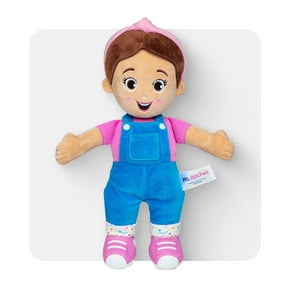
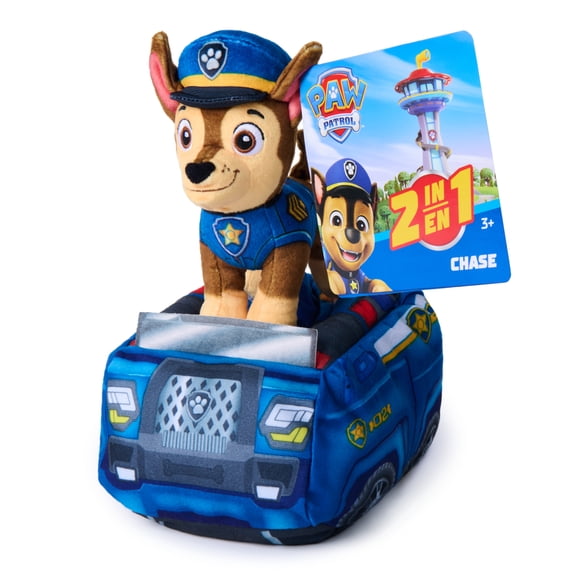
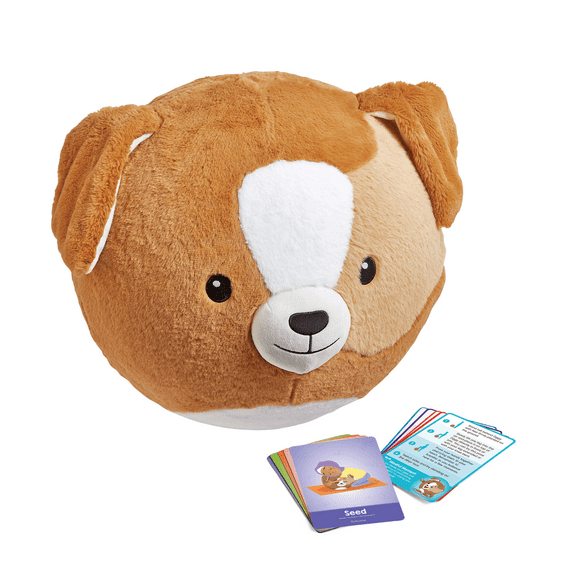
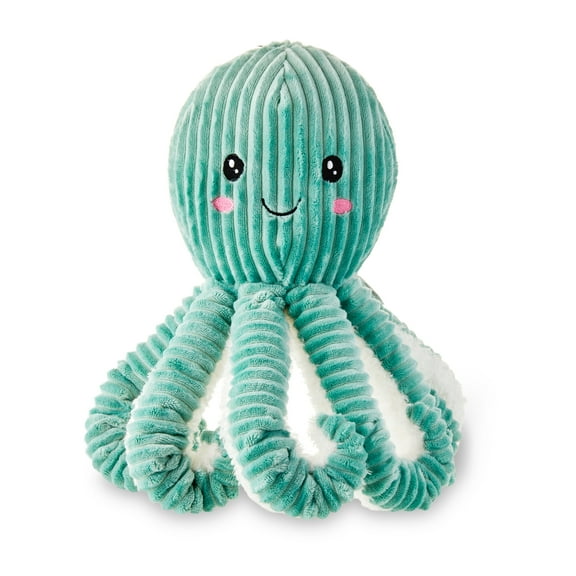
- You can pick plush and stuffed animals when your child likes comfort items, storytelling, and pretend care routines.
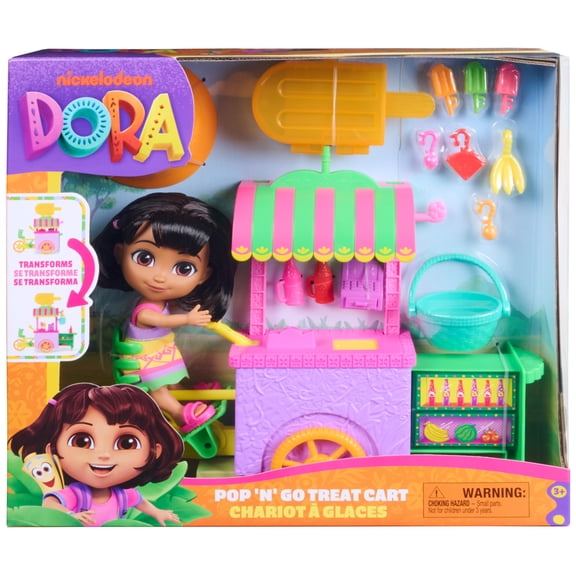
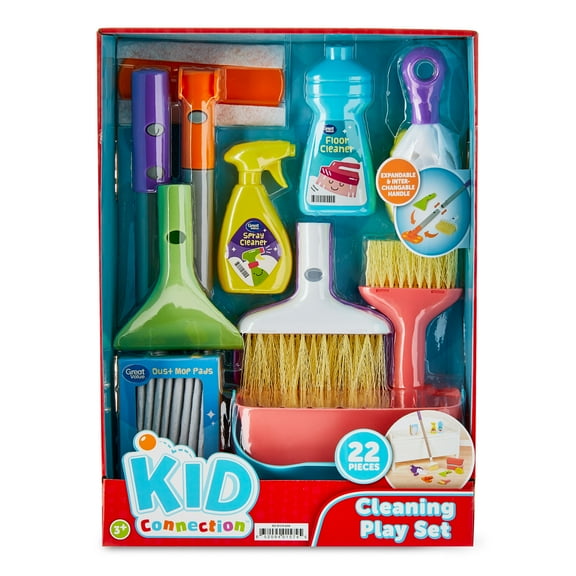
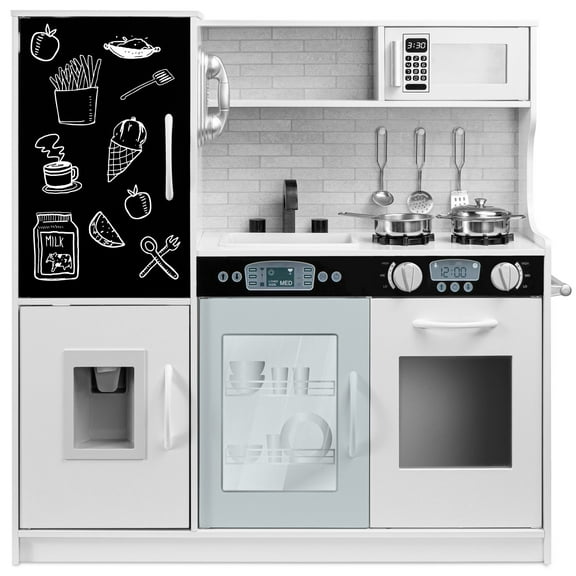
- You can select imaginative play toys when your child likes kitchens, tools, costumes, vehicles, or character scenes.
- You can use active play toys when your child needs movement, balance practice, and indoor or backyard energy release.
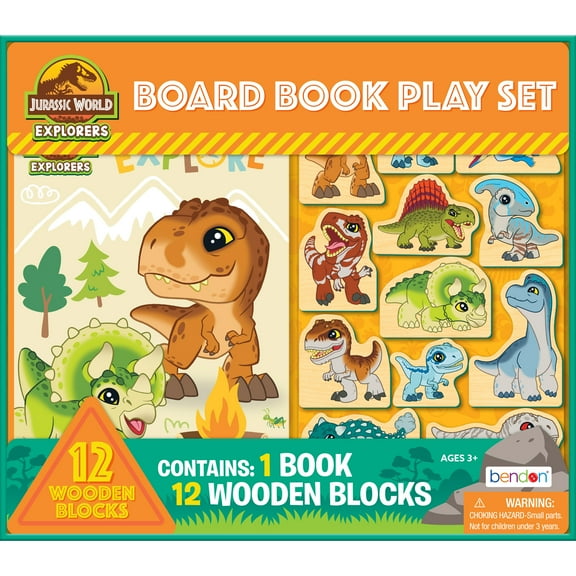
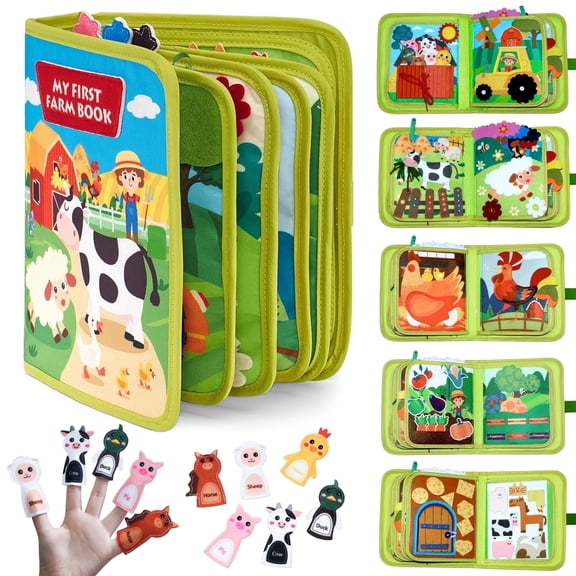
Educational playkits for preschool learning can help you create table-time activities with clear steps. You may like these options when you want contained play with pieces that support early practice.
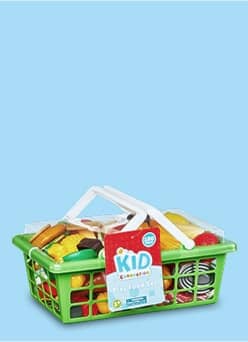
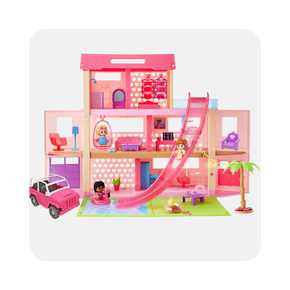
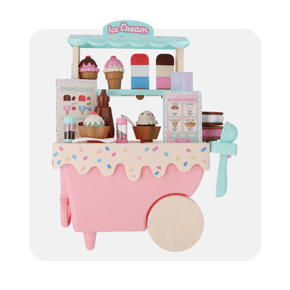
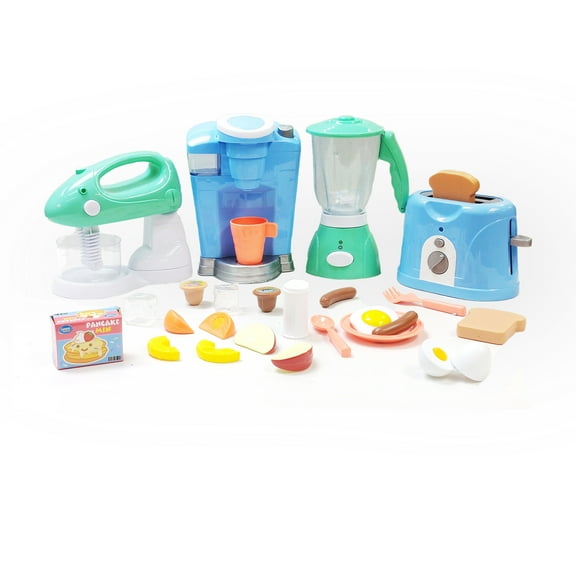
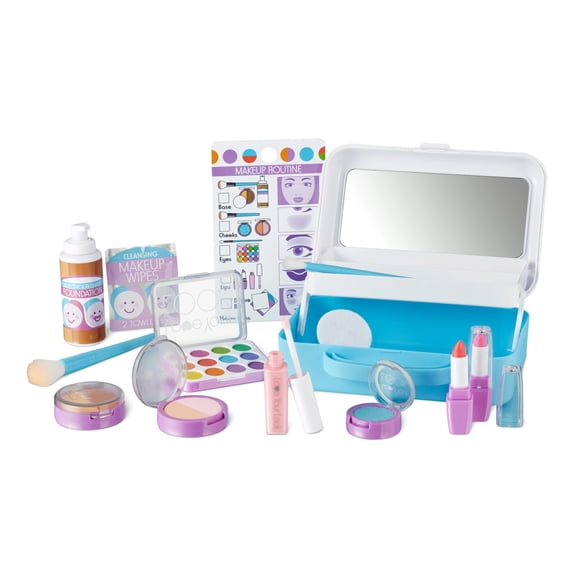
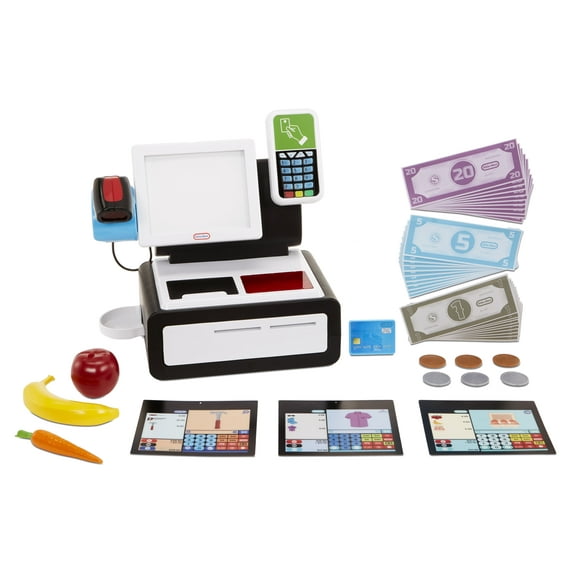
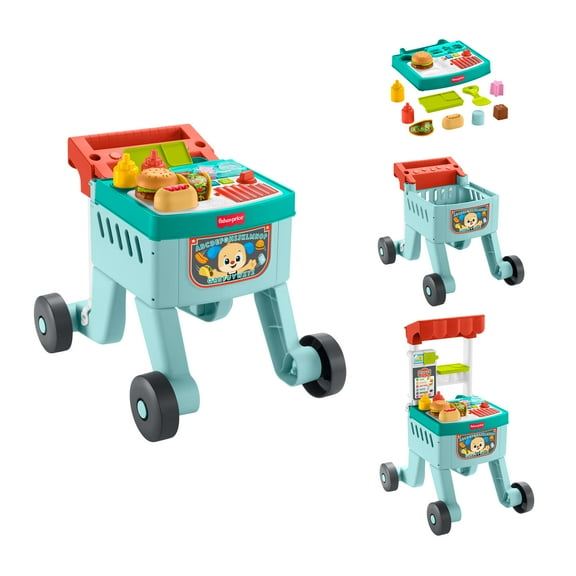
Imaginative play can help your child act out daily routines, jobs, and social moments. You can use pretend food, doctor sets, or play houses to encourage storytelling and shared play.
Active play toys can help your child stay engaged through movement-based games and ride-on fun. You may prefer these choices when your child learns through jumping, tossing, rolling, or balancing.
Which learning domain fits your preschooler toys
You can narrow preschool toys by the skill area you want to emphasize in playtime. You may compare STEM, fine motor skills, language and literacy, and social-emotional learning.
For STEM play, you can look for counting toys, simple building sets, gears, ramps, and matching games. You may want toys that let your child test actions and see clear results.
For fine motor skills, you can choose beads, peg boards, lacing sets, and chunky puzzles. You should look for grasp-friendly pieces that let your child pinch, place, twist, or stack.
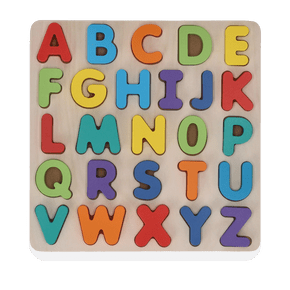
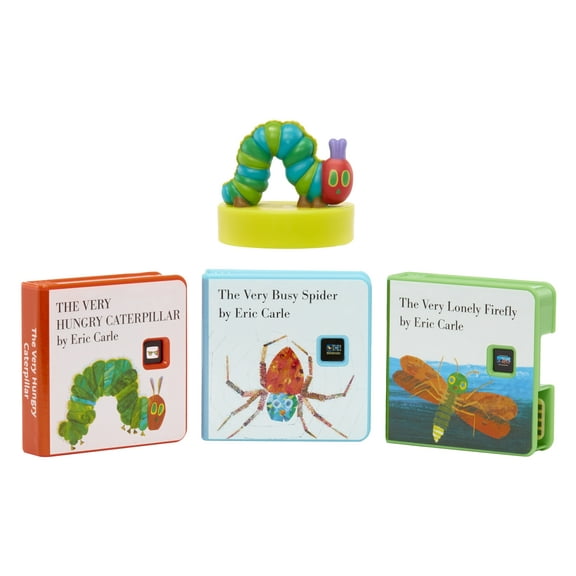
For language and literacy, you can compare alphabet toys, sound books, flash card games, and storytelling sets. You may like options that encourage naming objects, repeating words, and following prompts.
For social-emotional play, you can explore dolls, plush characters, pretend homes, and role-play kits. You can use these toys to help your child practice sharing, routines, and everyday conversations.
What to check for safety, durability, and setup
You should check age guidance first because it helps you match toy design to your child's stage. You also need to review piece size, materials, and any battery or assembly details.
When you compare safety details, you can look for smooth edges, sturdy construction, and clear labels. You should also check whether pieces fit preschool play and allow easy adult supervision.
For durability, you may want wipe-clean surfaces, solid connections, and materials that handle repeated use. You can often spot lasting designs by checking seams, hinges, and how pieces fit together.
If setup matters in your routine, you should check whether a toy needs batteries or assembly. You may prefer ready-to-play options for quick use, or activity sets with simple adult setup.
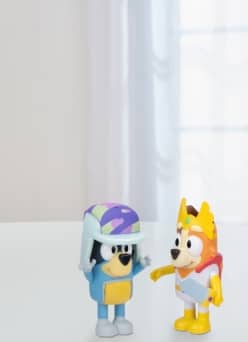
You can also compare character styles and familiar names when your child connects with themed play. You may see options inspired by Snoopy, learning-focused favorites, or classic wooden-style activities.
How to match preschool toys to real routines
You can make faster decisions when you connect toys to the moments in your day. You may want one type for quiet mornings, another for shared play, and another for active afternoons.
For independent table play, you can choose educational playkits, matching games, or beginner puzzles. You may like these during quiet time because your child can focus on one task at a time.
For sibling play or playdates, you can use imaginative play sets with food, tools, or dolls. You can encourage turn-taking and simple conversation through shared scenes and role-play.
For movement breaks, you may prefer active play toys that let your child roll, toss, or balance. You can use these options indoors or outside when your child needs physical engagement.
For bedtime wind-down, you can consider plush toys, story-based sets, or simple language activities. You may find calmer play works well when your child wants comfort and familiar characters.
If you're choosing a gift, you can match age stage with a learning domain for a clearer pick. You might pair a 3-year-old with fine motor toys or a 5-year-old with early STEM activities.
You can feel more confident when preschool toys match your child's age, interests, and daily routine. You can find play that feels engaging, easier to manage, and more useful for everyday learning.