

Pilates in Exercise & Fitness




























About Pilates in Exercise & Fitness - Walmart.com
Pilates equipment helps you build a focused home routine with tools that match your space, movement style, and workout goals. You can compare reformers, mats, rings, and bars by footprint, resistance, and versatility before you choose.
If you're setting up a calm corner for daily sessions, you'll want gear that fits your room and your practice. You can also find studio-inspired options that support controlled motion, core work, and flexible storage.
How to choose pilates equipment for your space
Space is often your first decision, especially when larger frames and moving parts take up space. You should measure your open floor area, ceiling height, and storage zone before you compare any setup.
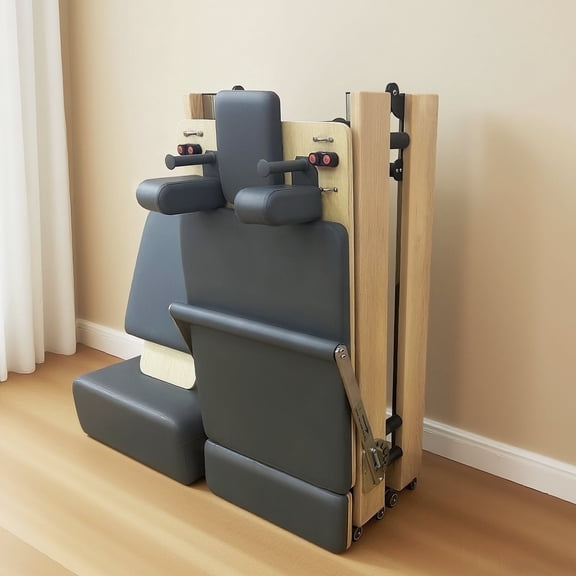
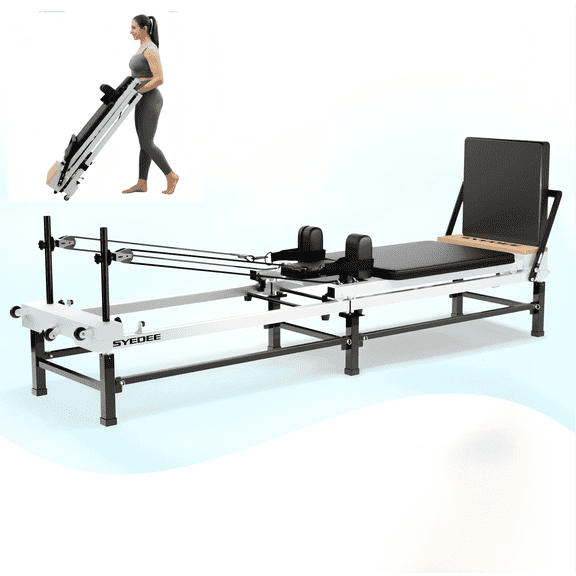
If you want a smaller footprint, you may prefer a pilates mat, ring, or pilates bar for quick routines. If you want guided carriage movement, you may look at a pilates reformer with folding or vertical storage options.
You should also compare footprint dimensions when you're placing equipment in a bedroom, office, or shared living area. A compact frame can help you keep your routine consistent without dedicating a full room.
- You can choose folding frames when you need easier storage between sessions.
- You can compare compact tools when you want pilates home equipment for smaller rooms.
- You can look for carriage padding and mat thickness when you want more cushioned support.
- You can select multi-use pieces when you want one setup for varied movements.
Choosing pilates equipment by type and workout focus
Equipment type shapes how your sessions feel and what movements you can repeat easily. You should match the tool to your routine, whether you prefer floor work, guided resistance, or upright exercises.
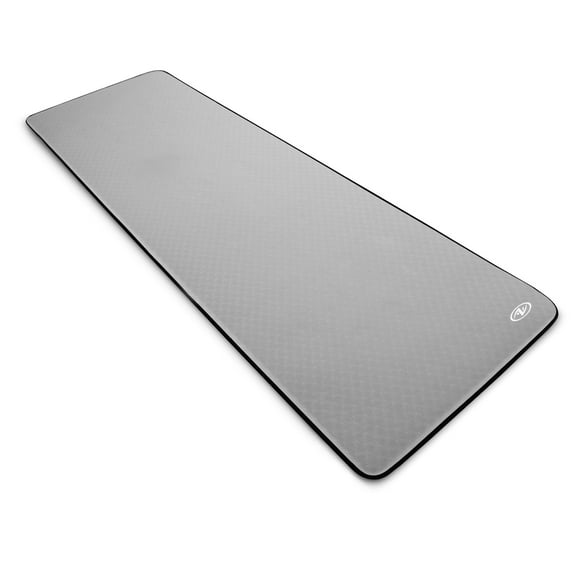
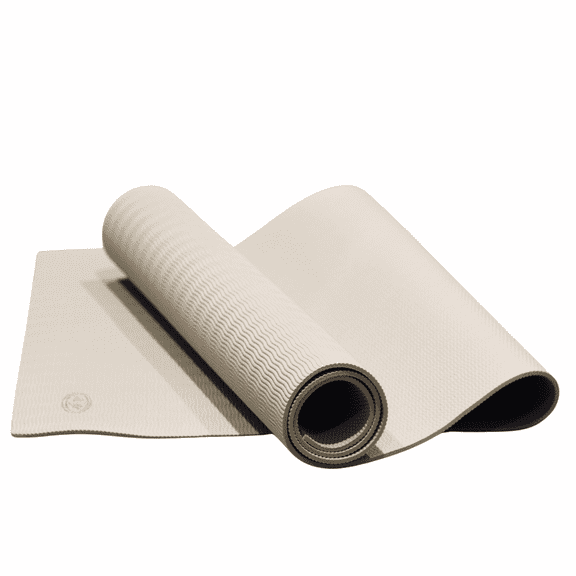
A reformer guides your movement on a sliding carriage, so you can repeat controlled pushes and pulls. A mat keeps your setup simple, so you can focus on bodyweight sequences and easy storage.
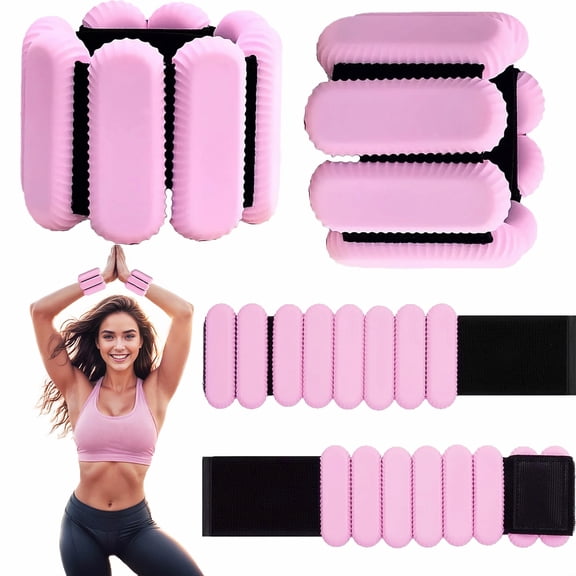
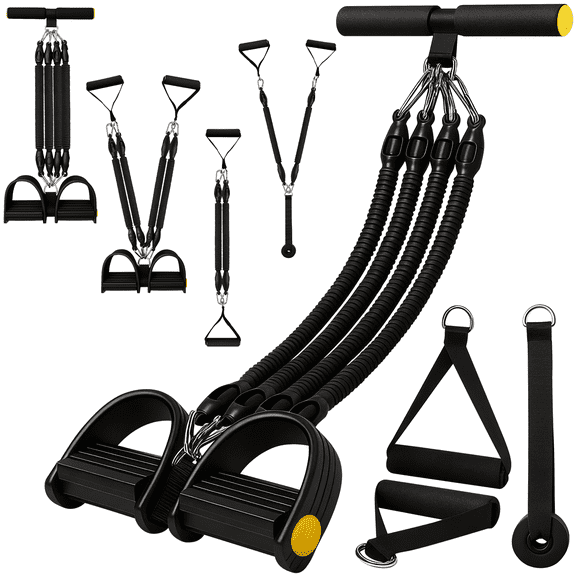
If you want smaller accessories, you may use a pilates ring for inner and outer thigh work. You can also use a pilates bar to add reach, tension, and coordination to standing or floor exercises.
Chairs, towers, and barrels support more specialized movement patterns and positioning. You should consider these types when you want targeted flexibility work, supported extension, or a broader exercise menu.
Comparing resistance, cushioning, and materials
Resistance changes how each movement feels, so you should compare springs, cords, and accessory tension carefully. Spring tension often gives you a more guided path, while elastic cords can feel lighter and easier to store.
If you want room to progress, you may prefer adjustable springs or multiple resistance settings. You can switch between light, medium, and heavy options as your control and confidence improve.
Cushioning matters when you spend time kneeling, rolling, or pressing through a carriage surface. You should check mat thickness, foam density, and carriage padding if comfort is part of your decision.
Materials also affect stability, feel, and upkeep in your workout area. You may compare wood, steel, aluminum, foam, and eco-friendly TPE based on weight, texture, and intended use.
Wood frames can give you a classic studio look, while steel and aluminum can feel streamlined and sturdy. Foam and TPE surfaces can give your pilates mat a softer contact point and easier wipe-down care.
Choosing versatility or specialized pilates home equipment
You should think about whether you want one tool for many routines or one tool for a narrow focus. A specialized reformer supports carriage-based sessions, while a tower or combo setup can expand your exercise range.
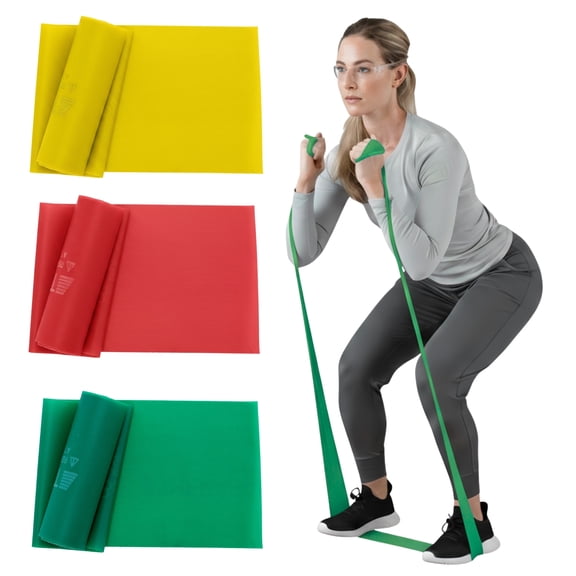
If you like variety, you may compare equipment that supports stretching, core workout patterns, and strength training in one area. If you want a simple daily practice, you may prefer a mat, ring, and resistance bands for pilates.
Single-purpose gear can help you keep your routine clear and repeatable from session to session. Multi-functional frames can make sense when you want more exercise options without adding several separate pieces.
Matching pilates equipment to your routine
Your goals can help narrow the category quickly, especially when several equipment types fit your room. You should connect each setup to the way you plan to move most often.
If your focus is flexibility, you may prefer barrels, towers, and mats that support lengthening and controlled holds. If your focus is a core workout, you may lean toward reformers, rings, and bars.
For strength training, you can compare adjustable resistance and stable frames that support repeated pushing and pulling. For rehab-style movement, you may look for smoother travel, supportive padding, and easier resistance changes.
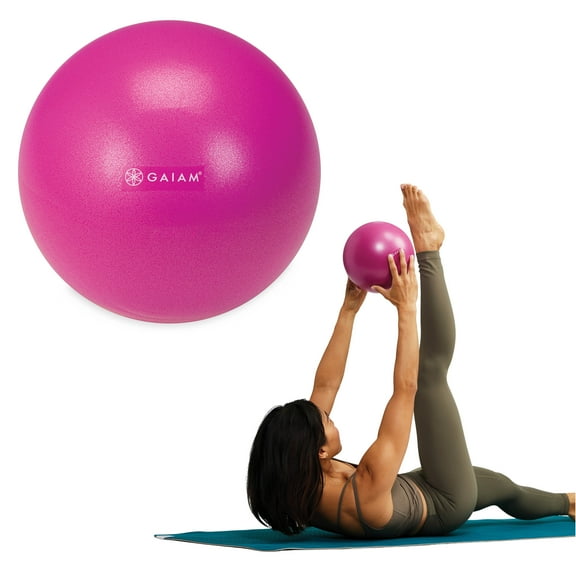
You can also mix smaller pilates accessories into a larger setup for added variety. A mat with rings, bands, or a bar can help you expand routines without taking over your floor space.
When you compare pilates equipment by space, resistance, cushioning, and use case, you can build a setup that feels practical every day. You'll end up with equipment that fits your room, supports controlled movement, and keeps your routine easy to maintain.