


Find auto parts that fit
Let’s search for parts that fit your vehicle.Performance Suspension Components in Performance Steering & Suspension












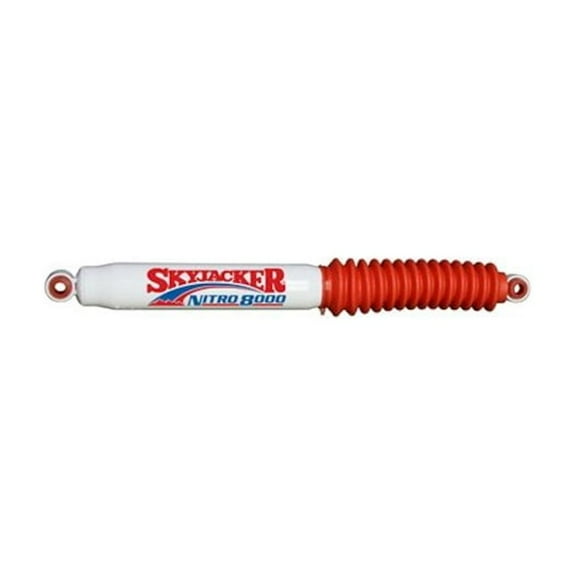
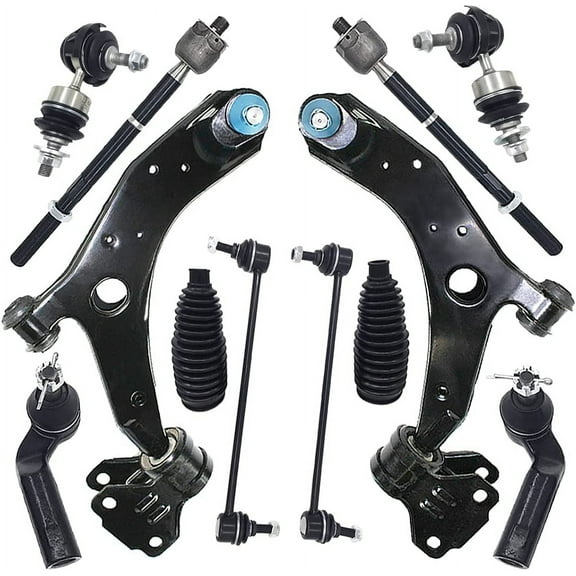
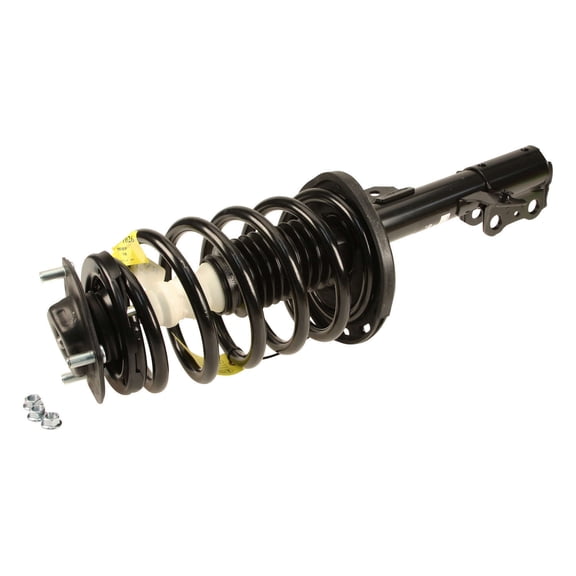
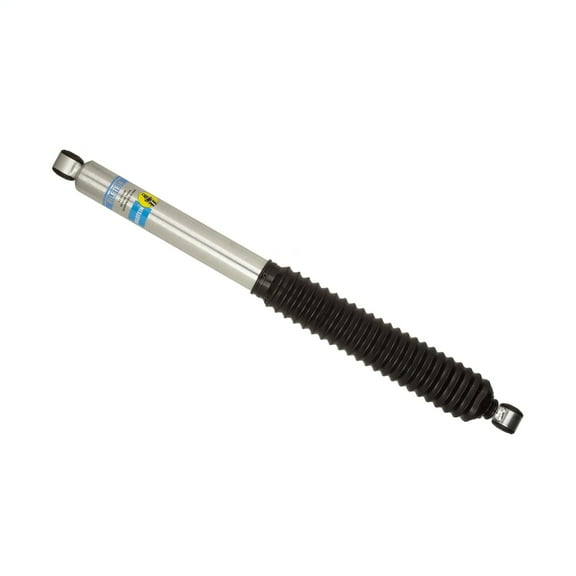

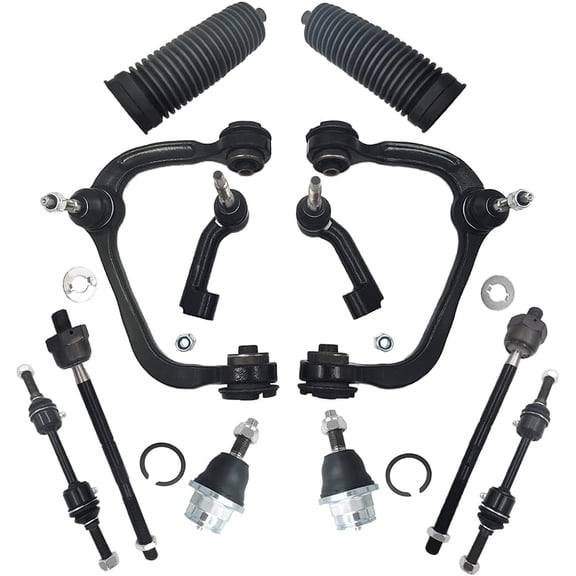
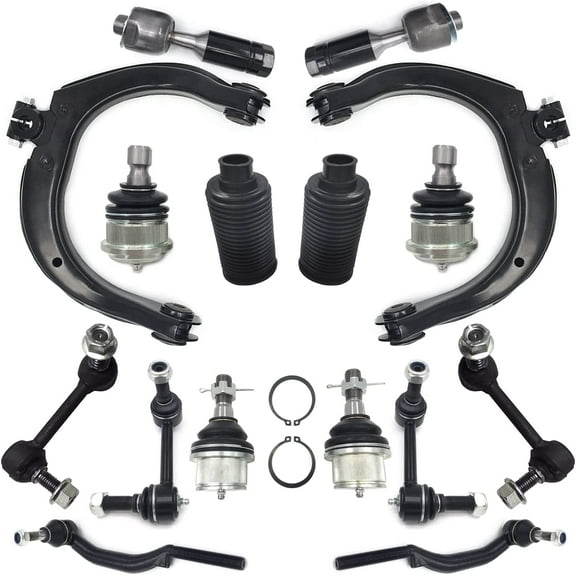


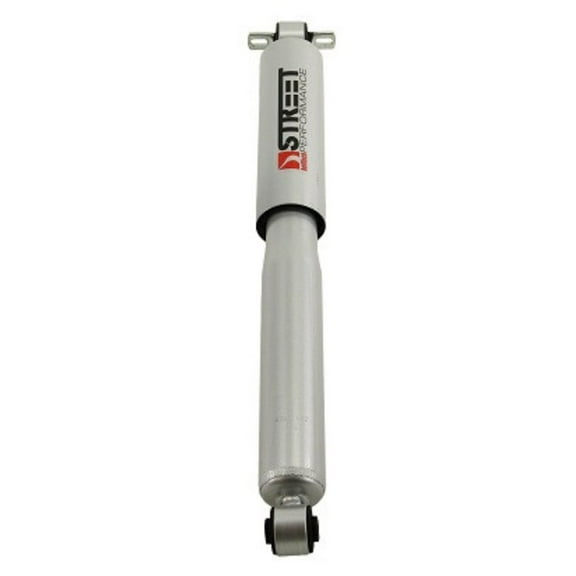
About Performance Suspension Components in Performance Steering & Suspension - Walmart.com
Performance suspension components help you sharpen handling, tune ride height, and match your build to street, track, off-road, or towing needs. You can compare fitment, adjustability, and material choices in one place, so your upgrade path stays clear.
Choosing performance suspension components by fitment
You should start with vehicle fitment before you compare any upgrade style. You need the right bolt patterns, spring rates, mounting points, and lift heights for your exact vehicle.
If you choose parts that match your platform, you can keep installation planning much simpler. You can also compare ride height changes and alignment needs before you commit.
Some builds call for direct replacement geometry, while others need extra clearance or a lower stance. You should check whether your setup supports factory wheels, aftermarket wheels, or wider tires.
How performance suspension parts support your driving goals
You can tailor performance suspension parts to the way you actually drive. Your street setup may prioritize balanced cornering, while your track setup may favor tighter body control.
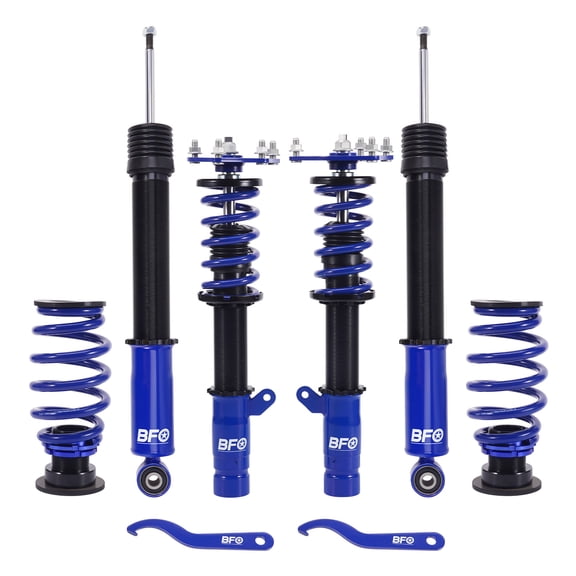
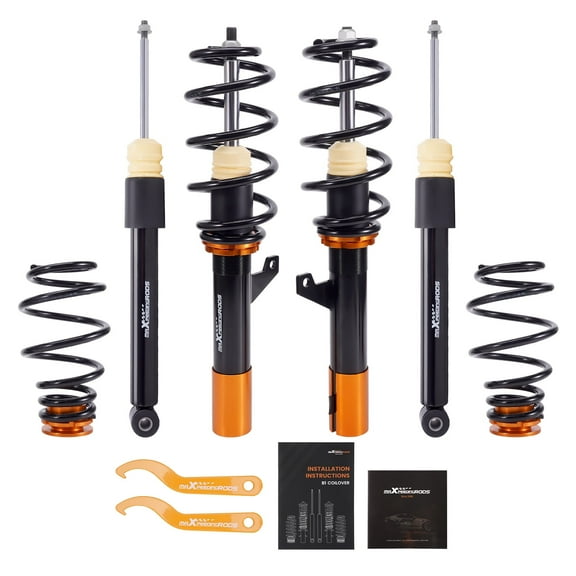
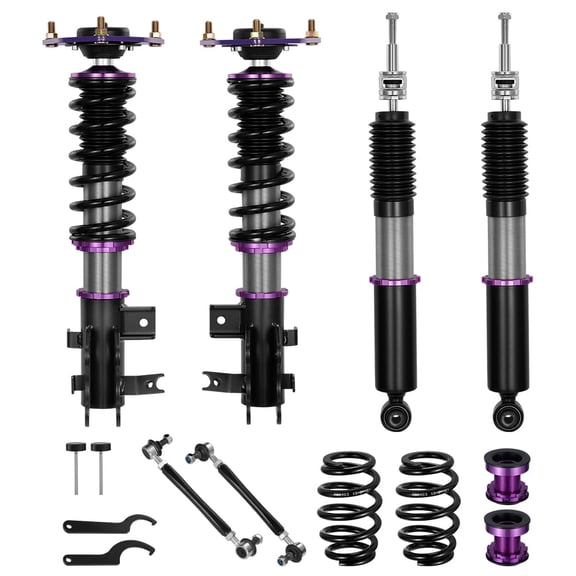
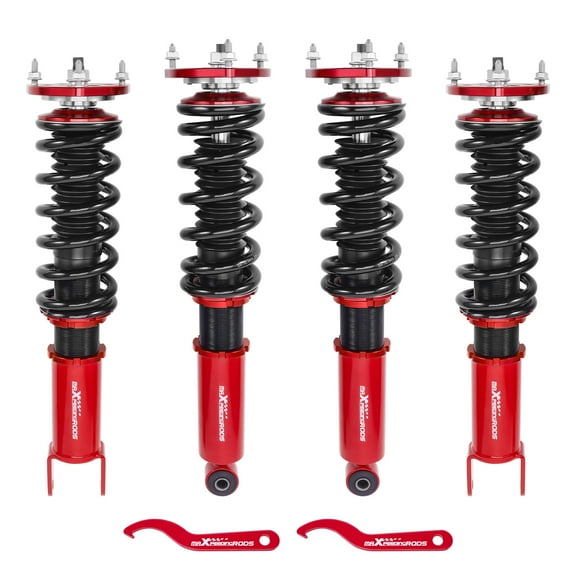
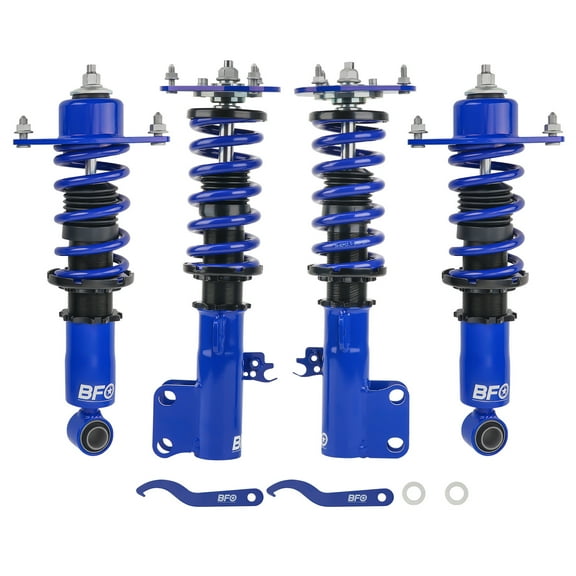
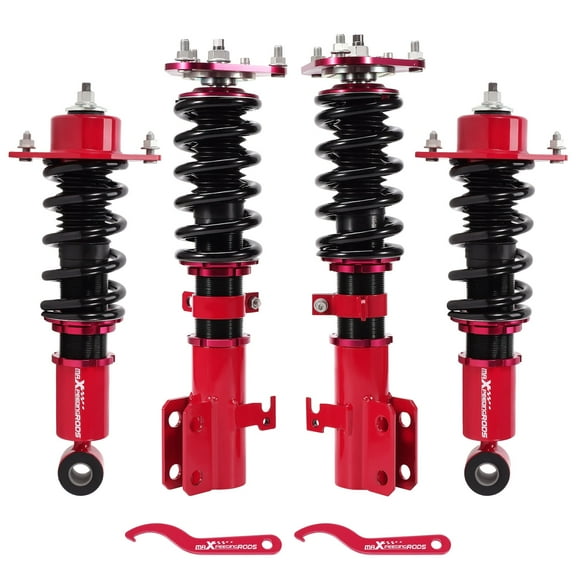
- You can use coilovers when you want height tuning and a more customized stance.
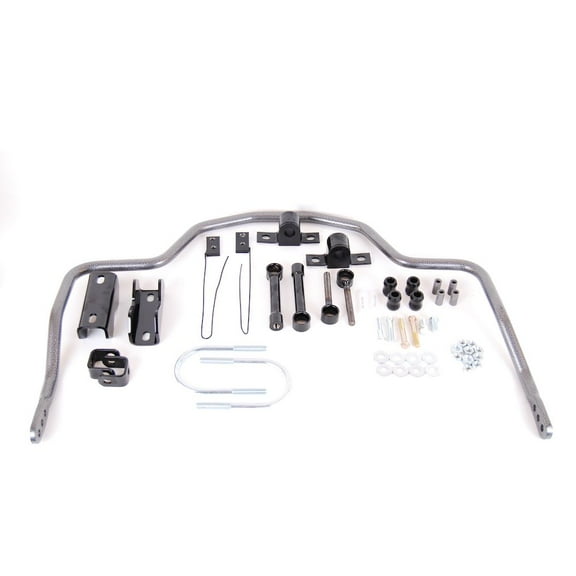
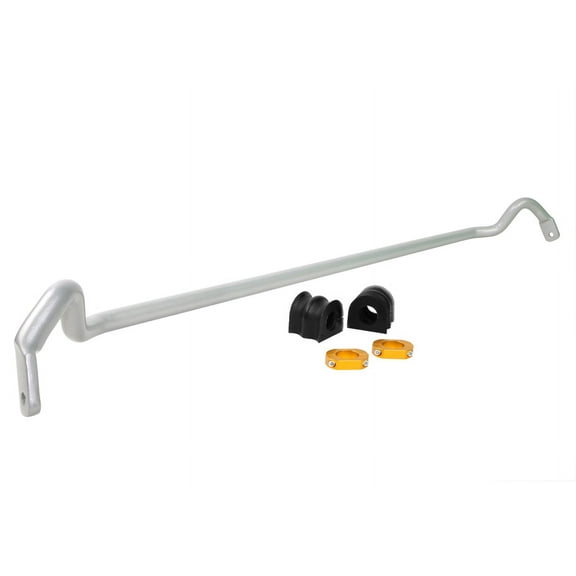
- You can choose sway bars when you want flatter cornering and more controlled weight transfer.
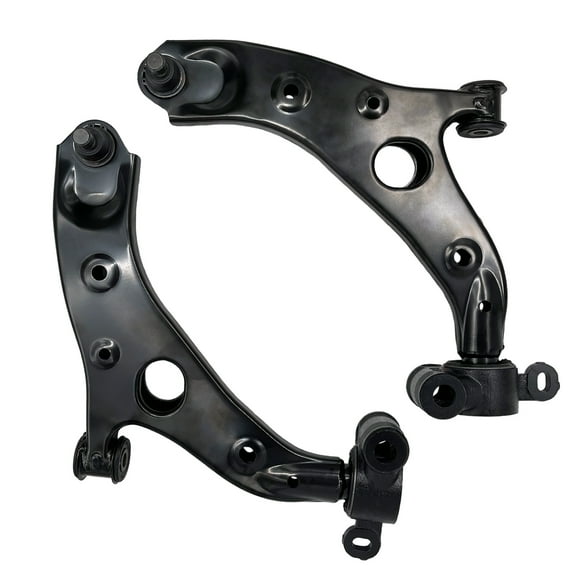
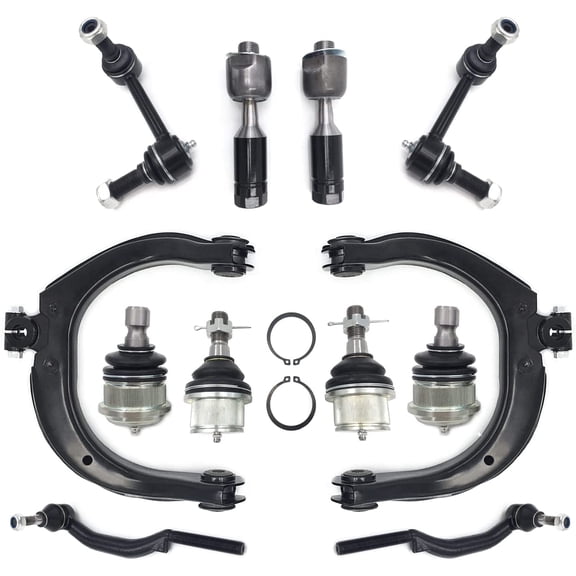
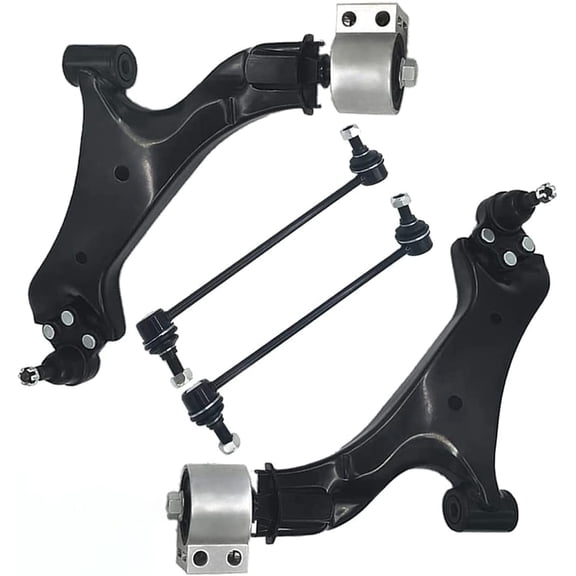
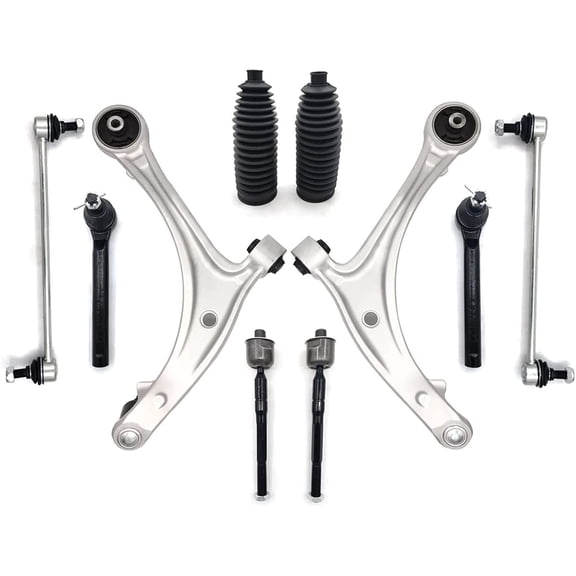
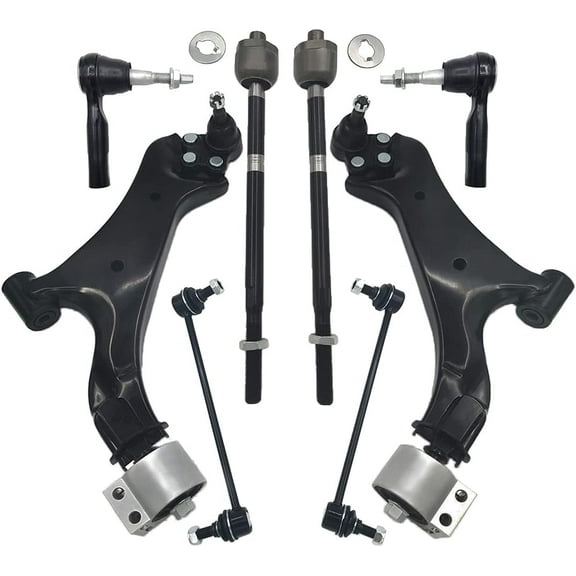
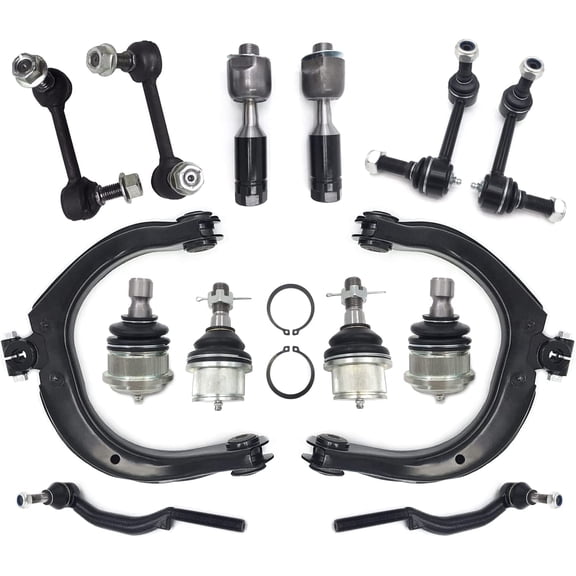
- You can select control arms when you need geometry correction or added wheel clearance.
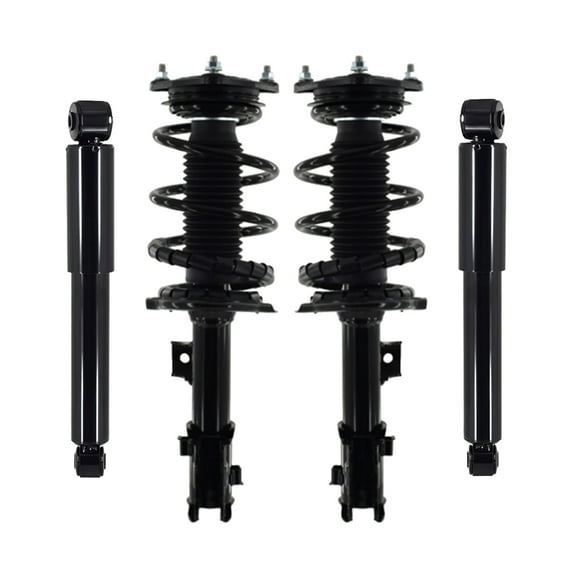
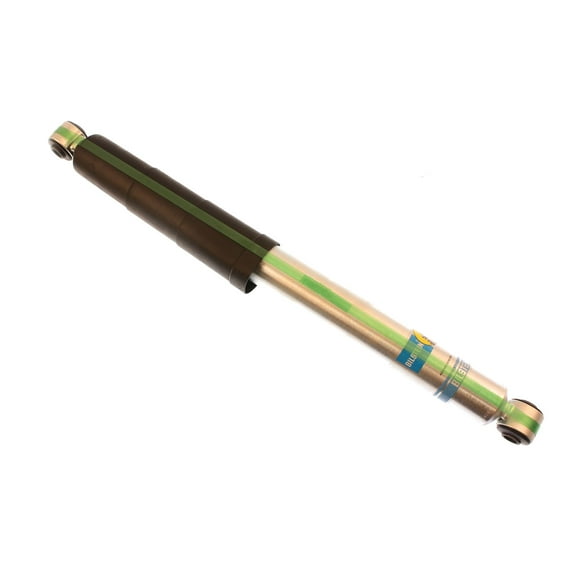
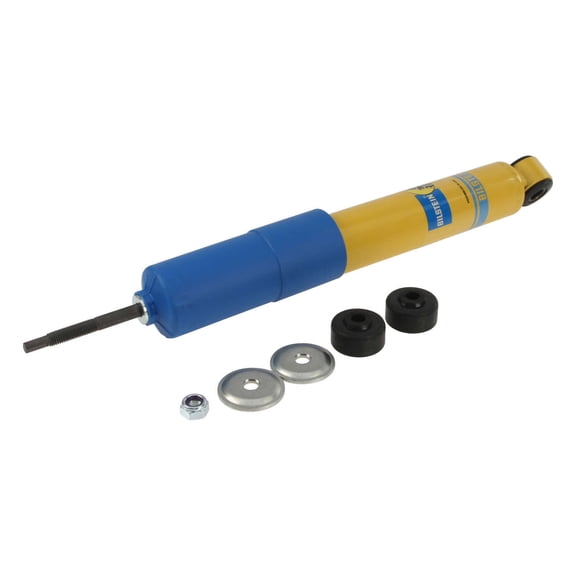
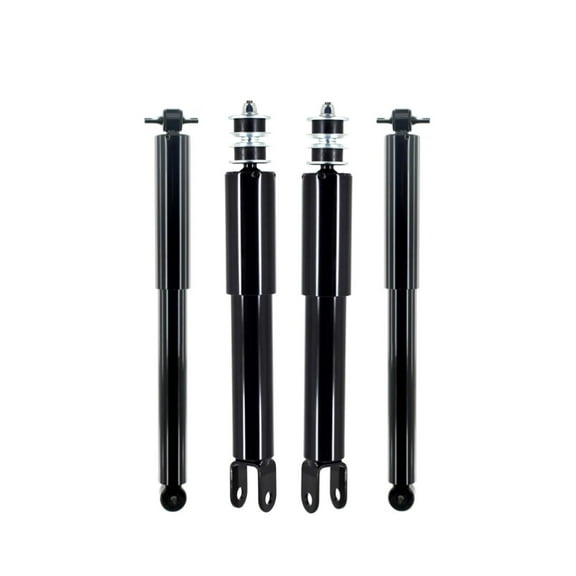
- You can compare shocks and struts when you want a firmer response without changing every suspension point.
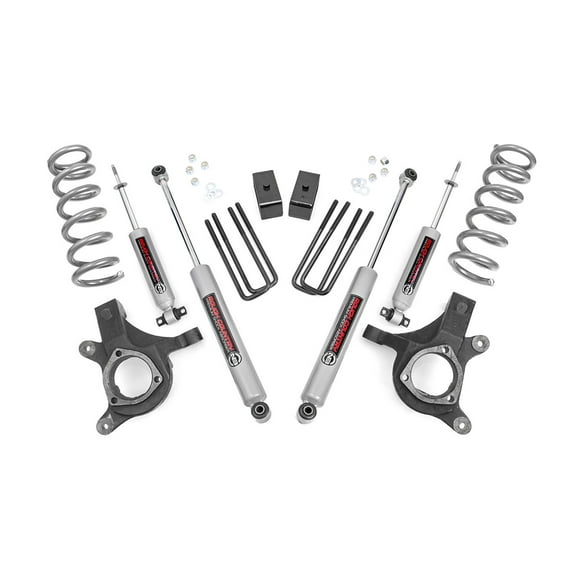
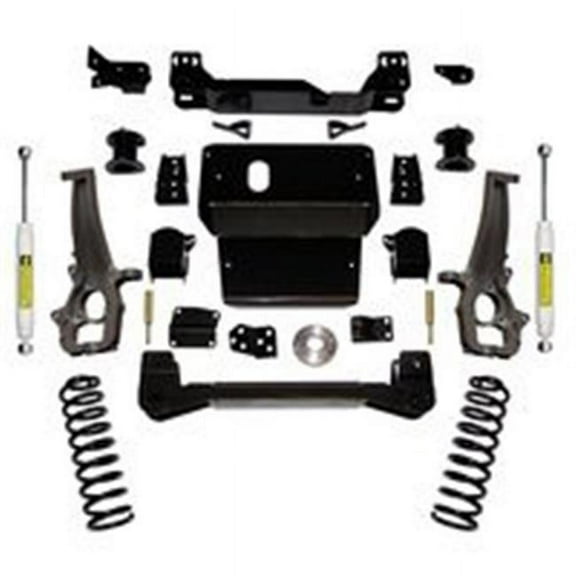
- You can look at lift kits when your off-road build needs extra ground clearance and tire room.
For towing and hauling, you may want components that help your vehicle feel more composed under extra load. For spirited street use, you may prefer a setup that feels responsive without feeling harsh.
Comparing adjustable suspension kits and fixed setups
You should compare adjustment range before you choose a kit. You can find fixed, dampening adjustable, ride height adjustable, and fully adjustable setups for very different goals.
Fixed systems suit you when you want a straightforward upgrade path with fewer tuning steps. Dampening adjustable systems suit you when you want to fine-tune firmness for changing roads.
Ride height adjustable options help you dial in stance, wheel gap, and clearance. Fully adjustable suspension kits give you more control, but you should expect more setup time.
You also need to think about alignment after major height changes. If you lower or raise your vehicle significantly, you may need camber or caster correction parts.
What to look for in aftermarket suspension components
You can learn a lot from material and construction details. Aftermarket suspension components often use forged steel, billet aluminum, chromoly, or polyurethane bushings for different priorities.
Forged steel can suit you when strength and impact resistance are critical. Billet aluminum can appeal to you when you want lighter hardware with a clean machined look.
Chromoly may fit your build when you want a strong material for demanding use. Polyurethane bushings can give you a firmer connection, though you should compare maintenance needs and expected noise levels.
You should also look at finish quality and corrosion resistance for long-term use. If your vehicle sees wet roads, mud, or seasonal weather, protective coatings matter.
Matching component type to your build
You can narrow choices faster when you match each component type to a specific goal. Coilovers help you combine springs and dampers in one package, while shocks and struts often support targeted replacements.
Sway bars change how your vehicle resists lean through corners. Control arms can help you manage suspension geometry, bushing feel, and wheel positioning after other modifications.
Lift kits support extra clearance for trail obstacles, taller tires, and a more elevated stance. You should compare included hardware, bracket design, and compatibility notes before you choose.
Using performance suspension components for real-world setups
If you drive mainly on public roads, you may want a balanced setup with moderate spring rates and limited adjustment complexity. You can get a more planted feel without turning every commute into a rigid ride.
For track use, you may want coilovers, upgraded control arms, and sway bars that support faster transitions. You should look for adjustability that helps you tune corner entry, mid-corner balance, and tire contact.
For off-road driving, you may need lift kits, durable shocks, and components built for articulation and ground clearance. You should measure tire fit, travel needs, and hardware compatibility before installation.
If your vehicle handles trailers or heavy cargo, you may want suspension parts that keep the chassis more controlled under load. You can focus on support, stability, and predictable handling during longer drives.
You should also think about installation skill and follow-up setup. Some upgrades are more dial-adjustable, while others may need professional alignment and careful post-install checks.
When you compare performance suspension components with fitment, adjustability, materials, and use case in mind, you can build a setup that feels purposeful. You end up with handling, clearance, and control that more closely match the way you drive.
Popular in Performance Suspension Components in Performance Steering & Suspension - Walmart.com
- Lincoln Mkx Suspension Ball Joint
- Buick Apollo Shock Absorber
- Lincoln Mark Vii Shock Absorber Kit
- Saturn Ion Steering Tie Rod End Kit
- Chrysler 200 Steering Idler Arm
- Lincoln Aviator Suspension Ball Joint
- Mini Cooper Suspension Ball Joint Kit
- Saab 44690 Suspension Control Arm Bushing
- Oldsmobile Delta 88 Air Suspension Strut
- Lincoln Mkx Shock Absorber
- Saab 900 Suspension Control Arm Bushing
- Chevrolet G30 Shock Absorber Set