

Performance Cycling in Bikes
















About Performance Cycling in Bikes - Walmart.com
Performance cycling helps you compare responsive bike setups, precise fit details, and road-ready gear for serious miles. You can use this guide to sort bike types, frame materials, components, and apparel with more confidence.
If you’re narrowing performance cycling options, you may care about frame response, steady power transfer, and gear that matches long rides. You can also compare road cycling gear and parts without guessing which details matter.
How to choose performance cycling for your riding style
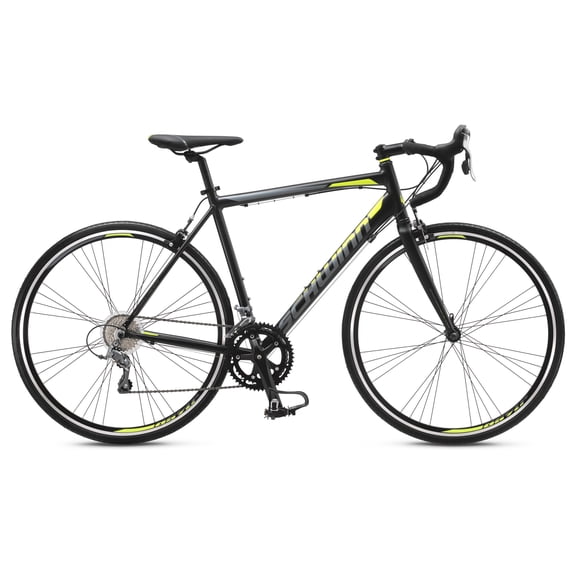
Start with bike type, because you may ride differently on pavement, rough shoulders, and loose gravel. You may usually want performance road bikes for fast pavement miles and triathlon bikes for aerodynamic race positions.
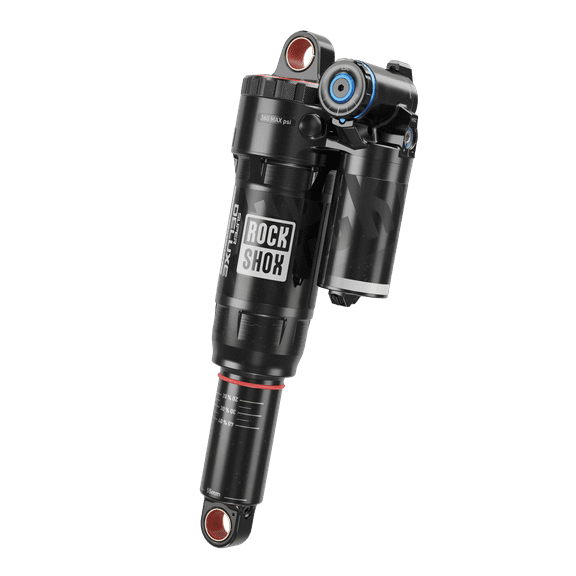
When you expect mixed terrain, you should compare gravel bikes with wider tire clearance and steadier geometry. If you prefer rough trails, you may look at mountain bikes with handling built for climbs, descents, and uneven ground.
You should also consider how your position affects comfort and control over longer distances. When you compare stack, reach, and frame size in centimeters, you can narrow your fit before you compare colors or accessories.
- You can choose road bikes when your rides focus on speed, pacing, and efficient pavement handling.
- You can choose gravel bikes when your routes mix pavement, hardpack, and wider tire needs.
- You can choose triathlon bikes when your goals center on aerodynamics and sustained race efforts.
- You can choose mountain bikes when your terrain calls for traction, control, and stable handling.
Choosing frame materials and fit in performance cycling
Frame material shapes how your bike feels when you sprint, climb, or settle into long rides. You can often compare carbon fiber, aluminum, and titanium based on ride feel, weight goals, and durability preferences.
With carbon fiber road bikes, you can target a lighter feel and a responsive ride under quick accelerations. If you choose aluminum, you can often get a direct pedaling feel that works well for training and everyday road miles.
If you compare titanium, you may want a smooth ride feel for long-distance use and varied conditions. You should always match that material choice with frame geometry, because your fit affects comfort more than one headline spec.
Look for frame size in centimeters, then compare stack and reach to understand your position. When you measure those numbers carefully, you can choose a setup that supports efficient pedaling and confident control.
What to look for in performance bicycle parts and groupsets
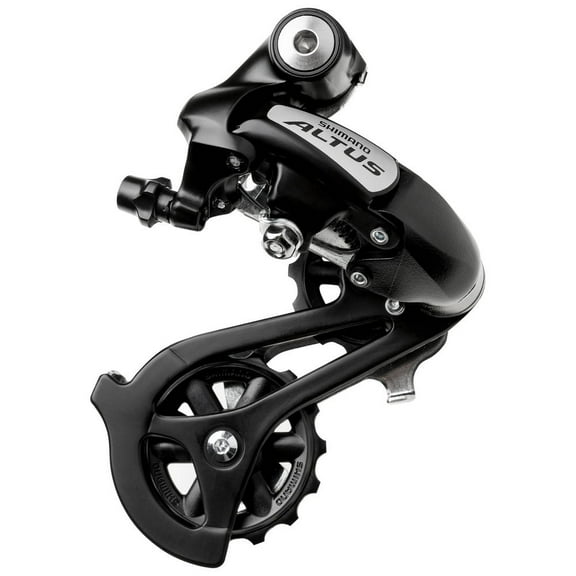
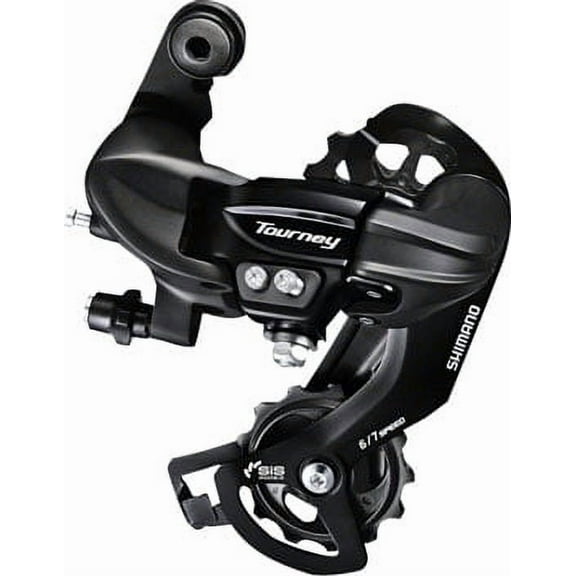
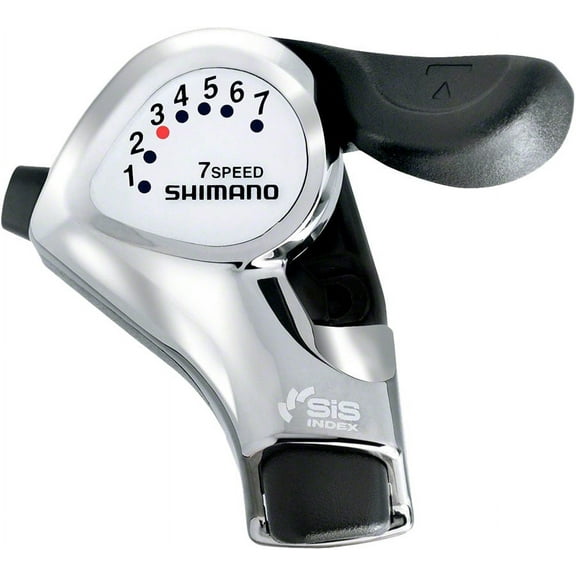
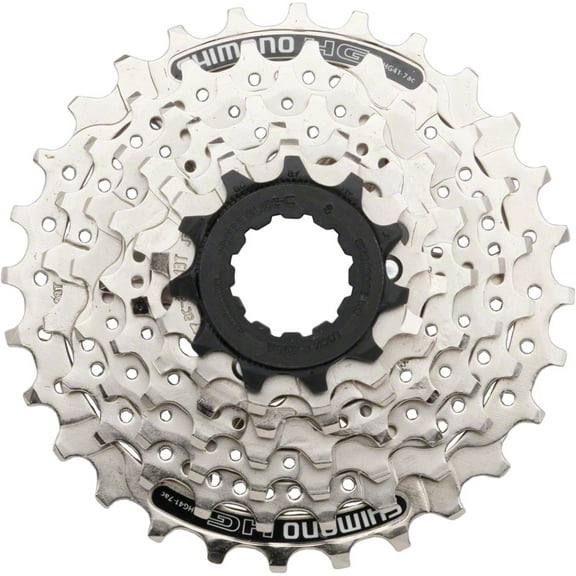
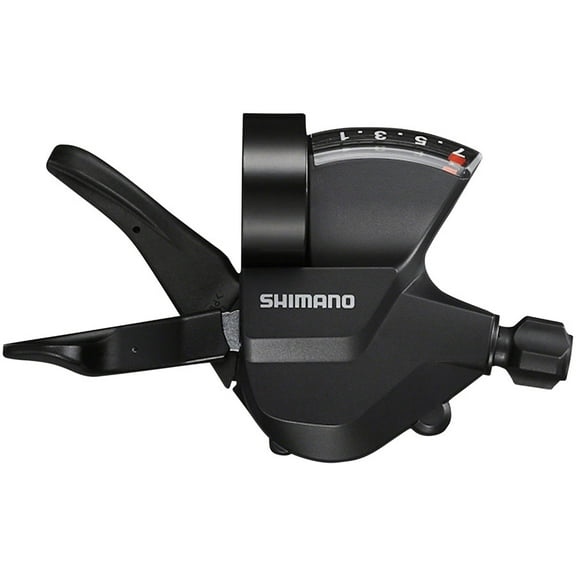
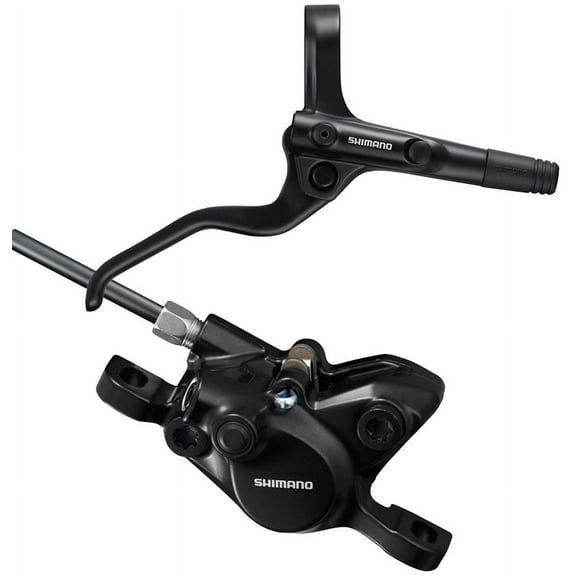
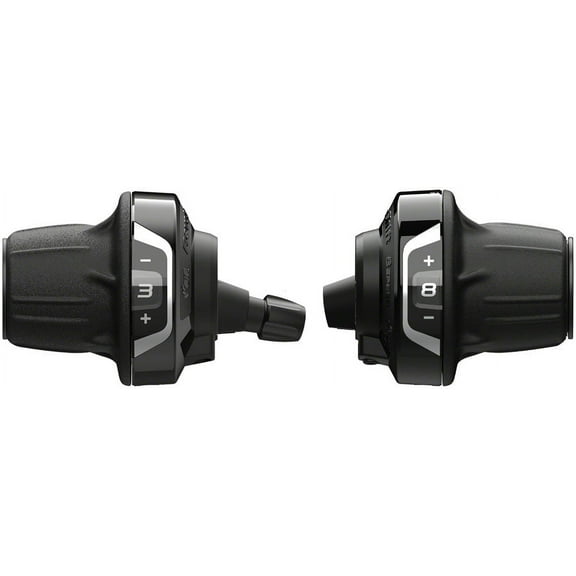
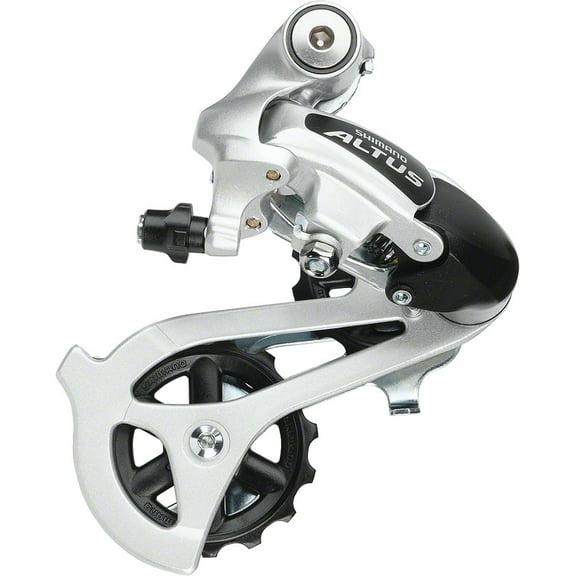
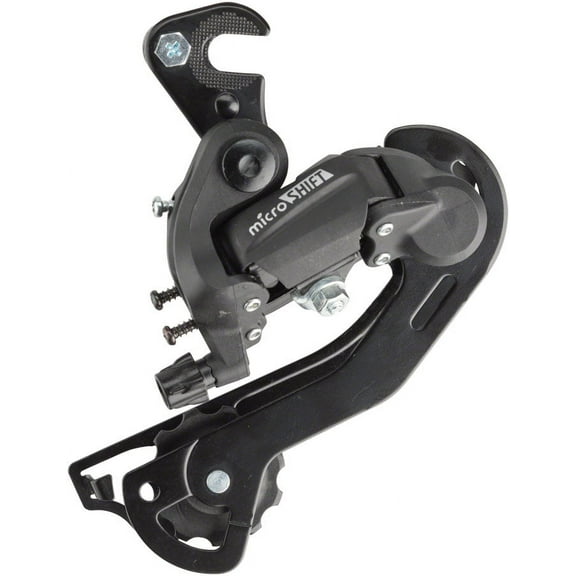
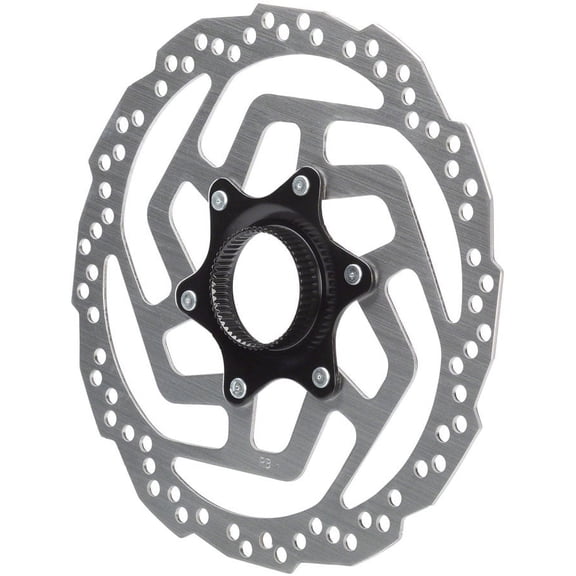
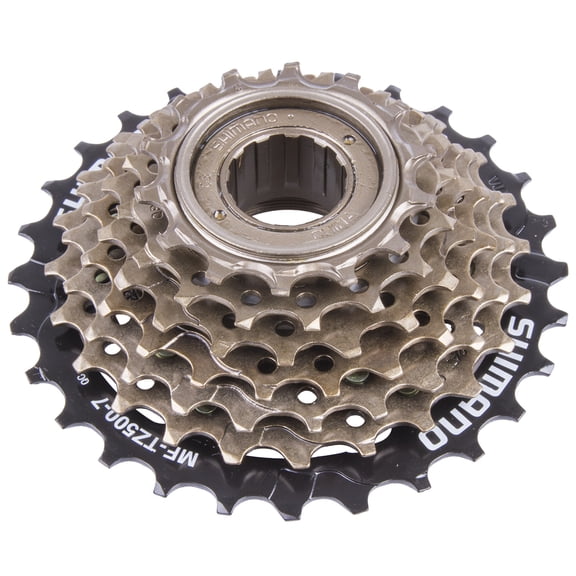
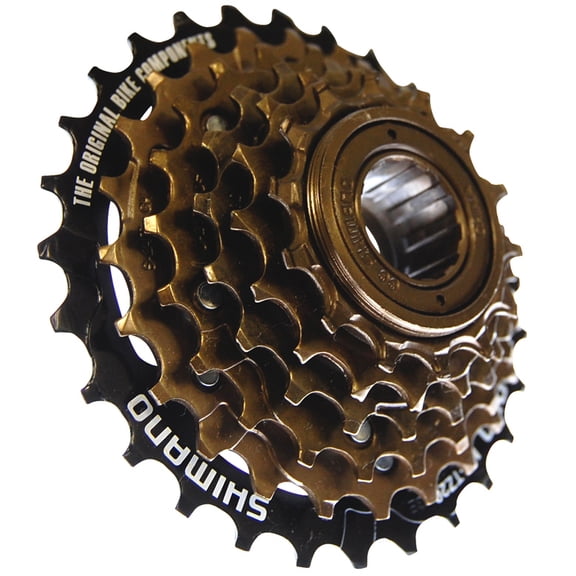
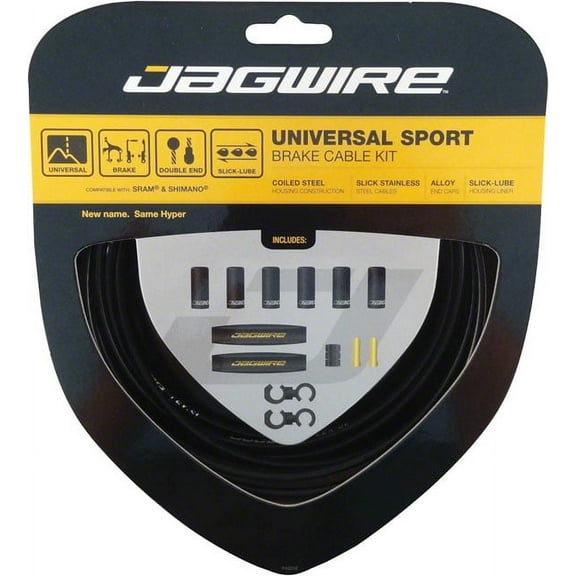
Performance bicycle parts matter greatly when you need steady shifting, useful gear ranges, and dependable braking during changing ride conditions. You should compare cycling groupsets by tier, cassette range, and how you plan to ride.
Entry-level groupsets can work well when you want reliable shifting for training rides and regular weekend mileage. Mid-range systems may suit you when you want lower weight, smooth operation, and refined gearing without unnecessary complexity.
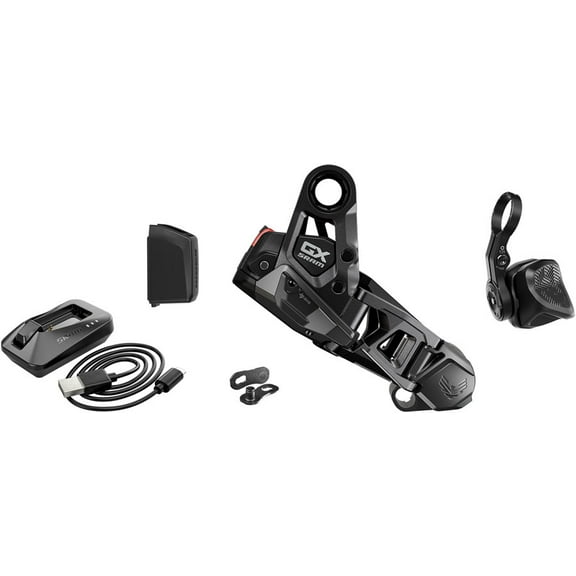
Professional electronic groupsets may appeal to you when you want quick button-based shifting and precise gear changes. You should also check cassette range, because low climbing gears can matter on steep routes or long events.
Wheelsets and tire clearance deserve the same attention as drivetrains when you compare complete bikes or upgrade paths. If you want flexibility, you can look for tubeless-ready wheels and enough clearance for your preferred tire width.
Wider clearance can help you adapt your setup for rough pavement or gravel detours without changing bikes. Narrower road-focused setups may suit you when your routes stay smooth and your goal is efficient speed.
How road cycling gear and cycling apparel support longer rides
Road cycling gear works well for you when each piece matches your riding conditions and your distance goals. You can compare cycling apparel by weather coverage, fit, and how much support you want over several hours.
Cycling jerseys help you carry ride essentials while keeping a close fit that works well on moving bikes. Padded bib shorts can support longer time in the saddle, especially when you’re planning steady training or event mileage.
Windproof jackets make sense when you ride in changing weather or cooler morning starts. You should look for apparel that layers easily, because your comfort can change quickly during climbs, descents, and rest stops.
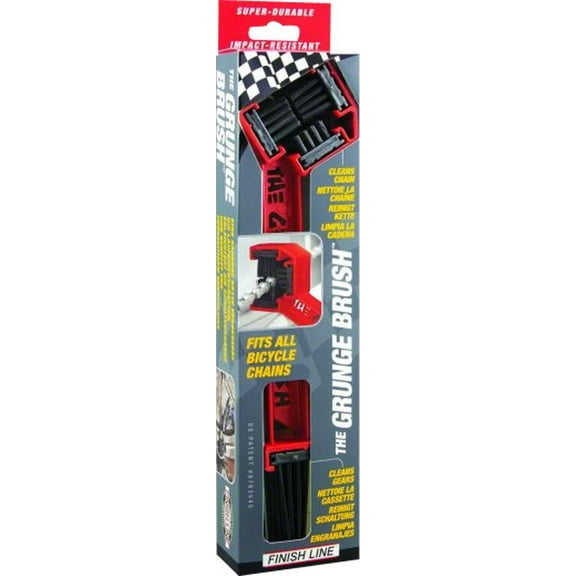
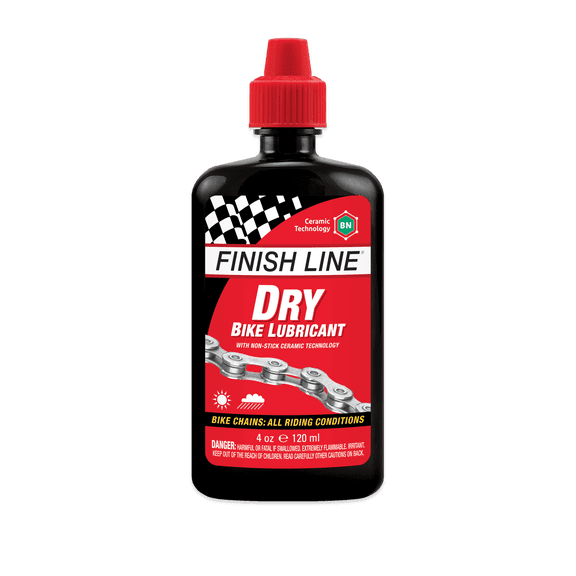
You may also want gloves, helmets, shoes, and repair essentials as part of your wider road cycling gear setup. When your accessories match your route and bike style, you can ride with fewer distractions and cleaner organization.
Matching performance road bikes and gear to real ride scenarios
If your week centers on fast solo pavement rides, you may want performance road bikes with efficient geometry and lighter frame materials. You can pair that setup with fitted cycling apparel and a cassette range suited to rolling roads.
When your routes mix pavement and loose surfaces, you may prefer gravel bikes with wider tire clearance and tubeless-ready wheels. You can match that bike with bib shorts, jerseys, and jackets that handle longer mixed-terrain days.
If you’re training for time-focused events, you may compare triathlon bikes with aerodynamic positions and focused component choices. You should check fit carefully, because stack and reach affect how comfortably you hold that lower position.
For climbing routes or all-day rides, you may want low gearing and a frame feel that matches your effort style. When you align bike type, groupset tier, and apparel, you can build a more consistent riding experience.
Performance cycling becomes simple to shop when you compare fit, terrain, frame material, and component choices in one place. You can move forward knowing your bike and gear choices support smooth rides, steady effort, and more confident miles.