

Performance Bike Tools and Maintenance in Performance Cycling


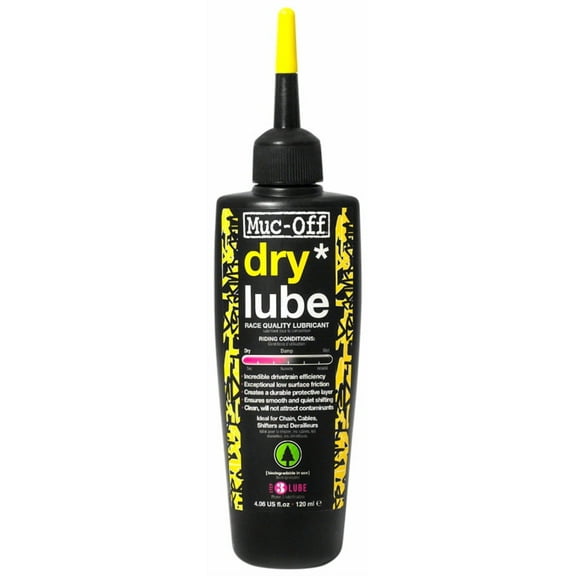


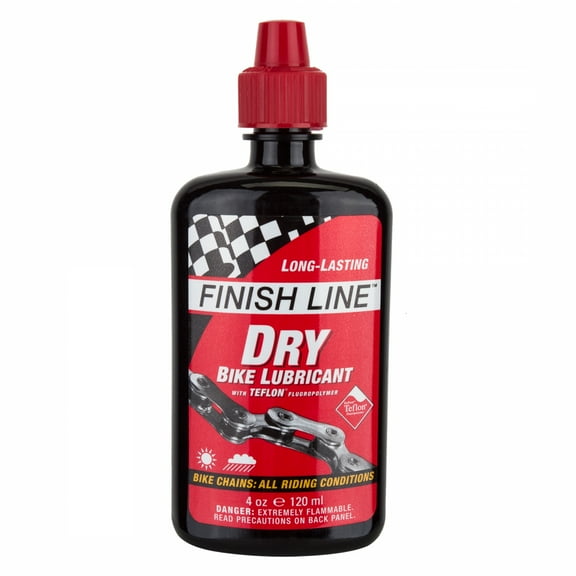

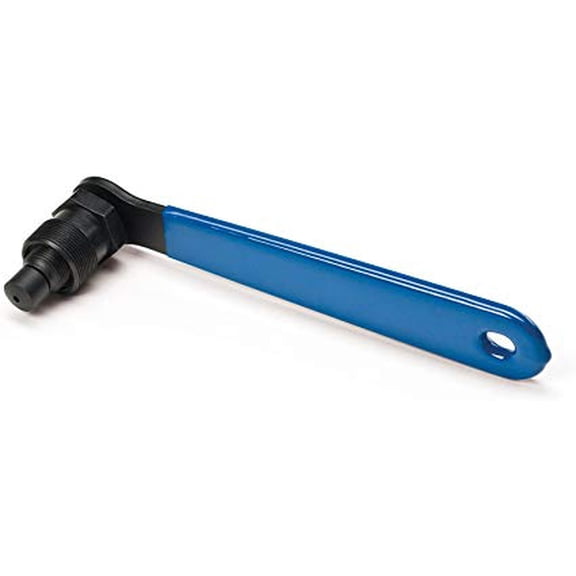

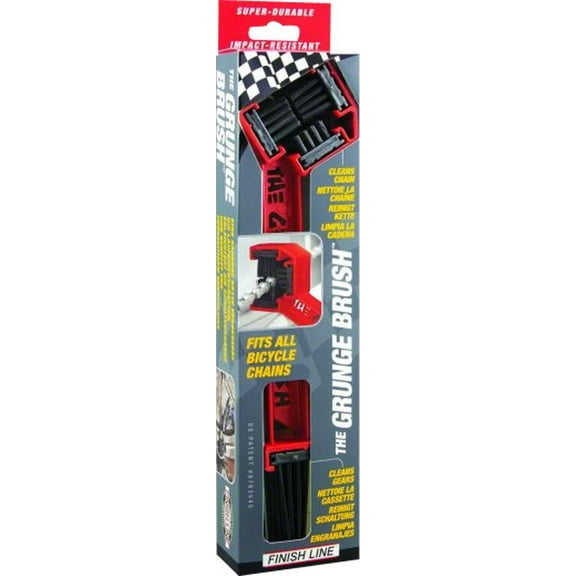










About Performance Bike Tools and Maintenance in Performance Cycling - Walmart.com
Performance bike tools help you handle trail fixes and home tune-ups with cycling-specific gear for precise adjustments. You can compare compact carry options, workshop-ready pieces, and compatibility details that matter before every ride.
How to choose performance bike tools
When you shop performance bike tools, you should start with the repair jobs you expect frequently. You may need quick roadside help, regular drivetrain upkeep, or a full bicycle repair kit for your garage.
Tool type shapes how you work on your bike and how much space you want to carry. You can compare multi-tools, tire levers, chain breakers, and hex keys by the tasks they cover.
Multi-tools fit riders who want several functions in one pocket-sized piece. You can tighten bolts, adjust cockpit parts, and handle small setup changes without carrying separate items.
Tire levers matter when you remove tight road bike or tubeless tires during a flat repair. You can look for shapes that grip the tire bead cleanly and store easily in a saddle bag.
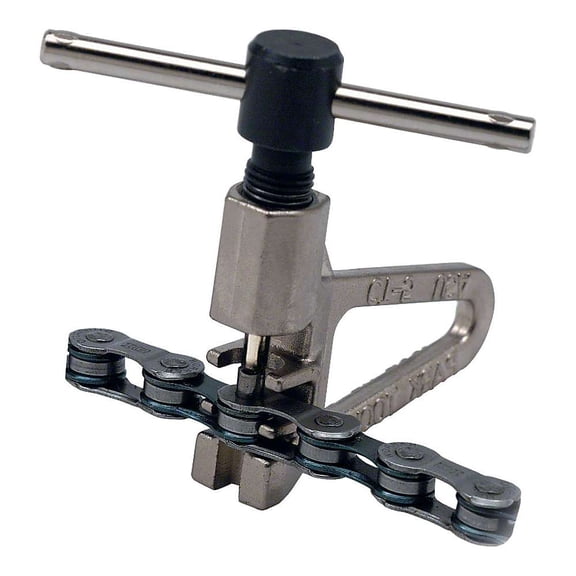
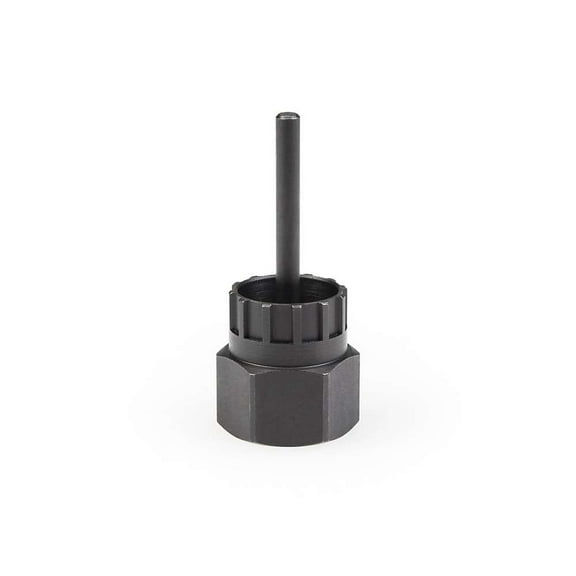
Chain breakers help when you need chain service that a basic portable bike multi tool may not fully cover. You should check chain speed compatibility, because 10, 11, and 12-speed chains need the right fit.
Hex keys give you direct control for stem bolts, seatposts, bottle cages, and many common adjustments. You can choose folding sets for travel or workshop styles for extra leverage.
Key bike maintenance tools and benefits
You can make faster repairs when your gear matches the way you ride. You may notice cycling-specific tools reach small fasteners and tight spaces common on modern bikes.
- You can keep essential adjustments close with pocket-sized or saddle bag friendly tools.
- You can handle routine drivetrain service with chain-focused tools and precise hex sizes.
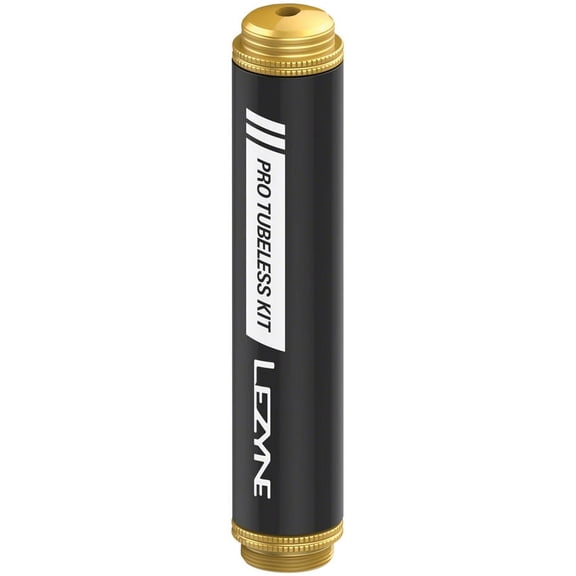
- You can support road bike tools needs and tubeless tire setups with compatibility-focused options.
- You can choose workshop grade pieces when your garage setup needs more leverage and control.
Portability matters when you ride far from home and need gear that helps keep your load light. You can carry compact tools for flats, loose bolts, and simple on-route corrections.
Workshop capability matters when you handle deeper maintenance between rides. You can use larger tools for steadier grip, cleaner force, and more comfortable repeated adjustments.
Material also affects how your tools feel over time. You can look for hardened steel, alloy, or carbon steel when you want strength matched to frequent use.
Hardened steel often suits riders who want dependable contact on stubborn bolts and chain pins. You may prefer alloy when you want lower carry weight in a portable setup.
Choosing features in a bicycle repair kit
A bicycle repair kit should match your bike type before you focus on size or finish. You should check whether the tools fit road bike hardware, mountain bike parts, or tubeless tire service.
Compatibility details can prevent frustrating mismatches during a repair. You can compare thread pitch support for pedals or fasteners and confirm chain speed compatibility for drivetrain work.
Thread pitch matters because bike parts do not all use the same threading standard. You should measure carefully or confirm your bike’s specs before choosing specialty tools.
Chain speed compatibility matters because narrower chains need tools sized for modern drivetrains. You can avoid guesswork by matching your chain breaker to your cassette and chain setup.
Portability is another key decision when you compare a bicycle repair kit with separate shop tools. You can choose saddle bag friendly pieces for race days or workshop grade sets for regular service.
Pocket-sized gear works well when your goal is emergency support during long rides. You can store a portable bike multi tool beside a tube, patch kit, and compact inflator.
Workshop grade tools fit riders who clean, adjust, and fine-tune several bikes at home. You can benefit from longer handles, dedicated tips, and a steadier grip on repeated jobs.
Material choice helps you compare long-term use across different tool styles. You can expect hardened steel and carbon steel options to support repeated contact on high-torque adjustments.
Matching road bike tools and trail kits to your rides
Your riding style can guide the right mix of carry tools and home tools. You may want one lightweight setup for training rides and another setup for regular garage maintenance.
For road rides, you can focus on a slim kit that handles flats and common bolt checks. You might carry tire levers, a compact chain tool, and a portable bike multi tool.
For mountain biking, you can look for tools that support wider tires, rough terrain, and frequent setup tweaks. You may prefer stronger leverage and extra grip for trailside adjustments.
If you run tubeless tires, you should consider tools that help with tight beads and quick wheel service. You can pair tire levers with other bike maintenance tools that fit your repair routine.
If you tune several bikes at home, you can build a more complete bench setup. You may want dedicated hex keys, chain breakers, and other performance bike tools for repeat service.
When you compare these options clearly, you can build a kit that fits your bike and your riding habits. You can find tools that support smoother adjustments and more confident maintenance.